

Year 2 News

GRADE 2 CURRICULUM NEWSLETTER TERM 4 2026
Reading
In Reading this term, students are analysing stories by Bob Graham. They are learning to identify the purpose and intended audience of different types of texts. They are practising to use comprehension strategies such as visualising, predicting, making connections, summarising, questioning and monitoring their understanding.
As they read, students will begin to look more closely at how texts are organised and how authors use different language features to suit their purpose. They will draw on what they already know about a topic, as well as the structure of a text, to understand both the literal meaning and ideas that are implied.
Students will also continue to build their vocabulary and apply these to their writing. Along with this, students are continuing with the Phonics Plus program, they will focus on learning and practising vowel digraphs and consonant blends.
Writing
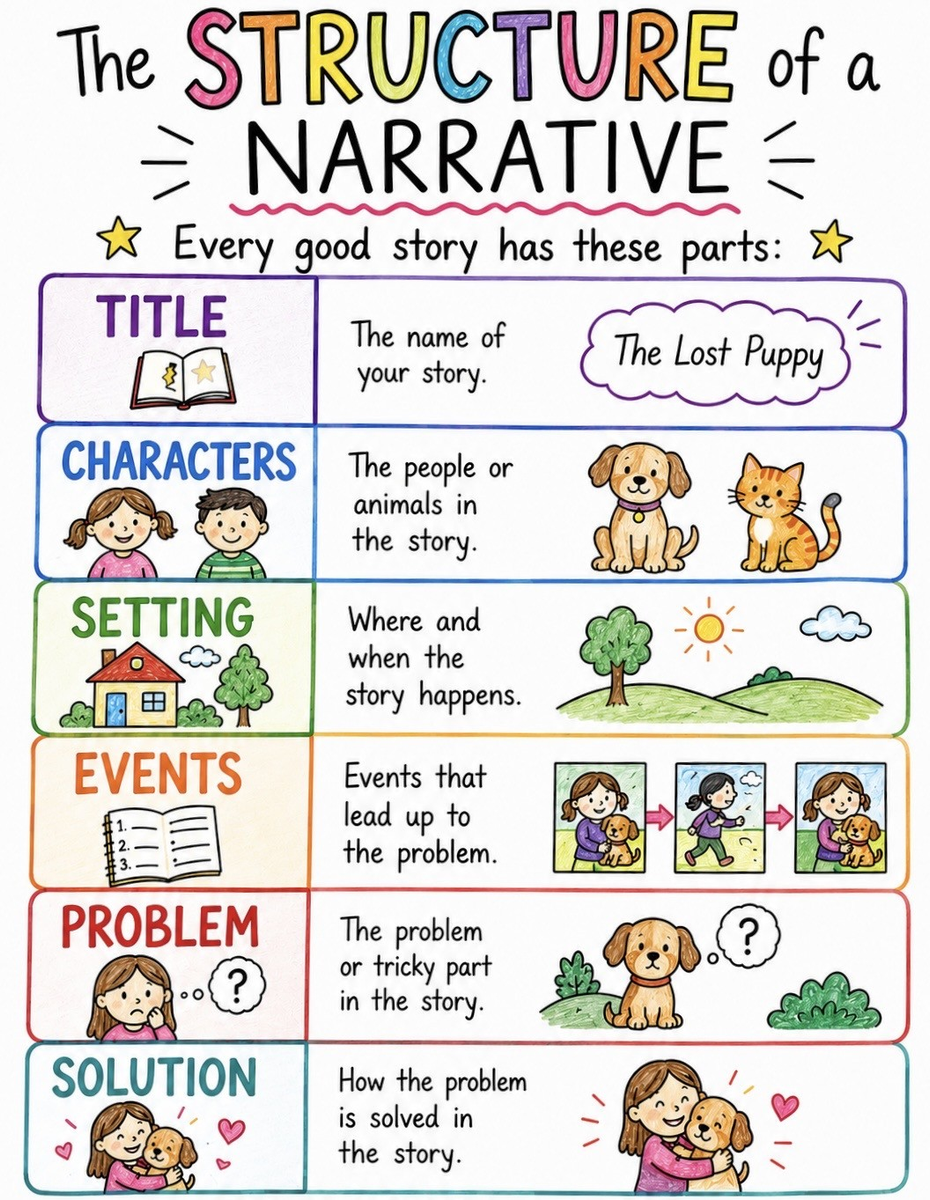
This term the Grade 2 students will be continuing to learn about Narratives. During this unit they will be focusing on the language features used by writers including adjectives, adverbs and interesting vocabulary words. They will be learning to include more detail in their writing and exploring writing pieces that engage the reader. Students will consolidate their understanding of complex sentences during this unit and learn how to make their writing cohesive.
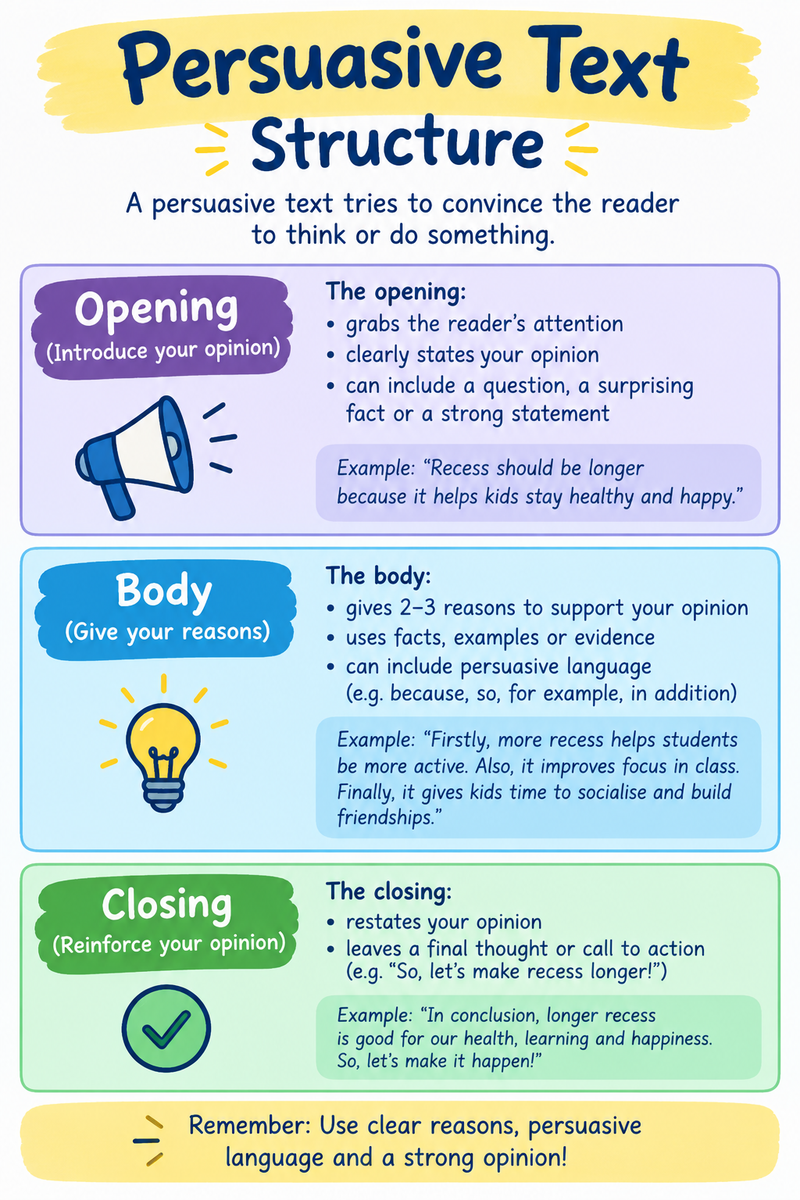
The Grade 2 students will then move on to a Persuasive Text unit towards the end of the term. The students will explore persuasive writing and learn how to share their opinions and convince others to agree with their point of view. They will identify the difference between facts and opinion and understand that people can have different opinions about the same topic. They will develop skills in planning and writing persuasive texts, using reasons and persuasive language to support their ideas.
MATHEMATICS
This term, students will continue to develop their multiplicative thinking, building on their learning from last term. They will continue to explore multiplication and division through repeated addition, skip counting, arrays (rows and columns), and sharing collections into equal groups. Students will use hands-on materials and everyday objects to represent and solve problems, helping them understand how multiplication and division are connected.
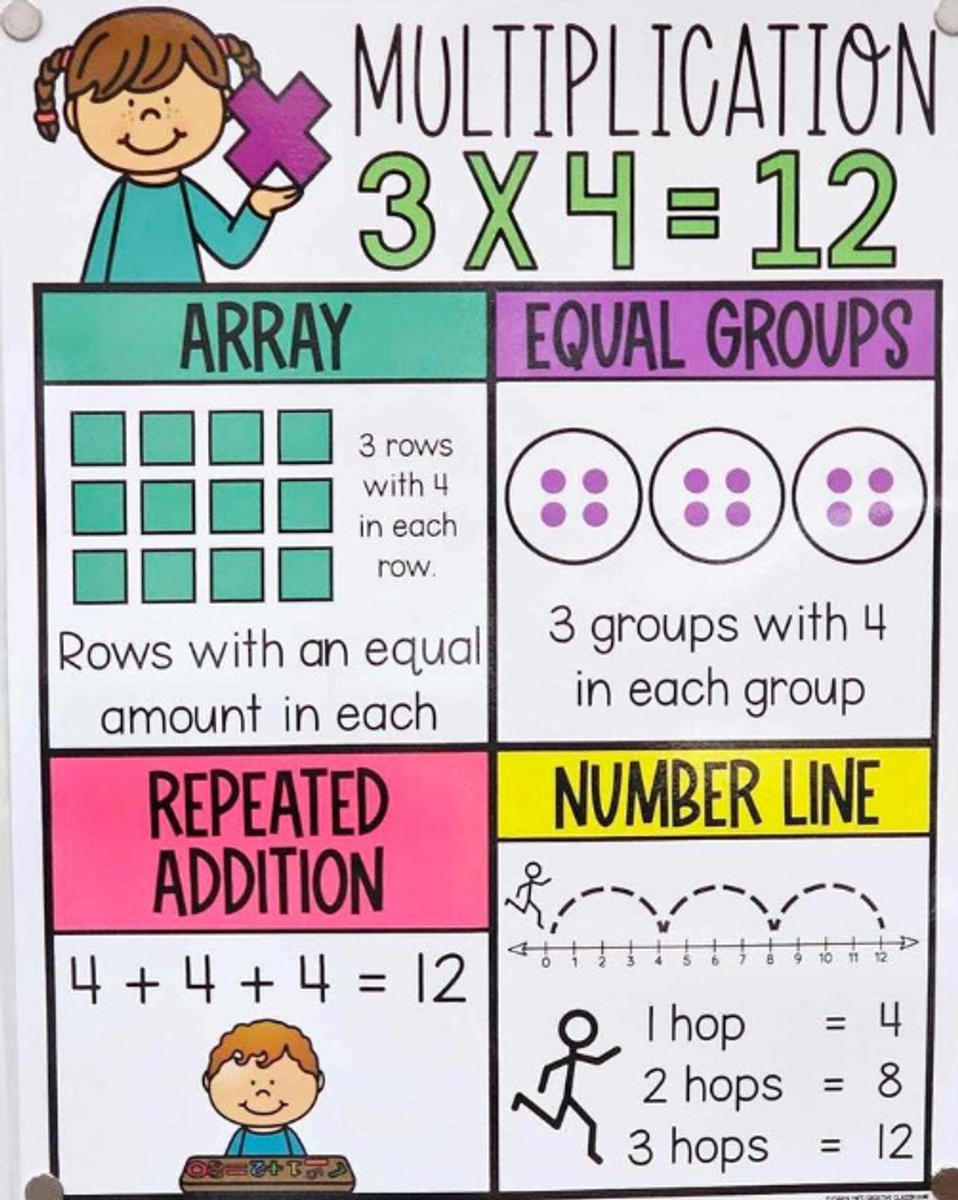
Try at home: Share 12 grapes between 3 people, arrange toy cars into equal rows, or skip count pairs of socks.
Ask: “How many groups are there?”, “How many in each group?”, “Are the groups equal?”, “How many altogether?”
This term, students will also be introduced to fractions. They will begin to recognise and represent halves, quarters and eighths, exploring how a whole can be divided into equal parts. Students will develop their understanding that fractions represent equal parts of a whole and learn to recognise fractions in different representations.
Try at home: Cut a sandwich into equal pieces, fold paper into halves or quarters, or share a pizza.
Ask: “How many equal parts are there?” “What fraction is one piece?” “How do you know the parts are equal?”
In addition to multiplicative thinking and fractions, students will be learning about data and capacity. They will collect, organise and represent data, interpret information from tables and graphs, and answer questions using the information they find.
Try at home: Survey family members about their favourite fruit, sport or movie. Record the answers using tally marks and make a simple graph.
Ask: “Which choice was the most popular?” “How many people chose apples?” “How many more people chose soccer than cricket?”
Students will explore capacity by comparing and measuring how much different containers can hold, making estimates and using informal units to measure and compare capacity.
Try at home: Use cups, jugs and plastic containers at bath time or while cooking. Estimate which container holds the most, then test the prediction by filling and pouring.
Ask: “Which holds more?” “How could we check?” “How many cups of water fill this container?”
Problem-solving is embedded across all areas of mathematics, encouraging students to choose strategies, explain their thinking and consider whether their answers make sense.
Provide opportunities for your child to apply their mathematical understanding in real life scenarios. Activities such as cooking, shopping, sharing food, playing board games and sorting collections provide wonderful opportunities to build mathematical understanding. Encourage your child to explain how they worked something out and try different strategies to see if they reach the same answer.
INQUIRY
In Inquiry this term, students are exploring how different communities and cultures use dance and drama to celebrate, share stories and communicate ideas, including the cultural traditions of Aboriginal and Torres Strait Islander Peoples. They are learning about why, where and when people dance and perform, and how movement, expression and storytelling can convey meaning.
Students will develop their physical, expressive and performance skills as they create their own dances and use dramatic elements to bring real and imagined stories to life. They will experiment with different movements, characters and dramatic forms to express their ideas creatively.
Students will also have opportunities to present and share their dance and drama performances with their classmates. Through these activities, they will build confidence, collaborate with others, and develop an understanding of safe, respectful and creative performance practices.
SCIENCE
In Science this term, students will be focusing on Physical Science. The topic we will be covering is called ‘Sensational Sounds’. Students will learn about how sound can make materials vibrate and vibrating materials can make sound; different actions can be used to produce sounds of varying pitch and volume
Throughout this term, students will:
describe how sound travels in waves and causes vibrations of objects
learn how sound is a form of energy that travels in waves, causing vibrations through different materials.
investigate how the properties of sound waves affect pitch by experimenting with different water levels and materials in cups.
learn how vibrations create sound waves by building and playing a cereal box guitar, observing how changes in vibration affect the sound produced
demonstrate our understanding of sound by answering questions to describe how different sounds are created.
LOTE
During Term 4 we will introduce the topics: Fairy Tales, School Subjects, Sign Song, Capital Cities, Australian Holiday – Perth, Time Markers, School Canteen, Back to Basics – Handshapes, General Community Signs, and Revision with the Spinning Wheel.
In the Fairy Tale lesson, we will practise using NMF (Non-Manual Features) and CA (Constructed Action) to sign a creative Auslan version of Little Red Riding Hood. This will emphasise the ‘richness’ of Auslan communication. We will enjoy a sign song called ‘Diversity’ and discuss the meaning of diversity. Creating an Auslan clause using only Flat Handshape signs will be a new challenge in students’ learning.
ART
This term, our Year 2 students will explore playdough by combining three-dimensional shapes to create animals, objects and imaginative models. They will practise rolling, pinching, shaping and joining, then use simple tools to add textures, patterns and finer details. Students will refine their designs as they develop control and confidence. Using playdough, students will create different 3D objects.
Students will experiment with watercolours, developing brush control and exploring colour mixing, washes and layering. They will investigate how different amounts of water affect colour and use these techniques to create their own artworks.
Using pastels, students will practise blending, layering and creating contrasting colours. They will explore how lines, shapes and textures can add interest to their drawings, building confidence in making artistic choices.
Students will also plan and construct cardboard sculptures, using folding, cutting and joining techniques to turn their ideas into three-dimensional artworks. They will explore balance and stability, solve construction challenges and practise using tools and materials safely. Students will finish the year by creating festive cards and ornaments to celebrate the end of the year.
MUSIC
At the start of the term Grade 2 students are reviewing musical concepts related to beat and rhythm. The students are learning to write and arrange their own music using Garage Band. This involves recording and looping music and layering different instruments and sounds.
This term students will learn also about pitch, intervals, and how to write a short melody.
Later in the term students will also revisit and play musical instruments such as keyboard.
Throughout the term students will develop listening skills as they explore genres of music from different times and places such as Jazz and the Blues, traditional Japanese music played on the Koto, Bossa Nova music from Brazil, Australian Aboriginal music played on the digeridoo or yidaki and popular music by Australian Aboriginal artists such as Geoffrey Gurrumul Yunupingu; Orchestral music by classical composers such as Beethoven and film music by Joe Hisaishi amongst other styles.
PHYSICAL EDUCATION
This term, our Grade 2 students will explore what it means to be a great teammate, with plenty of opportunities to work together, play fairly and encourage others through a variety of games and group activities. Hockey will also be a big focus this term. Students will practise controlling the puck, passing to teammates and using their hockey sticks safely before putting these skills together in small-sided hockey games. As we wrap up the year, we will bring back some favourite games and activities from previous terms, giving students a chance to use the many skills they have developed across the year and finish PE on a fun note!