Reflections from Finland












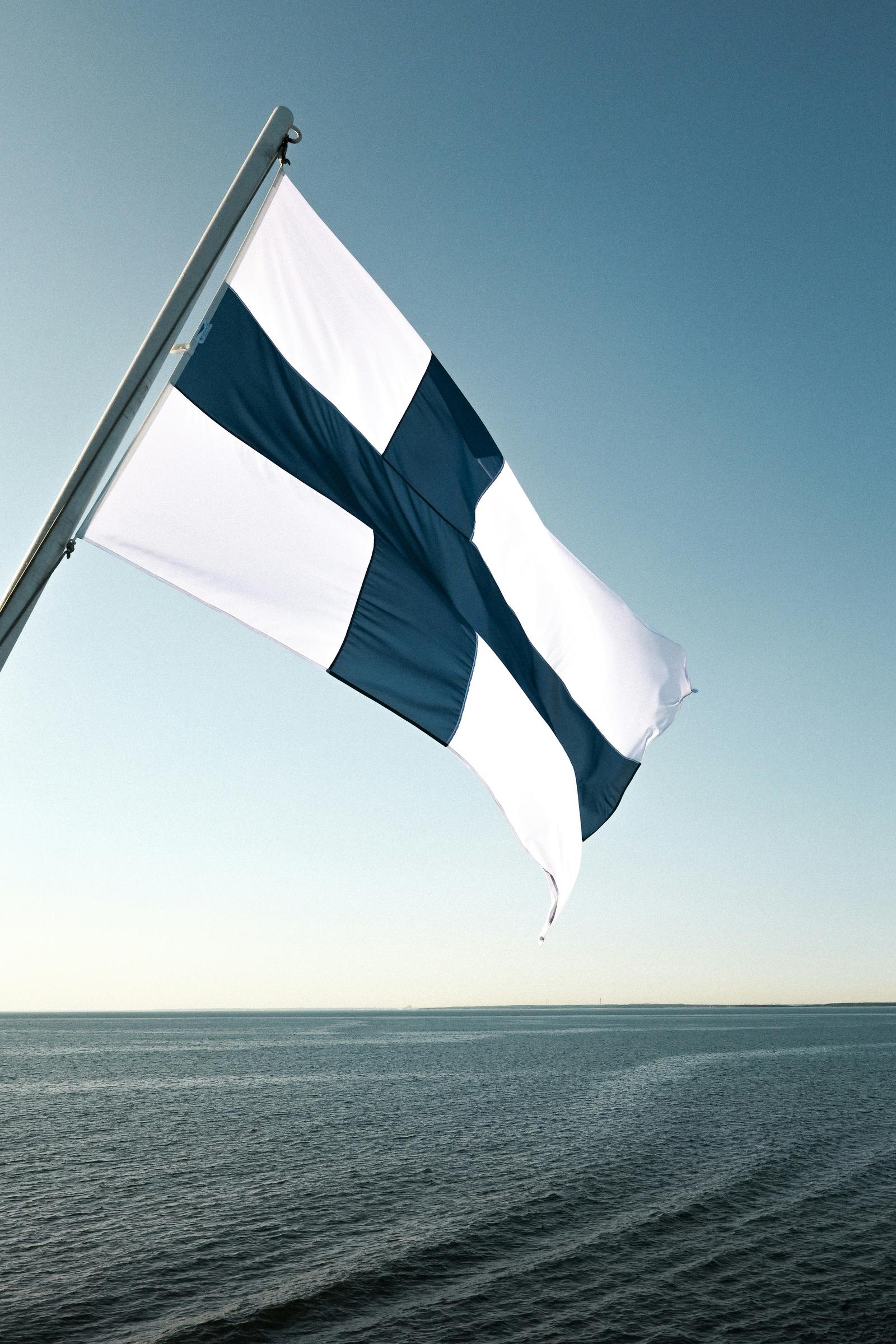
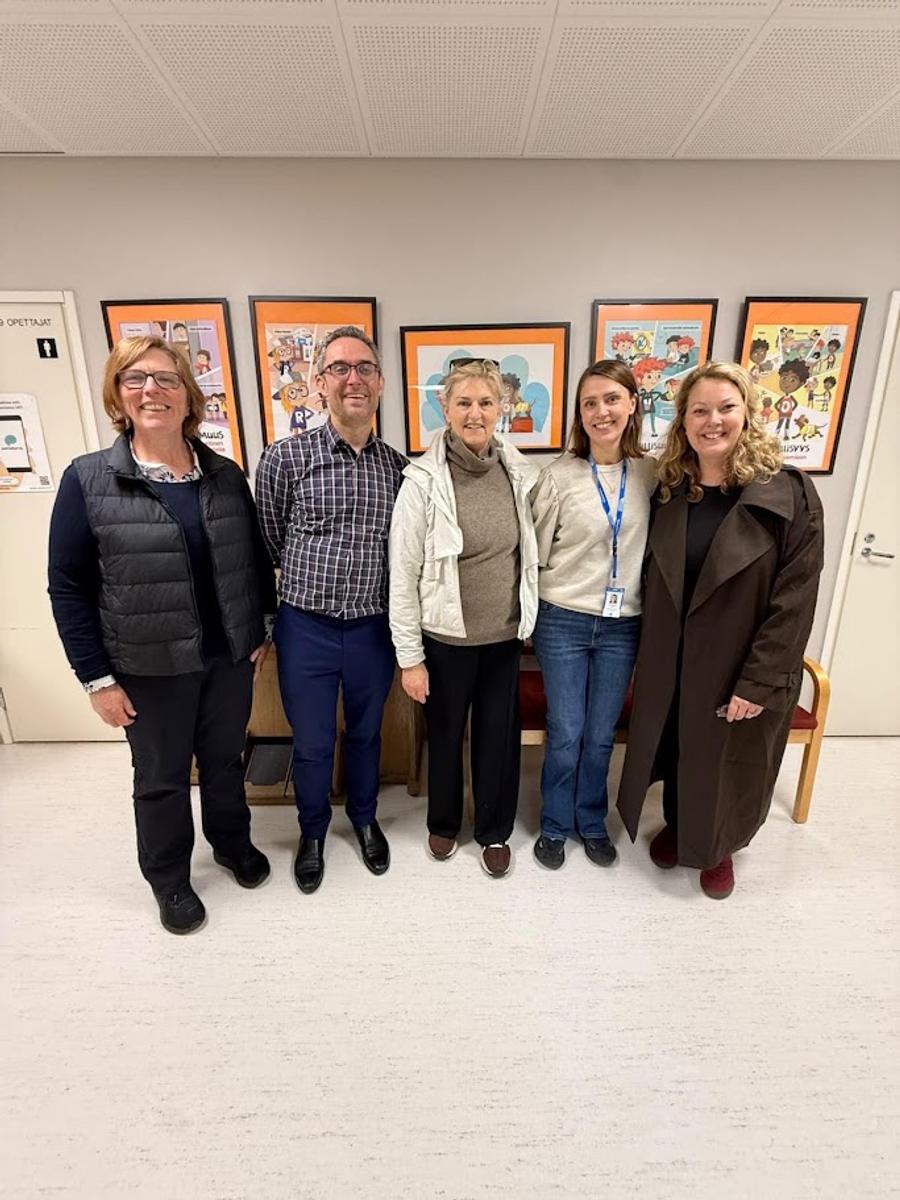
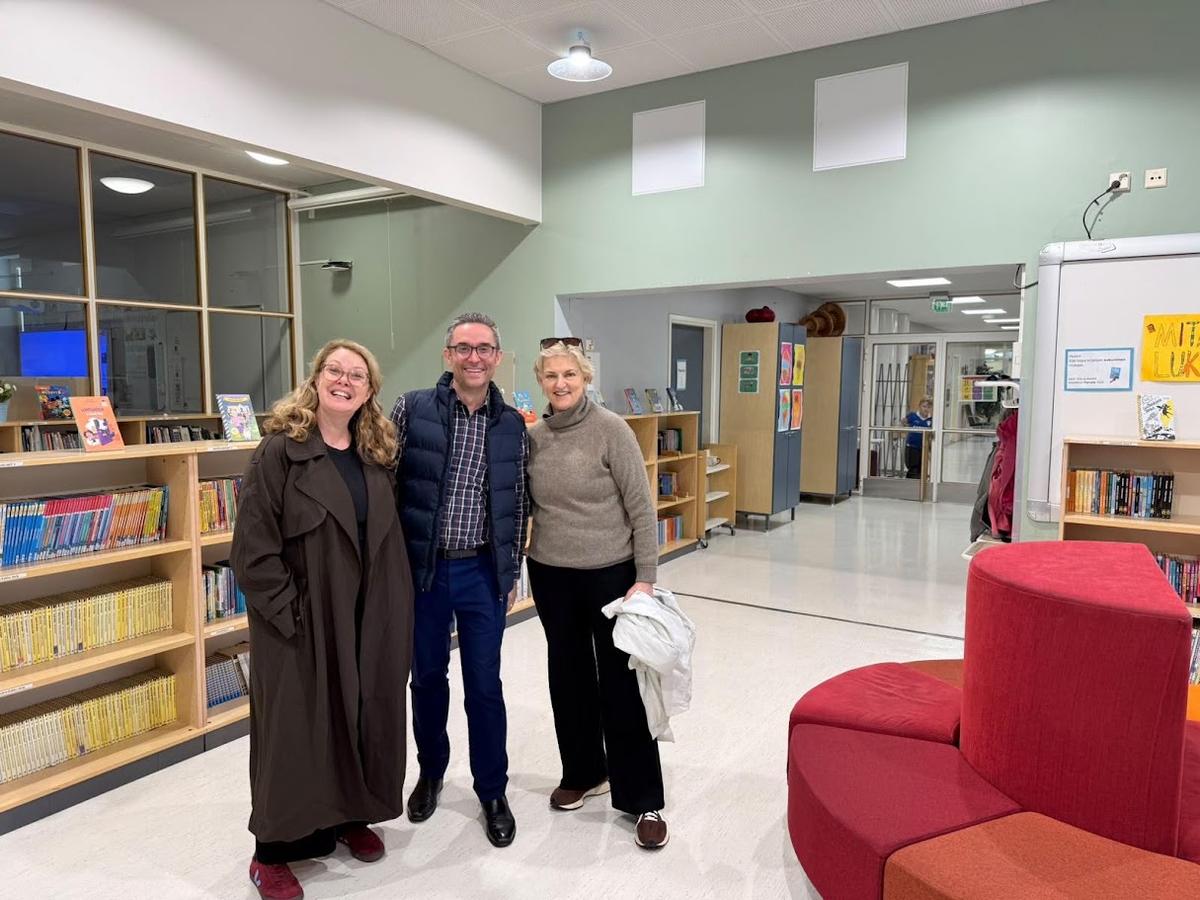
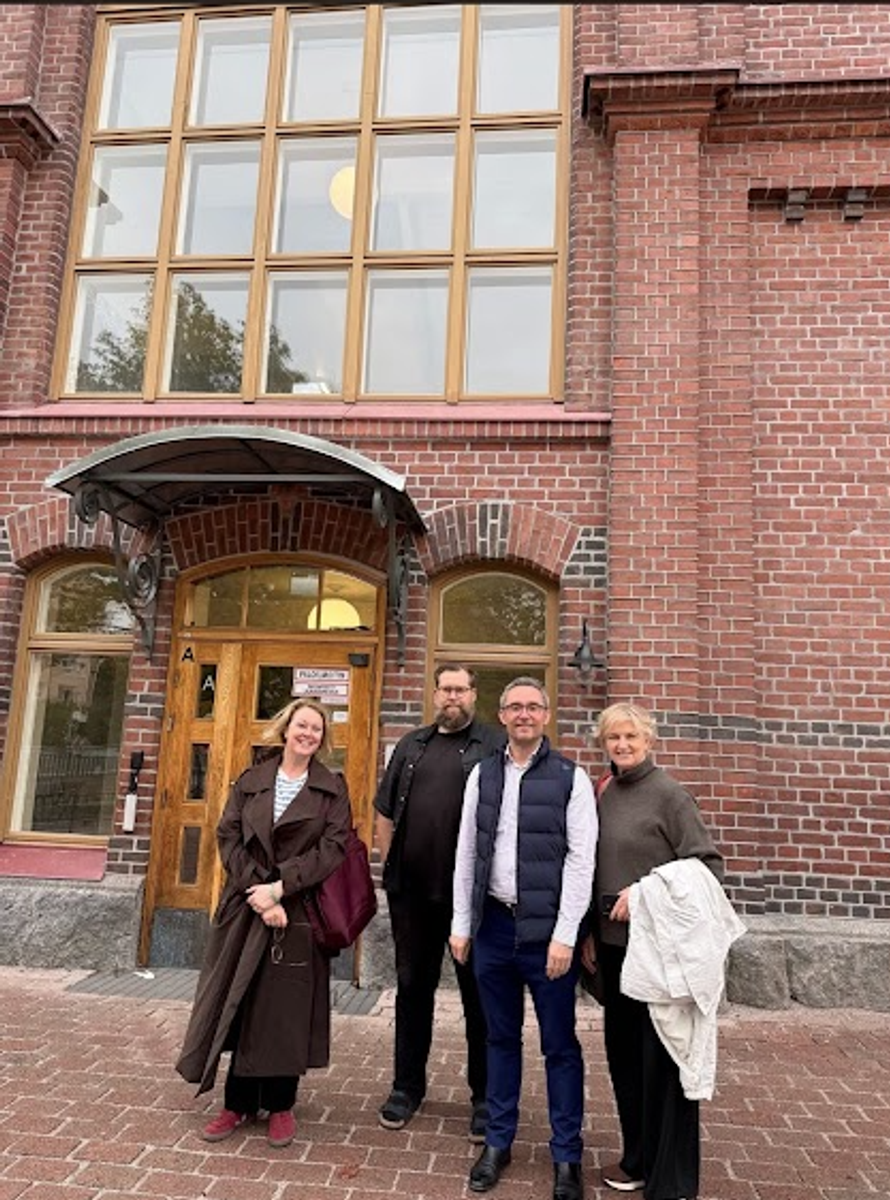
Over the most recent term holidays (and into the early part of Term 4), I had the opportunity to travel to Finland and Sweden with a variety of different teachers and school leaders from Victoria to visit a variety of different schools, meet school leaders and explore what makes their education system so highly regarded around the world.
The importance of play in nature
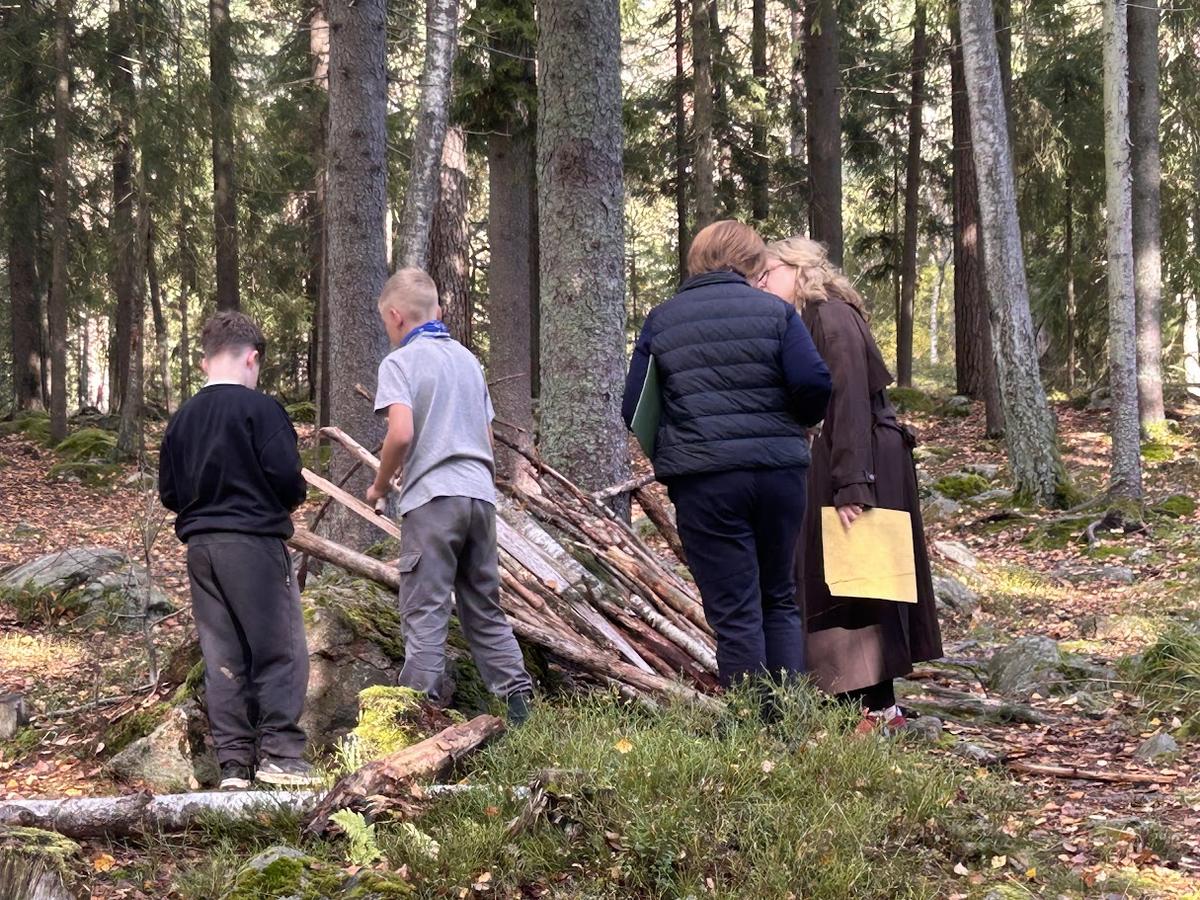
The Finnish school day includes several breaks, giving students time to play and be outdoors. These breaks are considered a key part of how students learn, rest and build connections with others. It reinforced for me the value of the ‘brain breaks’ our students have when transitioning between sessions, which support regulation and engagement with learning.
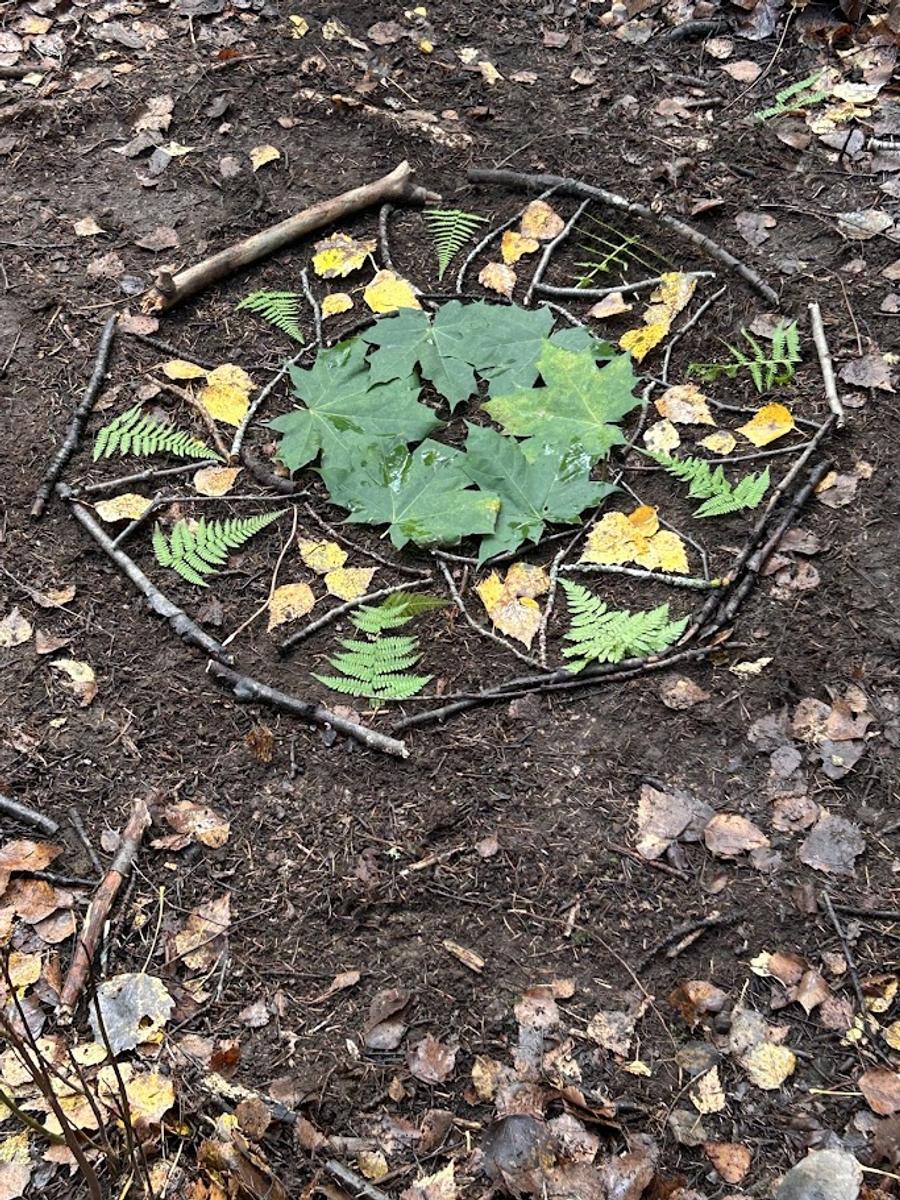
Time outdoors is also built into the curriculum and timetable, with most schools and classes scheduling some lessons outside. One school I visited had “forest” as one of its specialist classes, much like our Phys Ed, Art, Music and STEAM. Students complete maths, literacy, art, PE and other subjects outdoors. The class I observed was learning about symmetry and creating mandalas from objects they had found in nature.
Their playgrounds were also adventurous, with plenty of equipment that would be questionable by our standards. (My Occupational Health and Safety brain was on high alert!) Swings, timber pieces used for construction and tree climbing were regular
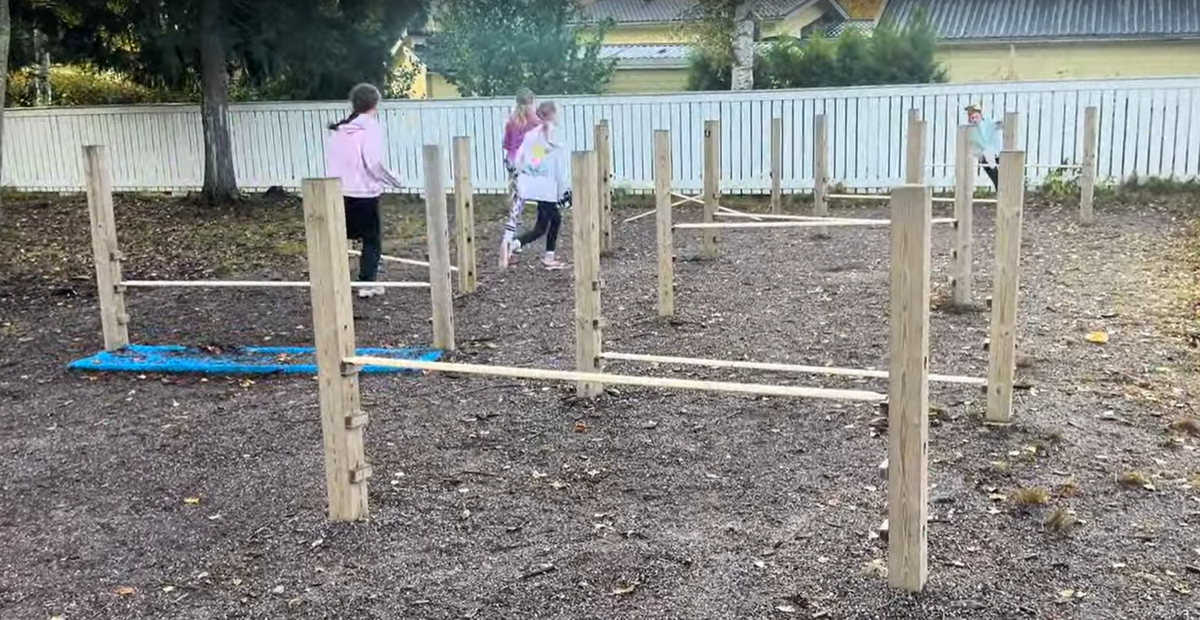
fixtures at most schools. My favourite was the “equestrian field”, where students practiced show jumping with their hobby horses. (I kept thinking how much our Junior School Council, who regularly receive suggestions for swings for our yard would have enjoyed it!)
Wet-day timetables are unheard of in Finland. As I was told often, “there’s no such thing as bad weather, just bad clothing!”
The importance of art + craft skills
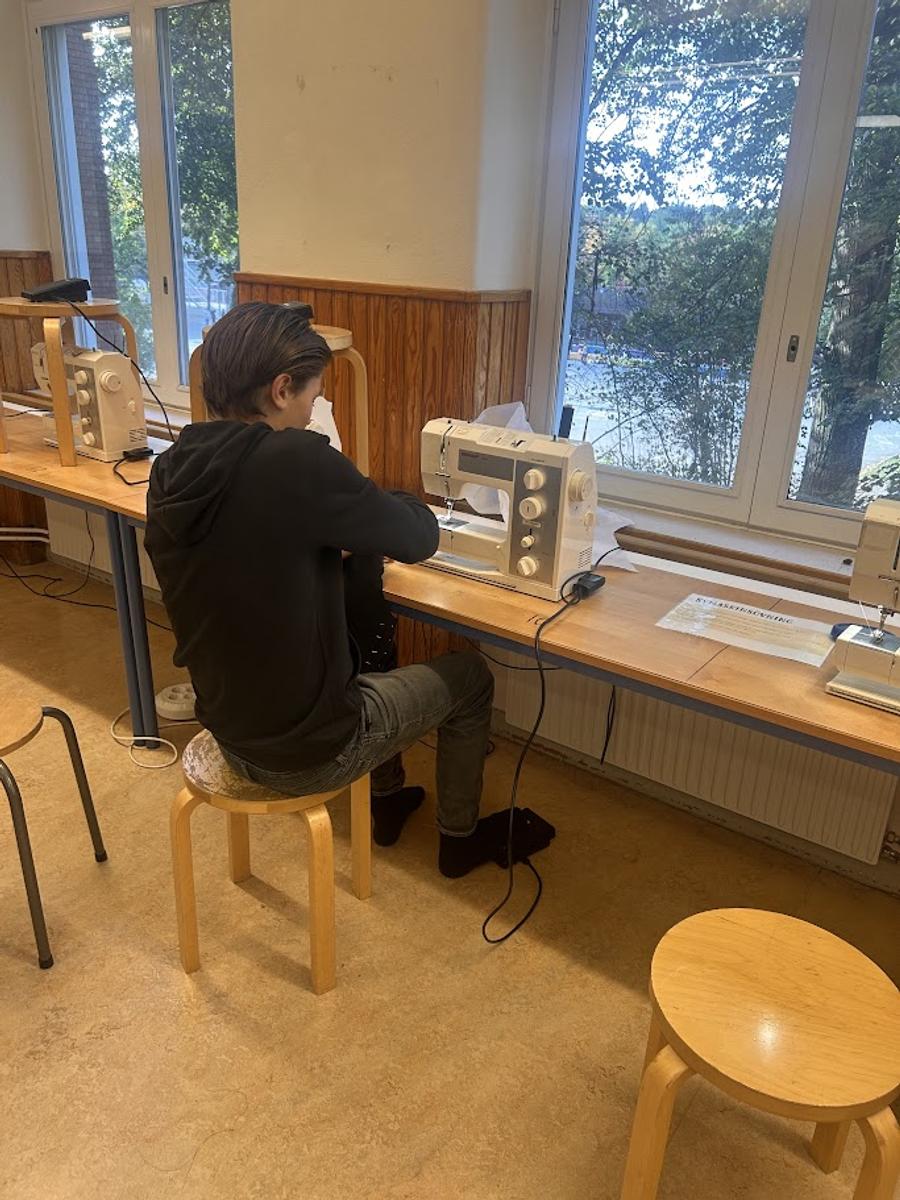
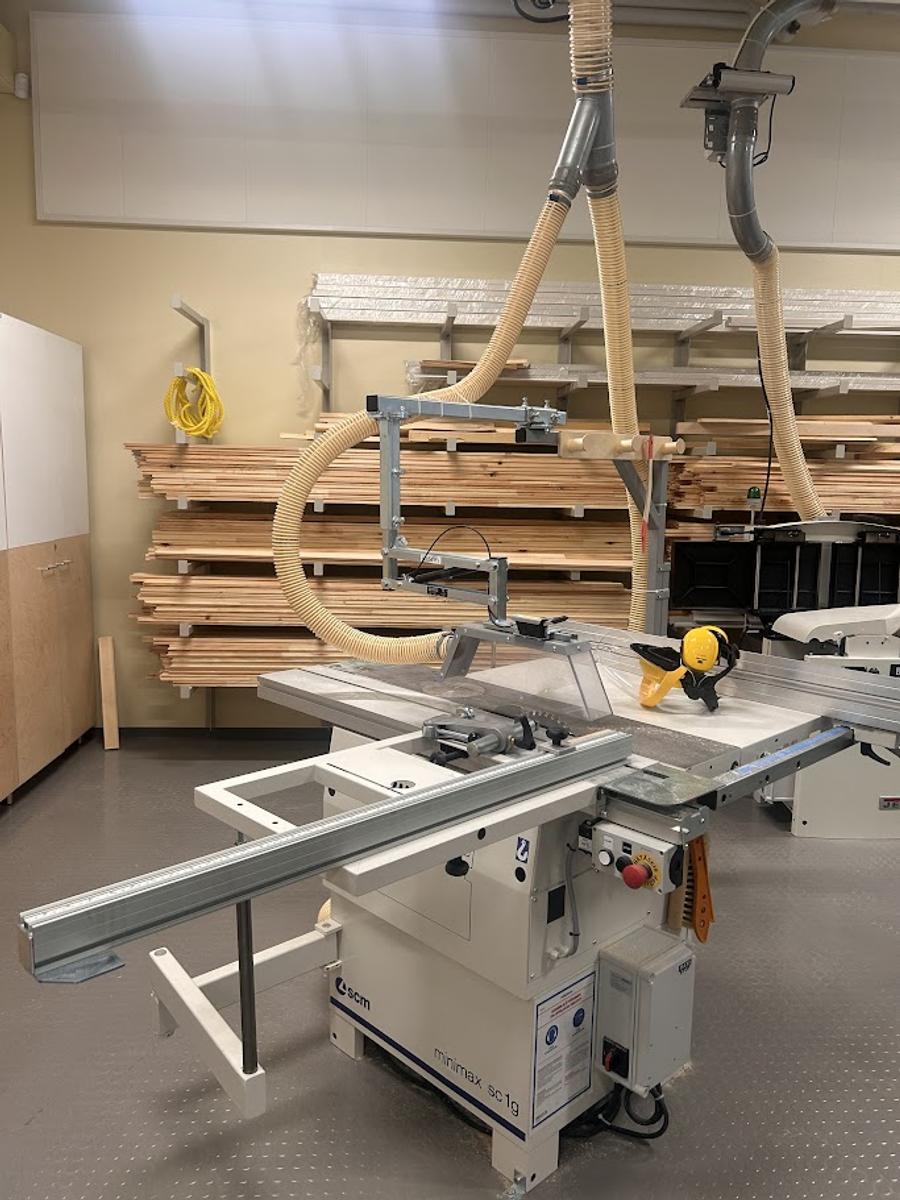
All of the Finnish schools we visited, including the primary schools, had amazing craft rooms. They were equipped with everything from woodturning lathes and power tools to sewing machines and screen printing. In one class I observed, a group of Year 4 students were sewing their own t-shirts and screen printing their own designs.
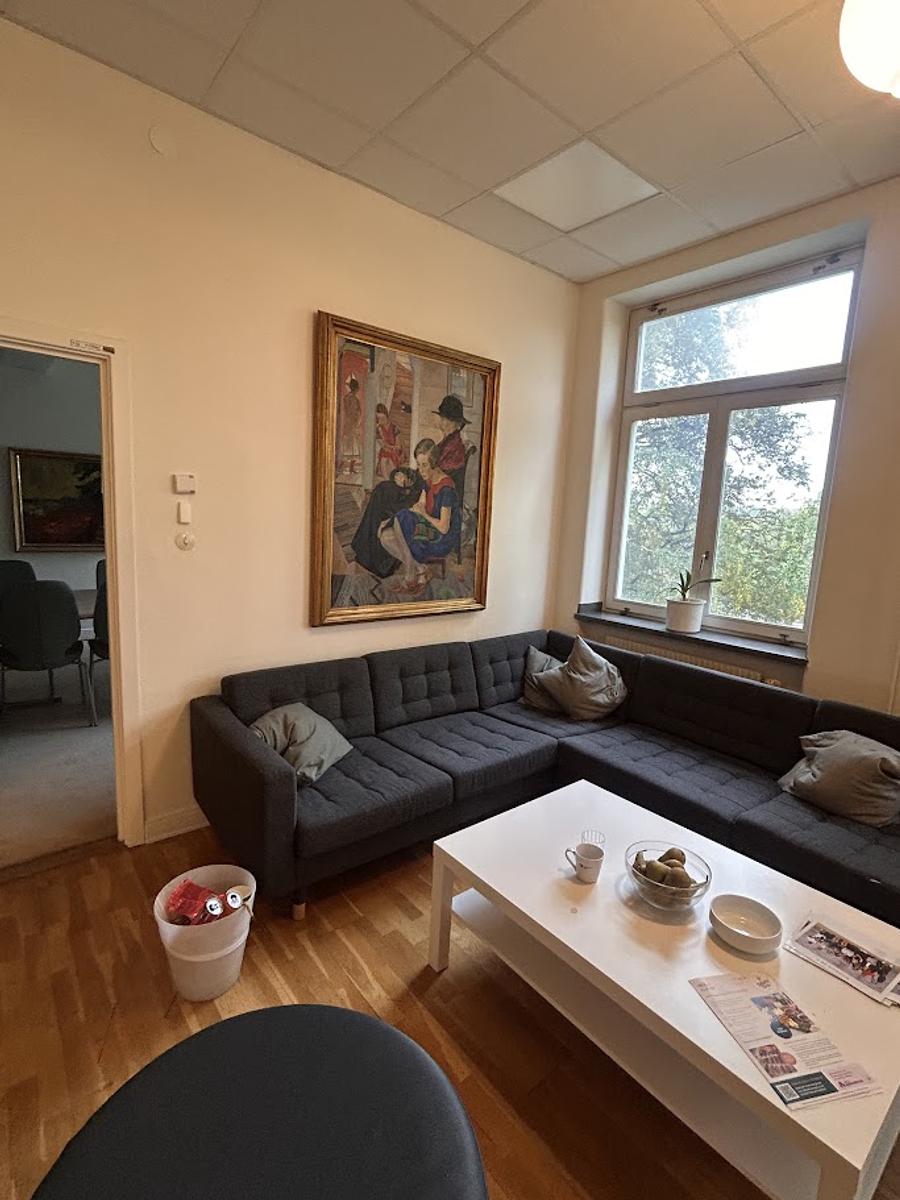
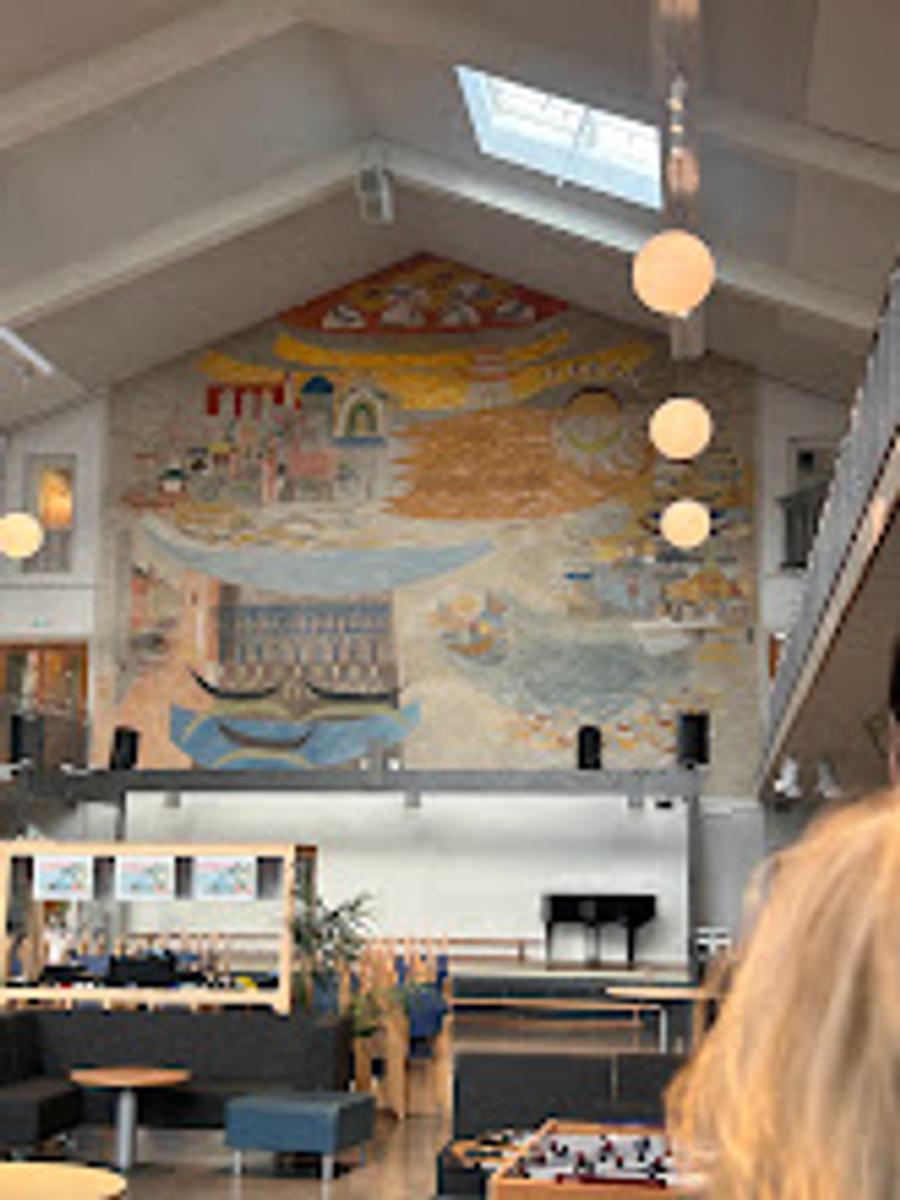
Every school I visited also borrowed artworks from the national gallery collection to display, so students were exposed to a wide variety of work. The corridors were filled with student art too, from mosaics to autumn birch forests.
It was clear how much these schools and their communities value technical skills and want to keep those traditions alive. It made me reflect on how our system could develop “the whole child” alongside our strong academic focus. (It also made me very aware of my own lack of skills in those areas!)
The importance of health and wellbeing
Finnish schools are fitted with commercial kitchens and dining halls to provide a healthy lunch to every student, every day, free of charge. We were fortunate to enjoy lunch at most of the schools we visited. Classes rotate through the dining hall during the day and eat together, another chance to build connections between students and staff and to reinforce expectations. The principal at one school also explained how these spaces are often used after hours for parent sessions and community groups.
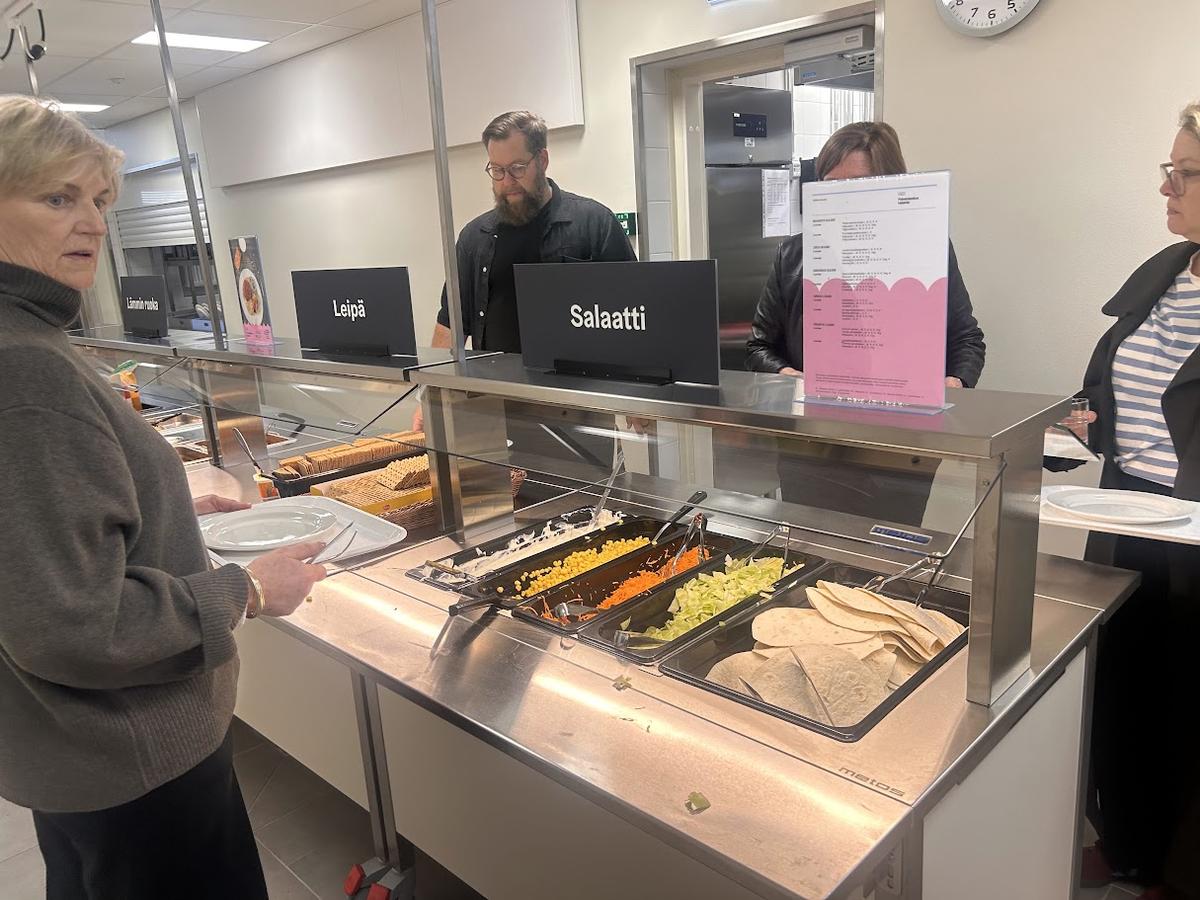
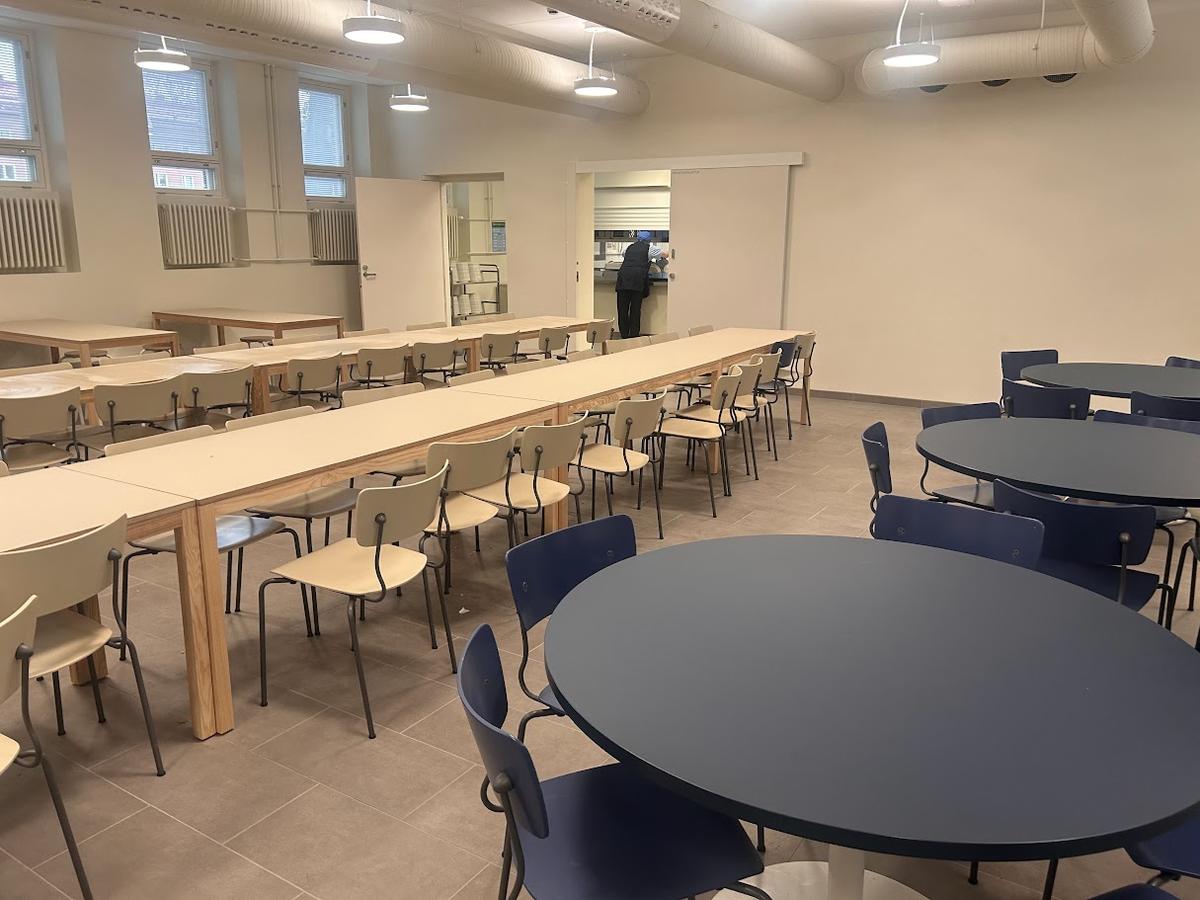
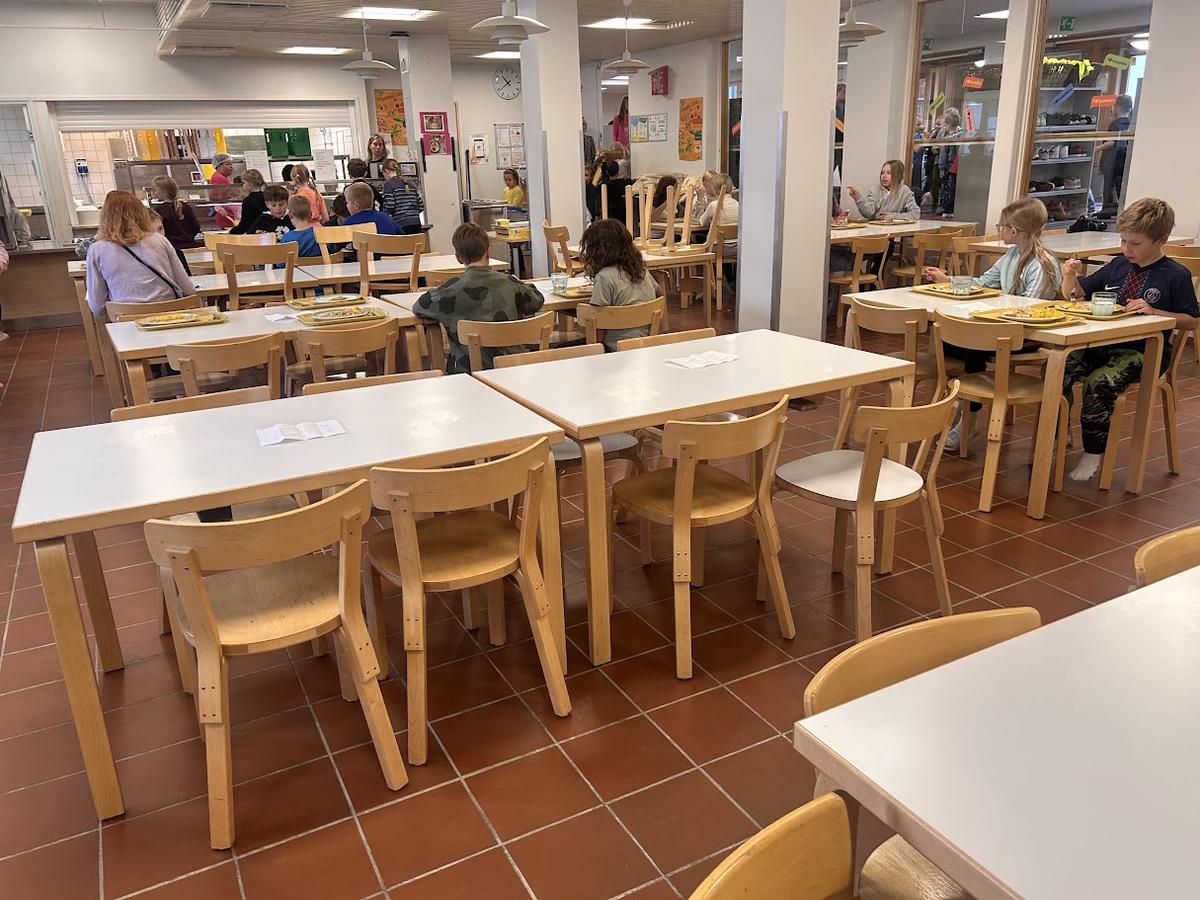
Every school we visited also had access to a school counsellor, a psychologist, and a visiting nurse and doctor to support students’ wellbeing.
Despite our many differences, it was also reassuring to see we shared a lot of similarities. There was evidence of similar programs to our School Wide Positive Behaviours (SWPBS), forming partnerships with external organisations to create additional opportunities for students and the use of similar tools and strategies to support student learning and wellbeing.
Additionally, I noted that their school system faces similar challenges. The topic of ensuring students attend school each day, supporting students who are neurodivergent, have disabilities or learning needs and the impact of national testing (NAPLAN) came up in my conversations with most school leaders.
My experience didn’t hand me a list of things to copy. As countries, Finland and Sweden clearly differ from us in terms of their size, funding and culture. What stayed with me were the values behind the practices: time to play and be outdoors every day, respect for hands-on skills as well as academic ones, and the belief that sharing a meal builds belonging.
I return probably with more questions than answers. I’m looking forward to exploring them further through my own continued learning and through conversations with colleagues, students and our wider school community.
I’d love to hear your thoughts too.
SCOTT DUNCAN
ASSISTANT PRINCIPAL