Senior School News







🌏 Unit of Inquiry: PYP Exhibition
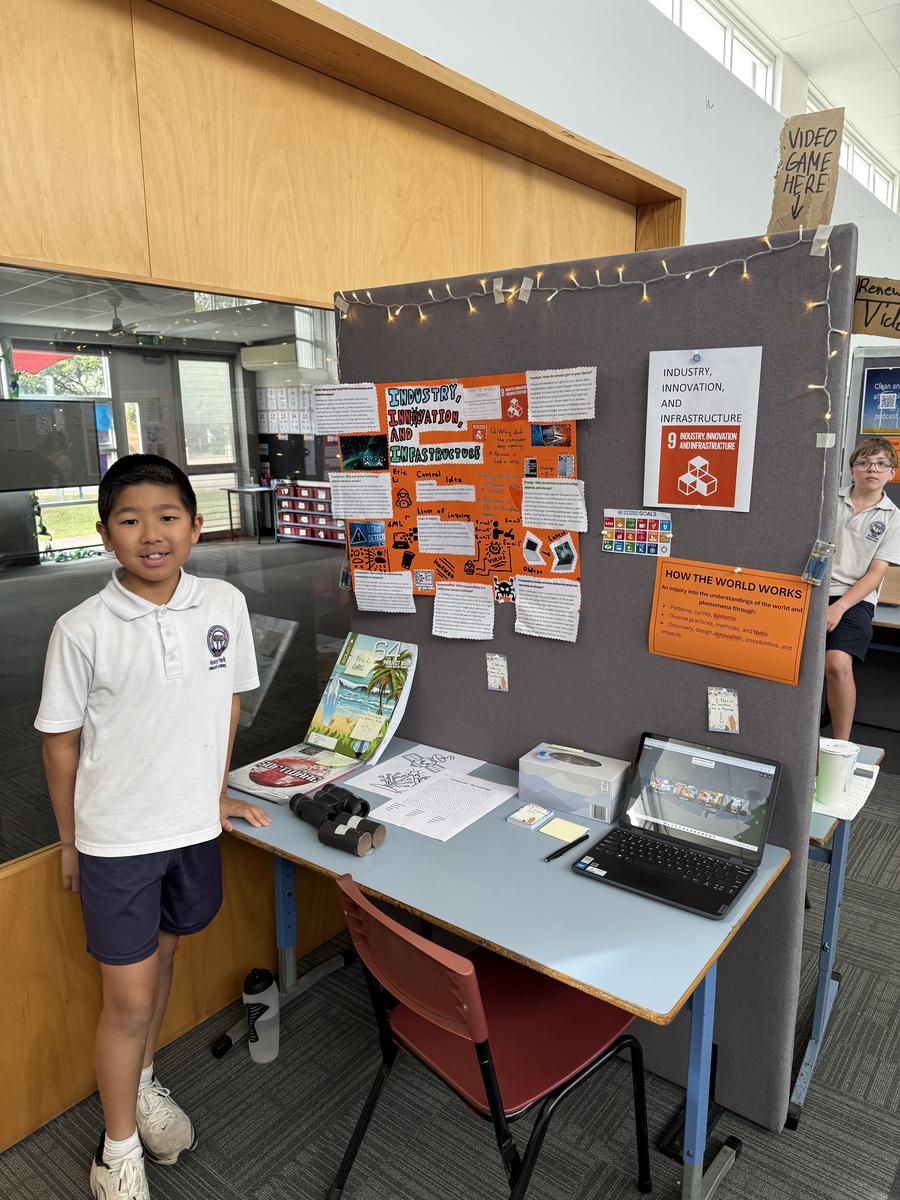
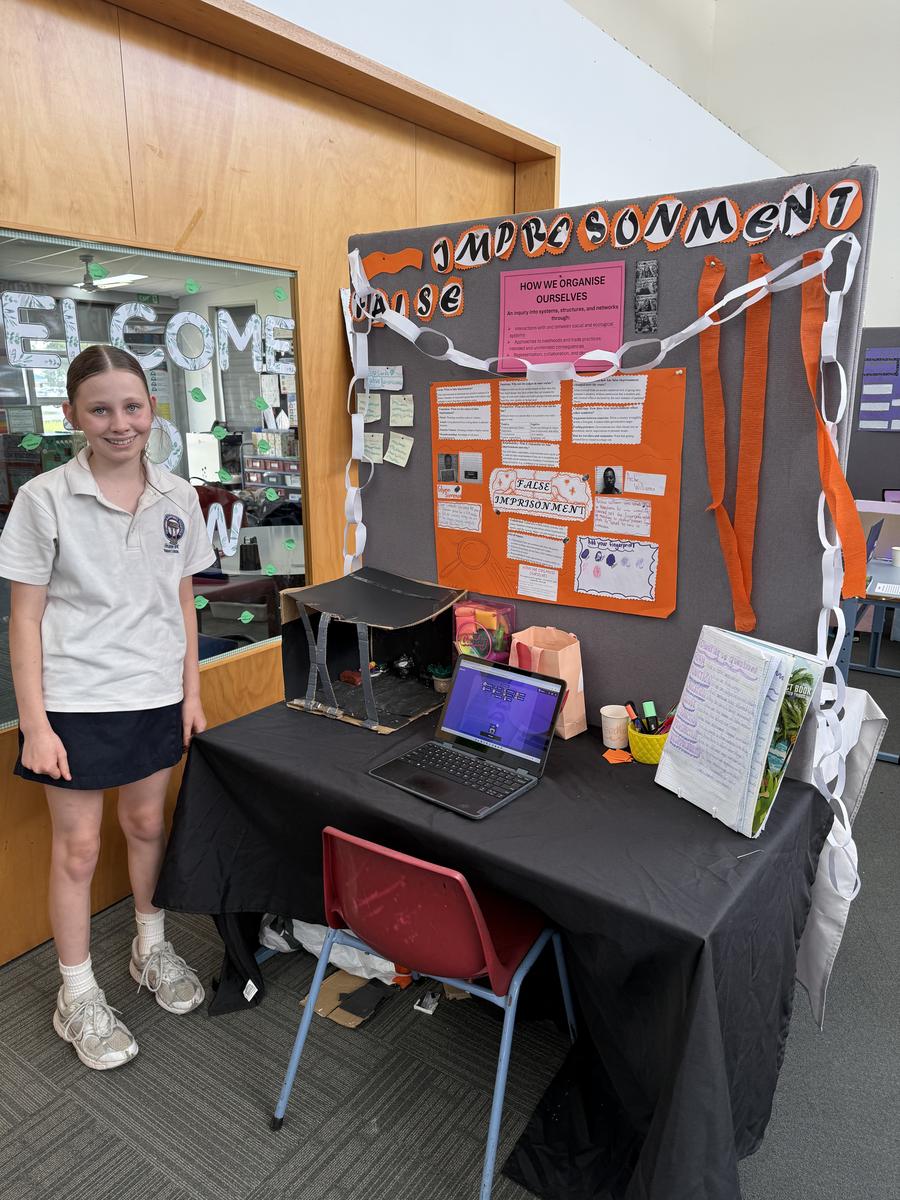
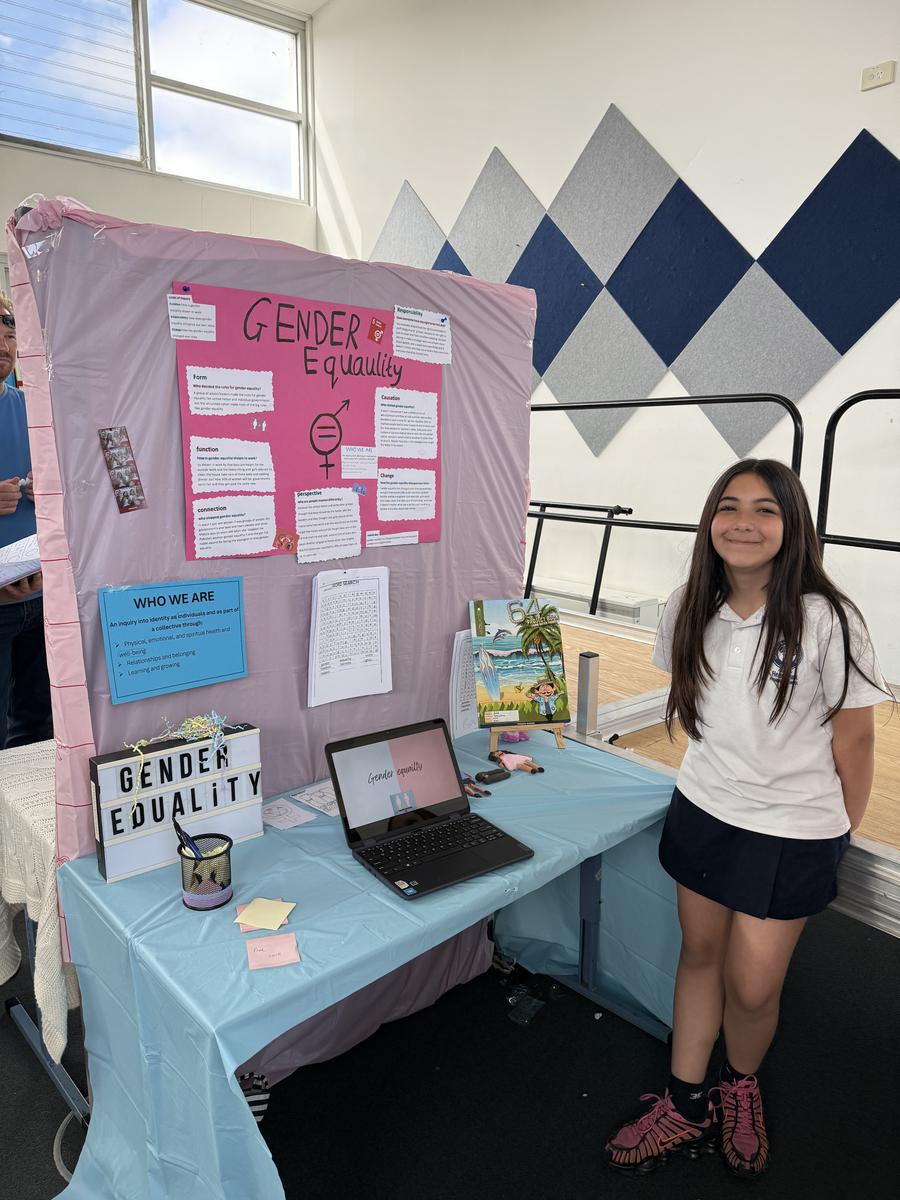
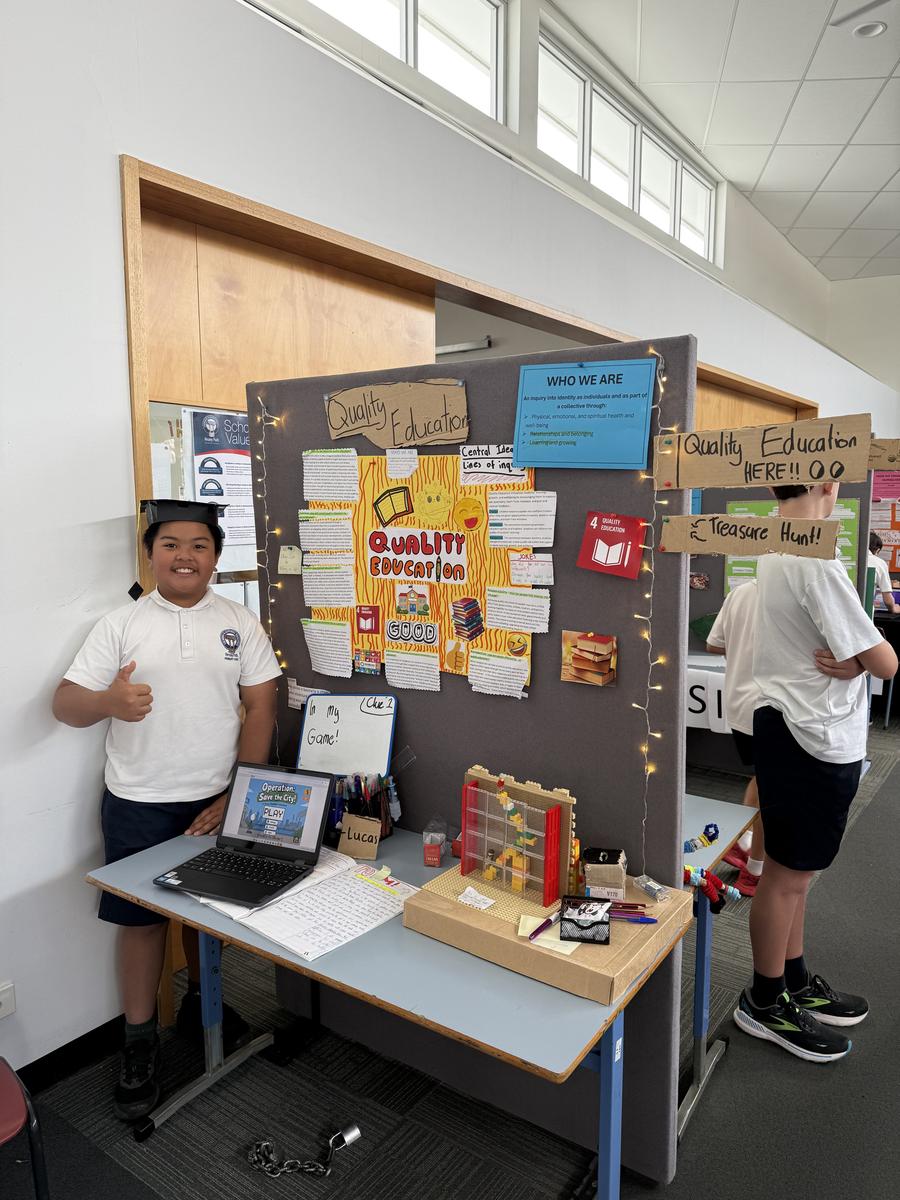
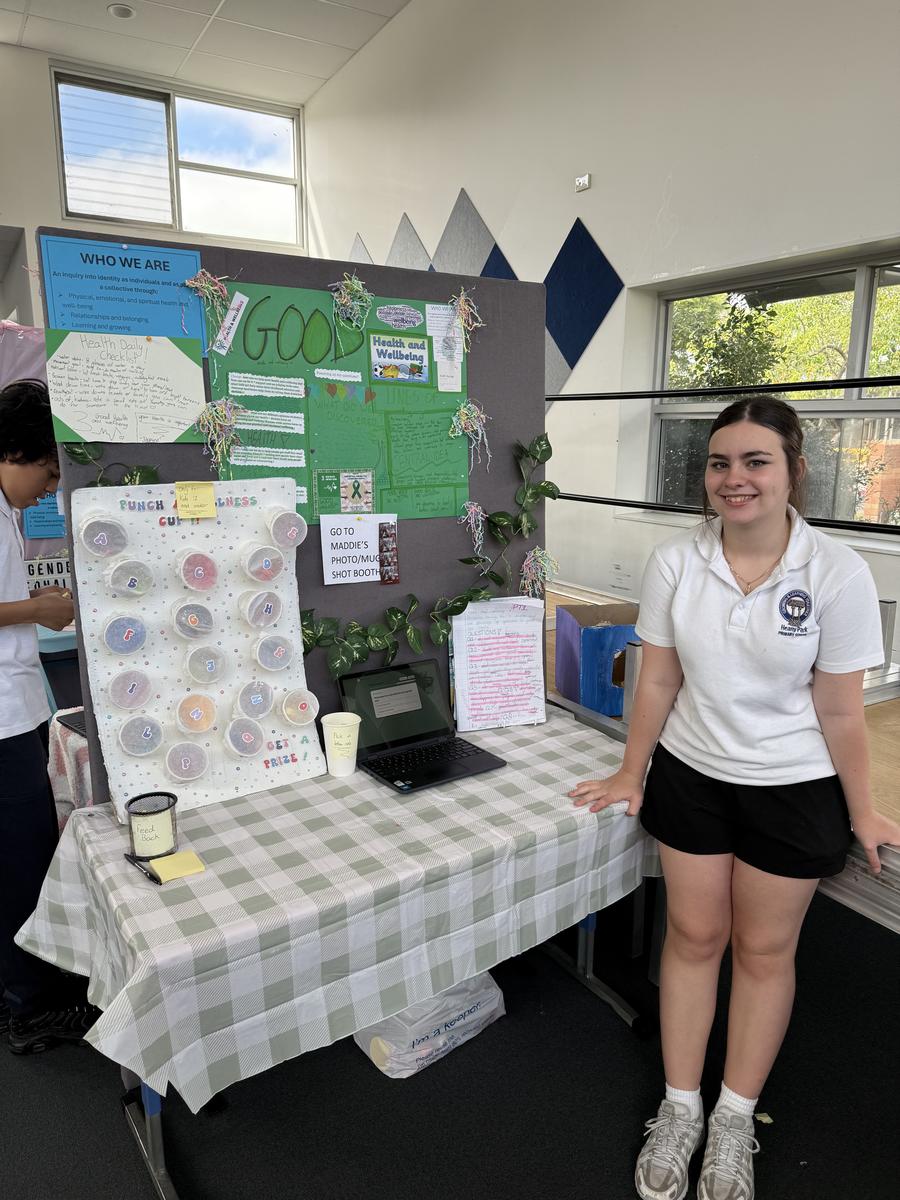
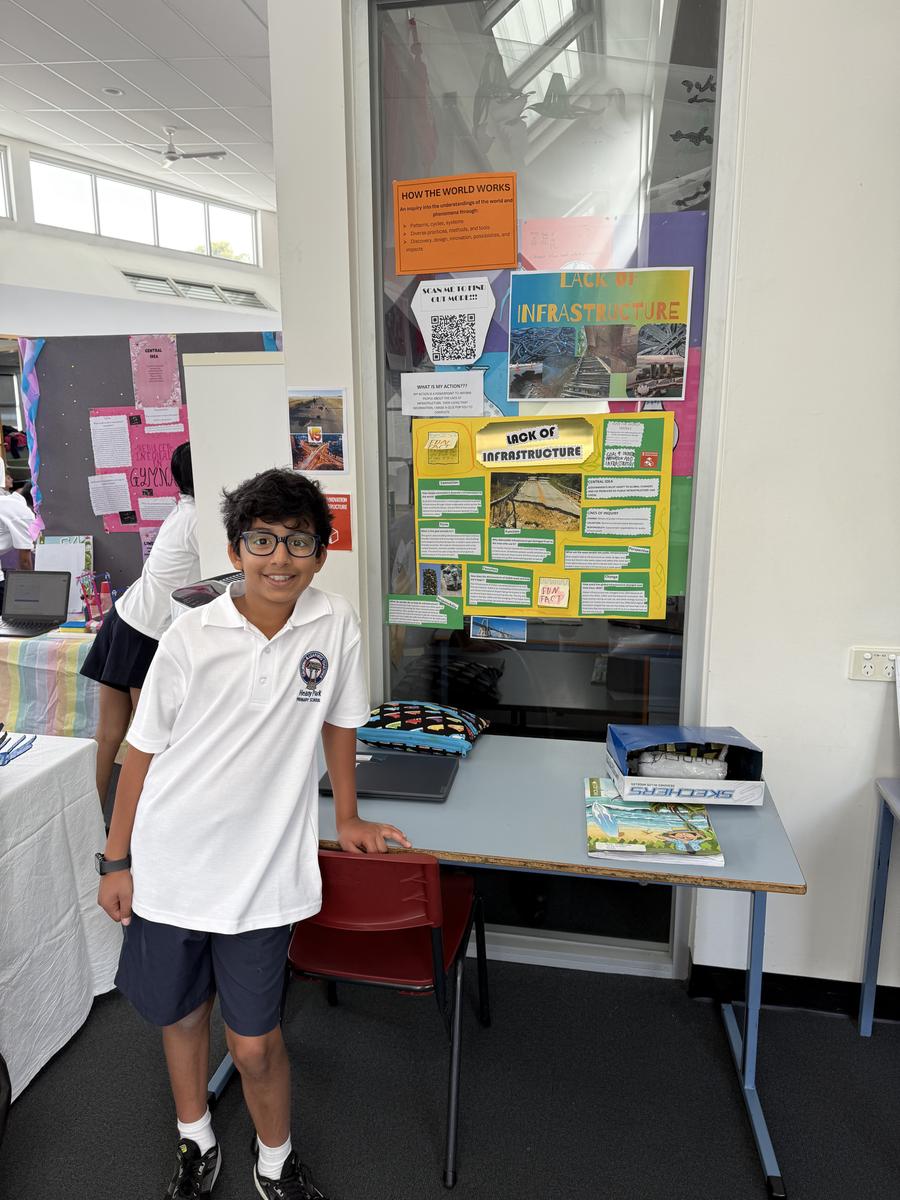
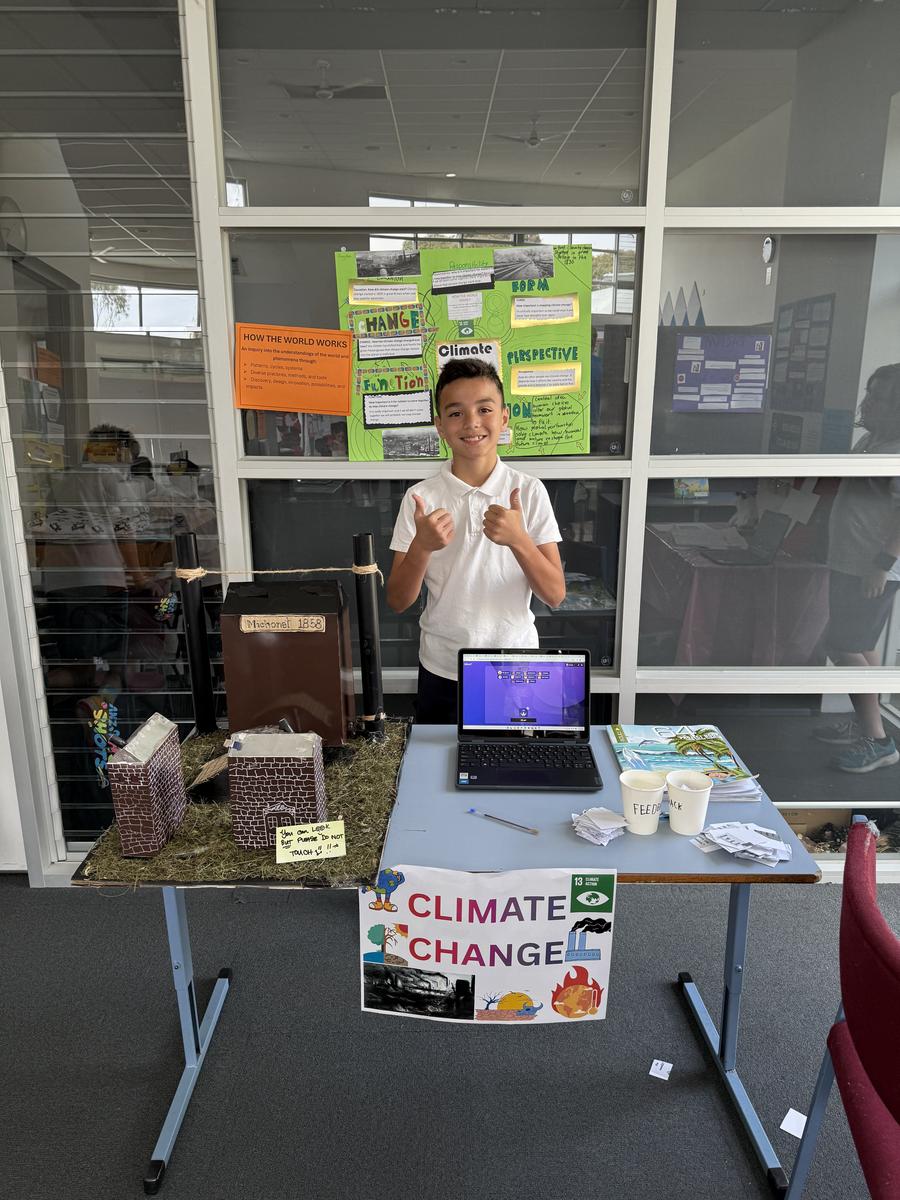
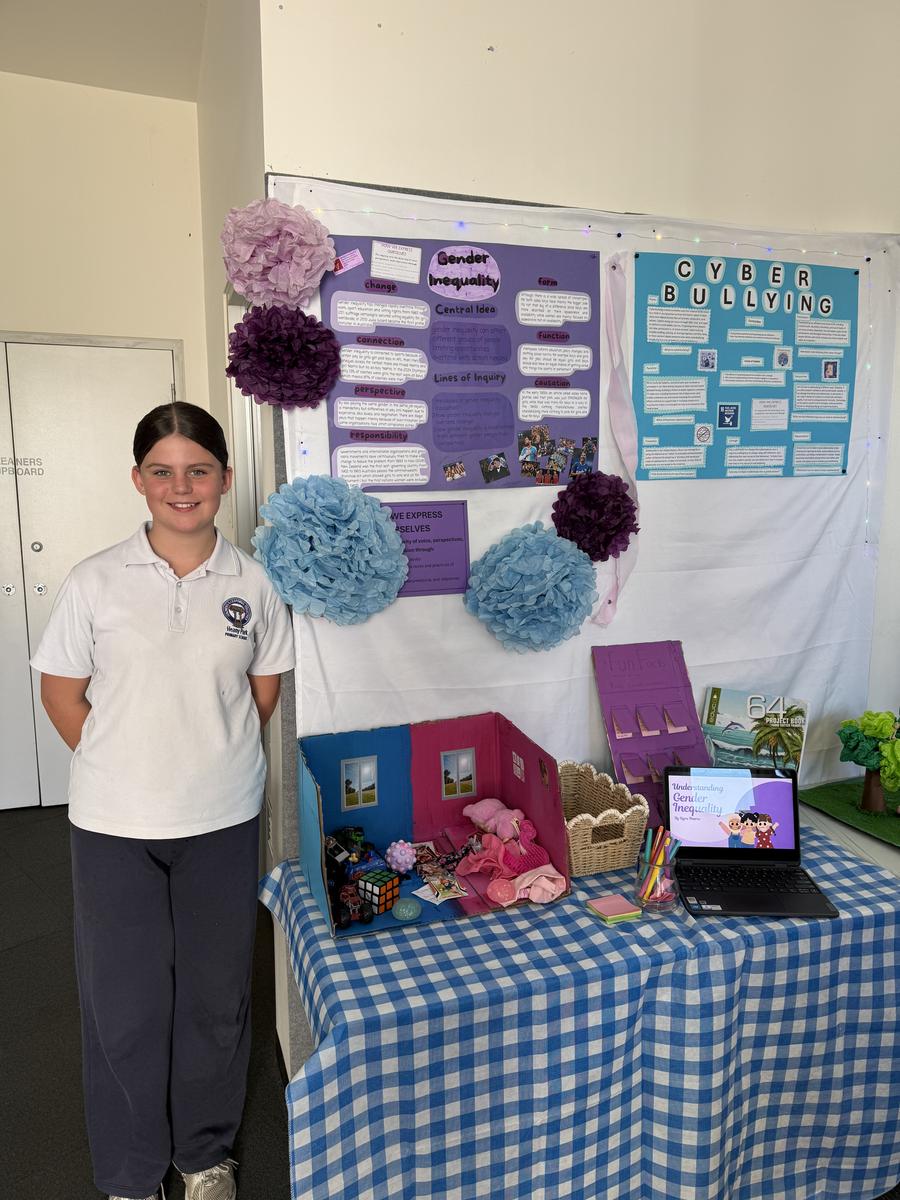
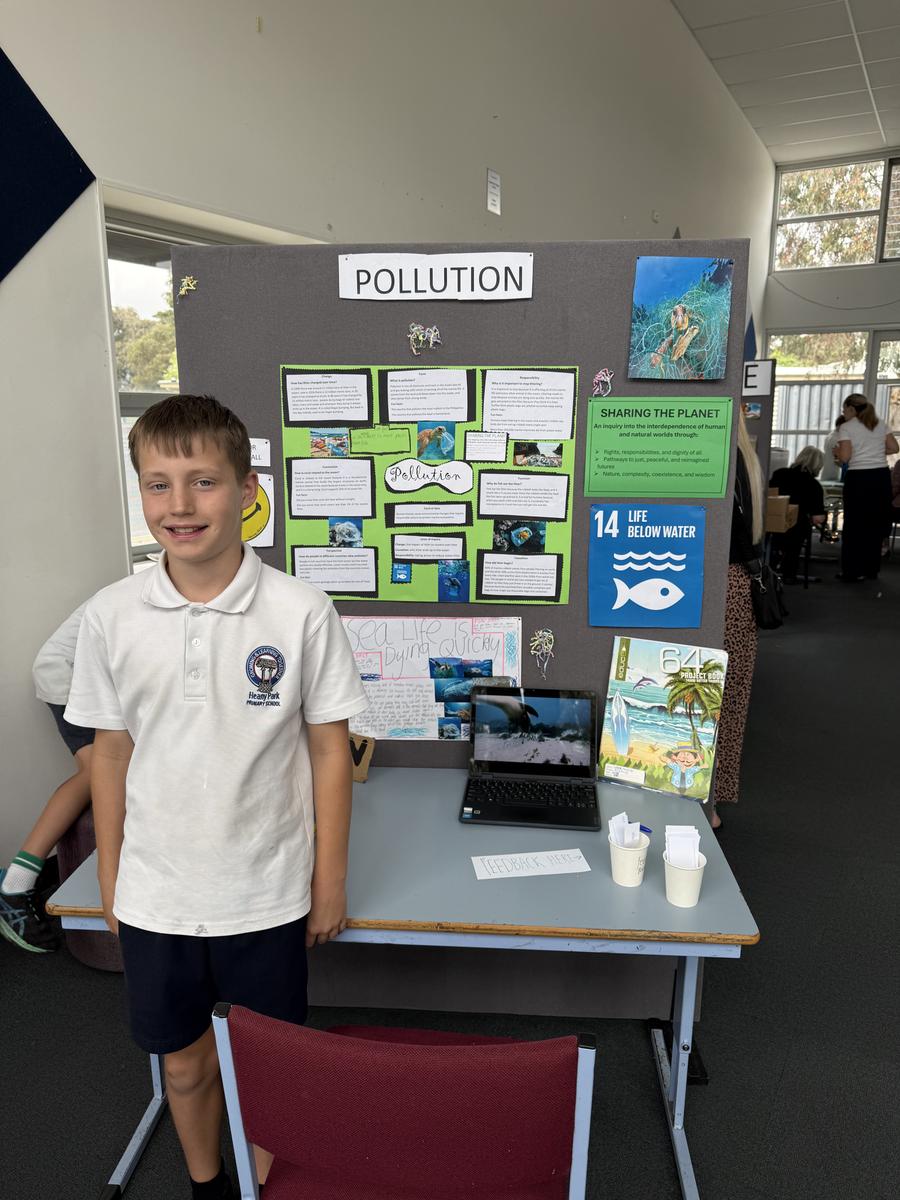
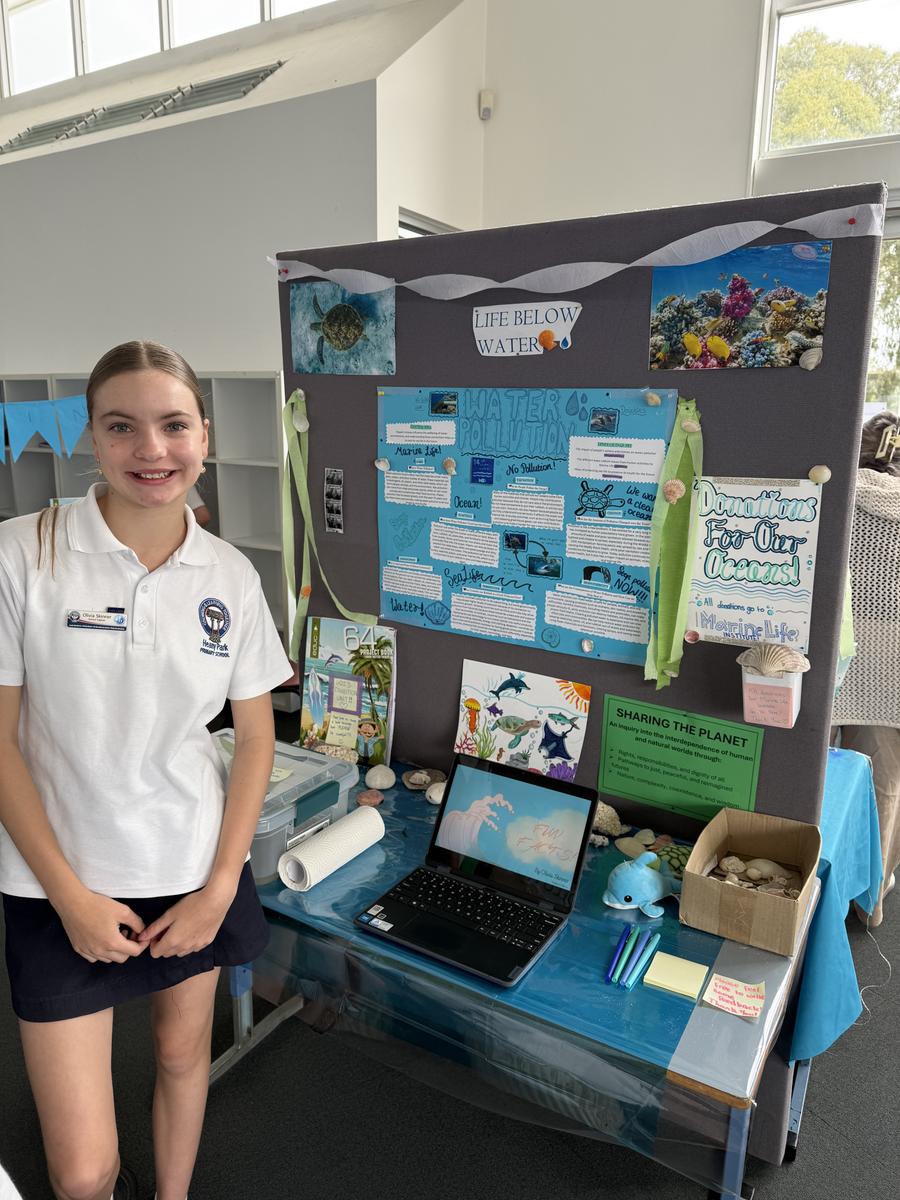
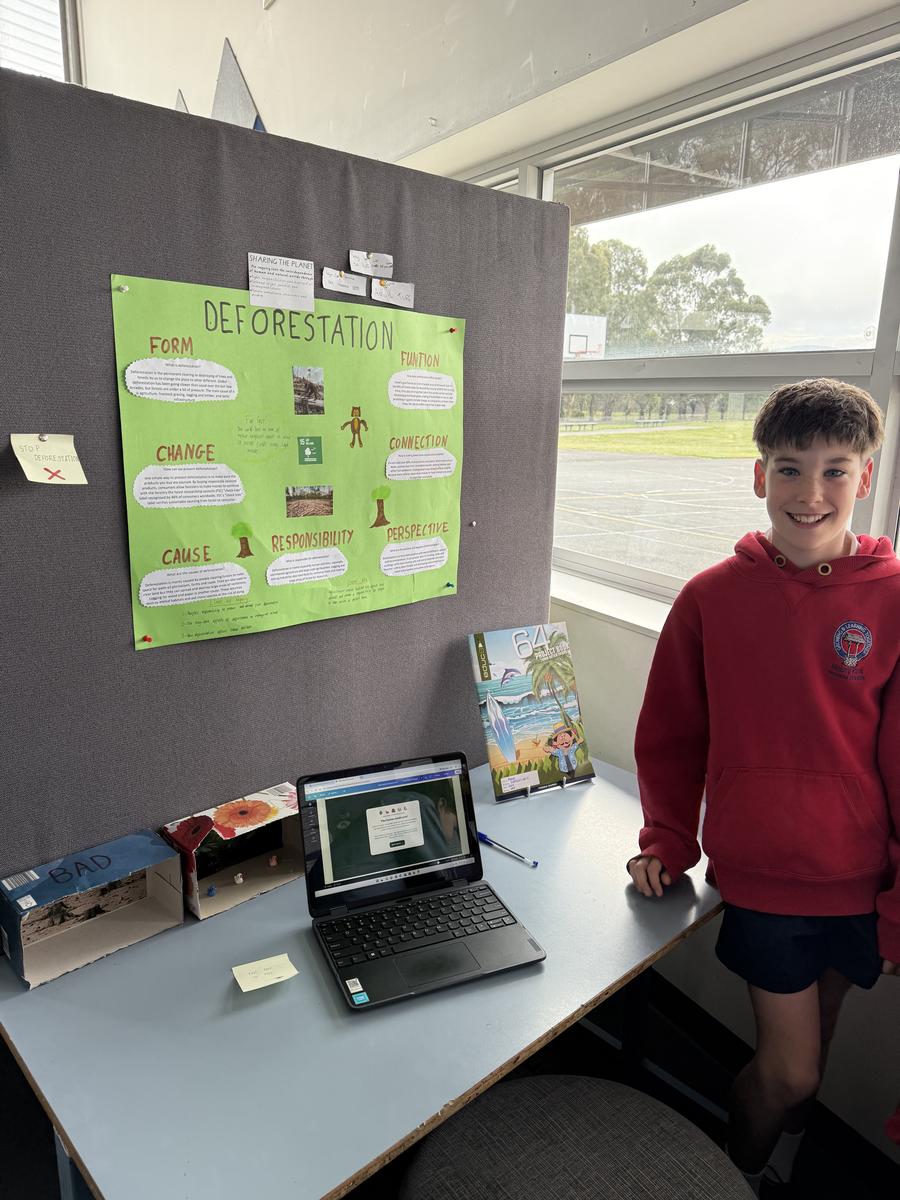
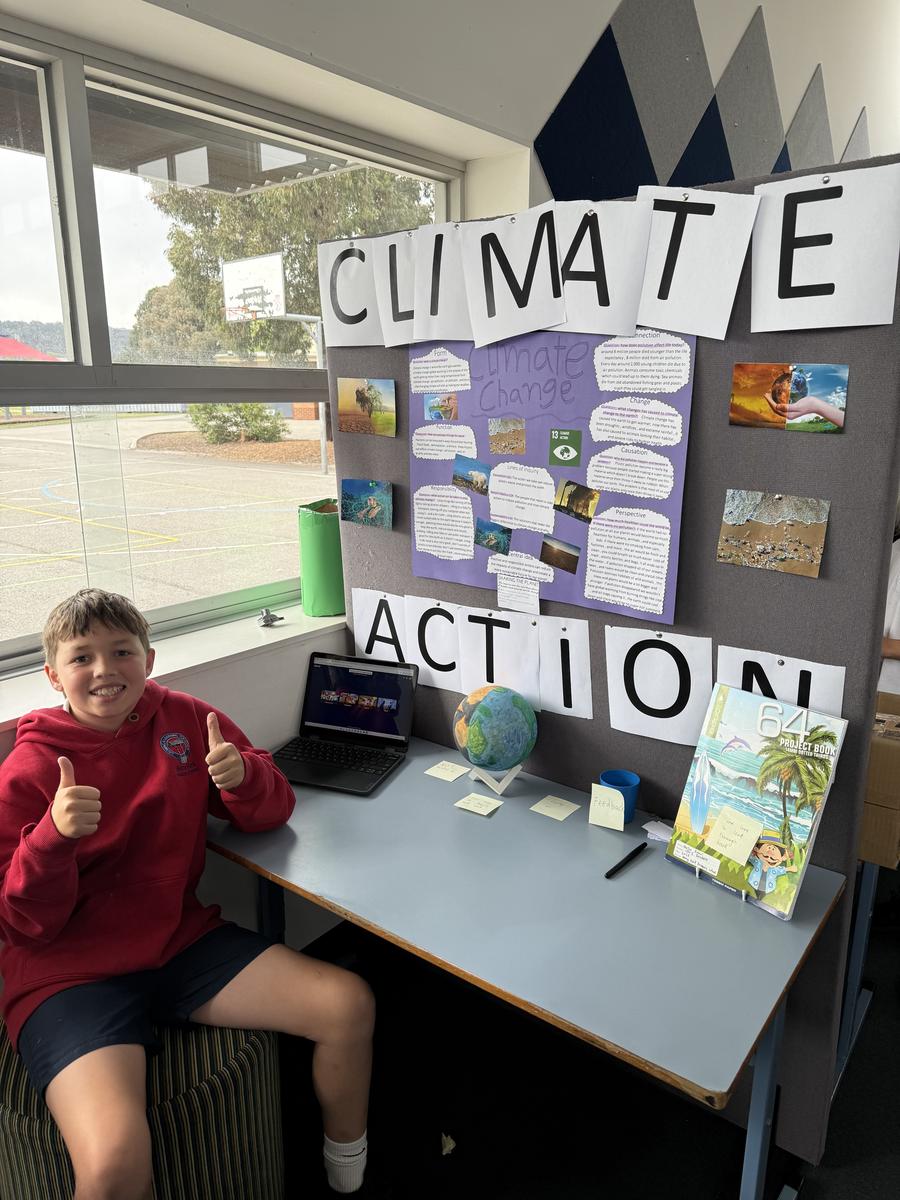
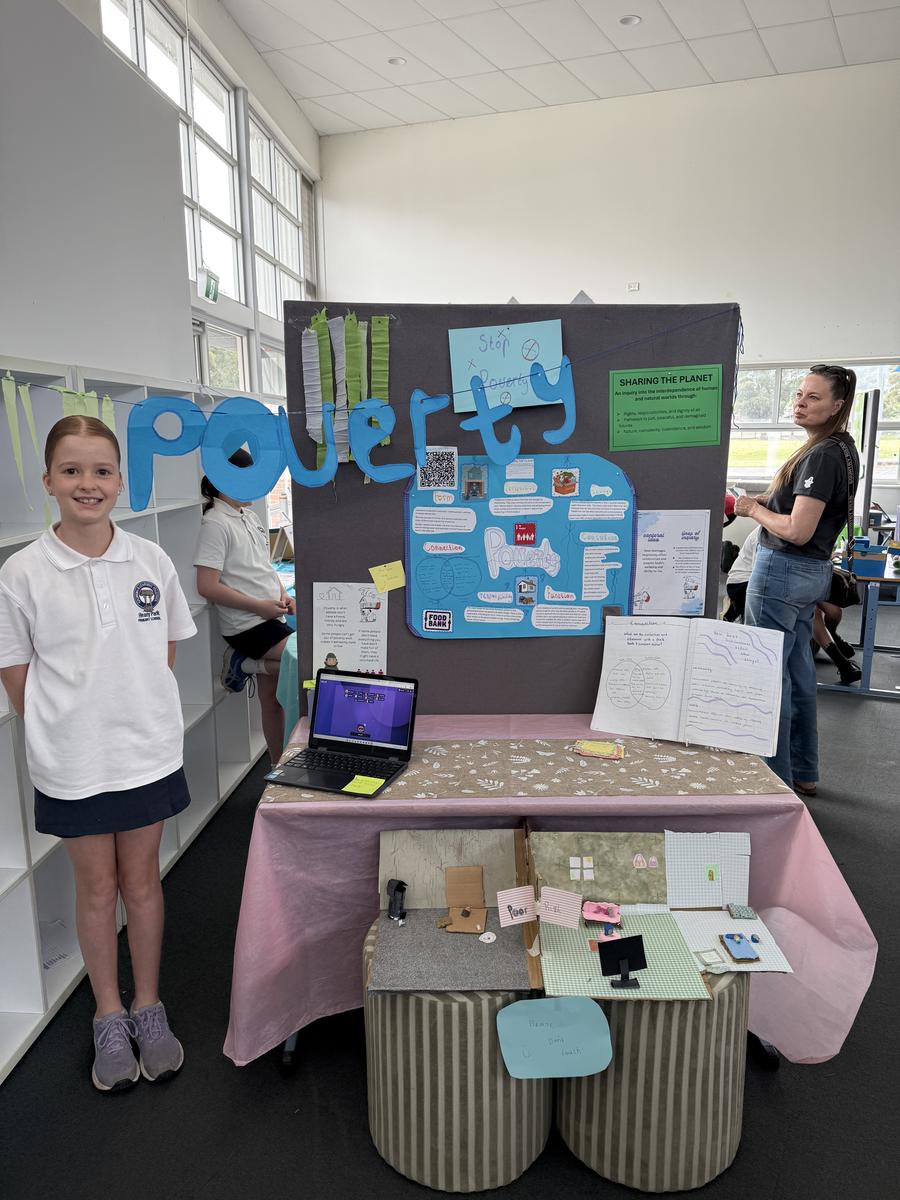
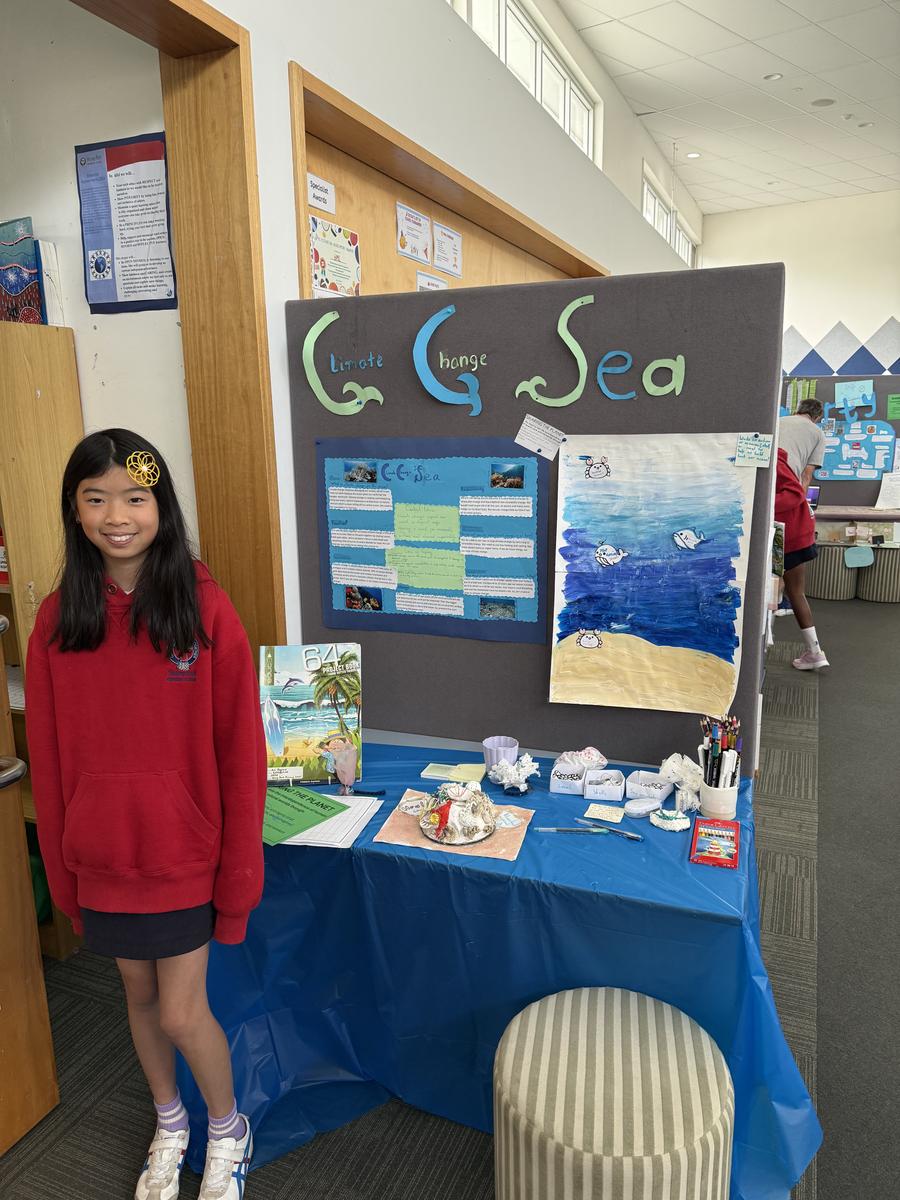
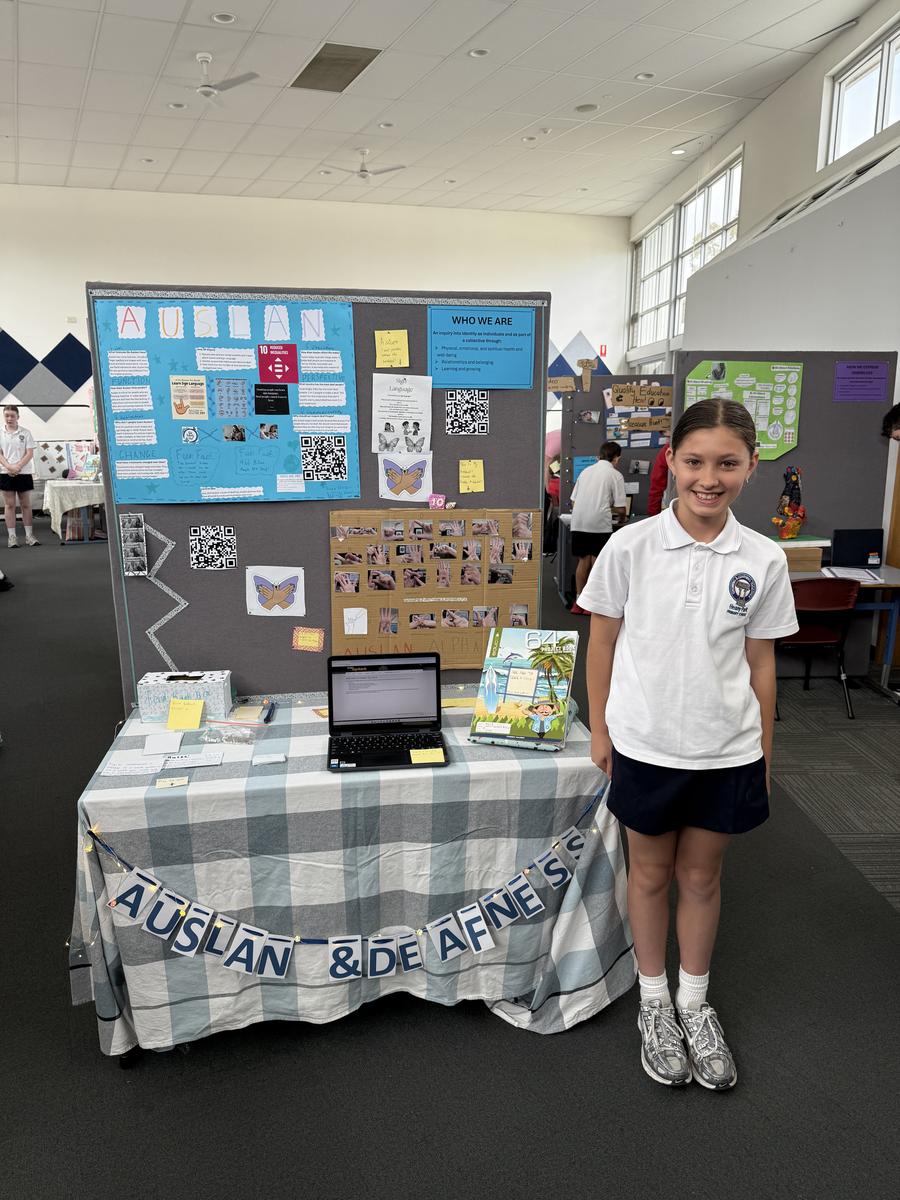
This unit of inquiry, the senior school students proudly completed their PYP Exhibition, the culminating experience of the Primary Years Programme and a celebration of the skills, knowledge, and attributes they have developed throughout their years in the PYP. Students began the process by selecting a United Nations Sustainable Development Goal and identifying a real-world issue they were passionate about exploring. From there, they chose their own transdisciplinary theme and independently developed a central idea and lines of inquiry to guide their learning.
Throughout the inquiry process, students used the specified concepts to broaden and deepen their research, allowing them to investigate their topics from multiple perspectives. They gathered information from a variety of reliable sources, analysed their findings, and synthesised their learning into meaningful conclusions. Students explored complex local and global issues while developing a deeper understanding of the causes, impacts, and possible solutions connected to their chosen topics.
The Exhibition also provided opportunities for students to strengthen their Approaches to Learning skills. They developed their research, communication, self-management, thinking, and social skills as they planned their inquiries, collaborated with mentors, reflected on their progress, and presented their findings to authentic audiences. Students demonstrated perseverance, independence, and initiative as they navigated challenges and took increasing ownership of their learning journey.
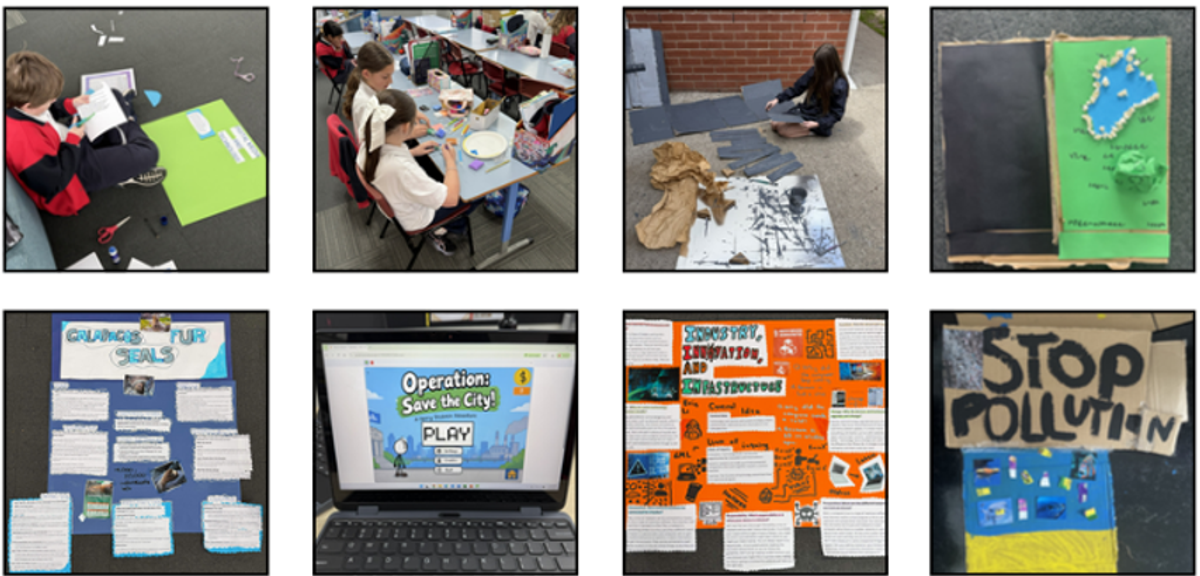
A significant aspect of the Exhibition was taking meaningful action. Students considered how they could make a positive impact in response to the issues they had investigated and carried out actions that reflected their learning and values. They also created a range of artefacts and exhibition posters to communicate their understanding in engaging and creative ways. The Exhibition, held on 21 and 22 October, was a tremendous success and showcased the curiosity, creativity, agency, and dedication of our students as they shared their learning with families, peers, and the wider school community. The quality of their presentations demonstrated not only the depth of their understanding but also their commitment to creating positive change in the world around them.
In Literacy, students have embarked on an exciting text study of The Grandest Bookshop in the World by Australian author Amelia Mellor. Set in 1890s Melbourne and inspired by the real-life Cole’s Book Arcade, the novel combines historical fiction with elements of magical realism, providing students with opportunities to explore both an engaging narrative and an important period in Victoria’s history. Students are developing an understanding of the social, cultural and historical context of the time, including life in "Marvellous Melbourne", Victorian inventions, changing societal values, and the significance of Cole’s famous book arcade.
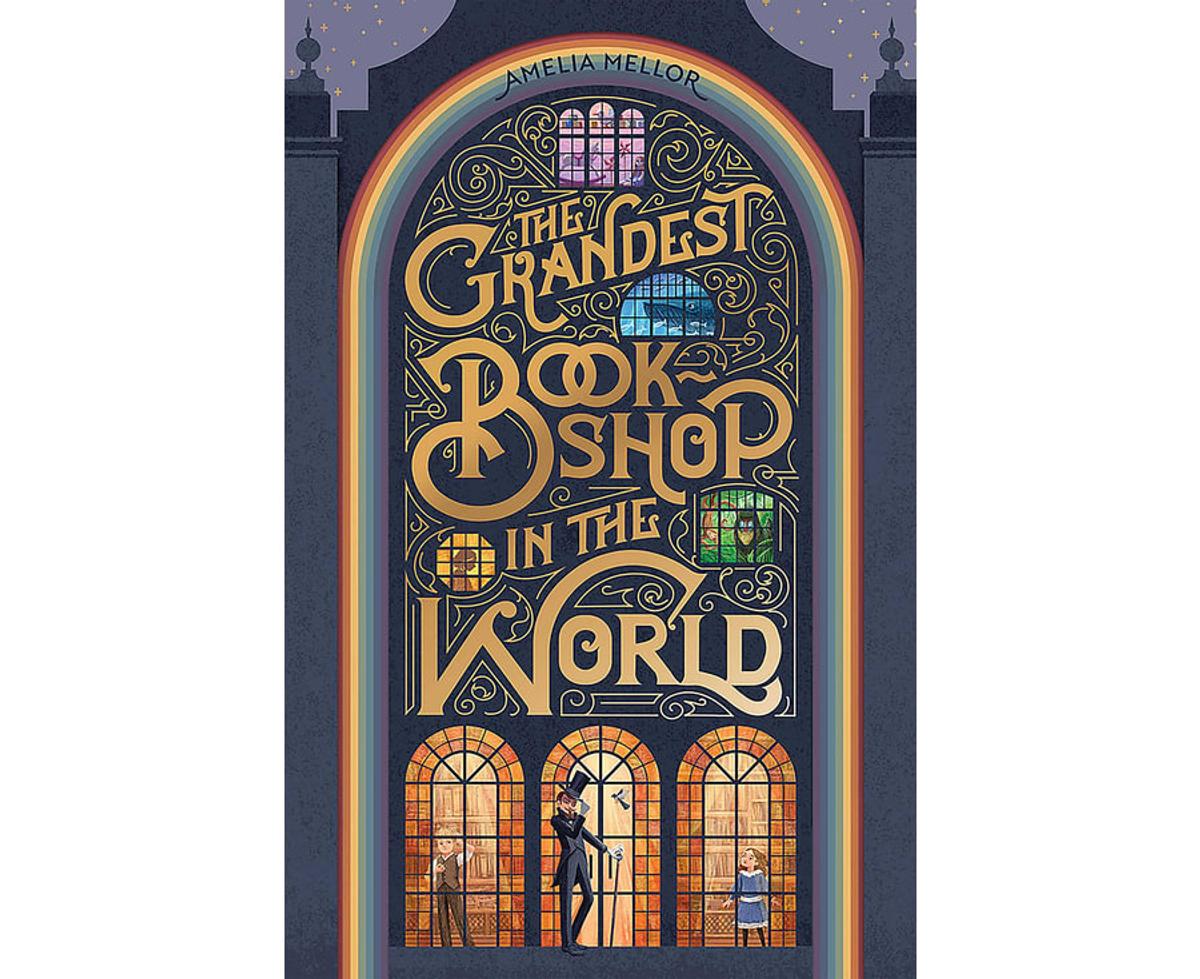
Through close reading and rich classroom discussions, students are analysing characters, relationships, themes, and author craft. They are exploring how Amelia Mellor uses literary devices such as imagery, similes, metaphors, symbolism, foreshadowing, and repetition to create atmosphere, build suspense, and develop characters. Students are learning to support their thinking with evidence from the text while making inferences, predictions, and connections to both historical events and contemporary issues.
Our literacy lessons are also focusing on vocabulary development and comprehension strategies. Students are building their ability to summarise key information, ask thoughtful questions, visualise events, monitor their understanding, and evaluate ideas presented in the text. Through collaborative discussions and text-dependent questioning, students are strengthening their critical thinking skills and becoming more confident readers.
In writing, students are using the novel as a mentor text to enhance their own narrative writing. They are learning how authors create engaging openings, develop rich settings, and build tension throughout a story. Students have been practising a range of writing techniques including varying sentence openings, using sensory and figurative language, incorporating "show, don't tell" descriptions, expanding and combining sentences, and experimenting with personification and other literary devices. As the unit progresses, students will apply these skills to plan, draft, edit, and publish their own narratives, drawing inspiration from the magical realism and historical fiction elements explored throughout the novel.
This study has allowed students to combine reading, writing, vocabulary development, historical inquiry, and critical thinking in meaningful ways. We have been impressed by the thoughtful discussions, insightful observations, and creativity students have demonstrated as they immerse themselves in the grand and mysterious world of Cole's Book Arcade.
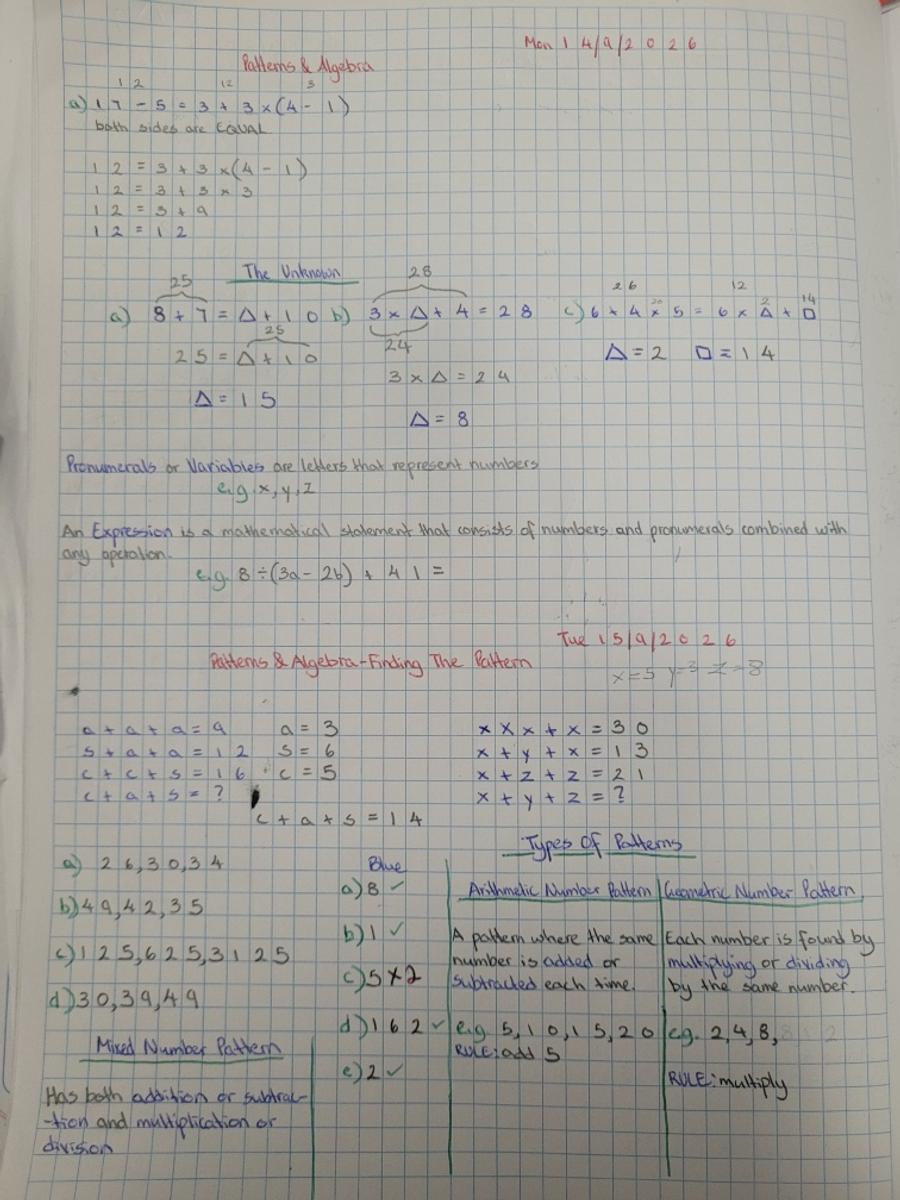
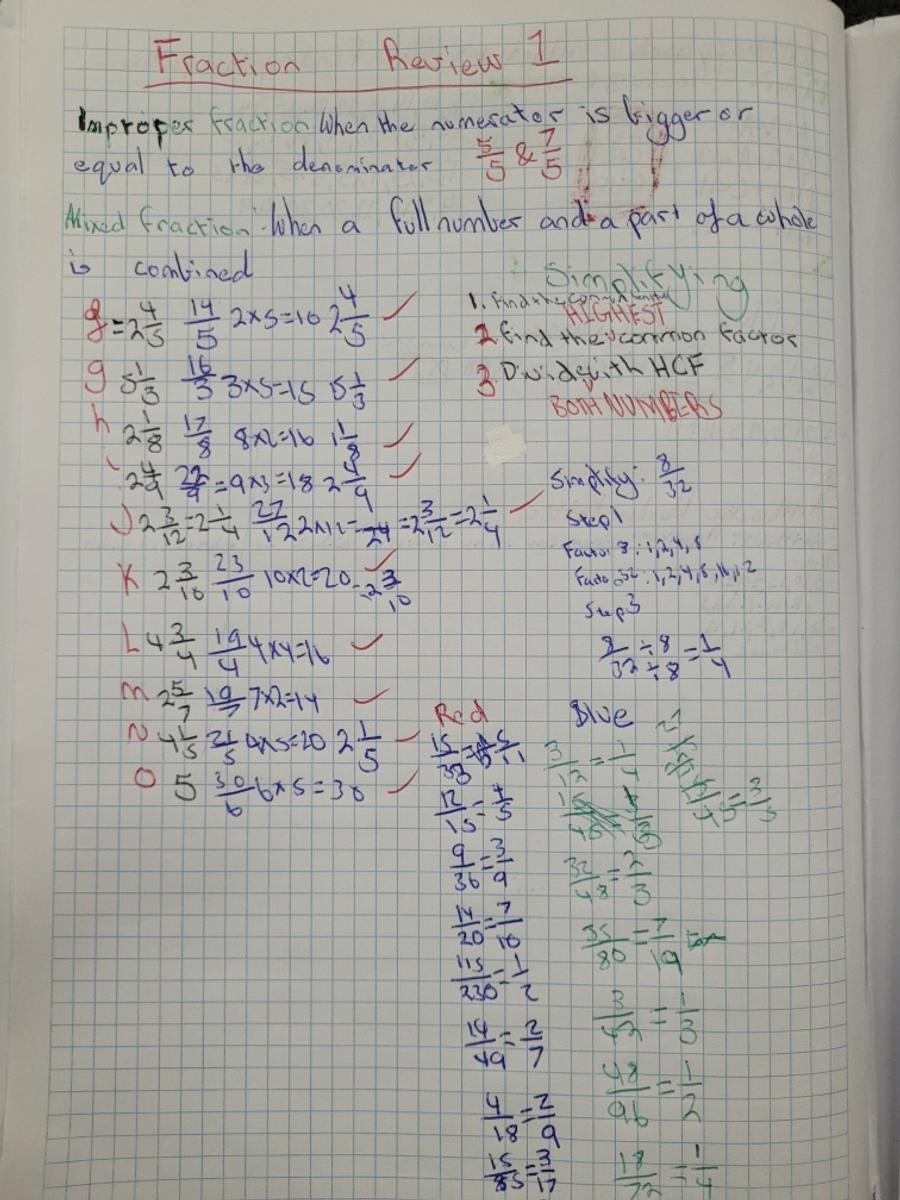
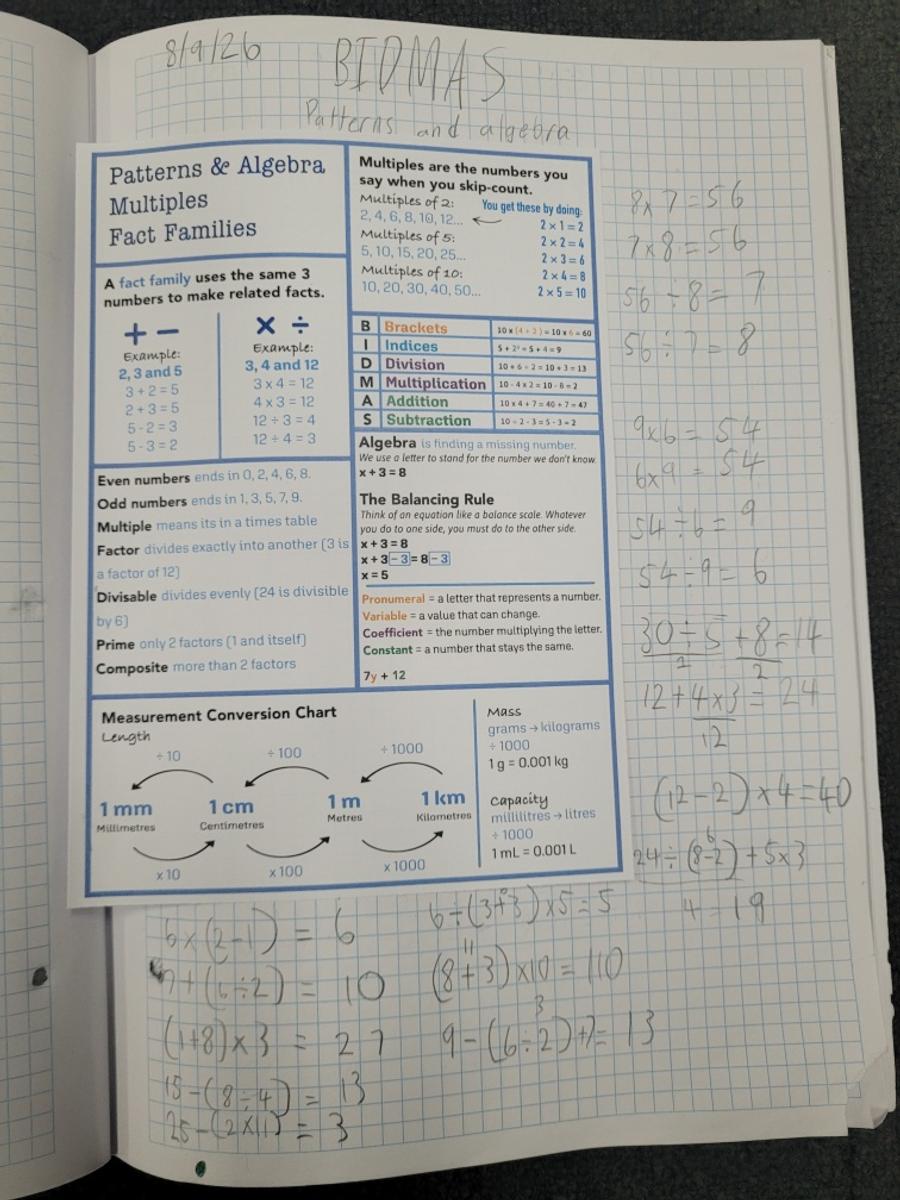
In Numeracy, students have been developing their understanding of fractions, decimals, and percentages, focusing on the relationships between these concepts and their application in real-world situations. Students have been converting between fractions, decimals, and percentages, comparing values, and solving practical problems involving parts of a whole.
Students have also been exploring patterns and algebra, learning to identify relationships, create rules, and apply algebraic thinking to solve mathematical problems. In addition, they have been strengthening their understanding of elapsed time and timetables by calculating time intervals, interpreting schedules, and applying time-management skills in authentic contexts. These learning experiences are helping students build confidence, fluency, and problem-solving skills across a variety of mathematical concepts.
Additionally, students have been applying their mathematical understanding through open-ended problem-solving tasks that encourage reasoning, communication, and strategic thinking. They have been challenged to explain their mathematical thinking, justify their solutions, and compare different strategies with their peers. By making connections between mathematical concepts and real-world situations, students are developing confidence, resilience, and a deeper understanding of how mathematics can be used to solve problems in everyday life.
🤝Resilience, Rights and Respectful Relationships
In Respectful Relationships, students have been exploring Topic 7: Gender Norms and Stereotypes. Through a range of discussions, investigations, and collaborative activities, students have examined how gender expectations can be influenced by families, peers, communities, and the media. They have considered how these norms can shape attitudes, behaviours, opportunities, and experiences for young people as they move through adolescence.

Students explored the importance of inclusive language and inclusive actions, investigating ways individuals can help create respectful and supportive environments for everyone. They examined whether gender beliefs are influenced by biology, society, or a combination of both, and analysed how expectations around gender have changed across generations. Students also explored equality of opportunity and considered how stereotypes can impact the choices people make. Through activities focused on media messages, gender policing, and peer pressure, students developed critical thinking skills and reflected on the importance of challenging unfair assumptions and promoting respectful relationships.