Term 3 Learning Summary
English: InitiaLit - (Reading, Viewing, Listening and Speaking)
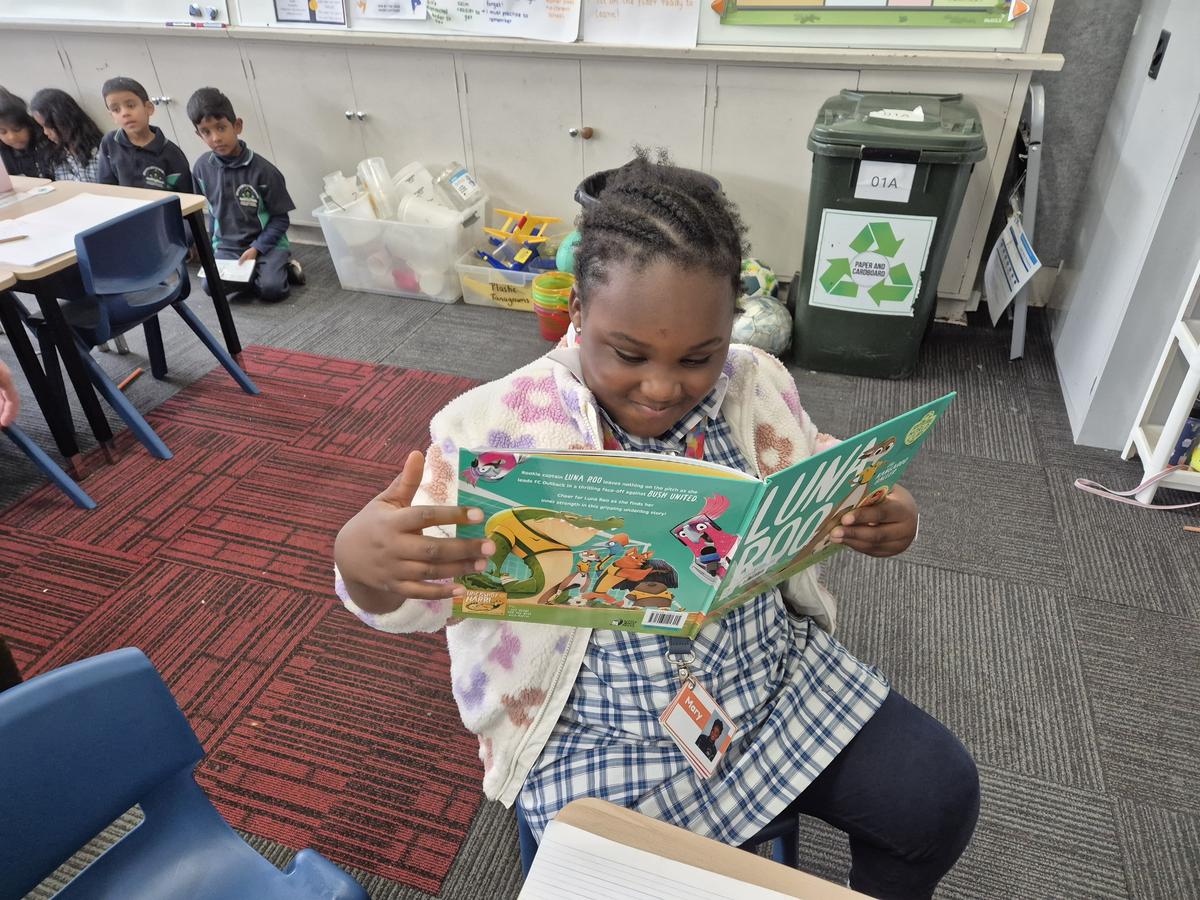
In Term 3, Year One students will further deep dive into the second semester of InitiaLit. Each week they will engage with five focus lessons. These focus lessons will introduce them to new phonemes such as long vowel sounds and split digraphs, as well as base words and suffixes, double letters, and adverbs. Students will also explore different text types in our two Storybook lessons each week. These storybooks will expose students to imaginative, persuasive and procedural text types. These lessons will unpack key Reading Comprehension skills such as questioning, predicting, inquiring into new vocabulary and summarising the text. We are all looking forward to continuing this exciting journey with the students.
Key Vocabulary:
- Long vowel sounds
- Split digraphs
- Base words and suffixes
- Adverbs
How can you support your children at home?
- Listen to your child read their reader each day and invite them to record this in their Reading Diary.
- Encourage your child to read their reader, or another text, more than once using the first reading to decode unknown words and explore the meaning, and the second reading opportunity to understand the text and connect it to their life.
- Pause at the front cover and various stages of a book or movie and predict what might happen next with your child.
Writing
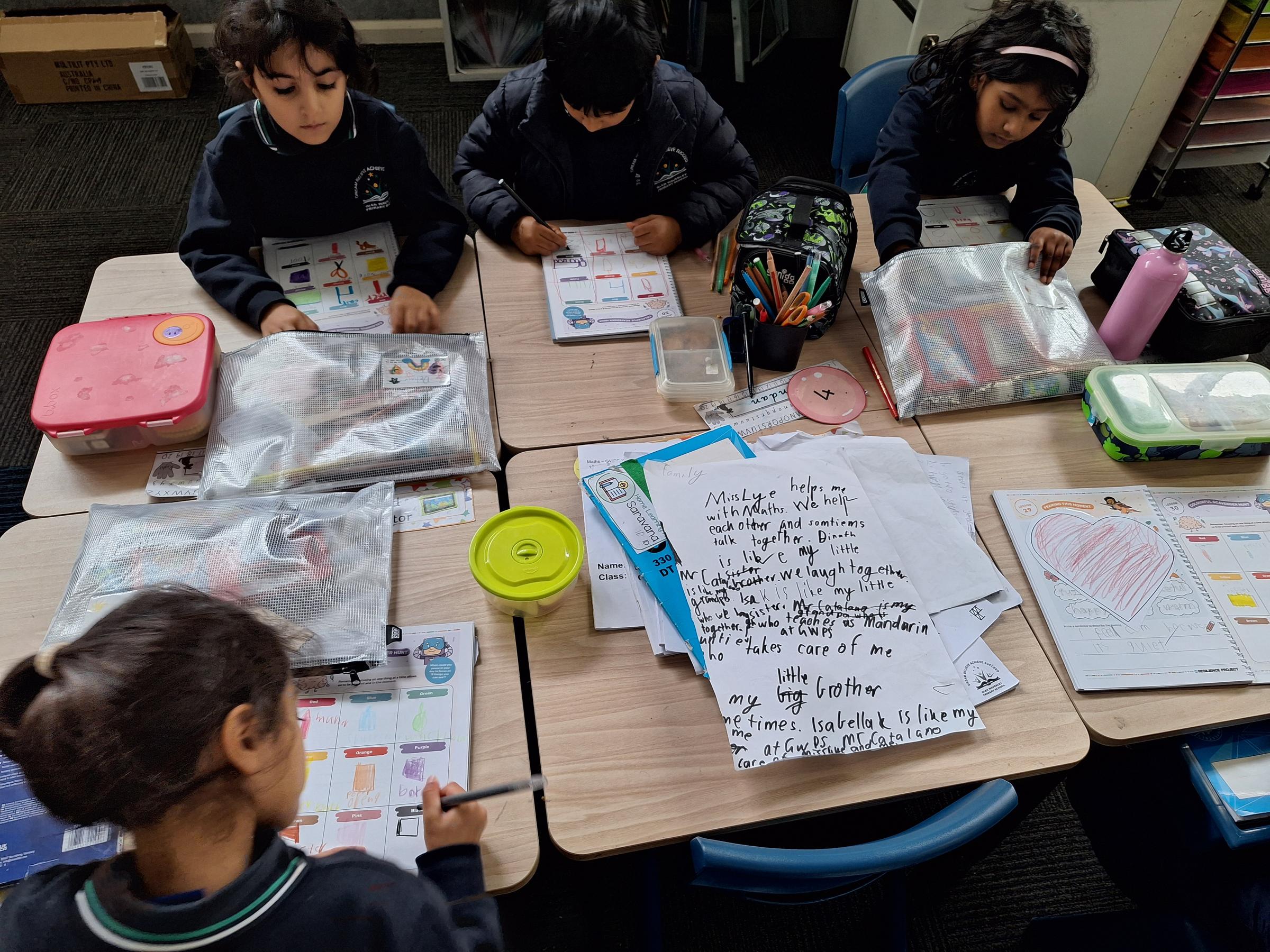
In Term 3, students will deepen our previous learning around Super Sentences. Super Sentences are sentences that include four aspects:
- A capital letter at the beginning of the sentence.
- A full stop at the end of the sentence.
- It is about something or someone (a noun).
- It makes sense.
In the first half of the term, students will explore persuasive texts and how to utilise emotive language and strong arguments to support their opinion. In the latter half of the term, students will investigate procedural texts and develop their ability in creating sequenced and logical steps. There will be exciting opportunities to implement hands-on activities to test their procedural texts and make improvements.
Key Vocabulary:
- Super Sentences
- Persuasive
- Opinion
- Procedural
- Sequence
How can you support your children at home?
- Select an activity and ask your child to brainstorm verbs to describe the activity.
- Encourage your child to share their opinion about a topic and three reasons to support their argument.
Mathematics
In Term 3, Year One students will investigate a variety of mathematical concepts through hands-on experiences, discussions, and practical problem-solving activities. Our focus areas will include Measurement (Length), Patterns, and Sharing & Grouping, supporting students to build strong foundational skills in number and measurement.
Students will explore the concept of length by learning to measure, compare, and order objects using informal units (such as blocks, paper clips, or hands). They will investigate the attributes of objects and understand how to use non-standard units fairly and accurately. In Patterns, students will examine how patterns repeat and can be described and created using different elements (colours, shapes, sounds, or actions). They will investigate repeating patterns and develop number patterns by skip counting by 2s, 5s, and 10s. These skills will help them notice patterns in their environment to lay the groundwork for understanding multiplication in future. In Sharing and Grouping, students will develop their understanding of equal groups through engaging sharing and grouping activities. They will explore how to share objects fairly between groups and use mathematical language to describe how collections are organised. As they work with physical objects, students will practise solving simple problems that involve dividing items into equal parts and forming groups. They will also begin to explore arrays, arranging objects in rows and columns to help them see how items can be grouped in an organised way. These practical learning experiences will help lay the foundation for their early understanding of multiplication and division.
Key Vocabulary:
- Length
- Measure
- Compare
- Longer
- Shorter
- Same
- Informal unit
- Pattern
- Repeat
- Skip count
- Growing/Shrinking patterns
- Divide
- Equal groups
Array
How can you support your child’s Mathematics learning at home?
- ️Use everyday objects (books, shoes, toys) to measure and compare lengths.
- Find patterns in nature, clothing, or home décor. Create your own patterns with LEGO, beads, or actions (e.g., clap, stomp, clap).
- Skip count while climbing stairs, packing toys, or counting coins. Start by counting in 2s, 5s, and 10s.
- Share snacks or toys equally and discuss how many each person gets. Group toys into equal piles and practise counting them.
Inquiry
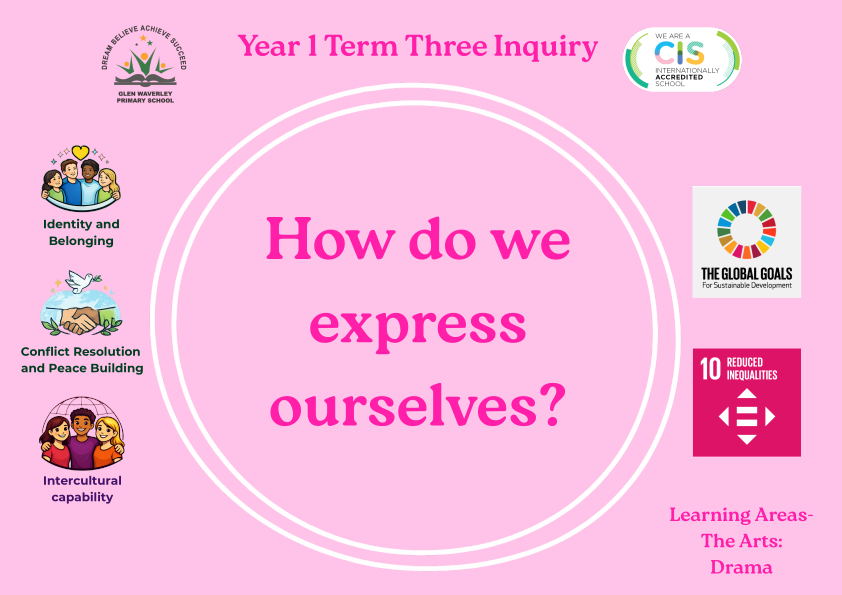
In Term 3 students will explore a variety of cultures and begin to understand how people use drama, movement, storytelling, and the arts to express ideas and emotions. Students will take part in engaging cultural workshops, collecting ‘passport stamps’ as they journey through stories, performances, and traditional artistic forms from around the world. A key focus will be on collaboration, compromise, and student voice, as learners work together to bring a traditional folktale to life. Each Year One class will select a folktale to explore and use the elements of drama to create their own costumes, sets, and scenes. Students will rehearse and refine their performances before filming or sharing their work with a wider audience.
Key Vocabulary:
- Expression
- Culture
- Drama
- Communication
- Collaboration
- Compromise
How can you support your child’s Inquiry learning at home?
- Talk with your child about any drama, dance, or performance traditions that are part of your culture. This might include things like theatre, festivals, ceremonies, or storytelling through movement or music. If you have photos or videos, look at them together and talk about how people express themselves during those events.
- Encourage your child to learn about a story or folktale from another culture background. Talk about the characters, setting, and the message or moral of the story. You might even act it out together at home!
- Discuss how your child feels in different situations and how they might show those emotions through their face, body, or voice. You can play a game where you each take turns acting out an emotion (like “happy,” “angry,” or “excited”) and guess what it is.
Wellbeing
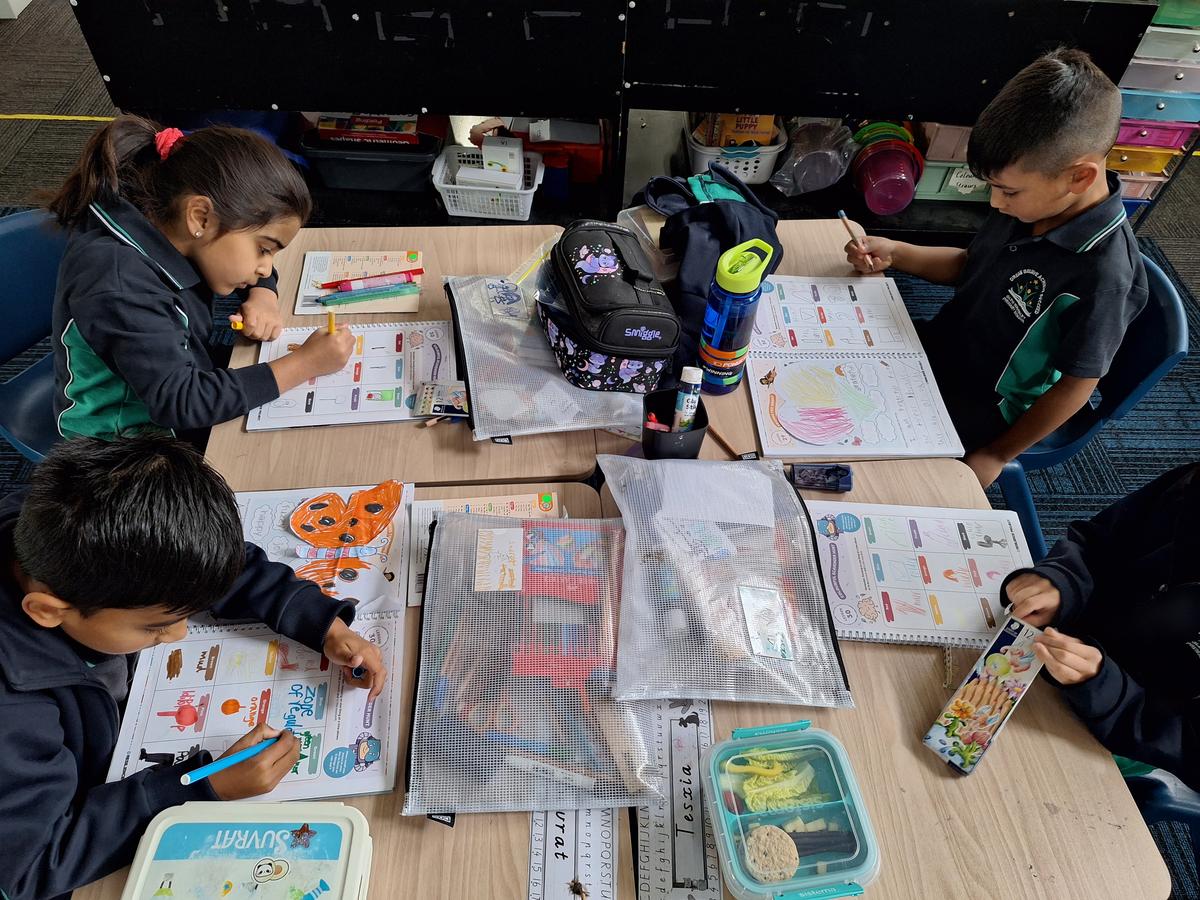
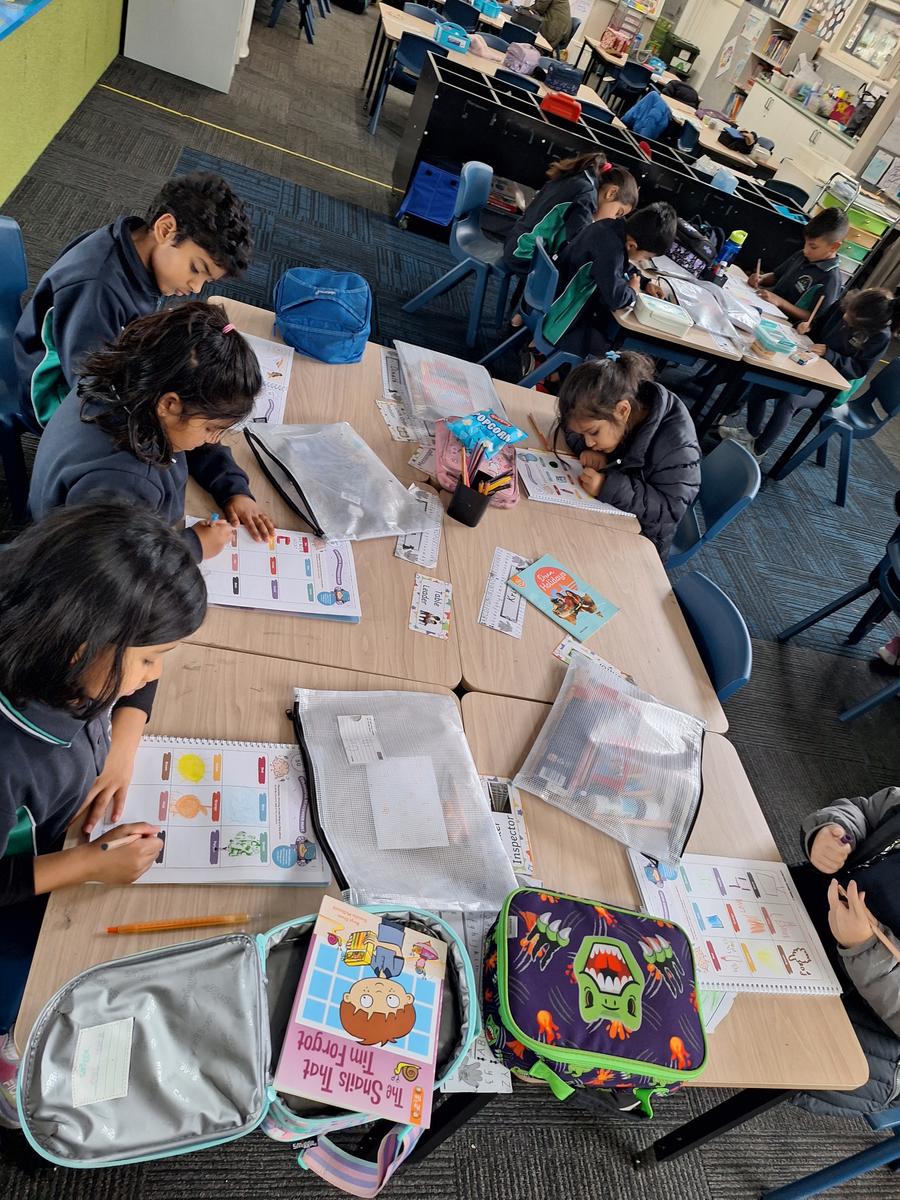
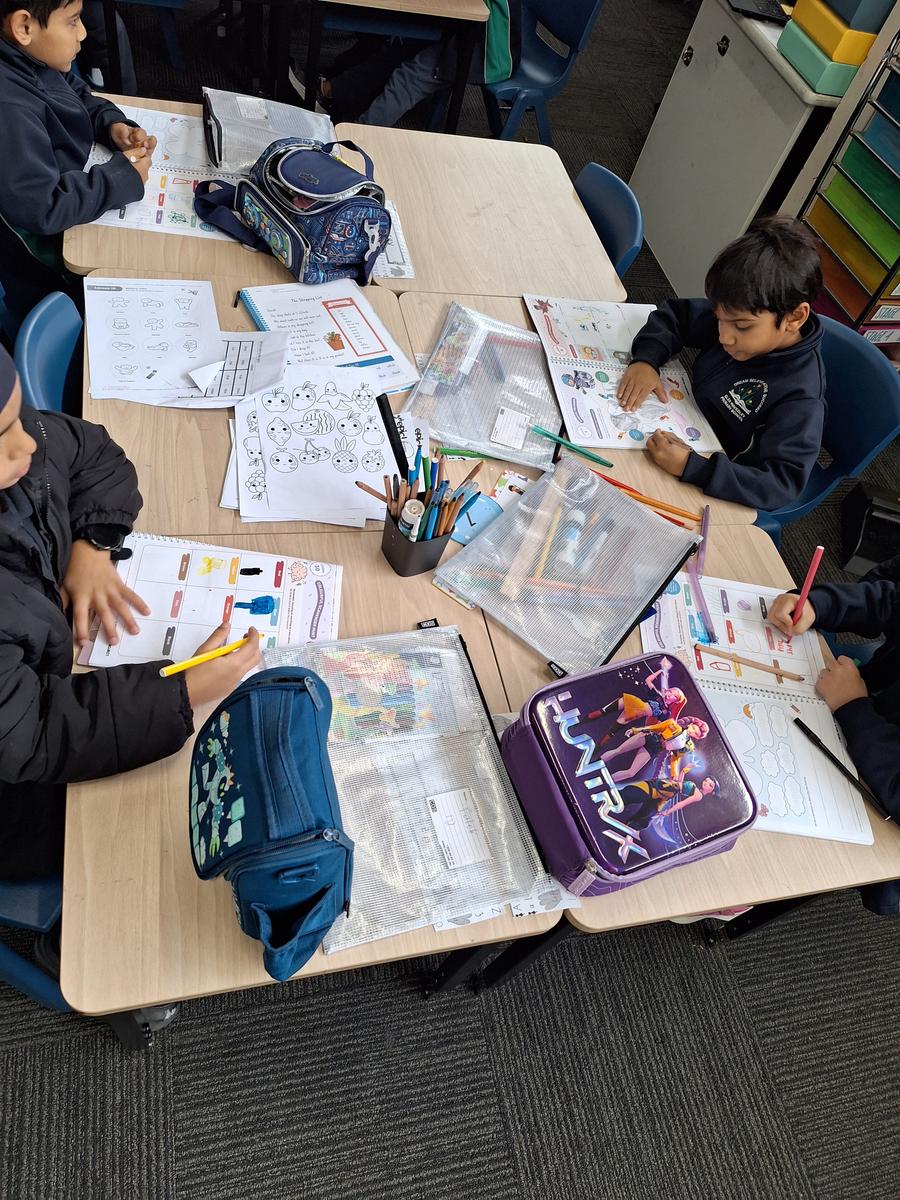
In Term 3, students will continue to explore the key principles of The Resilience Project: Gratitude, Empathy, Mindfulness, and Emotional Literacy. Through engaging lessons, they will learn to explore the importance of noticing and expressing emotions as we experience them. Furthermore, students will discover what happens if emotions build up. They will explore mindfulness and wellbeing activities on how to be mindful before screen time. Students will also focus on the importance of empathy in encouraging their peers. Lastly, they will explore gratitude through the lens of distinguishing between ‘needs’ and ‘wants’ in their daily lives.
Students will also learn about digital safety through the Cyber Safety Program, focusing on becoming responsible and respectful digital citizens. They will explore digital dilemmas and ways to respond with responsibility and integrity. Furthermore, students will discover strategies to assist in managing and regulating heavy emotions when playing online. Additionally, they will learn to identify potential online problems and discover ways to overcome these situations appropriately. Lastly, they use the S.T.A.R.T strategy to tune into our emotions while online and keep a healthy digital balance.
Key Vocabulary:
- Gratitude
- Empathy
- Mindfulness
- Emotional Literacy
- Needs and Wants
- S.T.A.R.T strategy
- Consumption
- Creation
- Encouraging
How can you support your child’s Wellbeing learning at home?
- Ask your child about their emotions and help them notice and express them in healthy ways.
- Learn how to use encouraging words or strategies to encourage your friends, families or grandparents. Also learn how to use kind and helpful actions in their daily lives.
- Try activities where you are moving your body, being mindful of what you are doing like mindfulness colouring and any activity where you are working with or talking to a friend, family member or a group of people.
- Talk about strategies on how to manage and regulate heavy emotions when playing online. Also identify potential online problems and discover ways to overcome these situations appropriately.
- Our families have access to the Resilience Project Home - TRP@HOME portal
- Our families have access to the Cyber Safety Project home Resources - Cyber Safety Project.