Wellbeing
















 St Francis de Sales Catholic Primary School Lynbrook
At SFS, our PBL (Positive Behaviours for Learning) school wide expectations are:
Respect, Responsibility and Kindness
We have a whole school social skills lesson where we explicitly teach an expected behaviour from our Behaviour Expectation matrix. This week we have focused on RESPECT in the Learning Space, Use good manners. This is important for the students to understand and practice because:
- When we use good manners, we show respect to others.
- When we show manners to others, it builds our relationship and connection with them.
- Others will see us in a positive light. Our words and actions impact on what other people think and feel about us.
- It teaches us about social etiquette and social expectations.
- It improves our communication.
- It helps us to build a sense of belonging.
- Good manners is about considering the feelings of others and being the kind of person that others will like and respect.
- Using good manners helps us to interact with others in a more positive way and helps create a kinder, more considerate learning space.
- We need to respect the dignity of the human person as we are all created in God’s image. Jesus taught us to love one another as I have loved you and love your neighbour as you love yourself.
Here are some of our lucky PBL raffle winners from last week who have been displaying our expected behaviours at school. Congratulations to these children and keep being KIND, RESPECTFUL and RESPONSIBLE!!
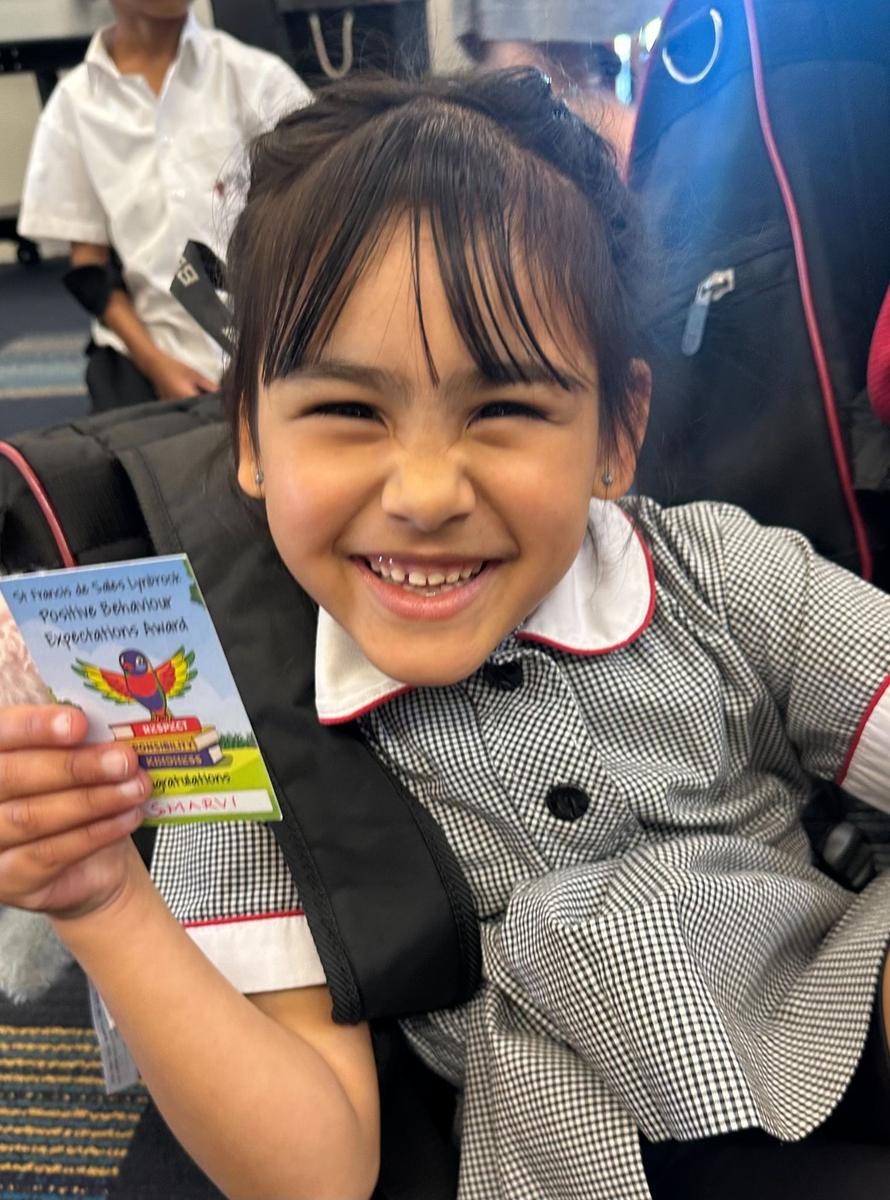
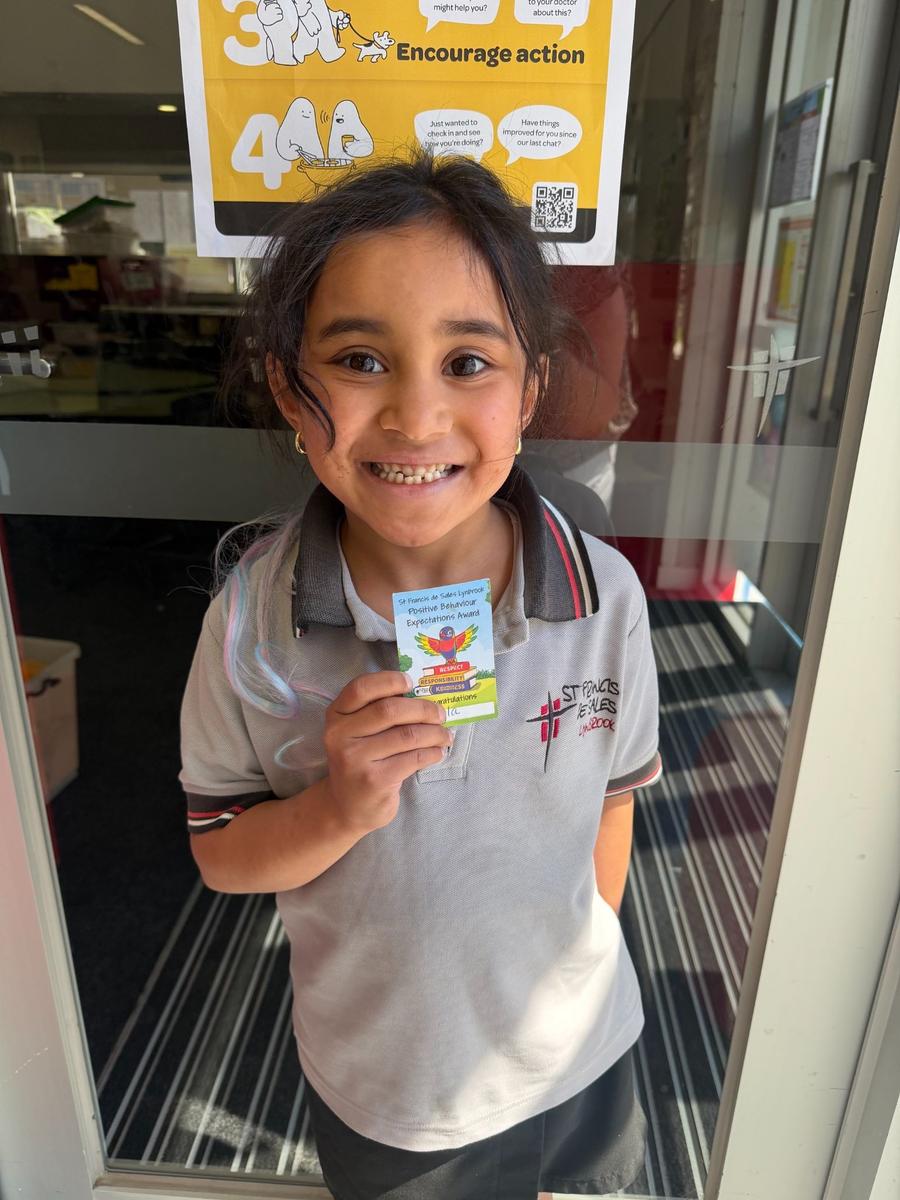
Our luck PBL winners.
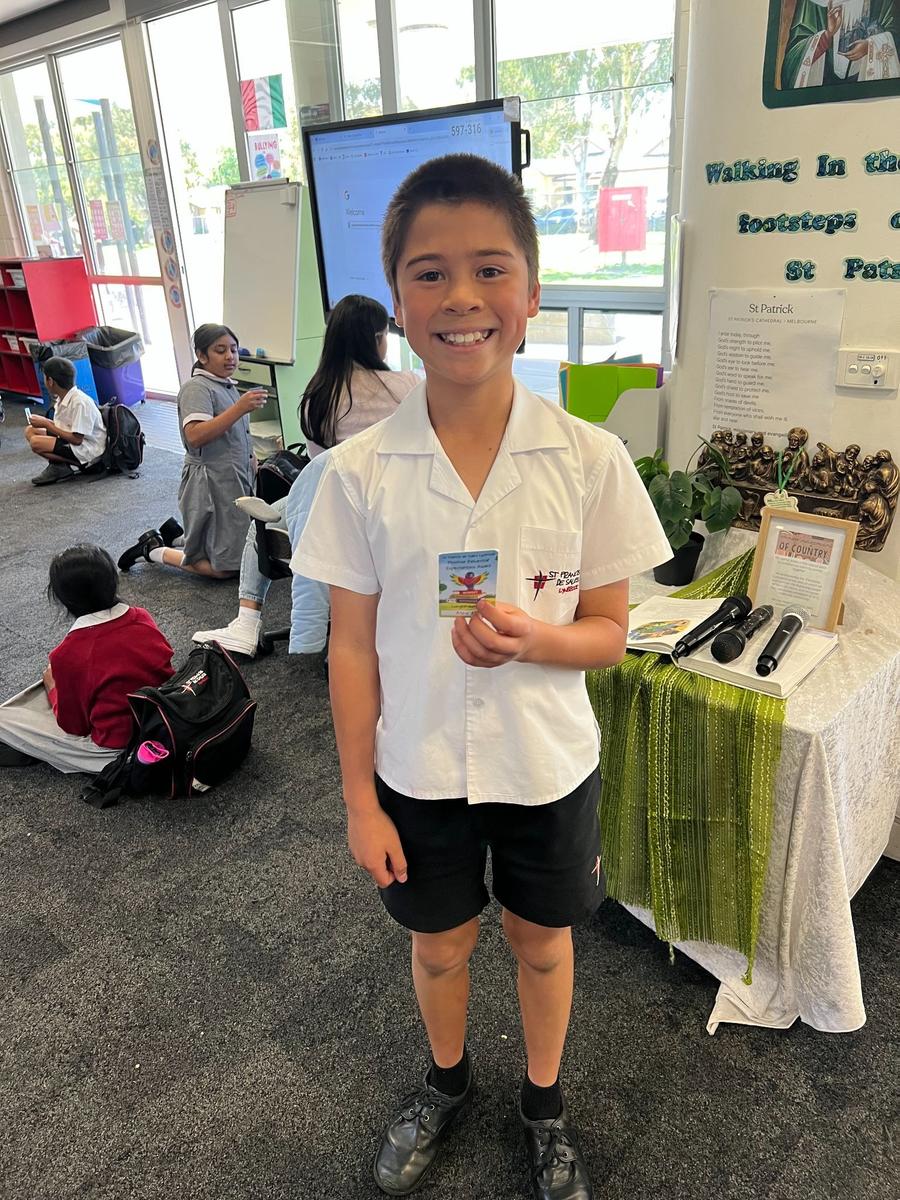
Our luck PBL winners.
WORLD KINDNESS DAY
On Friday, we celebrated World Kindness Day at school. The SRC students decided that they wanted to spread kindness around SFS by wearing the fluoro vests and helping children at lunchtime. The students also buddied up a Junior and a Senior class to complete a “kindness scavenger hunt”. Each clue led the children to a location in the school where they had to do a kind act such as picking up rubbish outside. The children enjoyed working with another Homegroup and mixing Junior and Senior students together. They also reflected on the importance of kindness in the world and ways that we can show kindness at a local level in our school. A big thank you to the SRC students who came up with the ideas for World Kindness day.
ONLINE GAMING AND CYBER SAFETY
The following information is taken from the parent Fact sheet from eSafety Commissioner that outlines the benefits but also risks involved in online gaming.
Gaming
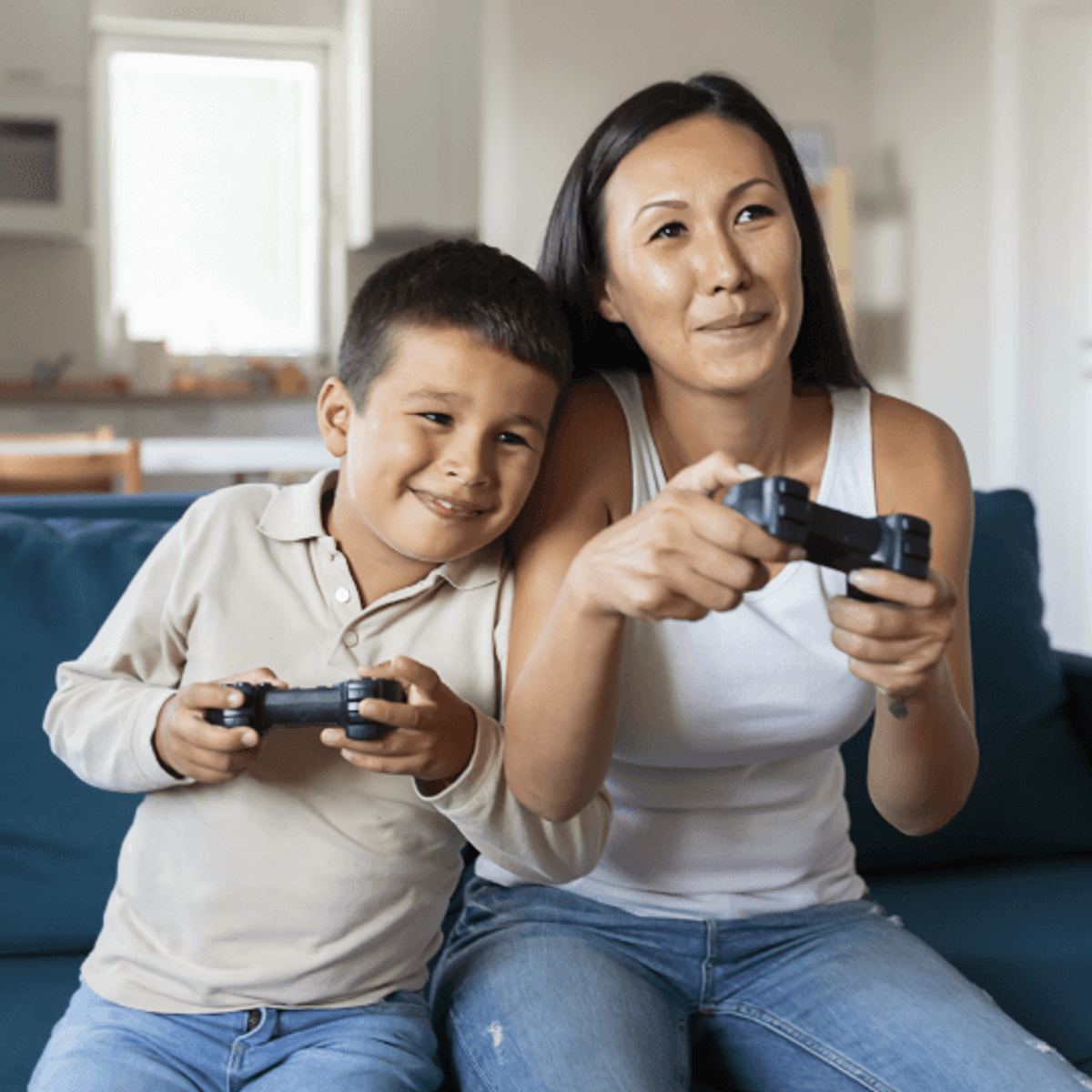
“Many young people enjoy online gaming – from simple puzzle-based play through to strategic multiplayer games and creating their own virtual worlds.Gaming can help improve your child’s coordination, problem-solving and multi-tasking skills, as well as build social skills through online interactivity with other players.Games can also be a great way to connect with your child and strengthen family relationships – but it’s also important to understand what can go wrong and how to keep your child safe.
In short: Online gaming has a range of benefits for children and young people.
You can help your child develop healthy gaming habits by staying involved and supportive.
Gaming can expose young players to risks like cyberbullying and sexual
grooming.
Some games simulate or encourage gambling through the spending of real money or incentives such as tokens and points.
It’s important to help your child understand the risks of gaming and how to get help if something goes wrong.
What is gaming?
Gaming involves playing games on devices such as computers, consoles, smartphones or tablets. It offers an opportunity for children and young people to communicate, share content and be part of a community group. Online games are usually played using the internet with friends. They can be accessed, downloaded and played using different devices like computers, smartphones, virtual reality headsets and specialised gaming consoles. Offline games, or games played in offline modes, are often played alone or with people in the same room using the same device, which means they are sometimes safer and ideal for younger children.
How to create a safe gaming environment for your child
Young gamers said they felt happy and socially connected while gaming and enjoyed both helping others and being supported by them. It’s important to encourage your child to have these positive experiences, while helping to protect them from risks like cyberbullying and exposure to harmful content.
State of play
According to a major Australian gaming industry report:1
• Typical daily casual game play is 10 minutes, twice a day typical daily in-depth game play is 1 hour.
• 47% of gamers are female.
• 78% of gamers are over the age of 18.
• The average age of an Australian gamer is 34 years old.
• Adult players have been gaming for an average of 12 years.
Competitive gaming, known as eSports, is a multi-billion dollar industry that includes many
gaming genres and titles, such as League of Legends and Counter Strike Global Offensive.
Gamers also watch eSports to learn strategies to improve gameplay.
Gaming risks
It is important to take a balanced view and recognise that gaming, like everything online,
has its pros and cons.
eSafety research has found that people playing online games can be exposed to risks including:
• Cyberbullying (for example threats, verbal abuse, ganging up, exclusion).
• Inappropriate language, age-inappropriate content, or access to pornography.
• Unwanted contact from others, including ‘grooming’ by a sexual predator.
• In-app purchasing.
• Themes or elements that may encourage young people to gamble now or later in life.
• Giving out too much personal data.
• Spending too much time online.
Many multiplayer games involve hundreds or even thousands of people playing at the
same time. The gamers can communicate with friends and strangers through web cam,
private messaging or online chat functions.This increases the risk of contact from online
abusers or bullying from other players.
Managing gaming
The best way to help your child manage the risks is to take an active interest in their gaming.
Select the right privacy settings
Make sure your child only joins games suitable to their age and maturity. The privacy settings
can also be restricted so your child only plays or chats with gamers they know.
Choose the right games
Collaborate with your child on game purchases— have them suggest the game they wish to play or purchase. Ask them to find out therecommended age, information about the content and how to use the privacy settings.
To identify if a game is beneficial, ask:
• Are there emotional benefits? (Is it fun?)
• Are there cognitive or learning benefits? (Doyou need to solve problems?)
• Is creativity required? (Do you build stuff?)
• Is it a social game? (Do you connect with other players and is the connection safe?)
Ratings and reviews
You can look up games on the AustralianClassification website to check their rating and other information about the content, to
help you decide if it is suitable for your child.
Check out the video Quick guide to Australian classification ratings.
The eSafety Guide has information about popular online games, apps, social media sites and other digital platforms. The guide explains what the game is and how people use its tools and functions. It also provides the gaming company’s age recommendation and links to key safety information, including how to report and block abusive players. eSafety can direct an online service or platform to remove illegal content or ensure that restricted content can only be accessed by people who are 18 or older. Find out more about illegal and restricted online content. Commonsense media provides parents with reviews of the latest games and apps (as well as movies, TV shows and books).
Gaming risks
It is important to take a balanced view and recognise that gaming, like everything online, has its pros and cons. eSafety research has found that people playing online games can be exposed to risks including:
• Cyberbullying (for example threats, verbal abuse, ganging up, exclusion).
• Inappropriate language, age-inappropriate content, or access to pornography.
• Unwanted contact from others, including ‘grooming’ by a sexual predator.
• In-app purchasing.
• Themes or elements that may encourageyoung people to gamble now or later in life.
• Giving out too much personal data.
• Spending too much time online.
Many multiplayer games involve hundreds or even thousands of people playing at the
same time. The gamers can communicate with friends and strangers through web cam,
private messaging or online chat functions.This increases the risk of contact from online
abusers or bullying from other players”
For more tips on Parental control with gaming and helping keep your children safe online, please visit https://www.esafety.gov.au/parents/issues-and-advice/gaming?utm_campaign=2611_edu_news_october_reengagement&utm_id=c33ee8f22376e17ca6503903521da365&utm_medium=email&utm_source=eSafety_edm
If you have any concerns about the safety or wellbeing of your child, please do not hesitate to contact me at school or via email, rlenko@sfslynbrook.catholic.edu.au
Rachel Lenko
Mental Health and Wellbeing Leader