Assistant
Principal's Message
Mrs Marie Iorfino



Assistant
Principal's Message
Mrs Marie Iorfino
Our classrooms are places where a love of reading and learning remains at the heart of everything we do. Students engage with quality literature, rich texts, novels, information books and hands-on learning experiences every day. Technology is used purposefully to complement learning rather than replace traditional learning methods. Across K-6, digital tools support literacy, numeracy, creativity, research and collaboration at key points throughout lessons, but students also spend significant time reading physical books, writing, discussing ideas and working with concrete materials. For students in Years 3-6, our BYOD program operates on most days; however, Wednesdays are a no-BYOD day due to the Amadeus music program and the additional equipment students bring to school. This balanced approach ensures that students develop strong reading, thinking and communication skills while also building the digital capabilities needed for the future.
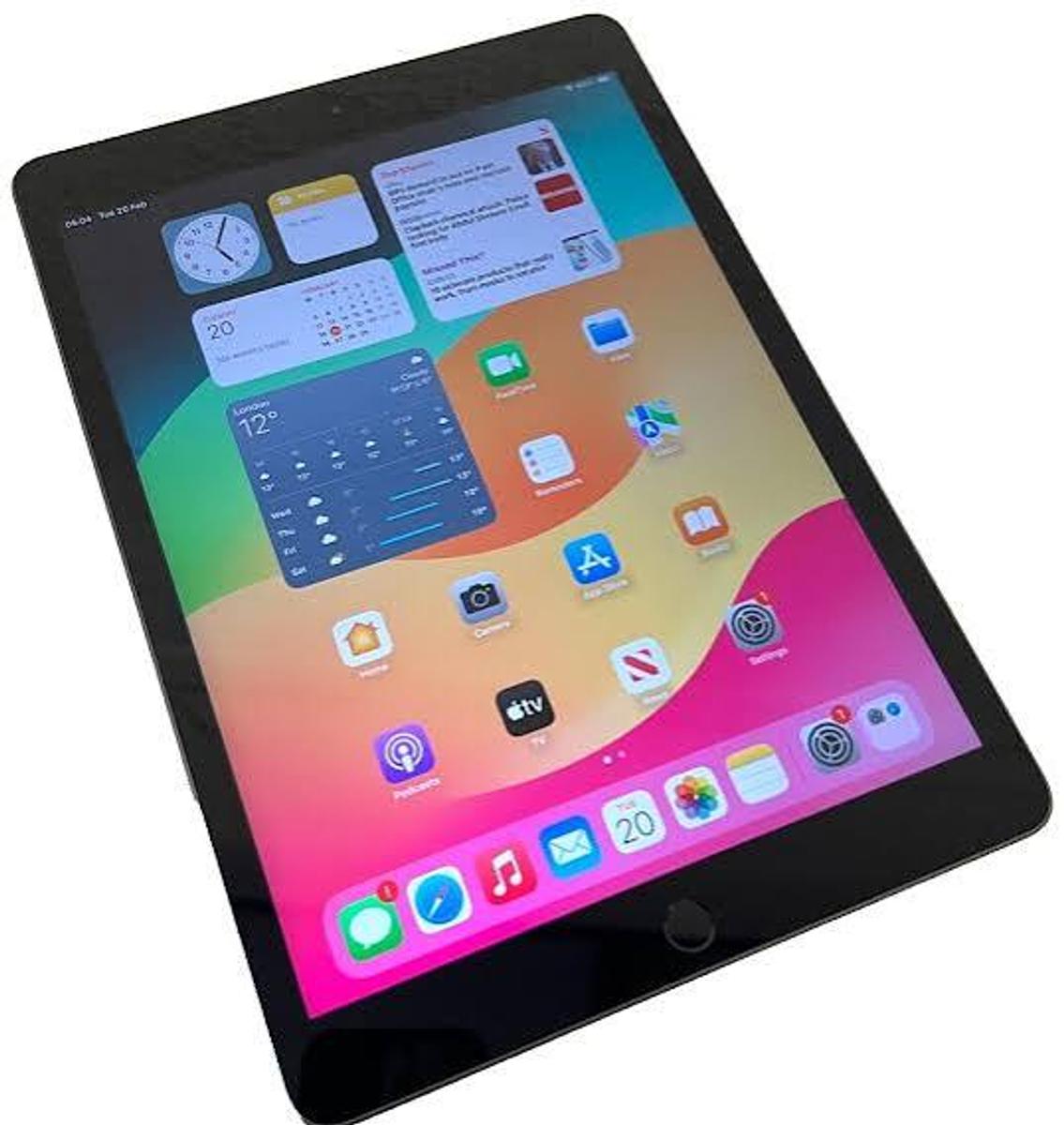
In Kindergarten, iPads are used for 15-minute rotation activities, with students accessing a device approximately once each week. In Stage 1, students use iPads and Chromebooks to support reading, develop digital literacy skills, become familiar with keyboards and learn how to safely log on to devices independently. In Stages 2 and 3, technology is used at various times throughout the day, generally for up to 20 minutes, to complete online mathematics assessments, practise keyboarding and typing skills, and research information for HSIE learning. Students from years 2-6 also use technology for the completion of PAT Assessments, which take approximately 45 minutes and are conducted in the early part of Term 4. Technology is carefully integrated to support learning outcomes and complement, rather than replace, traditional classroom practices.
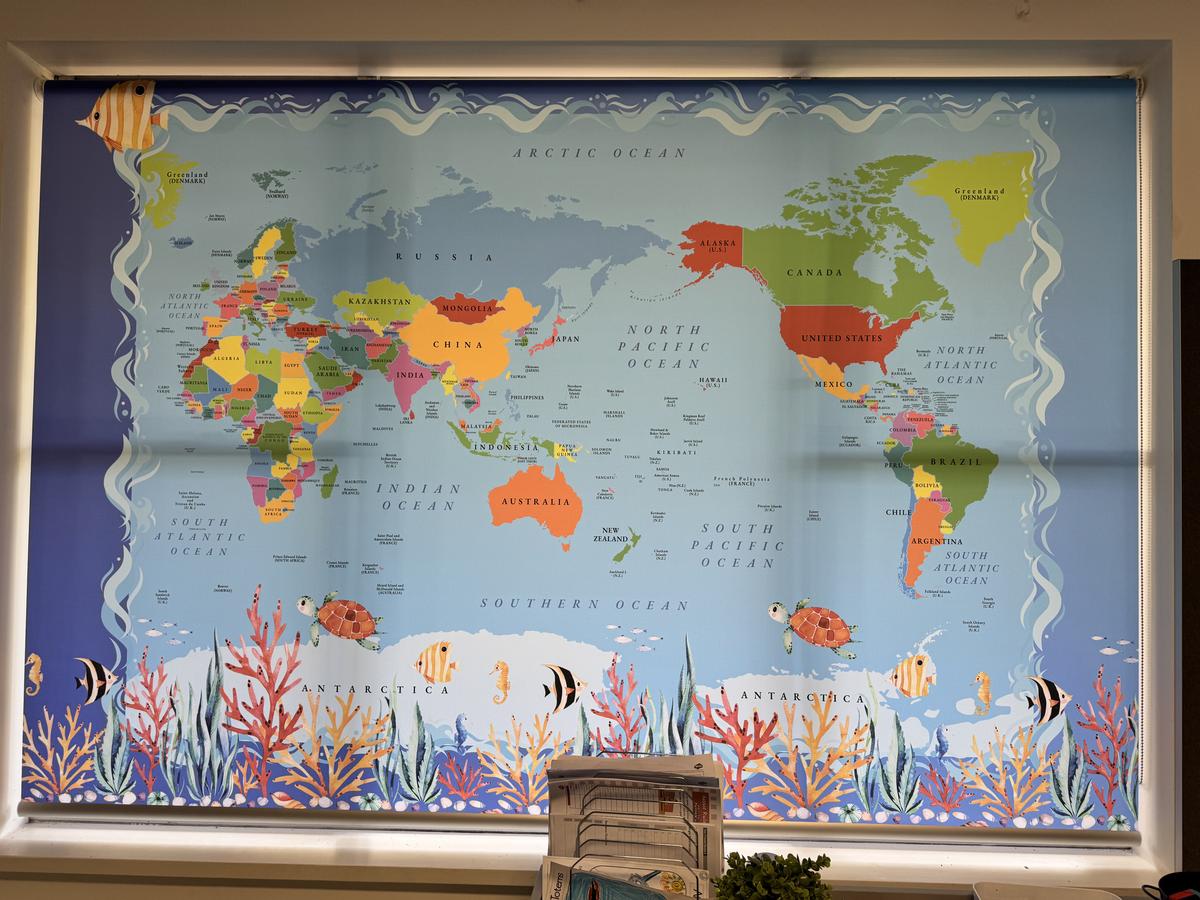
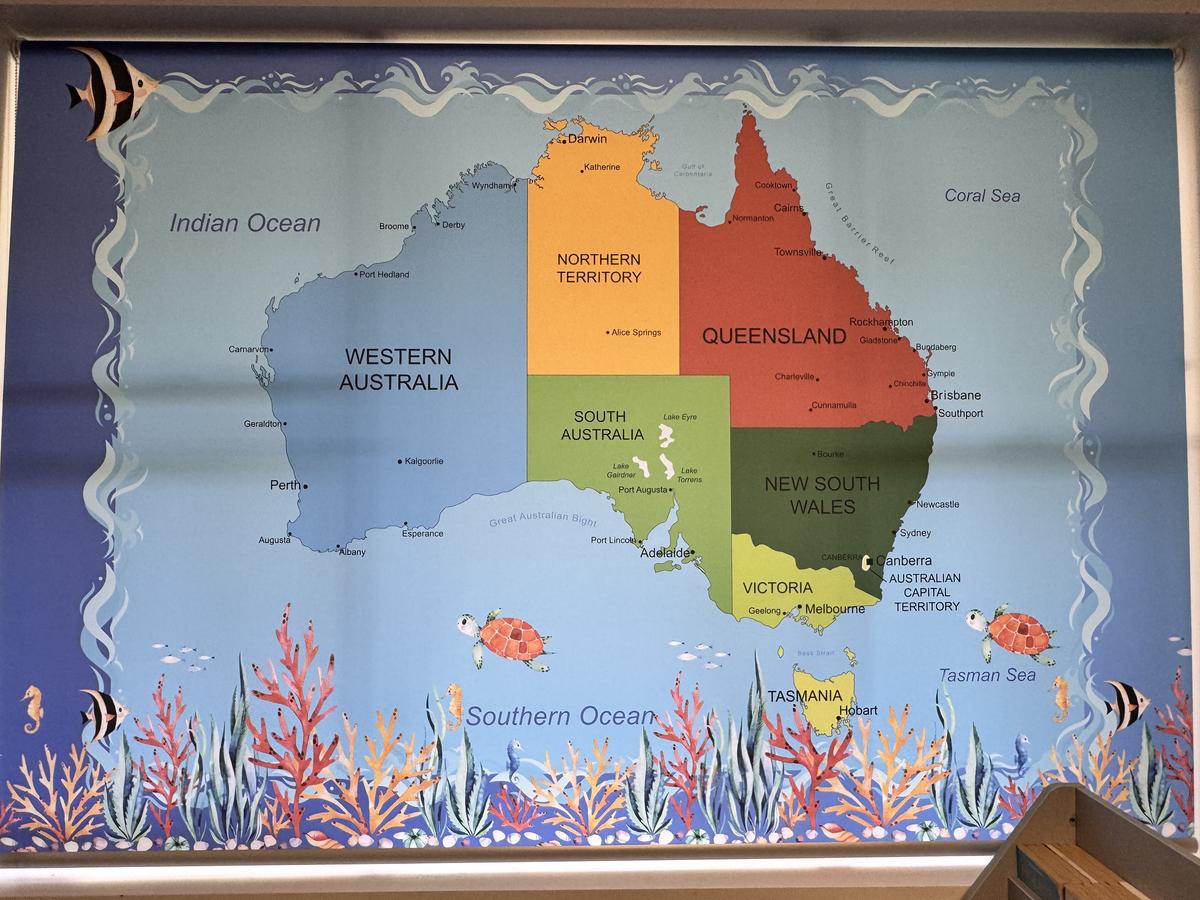
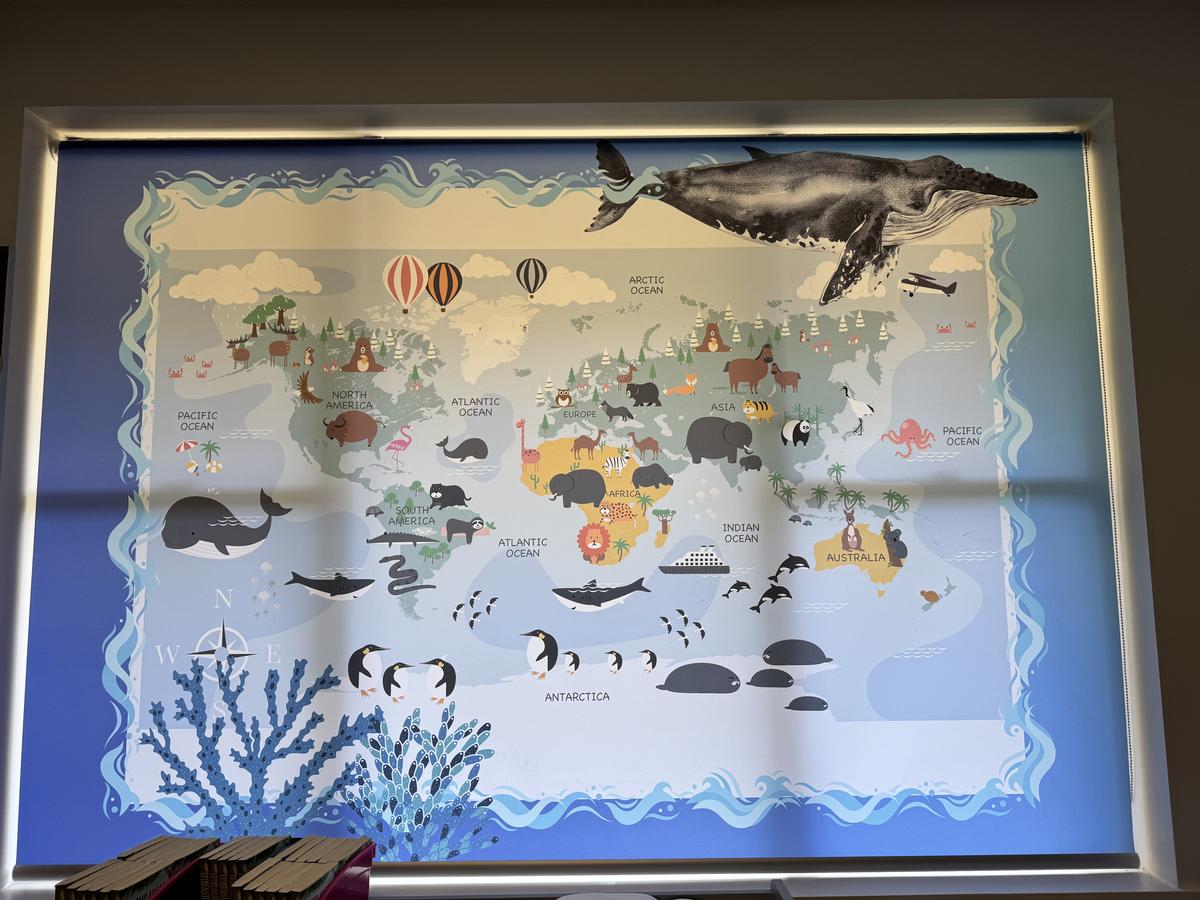
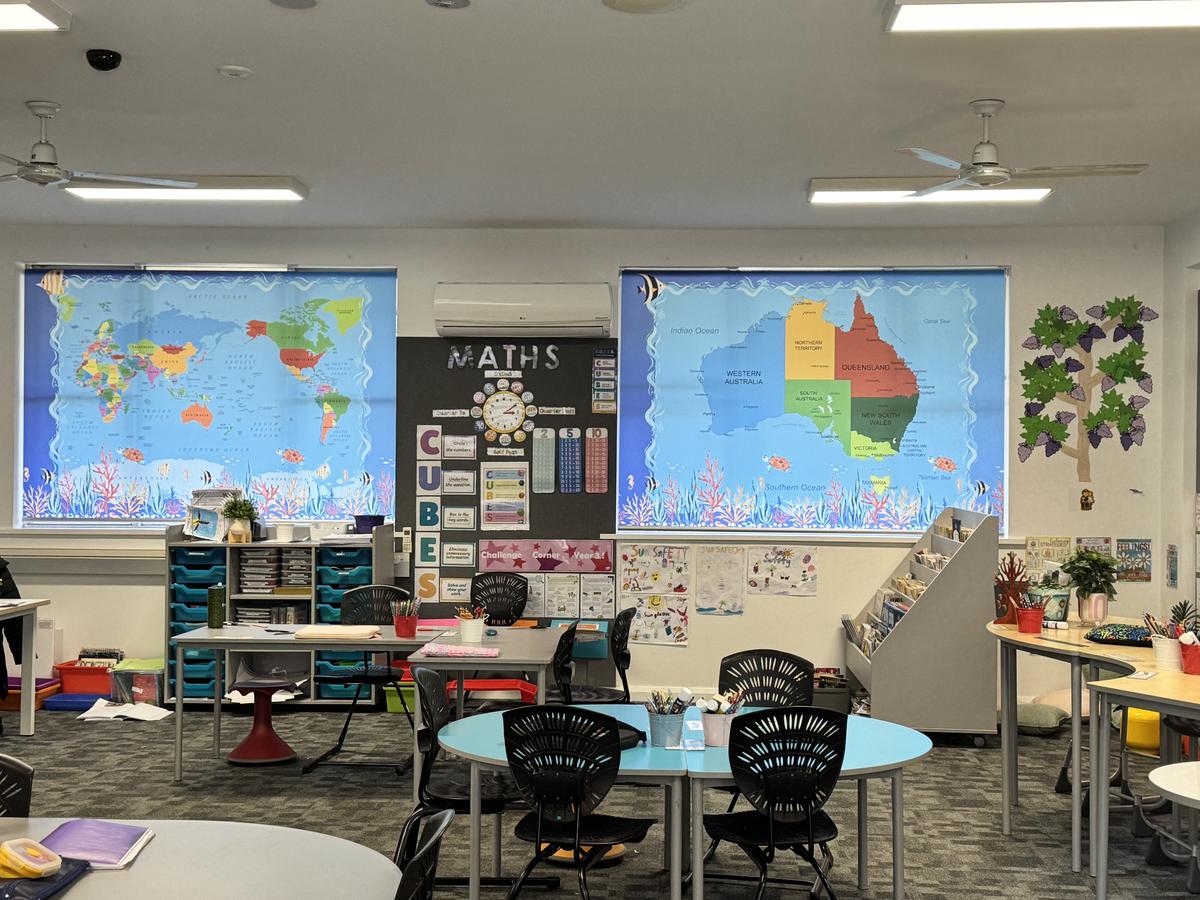
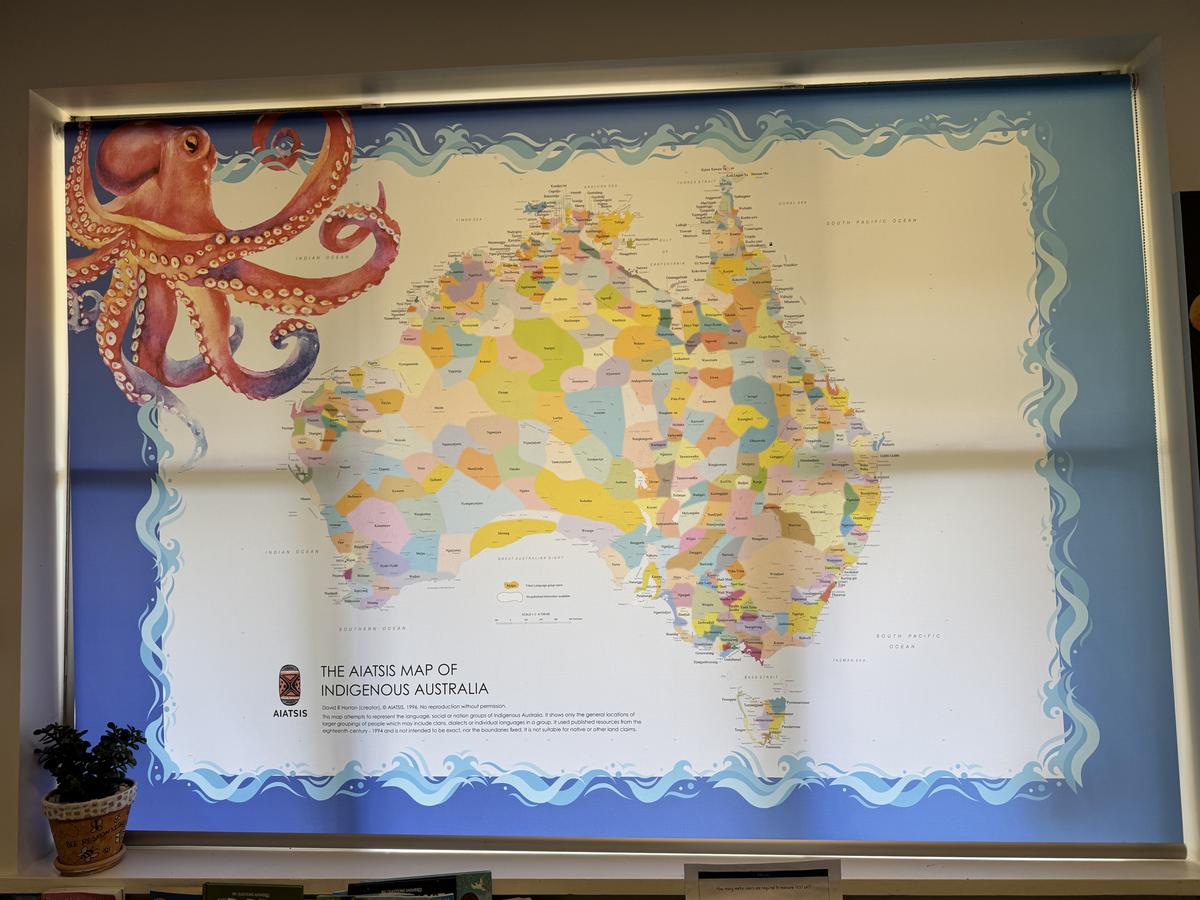
We are pleased to share that new blinds have been installed throughout our Stage 2 classrooms. The new blinds provide improved light control, reduce glare on learning spaces and technology, and create a more comfortable environment for students and teachers. This upgrade enhances our classrooms, supporting student engagement and helping to create optimal conditions for learning each day.

The other day, an 8-year-old child was acting rude to his mother.
She asked him, “Why are you being unkind? What’s up?” he just shrugged and said, “I don’t know.”
Instead of getting frustrated, she tried something different and said:
“That’s okay. Sometimes I don’t know why I feel upset either. Maybe we can figure it
out together.”
He shrugged again:
“Could it be that today felt a bit overwhelming?”
He replied, “I just wanted to stay home.”
Aha! He wanted to stay home and play instead of doing all the activities. That’s what the rudeness was about.
She told him that next time, when he feels like that, he can use this phrase: “I’m frustrated because…” They practiced together until he felt better.
The mother thought about all the ways she could have responded to his rudeness because “She is the adult,” but he needed to process something that wasn’t about her.
It was such a great reminder that all behavior is communication, and when we get curious about what’s really happening for our children, we can truly help them.
When we stop reacting to our child’s surface behavior, we can address the true reasons behind it, and that’s how real change happens.

Year 2 to Year 6 students at STA will be participating in the Progressive Achievement Tests (PAT) in Reading Comprehension and Mathematics during Term 4.
PAT tests are designed to assess each student’s current capability against the appropriate standard for their age and is a valuable source of information on each student’s development.
Teachers use the PAT data in Maths and English and as moderation to ensure that our classroom assessment of each student is accurate. Teachers also use the results to track each student’s development from year to year. This information is another useful tool for identifying students requiring extra support or extension in their studies. The PAT testing process has been explained to all of the students, and has not be seen as a stressful assessment. Rather students have been encouraged to view the tests as a way for teachers to learn more about their capabilities and then design learning programs that will help them improve.
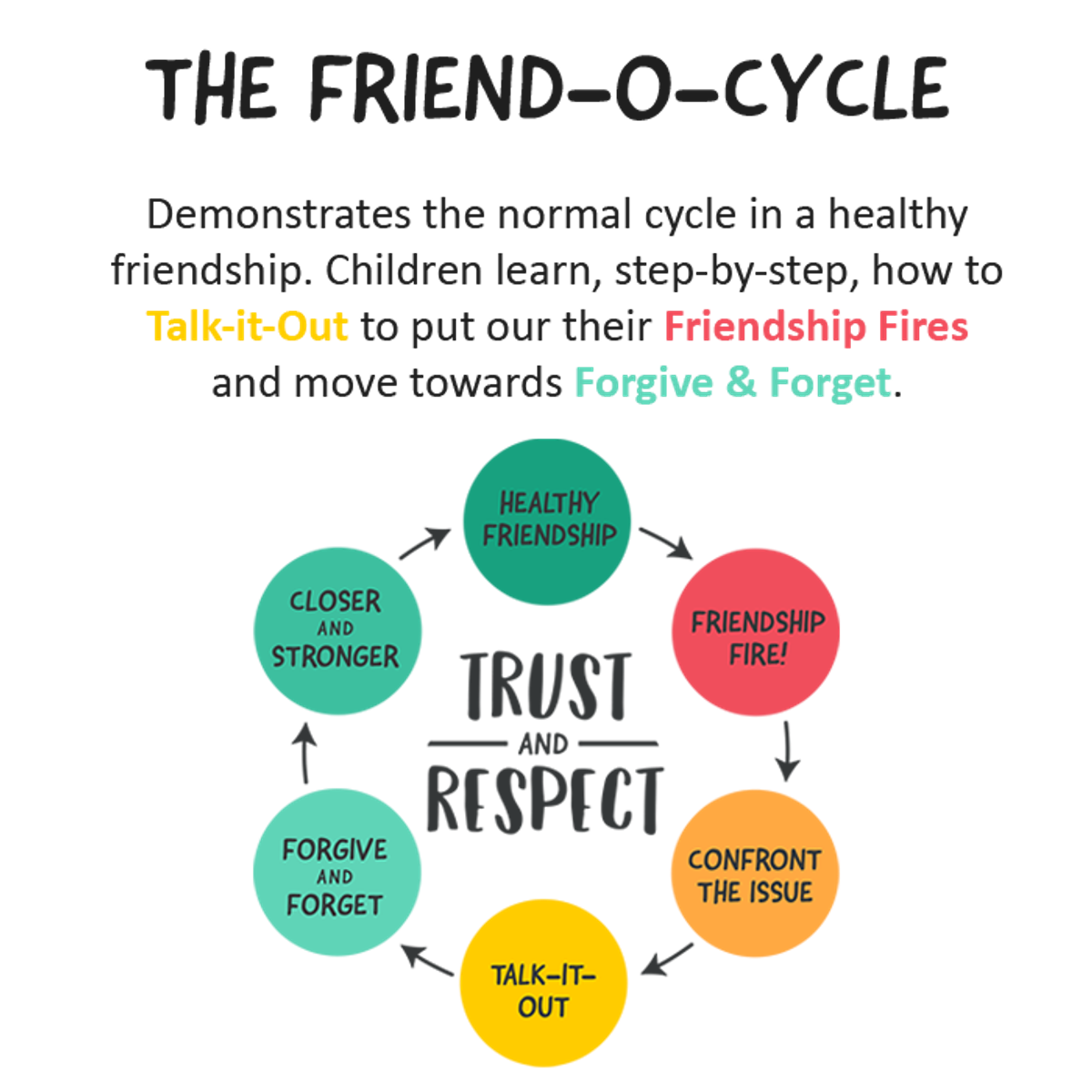
URSTRONG is all about empowering kids with friendship skills! URSTRONG uses skills-based strategies that provide kid-friendly concepts, skills and language to help them build and maintain healthy friendships.
Kids love to recite the 4 Friendship Facts which are a solid foundation to think about their friendships.
1. No Friendship is perfect.
2. Every friendship is different.
3. Trust and Respect are the two most
important qualities of a friendship.
4. Friendships change, and that's okay.
The Friend-o-Cycle helps kids understand how they can put out Friendship Fires and make their friendships stronger. URSTRONG strategies encourage children to stand up for themselves with respect for themselves.

General applications for the January 2027 GERRIC Student Programs are just around the corner!
Join UNSW Kensington from Tuesday 19 to Thursday 21 January 2027 for three days of curiosity, challenge and connection, with workshops for students entering Years 3–8 in 2027.
Applications open at 9:00 am AEDT on Tuesday 3 November and close on Friday 13 November 2026. Places are subject to availability and assessment of academic eligibility.
To get ready, explore the workshops, check the academic entry criteria.
Links: Explore the workshops and key dates | Check academic entry criteria
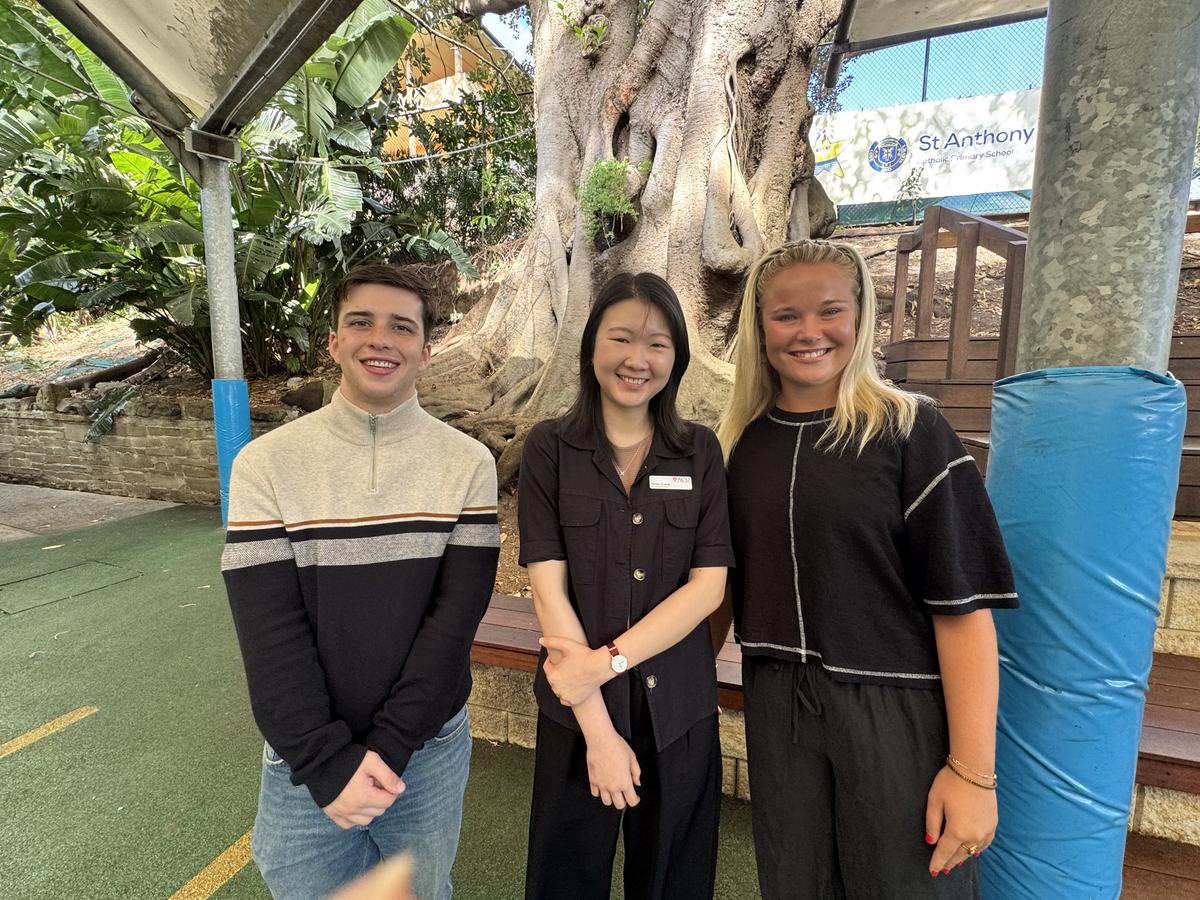
We are delighted to welcome our practicum student teachers. Throughout their placement, our prac students will work alongside our staff, learning from experienced educators and engaging with students across a variety of learning experiences. We encourage our students, families, and staff to make them feel part of our school community as they develop the skills and confidence needed for their future careers in Catholic education. We wish them every success and look forward to supporting them on their teaching journey.
Edyn Harapin
I am very happy and excited to be joining the St Anthony’s team for the next three weeks. Everyone has already made me feel so welcome. I will be working with Year 4 and look forward to getting to know the students and staff.
Teresa Yuana
I am so excited and delighted to be here at St Anthony’s. I am looking forward to getting to know the students, teachers, and wider school community. This is my first practicum placement, and I have already found the teachers to be incredibly kind, patient, and passionate about teaching. The next three weeks will be a wonderful learning opportunity and experience for me as a pre-service teacher in Kindergarten.
Abbey Sonego
I am so excited to be back at St Anthony’s for Term 4! I was fortunate to complete a placement here in June with Year 4, and now I am delighted to be joining Year 3. I am also a former student of St Anthony’s, which makes this experience even more special. St Anthony’s is such a beautiful school, and I am looking forward to spending time here.
Each year, Sydney Catholic Schools (SCS) provides time for Staff Development Days (SDD), which provides professional learning time for all staff. St Anthony's will provide supervision for parents that are in need of care for their child due to work commitments. Parents will need to register. Supervision on Wednesday 16 December will be from 8:30 till 2pm.
| Term 4 |
|---|
Week 10 Wednesday - 16.12.26 |