From the Principal's Desk












Dear CGPS Families and Friends,
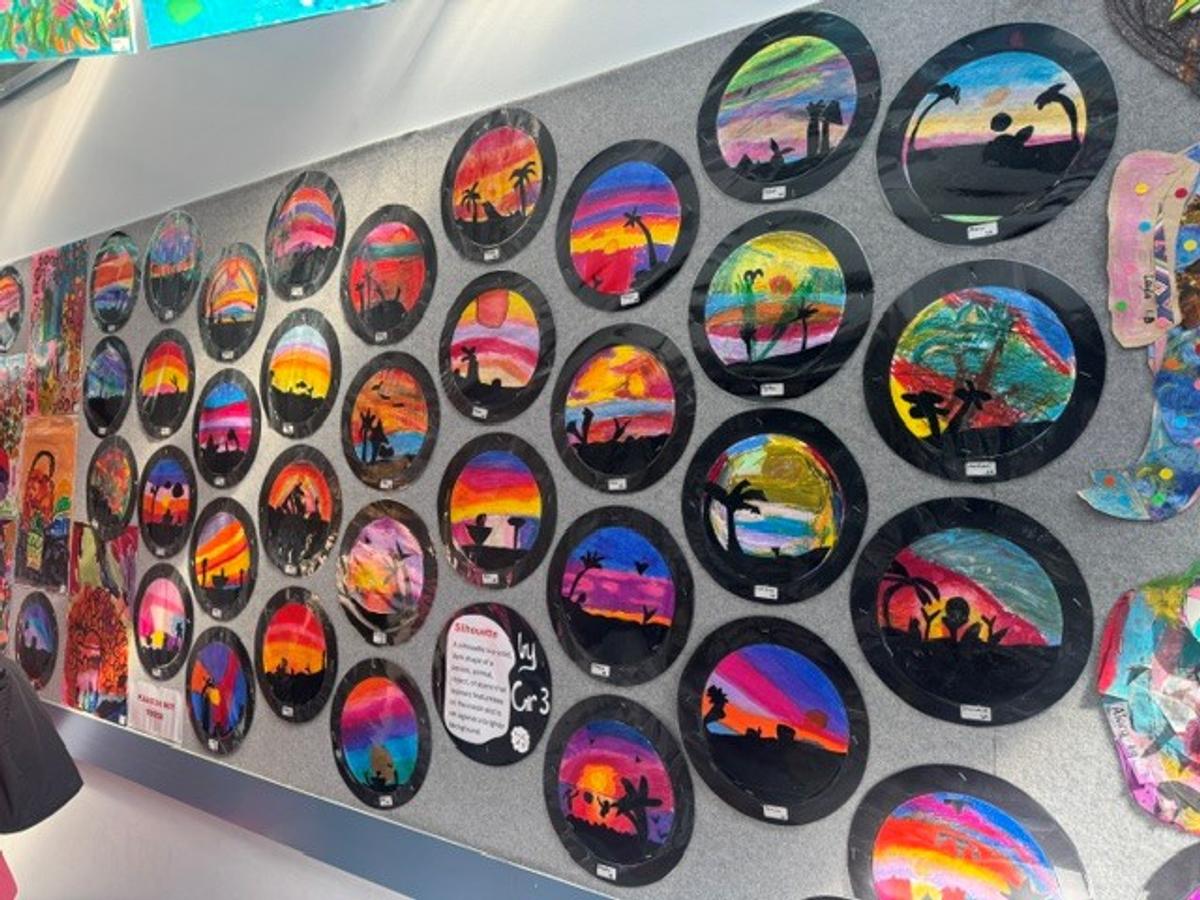
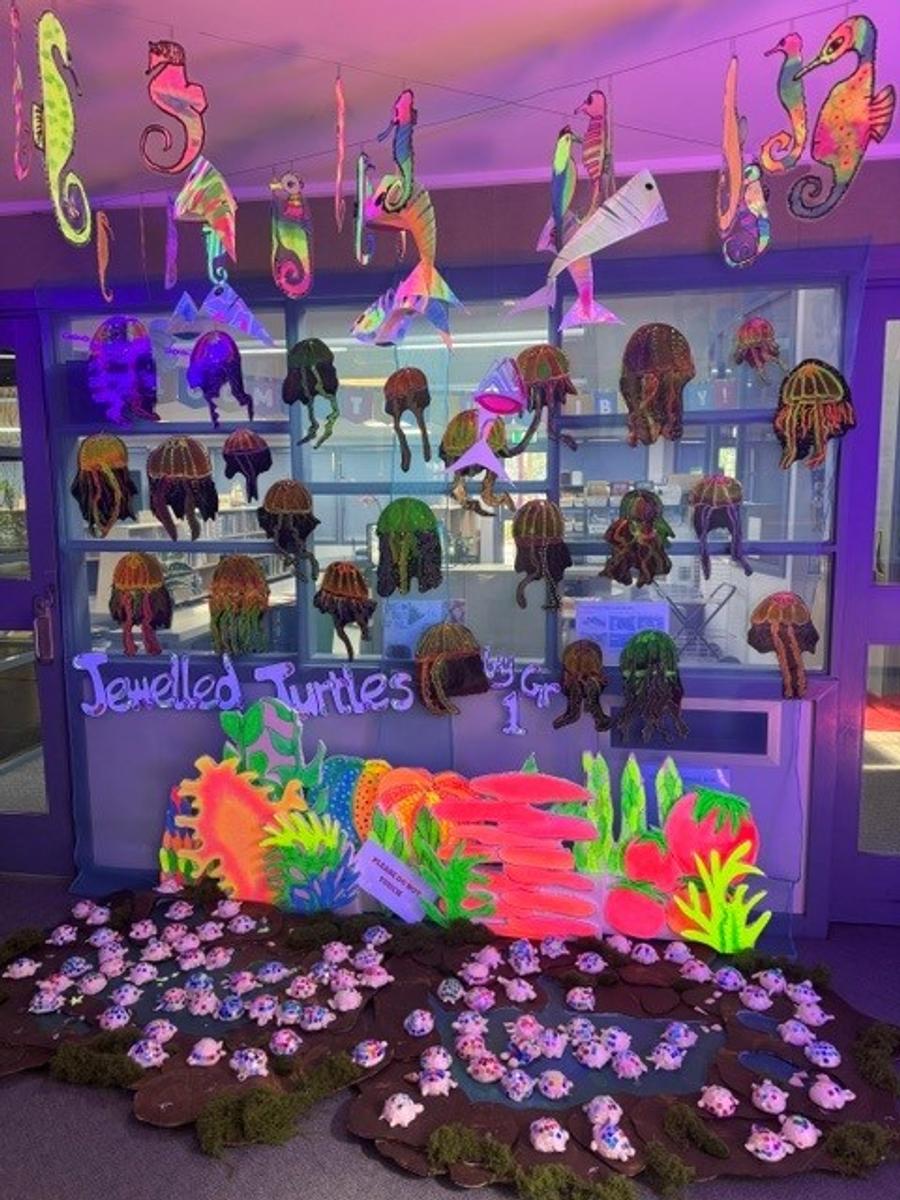
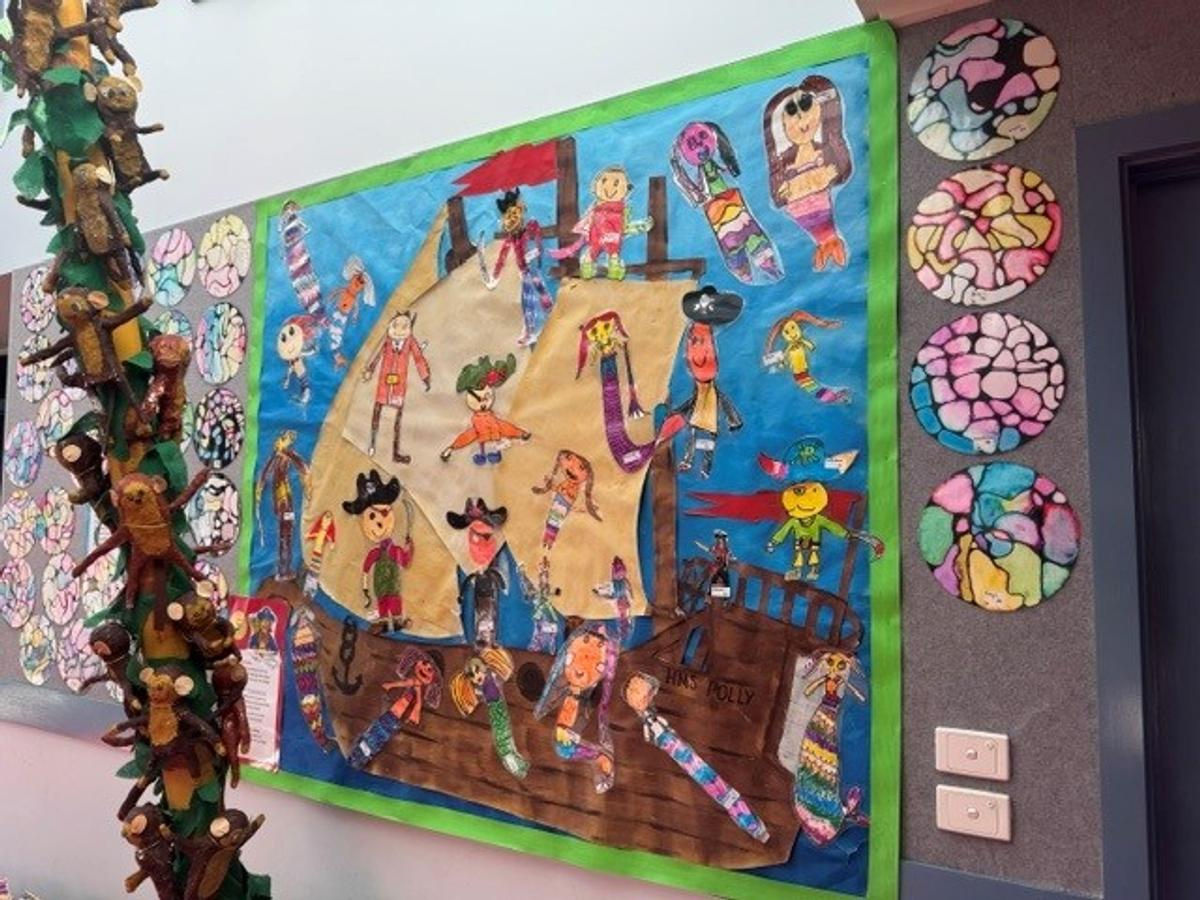
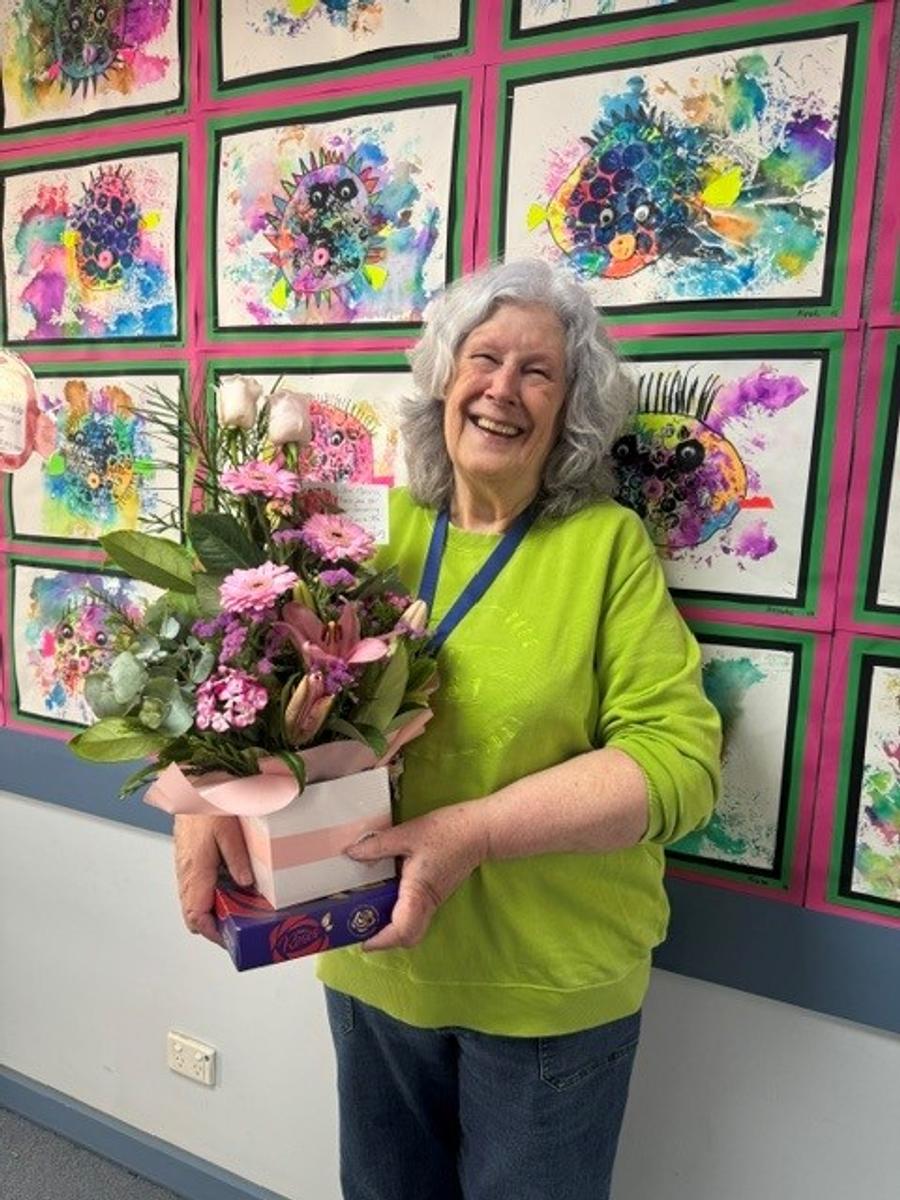
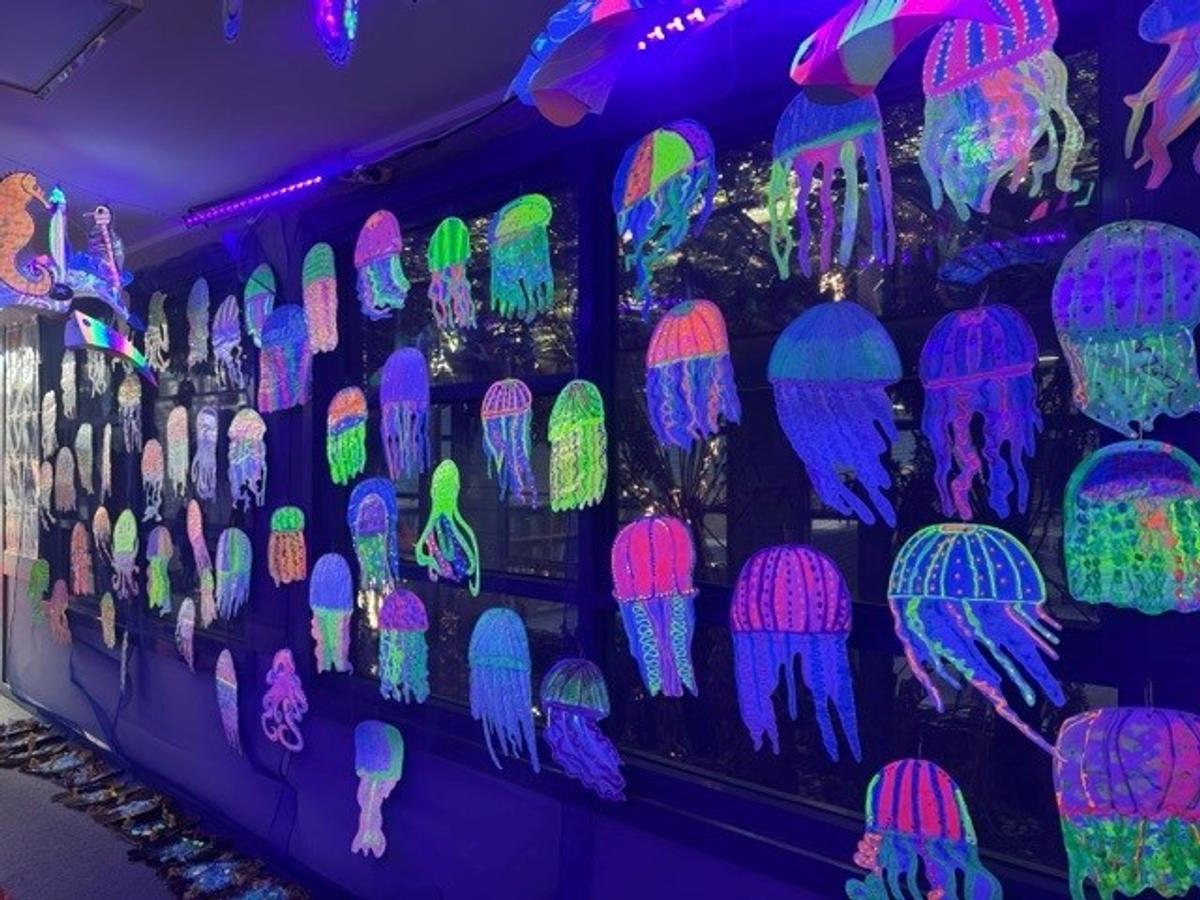
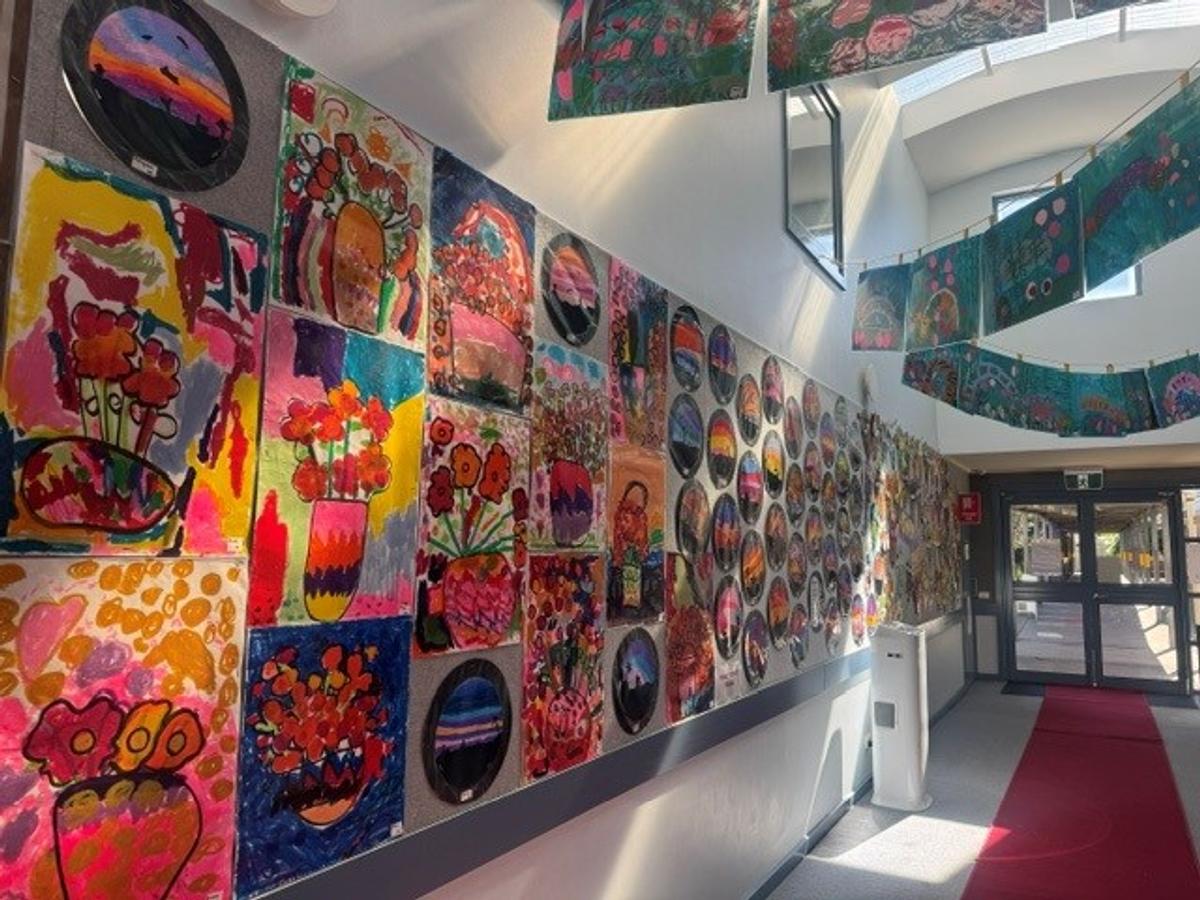
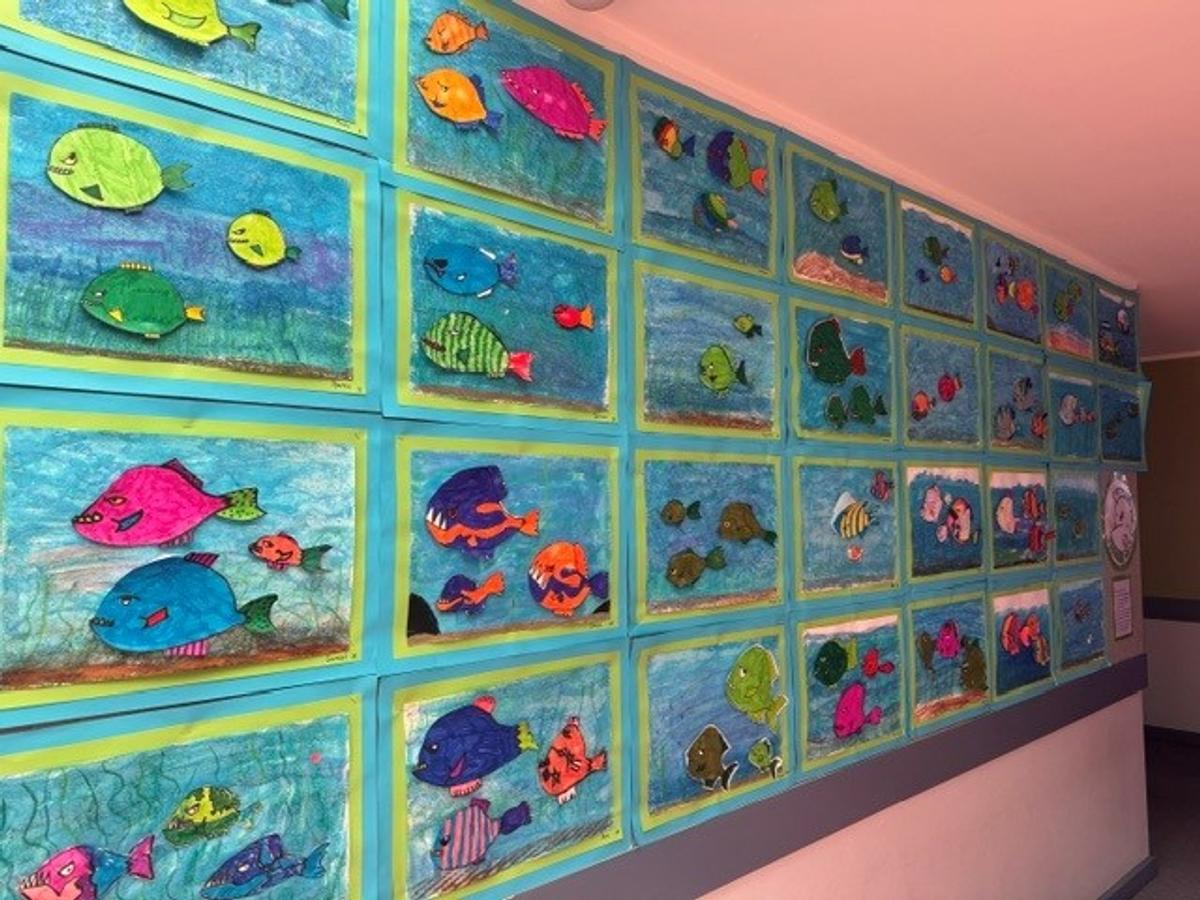
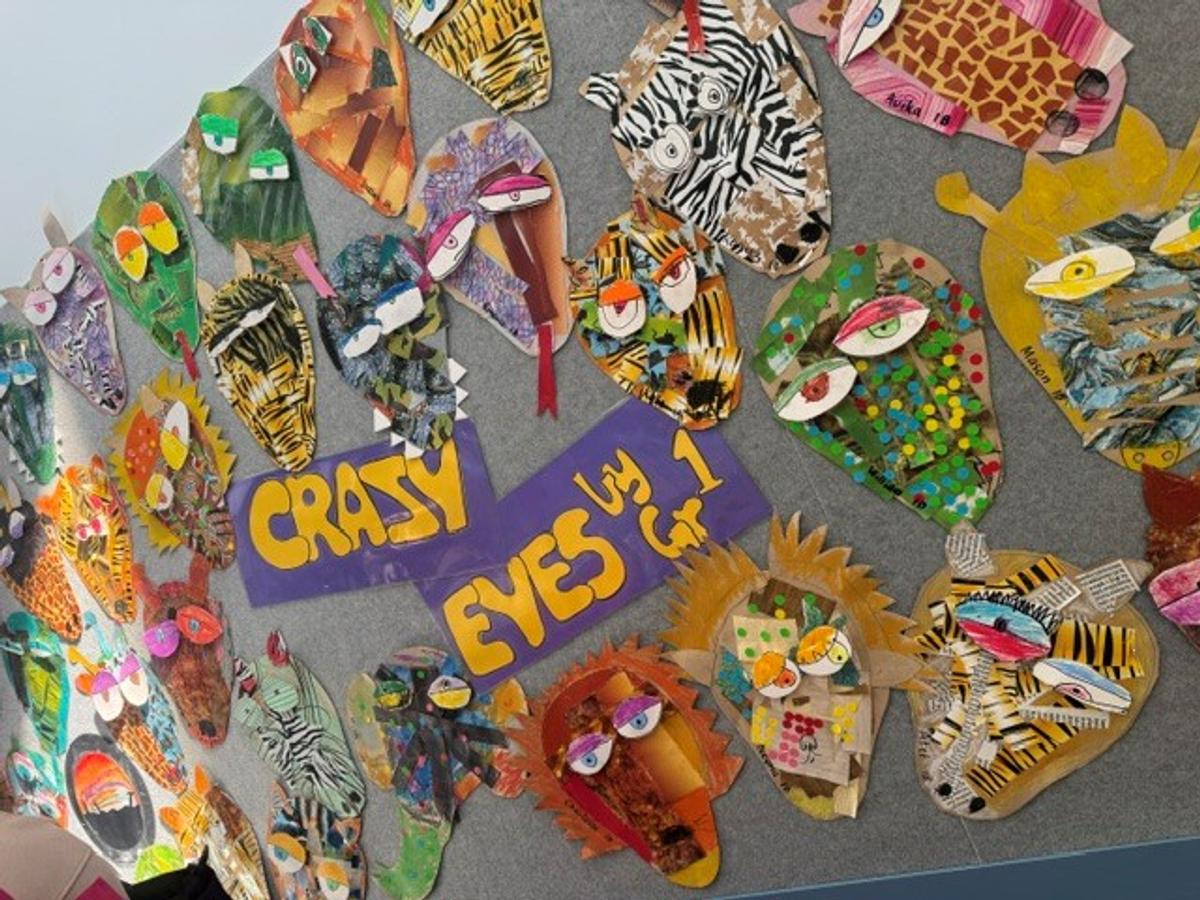
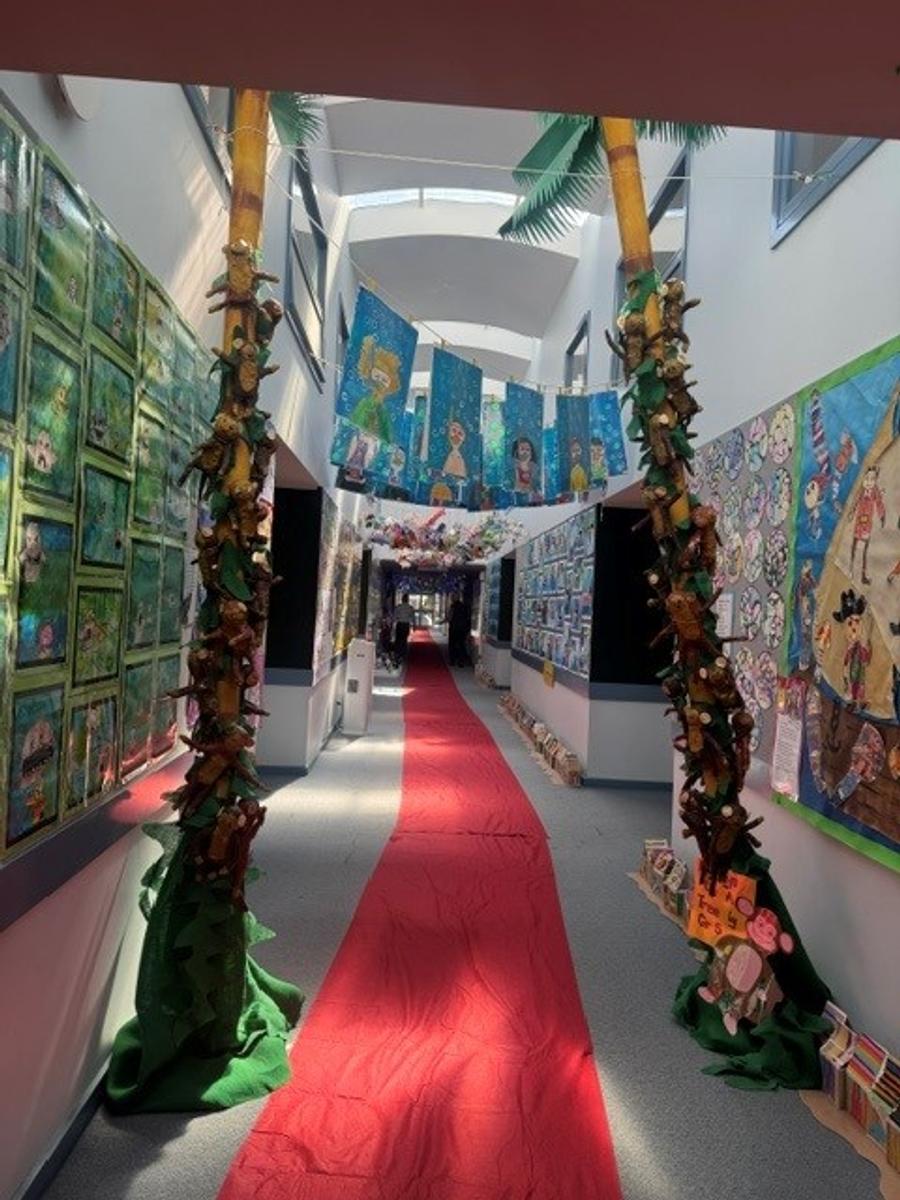
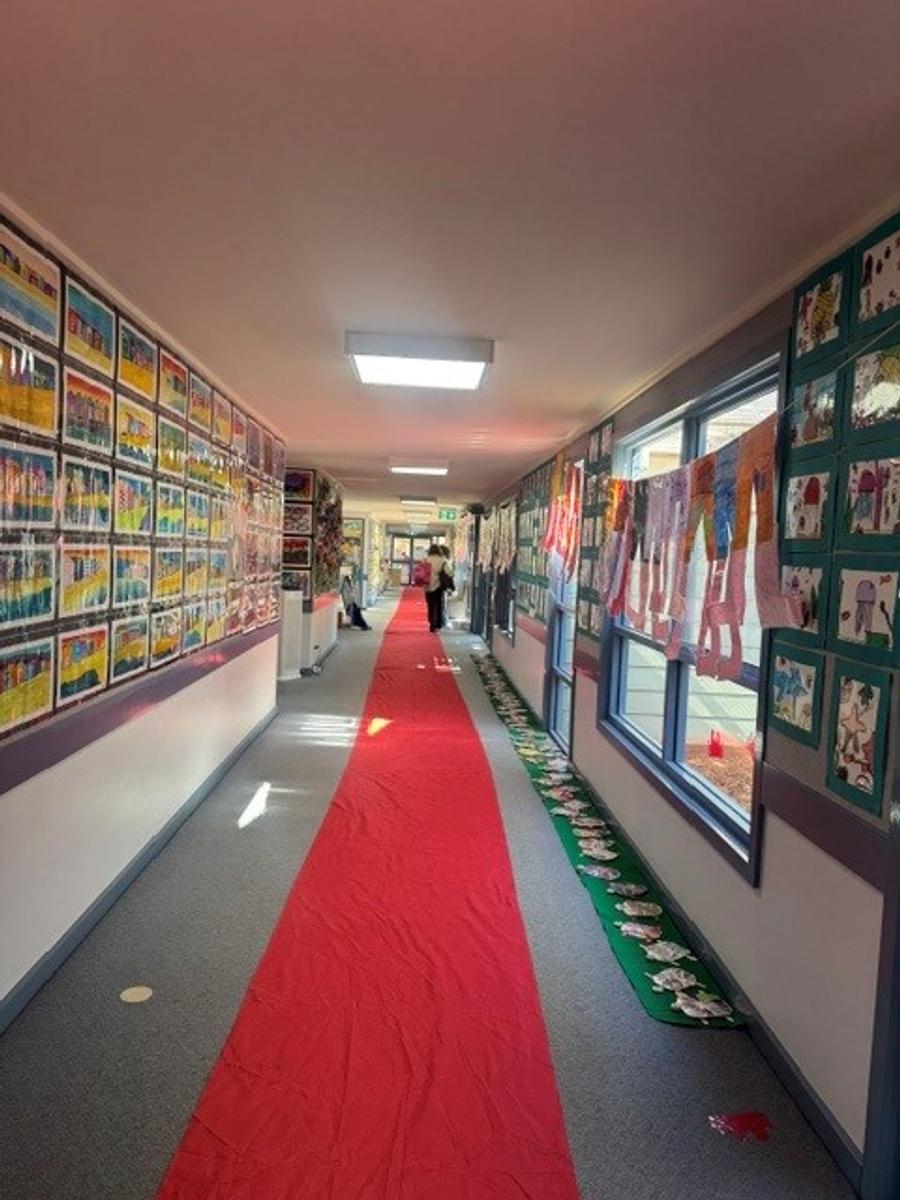
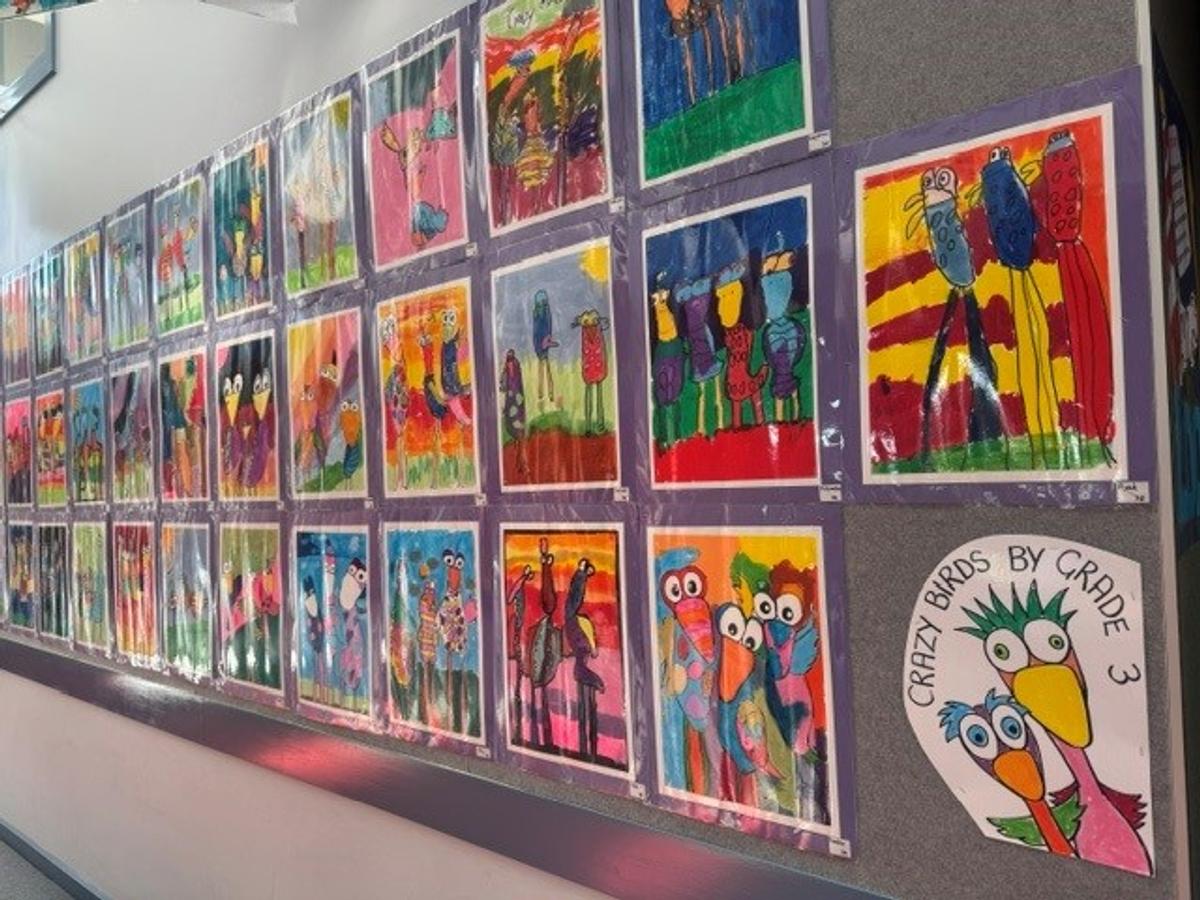
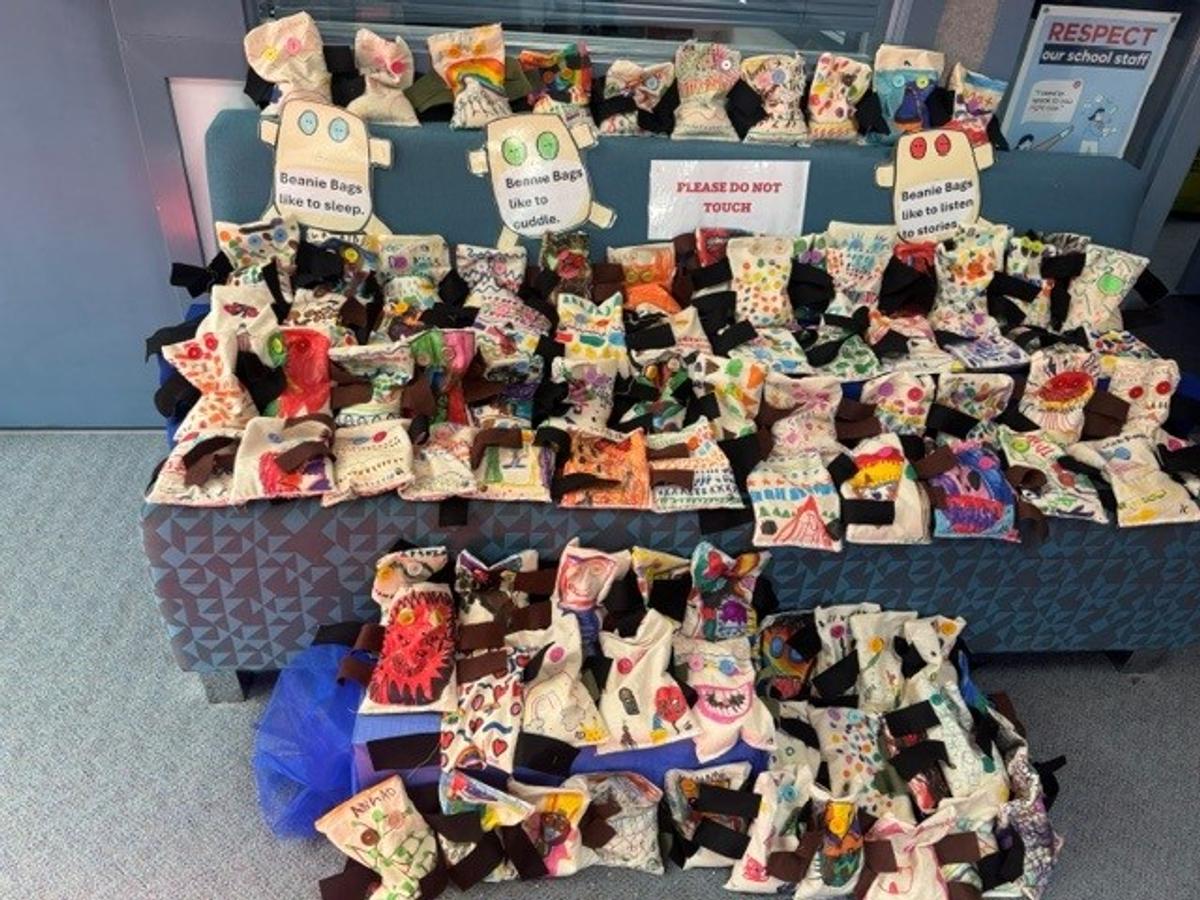
I was so pleased with the high number of families we had through the hallways at our recent Art Show! It was a great event and a brilliant way to showcase the students' amazing, creative works of art. Students will bring their art work home towards the end of the year, or for some, they may have to wait until 2027 as the displays are too nice to take down just yet! Congratulations and thanks must go to Mrs Curnow for her dedication and care to inspire and teach the children how to develop their artistic skills and also for creating such beautiful displays.
Planning for 2027
We have been determining our curriculum priorities and setting goals and targets for our 2027 annual implementation plan. We aim to continue building on the positive student acheivement growth we have seen across all areas of the curriculum this year. Our successful NAPLAN, Phonics Check, and Attitudes to School Survey results (shared in an earlier newsletter) were just the beginning of some outstanding student growth this year. This is a testament to the hard work of our students and the relentless focus of our teachers and leadership to embed high quality, evidence-based teaching practices. Our curriculum delivery will continue to evolve as we respond to the needs of our students as determined through our ongoing assessments and regular reflective practices. I look forward to sharing more of our achievement data in our final newsletter for 2026 at the end of this term.
2027 Classes
We are well into our planning of class structures for 2027, with students having now created their lists of preferred peers to be placed in a class with. It is important to outline that while we ensure every child has at least one friend of their choice in their class, there are many benefits for children of new class groupings each year. Our aim is to ensure that every child has the opportunity to form meaningful connections, feel included and experience a strong sense of belonging at school. Teachers and leaders put great thought into student pairings and class dynamics when developing class groups.
As students move through primary school, they learn that friendships can grow and change, that they can connect with a variety of people and that everyone has something valuable to contribute. Changing classes and having opportunities to build relationships with different groups of children is an important part of their social and personal development. While familiar friendships provide children with a sense of security and belonging, being part of a new class group also creates valuable opportunities to broaden their social connections, develop new friendships and learn to work alongside a diverse range of peers, learning to build positive relationships with others.
By providing opportunities for students to learn and grow alongside their new classmates along with a familiar, chosen friend or two each year, we enable our students opportunities to develop confidence, flexibility, empathy and resilience, while learning to appreciate different personalities, perspectives and strengths. This enhances their development of social confidence and relationship skills that will benefit them well beyond their primary school years.
Prep Transition
Our 2027 prep students have now completed three transition sessions. They have quickly adapted from kindergarten to school routines in their short time here. We look forward to the final two transition sessions before they join us full time in 2027!
If there are any families who have a child turning school age in 2027 that is yet to enrol, you need to come and see us very quickly as enrolments have now closed. Classes are now being formed and teachers set for 2027.
Timetable Trial
We have been trialling a new timetable over the past 3 weeks at school. The trial has taken two longer outside breaks and broken them into three shorter outside breaks. There has been no reduction to inside eating time or to class learning times. Having three shorter play breaks throughout the school day can offer significant benefits for both student behaviour and learning outcomes. It allows more frequent opportunities for students to take a break, move, play and socialise to break up extended periods of classroom learning, reducing mental fatigue and supporting students to maintain concentration and engagement.
From a behaviour and wellbeing perspective, having three shorter play breaks can help reduce negative behaviours in the yard by limiting the amount of time students spend playing before fatigue, frustration or social tensions begin to build. Longer, uninterrupted play periods can sometimes lead to increased conflict, disagreements, boredom or difficulties managing social interactions, particularly for younger students who are still developing their emotional regulation and conflict-resolution skills.
Shorter breaks provide more frequent opportunities for students to reset and return to a structured environment before minor issues escalate into larger behavioural incidents. They can also reduce the likelihood of students becoming overly tired, overstimulated or disengaged from play. Having more regular opportunities to release energy, socialise and participate in physical activity can support more positive interactions with peers, which can translate into calmer transitions back into learning, more settled classrooms and fewer interruptions to teaching and learning.
Ultimately, the aim is to create a school day that better reflects the developmental needs of students, supporting their wellbeing, engagement and readiness to learn, while maximising the amount of productive learning time in the classroom. Initial playground data indicates that this trial is having a positive impact on reducing negative yard behaviours, and so we would like to extend the trial another few weeks to collect further data and make a decision about whether we will adopt this structure for our school day in 2027.
Current bell times for reference:
- 8.50 classrooms open
- 9-11 learning time
- 11-11.20 morning recess
- 11.20-12.20 learning time
- 12.20-12.50 lunch play
- 12.50-1 lunch eating in classrooms
- 1-2 learning time
- 2-2.30 afternoon recess
- 2.30-3.30 learning time
- 3.30 afternoon dismissal
Good luck to our year 6 cohort and staff who are heading off to Woorabinda camp next week. The grade fours are then heading off on their camp two weeks after that. We wish all of our campers a wonderful time creating lifelong memories with their teachers and friends.
Take Care,
Alison Lough
Principal