Around the College





 Endeavour College
Illuminate Entrepreneurial Challenge
Wow!
What extraordinary young entrepreneurs we have at Endeavour.
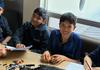
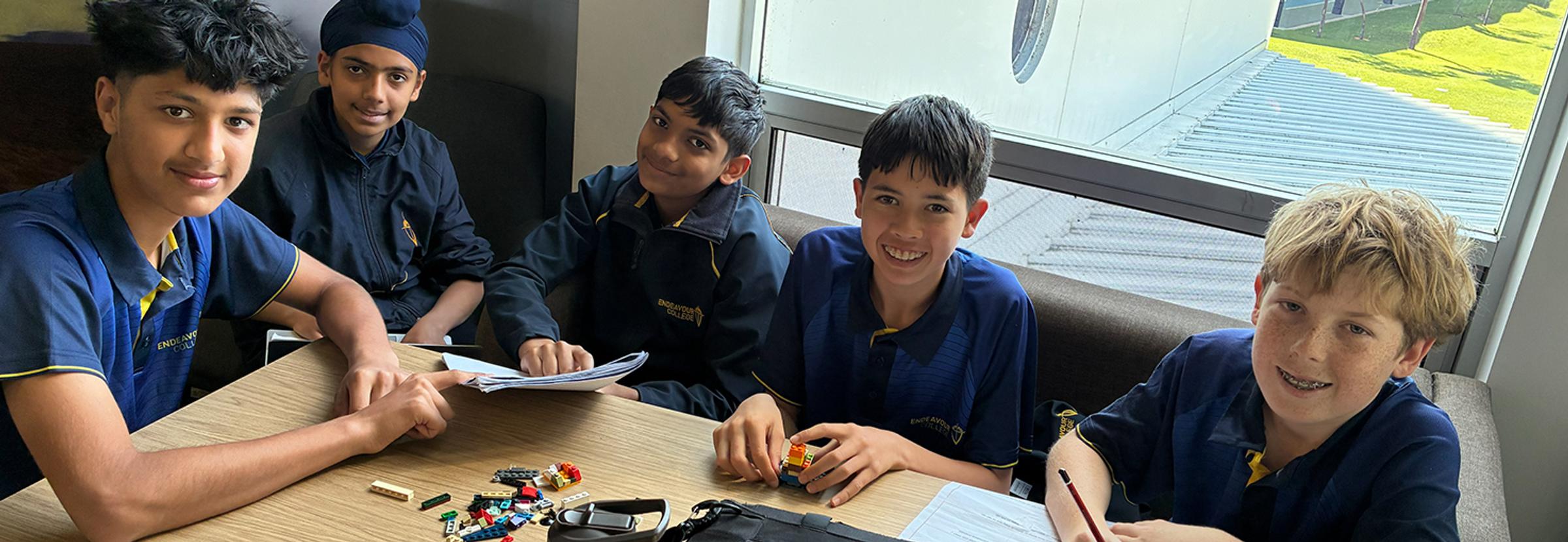
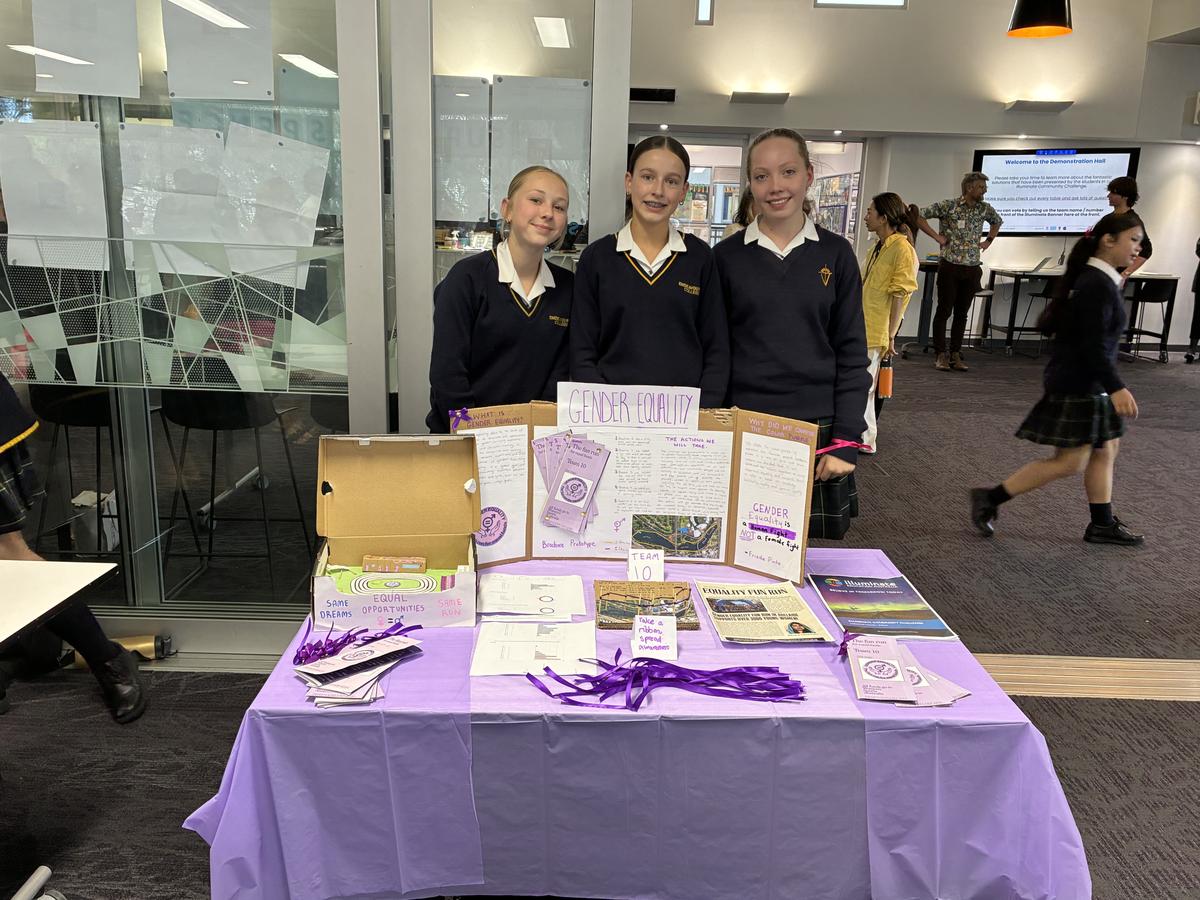
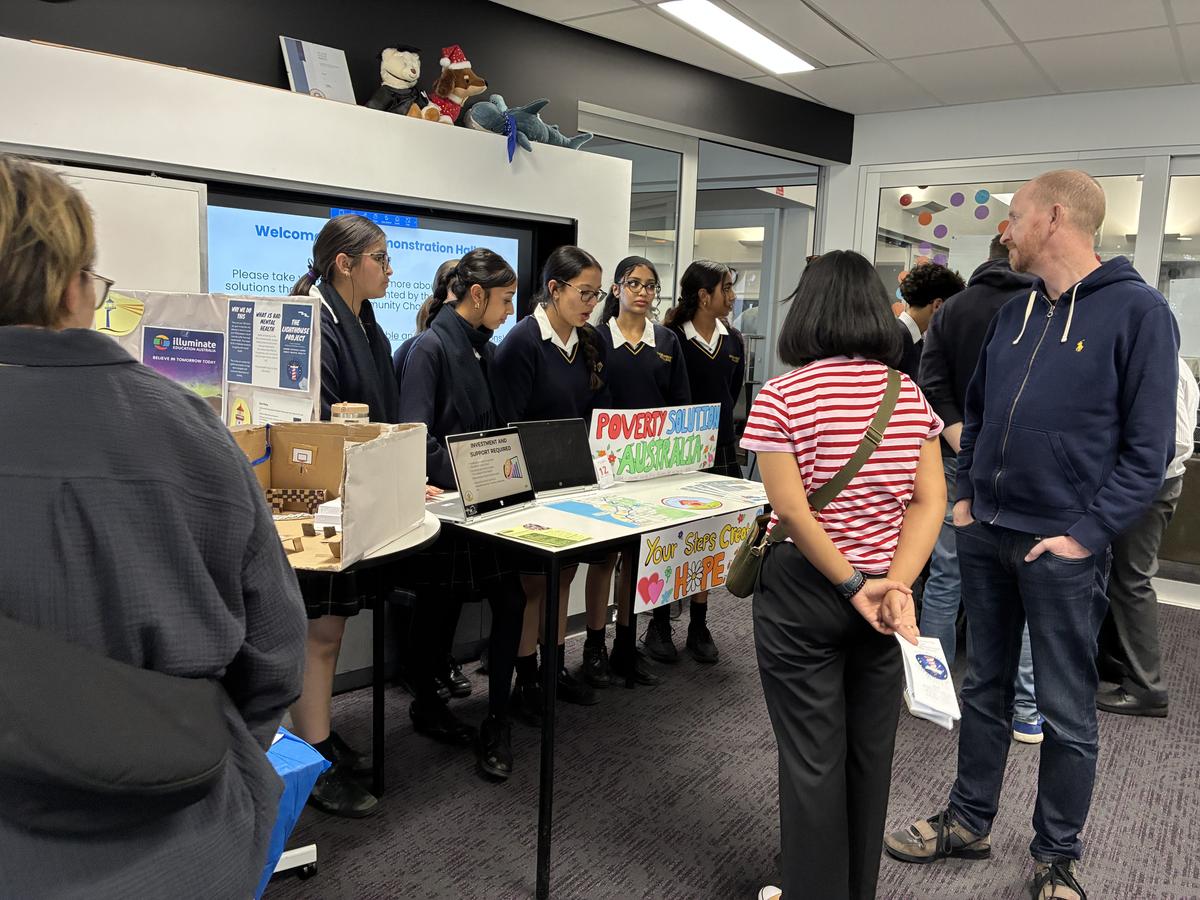
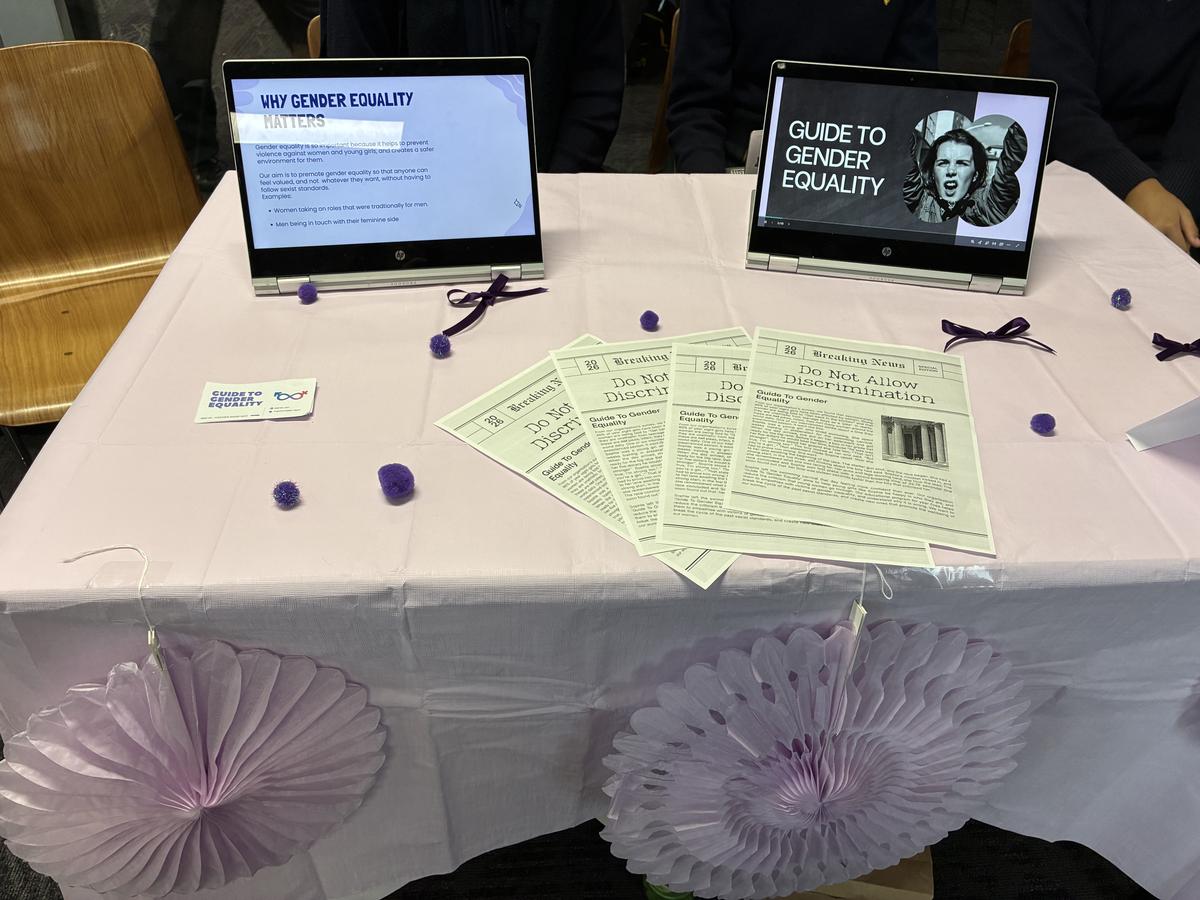
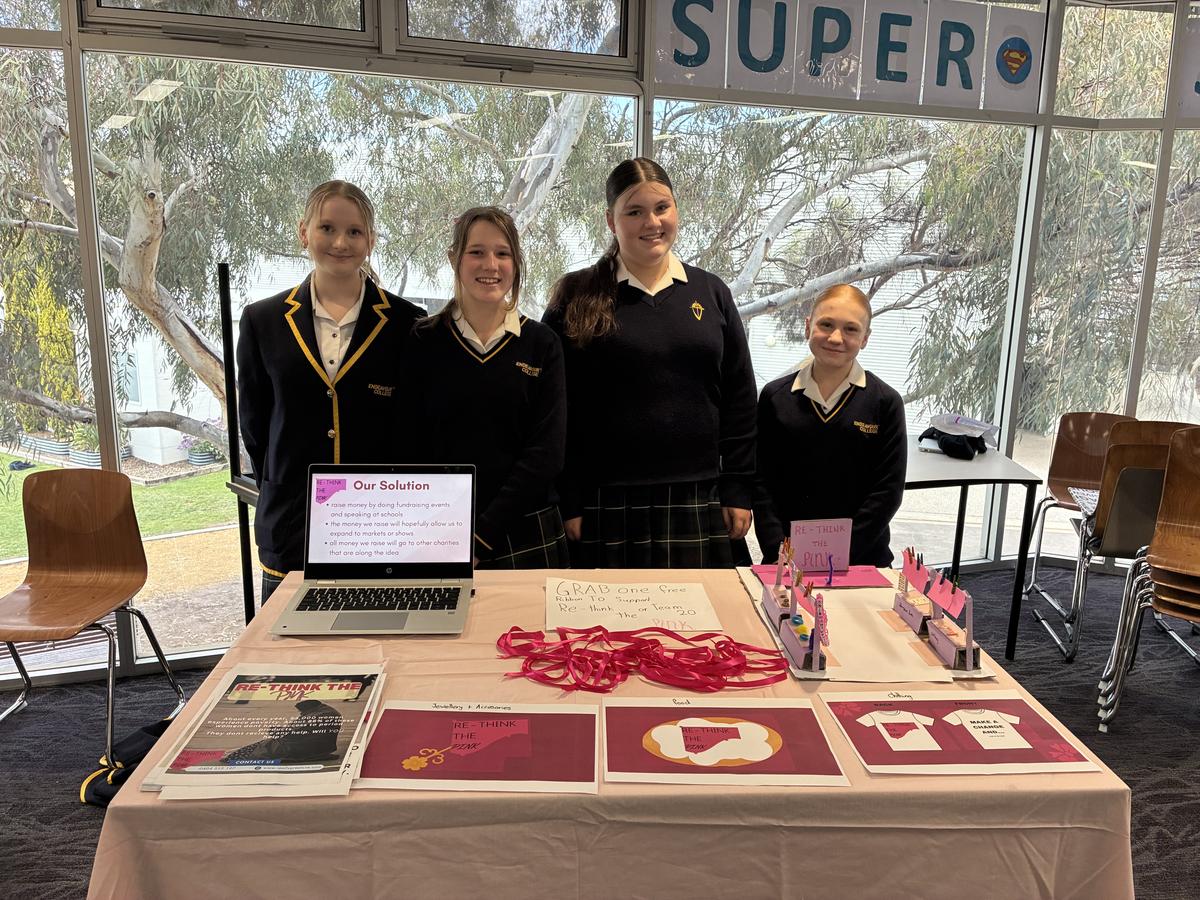
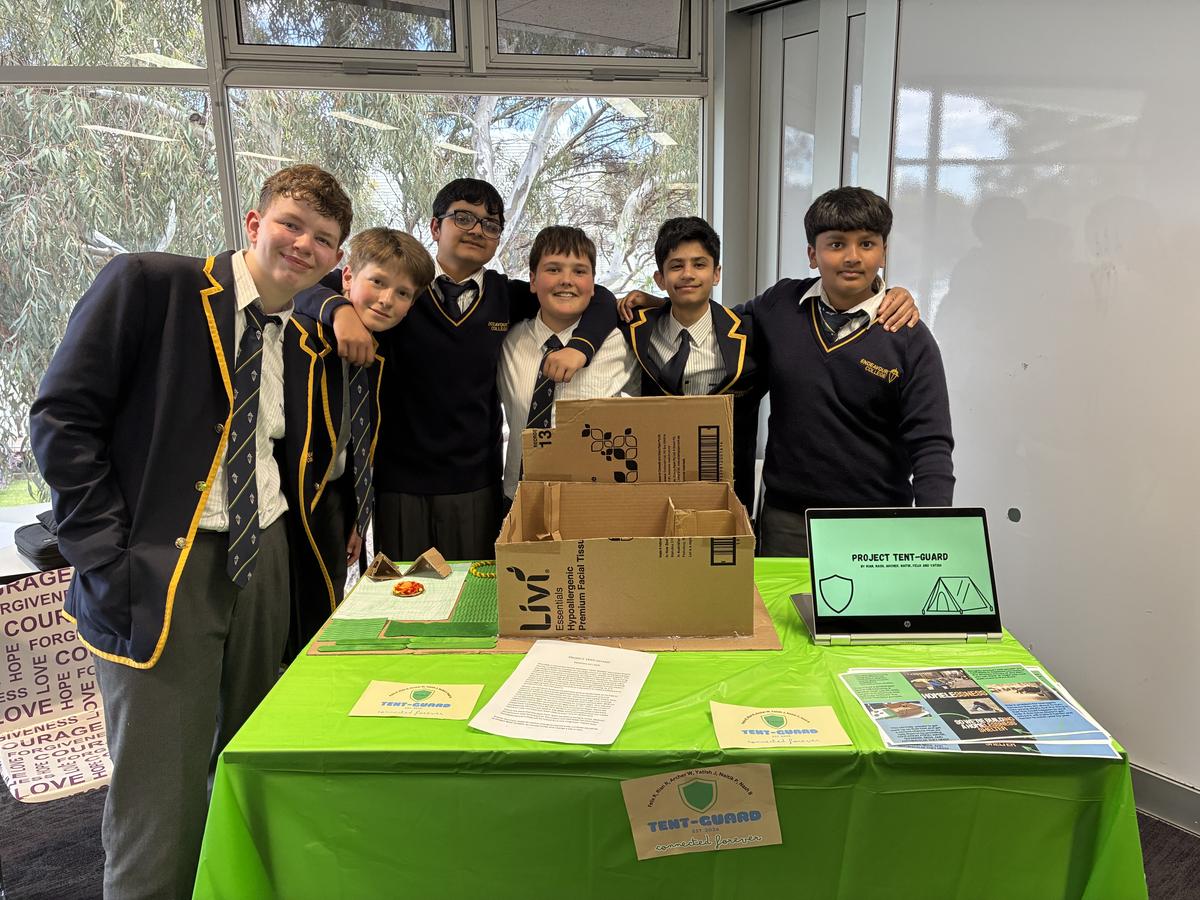
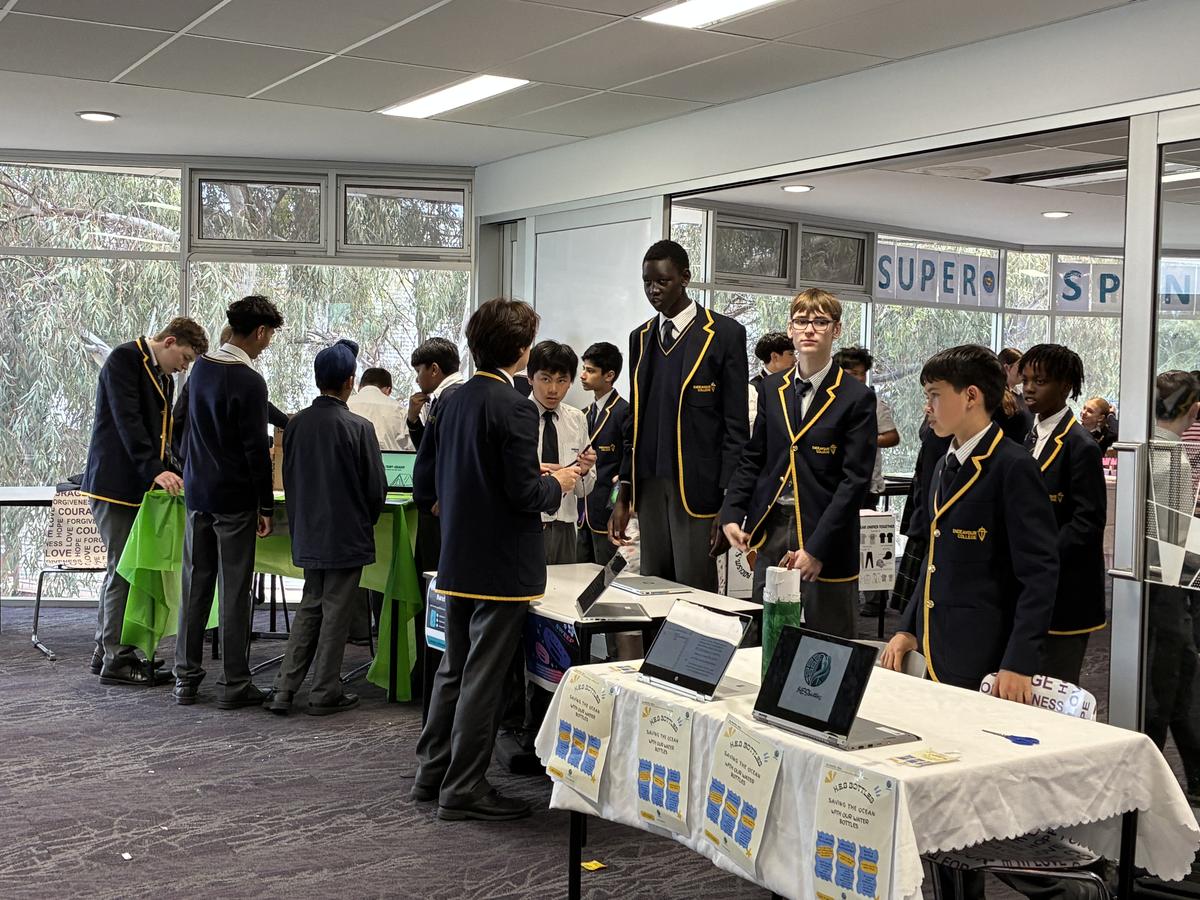
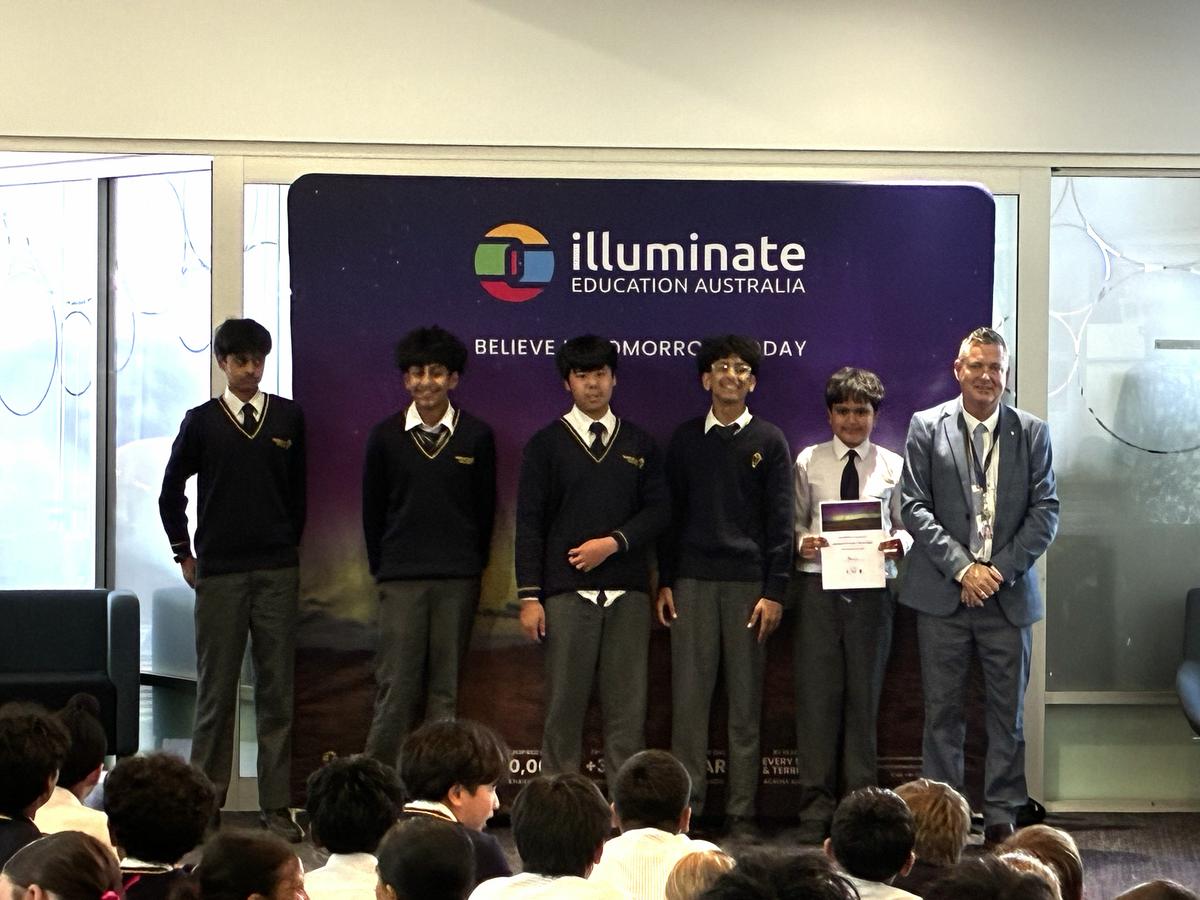
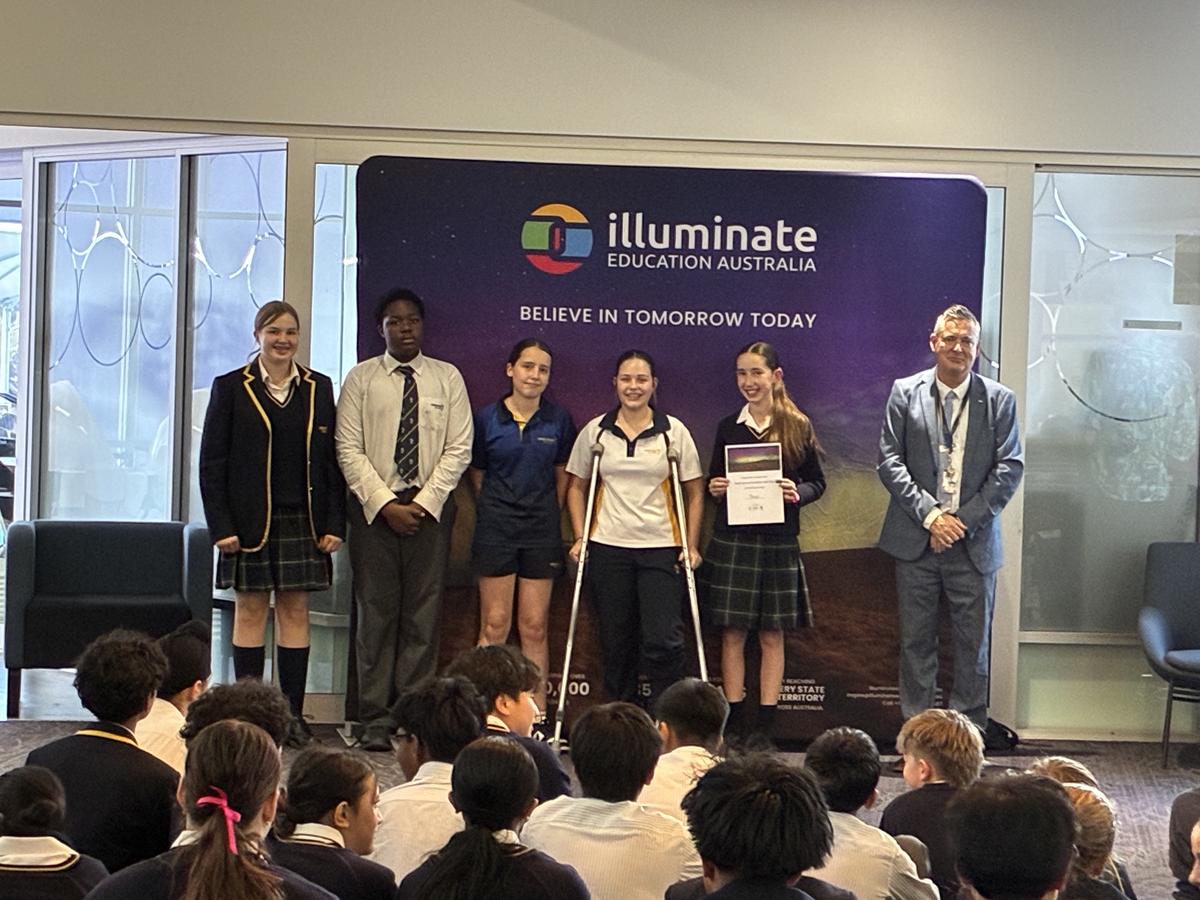
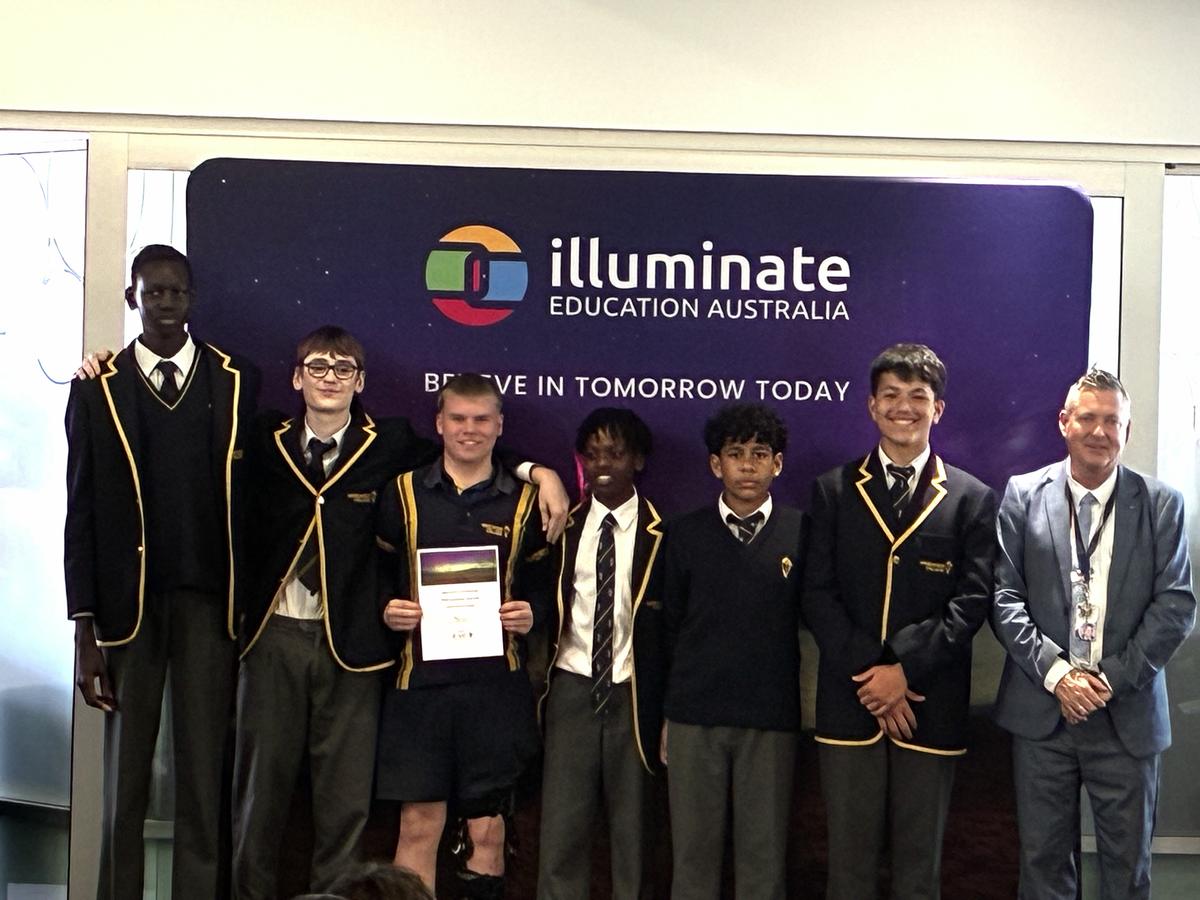
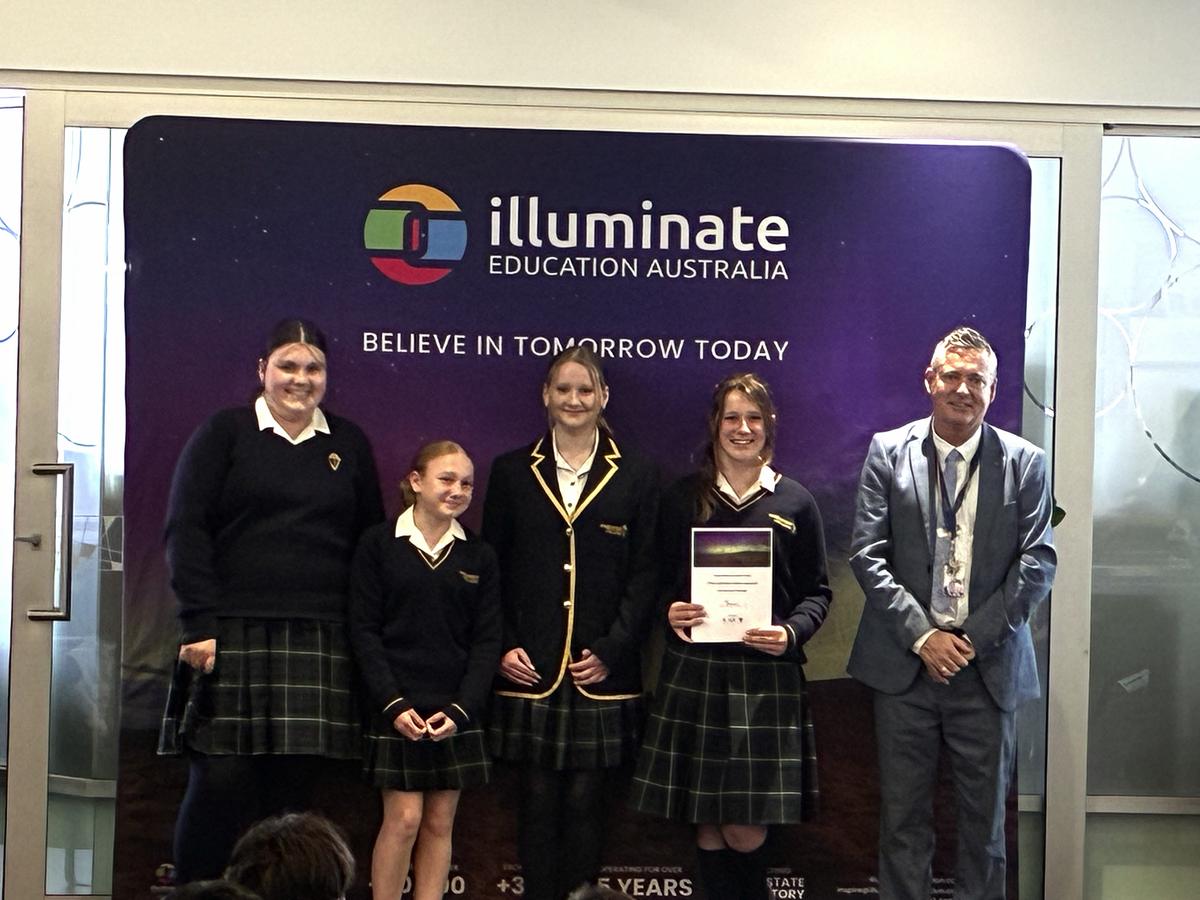
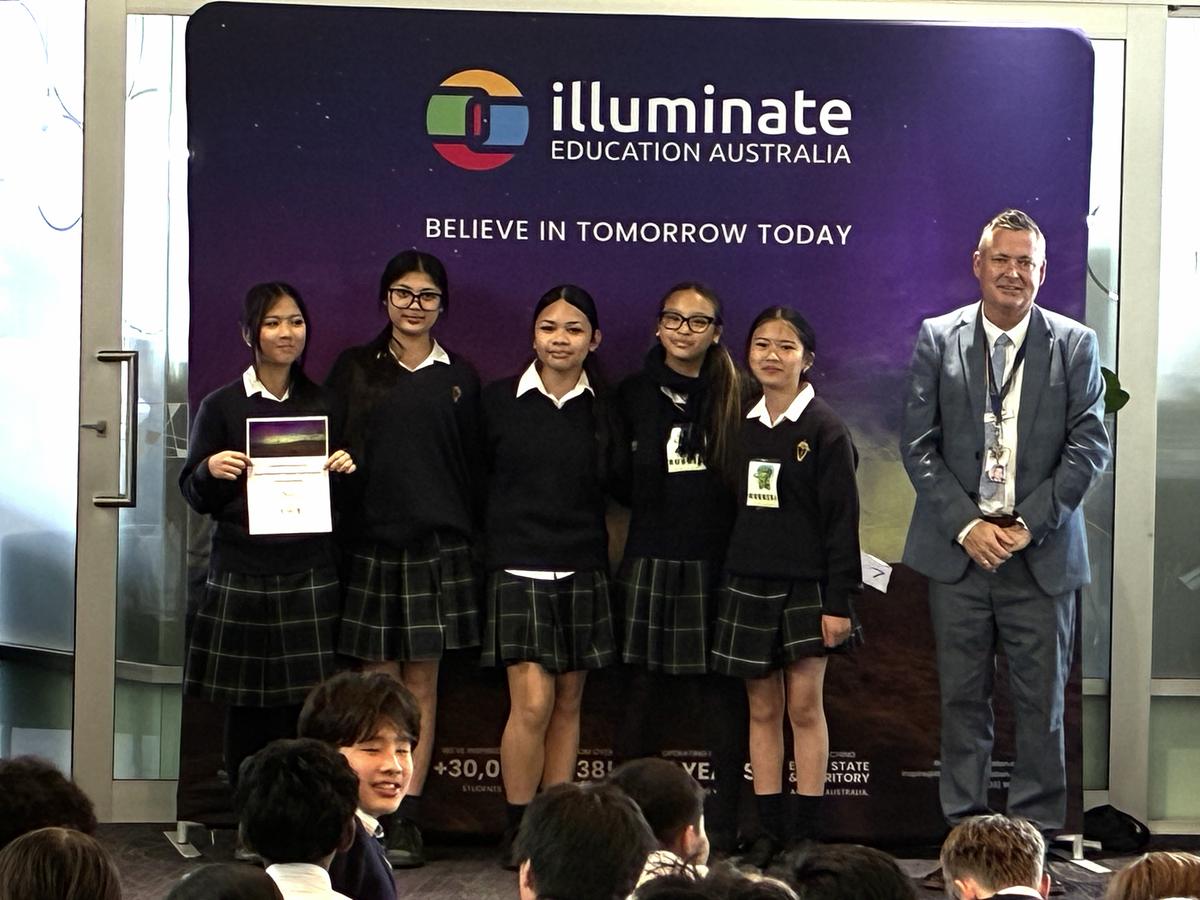
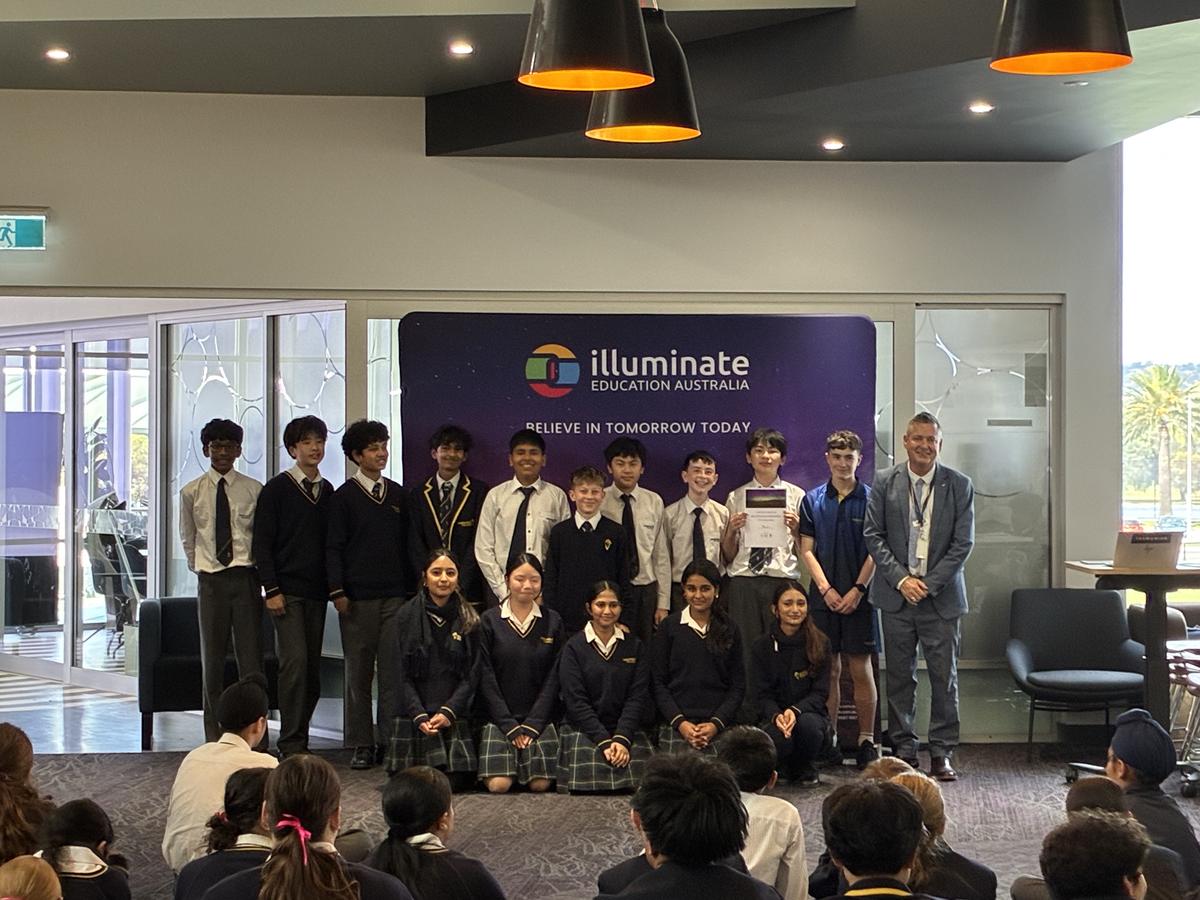
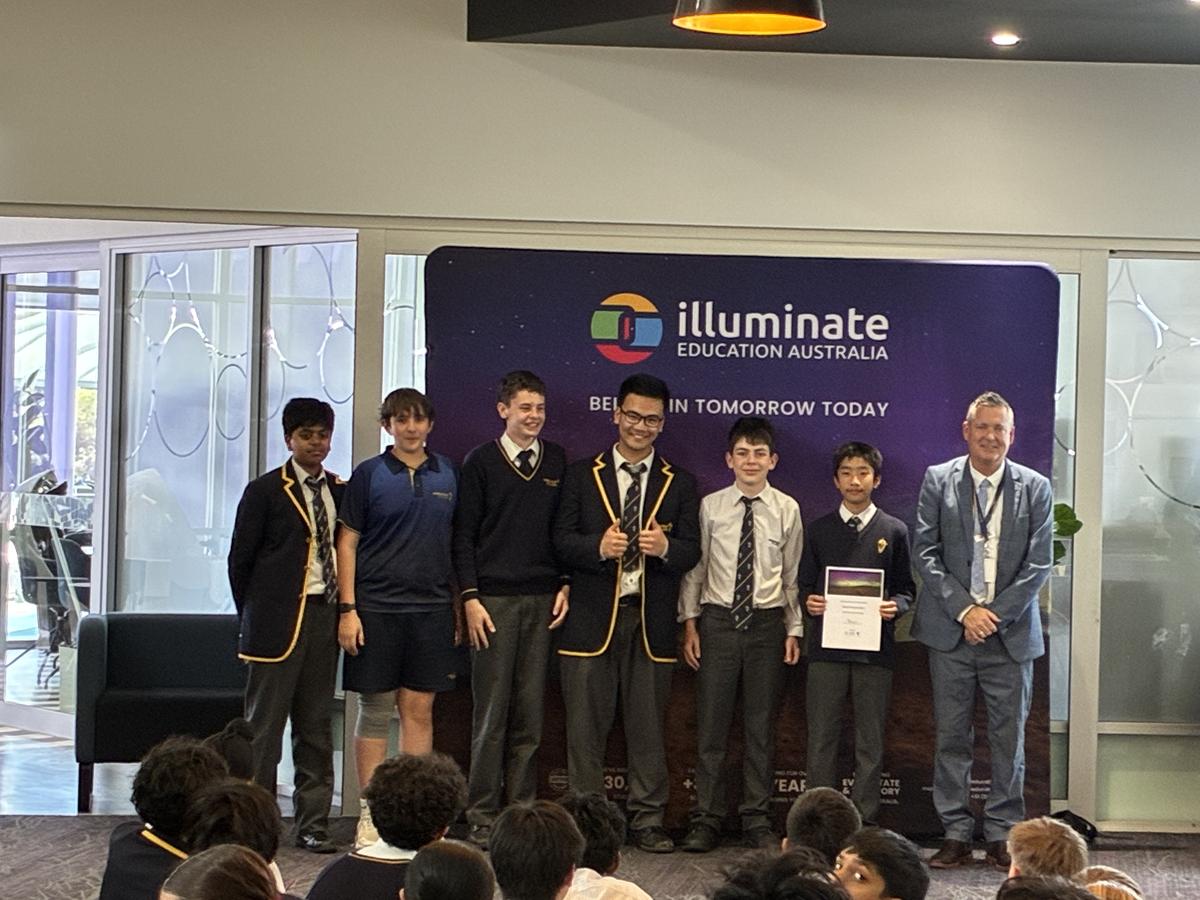
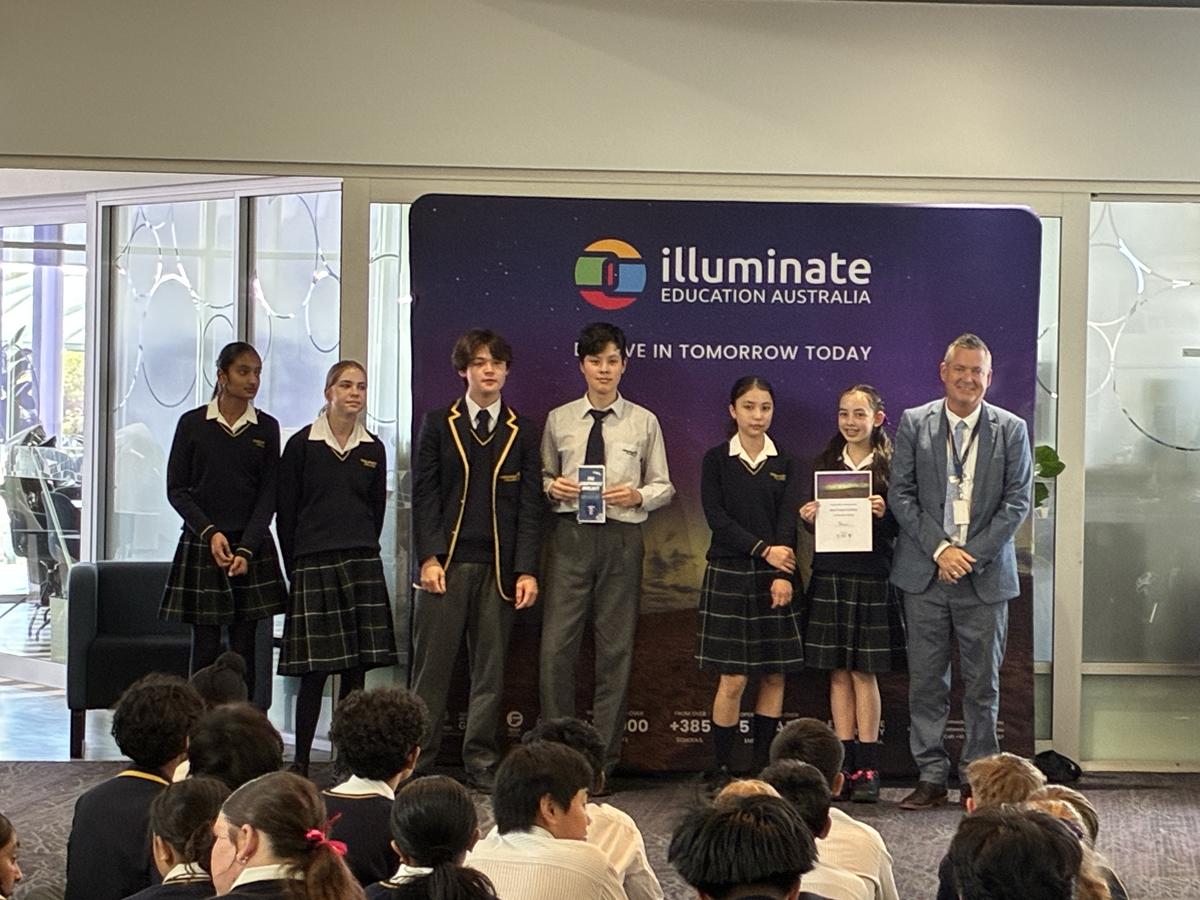
In Week 10 (Term 3) our Year 8 students participated in a 5-day intensive Entrepreneurial Challenge, designed to solve important real-world problems.
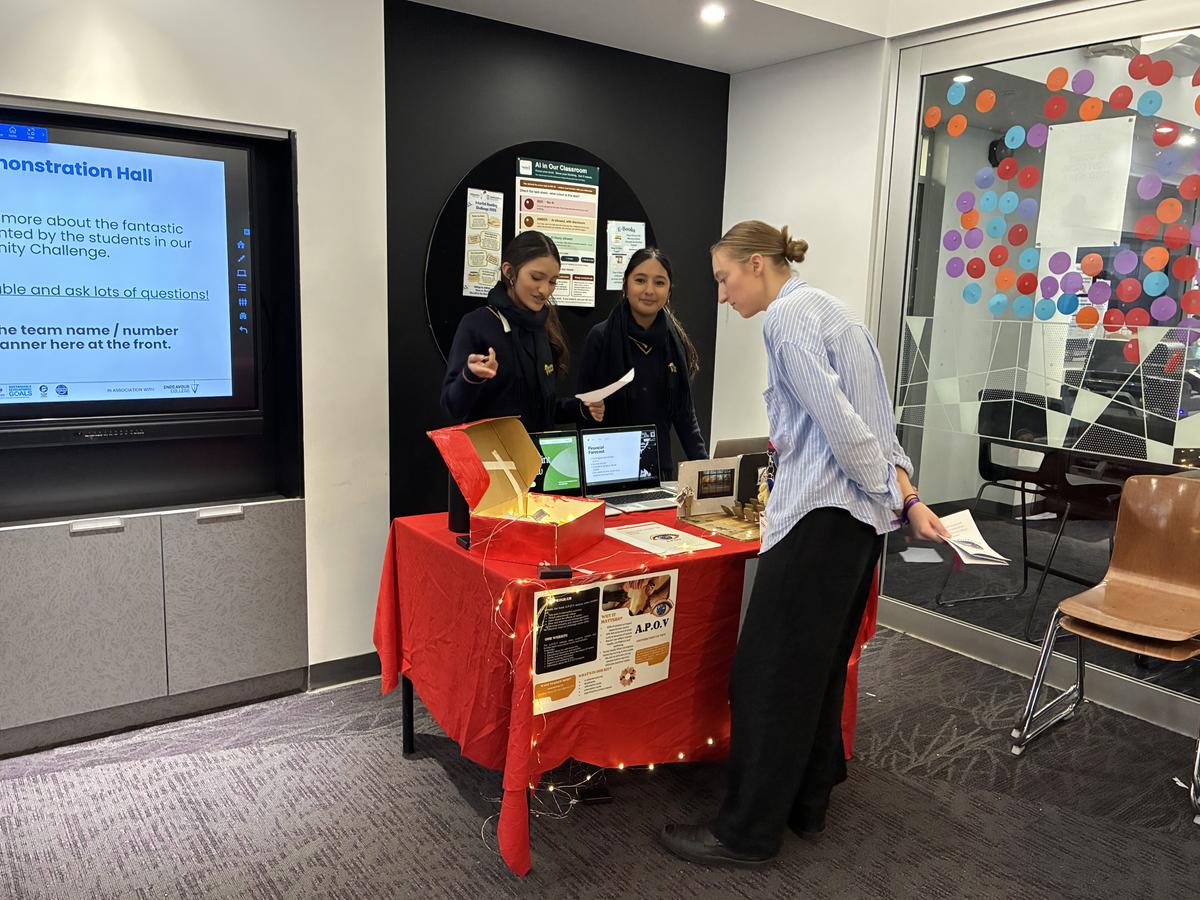
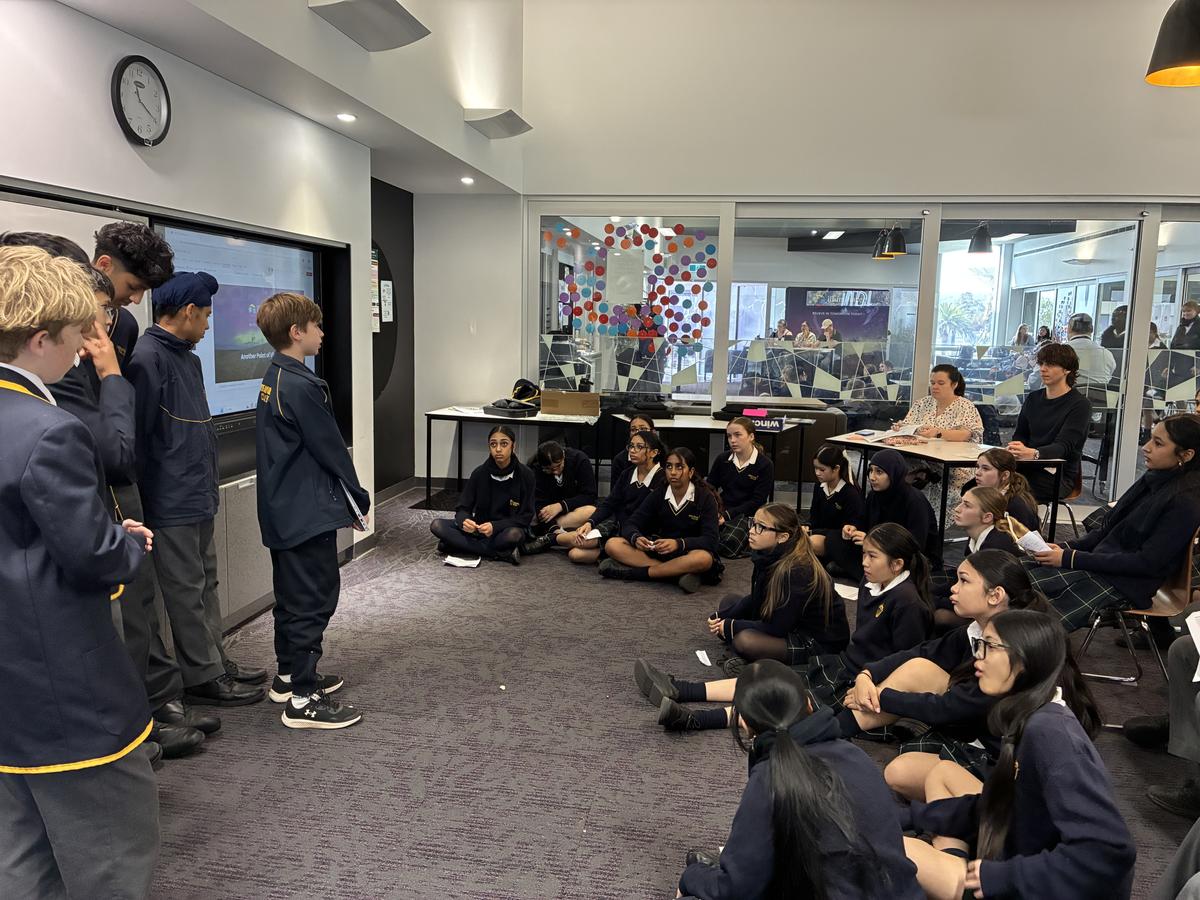
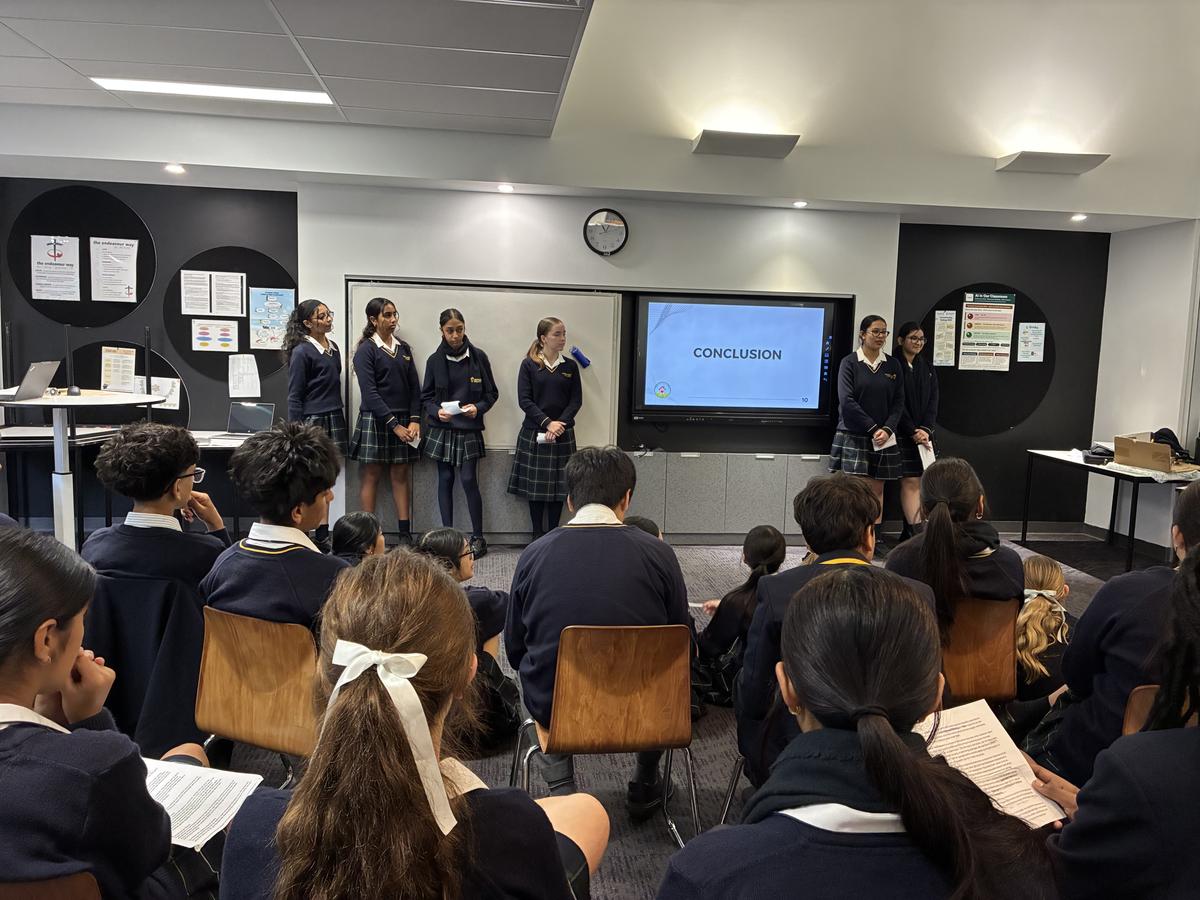
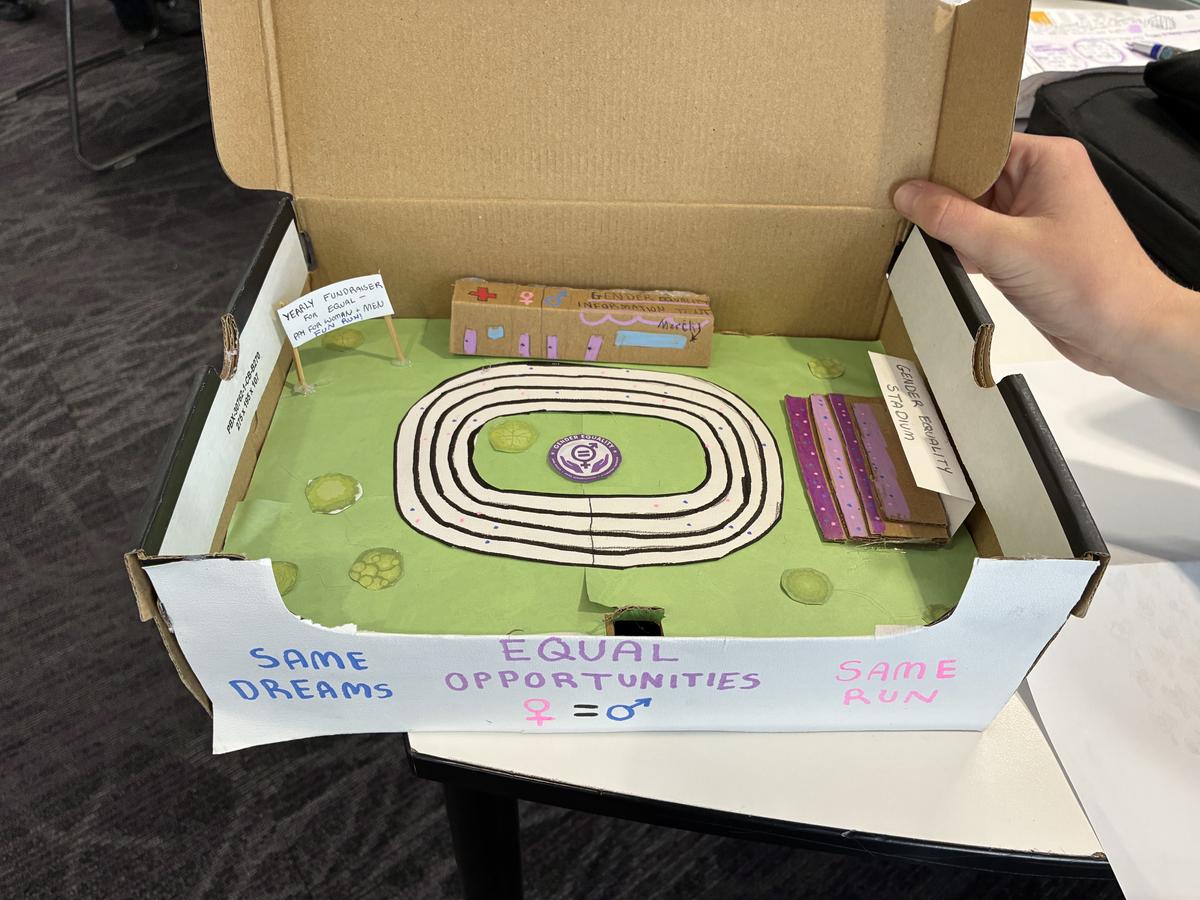
Year 8 students began the program by exploring the 17 United Nations Sustainable Development Goals before selecting a focus issue and using the design thinking process to develop a business solution. They tackled complex challenges such as youth poverty, mental health, homelessness, plastic pollution, rubbish disposal, gender inequality and racism. Working in small teams, students created business plans, financial forecasts, prototypes, and marketing strategies before pitching their ideas to a panel of judges, aka 'sharks.'
Guest judges included entrepreneur Amanda Lee (Sugar Cakes), Michelle McGuire from the Adelaide University Business Hub and alumni, Miles Pennington (Class of 24) and Aiden Young (Class of 25).
We sincerely thank them for their time and generosity. Both the judges and Illuminate Education facilitators were impressed by the students’ creativity, professionalism, and passion, proving that this generation truly is the change-makers of the future.
Kelli DeLacy
Head of Humanities
Enhancing Student Learning Through Real-World Perspectives
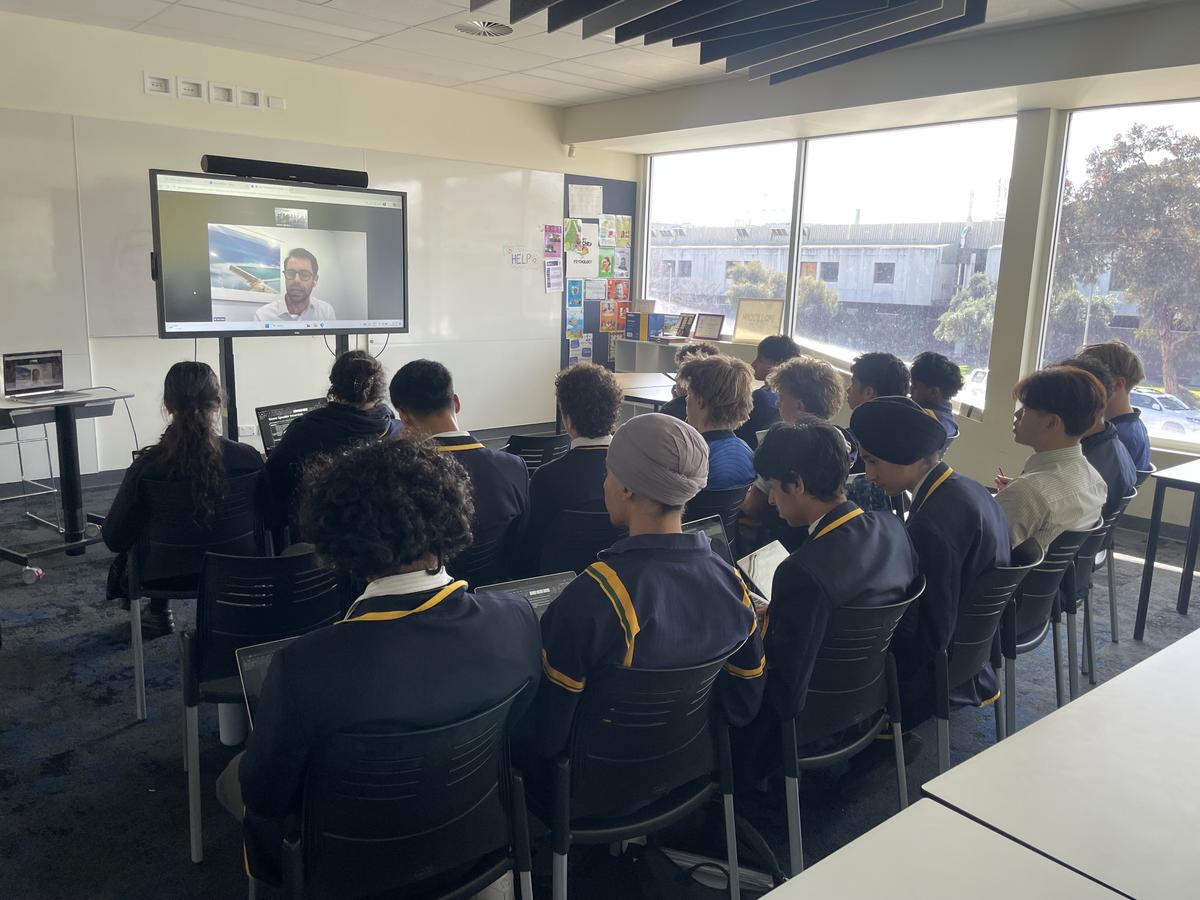
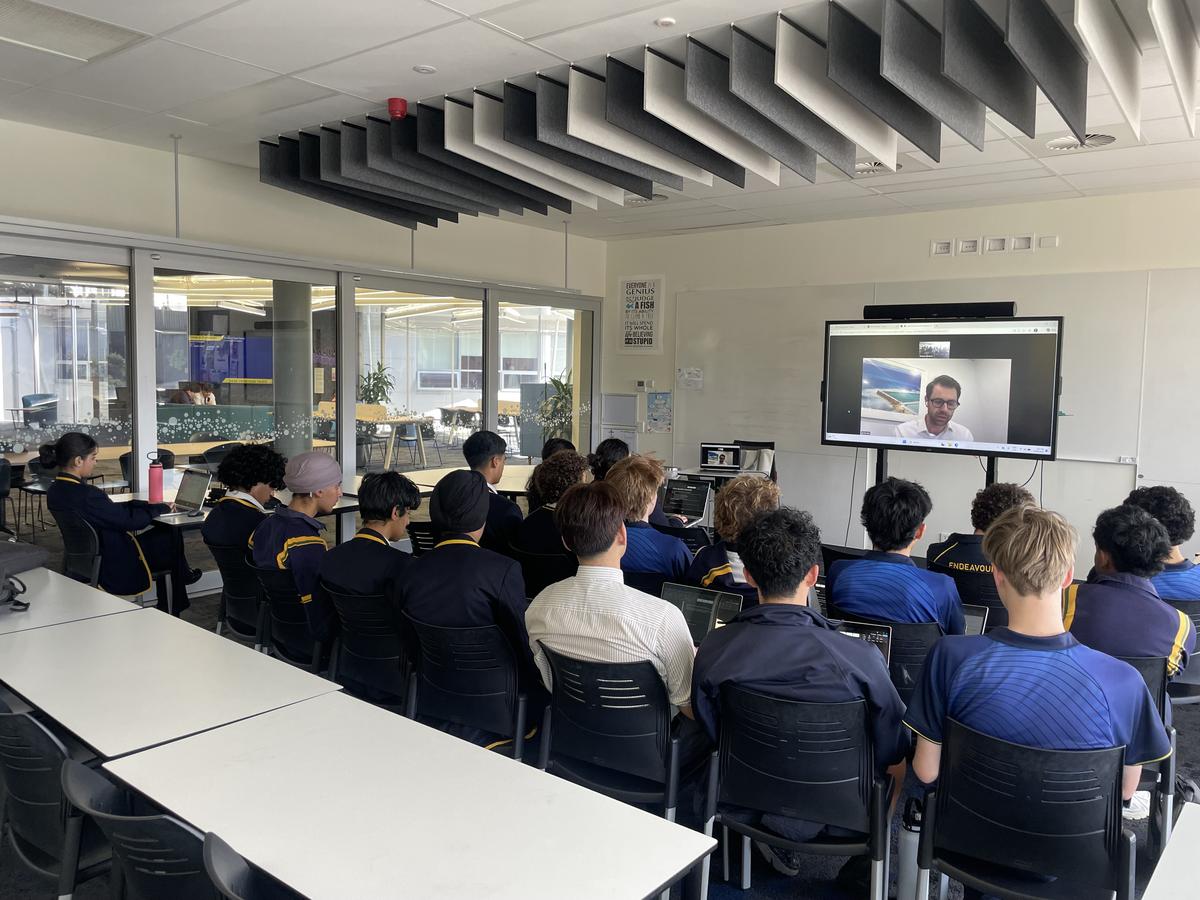
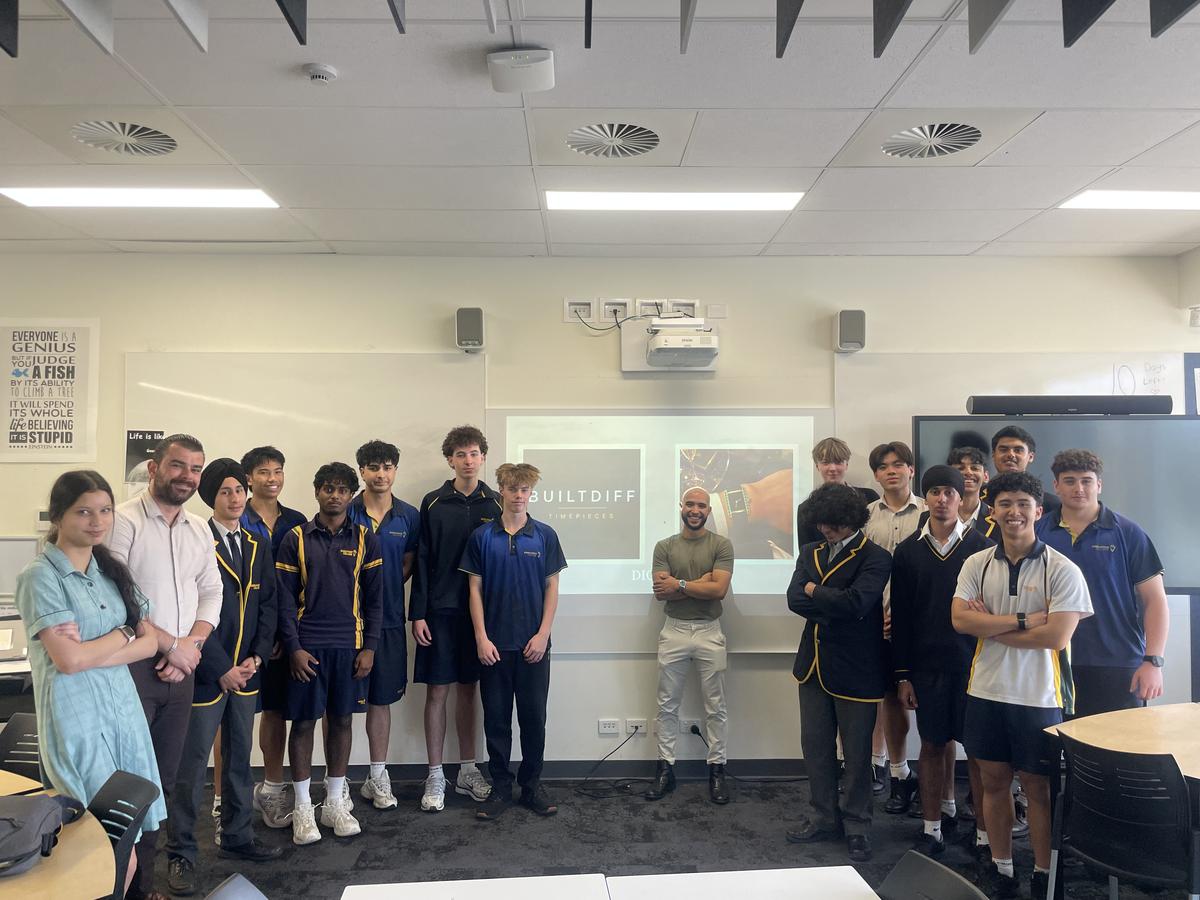
The inclusion of guest presenters enriched student learning by providing authentic, real-world perspectives that complemented classroom instruction. The presenters shared specialised knowledge and experiences, increasing student engagement, deepening understanding of key concepts, and highlighting potential future pathways.
Opportunities for interaction encouraged students to develop communication skills and consider diverse viewpoints, enhancing both the relevance and impact of the learning experience.
Andrew McNicol
Business and Economics Teacher
Remembering Hiroshima and Nagasaki: A Lesson in Peace and Hope
Throughout my teaching career, and since arriving at Endeavour College, I have been committed to commemorating the atomic bombings of Hiroshima and Nagasaki in our Japanese classes and Language and Culture Club. These events form an important part of Japan’s history and collective memory, offering students an opportunity to deepen their cultural understanding, develop empathy, and reflect on the enduring value of peace.
History matters because it helps us understand the world we live in and the choices we make. If we do not teach it, remember it and learn from it, we risk forgetting its lessons, or worse, repeating its mistakes.
We remember the people of Hiroshima and Nagasaki, whose lives were forever changed by the atomic bombings of August 1945. We honour those who lost their lives, those who suffered in the days and years that followed, and the survivors who carried their experiences with courage and dignity.
Among the many stories to emerge from this tragedy, one has become a lasting symbol of hope: the story of Sadako Sasaki. Just two years old when the atomic bomb was dropped on Hiroshima, Sadako survived the initial blast but later developed leukemia, an illness associated with radiation exposure. While in hospital, she learned of a Japanese tradition that promised a wish to anyone who folded one thousand paper cranes. With remarkable determination, Sadako began folding cranes, hoping for recovery.
This year in commemoration, we too folded 1000 paper cranes.
Although Sadako’s life was tragically cut short, her legacy lives on. Today, paper cranes are recognised around the world as symbols of peace, remembrance and hope for future generations. Through this simple yet meaningful act, Sadako’s story has become a powerful reminder that even in the face of unimaginable suffering, hope can endure.
As we reflect on Hiroshima and Nagasaki, we are reminded that remembrance is not simply about looking to the past; it is also about shaping the future. The experiences of those who lived through the atomic bombings remind us that peace must never be taken for granted. It requires understanding, cooperation, compassion and a shared commitment to our common humanity.
The responsibility to ensure that such devastation is never repeated belongs to all of us. As educators, parents and students, we each have a role to play in fostering understanding, encouraging respectful dialogue and building a more peaceful world. By learning about the experiences of others, we can develop greater appreciation for different perspectives and a deeper sense of responsibility towards our global community.
Through our commemorations at Endeavour College, we hope students will carry these lessons beyond the classroom. May Sadako’s story inspire us, may the memories of Hiroshima and Nagasaki strengthen our commitment to peace, and may the paper crane remind us that even after the darkest moments in history, hope can take flight.
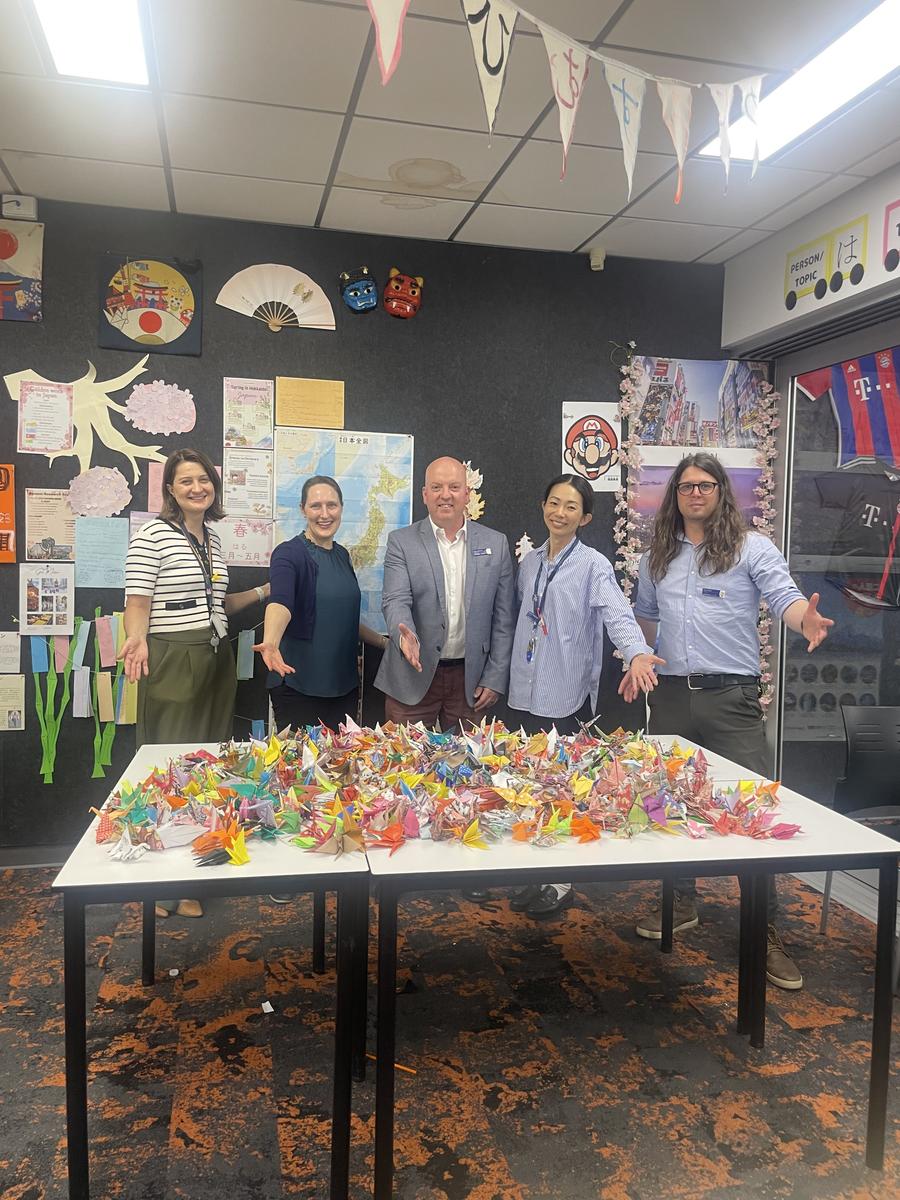
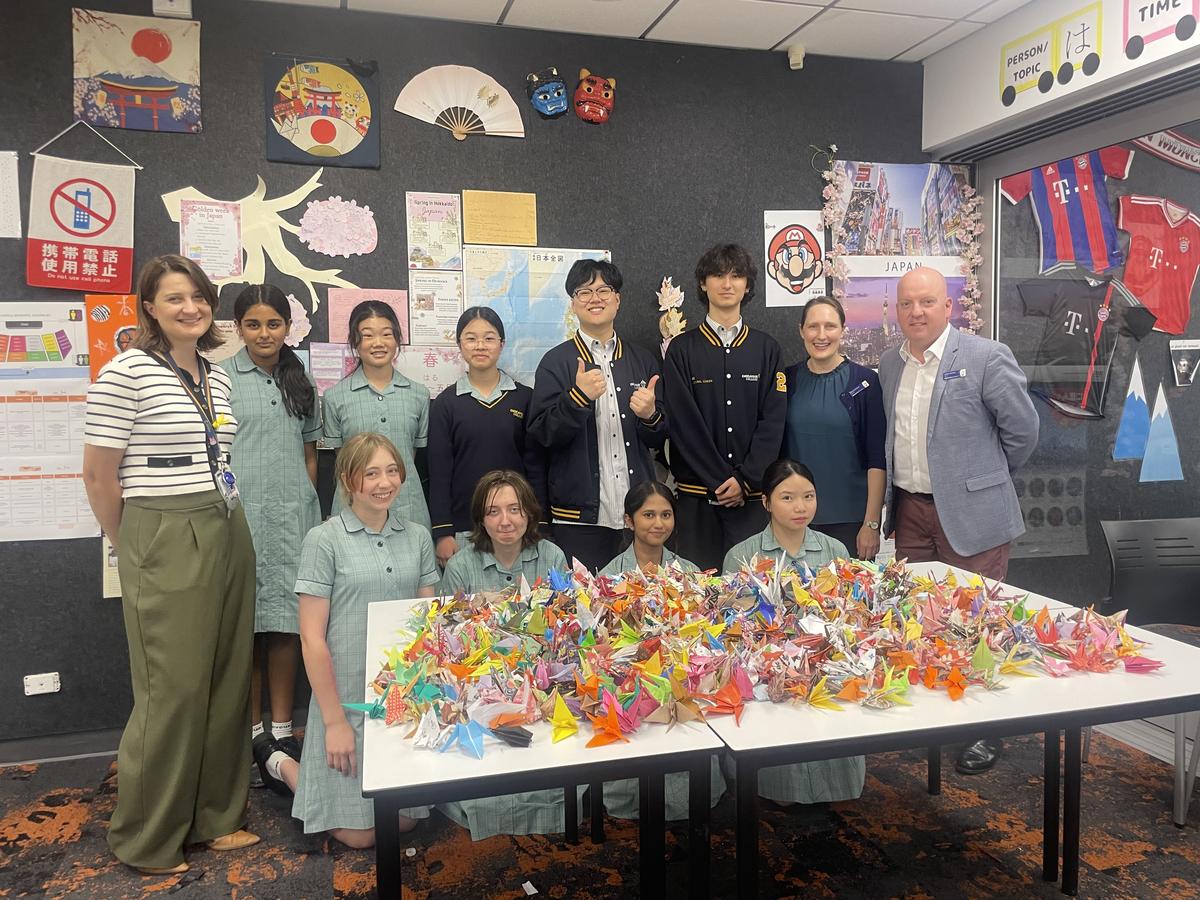
Andrew McNicol
Japanese Teacher
Gratulieren! Super gemacht!

Congratulations to the 28 Year 7 German students who have been named joint winners of the German Week video competition.
Earlier in the year, after just one and a half terms of German at Endeavour, these courageous students submitted individual videos in which they introduced themselves in German and discussed their favourite German word.
After reviewing submissions from all over the state, the judges at the South Australian German Teachers Association chose to award all the Endeavour Year 7s with a prize.
SAGTA President Mitch Neeb said it was clear the Endeavour learners put a lot of effort into the task, and the judges really enjoyed watching them.
The students in Frau Schmaal's classes 7.1 and 7.3 will receive certificates, small gifts and $100 to fund a class celebration such as a 'Pretzel Party'.
So, what were some of their favourite German words?
Top picks included:
- Schnitzel
- So lala (meh)
- Gesundheit ('health' meaning 'Bless you', said after sneezing)
- Danke (thanks)
- Schmetterling (butterfly)
- Geburtstag (birthday)
- Weihnachten (Christmas)
- Spielen (to play)
- König (king)
- Umlaut (the dots on top of German vowels äöü)
Sheree Schmaal
German Teacher