Thriving in Year Three




"Remembrance Day makes me feel grateful that we have a safe country and sad that soldiers died in wars."
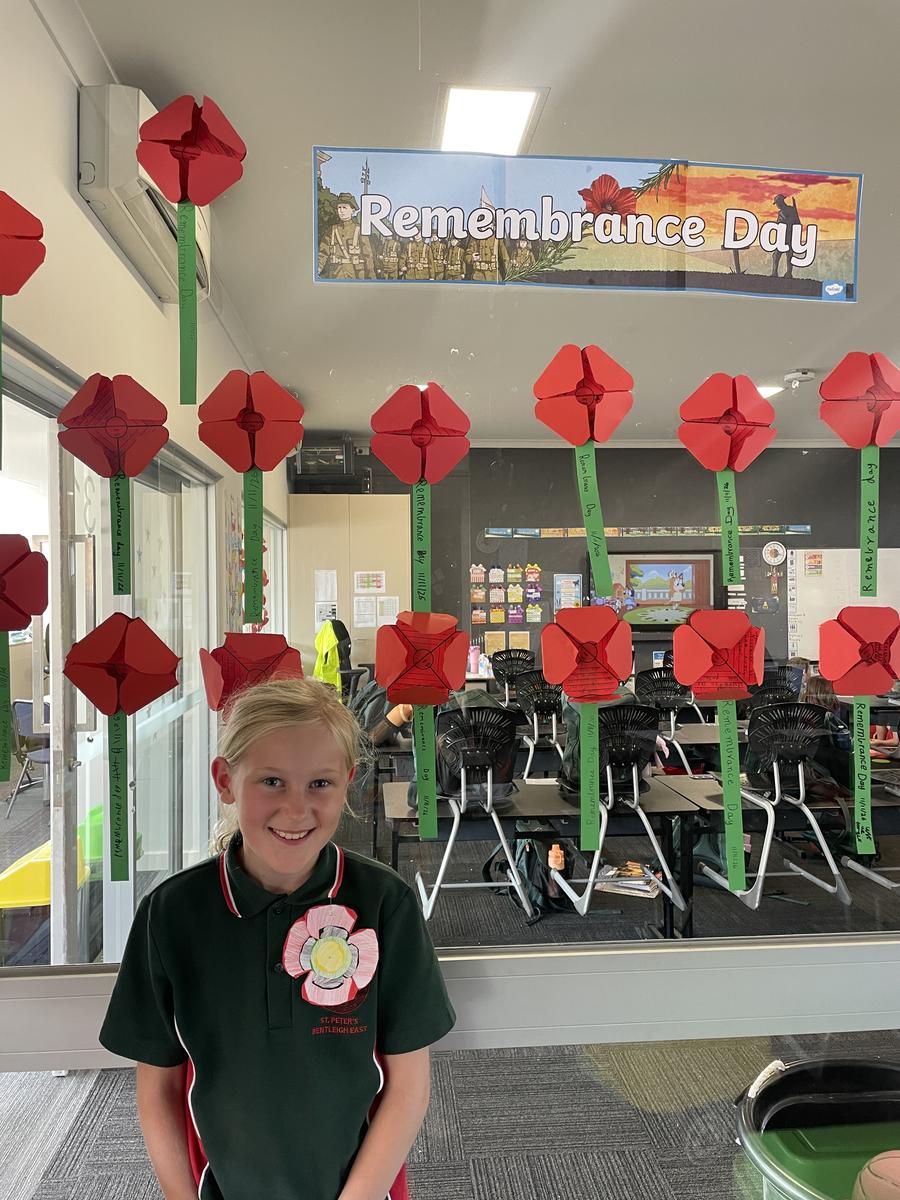
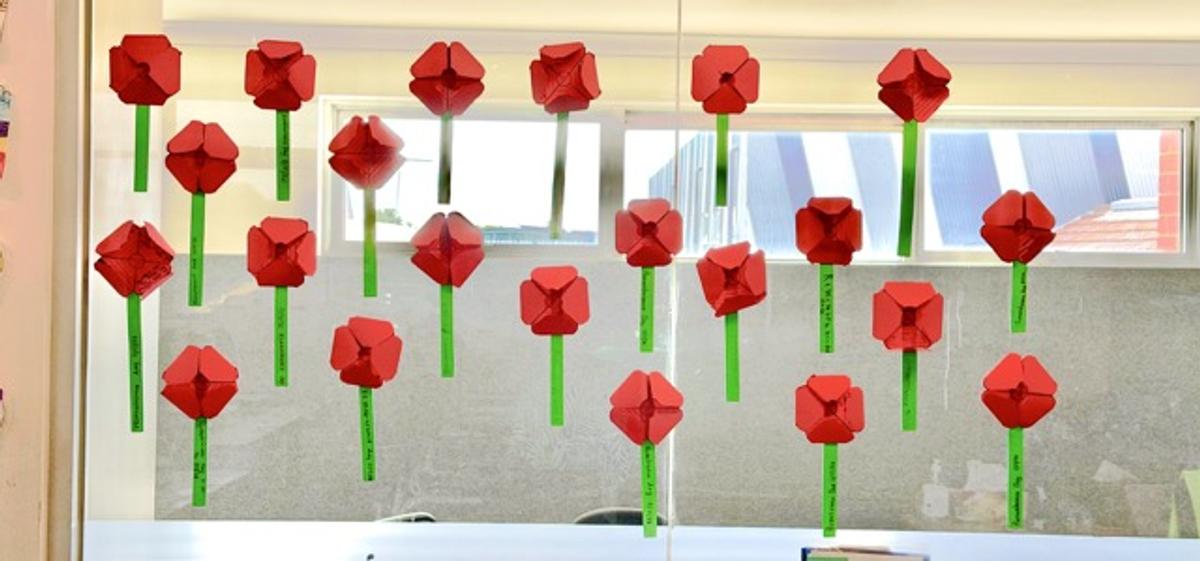
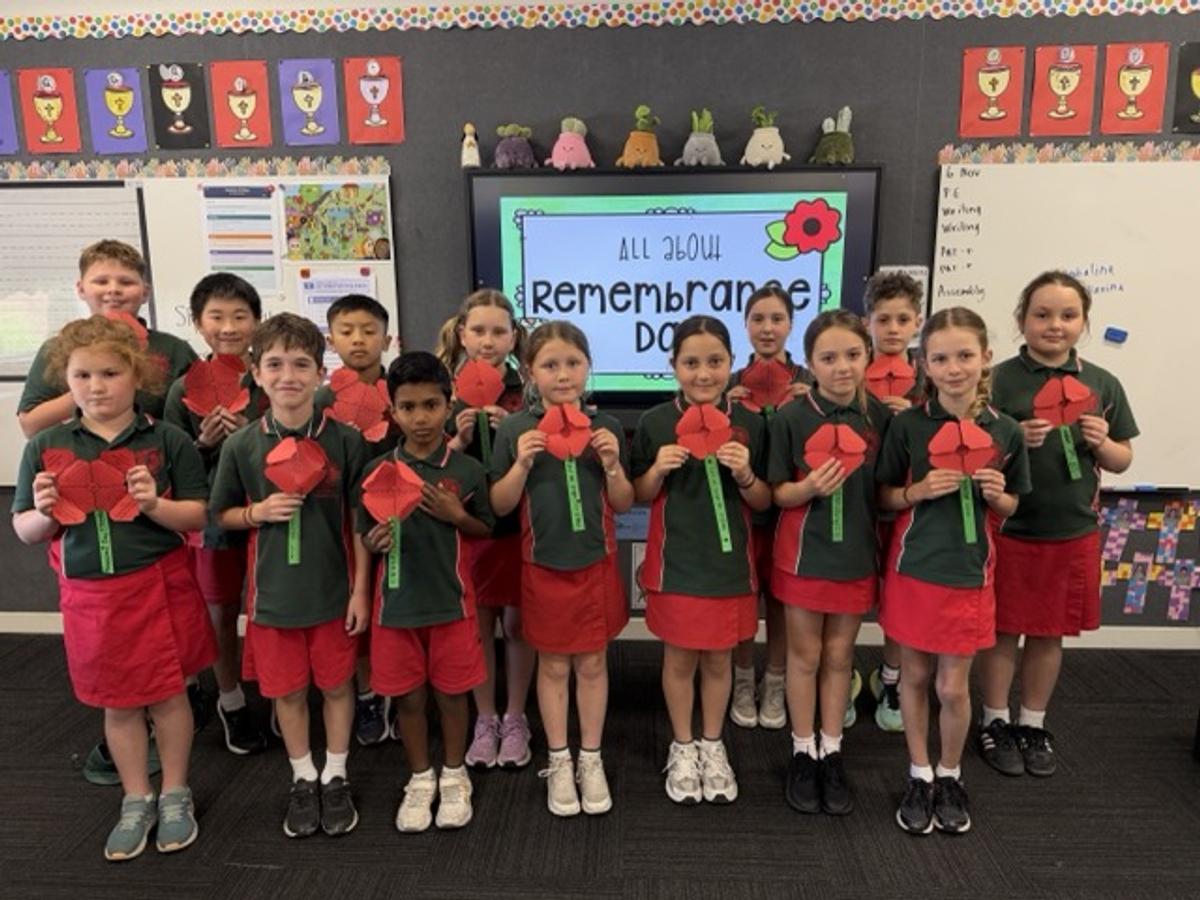
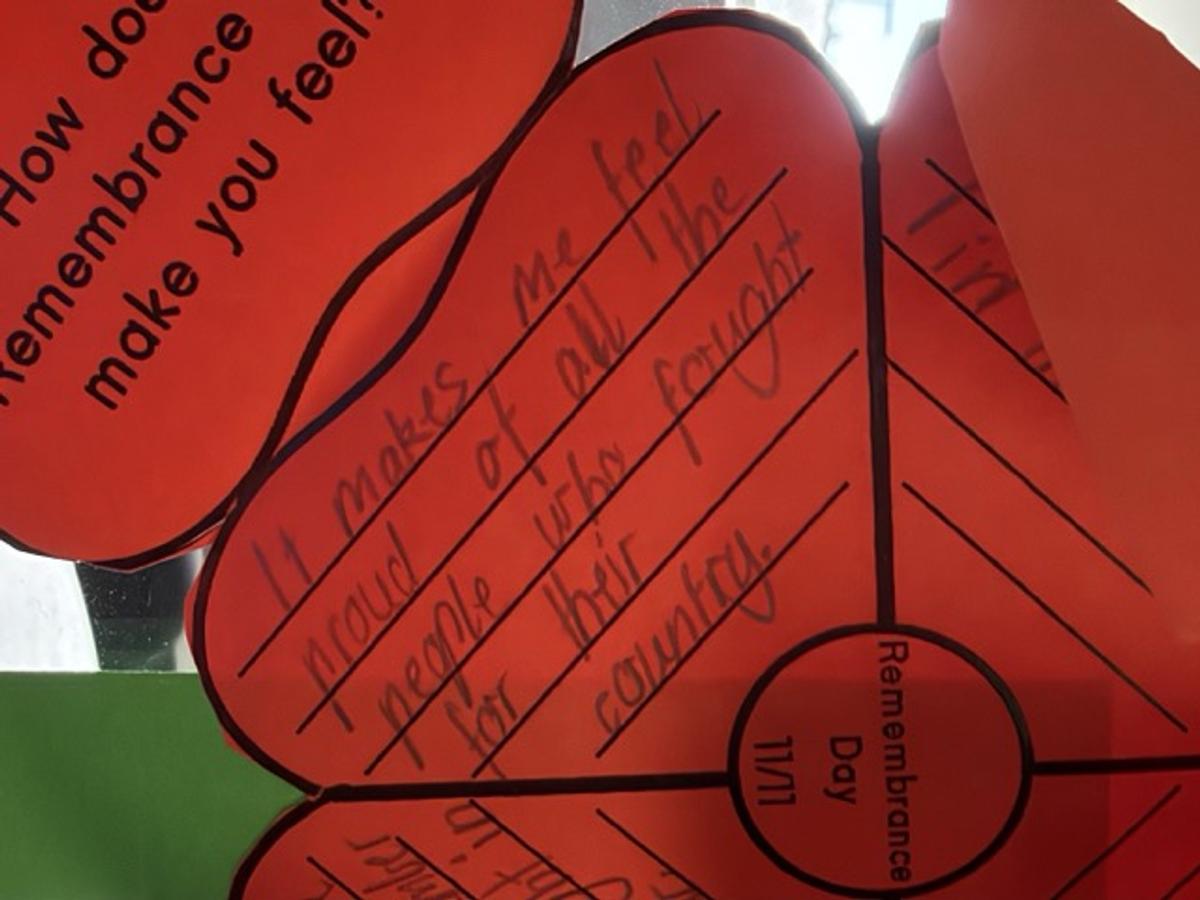
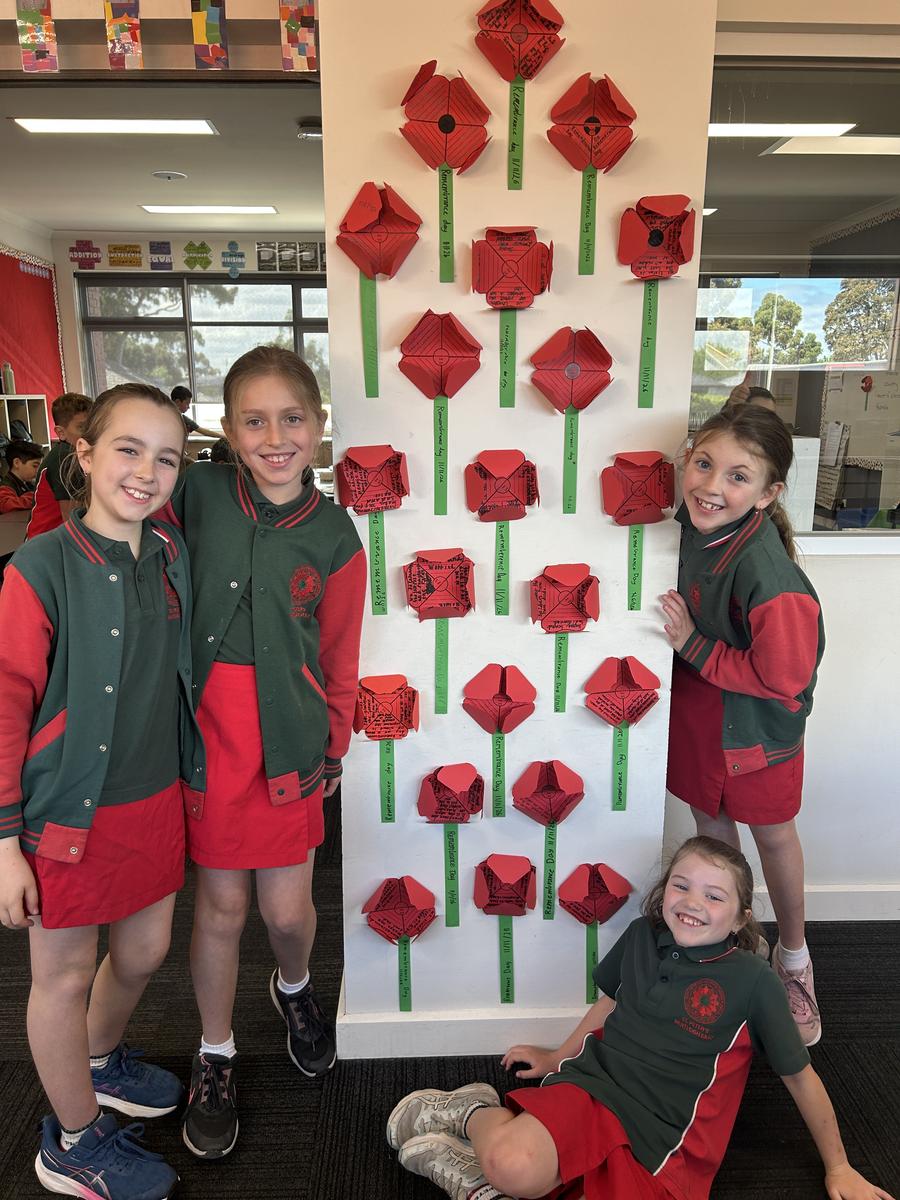
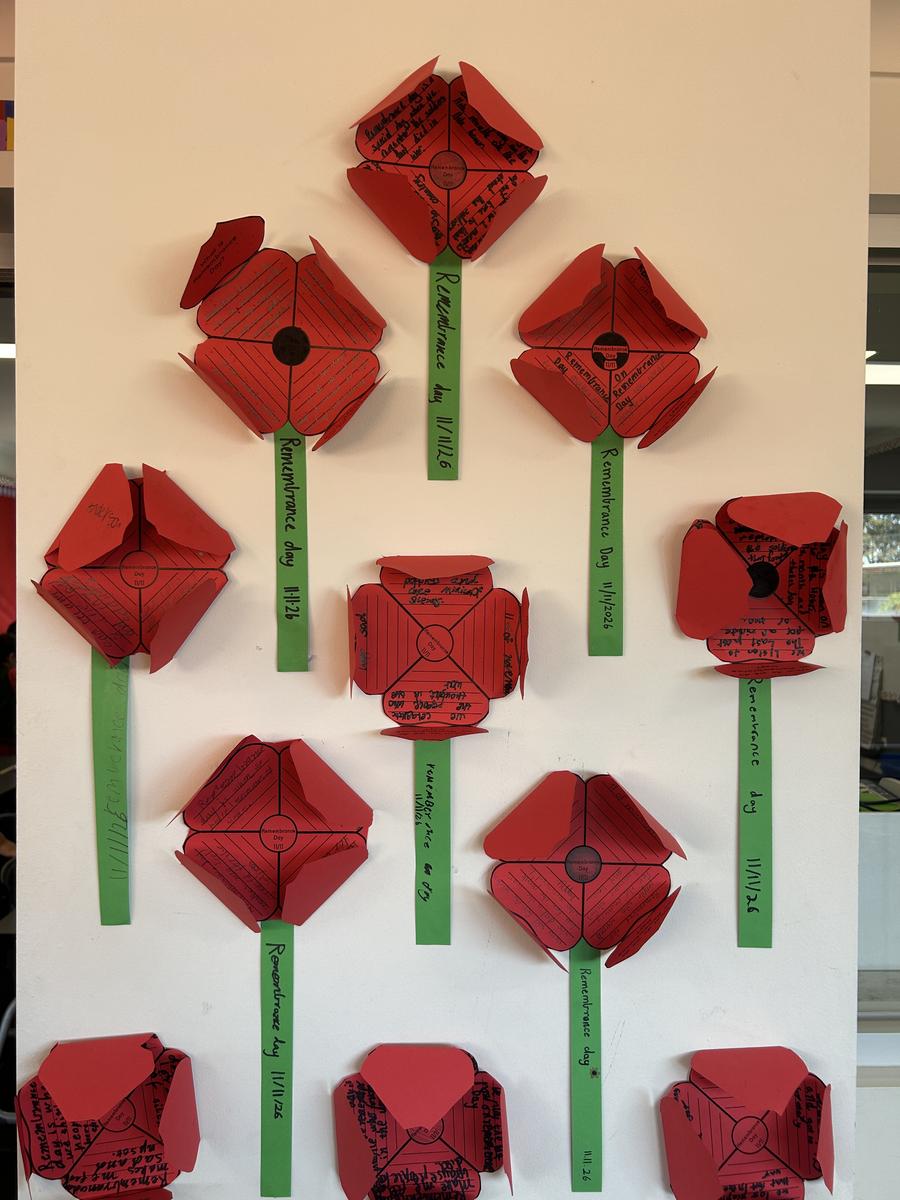
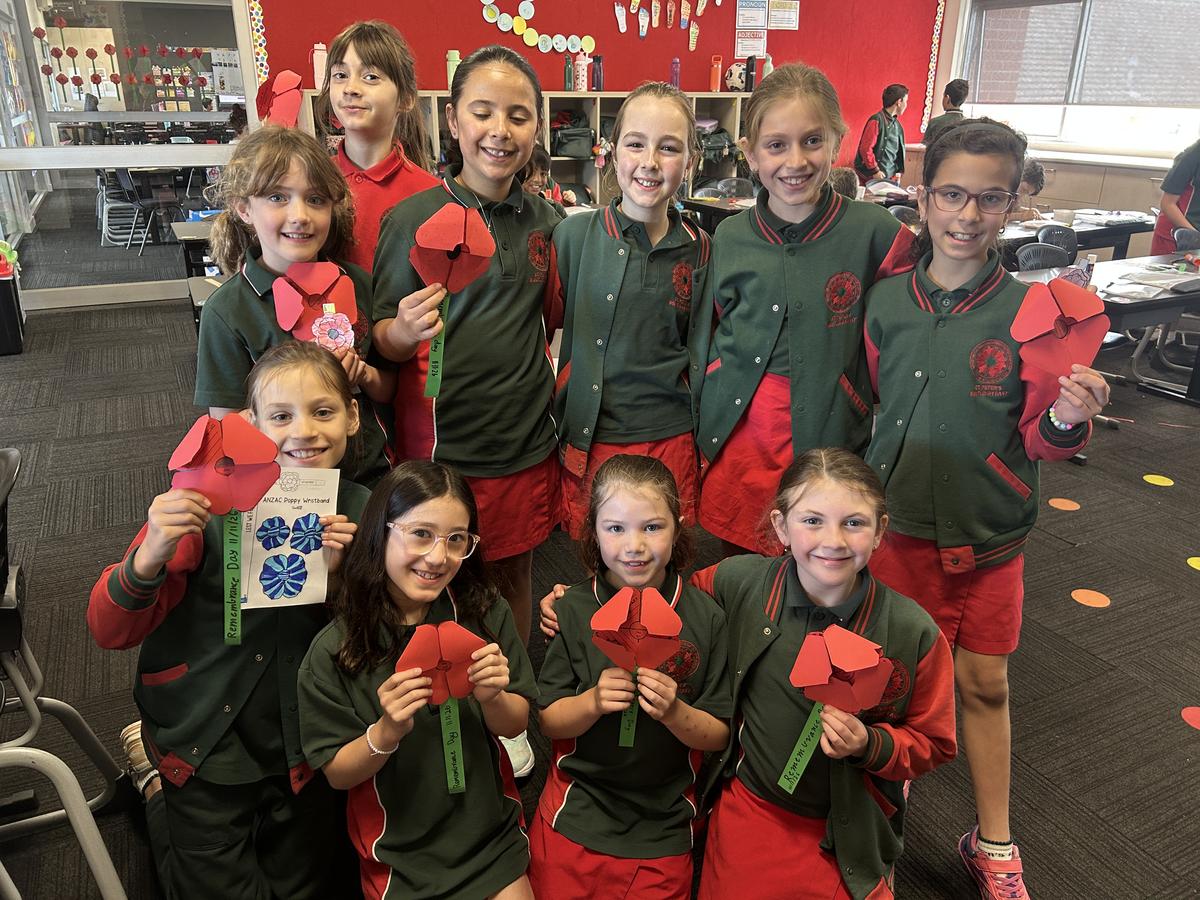
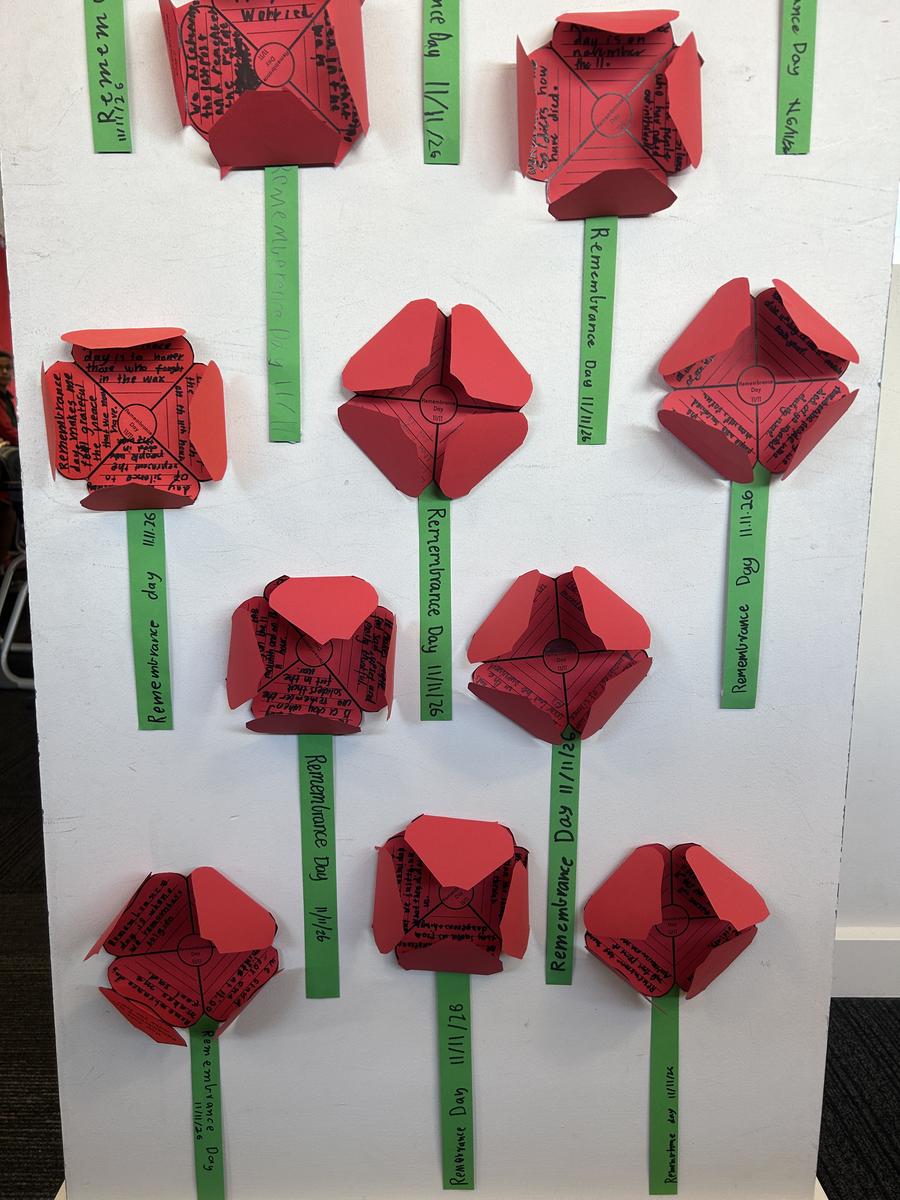
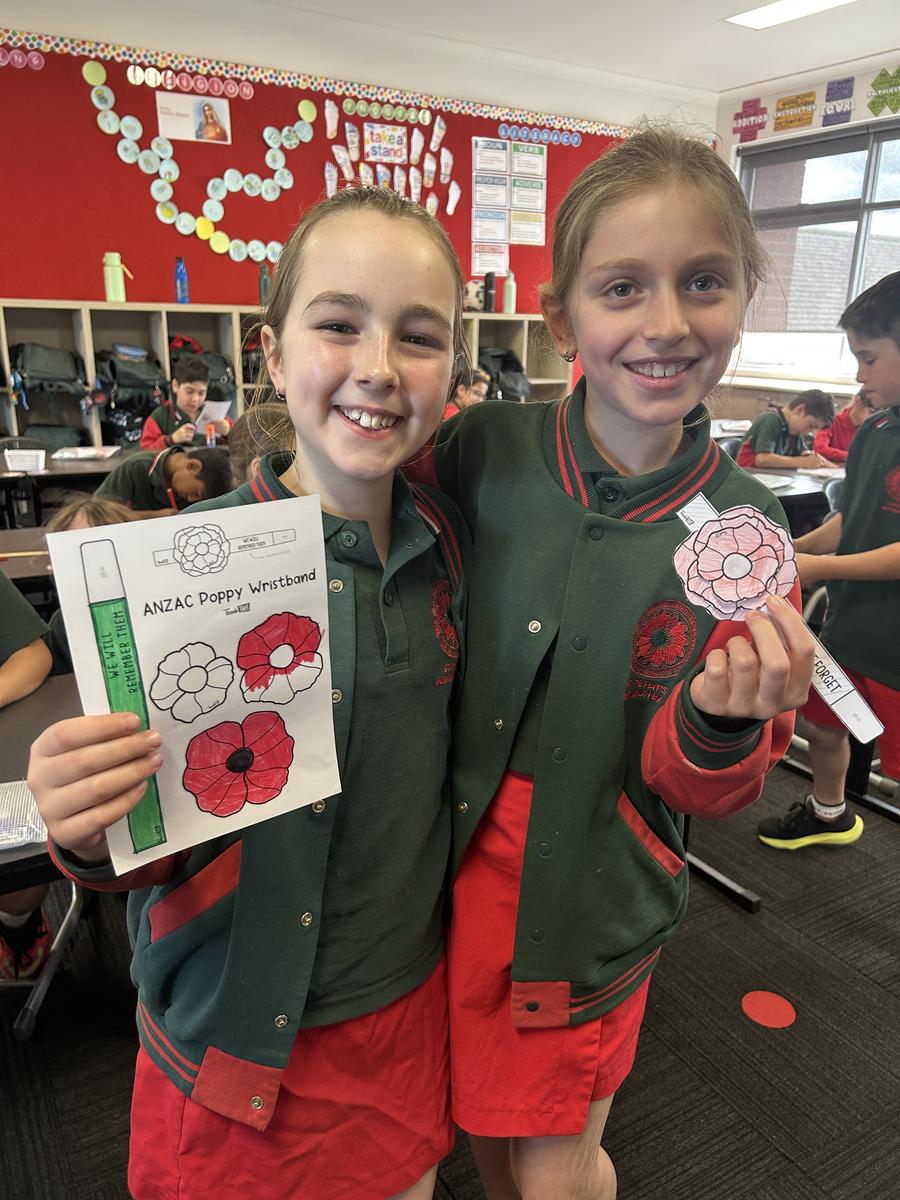
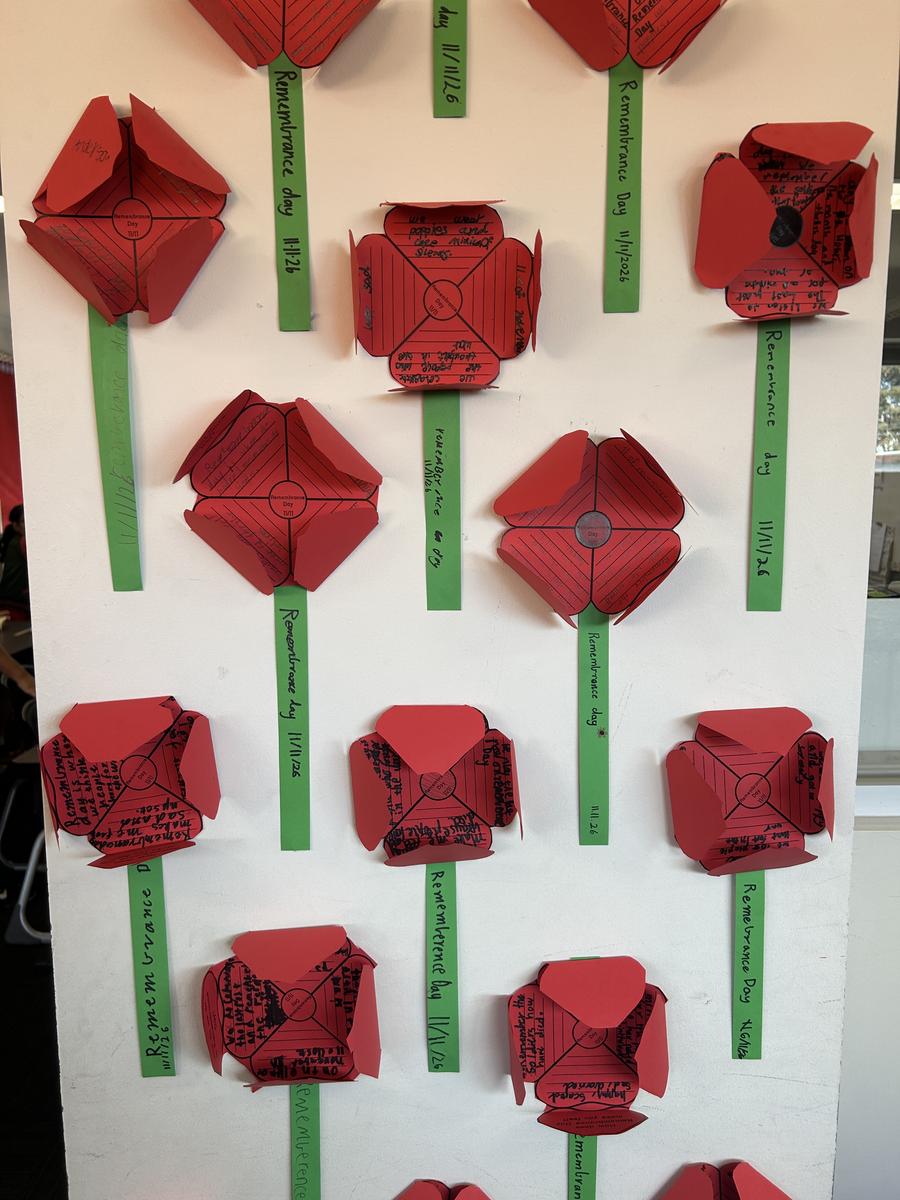
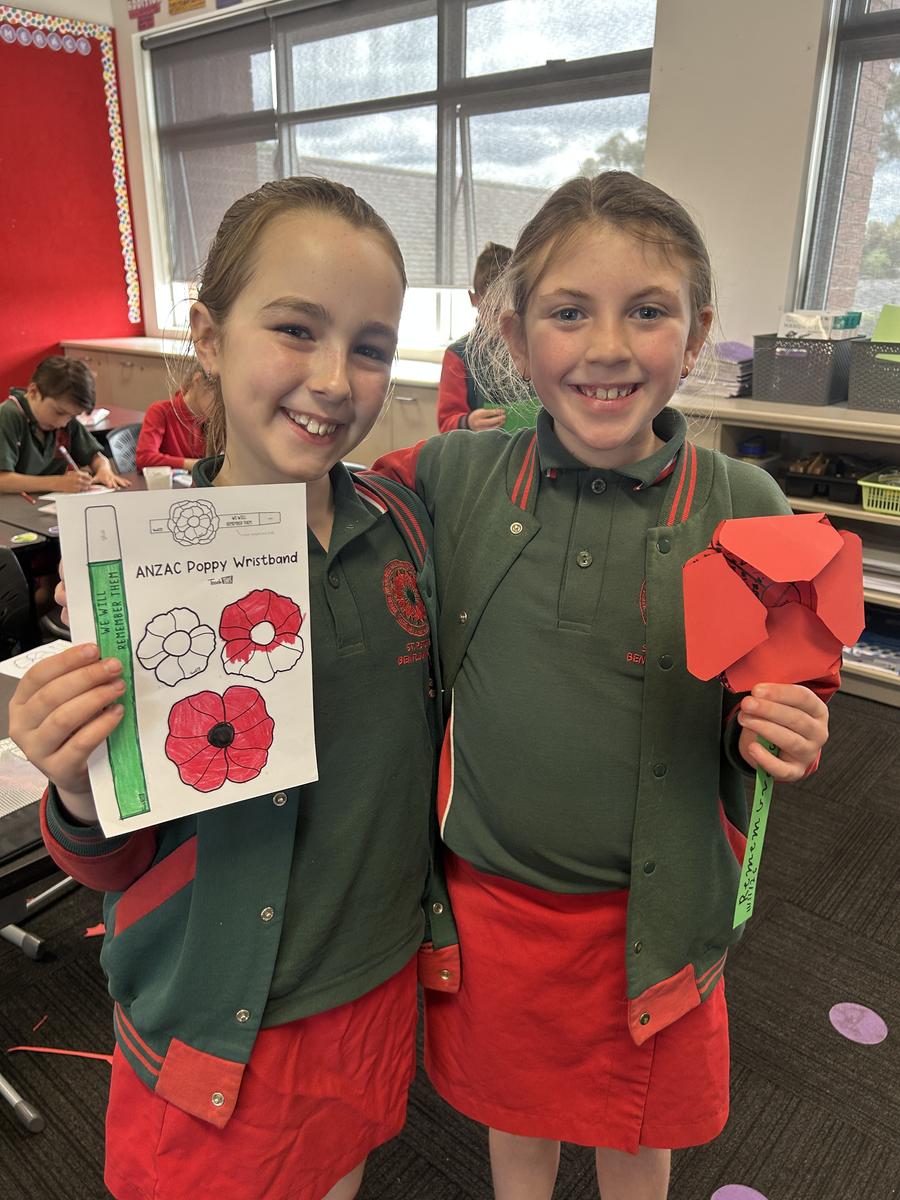
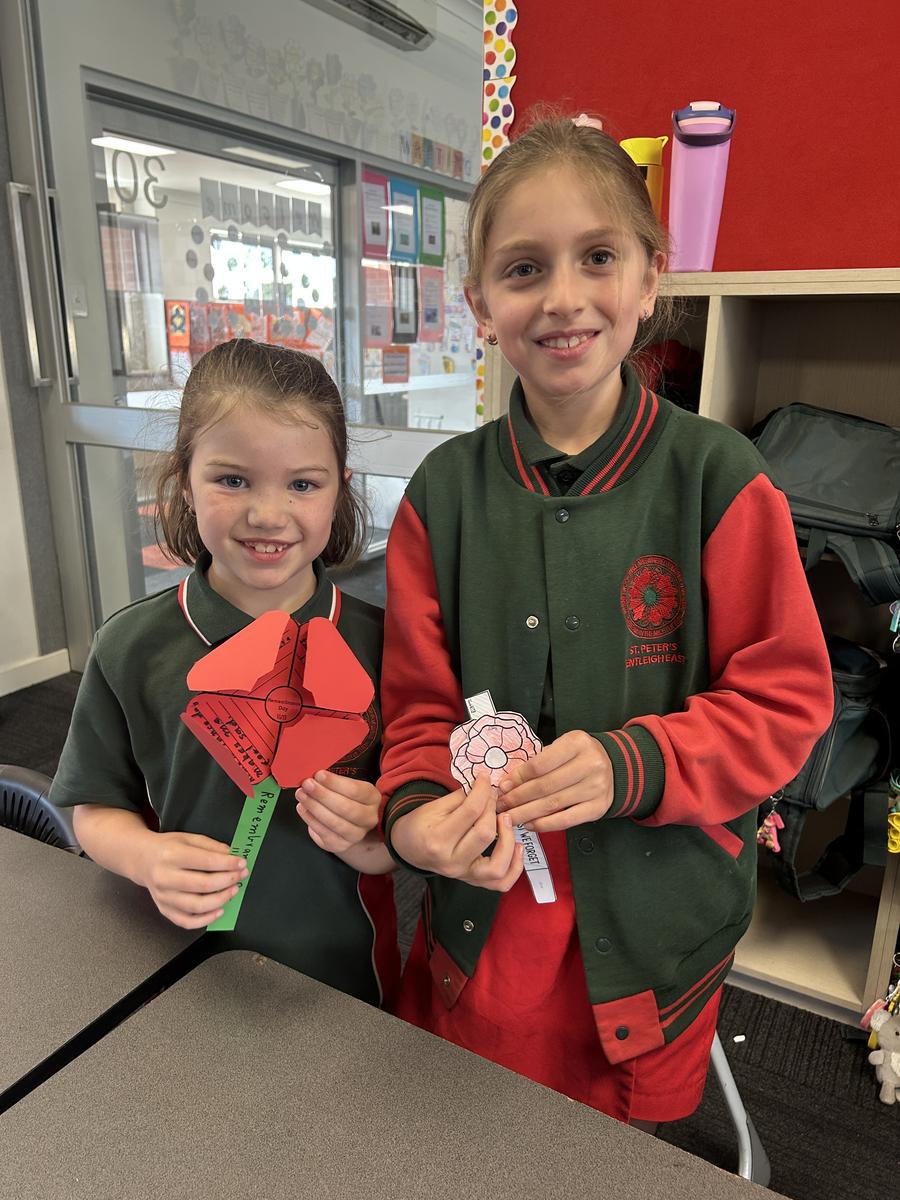
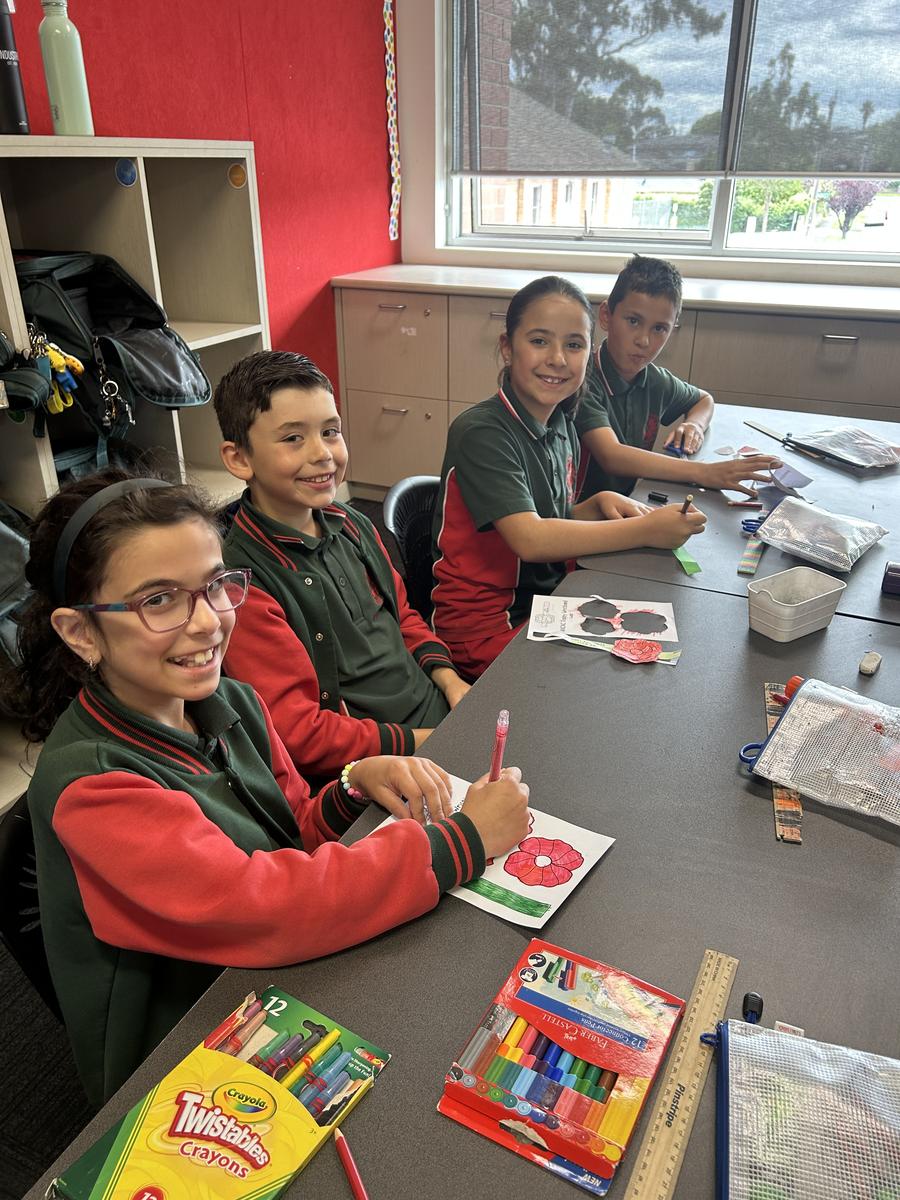
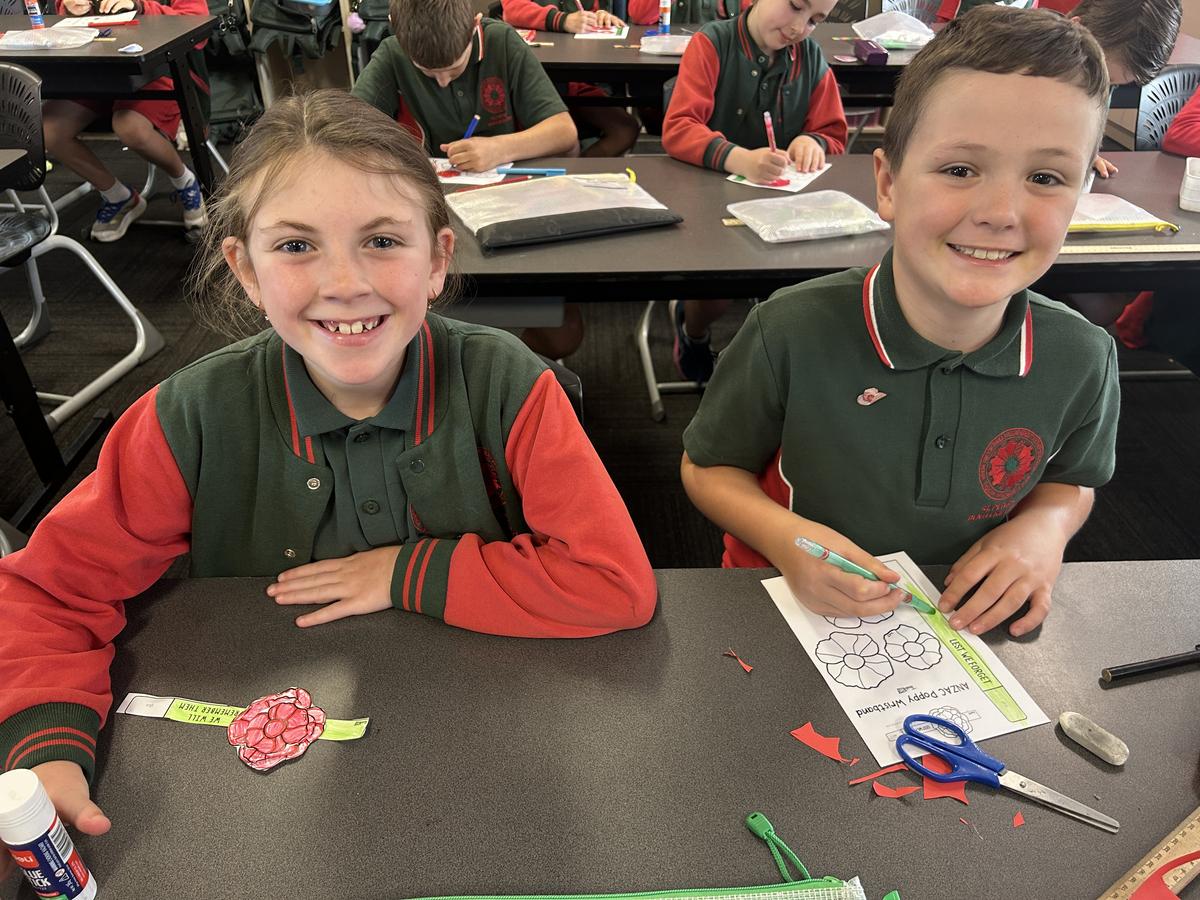
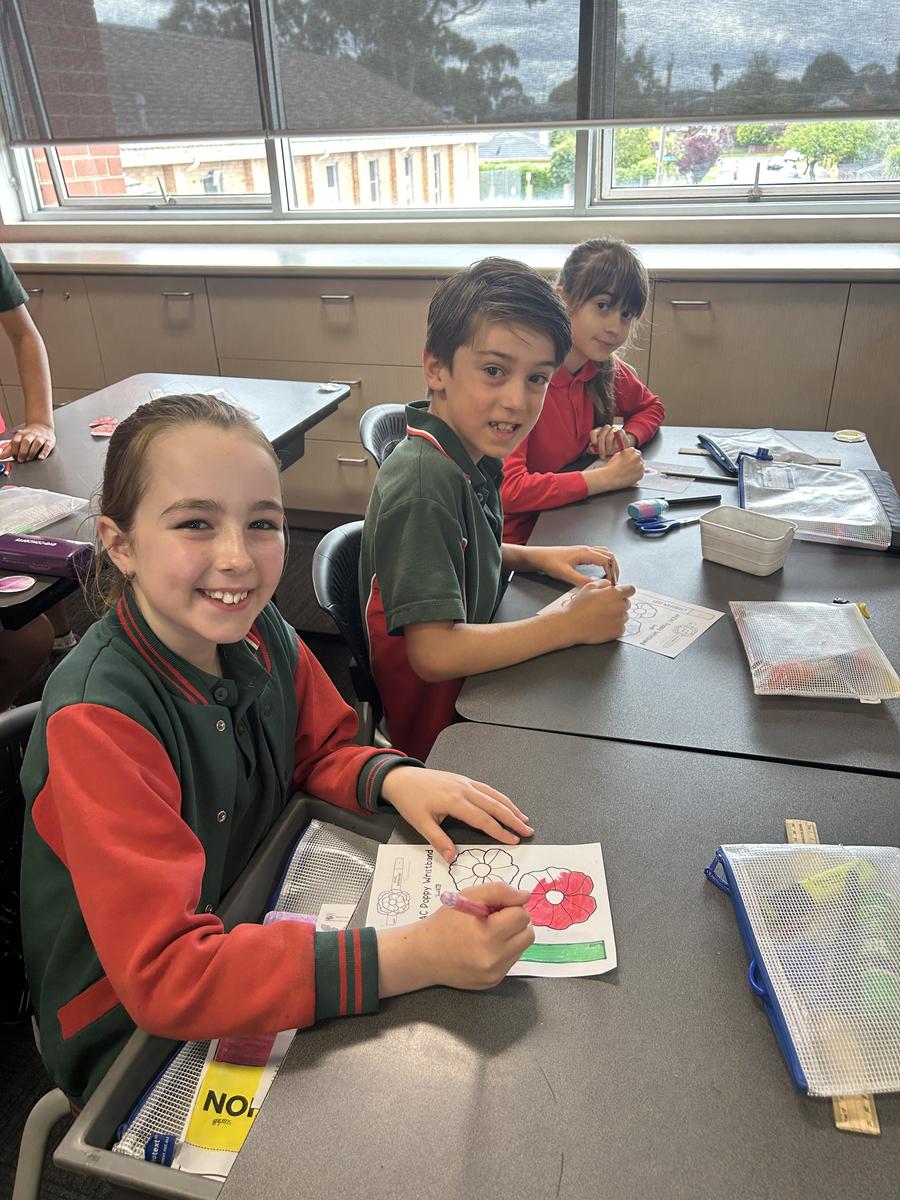
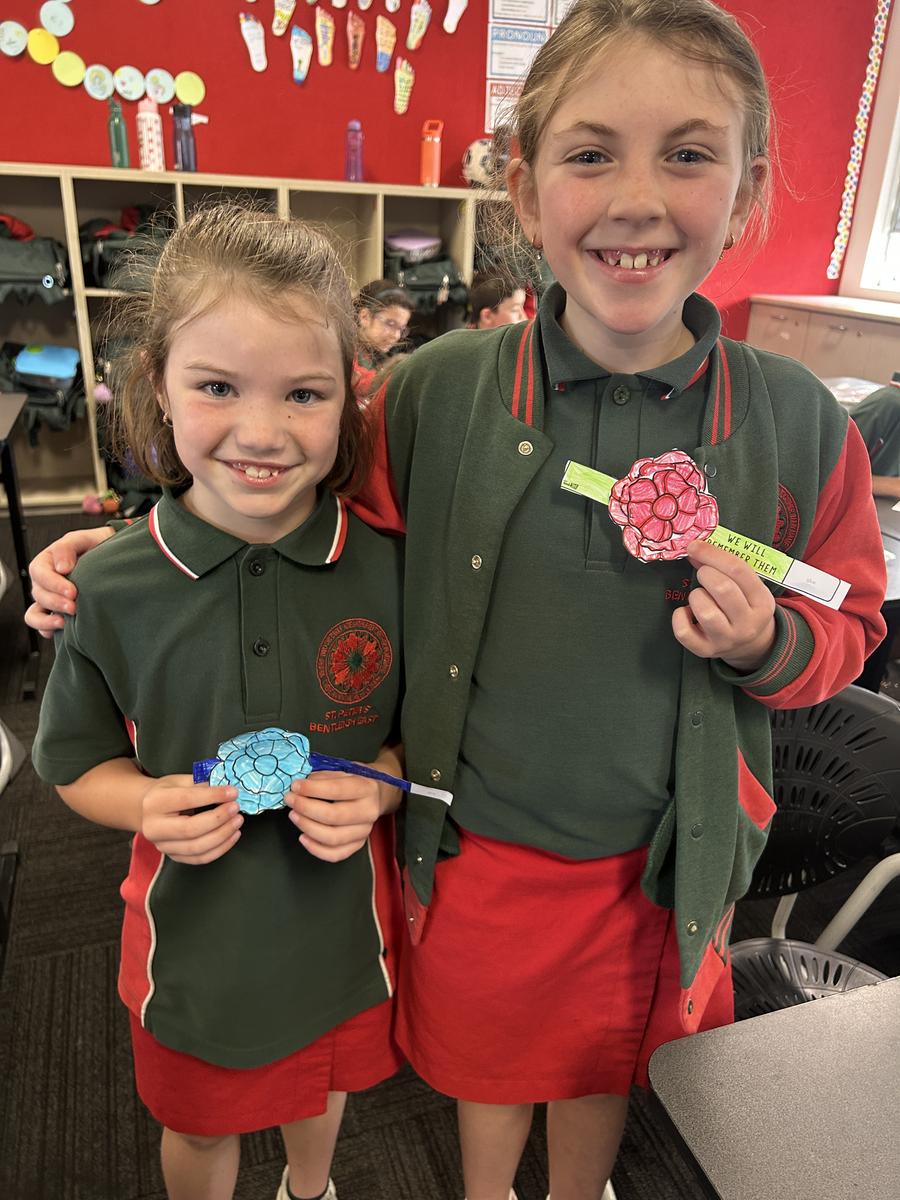
Year 3 students have been learning about Remembrance Day. Looking at the reflections the students have been writing on their paper poppies, it’s clear they are really grasping the dual meaning of the day, expressing both sadness for those who lost their lives and a deep gratitude for the safe country we live in today.
It’s a heavy topic for eight and nine-year-olds, and a question that came up in classes is how Remembrance Day is different from ANZAC Day. If you get asked the same question at home, here is the short version we've been using in class:
- ANZAC Day (April 25) is our national day marking the first major military action by Australian and New Zealand forces at Gallipoli. It focuses heavily on the ANZAC spirit, courage, and mateship.
Remembrance Day (November 11) marks the exact moment the guns fell silent to end the First World War. It’s a global day to remember everyone who has suffered or died in wars, with a strong focus on hope and the pursuit of peace.
Teaching this at primary school isn't about the politics of historical conflicts. For our Year 3s, it's about developing empathy, understanding the human cost of war and recognising that peace is something we shouldn't take for granted.
If you'd like to continue the conversation at home this week, here are a few gentle ways to do it:
- Talk about the poppy: Ask your child to explain why we wear red poppies. We’ve been learning about how they were the first flowers to grow on the ruined battlefields, acting as a symbol of hope and remembrance.
- Share your family history: If you have relatives who are serving, served or lived through wartime, this is a great time to share age-appropriate stories. Personal connections make history real for kids.
- Pray for peace: As part of grace before dinner or other prayer time, say a short prayer together for those affected by conflict in our world today and ask God to help us be peacemakers in our own family and community.
- Focus on the present: Shift the focus from historical wars to how we can be peacemakers right now, in our own homes, on the playground and in the community.
- Ask about the minute of silence: On Wednesday afternoon, ask your child what it was like to stand still and silent with the rest of the school at 11:00 am and what they chose to think about during that minute.
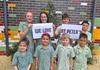
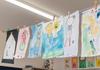
Here are some of the sentiments expressed by the Year 3 students in their paper poppies (pictured) about Remembrance Day:
- "It makes me feel proud and deeply grateful because they sacrificed their lives to keep our country safe."
- "I feel proud of my great-grandparents and all the family members who fought for Australia."
- "I feel sad because so many soldiers were killed but also happy and thankful that they saved us from dangerous things."
- "It is a day on the 11th of November to pause, acknowledge and remember all the soldiers who fought, suffered, and died in the wars."
- How We Remember: "To honour them, we wear red poppies on our clothes, listen to the Last Post and stand still for a one-minute silence at 11:00 a.m."
- "It makes me feel lucky that we have a safe country because of what they did."