From the Leadership Team
Ms Katie White, Deputy Principal









 Kilvington Grammar School
From the Leadership Team
Ms Katie White, Deputy Principal
An engaged classroom can be a lively place, with students sharing ideas, asking questions and debating different views. It can also be quiet, as students concentrate on a challenging problem or reconsider something they thought they understood. What matters is the thinking taking place, and how teachers help students develop it.
This has been a focus of our teaching conversations at Kilvington this year. As we continue to work with our pedagogical model, we have been looking closely at the everyday classroom practices that help teachers understand how students are progressing. Asking students to explain their reasoning, show their working or respond to a question on a mini whiteboard can reveal much more than a correct answer alone.
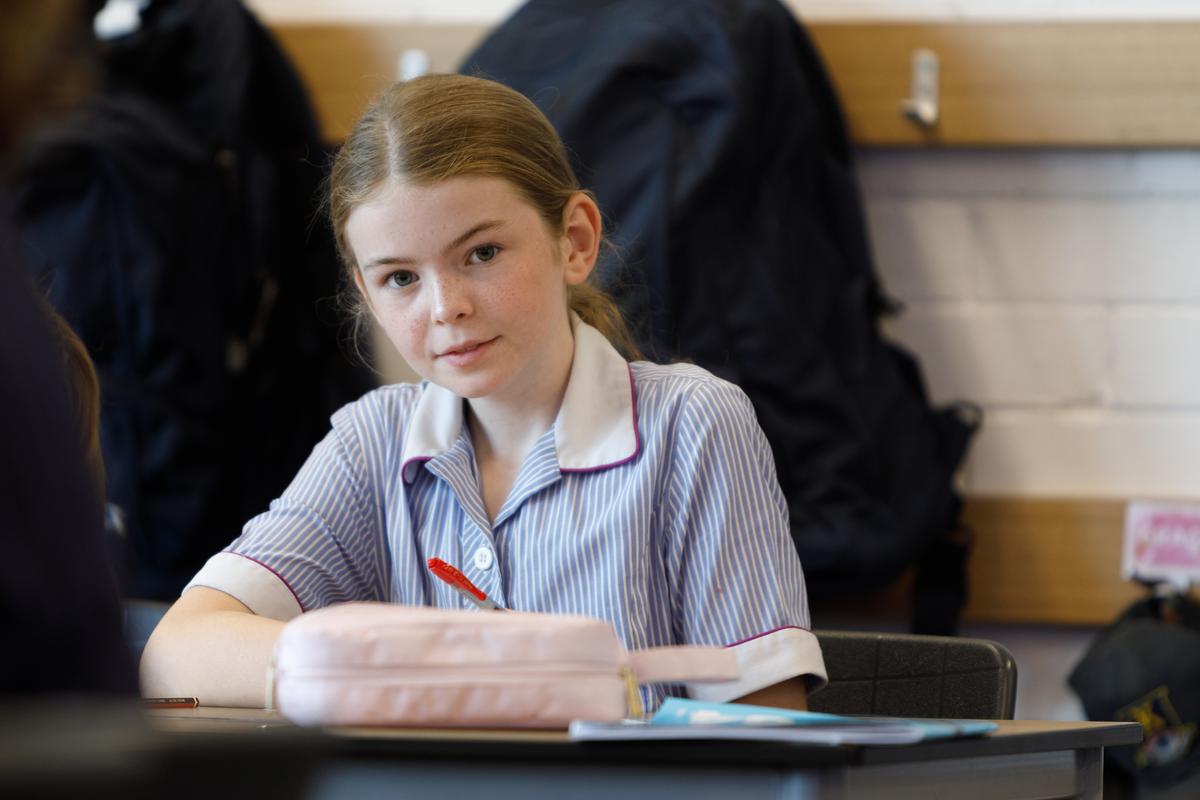
These moments give teachers an opportunity to respond while the learning is happening. An explanation might need another example, a misconception might need addressing, or students might be ready for a greater challenge. They also help students become more aware of their own understanding and more confident in asking for help.
Our Years 9 to 12 students are drawing on these skills as they undertake examinations. Alongside recalling knowledge, they are making connections, explaining their reasoning and applying their learning independently. We wish them well as they prepare for and complete their exams.
At Celebration Night on 19 November, we look forward to recognising their academic achievements, together with the many other ways our students contribute to school life.
Deep thinking takes attention, and the choices we make about classroom resources can help students sustain it. This is an important consideration as we review technology use across the School.
Laptops and iPads offer valuable opportunities for learning. There are also times when students benefit from closing a screen, picking up a pen, talking through an idea or working with practical materials. Choosing the right tool is part of planning a good lesson.
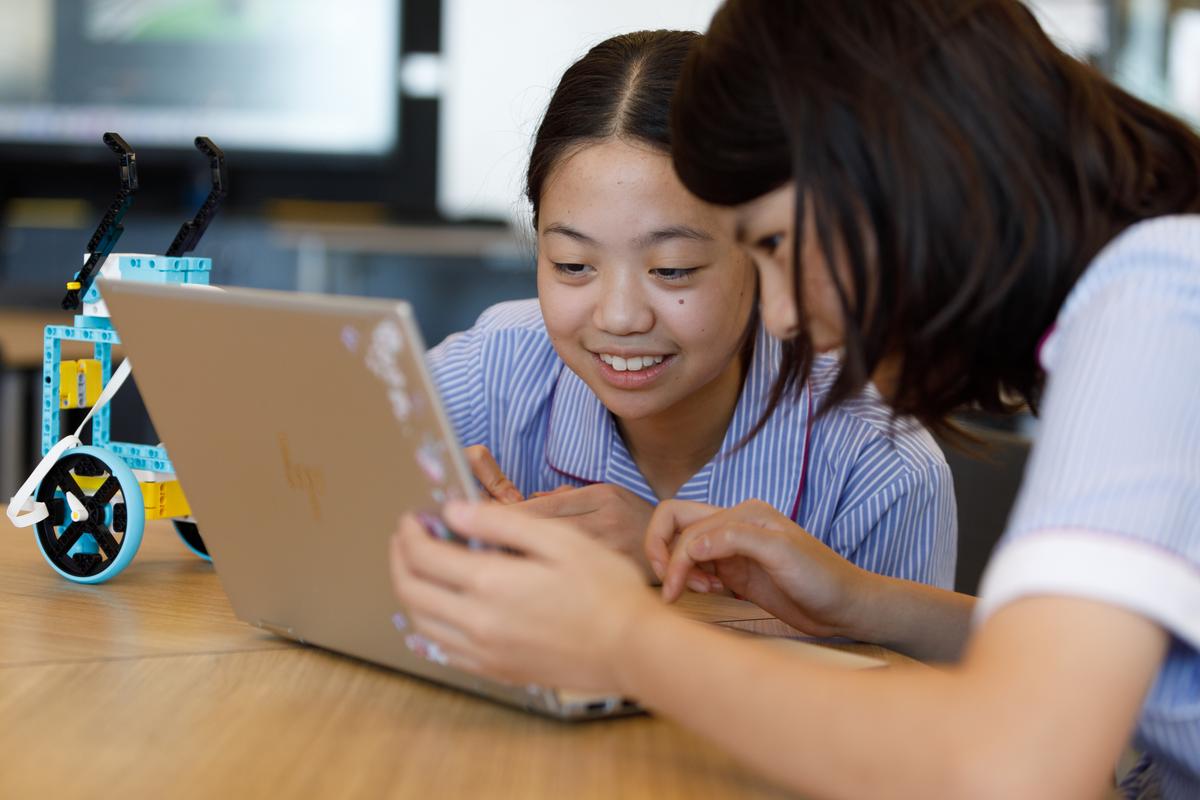
Our increased use of hard-copy resources and opportunities for handwriting reflects this approach. We want students to have regular opportunities to work through their ideas on paper, show the steps in a calculation and spend time reading without competing notifications or open tabs.
The changes to mobile phones, smartwatches and other personal devices from 2027 support this broader focus on attention. Our aim is to use technology purposefully,
while making room for the concentration and face-to-face interaction that are so important to learning and school life.
Artificial intelligence brings a further dimension to these conversations. Students need to learn how to use it thoughtfully and to recognise when it may be getting in the way of their learning.
AI can offer feedback, suggest questions or introduce another perspective. However, when it supplies an answer before a student has attempted the thinking, an important opportunity to learn can be lost. Working through uncertainty, making a mistake and trying again are all part of developing understanding.
As a teacher, I value being able to recognise the student in their work: the language they use, the connections they make and the ideas they are still working out. A polished response can tell us very little if it does not reflect what the student understands.
Helping students navigate AI therefore involves more than setting expectations for its use. It means helping them judge the quality of a response, question its accuracy and take responsibility for the work they submit.
Our Future Problem Solving students recently demonstrated the value of independent and creative thinking through their achievements at the National Finals.
Emily Piao placed third in the individual Community Problem Solving competition. Our Year 5 CALM team of Lucy Canobie, Arya Choksi and Rayna Desai also placed third, earning an invitation to the 2027 International Conference at Indiana University. Aarit Aurora placed second in Scenario Writing and was also invited to compete internationally. Daniel Wang and Shu Lin also achieved excellent results.
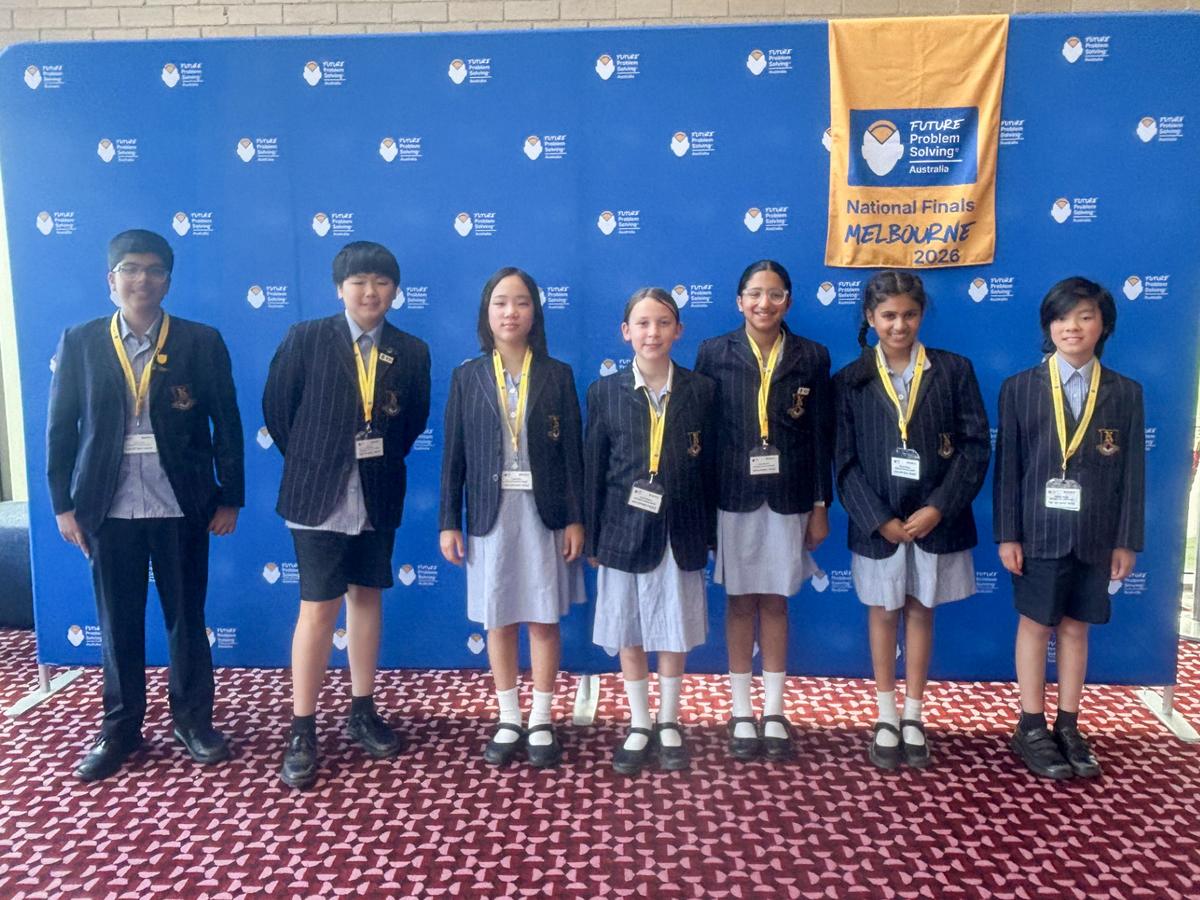
Congratulations to these students and the staff who supported them. Behind each result are many hours spent exploring possibilities, testing ideas and refining responses to complex problems. It is lovely to see their effort and imagination recognised in this way.
These achievements offer a glimpse of the thinking we want to encourage across the School. Whether students are explaining a mathematical solution, discussing a text or developing a response to a community problem, we want them to have the knowledge and confidence to contribute ideas of their own. Seeing those ideas develop, and helping students take their next step, is one of the great pleasures of teaching.