





 St Norbert College
60 Years of Good Works
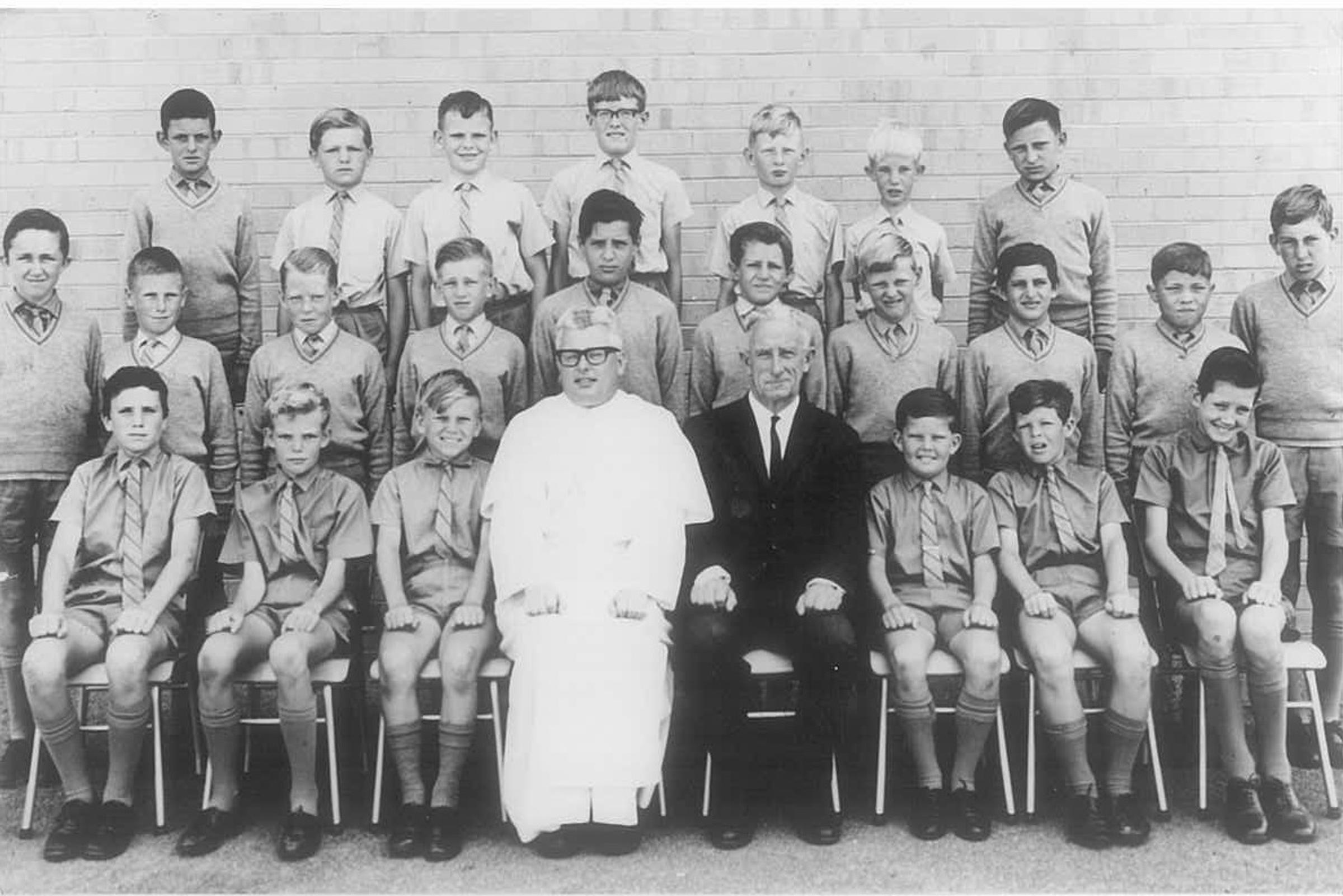
This is an extract of the presentation at the Community Day on Saturday 20 September 2025 to celebrate St Norbert College being “prepared for all good works” for 60 years.
Over the past six decades, St Norbert College has been shaped by the dedication and vision of Norbertines, staff, parents, students and community members who shared a commitment to the education and development of young people. From its humble beginnings in 1965, when just 23 boys formed the College’s first class under Foundation Headmaster Fr Laurence Anderson and teacher Graham Quinn, the College has grown while remaining steadfast in its core values of faith, community and pastoral care.
Central to the College’s early success was the leadership of the Norbertine community, particularly Fr Peter O’Reilly, whose energy, optimism and belief in collaboration fostered a strong sense of belonging. The contributions of parents and volunteers were equally significant. Pioneers such as Alec Connell, Mary Tillemans, Noel Dawkins, Jeff Tillemans and many others helped establish key foundations, including the Parents and Friends’ Association, fundraising initiatives, the canteen and advisory structures that strengthened both the College and its connection to the wider community.
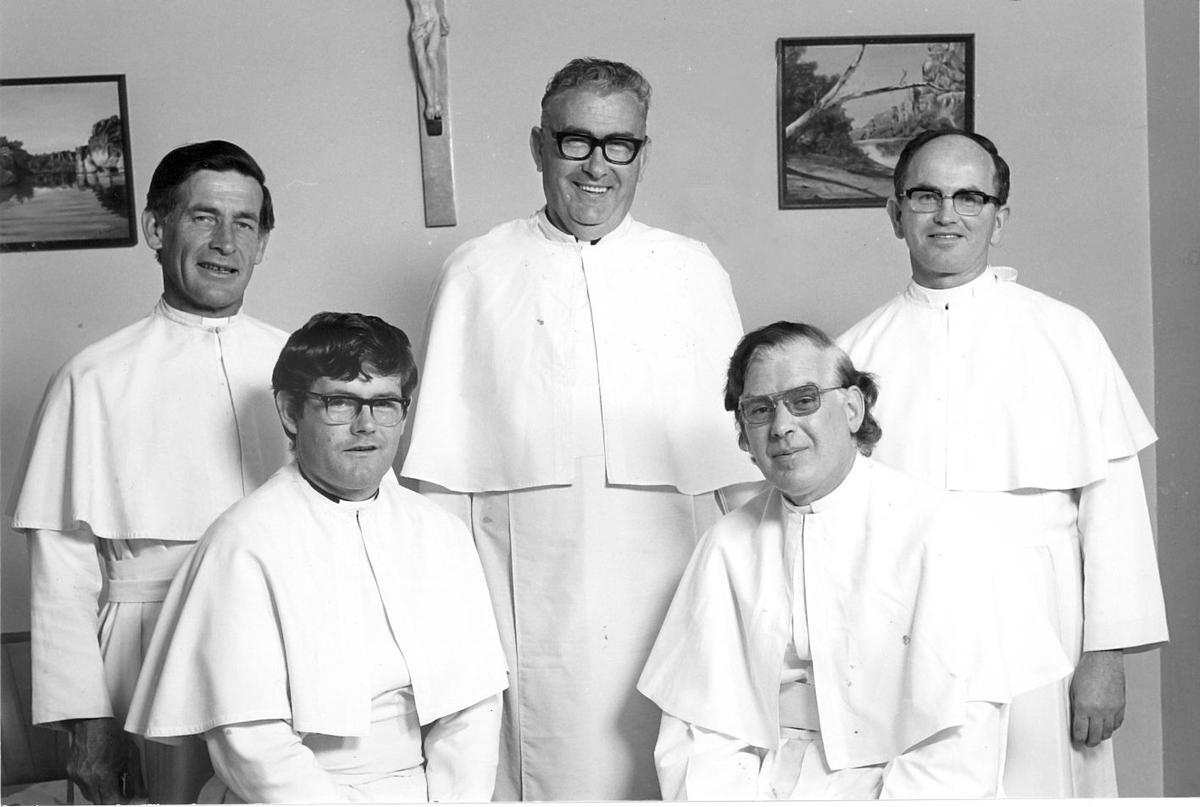
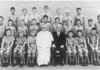
Our Norbertine Community (1976)
Our Norbertine Community (1976)
The recollections of early students paint a vivid picture of life at St Norbert College in its formative years. While discipline was often strict and resources were limited, former students recall a school characterised by friendship, opportunity and genuine care. Stories shared by Gerard Connell, Ken Hughes, Wayne McGoorty, Pas Serafino, Evyn Webster and Doug Perrett highlight the memorable teachers, lifelong friendships and strong sense of community that defined their experiences. These reflections also demonstrate the compassionate pastoral care that became a hallmark of the College, ensuring that every student felt known, supported and valued.
The dedication of the College’s staff played a crucial role in shaping its reputation for educational excellence. Staff such as Fr Laurence Anderson, Fr Joseph O’Donohoe, Michael Devine, John Hulshoff, John Pryce, Silverrey Murphy, Neville McManus and Br William Fitzgerald guided the College through its formative years, introducing academic innovations, careers programs, music initiatives and a strong culture of student support. Their collective commitment laid the foundations for the vibrant learning community that is part of St Norbert College today.
Between 1975 and 1984, St Norbert College entered a period of remarkable growth, innovation and transformation. Under the leadership of its first lay Principal, Des O’Sullivan, the College expanded its facilities, broadened its curriculum and embraced new opportunities for students. This pioneering spirit was reflected in achievements across academic, cultural and sporting life, including memorable successes in ACC swimming competitions and the continued development of a strong College identity built on community spirit and participation.
A defining milestone of the decade came in 1976 with the enrolment of the first female students, marking the College’s transition to a co-educational future. The appointment of Kathy Jones as Teacher in Charge of Girls helped guide this important change, while the success of the College’s first major fundraising campaign demonstrated the unwavering support of parents, staff, alumni and friends. The era also saw increasing educational opportunities through initiatives such as appearances on It’s Academic, international student exchanges, and enduring partnerships with schools in Japan.
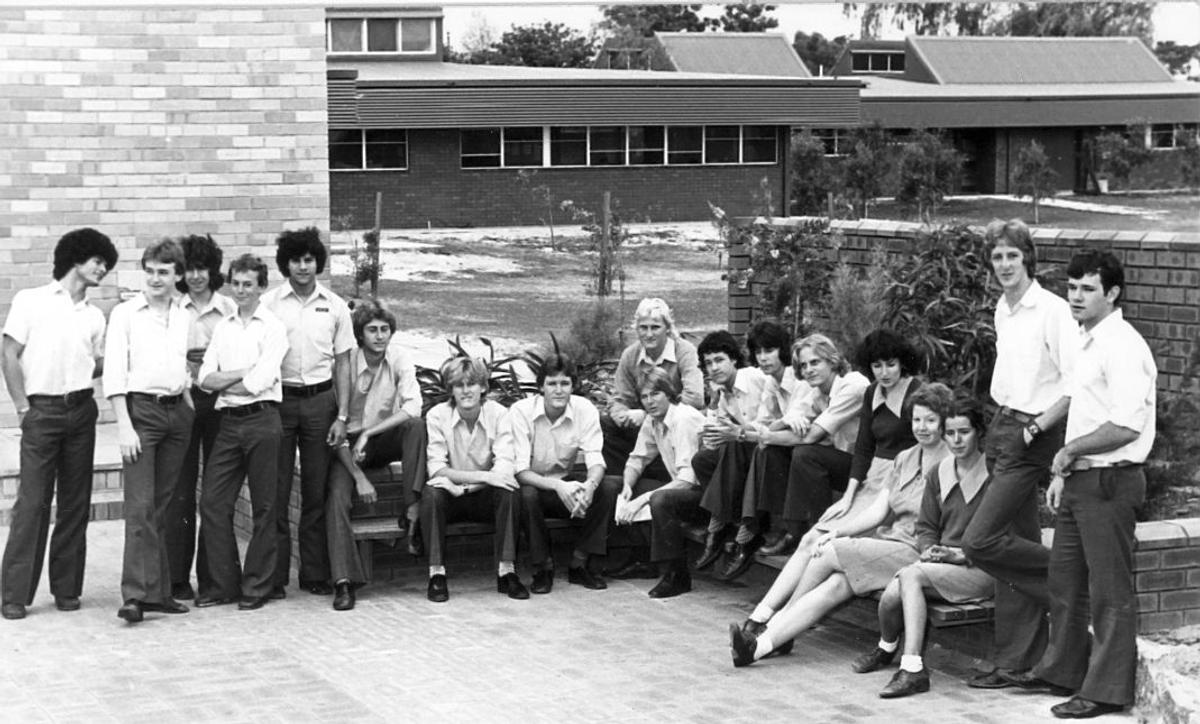
Male and female students in the quadrangle (1979)
Male and female students in the quadrangle (1979)
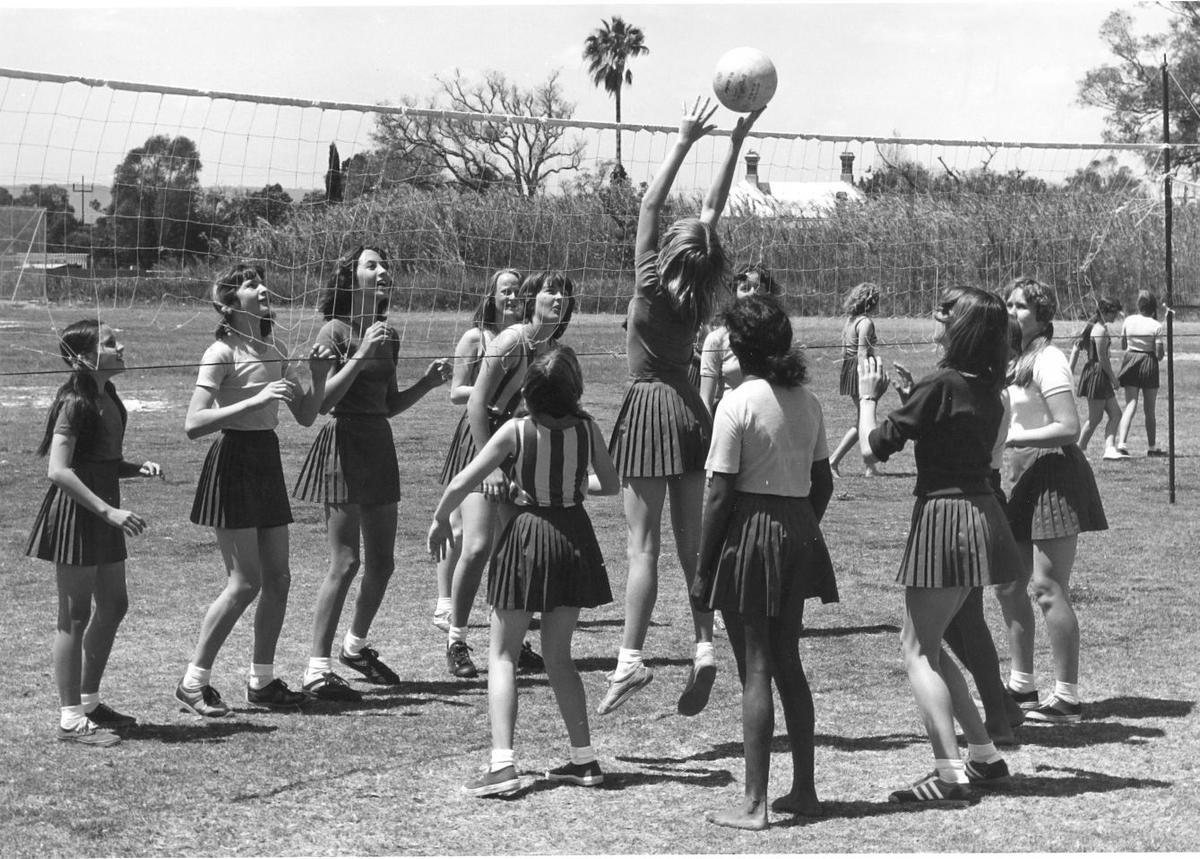
Female students playing volleyball (1979)
Female students playing volleyball (1979)
The late 1970s and early 1980s were characterised by significant development and building projects that transformed the campus. New facilities, including the McMullen Centre, Dawkins Centre, Connell Centre, Premontre Library and Xanten Theatre, provided expanded opportunities for learning, creativity and community engagement. These achievements were made possible through the dedication of countless volunteers, staff and Norbertines who worked together, to improve the College grounds and facilities. The strong sense of shared purpose that had defined the College from its earliest years remained evident throughout this period.
At the heart of these developments were the people who shaped the College. The dedicated staff championed educational innovation and student wellbeing, while generations of students created lasting memories through sport, music, cultural exchanges and lifelong friendships. By 1984, with the completion of a major building program and the opening of key facilities, St Norbert College had firmly established itself as a thriving co-educational community. The foundations laid during this decade would support continued growth and success for generations to come.
From 1985 to 1994, St Norbert College entered what might best be described as its “middle years”, a decade marked by leadership transition, educational innovation and a strengthening of the College’s identity. The departure of long-serving Prior Fr Peter O’Reilly and Principal Des O’Sullivan signalled the beginning of a new chapter. Under the leadership of Principal Tom Corcoran, supported by Carole Hayes and Peter Glasson, the College successfully navigated a period of significant change while maintaining its strong commitment to faith, community and student-centred education.
The decade saw major developments in pastoral care and student wellbeing. In 1987, the introduction of the vertical House system transformed student life, creating smaller Homerooms that brought together students from different year levels and fostered leadership, connection and belonging. The House names of Kilnacrott, Magdeburg, Premontre, Tongerlo and Xanten quickly became central to College culture, building a spirit of friendly competition and camaraderie that remains a defining feature of St Norbert College today. New initiatives such as structured work experience, Principal Medallions, Peer Support programs and expanded career pathways further strengthened opportunities for student growth and achievement.
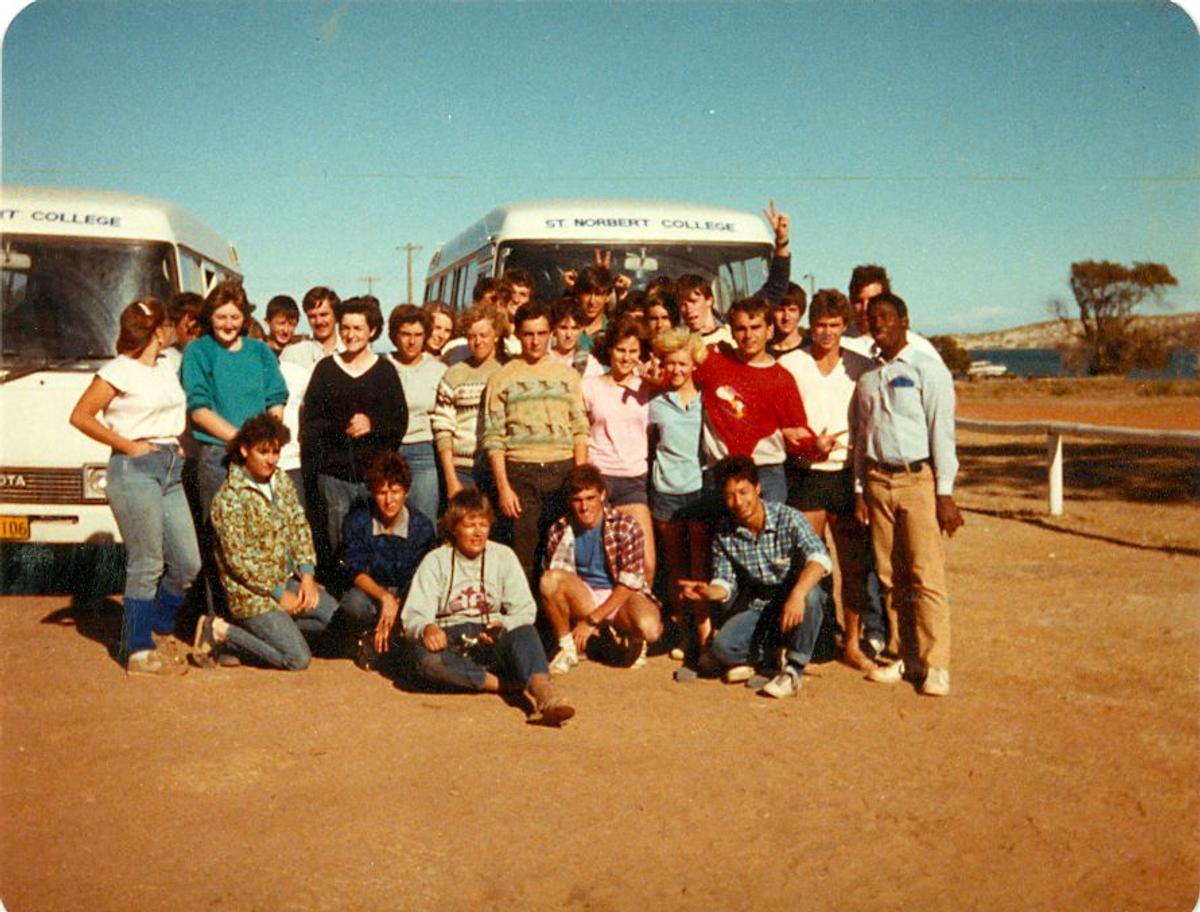
Year 12 Geography Camp (1985)
Year 12 Geography Camp (1985)
Outside the classroom, students embraced a rich range of experiences through sport, camps, debating, drama and music. Adventure camps became a rite of passage, creating lifelong memories and fostering resilience, while the Performing Arts Festival showcased the talents of generations of students through the Xanten Singers, drama productions, debating competitions and the increasingly popular Talent Quest. Sporting success also flourished, highlighted by the College’s 1988 ACC B Division Athletics Championship and the continued development of a strong sporting culture that would later inspire Olympians and elite athletes among the College’s alumni.
The 1990s also brought significant milestones for the wider College community. The Silver Jubilee celebrations, the opening of St Joseph’s Priory Church, the development of the College Mission and Hymn, and initiatives such as Multicultural Day and the Environment Club all reinforced the College’s sense of identity and belonging. The decade concluded with a further leadership change as Fr Peter Joseph Stiglich became Prior and Carole Hayes succeeded Tom Corcoran as Principal. Their stewardship and vision ensured that St Norbert College entered its next phase of growth as a confident, thriving and deeply connected community.
From 1995 to 2004, St Norbert College embraced a period of significant transformation as it entered the digital age while remaining firmly grounded in its Catholic and Norbertine traditions. Rapid advances in technology reshaped teaching and learning, with internet access, computer laboratories and new forms of educational technology becoming integral to school life. As the College moved confidently into the 21st century, it balanced innovation with a continued focus on community, pastoral care and student wellbeing.
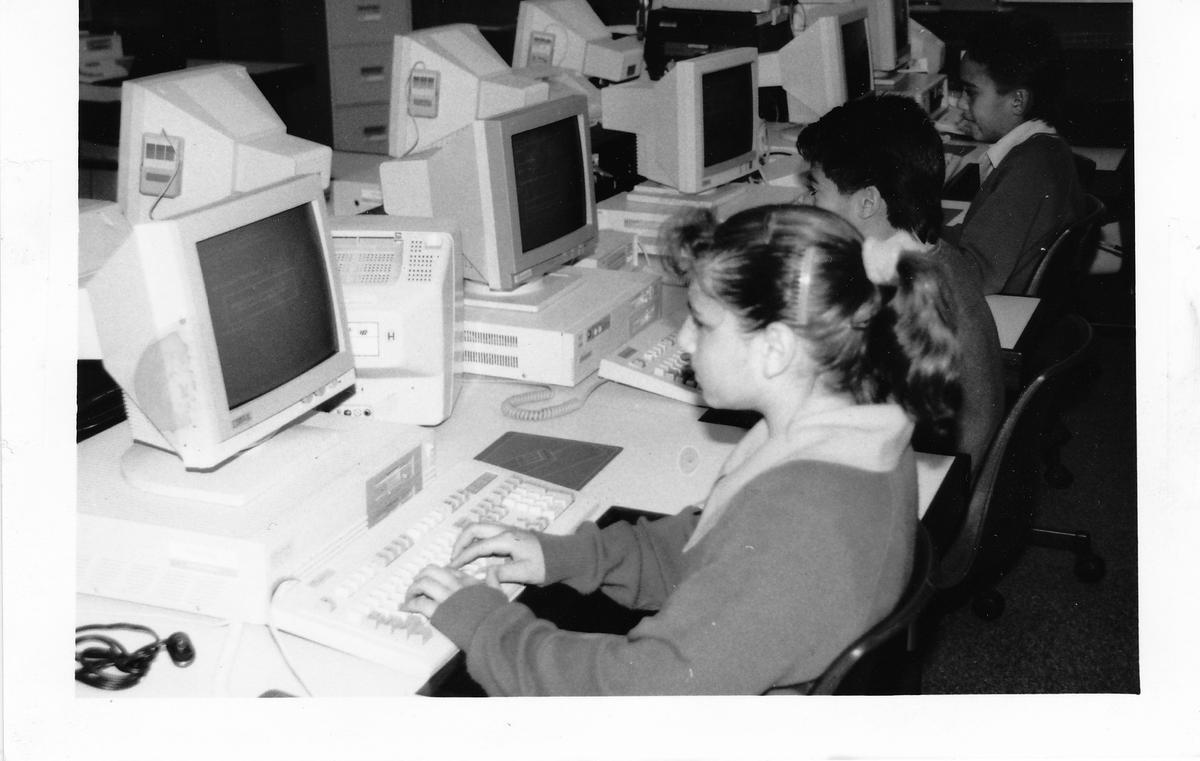
Students embracing new technologies in Computing class (1989)
Students embracing new technologies in Computing class (1989)
A landmark achievement of this decade was the appointment of Carole Hayes as the College’s first female Principal in 1995. Known for her deeply personal and pastoral leadership style, Carole strengthened the sense of care and belonging that has long characterised St Norbert College. She also helped shape the College’s mission and commitment to service, encouraging students to channel their generosity into meaningful outreach initiatives supporting Catholic charities and the wider community. This spirit of service became an increasingly important part of the student experience.
The period also saw major developments in academic, cultural and co-curricular life. The establishment of a dedicated Music Department provided new opportunities for students to develop their talents, laying the foundations for the College’s successful bands and ensembles. Students continued to excel in programs such as Tournament of the Minds, while the introduction of service-learning initiatives, including the Warmun Immersion, encouraged young people to engage thoughtfully with communities beyond the College and live out the values of faith, compassion and social responsibility.
The decade was equally significant in strengthening the College’s connection to its Norbertine heritage. The inaugural European pilgrimage in 2001 gave students and staff a unique opportunity to explore the history and traditions behind the College’s House system and Norbertine roots. Most notably, the community came together in 1999 to honour Fr Peter O’Reilly, whose vision, determination and leadership were instrumental in establishing St Norbert College. The opening of the Fr Peter O’Reilly Centre and the overwhelming tribute paid to him reflected the profound impact he had on generations of students, families and staff. As the College entered a new century, it did so with a strong sense of identity, carrying forward both the pioneering spirit of its founders and a commitment to innovation for future generations.
From 2005 to the present day, St Norbert College has continued to grow as a vibrant and innovative learning community while remaining deeply connected to its Norbertine foundations. Celebrating its 40th anniversary in 2005, the College entered a new era characterised by expanded ministry opportunities, significant building developments and a renewed focus on faith formation. Under the leadership of Principals Peter Hayes, Desirée Grzenda, Annette Morey, Simon Harvey and Sharon Rainford, the College strengthened its reputation for excellence while preserving the sense of community that has always been at its heart.
One of the defining developments of this period was the growth of Student Ministry and Service Learning. The introduction of Quest and Kairos retreats created transformative faith experiences for generations of students, while immersion programs to the Kimberley, India, Cambodia and Indonesia provided opportunities to live out the College’s commitment to service, justice and compassion. These programs, together with pilgrimages and World Youth Day participation, helped students deepen their understanding of faith and community beyond the classroom.
The College also experienced substantial expansion in facilities and programs. Major projects included the Br Patrick Doolan Learning Centre, Cappenburg Language Centre, Trade Training Centre, Xanten Performing Arts Centre and most recently the Gennep building. The arrival of Year 7 students, the introduction of one-to-one laptop learning, and the development of specialised programs in Basketball and Football reflected the College’s ability to adapt to changing educational needs. At the same time, the Arts flourished through award-winning productions, dance tours, visual arts achievements and the continued growth of music and performance opportunities.
Throughout these years, the St Norbert community celebrated remarkable achievements while also honouring those who shaped its history. The legacy of Br Patrick Doolan continues through the Br Pat Medal awarded each year to recognise the outstanding service of a staff member. The challenges of the COVID-19 pandemic demonstrated the resilience and adaptability of students and staff, while recent successes in sport, academic achievement, student wellbeing and faith formation affirm the College’s standing as a school of choice. As St Norbert College celebrates 60 years, it does so with gratitude for its Norbertine heritage, confidence in its future, and a continued commitment to forming young people who will contribute positively to their communities and the wider world.
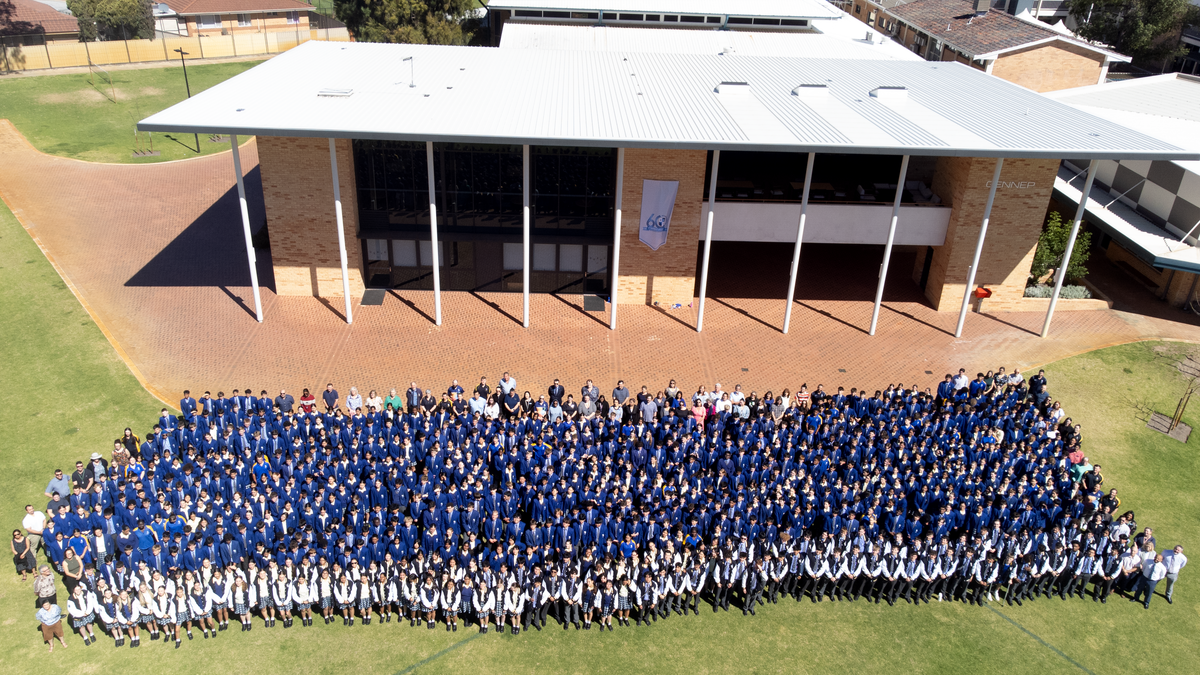
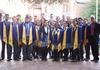
Our College Community (2025)
Our College Community (2025)