College Nurse












 St Monica's College, Epping

Asthma Awareness This Spring
Spring is a beautiful time of year, but for many students it can also bring an increase in asthma symptoms. Seasonal changes, pollen, wind, and respiratory illnesses can all act as asthma triggers, making it important for families to review their child's asthma management plan and ensure they are prepared for the months ahead.
Asthma is one of the most common chronic health conditions affecting children and young people. While many students manage their asthma well, symptoms can sometimes worsen unexpectedly, particularly during periods of high pollen levels, increased physical activity, or when recovering from a cold or flu.
Parents and carers can support their child's health by ensuring:
Their Asthma Action Plan is up to date and uploaded to PAM Medical
Reliever medication (such as Ventolin) is readily available and within its expiry date
Spacers are clean and in good working condition
Students know how and when to use their medication
The College has current health information and emergency contact details.
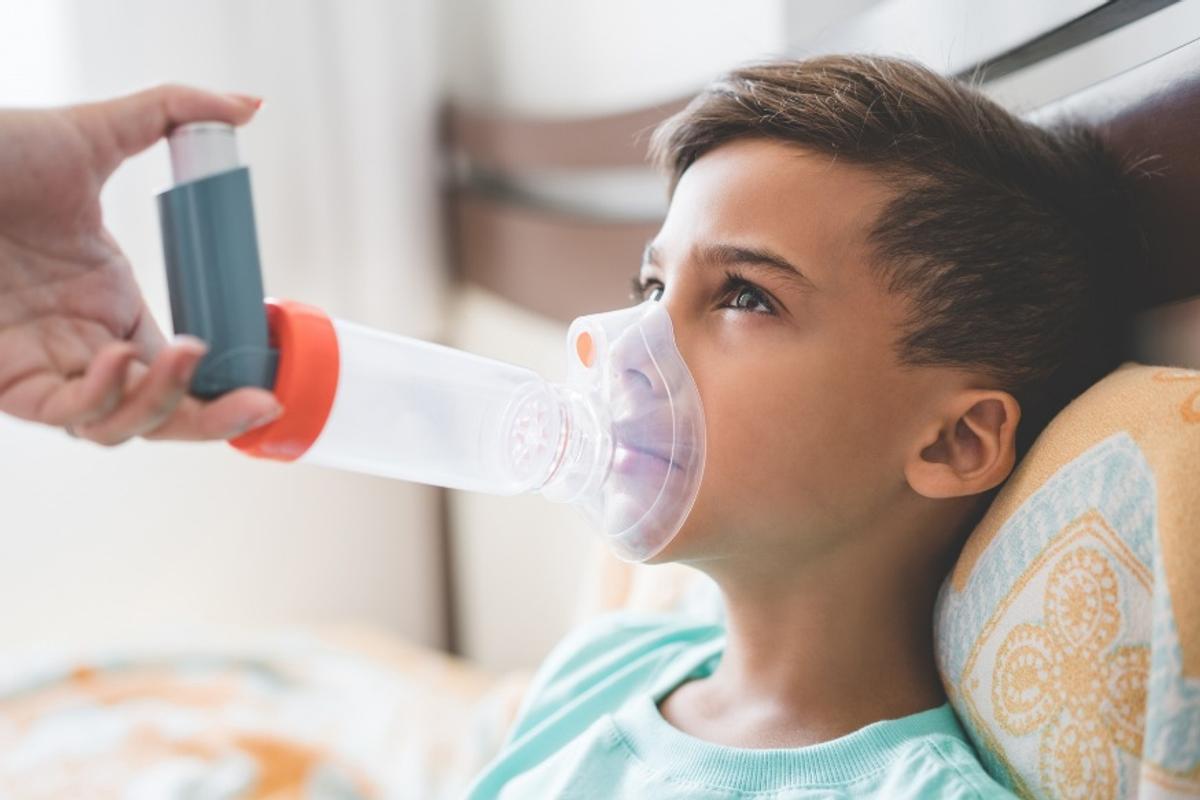
It is important to recognise common signs that asthma may not be well controlled, including:
Frequent coughing, particularly at night or during exercise
Wheezing or whistling when breathing
Shortness of breath
Chest tightness
Increased reliance on reliever medication.
If your child experiences worsening symptoms or requires their reliever medication more often than usual, we encourage you to make an appointment with your GP to review their asthma management plan.
We also encourage students who have asthma to carry their prescribed reliever medication and spacer with them when appropriate. Having medication readily available can help ensure prompt treatment if symptoms develop throughout the school day.
By working together, we can help students with asthma remain healthy, confident, and fully engaged in their learning and school activities.
Mrs V De Frenza
Senior College Nurse
Registered Nurse