Wellbeing
Josie Burt - Mental Health and Wellbeing Leader
Simone Patterson - Visual Arts & Wellbeing
Jenny Greenway - Performing Arts & Wellbeing














Wellbeing
Josie Burt - Mental Health and Wellbeing Leader
Simone Patterson - Visual Arts & Wellbeing
Jenny Greenway - Performing Arts & Wellbeing



We have had some really lovely lunchtime clubs sessions in weeks 4-6. Students are keen to help with clean up and are demonstrating our school values consistently - the SWPBS Values Tickets are proving a great motivator. A special thanks to Taya, Vivaan, Zawata and Ishman who are ready to help every day!
This term we are happy to welcome Jessyca to our school. Jessyca is on a placement completing her Masters of Counselling at Monash University. She has been visiting classrooms getting a feel for the supports we put into place, and determining how best she can support our students and teachers. From week 6 onwards Jessyca with work with students 1 to 1 and in small groups within the classroom. If you have received a consent form please return it to your child's teacher as soon as possible.
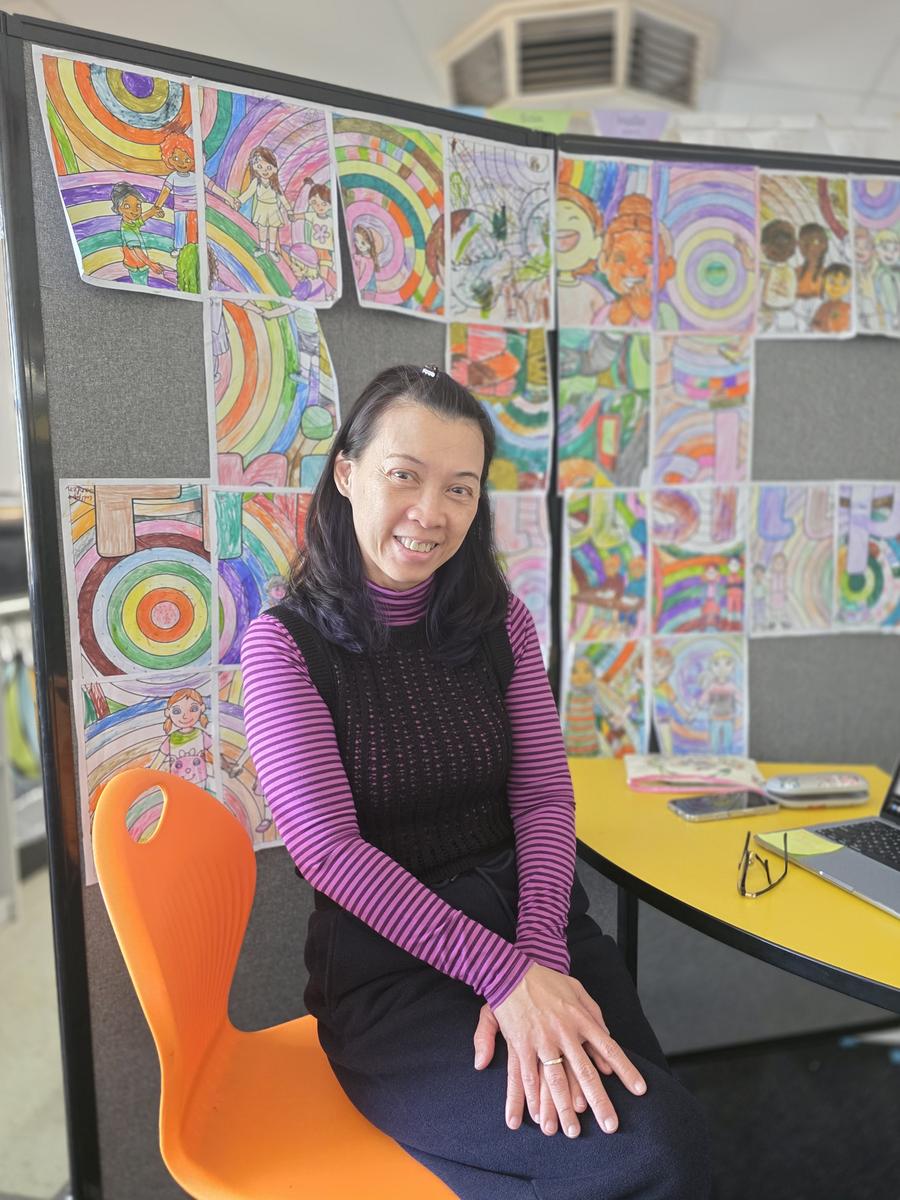
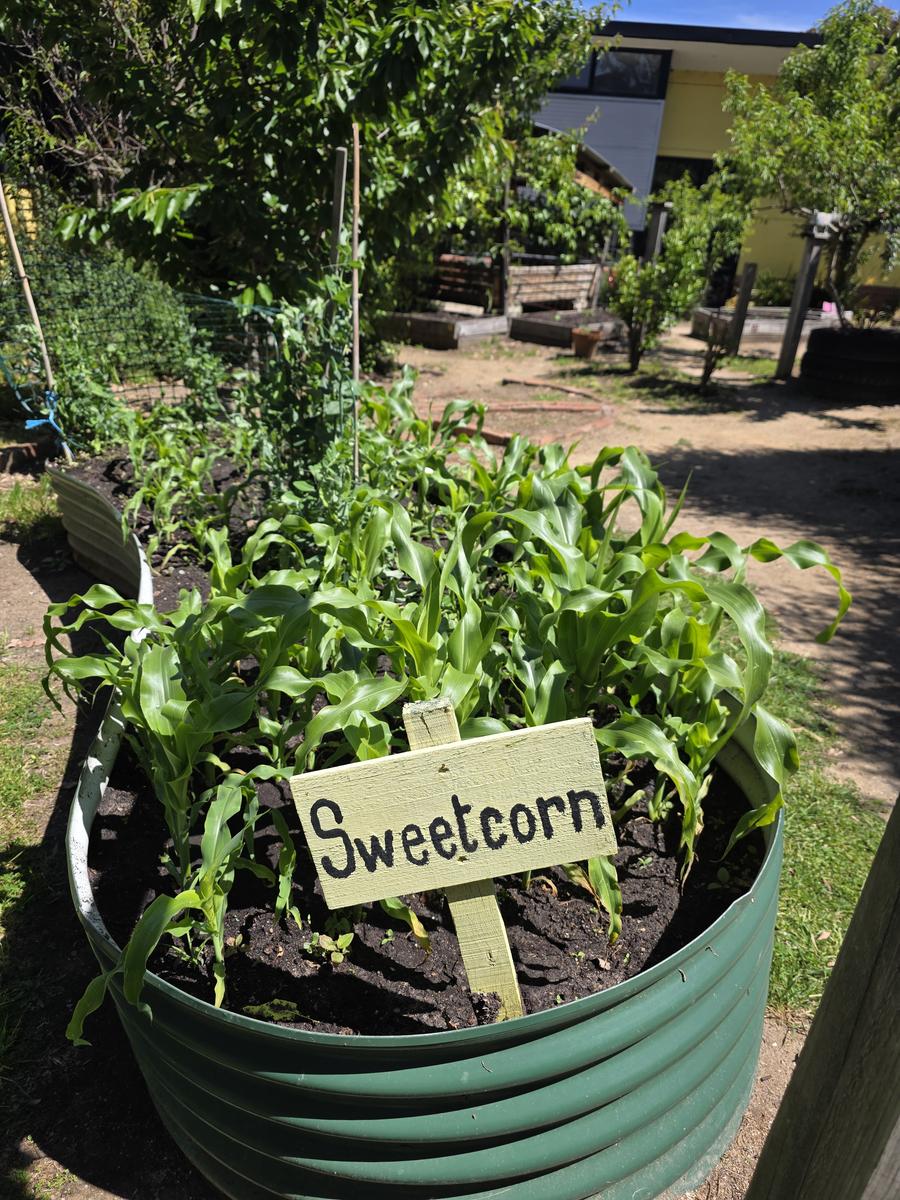
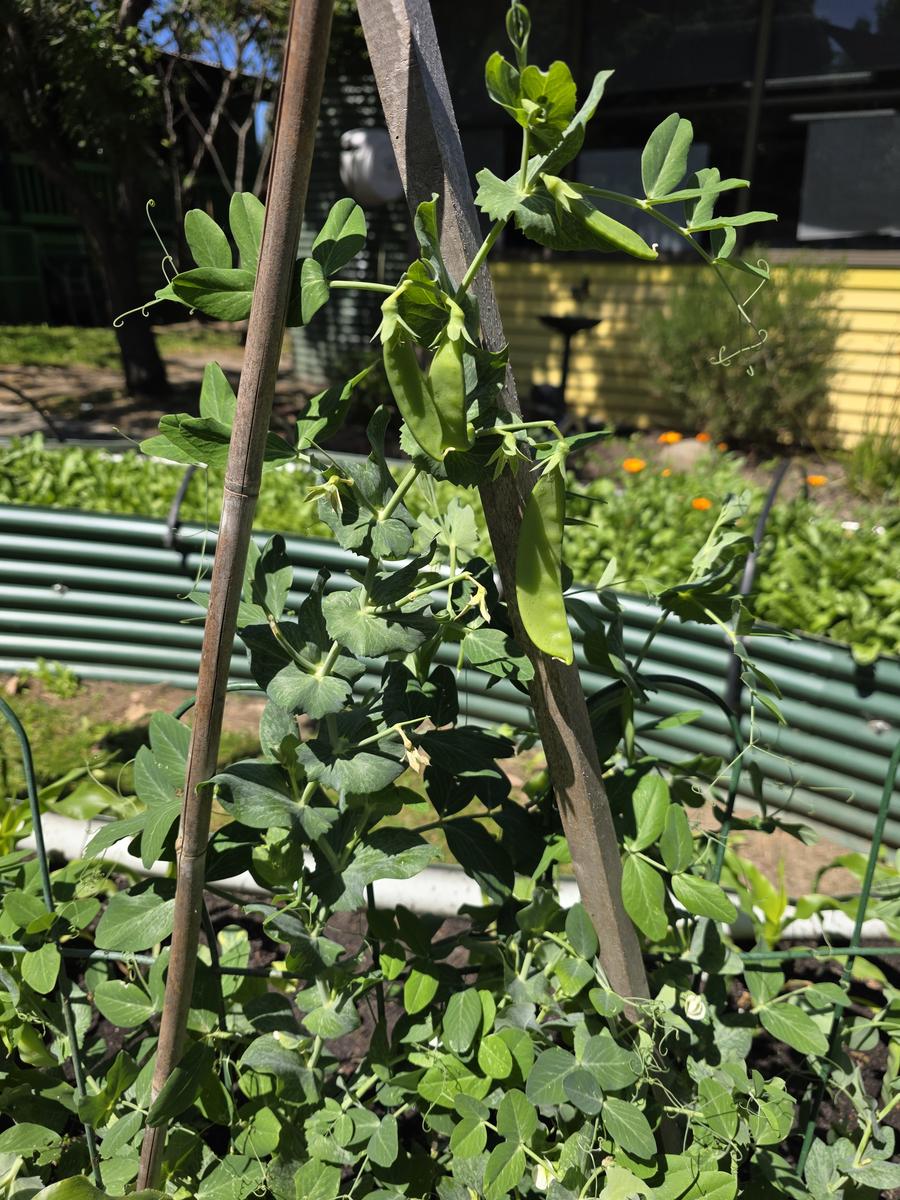
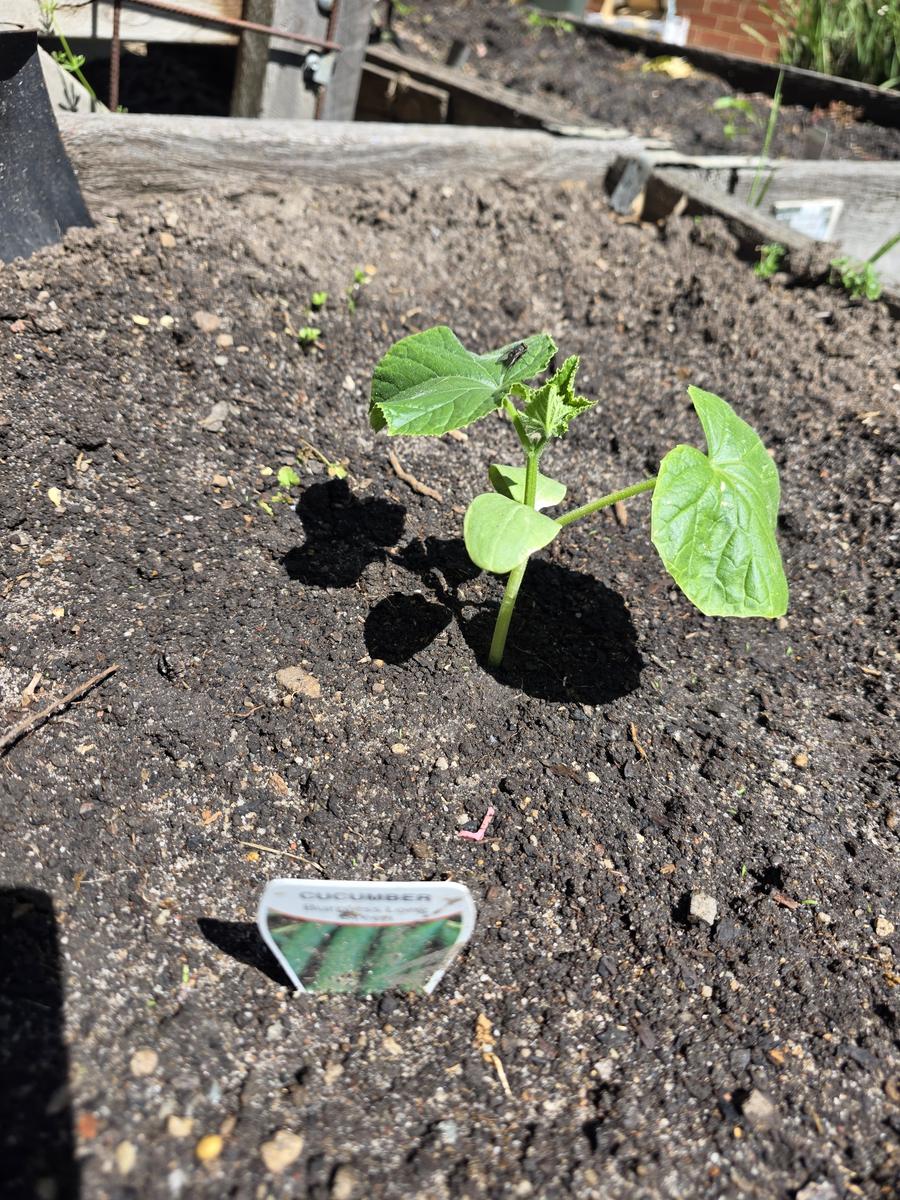
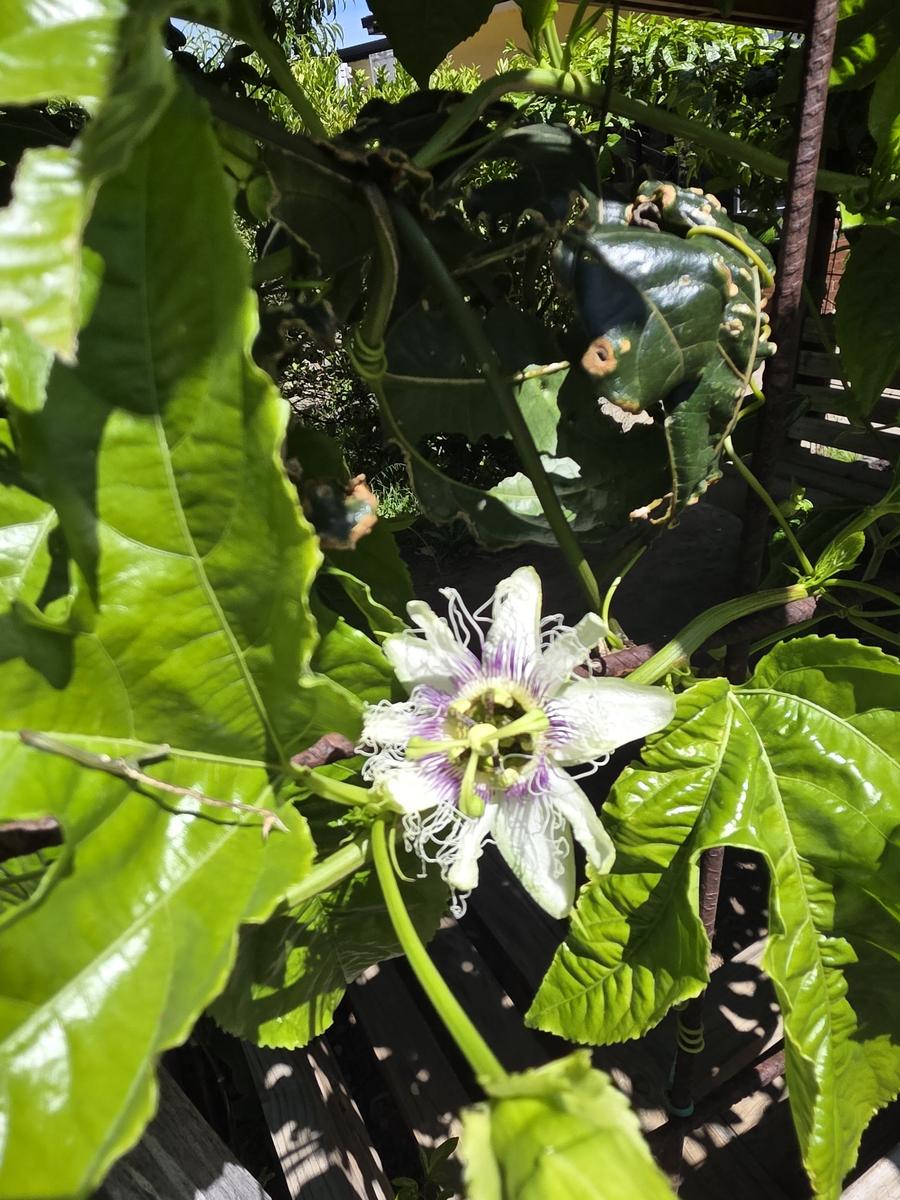
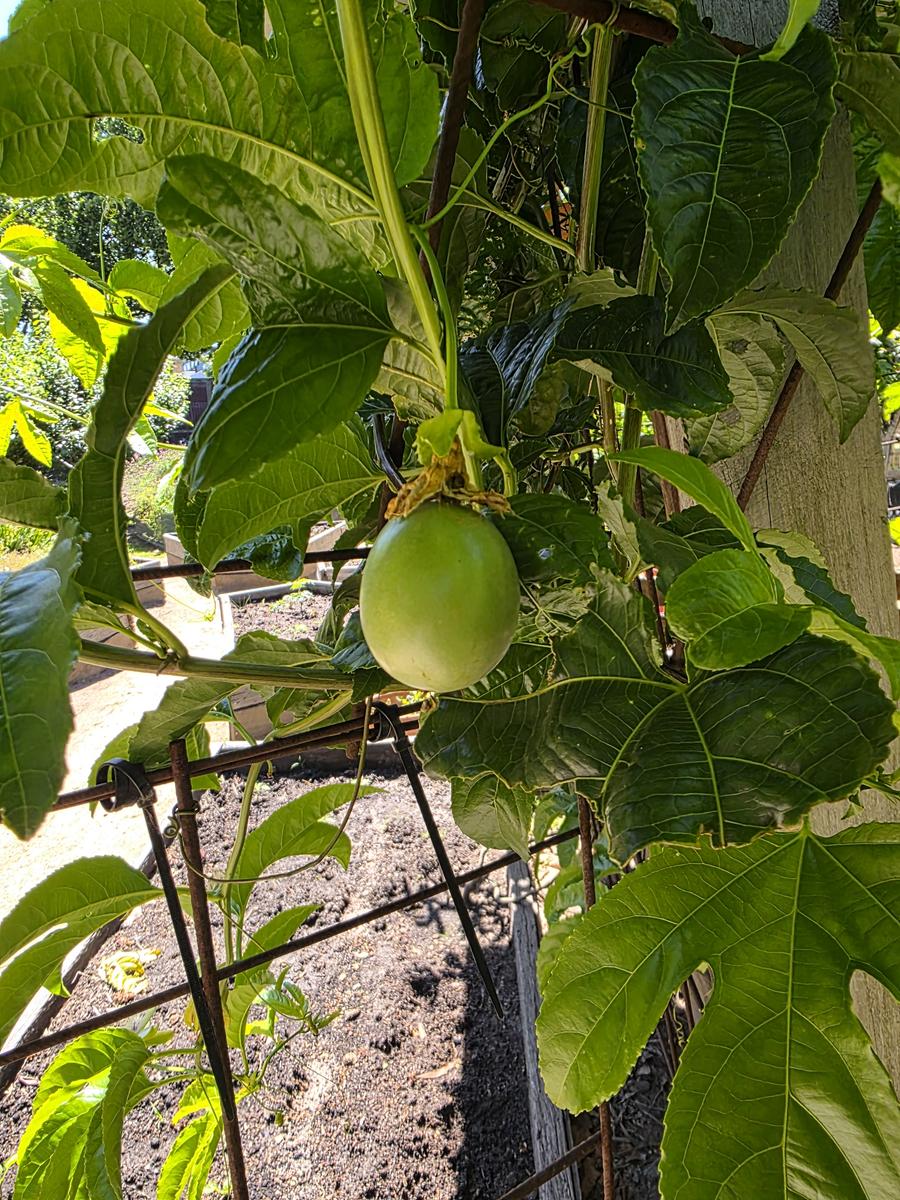
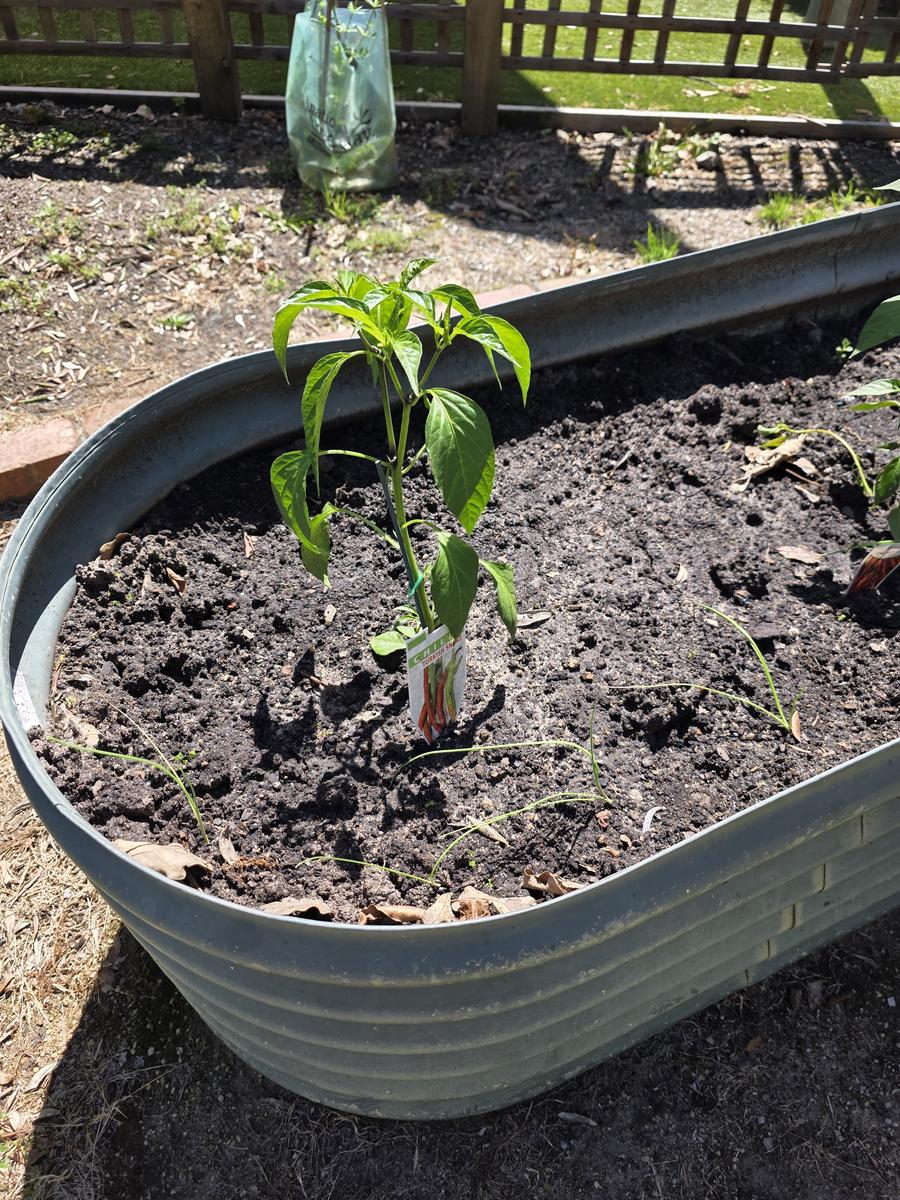
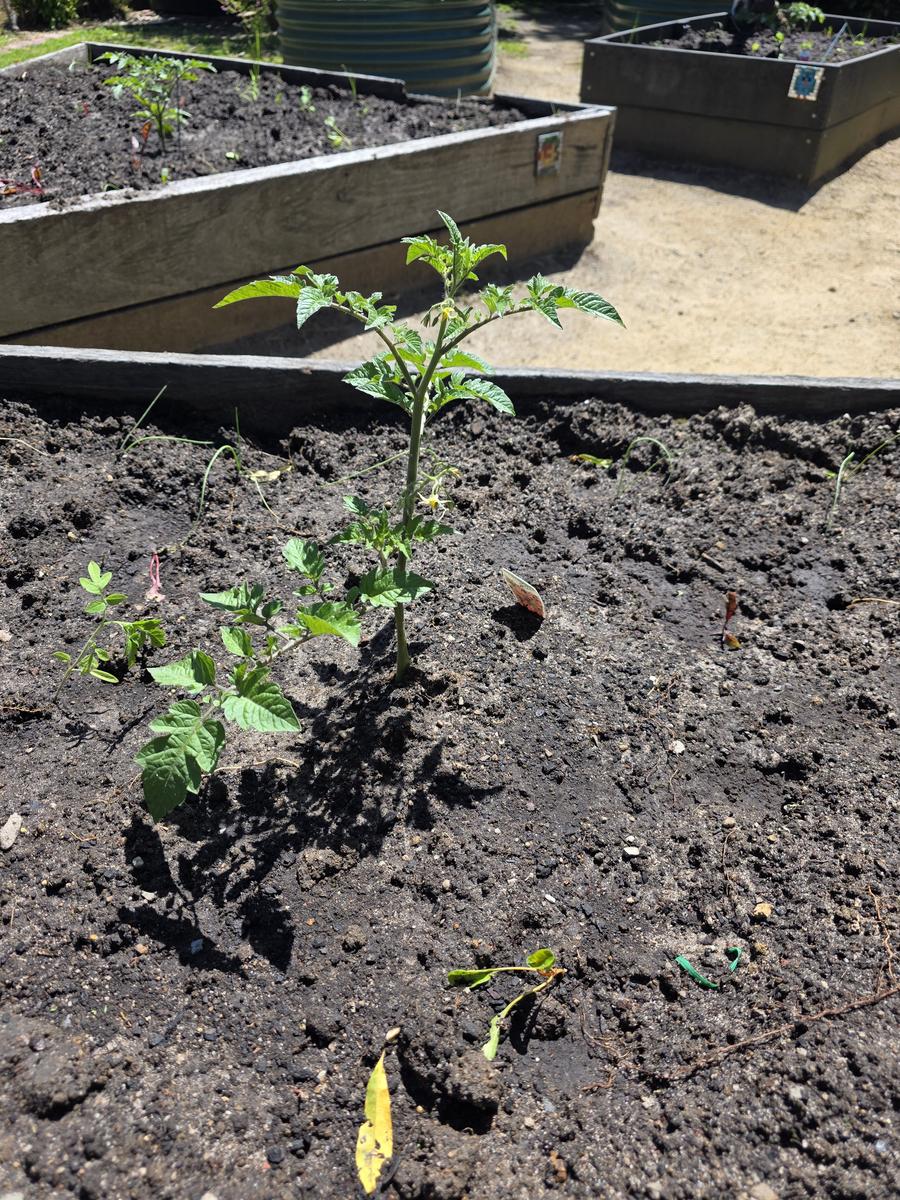
We are starting to reap the benefits of the planting we completed during Term 3. The snow peas are delicious and keep coming. Our sweetcorn is now more than 60 cm tall - if we are lucky we might see some ears of corn before the end of term. There are plenty of other fruits and vegetables beginning to grow - but please check with a teacher before you pick anything (not much is ready to eat yet).

A new year level is an important milestone in every child's learning journey. It can be exciting, but also a little nerve-racking, with new classmates, teachers, routines and expectations.
A successful transition is about much more than moving into a different classroom. It is about helping every child feel safe, valued, connected and ready to learn.
Staff work collaboratively well before the year ends to ensure students are thoughtfully placed into classes, have opportunities to become familiar with their new learning environment, and receive the support they need to begin the school year positively.
It takes time, professional judgement and collaboration between teachers and school leaders. During Term 4, teachers begin working collaboratively to develop class groupings for the following year. Teachers share what they know about each child's learning, social development, wellbeing and participation. The principal and school leadership team oversee the process, balancing the needs of each student alongside those of the broader year level.
The aim is to create classrooms that are balanced, inclusive and supportive, where every student can learn, make friends and build confidence.
When developing class groups, staff consider a range of factors, including:
Learning needs and progress: current achievement, learning goals, strengths and areas where additional support or extension may be needed. Classes aren’t based on academic ability alone, and schools aim for an even spread of ability across classes.
Social and emotional wellbeing: confidence, independence, social skills and peer relationships.
Friendships: chances to keep supportive connections, while making new ones and learning to work with a range of classmates.
Classroom dynamics: the mix of personalities, learning behaviours and individual needs that contributes to a positive learning environment.
Individual circumstances: information about students who may benefit from adjustments or additional transition support.
Class structure and staffing: student numbers, available staff and the school’s overall needs.
Teachers consider these factors collectively to create classes that support learning.
Friendships matter, and they help children feel confident and connected. However, joining a new class is also an opportunity to build independence, make new friends and learn to work with different people. Teachers consider friendships alongside learning needs and the balance of each class.
Schools value the knowledge that families bring about their children. Parents and carers may have important insights into a child's learning, wellbeing or circumstances that can help schools make informed decisions.
Schools will rarely consider requests for specific teachers, and not every request can be accommodated. The principal makes final class placement decisions, considering the needs of all students and the best interests of the school community.
Families play an important role in helping children approach a new school year with confidence. A calm, positive message from home, combined with open communication between families and teachers, can make a meaningful difference.
You can support your child by:
Talking positively about the new year. It’s normal to feel excited, nervous or both. Share a time you started somewhere new, like a new job or group, and how the nerves faded once things felt familiar.
Encouraging flexibility and new friendships. Existing friendships can continue while your child meets other classmates.
Building independence. Let them organise their belongings, manage simple routines and ask for help.
Listening to their worries. Give your child the space to share how they’re feeling, without rushing to fix things.
Staying in touch with the school. If you’re concerned about adjustment, learning or wellbeing, contact the teacher or school leader. Working together can help children develop the confidence and resilience to navigate challenges.
Allowing time to settle. Adjusting to a new class can take several weeks. Patience, encouragement and consistent routines at home help.
We have received updated information for some valuable online parent sessions that may be of interest to our families:
How connection and belonging shapes children and young people’s vulnerability online
2 December 2026, 12.30pm
Supporting healthy tech use as your child transitions into secondary school
24 November 2026, 12.30pm
Webinars relating to
Understanding Anxiety & Depression to Foster Resilience
Digital Media Literacy and Safety

Puberty & Relationships
Puberty is a time of significant change, bringing new experiences, emotions and questions for young people and their families. Alongside physical development, children and adolescents are navigating changing friendships, growing independence and an emerging sense of identity. These changes can feel exciting, confusing and sometimes overwhelming.
Conversations about puberty and relationships need to start early, before these changes begin. Introducing age-appropriate discussions about bodies, feelings, personal boundaries and respect helps lay the foundation for later conversations about consent and intimate relationships. For adult carers, this means creating regular opportunities to talk, listening without judgement and letting children know their questions are always welcome.
This Special Report provides practical guidance to help families start these conversations early and keep them going as children grow.
Here is the link to this topic http://claytonnorthps.vic.schooltv.me/wellbeing_news/special-report-puberty-relationships-au