Wellbeing Supports Update

SchoolTV
Each week we will be sharing resources from SchoolTV in line with what is happening in our school environment.
In this edition of SchoolTV - Cyberbullying
Overview of this edition: Cyberbullying
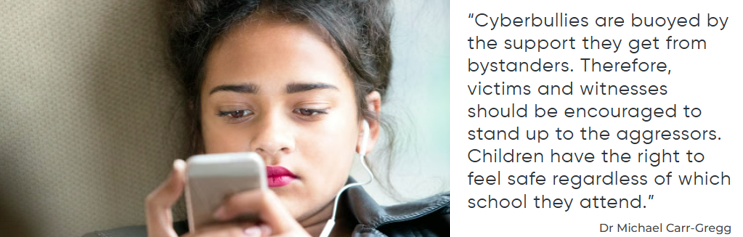
Cyberbullying is a form of bullying using technology such as the Internet or mobile phone. It can be shared widely and quickly with a lot of people, making this form of bullying extremely dangerous and harmful. It has become increasingly common, especially among teenagers. Cyberbullying can be identified as being repeated behaviour by an aggressor with an intent to harm or embarrass someone. This type of behaviour can include posting rumours about a person, posting direct threats or sexual remarks, even disclosing a victim’s personal information. Internet trolling is another common form of cyberbullying often found in online gaming or social media circles. Internet trolls often do this to elicit a reaction or disruption from their victim purely for their own personal amusement.
Here is the link to this topic: https://mcsc.vic.schooltv.me/newsletter/cyber-bullying
The Mordialloc College Difference
Working Together for Student success
At Mordialloc College, we believe students achieve their best when families, students, and the school, work together in a supportive and consistent way. Our approach to wellbeing is built around strong relationships, shared understanding, and clear communication.
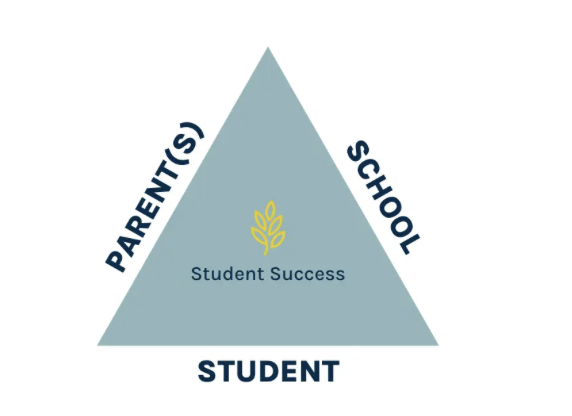
We use a collaborative model called the “Triangle of Engagement,” which places the student at the centre of a partnership between home and school. This approach helps ensure students feel supported both academically and emotionally, while also encouraging them to take increasing responsibility for their own growth and progress.
Every student’s needs are different, so support plans are tailored to the individual. Together, families, staff, and students identify clear goals and agree on practical strategies that will help the student succeed. These goals may relate to learning, attendance, emotional wellbeing, confidence, behaviour, or social connection.
An important part of this process is helping students develop a sense of ownership. Students are encouraged to reflect on their progress, communicate openly, and recognise the important role they play in achieving positive outcomes. At the same time, the school provides guidance, structure, and ongoing support, while families help reinforce routines, encouragement, and consistency at home.
What makes this approach effective is the shared commitment between everyone involved. Regular check-ins allow progress to be reviewed, successes celebrated, and strategies adjusted if needed. This ensures support remains flexible and responsive as students grow and their needs change.
Beyond immediate goals, this model also helps students build important lifelong skills such as resilience, accountability, confidence, and self-awareness. By working together in a respectful and collaborative way, students learn they are supported, capable, and not expected to navigate challenges alone.
At Mordialloc College, we value the importance of strong partnerships with families and recognise that meaningful progress happens when students feel connected, understood, and supported by the people around them.