RE News



 St John Vianney's Catholic Primary School
Scripture Reflection
Whenever you serve the least of people, you serve Christ.
Gospel Reflection
This week’s gospel is the final passage in Matthew’s gospel before the passion narrative – the death and resurrection of Jesus. As such, it provides a powerful end point to the teaching ministry section of the gospel. In many ways this passage can be seen as a summary of Jesus’ vision for the Kingdom – a world in which the hungry, the thirsty, the stranger, the naked and the imprisoned are treated with respect and dignity as a child of God. This is exactly what Jesus himself did throughout his ministry and it is what all Christian people are called to do.
Like the virtuous people of the passage, there are many times when we do not know the good work that we do.
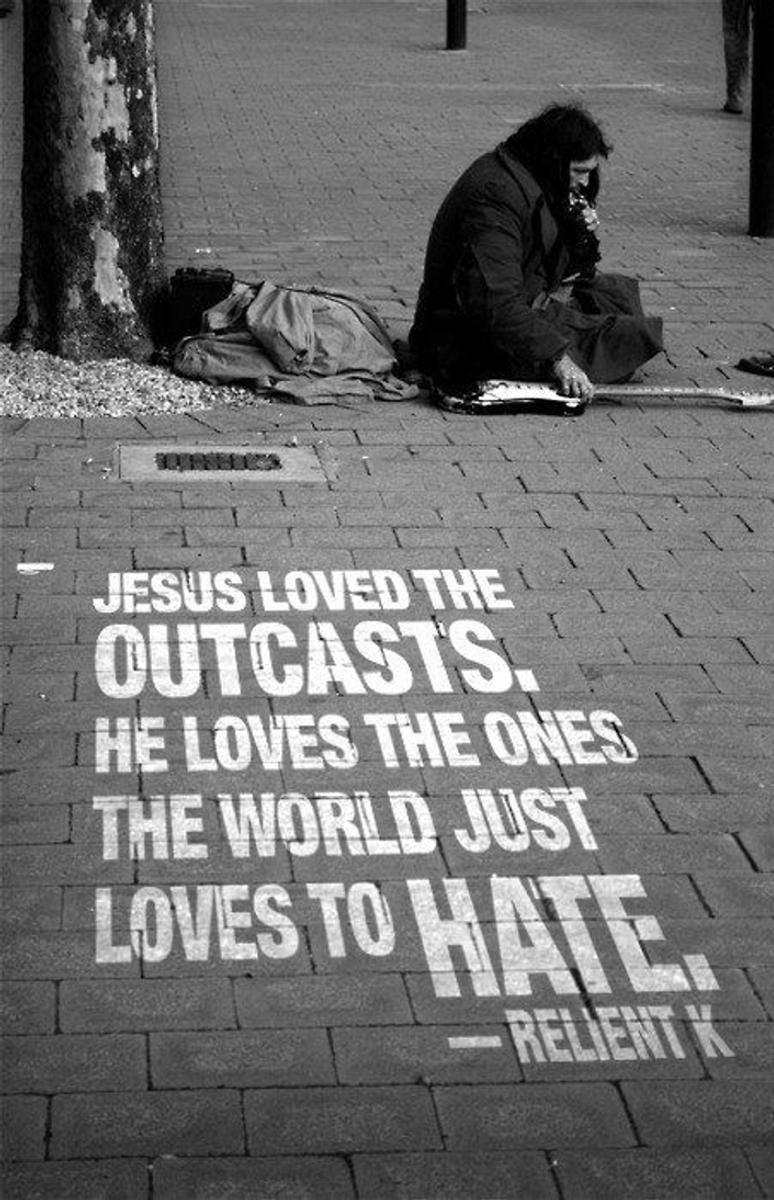
There are many times when our positive interaction with another person can be the difference between hope and despair for that person – and we may never know the difference we have made in their life. The challenge presented by Jesus is that whenever we see a person in need our response to them should be as if we were responding to Jesus himself.
But what of the times we fail to respond to the hungry, the thirsty, the stranger, the naked and the imprisoned? Who are they for us? … That irritating person who we’ve never been able to get along with? … That person who’s just arrived in the country and can’t speak the language properly? … That kid who always looks dirty and nobody talks to? … That girl who’s no good at relating to other people and everyone avoids her? … The homeless man in the street who asks for money? … The asylum seeker fleeing their country who didn’t go through all the right channels to immigrate? … Lord, when did we see you, and not come to your help?
Scriptural context – Matthew 25
This week’s gospel passage comes as the third in a sequence of passages that make up Matthew Chapter 25. The chapter addresses the gospel’s intended audience who were caught in a time of uncertainty. Many had expected the promised return of the Lord within their lifetime and had seen the fall of Jerusalem and the destruction of the Temple by the Romans in 70 CE as a sign that the end of days was approaching. The three gospel passages speak of continuing to prepare for the coming of the Kingdom and the need to act in a way that works to bring about the reign of God in the world.
Have you thought? – Christ the King
This week’s liturgy marks the end of the liturgical cycle. Next week begins the new year with the season of Advent. The liturgy is celebrated as the Feast of Christ the King – reminding us of
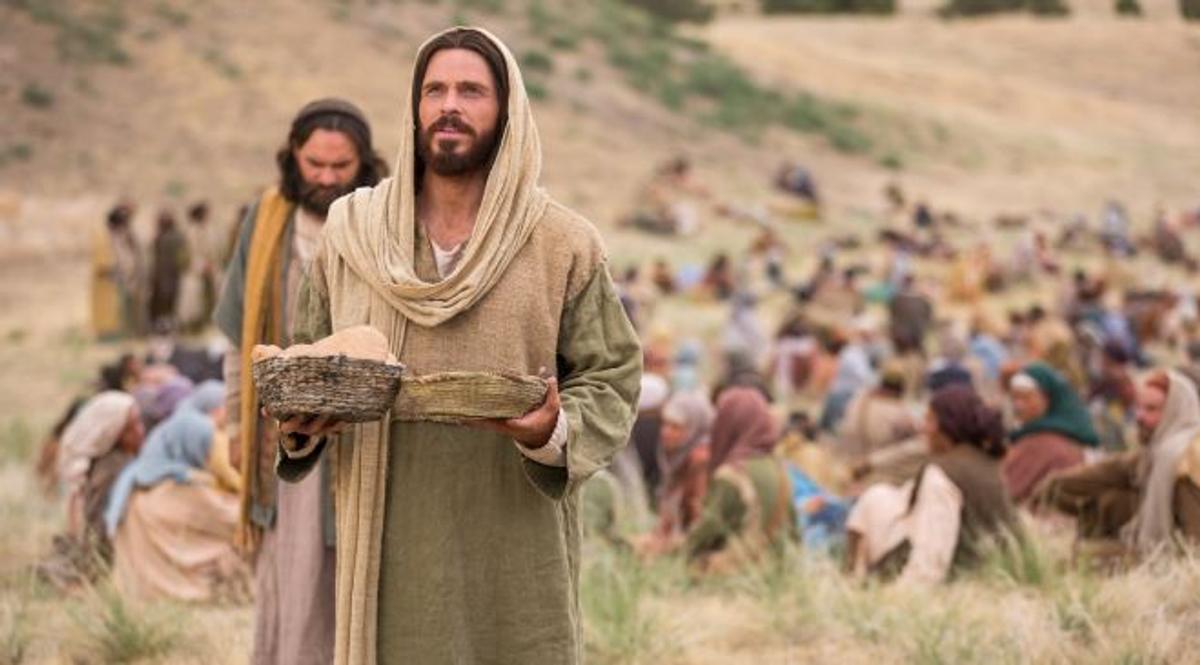
a very imperial model of church and theology that reflected the structure of the Roman Empire and later, Feudal Europe. To have this reading on the feast of Christ the King is a powerful reminder of how Jesus envisaged the Kingdom of God. For Jesus, the Kingdom was not a rule of power and status but a rule of justice and peace for even the lowliest. It is an apt conclusion to the liturgical year.