
Deputy Principals
Sarah Bretag, Danielle Walsh, Natalie Conway

Deputy Principals
Sarah Bretag, Danielle Walsh, Natalie Conway
1. What’s changing – Social Media Minimum Age
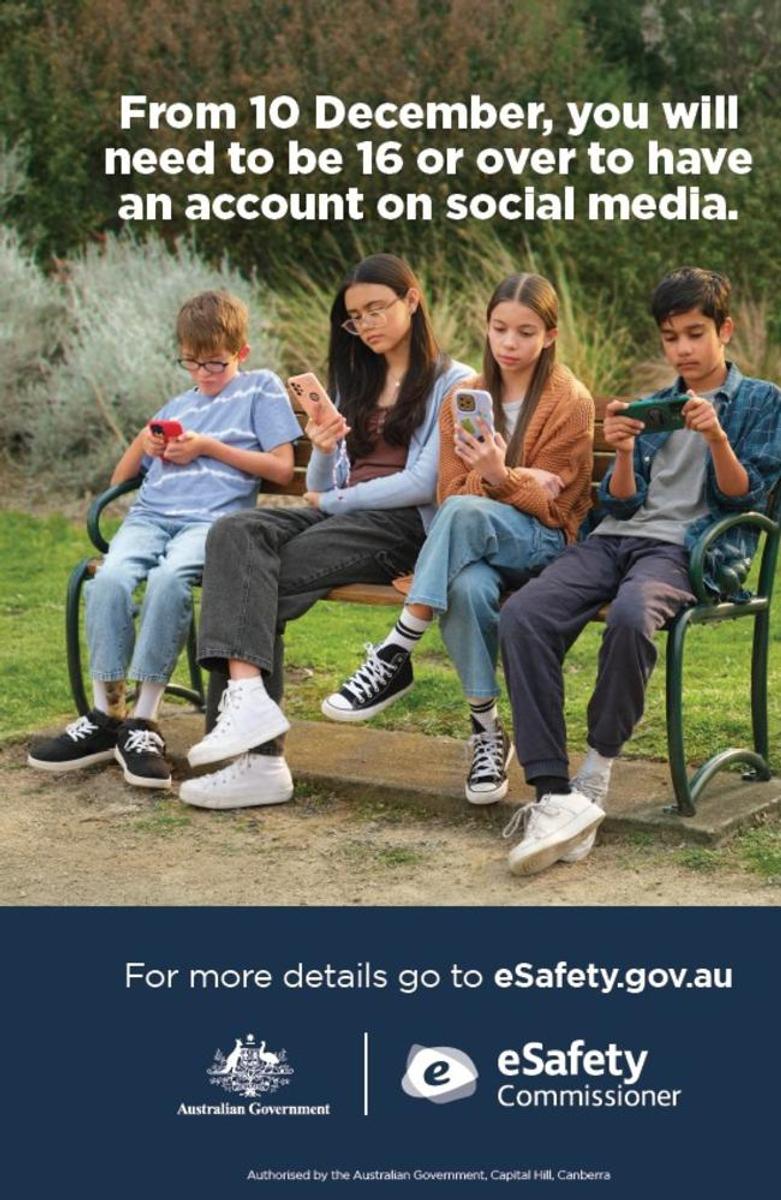
The Australian Government has introduced a new framework under the Online Safety Amendment (Social Media Minimum Age) Act 2024 which raises the minimum age for creating or maintaining accounts on certain social media platforms to 16 years.
Key points:
From 10 December 2025, platforms defined as “age-restricted social media” must take reasonable steps to stop anyone under 16 from holding an account. eSafety Commissioner+1
The rule applies to platforms whose significant purpose is online social interaction (for example posting, commenting, linking with others) – popular examples include apps like Instagram, TikTok, Snapchat and X (formerly Twitter). eSafety Commissioner+1
Importantly: the focus is on the social media platforms’ obligations (to verify age or otherwise prevent under-16s holding accounts) rather than punishing young users or their parents. InfraTransportArts+1
This is a significant shift designed to support young people’s wellbeing and to provide a uniform national standard across Australia. lismoreapp.com.au+1
2. Why it matters for our school and our young people
As a school community dedicated to the overall wellbeing of our students (not only their academic growth), we recognise the strong intersection between students’ online lives and the health of our learning environment. The new rules reflect growing evidence of the risks associated with early social media use such as distraction, anxiety, disturbed sleep and reduced face-to-face interaction. NSW Government+1
From our perspective:
For younger adolescents (for example students aged 13-15), this legislation offers a timely opportunity to pause and reflect: “Is this social media platform appropriate for me right now?”
It reminds us all—students, parents, carers and staff—of the importance of digital citizenship: safe, respectful, balanced online behaviours.
It complements our school’s ongoing efforts around cyber-bullying, device use protocols, and promoting healthy screen-time habits.
It provides a clear imperative to engage in proactive conversations at home and at school: about when, why and how students use social media—rather than leaving it to happen unchecked.
For parents/carers:
Talk with your child about what social media they use (or would like to use) and ask them: why do you use it? What are the benefits? What are the risks?
Consider household rules or agreements around device use and social media: e.g., times when devices are off-limits (bedtime, family meals), check-in conversations about what is being posted, who is being followed, what the student sees/consumes.
Be aware of the upcoming legal age-restriction on accounts for under-16s. While the legislation will place the burden of restriction on platforms, it gives you added leverage and confidence when discussing whether an account is appropriate now.
Monitor for signs of digital overload: less sleep, mood changes, distraction from schoolwork, increased anxiety. These may indicate it’s time to step back from social media and review usage.
You can view the clip For the Good of...Social media minimum age advertisement HERE
The legislation to raise the minimum age for social media use to 16 marks a milestone—but it is not a silver bullet. It sets a clearer boundary for our young people, but the core of the work remains relational: building trust, talking openly, modelling good digital habits, and supporting our young people to be safe, responsible and resilient in an online world.
As a school, we are committed to working hand-in-hand with families and students on this front. Our shared goal is to ensure that technology and social media serve our young people’s growth—not hinder it.
If you have any questions, want to access parent-friendly resources or wish to discuss how we can support a student’s healthy online engagement, please feel free to contact our wellbeing team or access the eSafety Commissioner site HERE.
Thank you for your ongoing support in helping our learners succeed both online and offline.
At our school, we believe that effort and positive behaviour should be celebrated. One of the ways we recognise our outstanding students is through our Rewards Excursions – a highlight of the school term/semester for both students and staff.
These excursions are offered to students who maintain attendance above 80% and who consistently demonstrate our school’s core values of Respect, Responsibility, Commitment and Cooperation. Whether it’s showing kindness in the playground, working hard in class, or representing our school with pride, these students model what it means to be part of our learning community.
To acknowledge their efforts, the school heavily subsidises these excursions, ensuring that cost is not a barrier to participation. It’s our way of saying thank you to students who contribute positively to our school culture every day.
Rewards Excursions are more than just a fun day out – they build connection, celebrate success, and reinforce the message that positive choices lead to positive opportunities. We are incredibly proud of the students who have earned their place on these excursions and look forward to celebrating their achievements together.