Term 3 Learning Summary
English
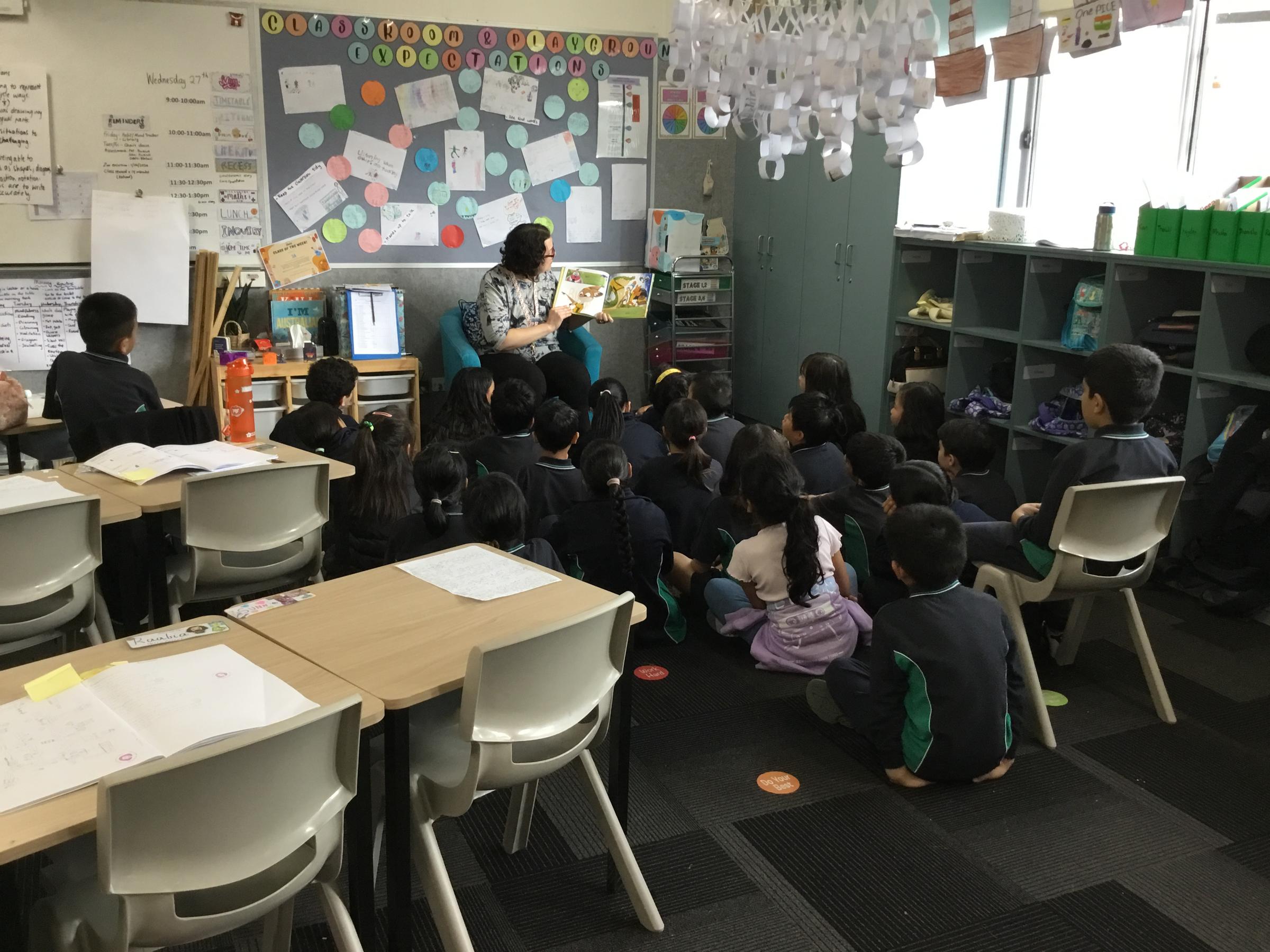
Throughout Term Three, students will continue to engage with a rich range of narrative and informational texts through Ochre Education’s English resources. Learners will explore novel The Iron Man with a focus on narrative features and developing their comprehension skills. They will identify key ideas, analysing text structures, and making meaningful connections between characters, settings, events and information to deepen their understanding across both imaginative and factual contexts.
In addition, students will engage with the text Finding Our Heart to develop personal responses and deepen their understanding of perspectives, experiences and ideas. They will examine how different text types are organised to inform, describe, persuade and narrate ideas and perspectives. Students will be explicitly taught to identify purpose, audience and key language features, such as topic-specific vocabulary, sequencing, descriptive language and structural features, and will practice these skills through guided discussion and regular retrieval activities. Explicit teaching of key vocabulary will support students to confidently understand, use and apply new words across both information and narrative texts, strengthening their reading, speaking and writing skills.
Students will plan, draft, revise and edit their own information reports and narrative texts, focusing on creating clear and logical structures, selecting precise vocabulary, and applying accurate spelling patterns, punctuation and grammar. They will apply their understanding of information report writing through researching and connecting themes and ideas explored in Finding Our Heart, while also developing narrative writing skills inspired by The Iron Man, including character development, setting description and coherent story structure.
Students will participate in structured discussions, share their ideas and responses to texts, and practice speaking clearly and confidently for different purposes and audiences. They will build their ability to listen actively, ask and answer questions, and respectfully engage with others’ ideas through partner, small group and whole-class activities, drawing on themes and ideas from both texts.
Lessons are underpinned by evidence-based practices from the Science of Learning, including explicit instruction and regular checking for understanding to support all learners in building confidence and success in English.
Key Vocabulary:
Character
Setting
Sequence
Purpose
Paragraph
Edit
How can you support your child’s English learning at home?
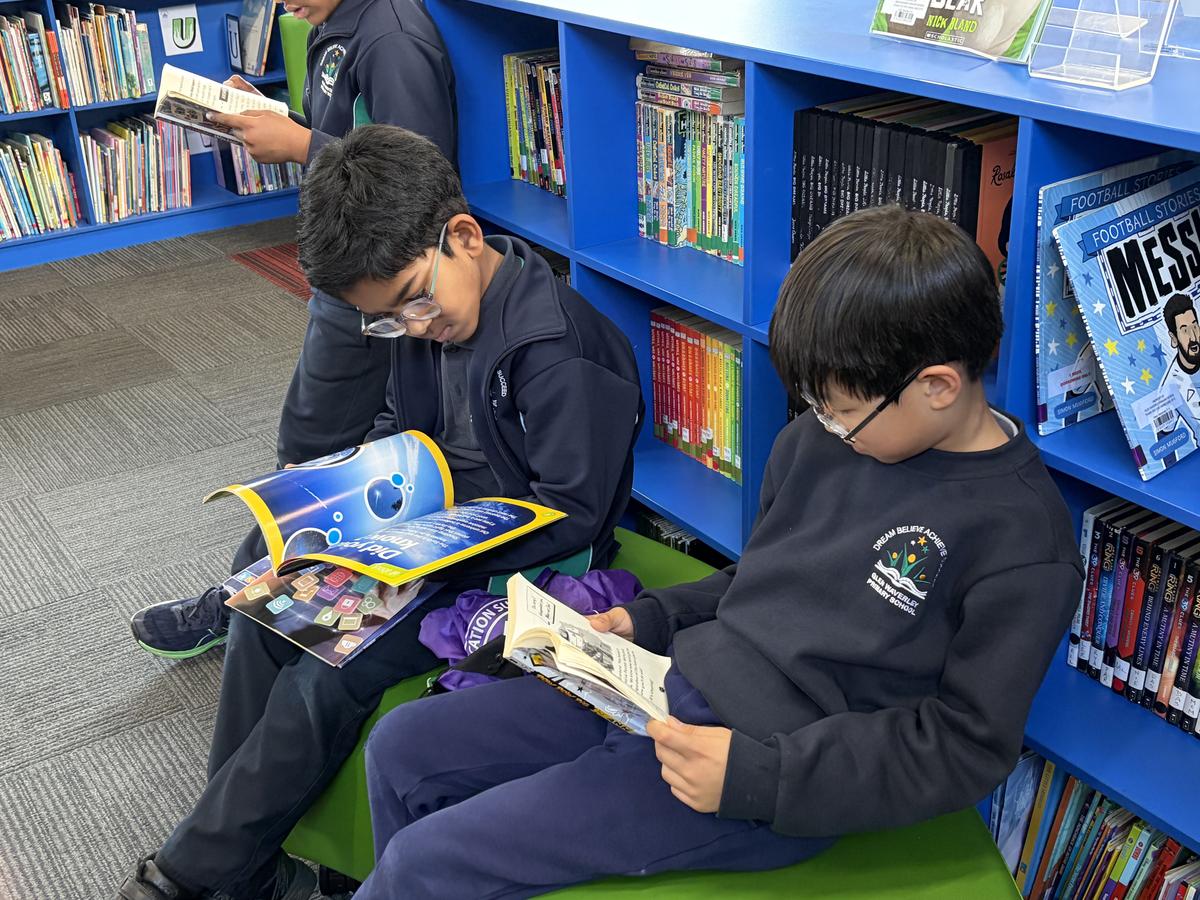
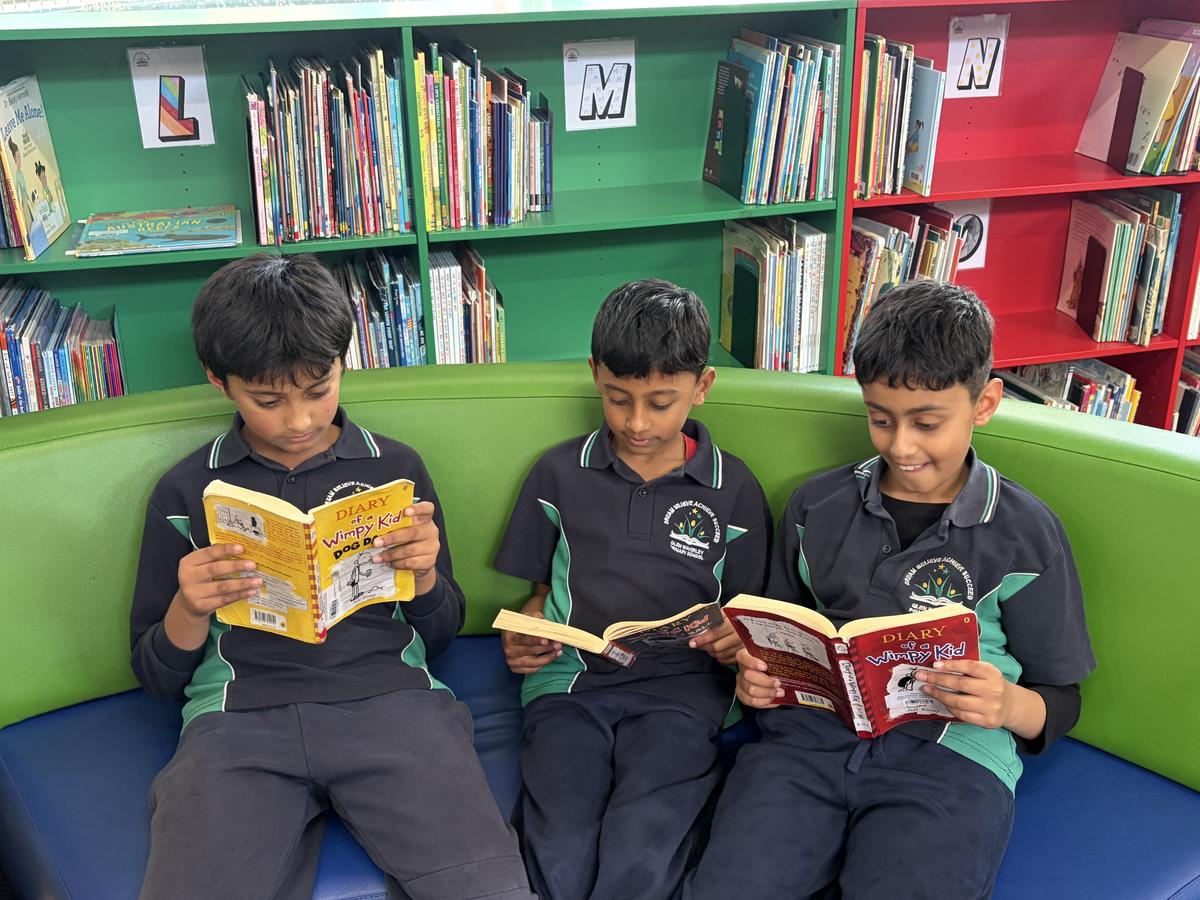
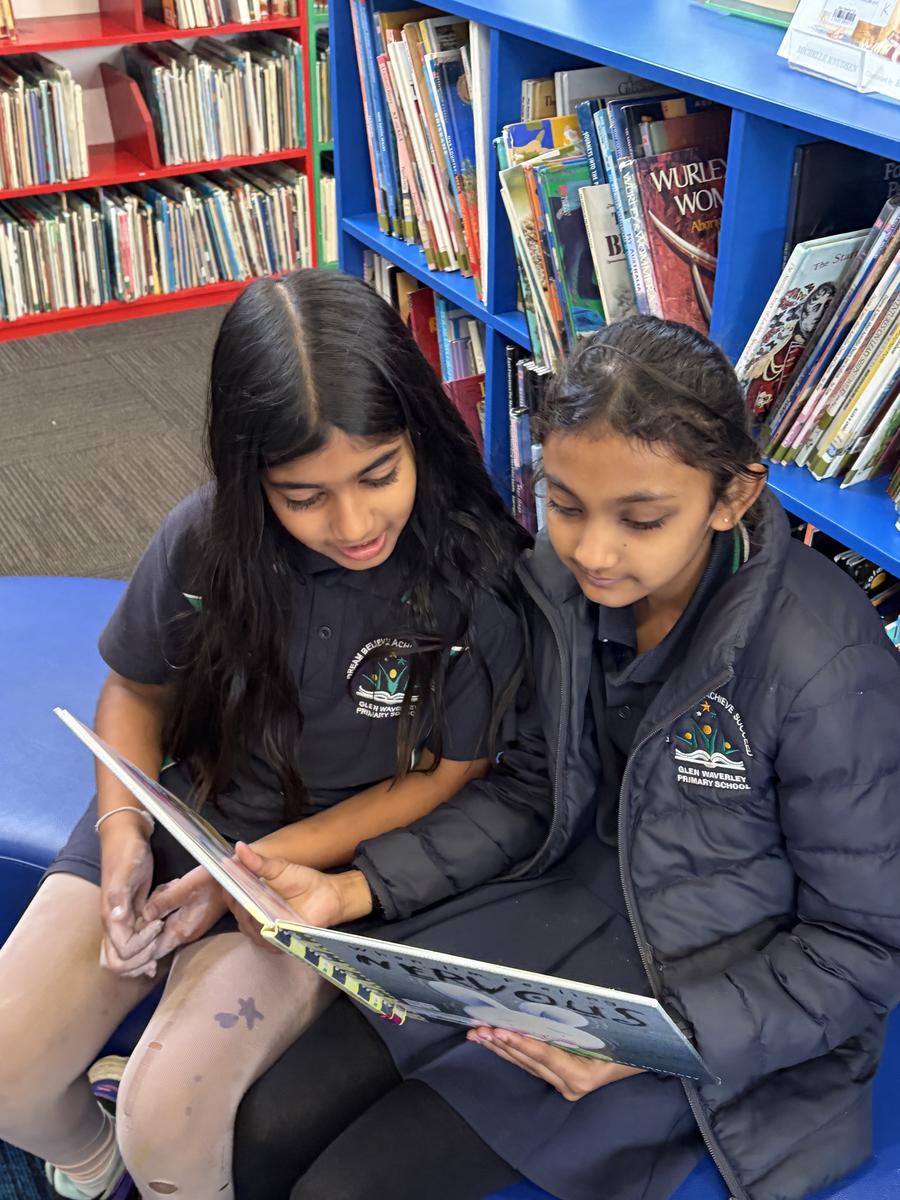
Read with your child every day and discuss what you have read.
- Encourage your child to explain the main ideas, characters and events in a text.
- Talk about new words and help your child use them in conversations.
- Support your child to write regularly, such as stories, journal entries or information reports.
- Encourage your child to check their work for spelling, punctuation and grammar.
Mathematics
This term, students will participate in a structured and engaging Mathematics program designed to build strong foundational skills and deepen their understanding of key concepts. Learning experiences will be carefully sequenced to support all learners, with a focus on developing confidence, accuracy and problem-solving abilities. Teaching will incorporate a range of evidence-based strategies, including explicit instruction, regular review, and opportunities for practice and application.
Our learners will be exploring a variety of engaging topics, building their skills and confidence.
2D Shape: Students will identify, describe and classify two-dimensional shapes based on their properties, including the number of sides, vertices and lines of symmetry. They will also explore how shapes can be combined, compared and used in real-world contexts.
Multiplication and Division: Students will build fluency with multiplication and division facts and apply these operations to solve a range of problems. They will develop strategies for efficient calculation and use these operations to model and solve real-world situations.
Angles: Students will investigate angles in shapes and in the environment; learning to identify, compare and classify angles as right, acute or obtuse. They will use informal and formal measurement tools to estimate and measure angles.
Time Telling: Students will develop their ability to read and interpret time using analogue and digital clocks. They will sequence events, calculate time durations, and solve problems involving time in everyday contexts.
Decimals: Students will explore decimals as an extension of whole numbers and fractions. They will represent, compare and order decimals, and apply their understanding in practical measurement and money contexts.
Mass and Capacity: Students will investigate mass and capacity by measuring, comparing and estimating using appropriate units. They will solve practical problems involving the measurement of objects and liquids in real-world contexts.
Key Vocabulary:
- Regrouping
- Tenth
- Hundredth
- Equation
- Horizontal
- Vertical
How can you support your child’s Mathematics learning at home?
- Practice multiplication and division facts regularly.
- Read analogue and digital clocks and discuss daily schedules.
- Use mathematics in everyday activities such as shopping and cooking.
- Talk about shapes, angles, mass and capacity you see around you.
- Encourage your child to explain their thinking and how they solve a problem.
Inquiry
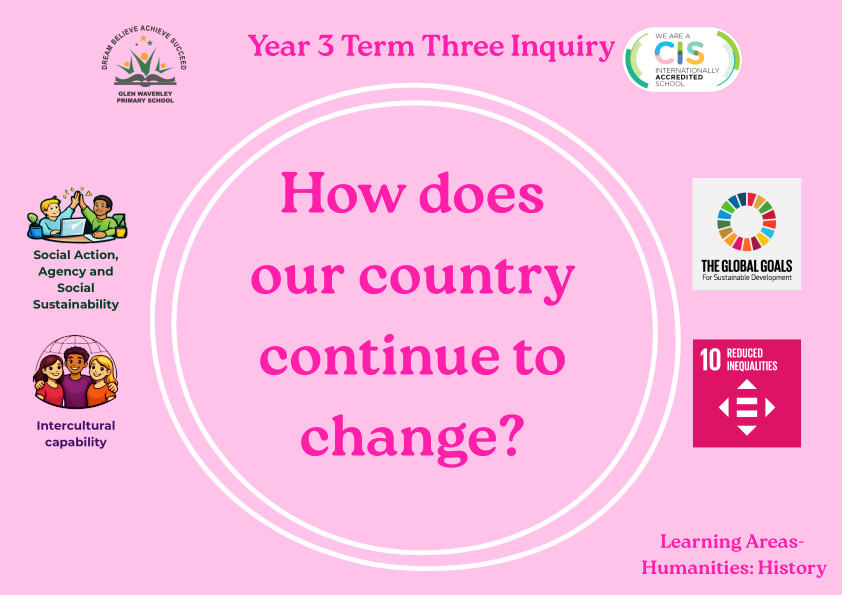
In Term Three, students will learn about important events, experiences and the effects of early colonisation in Australia during 1750- 1800, focusing on the viewpoints of Aboriginal and Torres Strait Islander Peoples and the arrival of new people to the land.
They will investigate the reasons and outcomes of British settlement, particularly on Gadigal Country in 1788, and inspect how colonisation impacted Indigenous communities and the environment. Through historical investigation, learners will examine primary and secondary sources, order events and research different interpretations of history, as well as the concept of Terra Nullius.
They will also learn about the importance of Country and Place to First Nations Peoples, the offerings of diverse communities and the significance of national symbols, events and remembrances such as NAIDOC Weeks, ANZAC Day, and Reconciliation Week in forming Australian identity.
Key Vocabulary:
- Colonisation
- Indigenous
- Settlement
- Terra Nullius
- Country
- Remembrance
How can you support your child’s Inquiry learning at home?
- Investigate books and videos that show First Nations stories and the effects of colonisation.
- Visit local historical sites or cultural centres to link learning with real world experiences.
- Discuss different viewpoints on colonisation, national events like NAIDOC Week, and Australian identity.
- Assist your child with building a timeline or picture representation using historical references to understand important events.
- Look at podcasts, stories and media made by Aboriginal and Torres Strait Islander peoples.
Wellbeing
The Resilience Project
This term in Wellbeing, students will continue their learning through The Resilience Project, focusing on key areas of Gratitude, Emotional Literacy and Mindfulness.
In our Gratitude lessons, students will reflect on how comparing our lives to others can affect our feelings of contentment. They will also explore how appreciating the people around them and recognising others’ strengths can improve relationships and support a more positive mindset.
Emotional Literacy lessons will guide students in noticing and naming a wide range of emotions, describing them using rich language such as idioms, metaphors and similes. They will learn to reflect on their physical responses to emotions and practise using positive coping strategies to manage challenging feelings.
Our Mindfulness learning will help students become more aware of their screen time habits. They will explore the difference between passive and active screen time and reflect on how to create a healthy balance that includes screen-free activities they enjoy.
Key Vocabulary:
- Gratitude
- Emotions
- Coping Strategy
- Mindfulness
- Balance
How can you support your child’s TRP learning at home?
- Share what you’re grateful for and ask your child what made them smile today.
- Talk about how emotions feel in the body and discuss healthy ways to cope.
- Encourage conversations about what they enjoy doing offline and how it makes them feel.
Cyber Safety Project
In our Cyber Safety lessons this term, students will continue building their understanding of how to stay safe and emotionally well in online spaces. They will explore strategies for managing their emotional responses when faced with tricky or upsetting online experiences.
Students will learn about the effects of peer pressure and practice ways to stay strong and make safe choices, both online and offline. Through role plays and guided discussions, they will also explore the concept of FOMO (fear of missing out), recognising how inclusion and exclusion can impact emotions and self-esteem.
To wrap up the term, students will take on the Digital Balance Challenge, categorising their online activities as either creation or consumption and planning for a healthy digital balance in their daily lives.
Key Vocabulary:
- Peer Pressure
- Emotional Response
- Digital Balance
- Online Safety
How can you support your child’s Cyber Safety learning at home?
- Talk to your child about how they feel when using technology.
- Discuss ways to respond if something online makes them feel uncomfortable.
- Encourage healthy screen time habits and model balance in your own screen use.
- Reinforce the importance of making kind and respectful choices online.
Friendology
The Friendology program is about empowering children with friendship skills. It is a proven, skills-based strategy that teaches children concepts, skills and language to assist them with building and maintaining healthy friendships.
Each class will create a ‘Friend-O-Meter' which will be displayed in the classroom and referred to when needed. Students will explore each element of the meter and be encouraged to share different perspectives on what might cause friendship fires. We will unpack the difference between mean on purpose and bullying.
Key Vocabulary:
- Friendship fire
- Friend-O-Meter
- Mean on Purpose
- Open friendships
- Friendship Ninja
How can you support your child’s Friendology learning at home?
- Have discussions with your child about their friendships
- Ups and downs of friendships
- Who have they included in their friendship group?
- How are problem solving skills being used during friendship challenges?
- What is a different perspective they encountered?