
Vaping and Young People: What Parents Need to Know
by Ms Brooke Jones, School Nurse
Vaping and Young People: What Parents Need to Know
by Ms Brooke Jones, School Nurse
There has been a noticeable increase in vaping among teenagers across Victorian schools. While many young people see vaping as harmless or “just flavouring,” the reality is very different. Vapes can contain addictive nicotine, toxic chemicals and substances known to damage developing brains and lungs.
As parents and carers, open conversations and accurate information are some of the most powerful tools we have to help young people make informed decisions.
What is vaping?
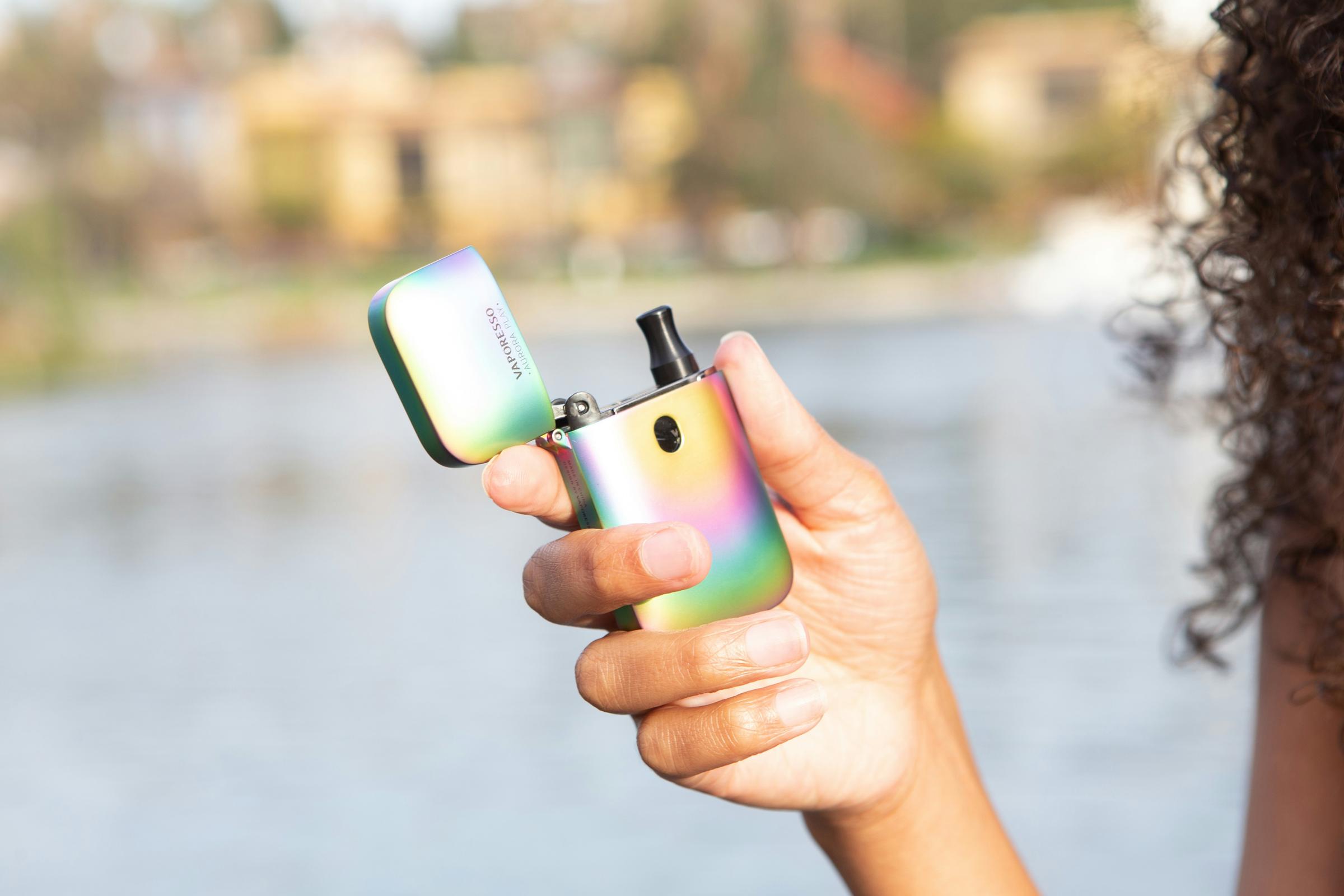
Vaping involves breathing in aerosol (mist or vapour) created by heating liquid inside an electronic cigarette or “vape.” These devices can look like highlighters, USBs, pens or small electronic gadgets, making them easy to conceal.
Although some vapes are labelled “nicotine-free,” research has found that many still contain nicotine and other harmful chemicals.
What chemicals are found in vapes?
Illegal and unregulated vapes can contain more than 200 chemicals, including:
Nicotine – a highly addictive poison that can affect brain development
Formaldehyde – used in industrial glues and preserving chemicals
Acetone – commonly found in nail polish remover
Acetaldehyde – used in plastics and chemical manufacturing
Acrolein – a toxic chemical also found in weedkiller
Heavy metals such as lead, nickel and tin
Ultrafine particles and flavouring chemicals that can damage lung tissue
These substances are inhaled directly into the lungs and bloodstream.
How vaping affects young people
Even occasional vaping can affect a young person’s health.
Short-term effects may include:
Coughing and throat irritation
Shortness of breath and wheezing
Nausea and vomiting
Headaches and dizziness
Mouth irritation and gum problems
Reduced fitness and sports performance
Asthma flare-ups
Long-term risks may include:
Lung damage
Heart disease
Nicotine addiction
Anxiety and mood changes
Problems with concentration, memory and learning
Increased risk of cancer
Young people’s brains continue developing until their mid-to-late 20s. Exposure to nicotine during adolescence can affect attention, memory, learning and emotional regulation.
Research also shows that young people who vape are more likely to go on to smoke cigarettes.
Common myths about vaping
| Myth | Fact |
| “It’s just water vapour.” | Vape aerosol contains nicotine, toxic chemicals and ultrafine particles. |
| “Vaping is safe.” | There is no safe form of vaping. |
| “Vapes don’t contain nicotine.” | Most vapes sold in Australia contain nicotine, even when labelled nicotine-free. |
| “Vaping isn’t addictive.” | Nicotine is highly addictive and dependence can develop quickly. |
| “Flavourings are harmless.” | Flavouring chemicals may be safe to eat but can damage lungs when inhaled. |
| “Vaping helps stress and anxiety.” | Nicotine may provide temporary relief but can worsen anxiety and stress over time.
|
Talking to your child about vaping
Conversations about vaping can feel difficult, but they are important and can make a real difference.
Helpful approaches include:
Start conversations early and keep them calm and casual
Ask open-ended questions and listen without judgement
Avoid lectures, scare tactics or accusations
Share accurate facts rather than exaggerating risks
Focus on health, wellbeing and addiction concerns
Reinforce that most young people do not vape
Discuss strategies for handling peer pressure
Some helpful responses young people can use if offered a vape include:
“No thanks, that’s not my thing.”
“I don’t like it.”
“It gives me a headache.”
“I’m trying to stay healthy for sport.”
Victorian vaping laws
Under the Tobacco Act 1987 (Victoria):
Smoking and vaping are banned on school grounds and within 4 metres of school entrances
Smoking and vaping are prohibited during school activities, events and excursions
It is illegal to sell vape products to anyone under 18
Smoking or vaping in a car with a person under 18 present is illegal
How parents can help
Parents can help by:
Modelling healthy behaviour
Keeping communication open and respectful
Supporting young people who want to quit
Seeking professional help if needed
Many young people who vape report wanting to stop but struggle because of nicotine addiction.
Support and resources
Support is available for both parents and young people:
Quitline: 13 78 48
Kids Helpline: 1800 55 1800
headspace: 1800 650 890
DirectLine: 1800 888 236
Youth Drugs and Alcohol Advice: 1800 458 685
Helpful online resources:
By working together, families, schools and the wider community, we can better support young people to make healthy choices and reduce the harms associated with vaping.