Community
More Soundfield Systems at CHS
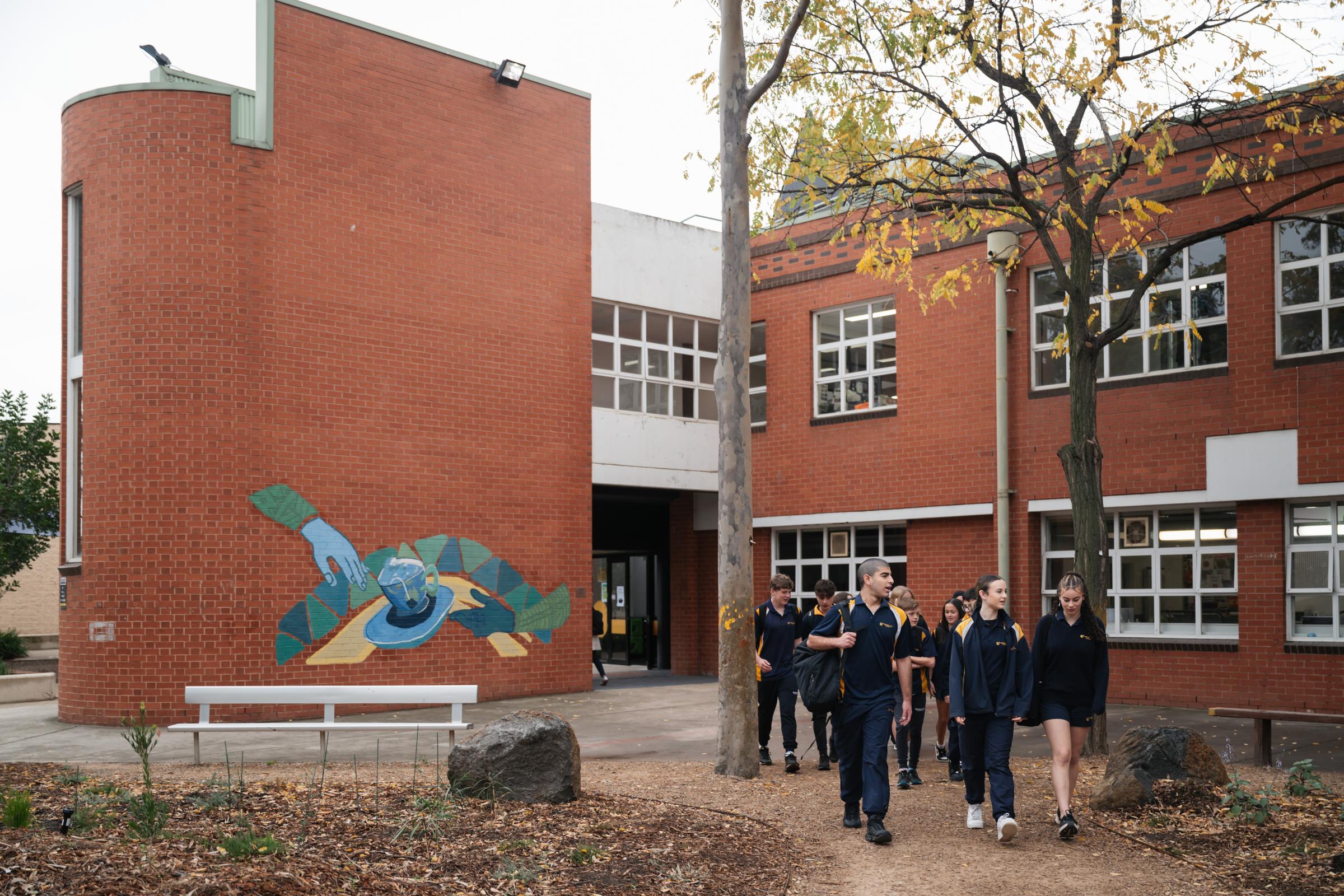
When visiting the school for Parent/Student/Teacher conferences, performances or other events, you may notice that an increased number of CHS rooms are now equipped with soundfields, identifiable by their yellow signage.
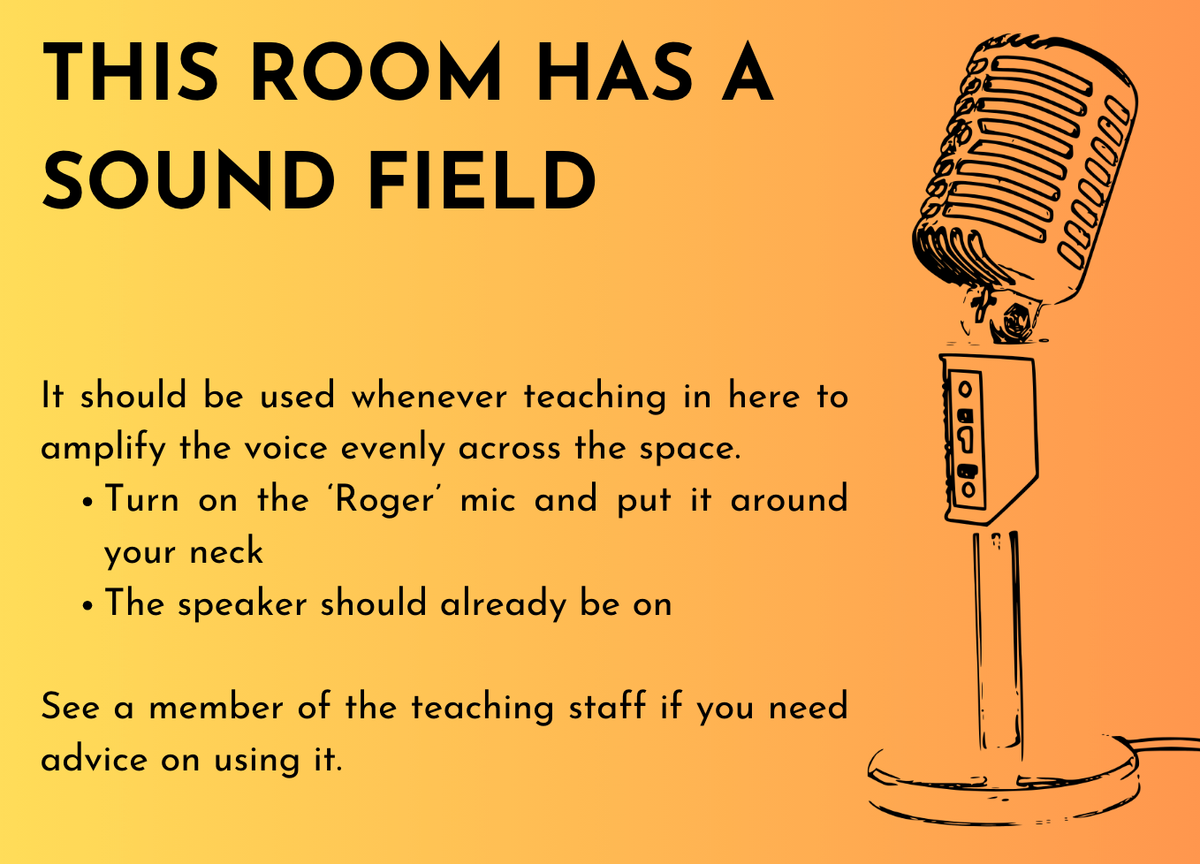
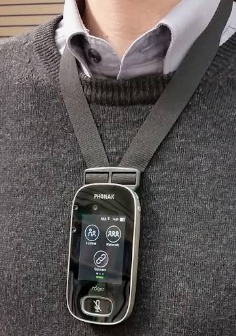
A soundfield system is a simple but highly effective piece of technology. It consists of a speaker in the classroom connected to a microphone worn by the teacher. Rather than simply making the teacher's voice louder, the system distributes it evenly throughout the room so that every student hears the same clear, consistent sound, regardless of where they are seated.
While these systems are especially beneficial for students with hearing impairments, they also support learning for all students, including those who experience challenges with focus and attention. Research has shown that clearer access to a teacher's voice can improve concentration, reduce listening fatigue, increase comprehension and strengthen memory. These benefits are particularly valuable in larger or practical classrooms, or during lessons involving group work where background noise can make it more difficult to hear instructions.
How parents can help
As more of our classrooms are fitted with this technology (more will be fitted in the new Technology building), we encourage families to talk with their children about why this technology is being used. Understanding that soundfield systems benefit everyone helps build an inclusive school culture where differences are recognised and supported.
These conversations also provide a great opportunity to discuss strong communication practices, including with friends who have hearing challenges. Some helpful reminders include:
Getting someone’s attention before starting a conversation
Facing the person when speaking so they can see your face
Speaking clearly and at a natural pace - there's no need to shout
Being patient and repeating or rephrasing if something isn't understood
Including everyone in conversations
By combining thoughtful technology with respectful communication, we can create classrooms where every student feels connected, included and ready to learn.
Melanie Buscema-Moore
Inclusion Team
Fidgets - tools not toys
Bending paperclips. Clicking a 4 colour pen. Fidget spinners. Stress balls. Nice cubes. Students have long found ways to fidget in class to help with concentration, sensory regulation, anxiety, attention and participation in learning. CHS supports access to fidget tools in class that genuinely support individual needs and readiness to learn. It is important however that the fidgets brought to school are safe, appropriate and supportive of learning for everyone.
Fidgets that are NOT appropriate for the school environment:
Those that are noisy, unsafe or disruptive in a class context, and are better suited to use at home.

Examples include:
Squishy balls, Mellow Balls, dumplings and other gel-filled balls. These are a safety concern as they split, break, leak, create a mess and have ended up clogging our plumbing system. When this happens we have to close bathrooms for repair, which impacts the whole school community
Those that stretch in a way that can be used to slap or hit others
Those designed to entertain rather than achieve core goals around focus and regulation
Fidgets that ARE appropriate for the school environment:
Those that are quiet, durable, and can be used discreetly without interrupting others. Examples include:

Simple pop-it or push-button fidgets
Discreet pencil/pen-top or hand fidgets
Tangle-style fidgets
Smooth sensory stones or small textured objects designed for sensory regulation
Fidget cubes (not gel ones)
Ultimately, CHS supports student access to fidgets in class providing they are used as tools, not toys, and are safe, purposeful and appropriate for the learning environment.
If your child is currently using a fidget that doesn’t meet those conditions, please help them to source an appropriate alternative. We encourage families to have conversations with students to find the fidget right for them and their environment.
Some guiding questions include:
What do you think your brain or body is asking for when you want a fidget? Movement? Pressure? Texture? Something to keep your hands busy?
When do you most need a fidget? Is it to start a class? Transitioning between classes? Independent working time?
What could you do if you noticed the fidget was becoming distracting?
There’s no one right fidget. As a school of 1300 students, we know that everyone’s needs are different. This update is not about reducing access to sensory support but rather providing contextual information so we can create a learning environment where all students can regulate, participate and feel included while also keeping everyone safe.
Community
Sussex Neighbourhood House Pascoe Vale is offering programs for students during Term time:
Code Club
Tuesdays 5:15pm to 6:15pm
Ages 9-13
A space to collaborate and work on coding, animation, and computer design projects
Booking link: https://www.socialplanet.com.au/activity/view?id=51502
3D Animation
Tuesdays 6:30pm to 7:30pm
Ages 11+
Learn how to use 3D animation software to create your own computer generated graphics
Booking link: https://www.socialplanet.com.au/activity/view?id=51504
Youth Artspace
Wednesdays 6pm to 8pm
Ages 12-25
Start, renew, or fulfil your passion for art learning alternate skills in an open studio space.
**Great for building on your VCE portfolio**
Booking link: https://www.socialplanet.com.au/activity/view?id=51501
Before You Say Yes: A Free Podcast for Year 12 Students
Before You Say Yes, a free podcast exploring financial consent, shared money, bills, leases, financial independence and early warning signs of financial control. A practical resource for preparing young adults for life beyond school and support in building financial confidence.
https://www.youtube.com/watch?v=-sdvxXMo08o