
Student Wellbeing

From the Co-ordinator of Counselling and Student Health

Ms Megan Williams
Ms Megan Williams
The Value of 'No': Why Boundaries and Failure Matter for Children’s Growth
Please clickhereto read this article in the 'News from the Junior School' section from Mr Marcial Nunura, Junior School Wellbeing Co-ordinator.
Parenting Through the Under-16 Social Media Age Restrictions
Please click on the following attachment for more information and/or to register:
Early Signs, Early Support: Mental Health First Aid for Children and Teens
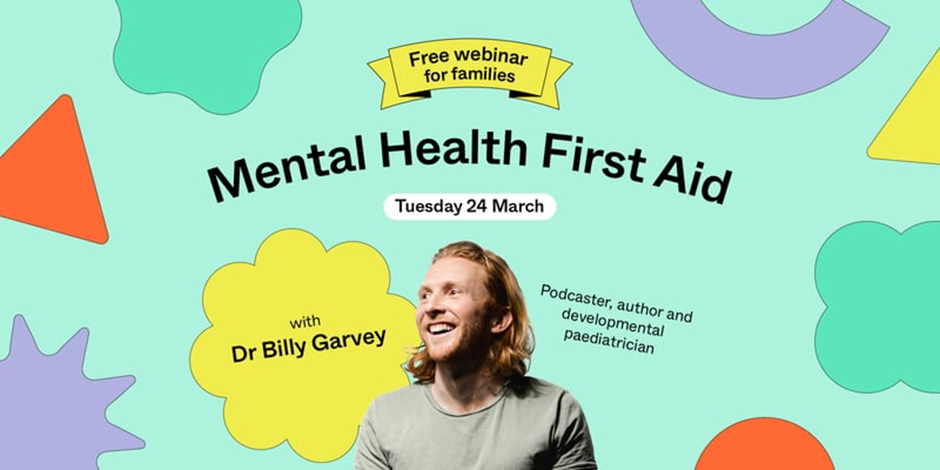
In this insightful talk, Dr Billy Garvey explores the principles of Mental Health First Aid, equipping parents and professionals with essential skills to recognise and respond to early signs of mental health challenges in children and teens.
The session emphasises early intervention, effective communication, and creating supportive environments that promote positive mental wellbeing.
Date: Tuesday 24 March
Time: 7:30pm
For more information and to register, please click on the following link:
Mental Health First Aid with Dr Billy Garvey | Camp Australia
The Importance of Sleep
Sleep is an essential part of your child’s daily routine. Having a good night’s sleep is important for your child’s growth, learning and development. Sleep restores the body physically and allows your child to feel focused and settled. When your child sleeps well they can retain information better, strengthen their immunity, and improve their mood.
The amount of sleep your child should have each night varies based on their age and stage of development. The recommended amount of sleep for children aged 5 to 11 years is 9 to 11 hours per night. For teenagers and young people, the recommended amount is 8 to 10 hours per night. This amount of sleep is needed for your child to have the optimal level of alertness during the day.
Poor quality sleep is linked with an adverse impact on all aspects of a person’s life, including their physical and mental health. Research shows that approximately 40% of young people experience some form of sleep disturbance, with most not getting the recommended hours of sleep per night. Further studies have shown that many children are missing out on REM sleep, which is vital for learning and memory.
The key to having good quality sleep is setting up a consistent bedtime routine and sticking to the routine each night. This will help your child’s body and mind prepare for sleep. Bedtime routines should commence 30 to 60 minutes prior to bedtime and include activities that help your child relax and feel ready for sleep. Activities include having a bath or shower, reading a book, listening to music, or completing a mindfulness activity. It is best to avoid overly stimulating activities.
There are a number of research based, free apps that help promote sleep in children and young people. The Black Dog Institute has released an adolescent-focused app which helps young people improve their sleep. The app is designed for students 12 years and older, but younger children can access the app with parent support. Please see: https://www.blackdoginstitute.org.au/resources-support/digital-tools-apps/sleep-ninja/ for more information.
The Smiling Mind app has a program specifically to help families establish good sleep routines and support a better night’s sleep. The program includes meditations and tips that can be done individually or as a family. Please see: https://www.smilingmind.com.au/ for more information.
SchoolTV also has information and interviews with leading experts on sleep and ways you can support your child to improve the quality of their sleep: https://pittwaterhouse.schooltv.me/newsletter/sleep