
Junior School News

From the Head of Junior School
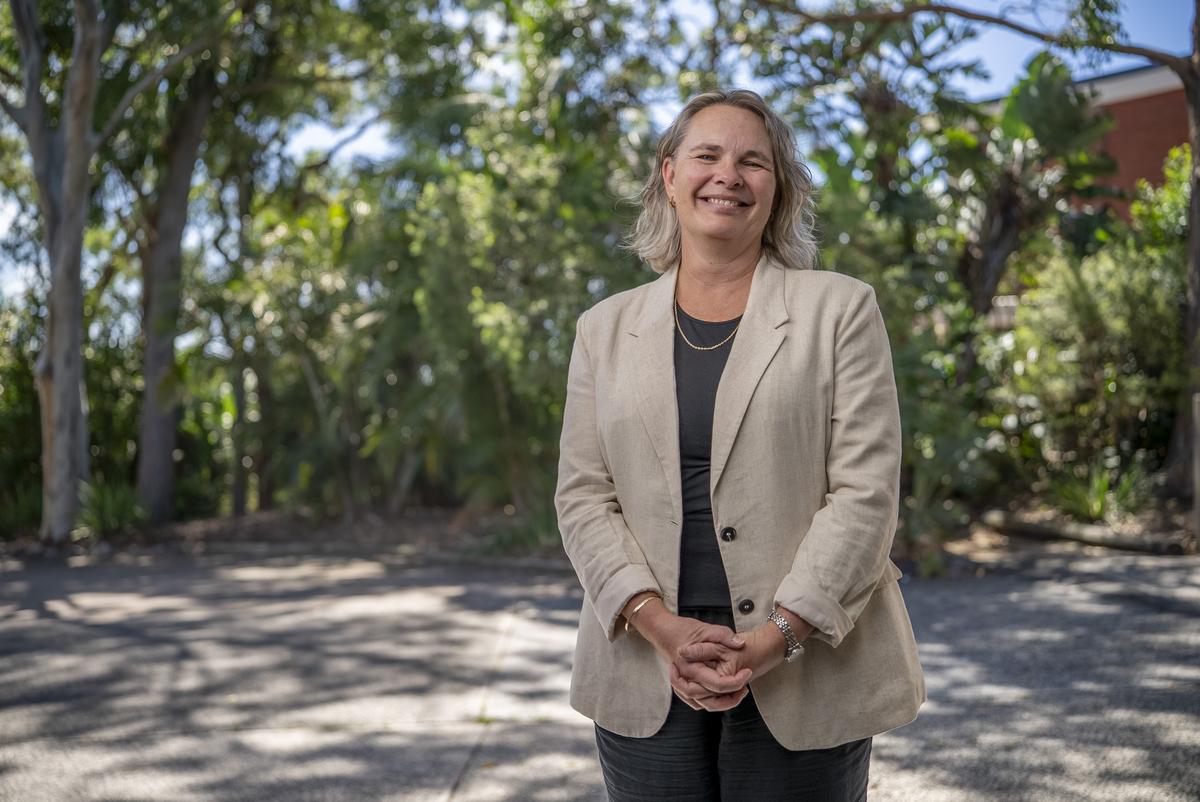
Mrs Ainslie Breckenridge
Mrs Ainslie Breckenridge
The Power of Student Voice at Pittwater House Junior School
Student voice at Pittwater House Junior School is far more than simply giving children the chance to speak, it is about fostering a culture where every child feels heard, valued, and empowered to contribute meaningfully to their community. When young learners are invited to share ideas, ask questions, and influence aspects of their learning journey, they begin to develop confidence, agency, and a strong sense of belonging. These opportunities help children recognise that their thoughts matter and that they can make a positive impact. Such experiences nurture resilience, curiosity, empathy, and critical thinking which are all essential skills for lifelong learning. At Pittwater House authentic student voice enriches our culture and supports each child’s social, emotional, and cognitive development in lasting and powerful ways.
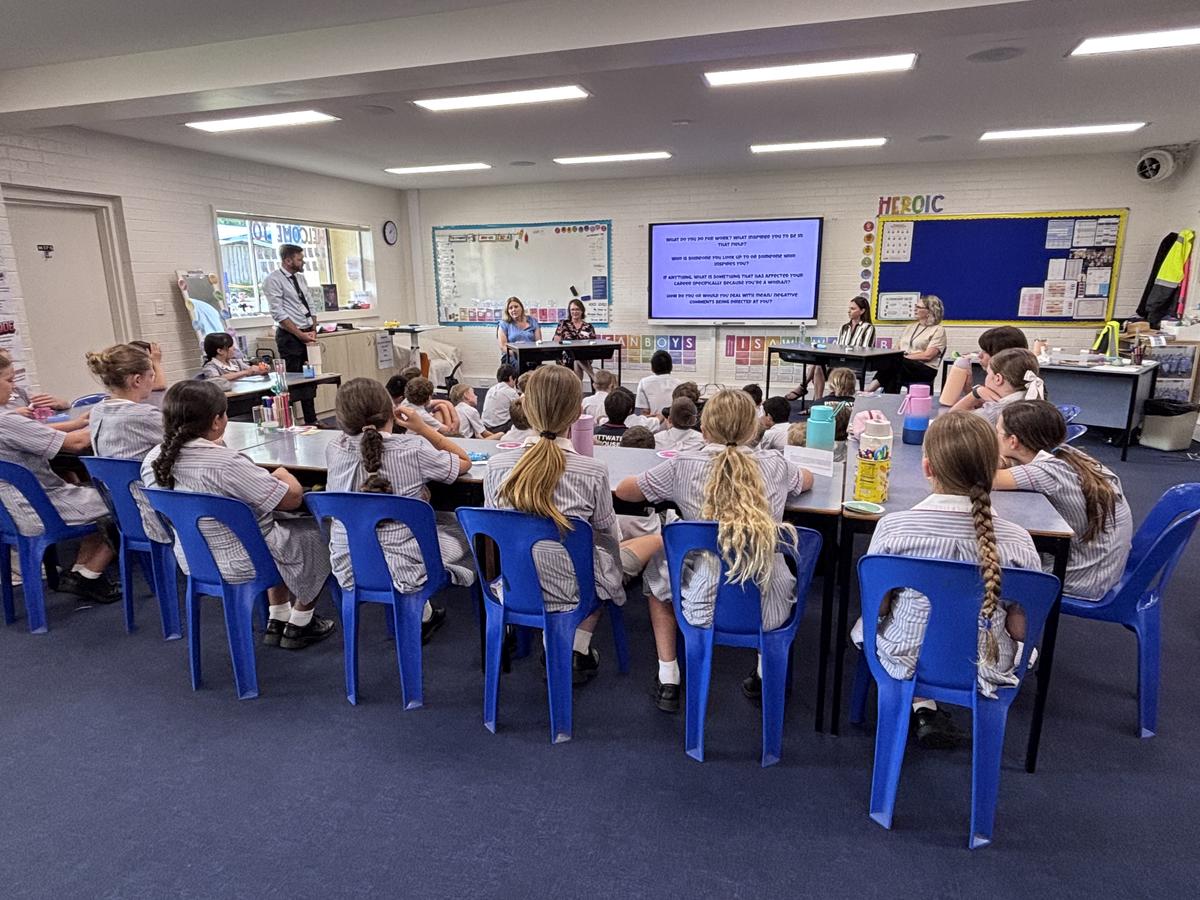
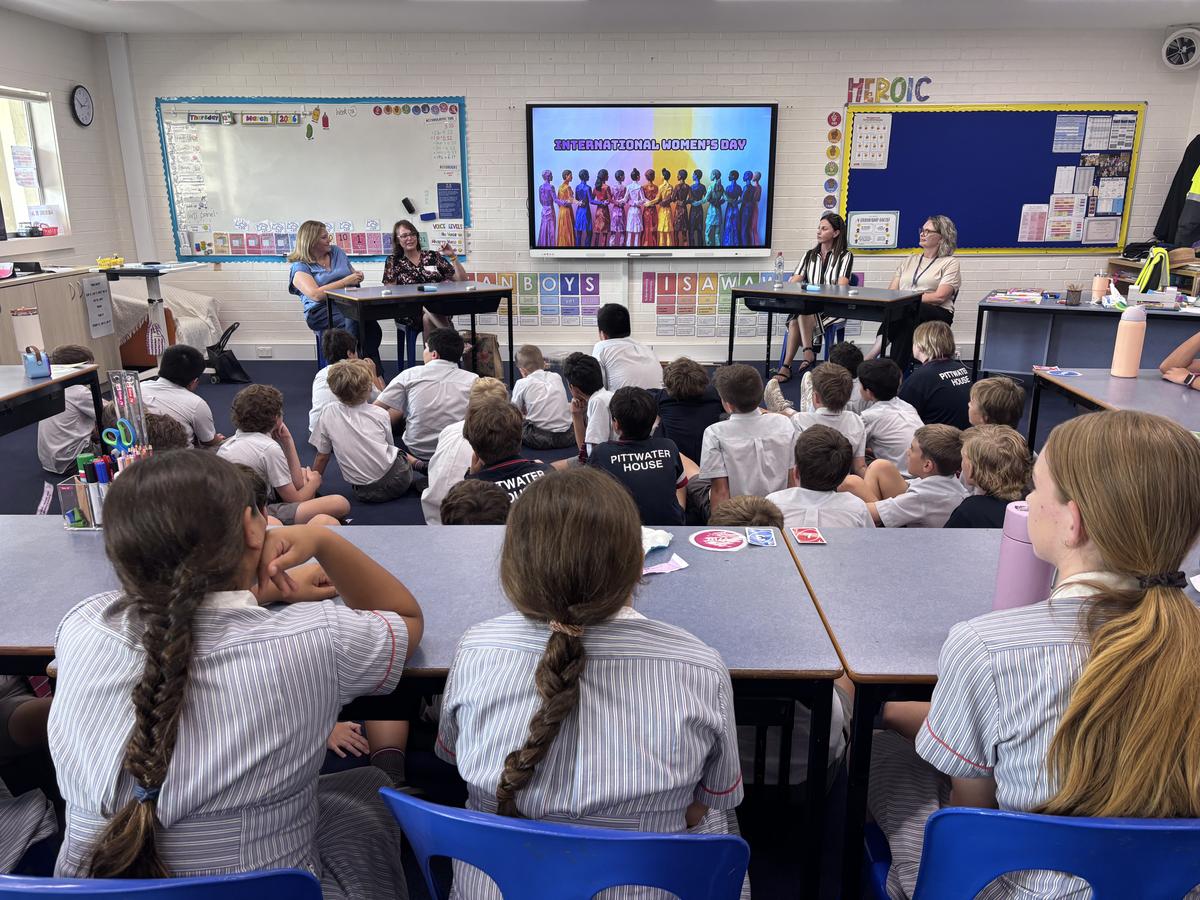
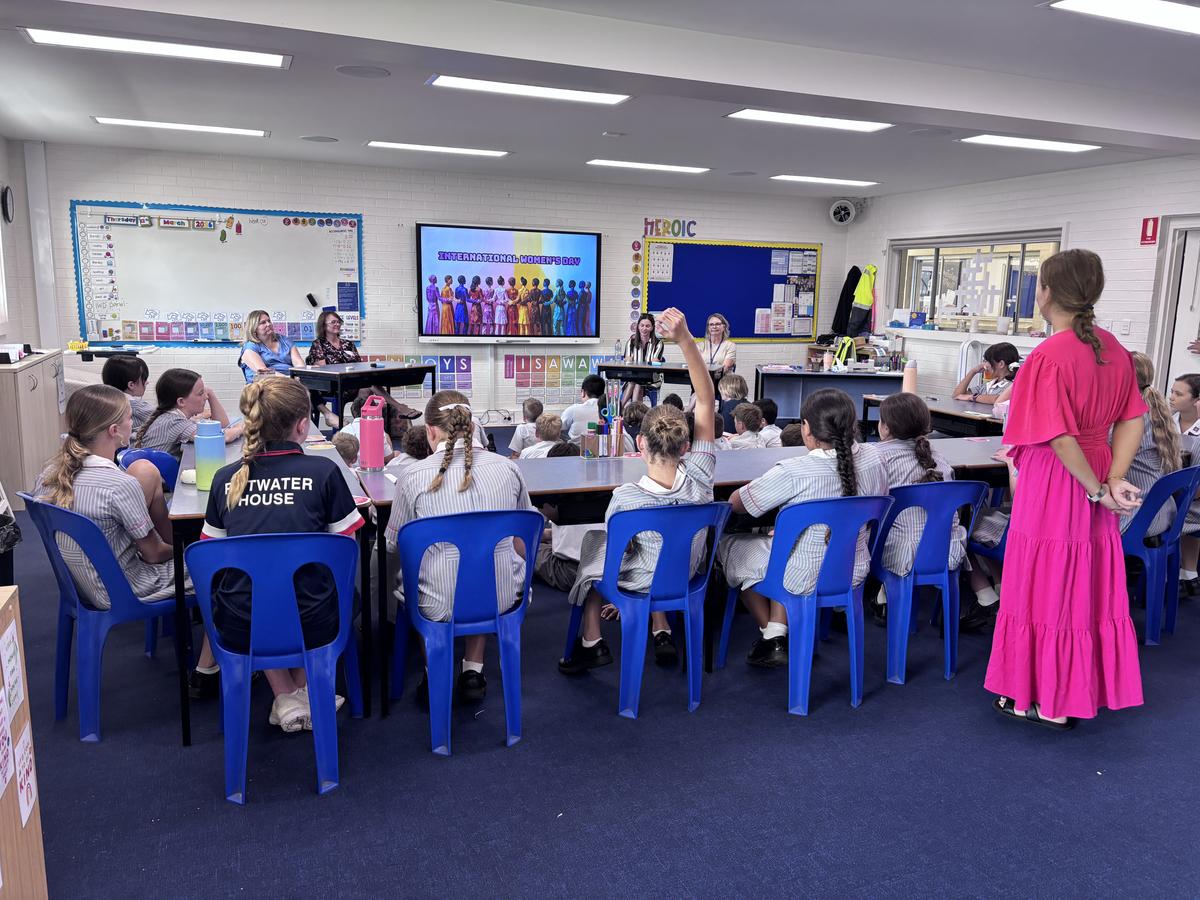
Over the past fortnight, Year 6 students have truly embodied the power of student voice through thoughtful engagement and purposeful action. Our Year 6 cohort has been deeply involved in learning about International Women’s Day, exploring why this global event continues to matter so profoundly.
Throughout the week, students examined examples of progress toward gender equality, reflected on ideas of fairness and respect, and considered how individuals and communities can contribute to a more inclusive future. A highlight of their learning was hosting a panel discussion with several female parents from our school community and myself. Their insightful questions prompted rich conversation, allowing us to share real-world experiences that not only broadened students’ understanding and empathy but also celebrated the inspiring women in their lives.
These discussions sparked meaningful reflections, highlighting both the progress that has been achieved and the collective effort still required. I felt very privileged to take part in the panel and am extremely proud of our Year 6 students. Their maturity, curiosity, and respectful conduct were exceptional. With young people like this leading the way, our future is in very good hands.
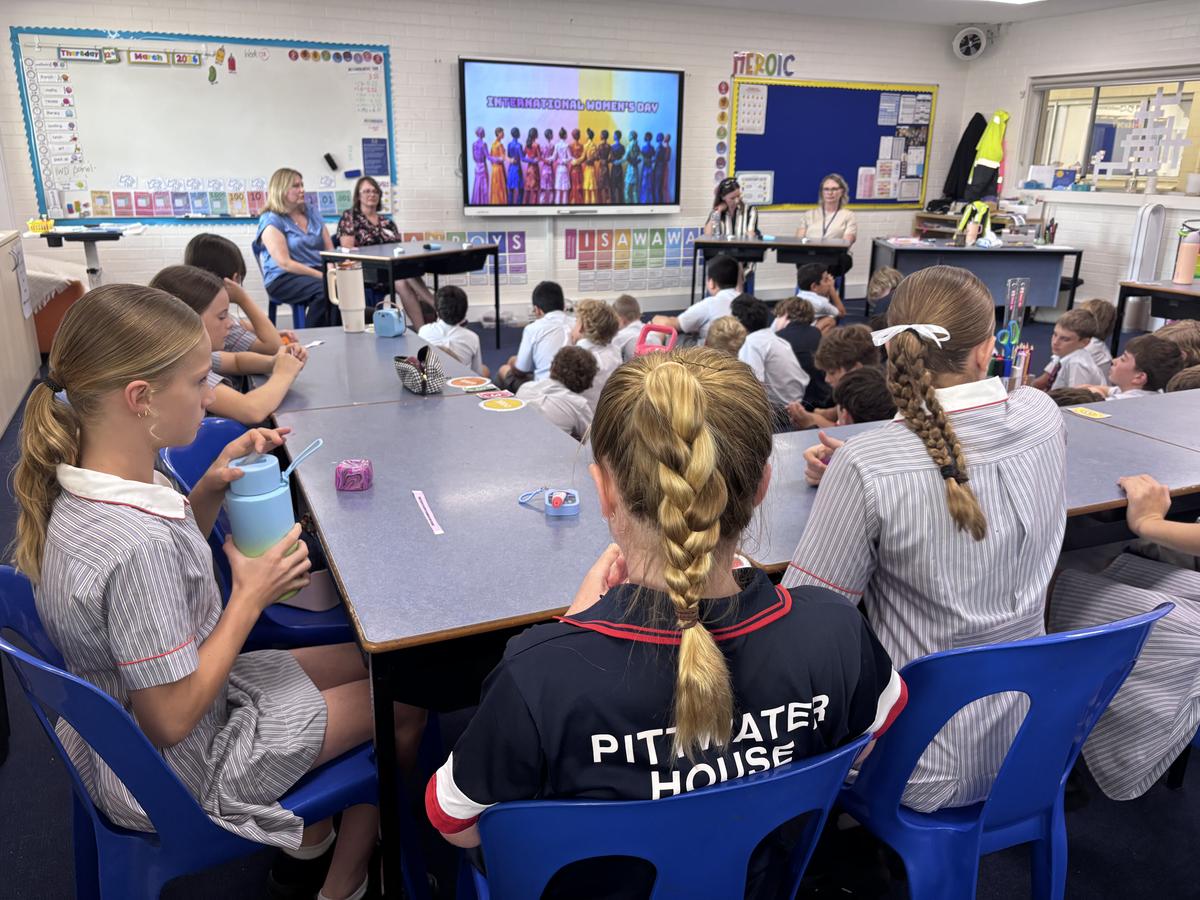
Our K–6 Student Representative Council (SRC), led by Ms Victoria James and our SRC student leaders, Indi and Roman, has also been a powerful example of student voice in action.
From the SRC Leaders

Imagine cities all around the world pausing for a moment and going dark all to help protect our planet. The Student Representative Council is thrilled to announce our first project of the term: Earth Hour. Earth Hour is a global event held on the last Saturday of March where people all around the world turn off their non‑essential lights for one hour at 8:30 p.m. local time to raise awareness about protecting our planet and the environment.
As SRC leaders, Roman and I chose Earth Hour as our first project because caring for the environment is something that affects everybody, and we think there’s no better way to raise awareness about our planet than by everyone coming together as a community.
In our school, we’ll be celebrating Earth Hour with activities that help students learn about and support the environment.
To celebrate Earth Hour this year, our school will be holding several activities for students from Kindergarten to Year 6. Students in Years 5 and 6 can take part in a poetry competition based on the theme “If the Earth Could Speak,” and students from Kindergarten to Year 6 can also take part in an art competition using the same theme. The top three entries for both the poetry and art competitions will be invited to read or perform their poems at assembly. Mrs Breckenridge and Dr Middleton will choose the winners in Week 9 on Wednesday, and the results will be announced during assembly.
During Week 8 on Monday and Tuesday, students will begin working on their entries and activities. Students in Kindergarten to Year 4 will create posters to help raise awareness about Earth Hour that will be displayed around the school. Students in Years K – 4 will also be encouraged to bring “naked lunches” to reduce waste throughout Week 8 — lunches without wrappers or packets. The whole school will also carry out an energy audit to look at how electricity is used and find ways we can save energy.
The SRC hopes everybody will get involved and, most importantly, have fun!
Indigo (J6)
Harmony Week – 16 to 22 March
Harmony Week is a celebration that recognises our diversity and brings together Australians from all different backgrounds. The week is about inclusiveness, respect and a sense of belonging for everyone. Our classes will be doing different things but we do ask that on Thursday 19 March, your child wears a touch of orange to show their support.
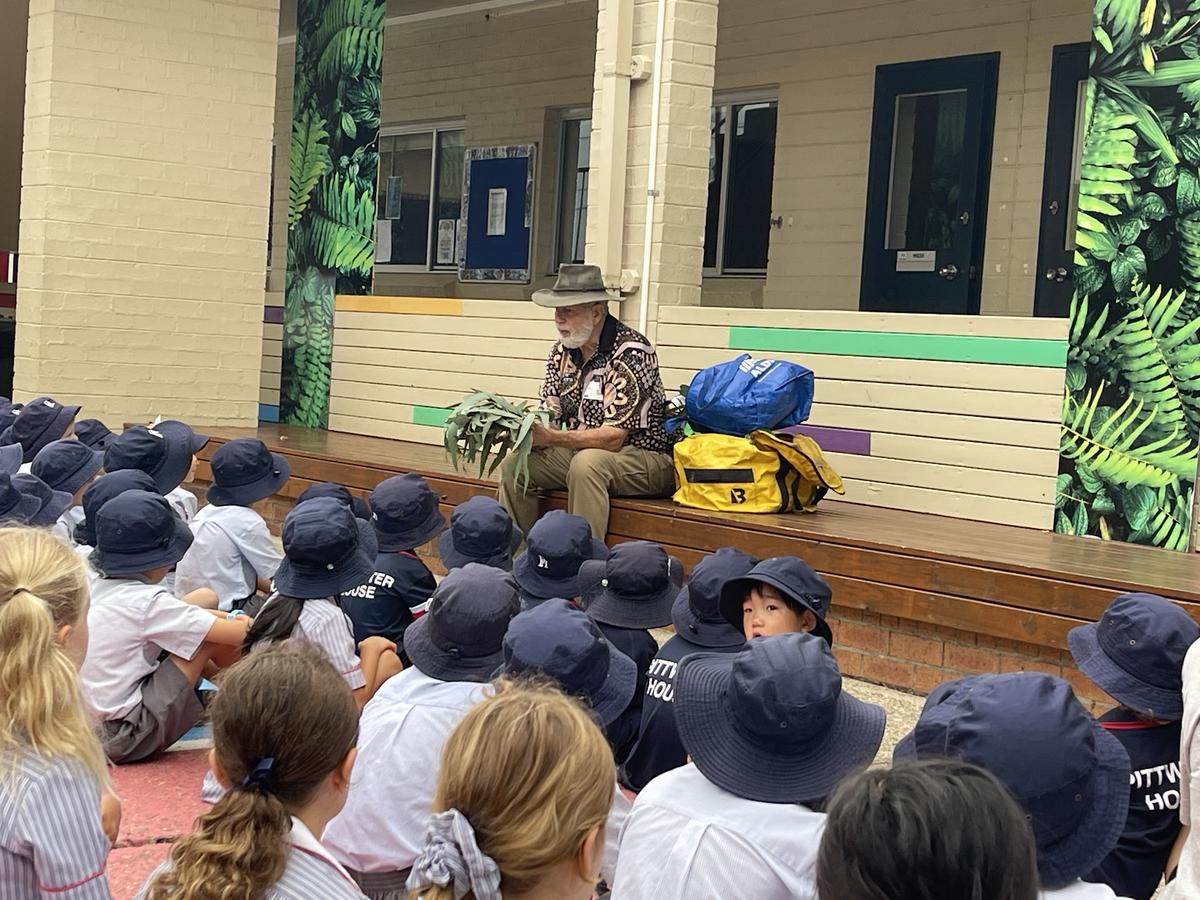
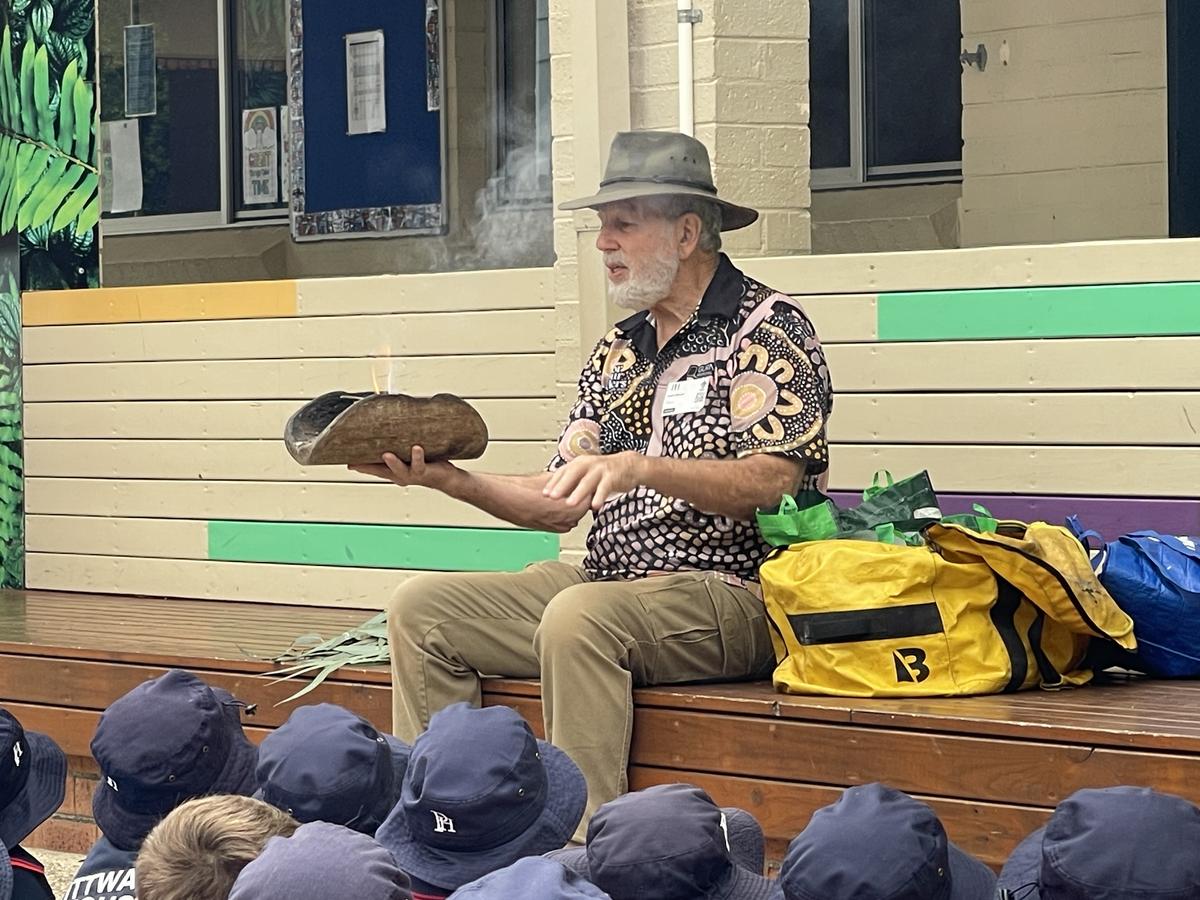
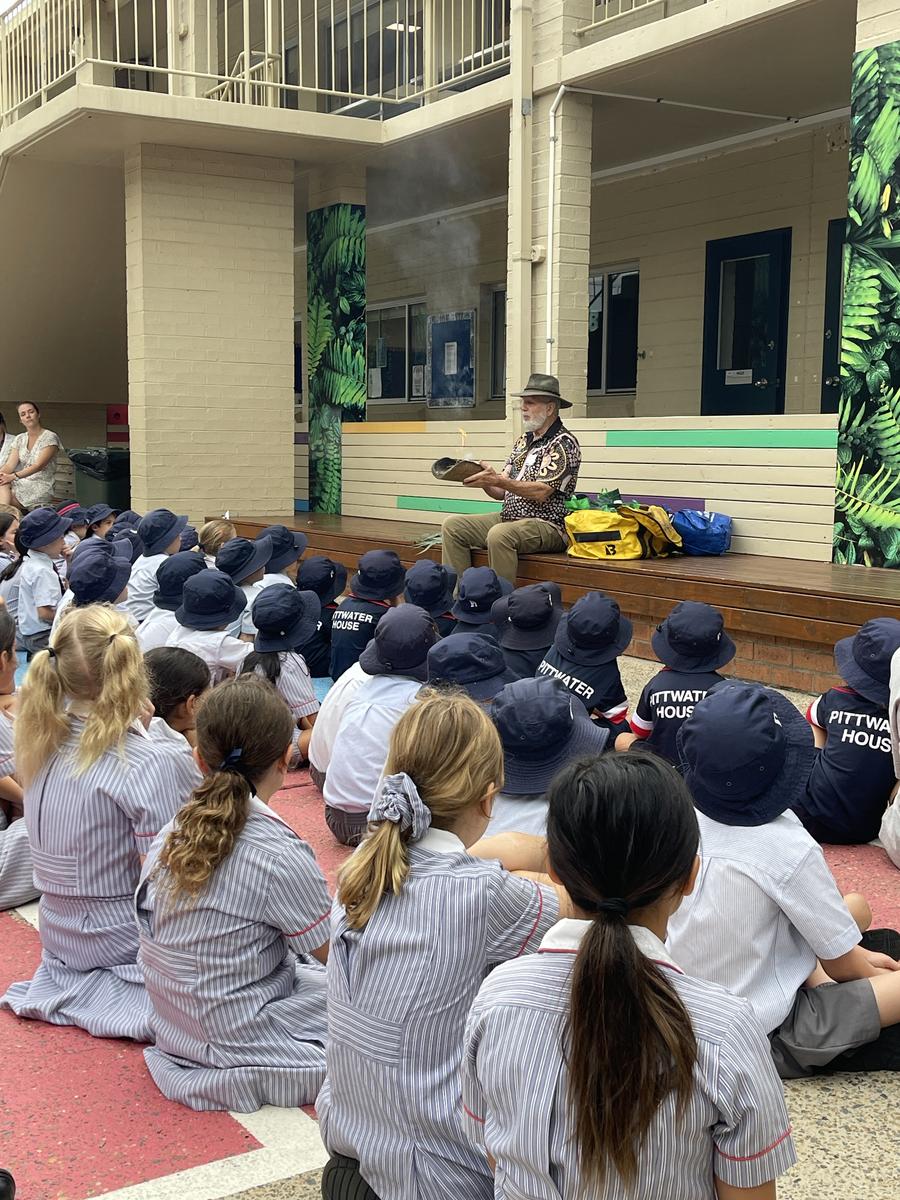
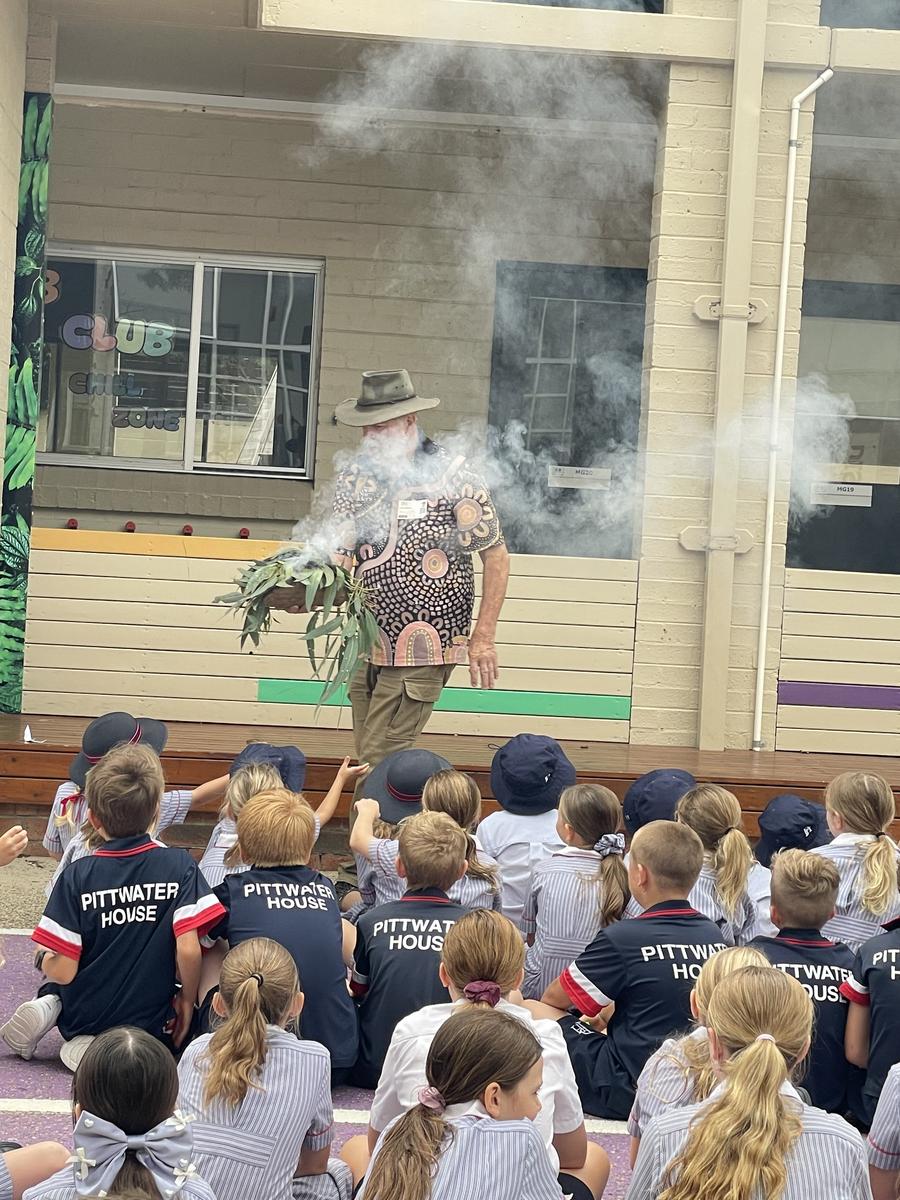

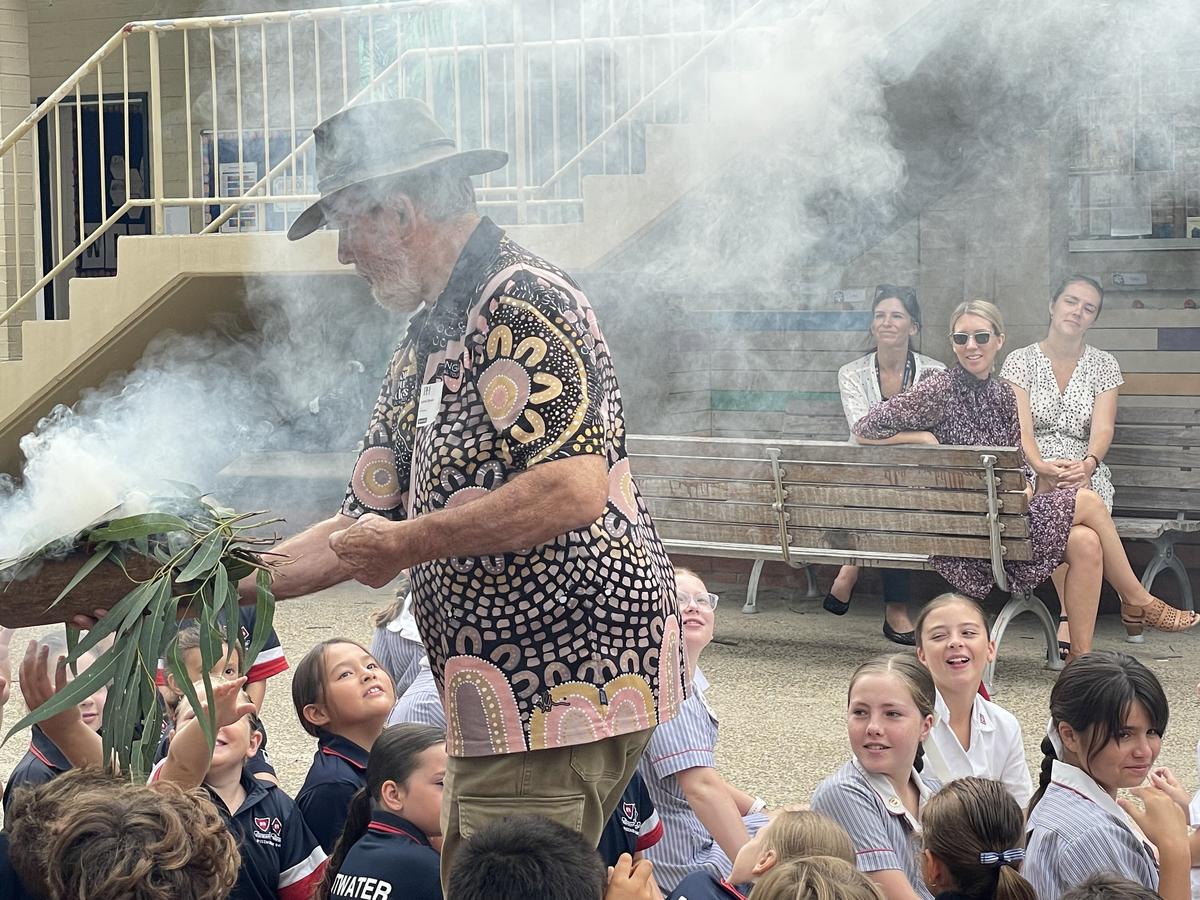
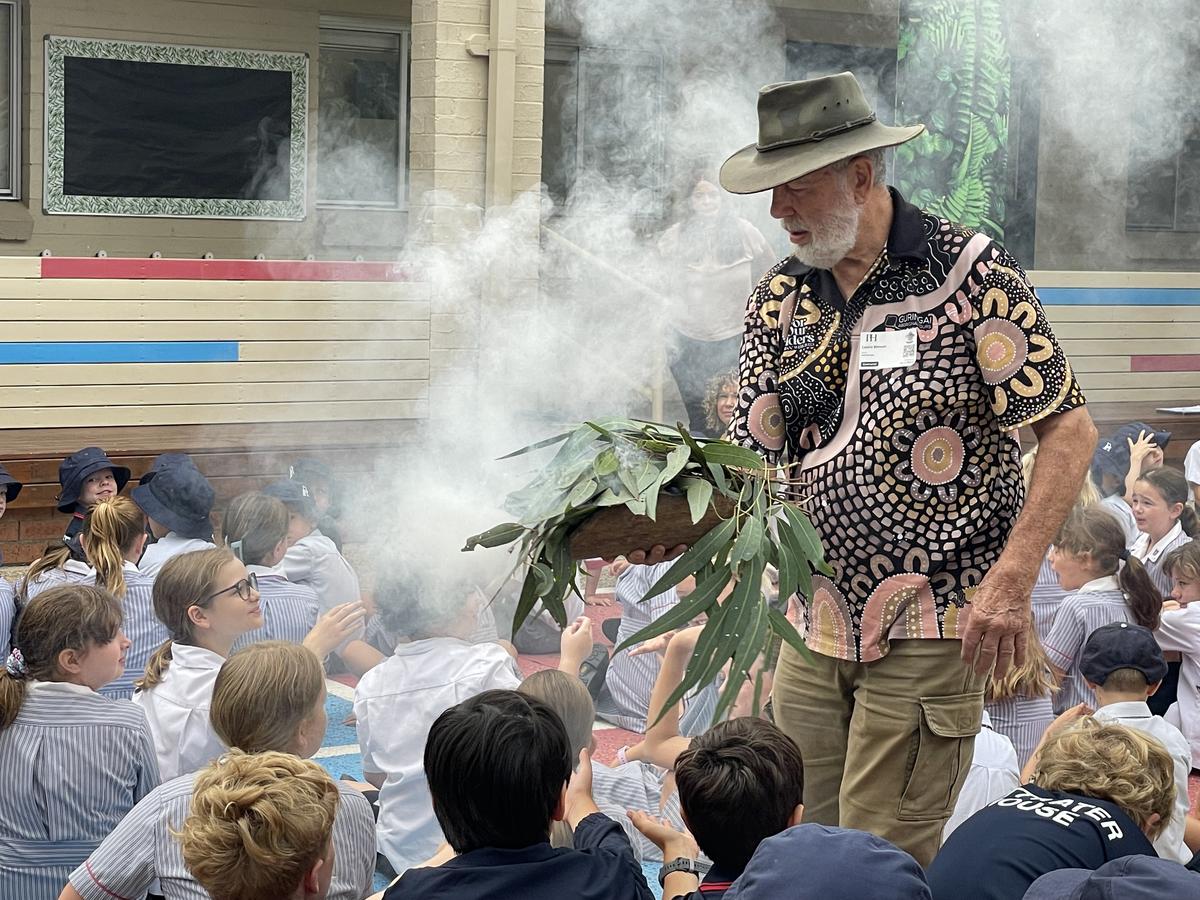
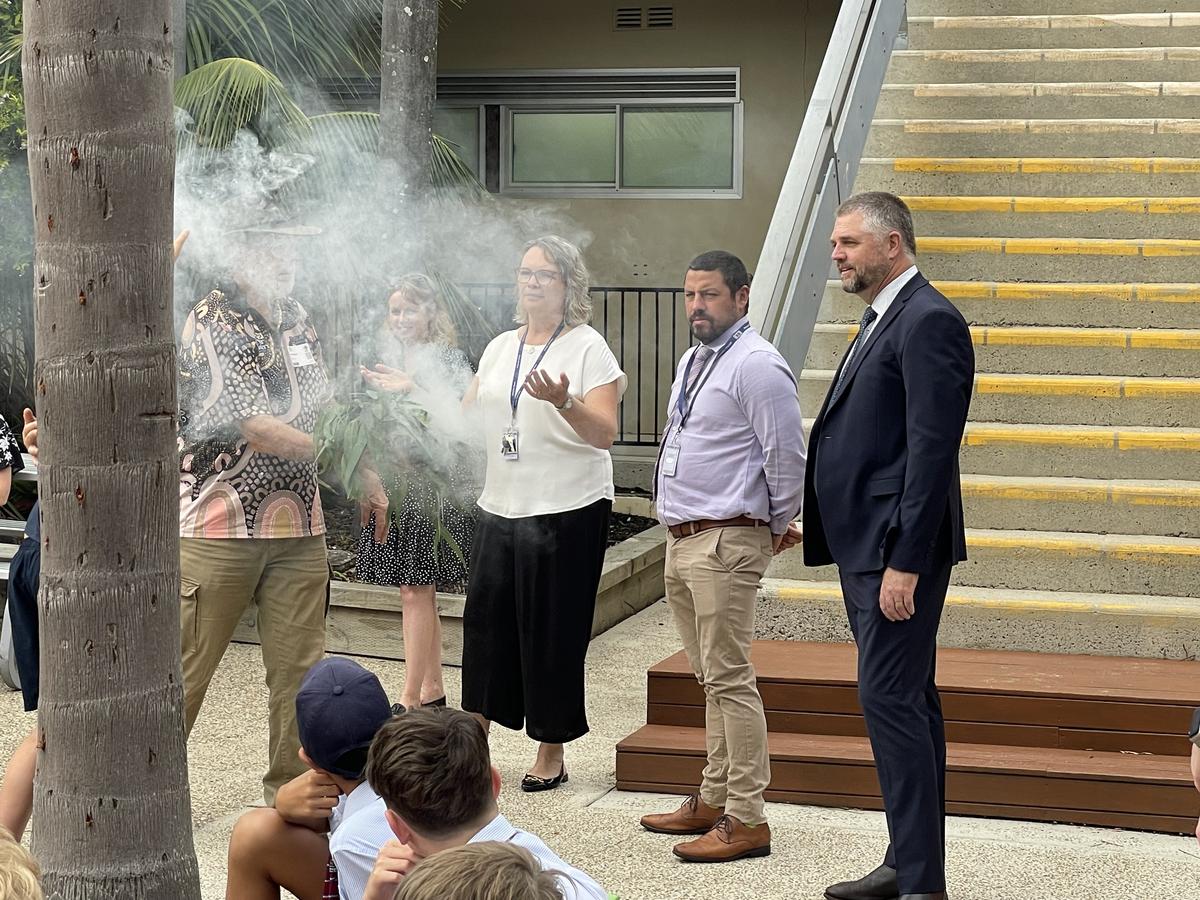
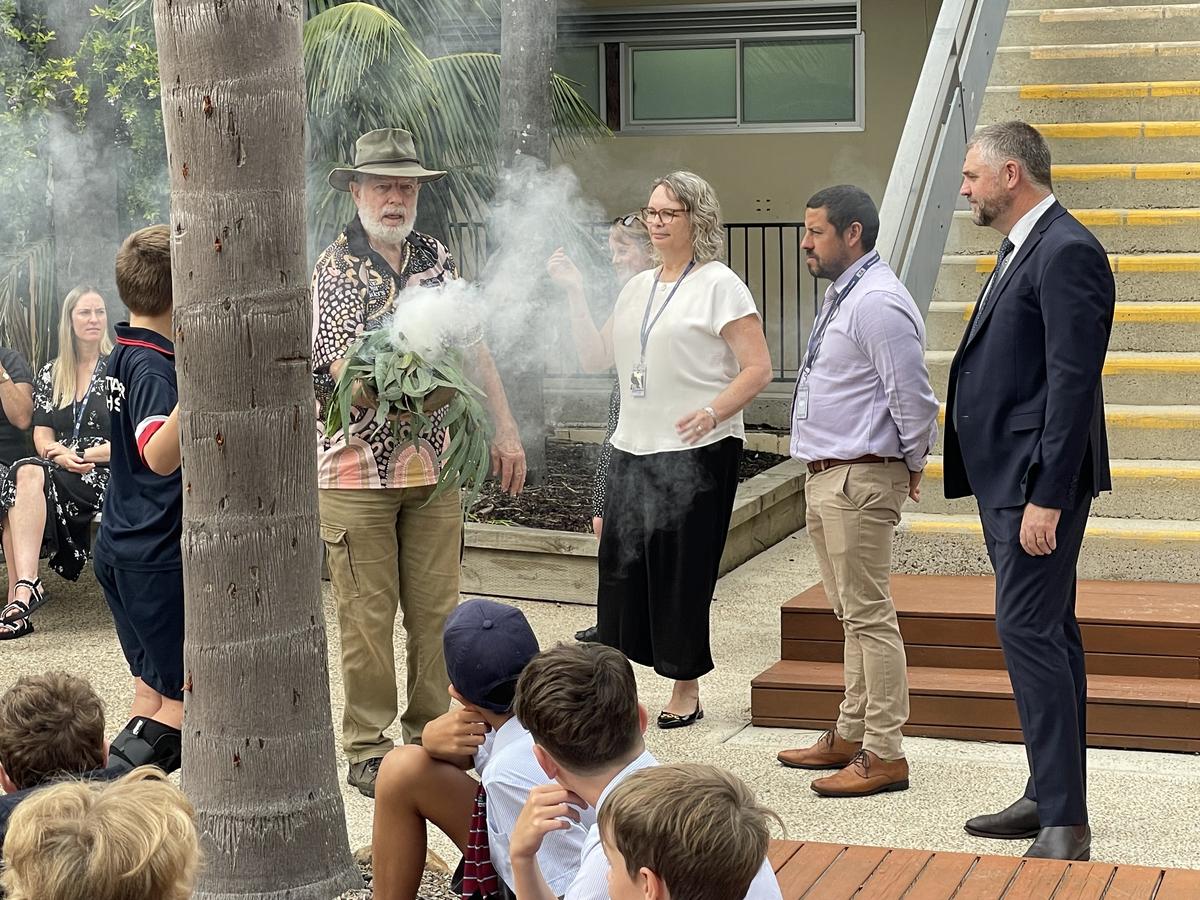
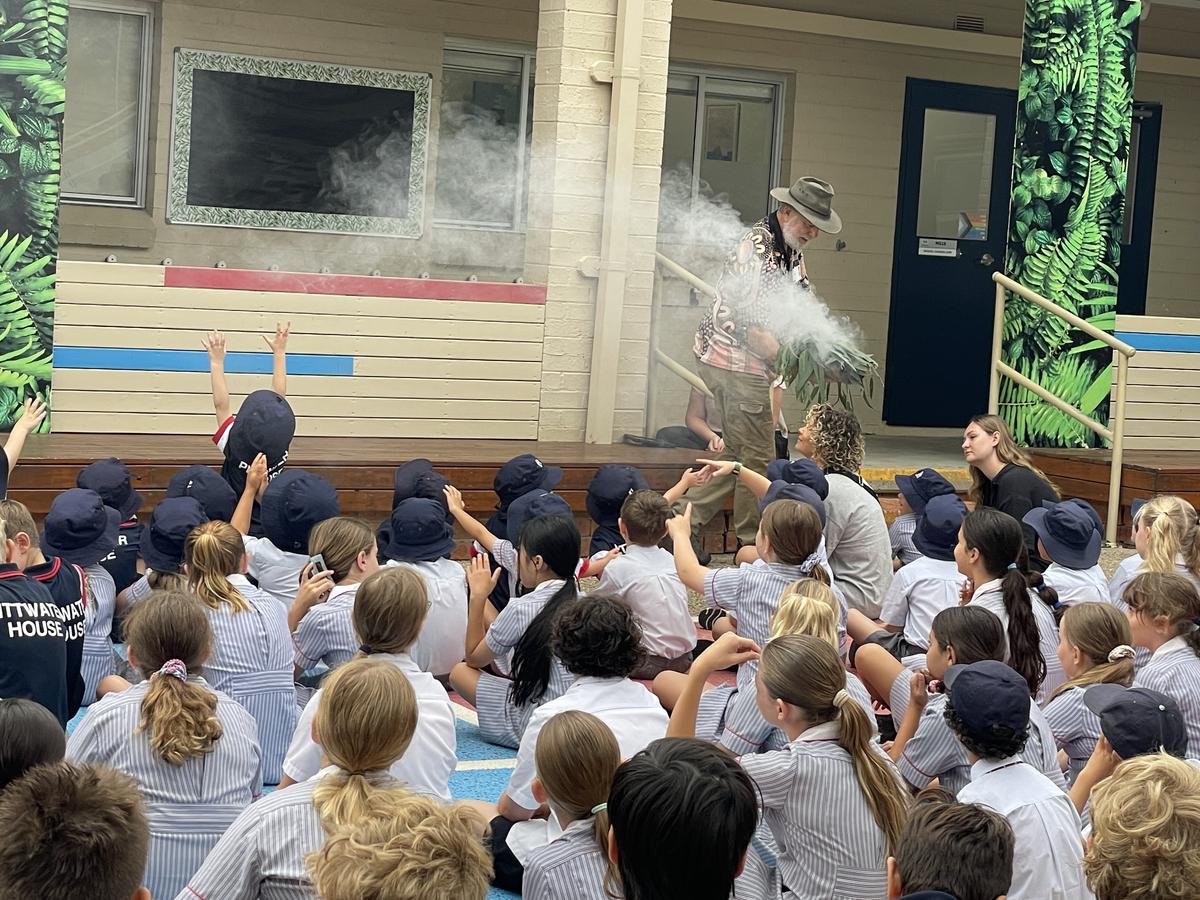
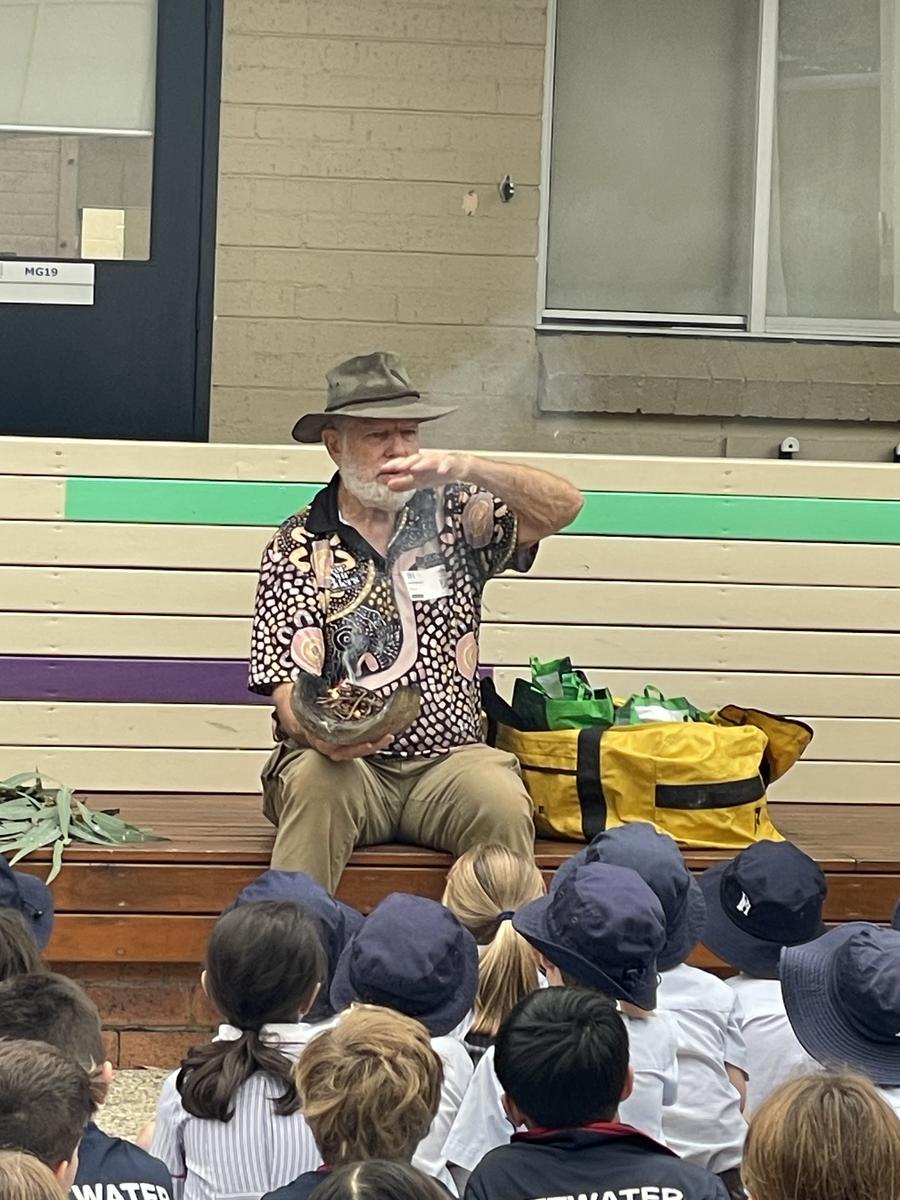
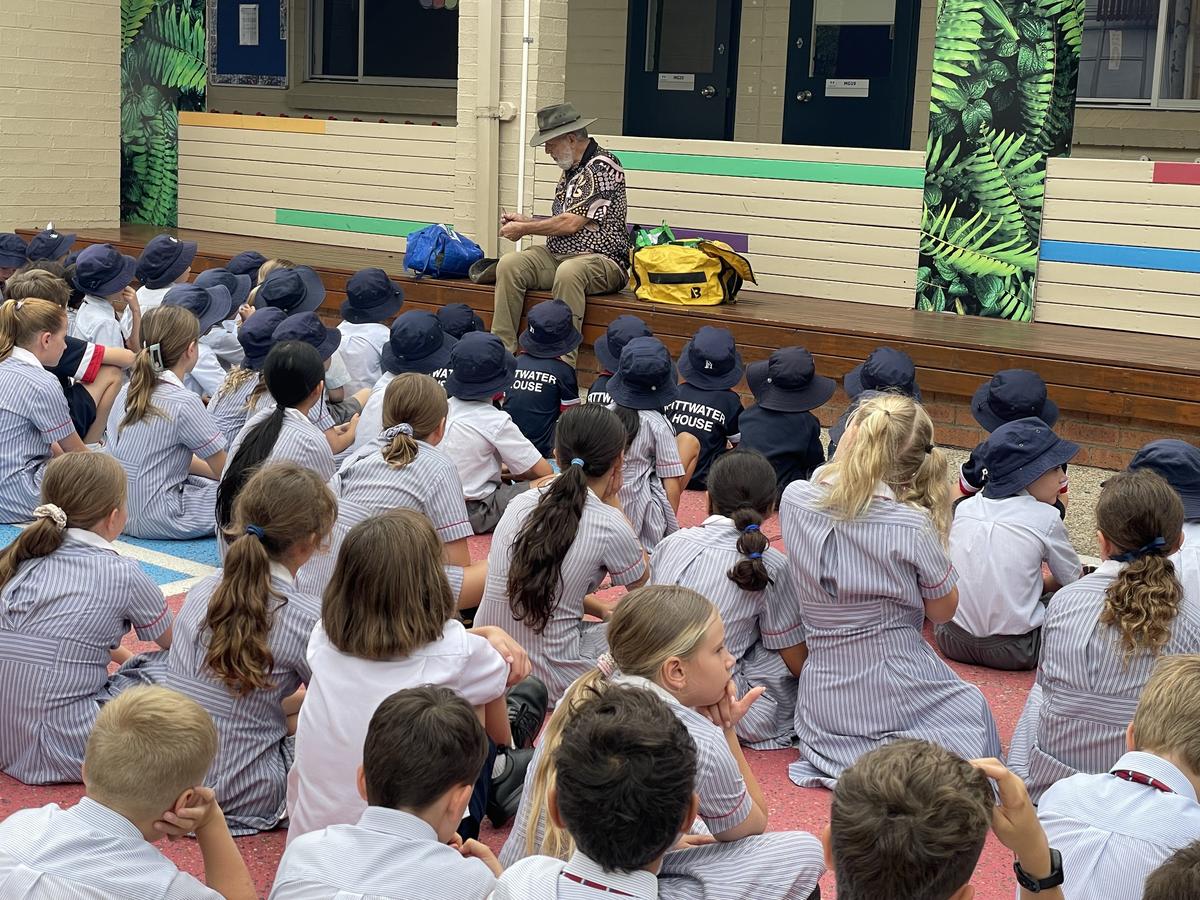
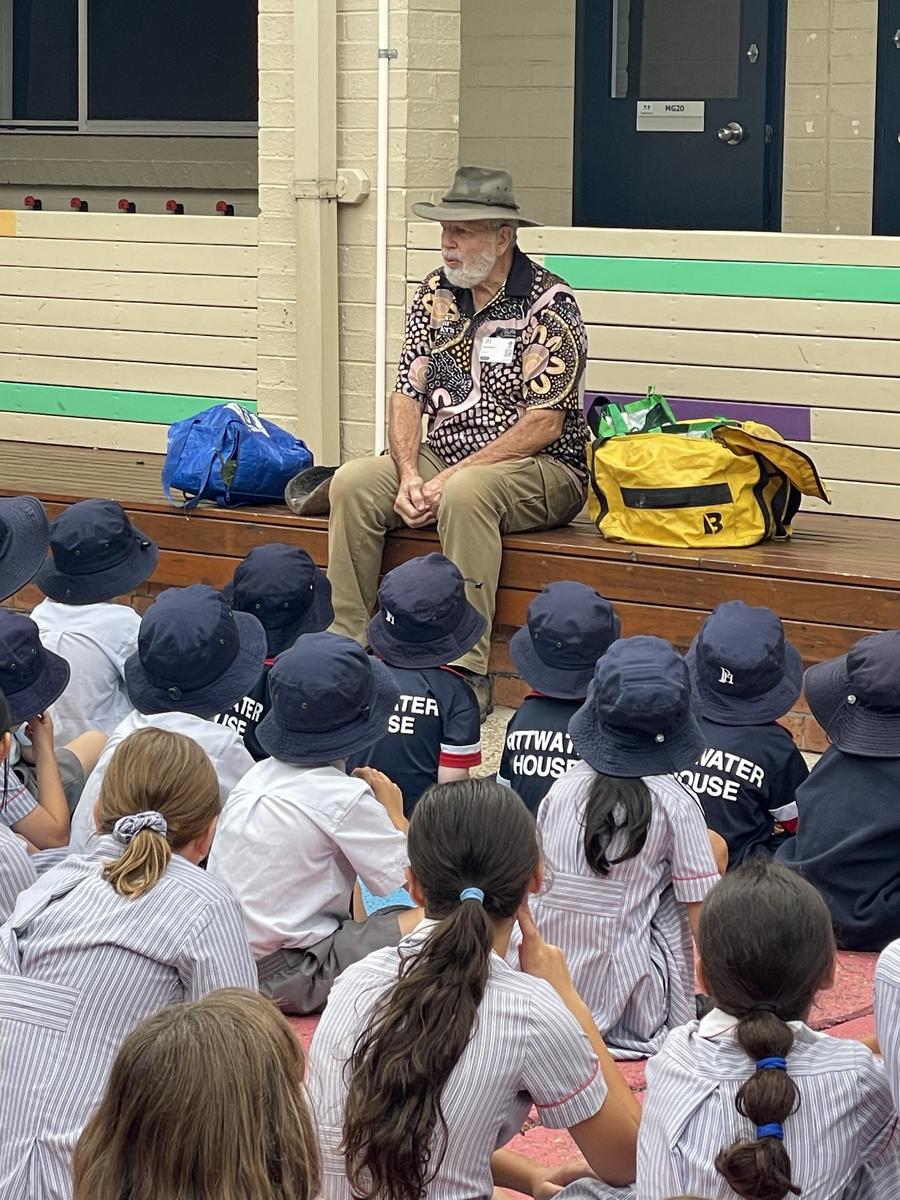
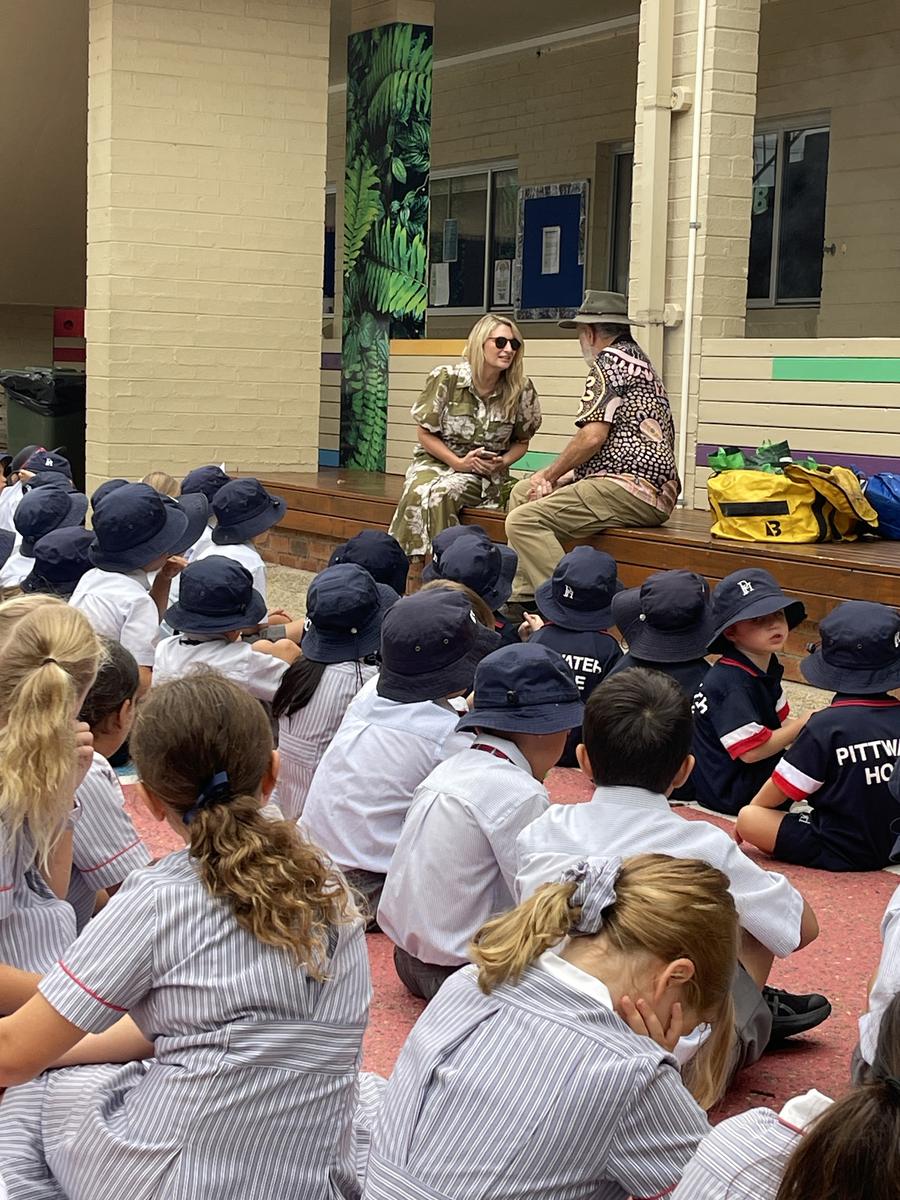
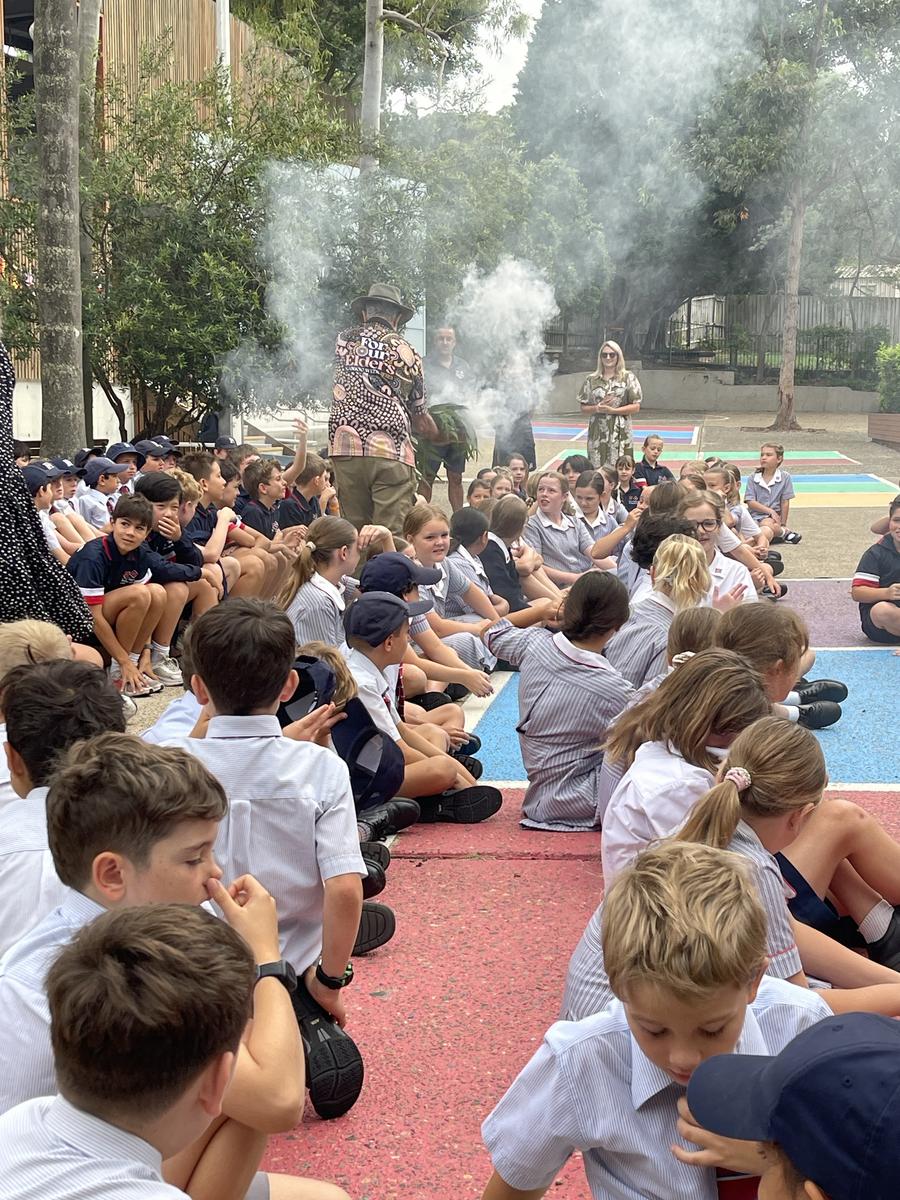
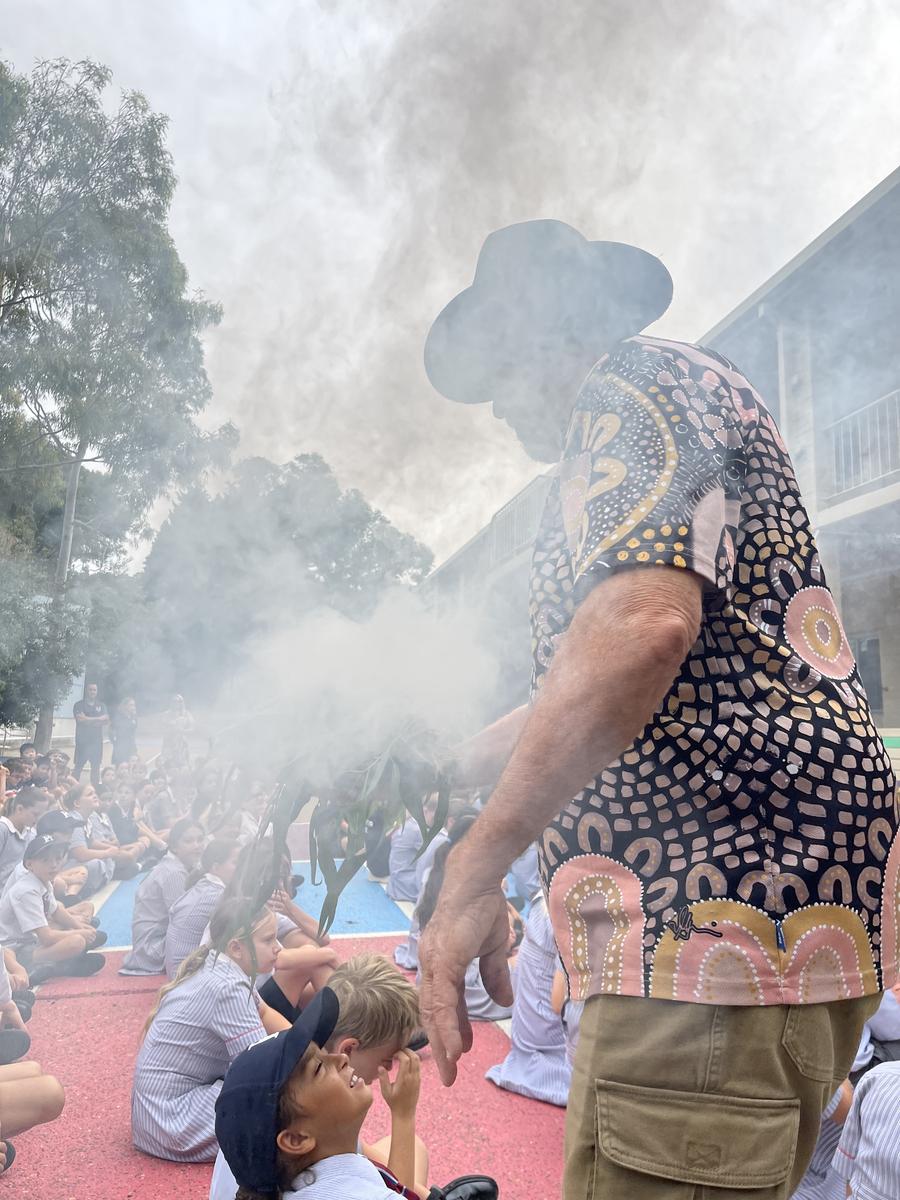
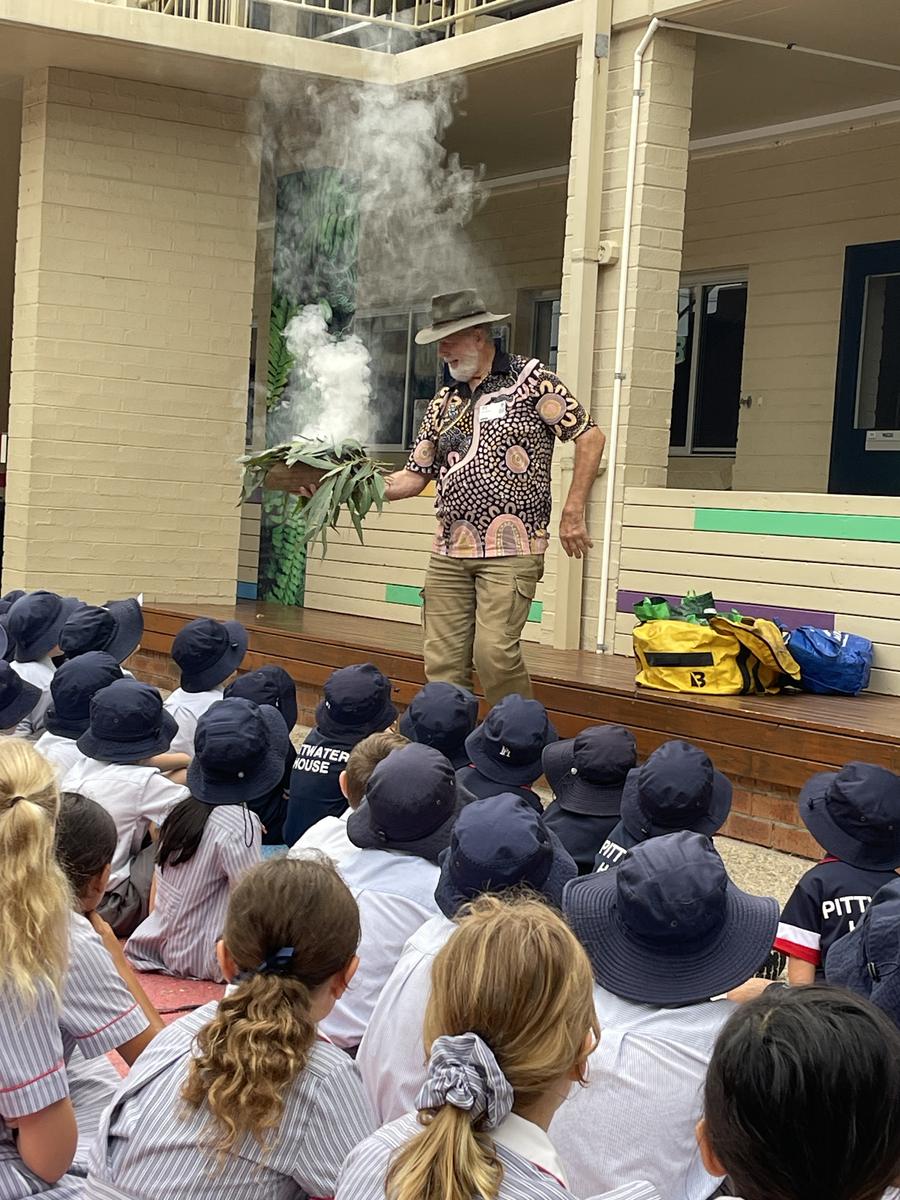
As part of Harmony Week, we are very lucky to have been joined by Uncle Laurie Bimson, who is a Guringai man. Uncle Laurie explained the significance of the Smoking Ceremonies to the Aboriginal People. They are spiritual practices that cleanse people, places, and objects, preparing them to be on Country, and for important events. Smoke, drawn from Eucalyptus leaves, carries protective and healing properties, ensuring participants are spiritually grounded and connected to Country. Being smoked signifies welcome, respect, and a commitment to being accepted on the land.
If you would like to know more about Harmony Week, this government link is a good starting point: https://www.harmony.gov.au/
A special thank you to Miss Kelli Brennan (P4 Teacher) for organising all of our Harmony Week activities.
From the Junior School Curriculum Co-ordinator

Mrs Ciara Loughland
Mrs Ciara Loughland
Congratulations to our Year 3 and Year 5 students who completed their NAPLAN assessments this week. They handled the prompts, engaged with a range of texts and even managed a whole-system NAPLAN outage with great resilience.
This week, our Junior School classrooms have been buzzing with wonderful learning opportunities. Ms James has highlighted some of the exciting projects taking place in our classrooms.
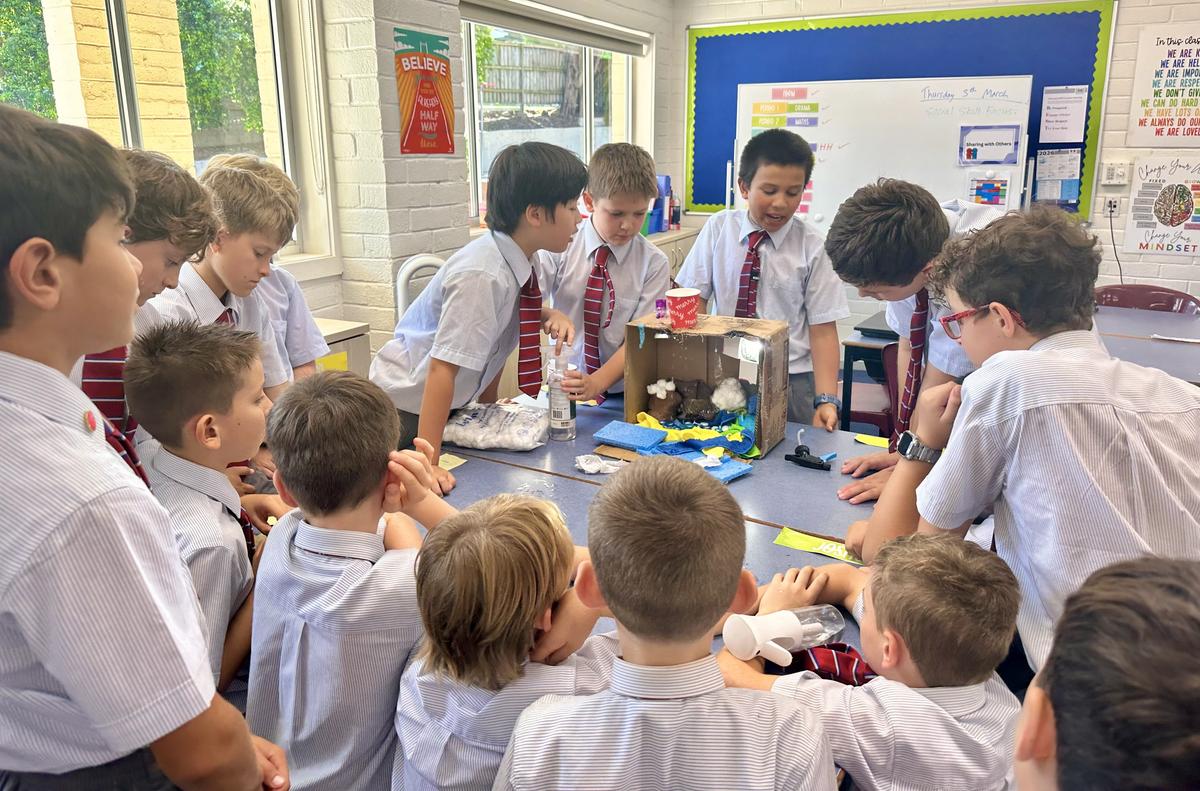
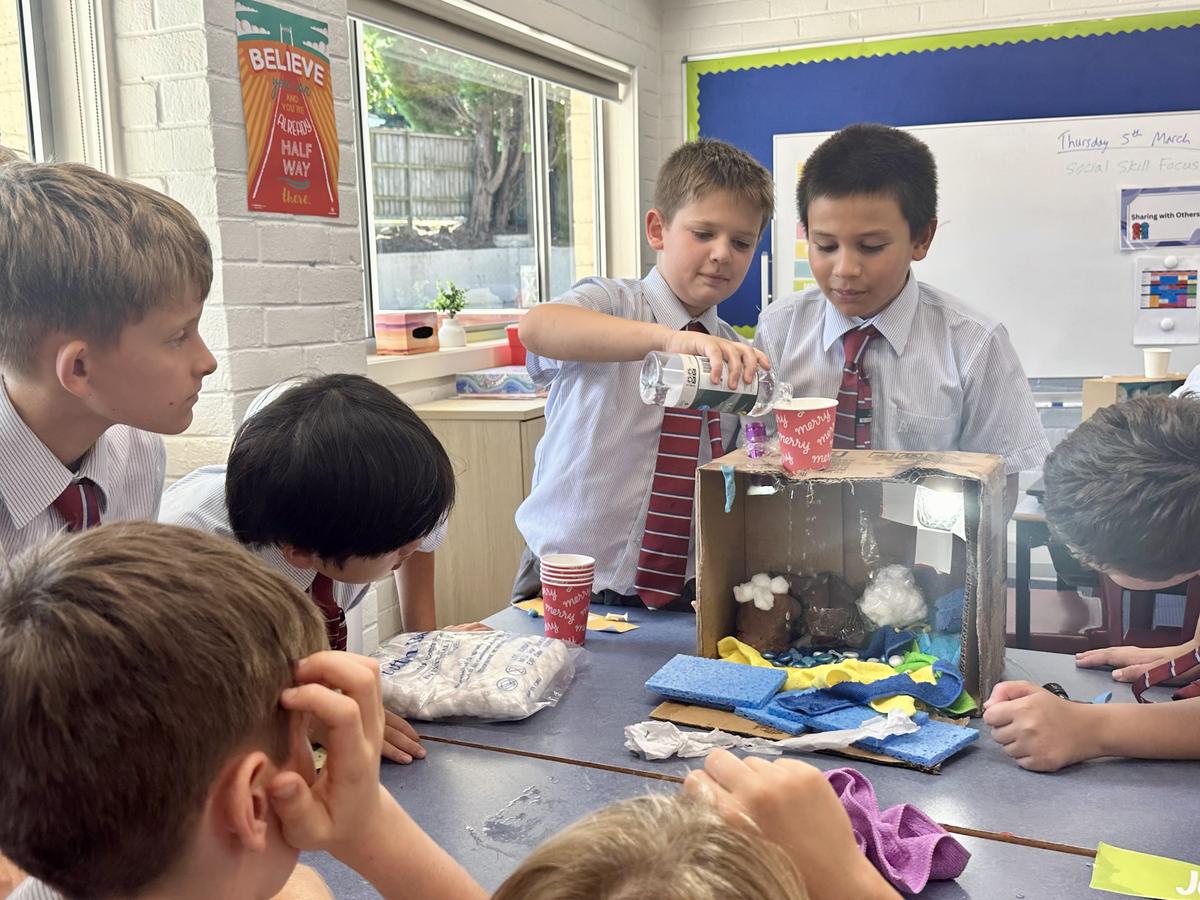
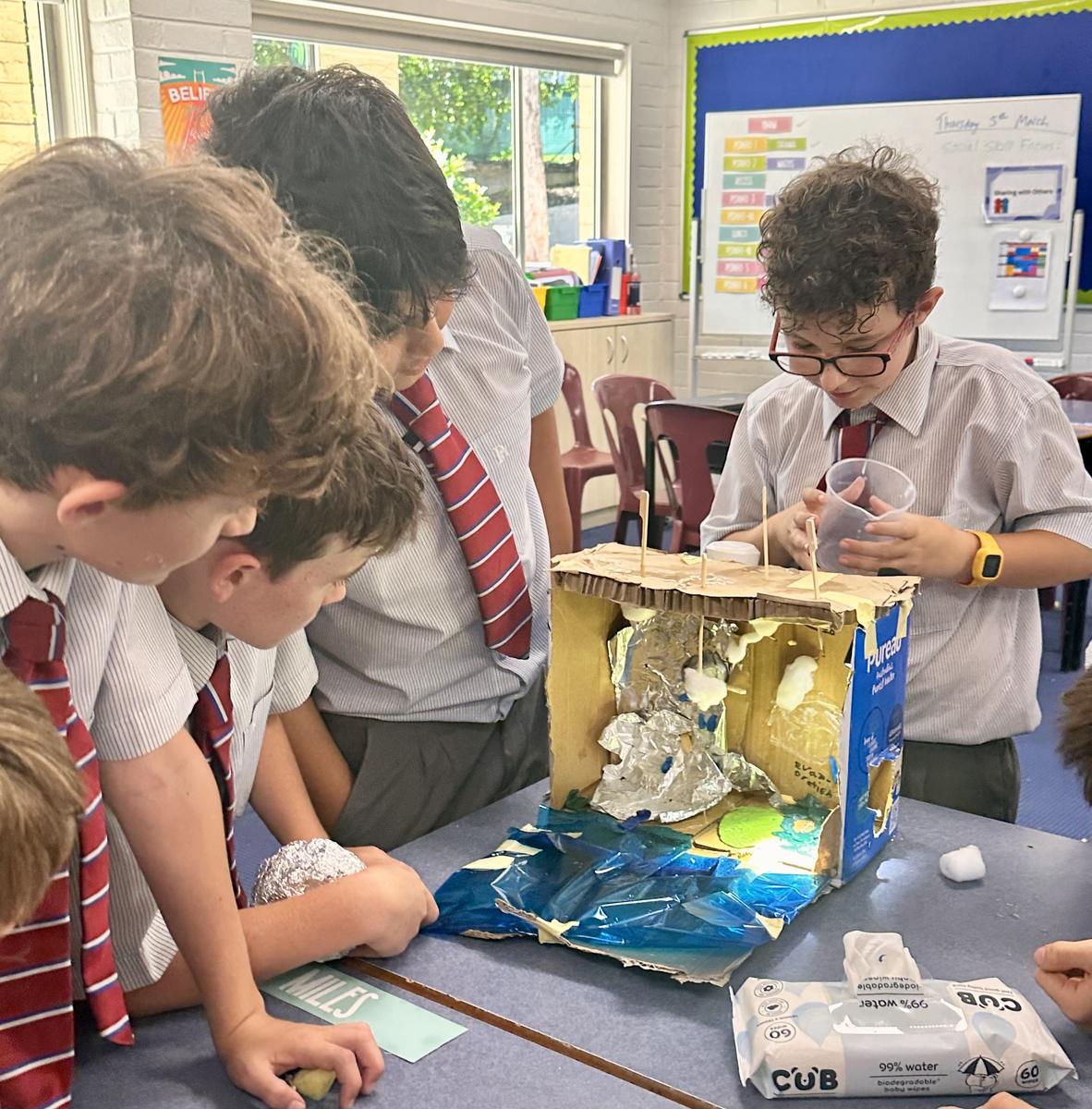
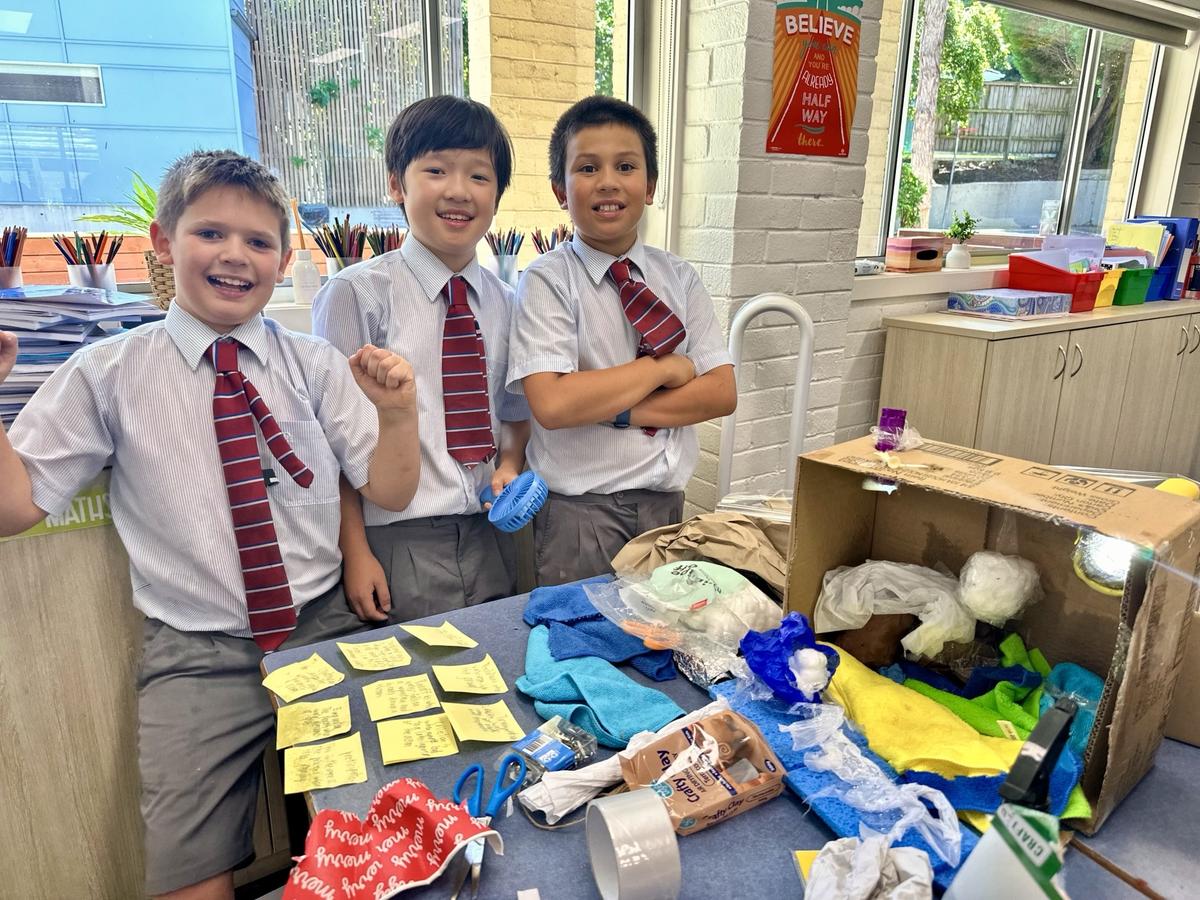
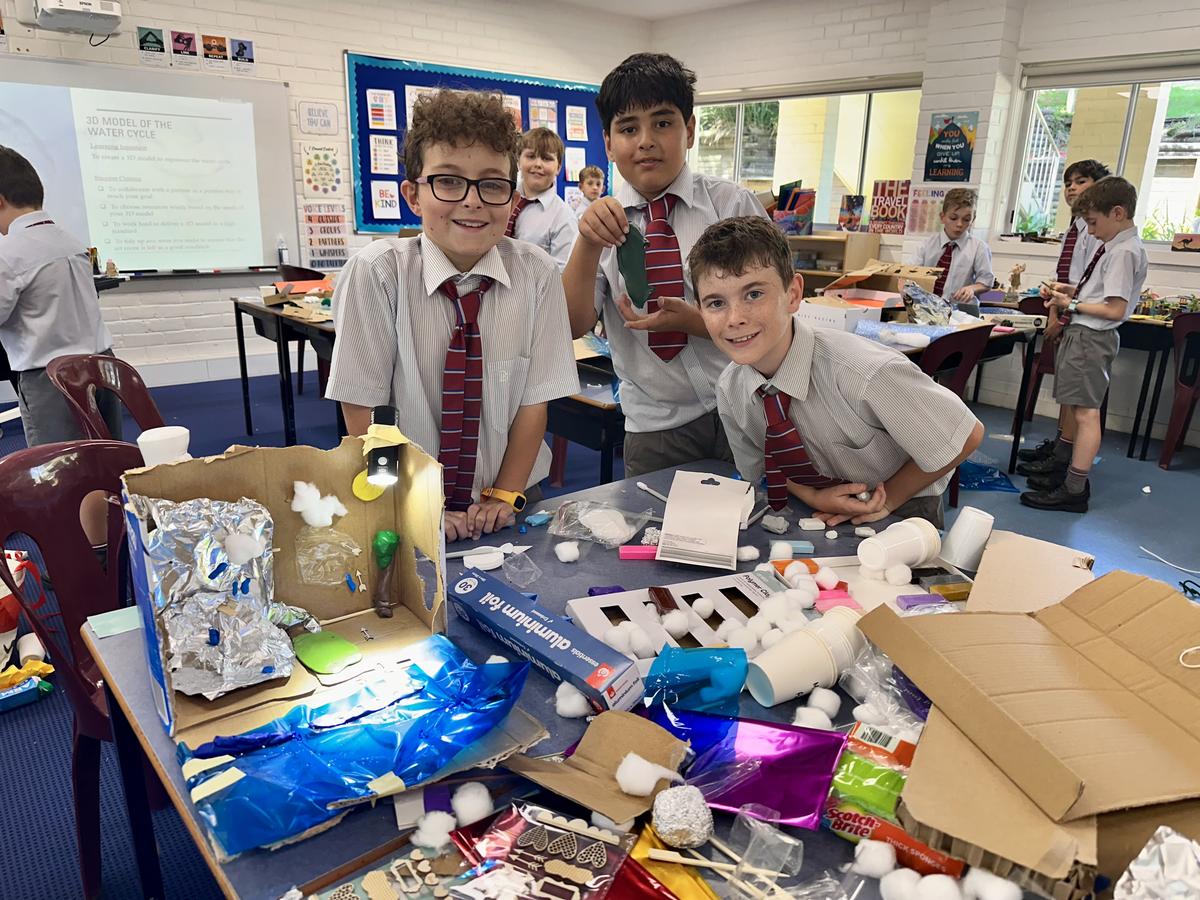
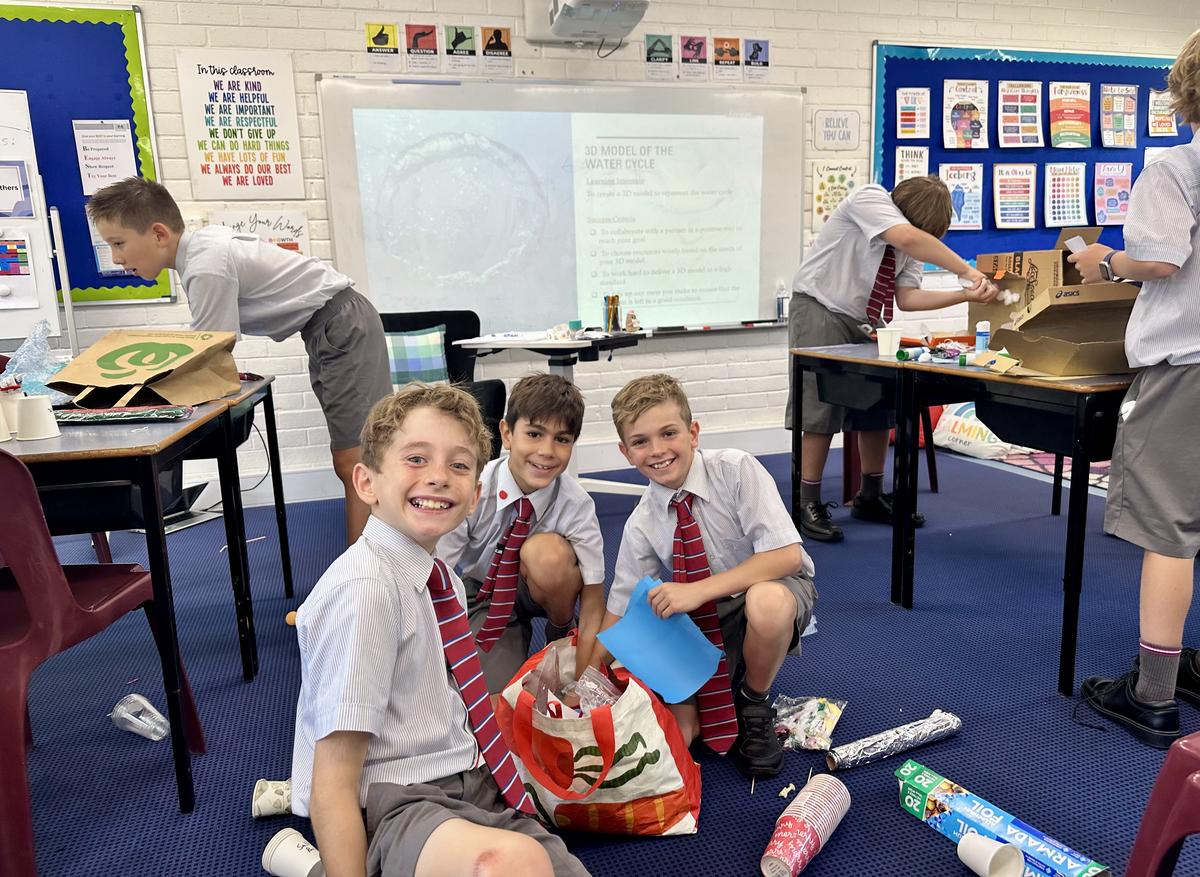
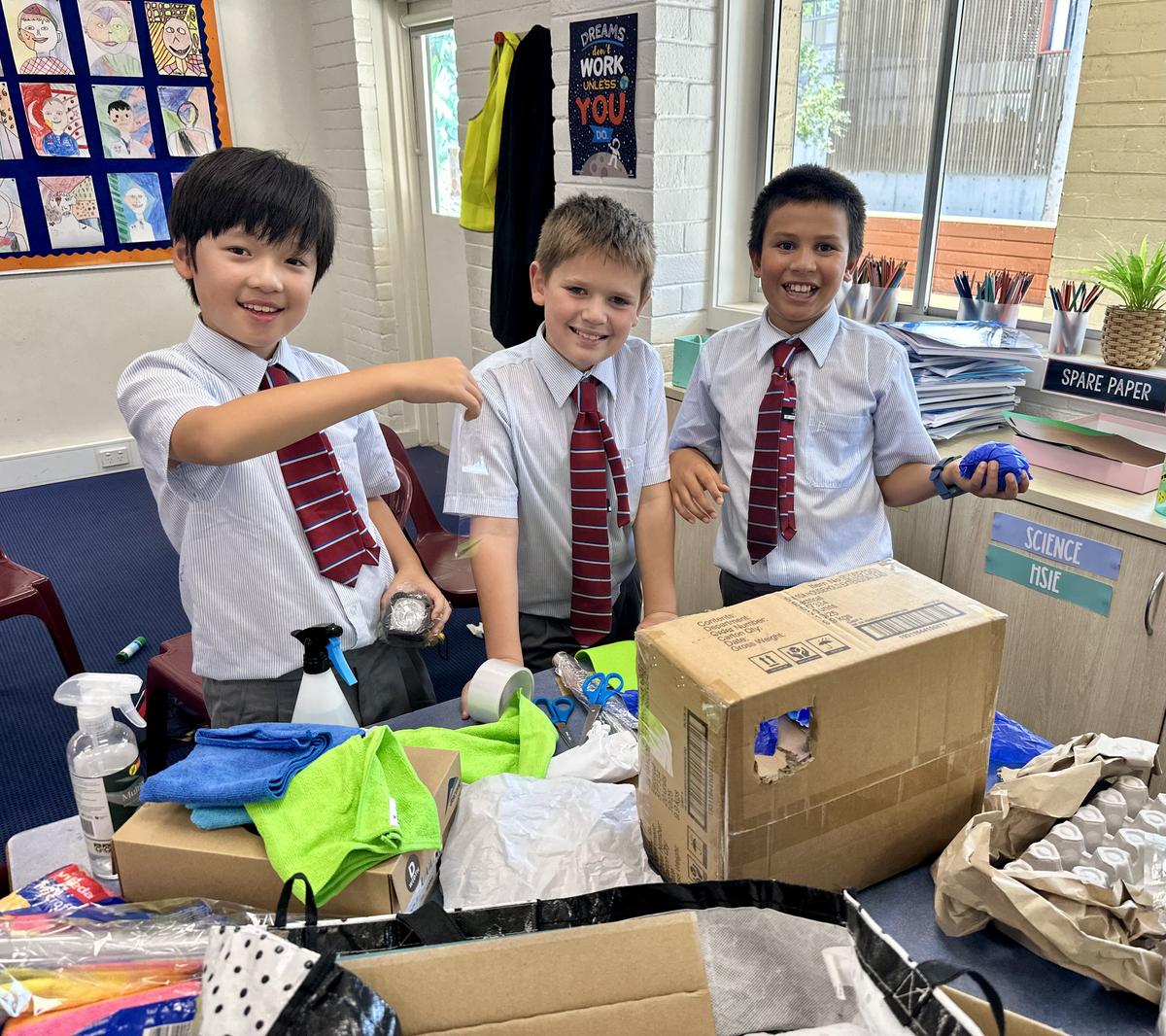
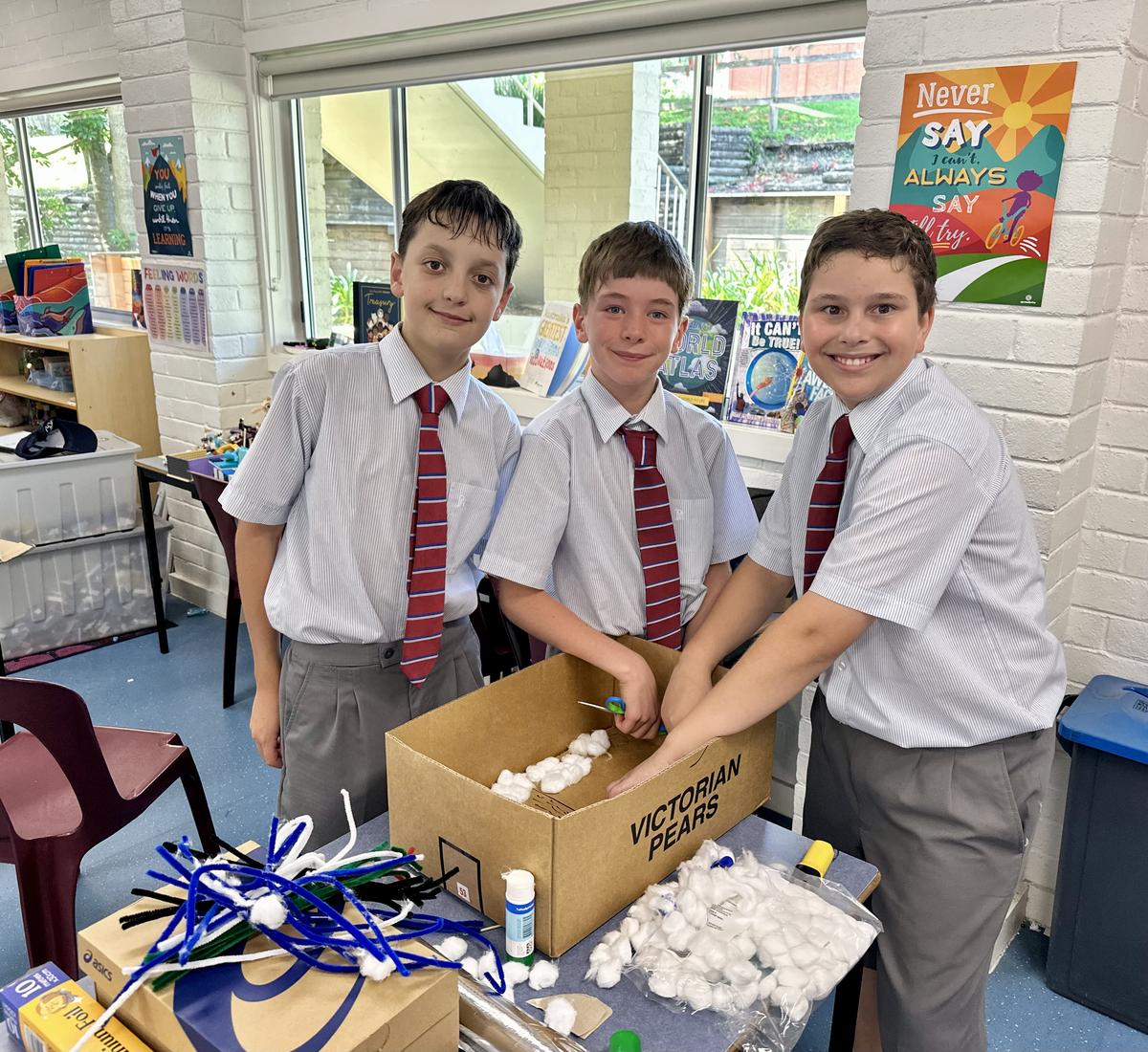
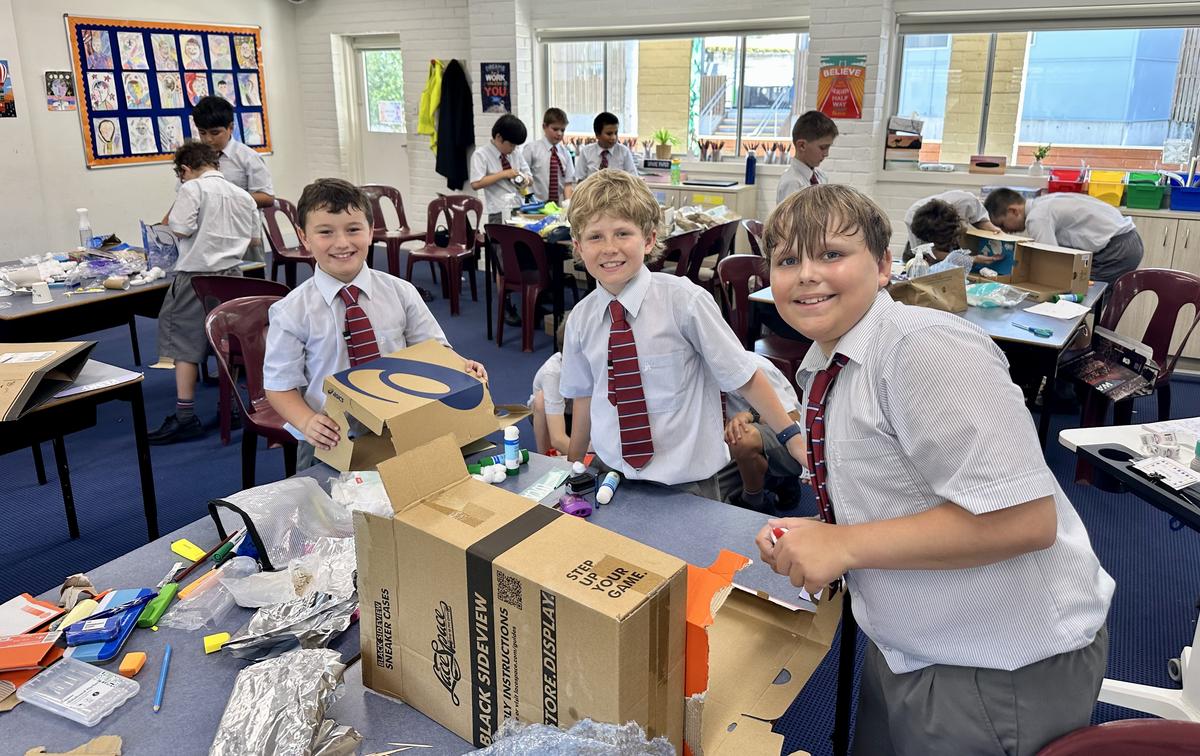
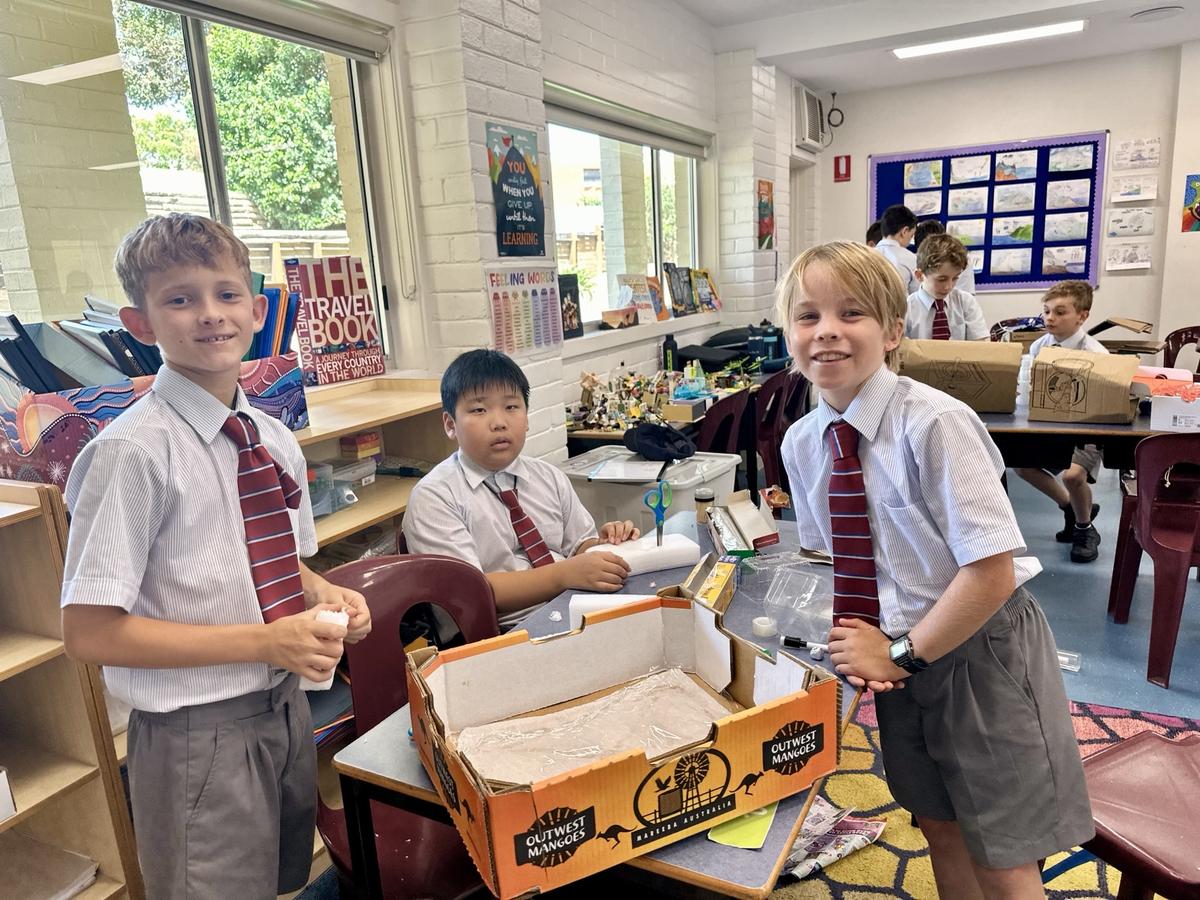
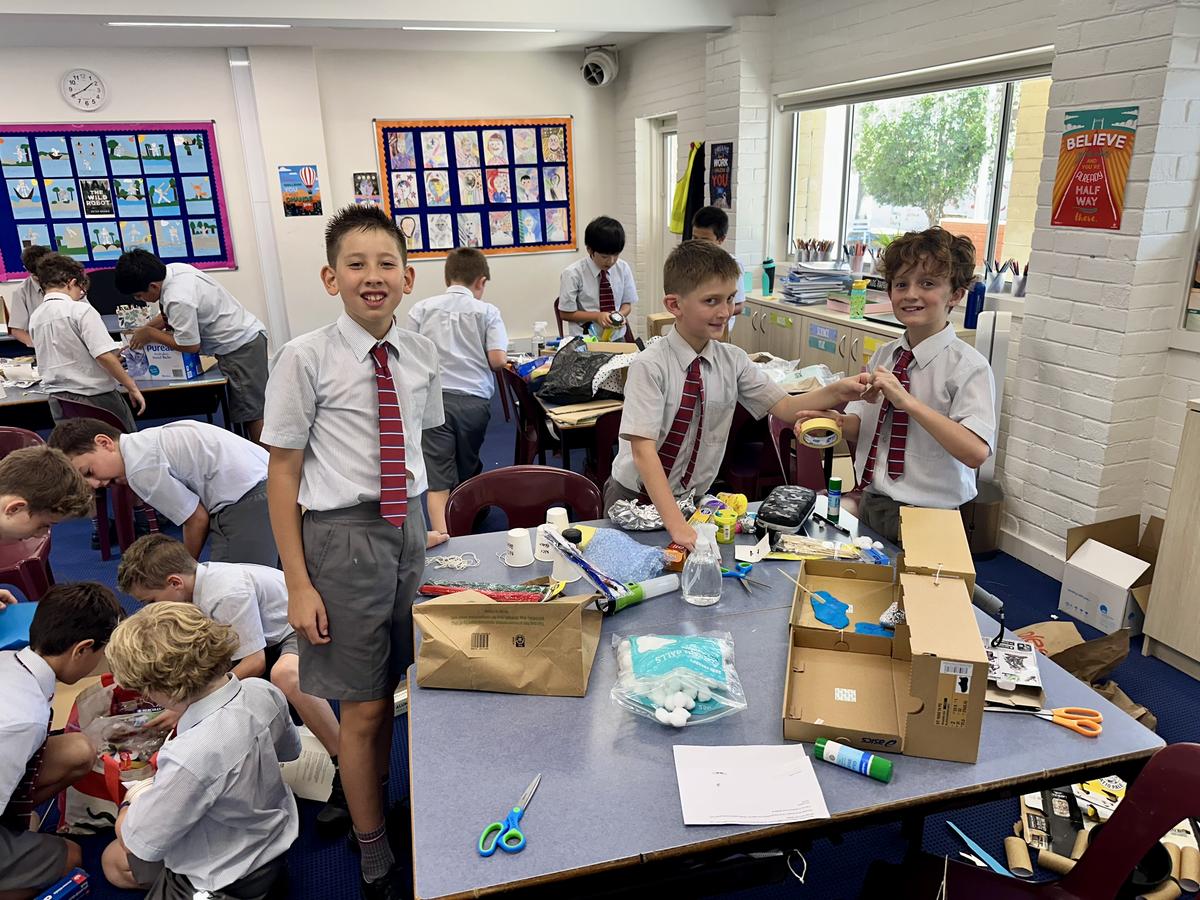
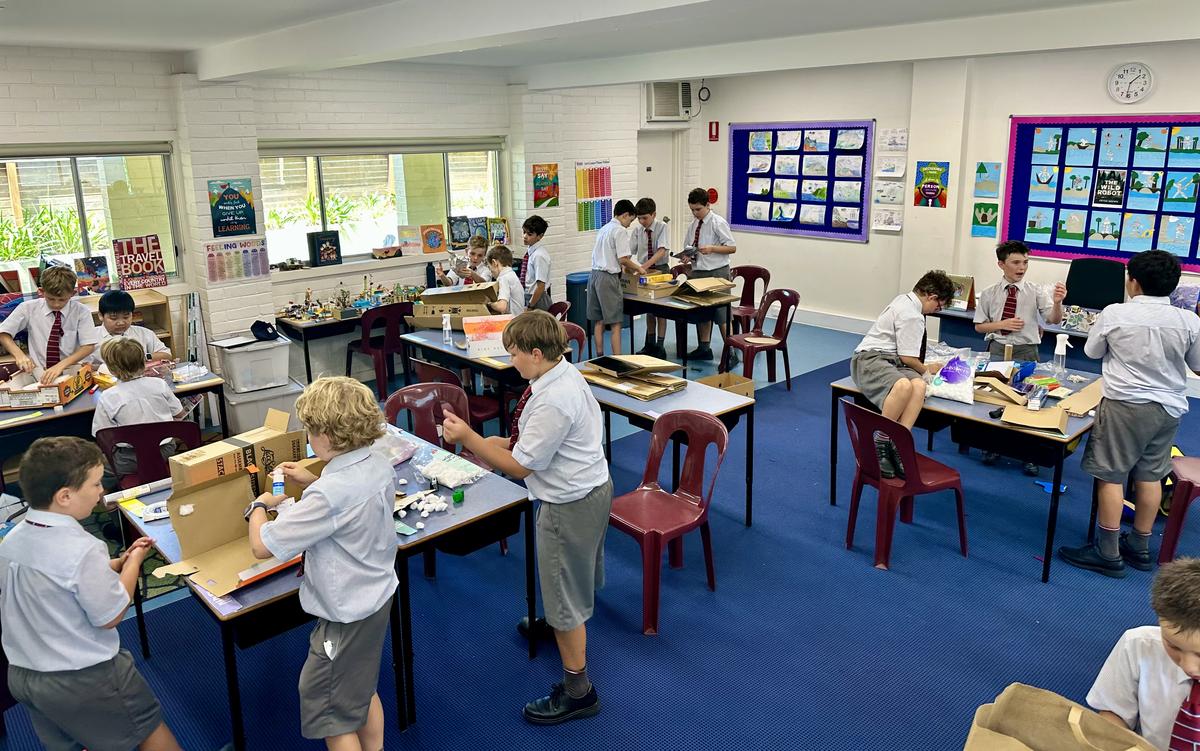
The Water Cycle in P5
Recently P5 have had a wonderful time engaging in some hands-on and collaborative learning to explore The Water Cycle. We participated in peer feedback and questioning whilst taking a gallery walk to explore each group's creations. The class were thoughtful and respectful with their comments. We then decided to 'vote with our feet' and stand next to the creation we thought demonstrated The Water Cycle in action.
From the Junior School Wellbeing Co-ordinator

Mr Marcial Nunura
Mr Marcial Nunura
The Value of 'No': Why Boundaries and Failure Matter for Children's Growth
As Co-ordinator of Wellbeing, I regularly speak with students, teachers and parents about the skills children need to grow into confident and capable young people. One theme that often arises is the balance between supporting children and allowing them to develop independence.
In schools, we see this play out every day. The students who grow most in confidence are not necessarily the ones who find everything easy, but those who learn how to navigate challenges, persist when something feels difficult and try again after a setback.
While it is natural for adults to want to protect children from disappointment or struggle, research consistently shows that some of the most important life skills develop when children encounter challenges and learn how to manage them with supportive adults around them.
Two important ingredients in this process are clear boundaries and opportunities to experience manageable setbacks.
The Role of Boundaries in Healthy Development
Developmental psychologist Diana Baumrind identified several parenting styles, but one in particular, often referred to as authoritative parenting, has consistently been linked to the most positive outcomes for children (Baumrind, 1966; Steinberg, 2001).
This approach combines warmth and strong relationships with clear expectations and consistent limits. Children raised in this environment tend to demonstrate stronger social skills, higher self-esteem and better academic outcomes. In other words, children benefit not from the absence of rules, but from firm and supportive boundaries.
In schools we see this very clearly. When expectations are consistent and predictable, children feel safe and secure. That sense of structure allows them to focus their energy on learning, relationships and personal growth.
Why Hearing “No” Matters
For young children especially, the ability to regulate emotions and impulses is still developing. Learning to accept limits; waiting for a turn, persisting with a task, or being told something is not possible, helps children develop the self-regulation skills they need for independence.
Recent research continues to reinforce this idea. Studies show that supportive but consistent parenting helps children develop stronger emotional regulation and self-control, which are closely linked to wellbeing and long-term success at school (Lunkenheimer, Sturge-Apple & Kelm, 2022).
At the same time, research suggests that when children are shielded from too many challenges, they can have fewer opportunities to practise independence and problem-solving, which may impact their confidence over time (Jones, Hall & Kiel, 2021).
Importantly, hearing “no” is not about being strict or unkind. Rather, it is about helping children understand that boundaries exist to support their growth and development.
The Importance of Allowing Children to Struggle
Alongside boundaries sits another important part of development: the opportunity to experience manageable struggle.
Psychologist Lev Vygotsky described how children learn best when they are supported through challenges that are slightly beyond what they can do independently. Modern research on resilience continues to support this idea, showing that children build persistence and confidence when they work through challenges with supportive adults nearby (Masten & Barnes, 2018; Horm et al., 2024).
When a child finds a task difficult, loses a game or makes a mistake, they are practising something incredibly important: learning how to recover, reflect and try again. These experiences help develop the qualities we most hope to nurture in children; resilience, perseverance, and confidence.
Working Together: School and Home
The partnership between school and home plays an important role in reinforcing these messages.
When children experience clear expectations, encouragement and opportunities to learn from mistakes in both environments, they are better equipped to approach challenges positively.
At school we encourage students to try, to persist and to view mistakes as a normal and valuable part of learning.
At home, small everyday moments can reinforce the same message; encouraging a child to solve a problem before stepping in, supporting them through frustration, or calmly explaining why a boundary exists.
These ideas are not about making parenting harder, but about giving children the opportunity to develop the confidence and resilience they will need as they grow.
Simple Ways Parents Can Support This at Home
While every family is different, a few small approaches can make a meaningful difference:
Allow small struggles: Give children time to work through challenges before stepping in to help.
Explain boundaries: Children are more likely to accept limits when they understand the reason behind them.
Normalise mistakes: Help children reflect on what they can learn from a setback.
Model calm problem-solving: Children learn how to respond to frustration by watching the adults around them.
Praise effort: Focusing on effort rather than outcome encourages persistence and confidence.
Final Thought
Ultimately, the goal of parenting and education is not simply to make childhood comfortable, it is to prepare children for life.
Life inevitably includes challenge, disappointment and effort. By setting clear boundaries, saying “no” when needed and allowing children to experience manageable setbacks, we help equip them with the resilience and confidence they will need throughout their lives.
In doing so, we are not making childhood harder. We are helping children grow stronger.
References
Baumrind, D. (1966). Effects of authoritative parental control on child behaviour. Child Development.
Jones, L., Hall, B., & Kiel, E. (2021). Maternal anxiety and overprotection: A systematic review. Journal of Affective Disorders.
Lunkenheimer, E., Sturge-Apple, M., & Kelm, M. (2022). Parent self-regulation and discipline processes. Child Development Perspectives.
Masten, A., & Barnes, A. (2018). Resilience in children: Developmental perspectives.
Horm, D., Jeon, S., Ruvalcaba, D., & Castle, S. (2024). Resilience and self-regulation in early childhood learning environments. Frontiers in Psychology.
Steinberg, L. (2001). Parent–adolescent relationships in retrospect and prospect. Journal of Research on Adolescence
From the Junior School PDHPE Co-ordinator

Mrs Amy Maloney
Mrs Amy Maloney
At the beginning of this month, 36 students from the Junior School participated in the IPSHA Swimming and Diving Carnival against 50 others independent schools across NSW and the ACT. Our students represented the school with pride, showing determination, teamwork and enthusiasm throughout the day. We congratulate Monroe (P6) and Elliot (P5) for their respective wins in the Diving events. They will now progress to CIS.
Over the last few weeks, we have been fortunate to have coaches from Try Time Rugby work with all our Junior School students during Sport, helping them develop their rugby skills in a fun and supportive environment. We thank the Collaroy Cougars for enabling these sessions with qualified and engaging coaches. If any families are interested in joining the Cougars, they are welcome to contact me for further information.
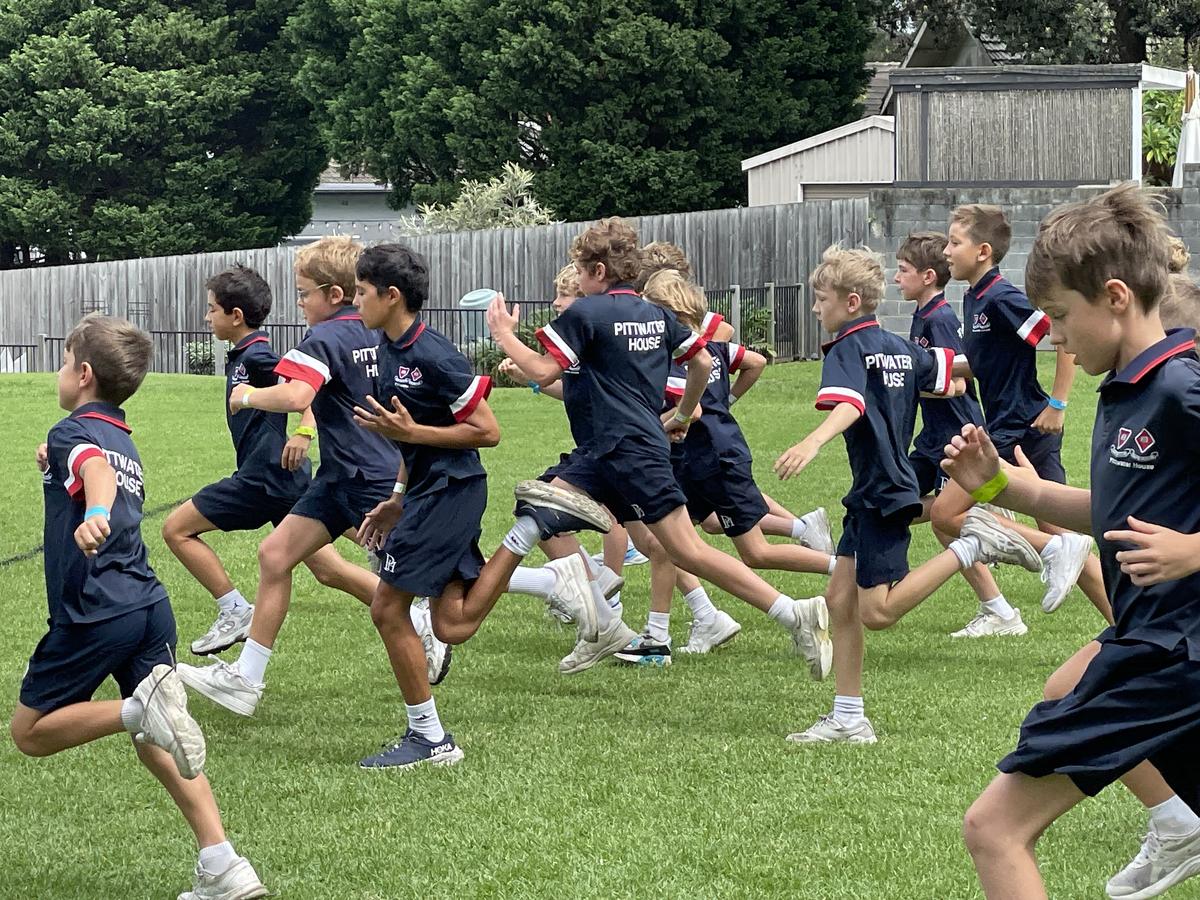
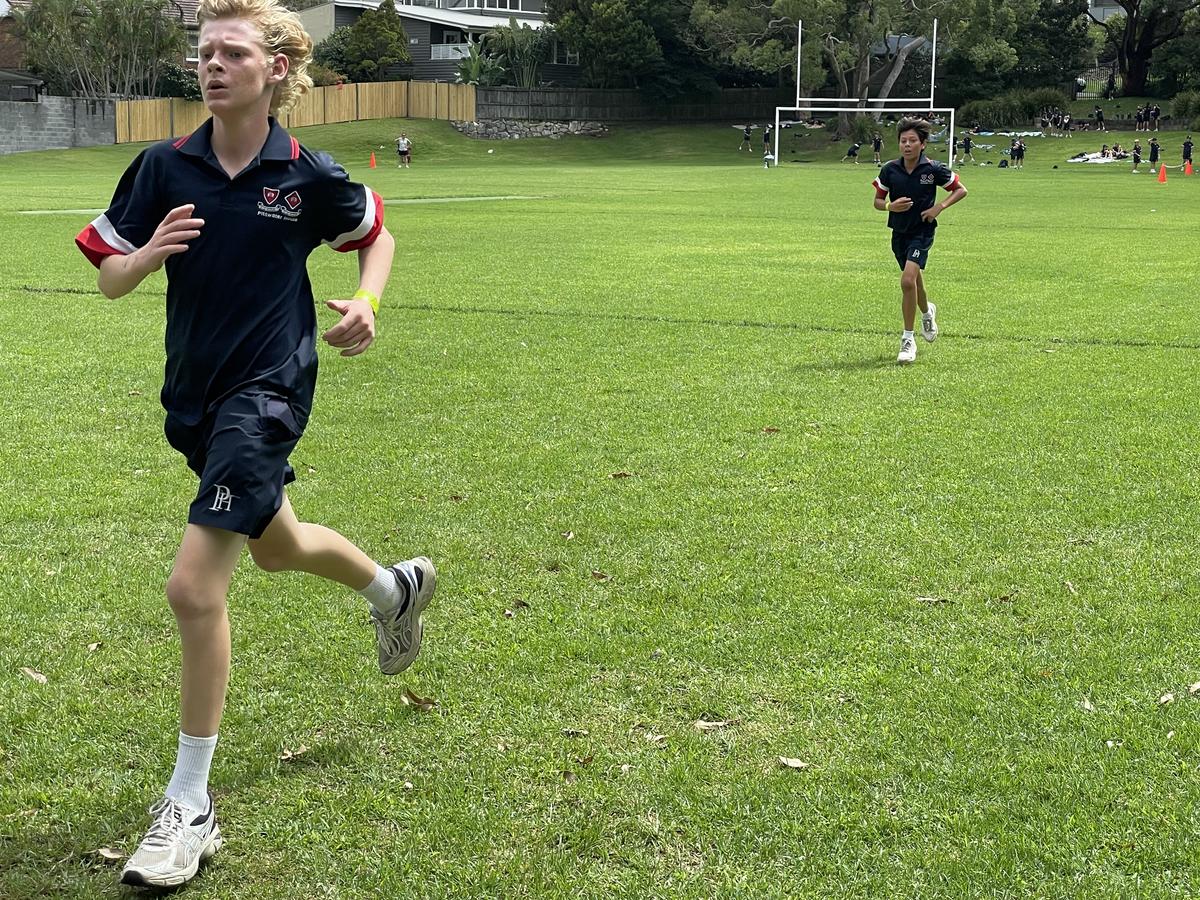
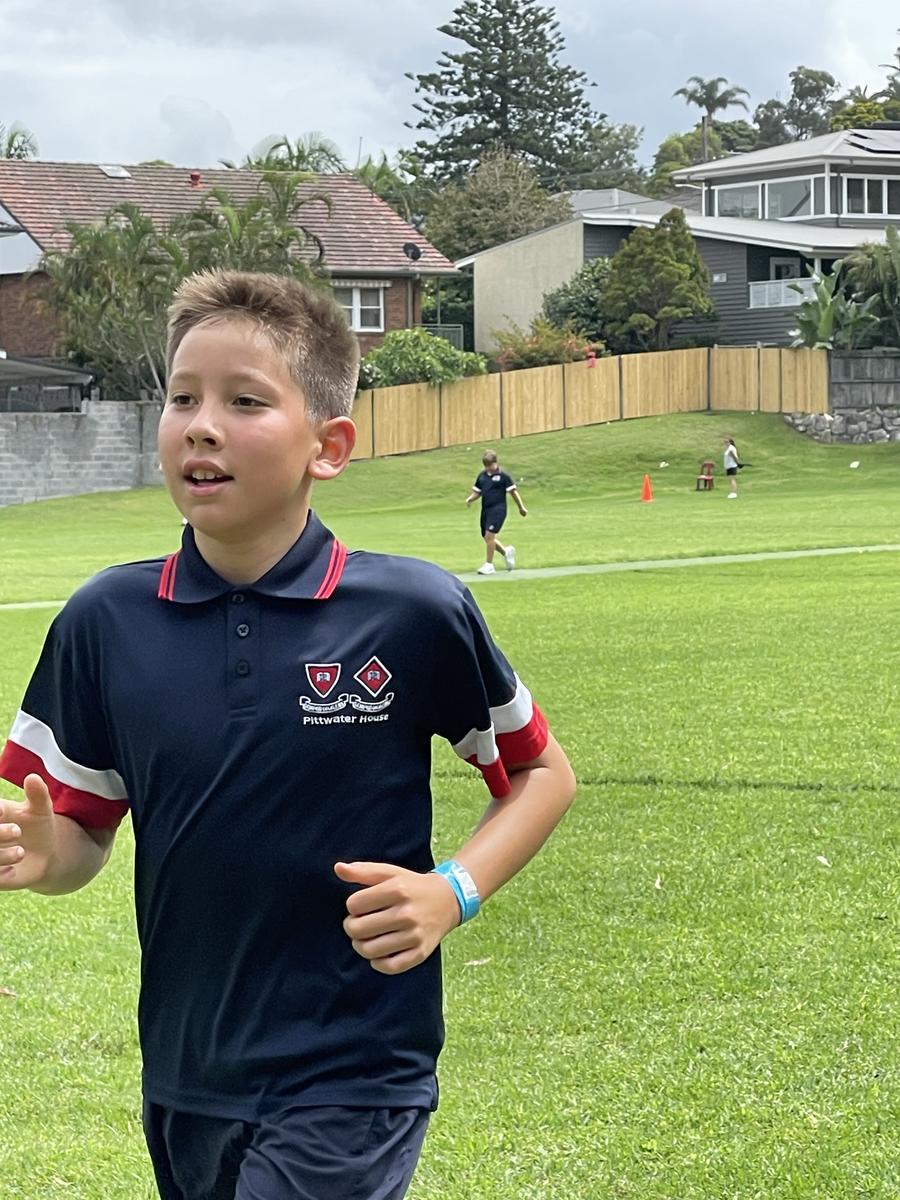
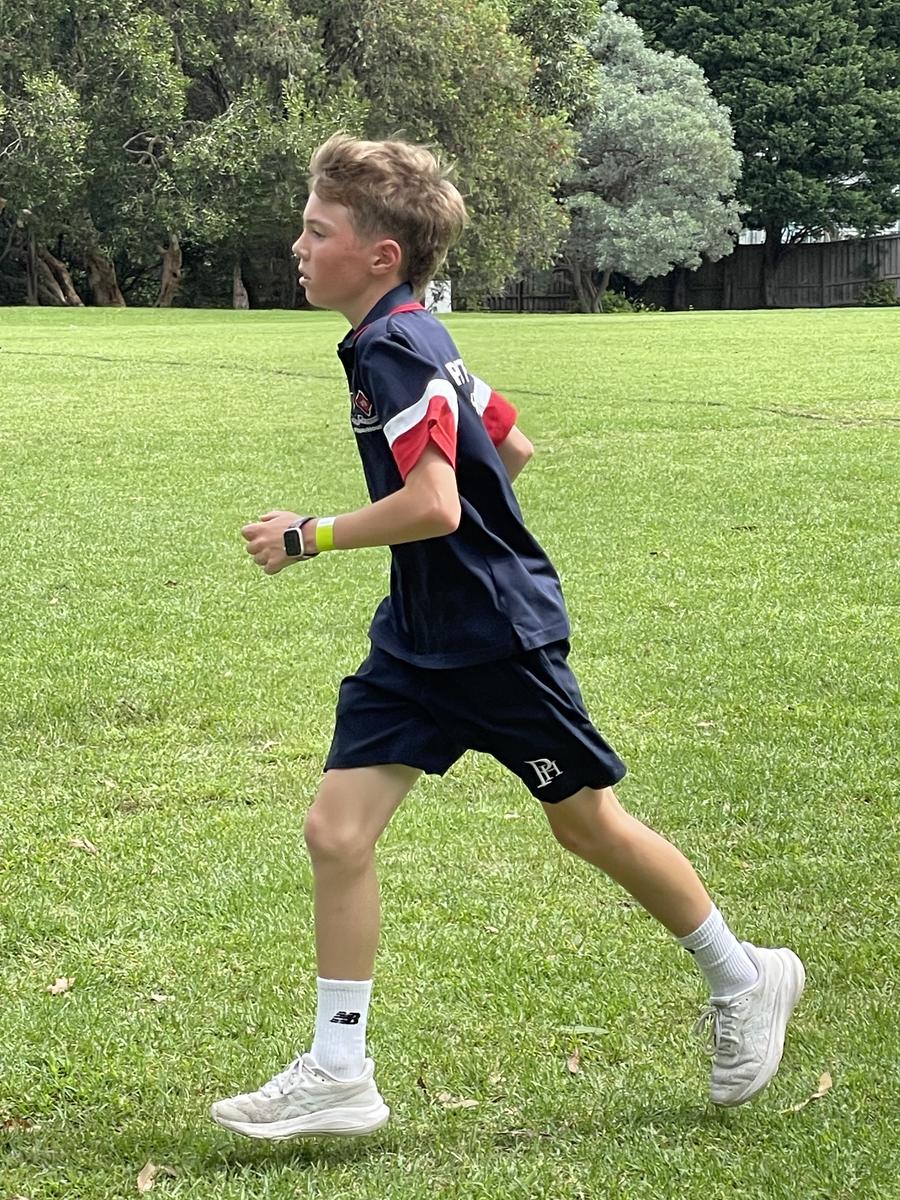
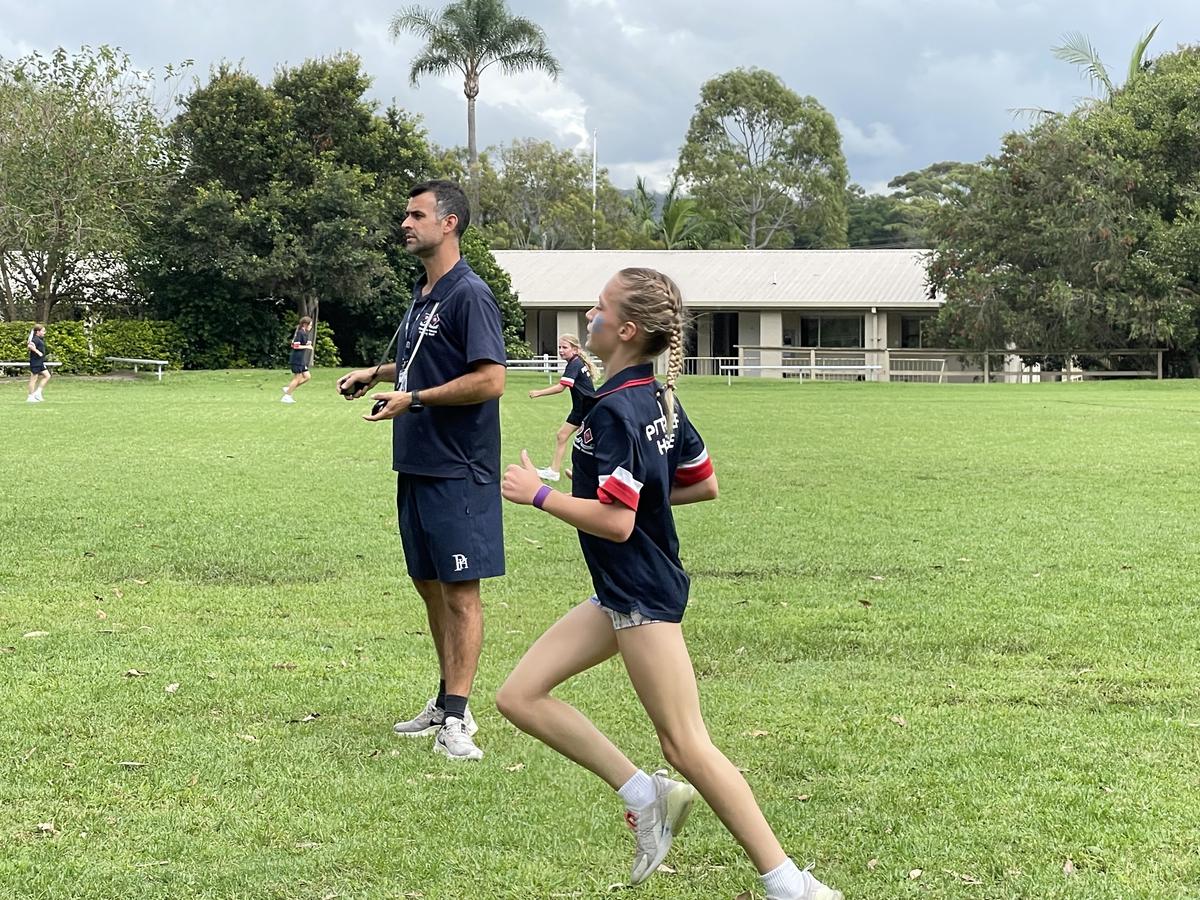
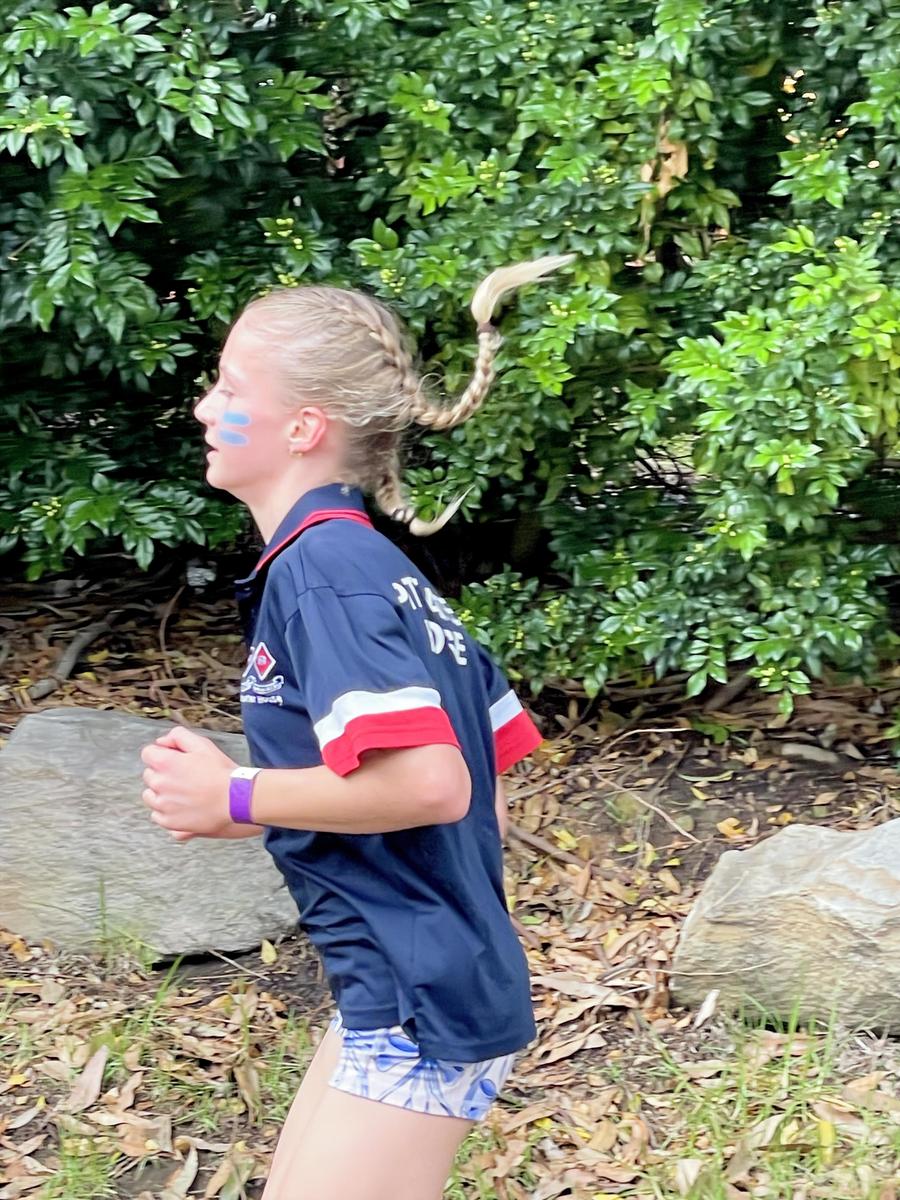
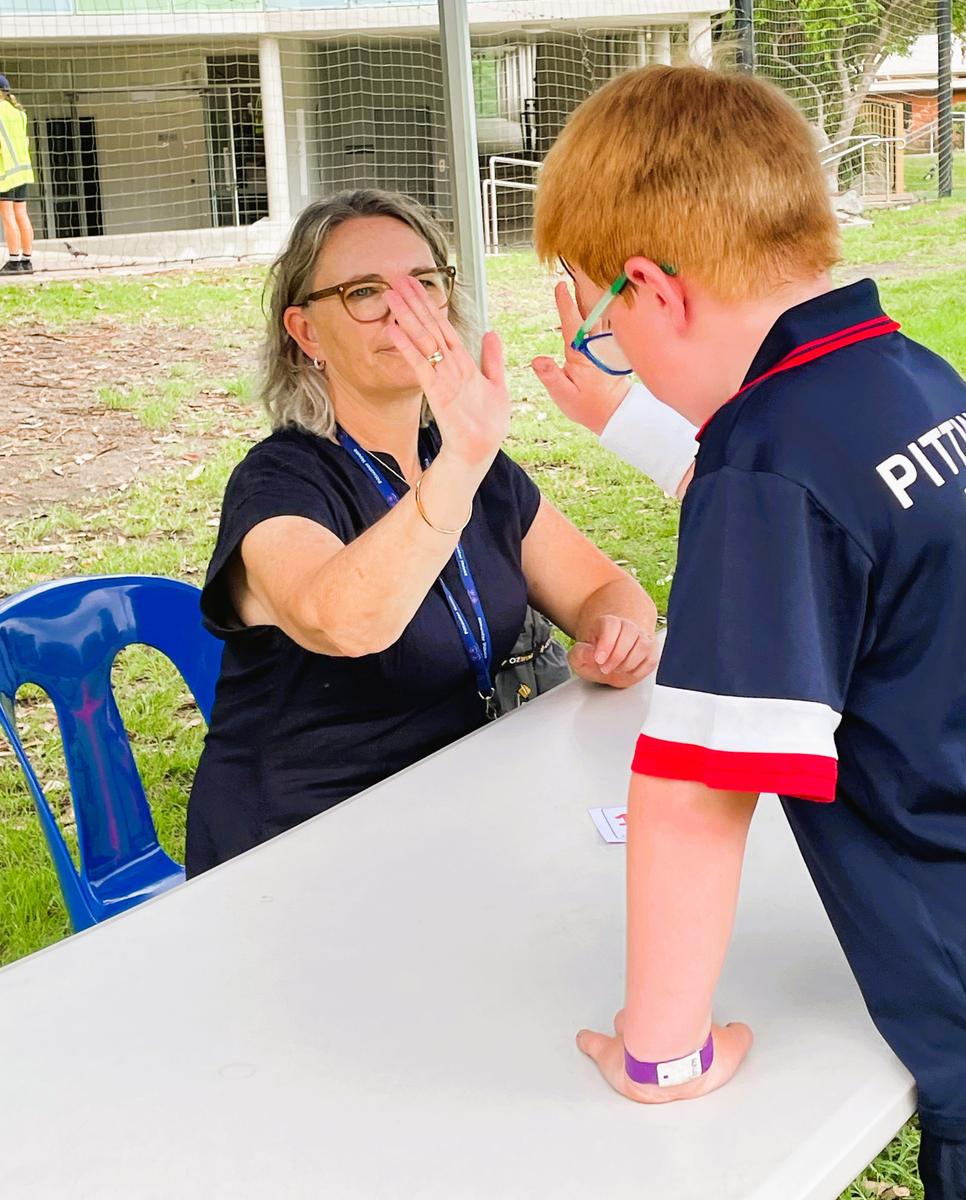
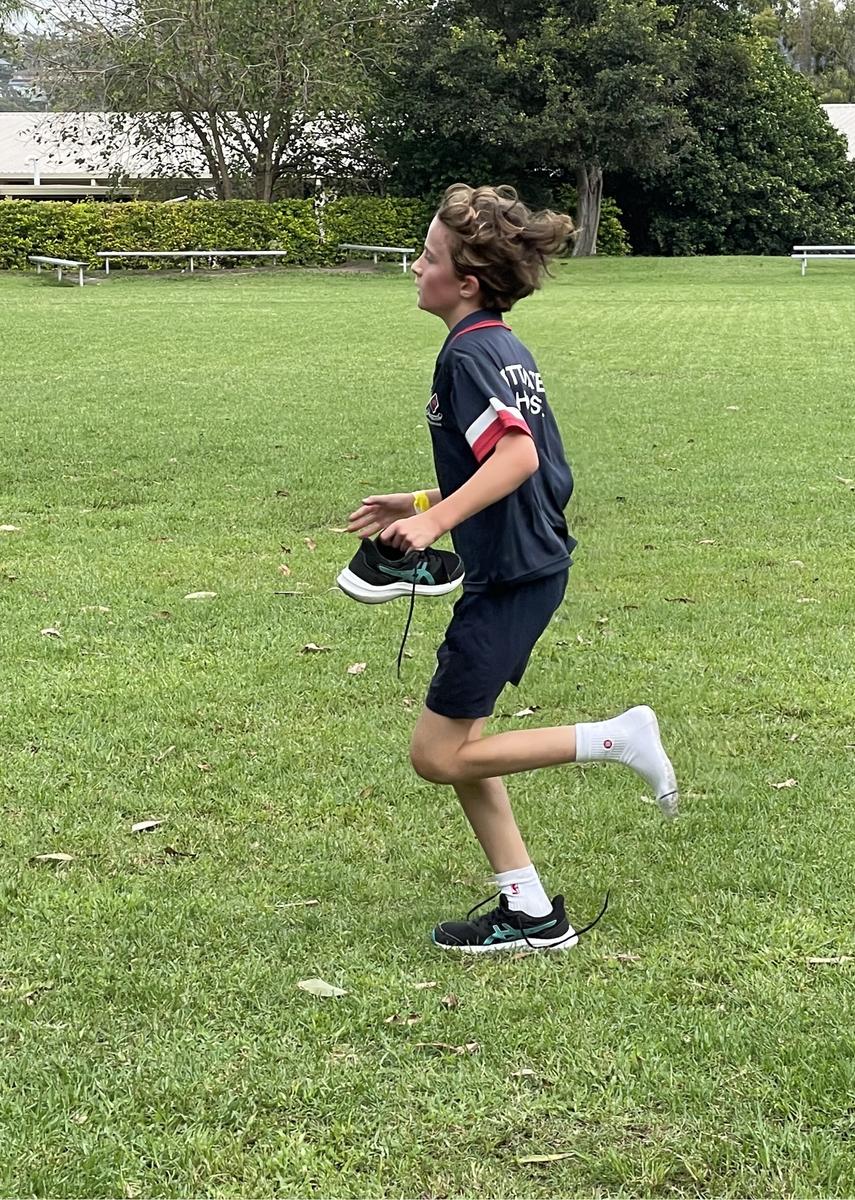
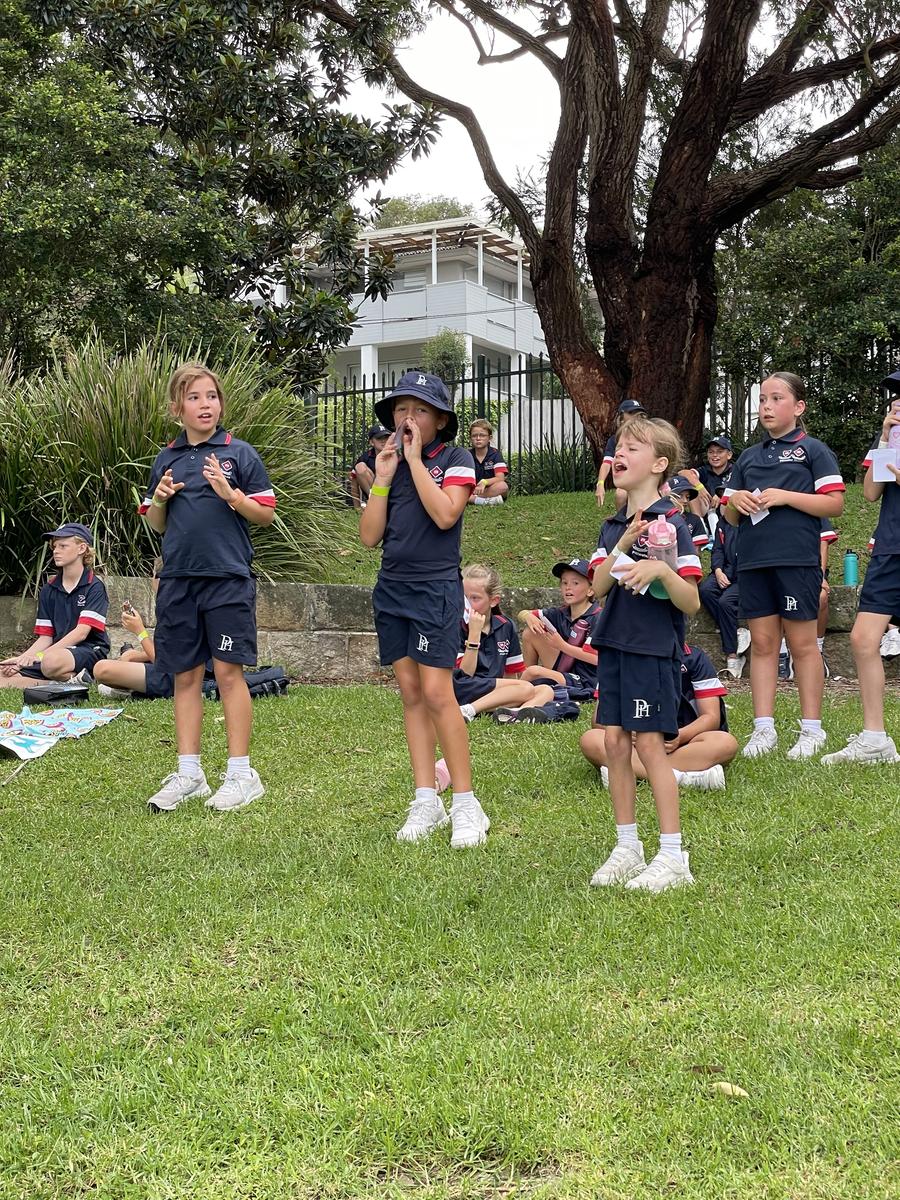
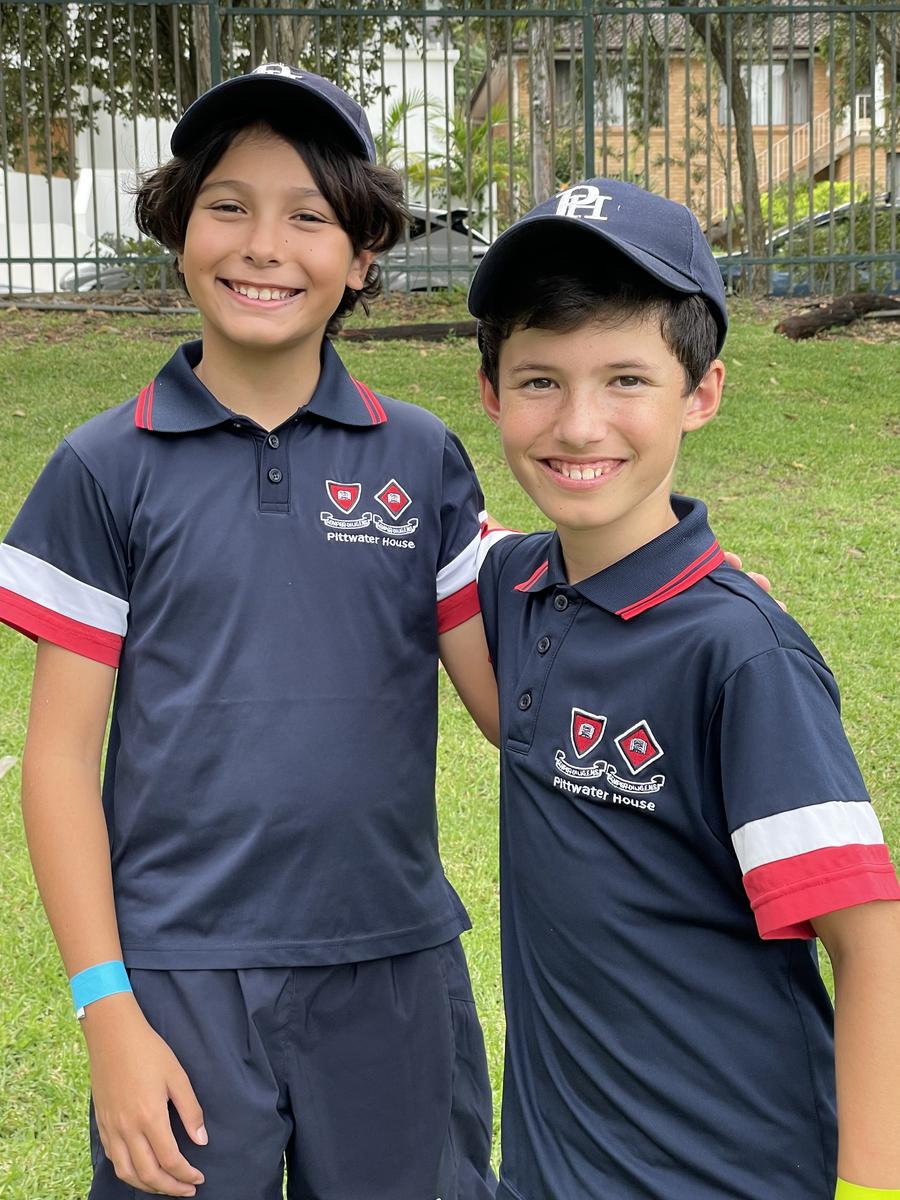
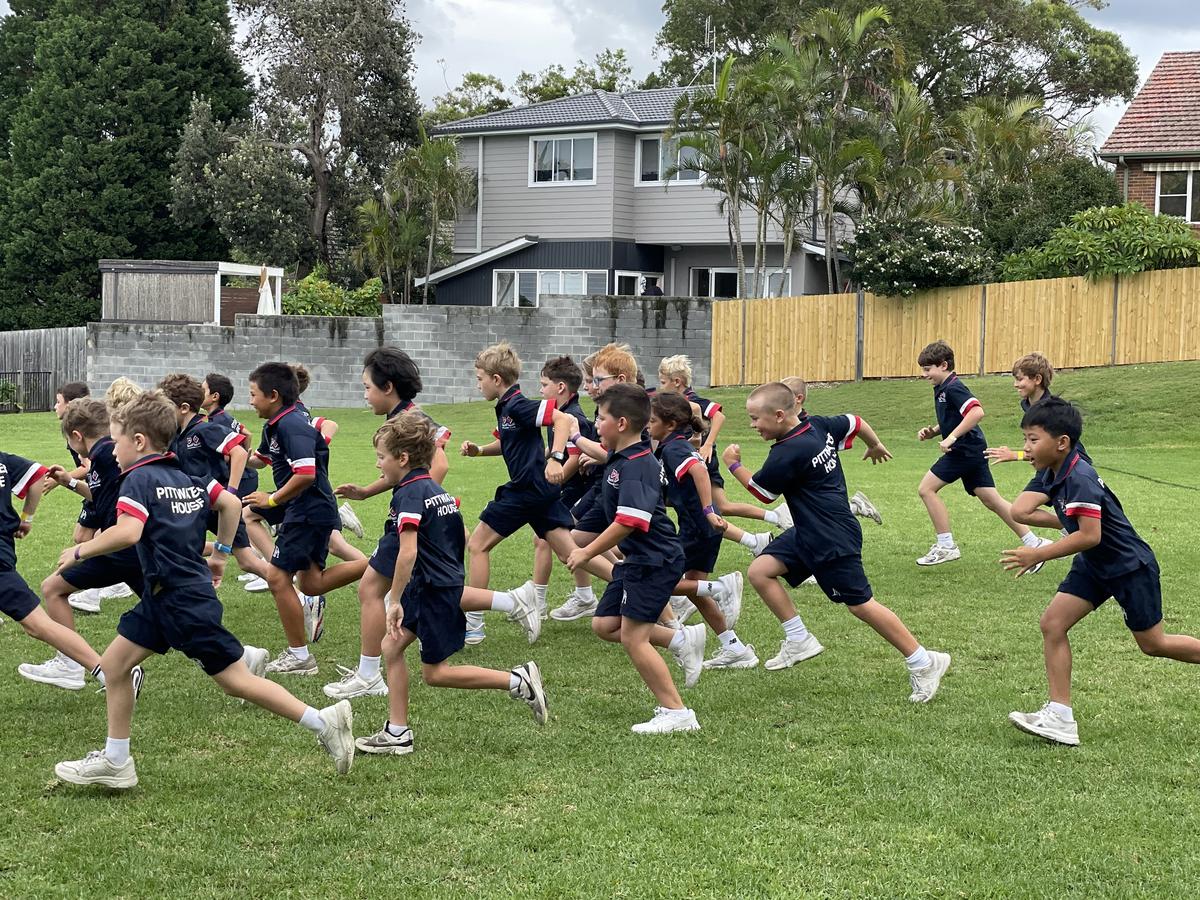
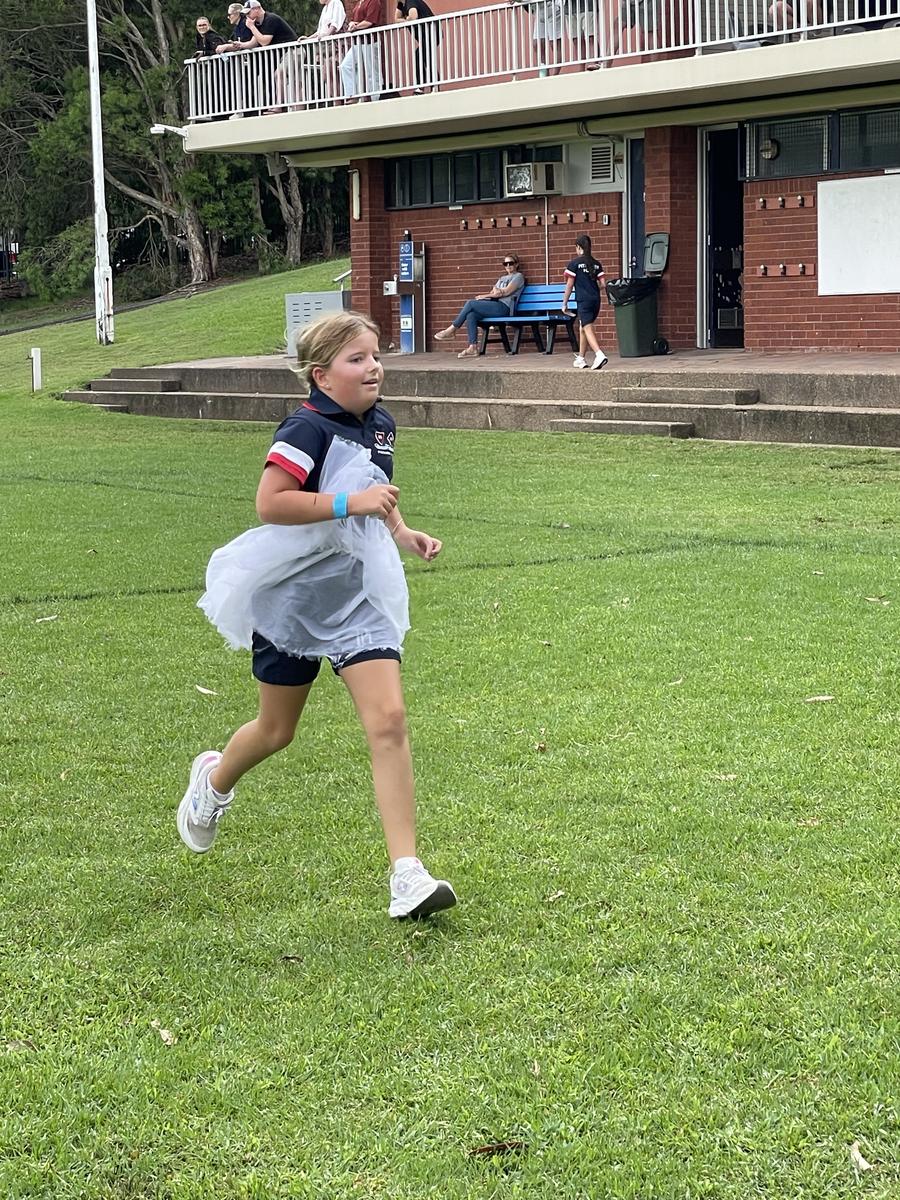
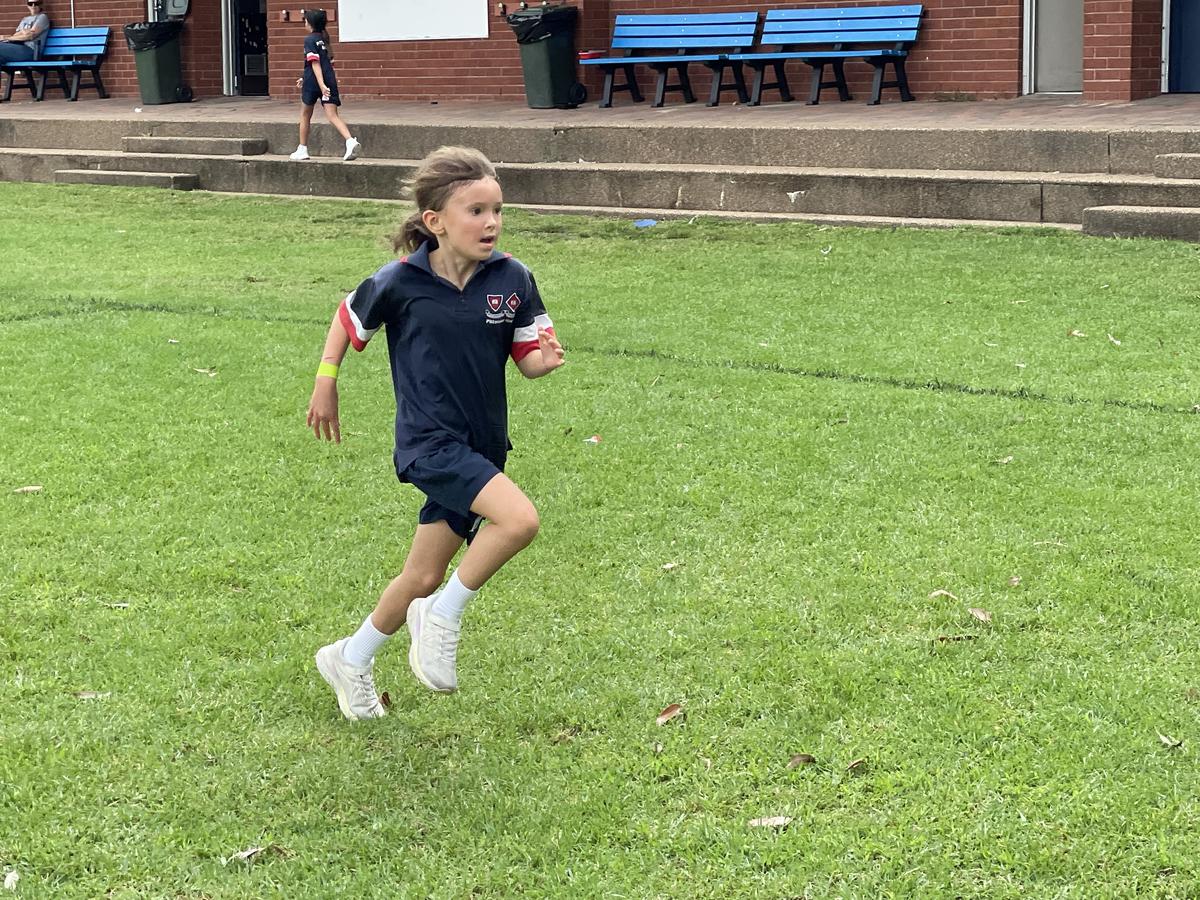
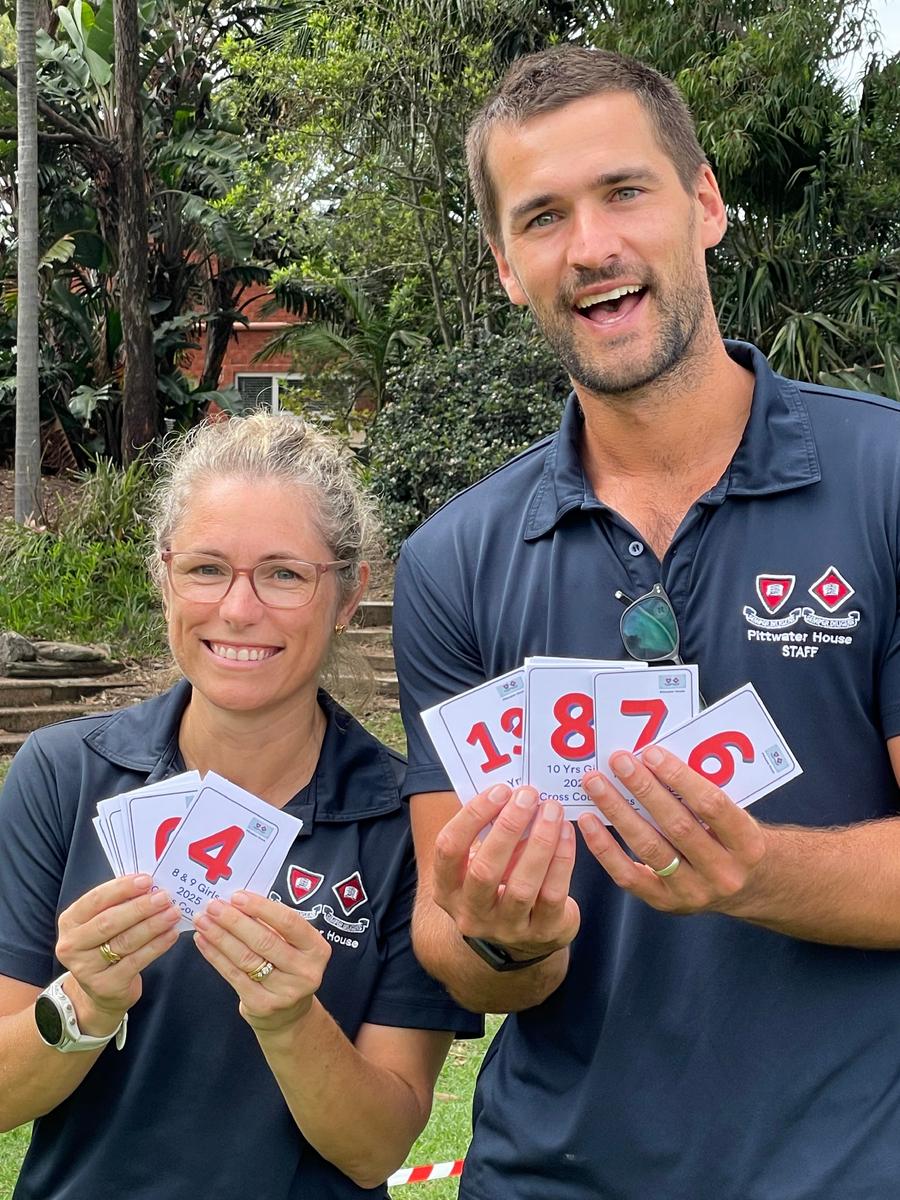
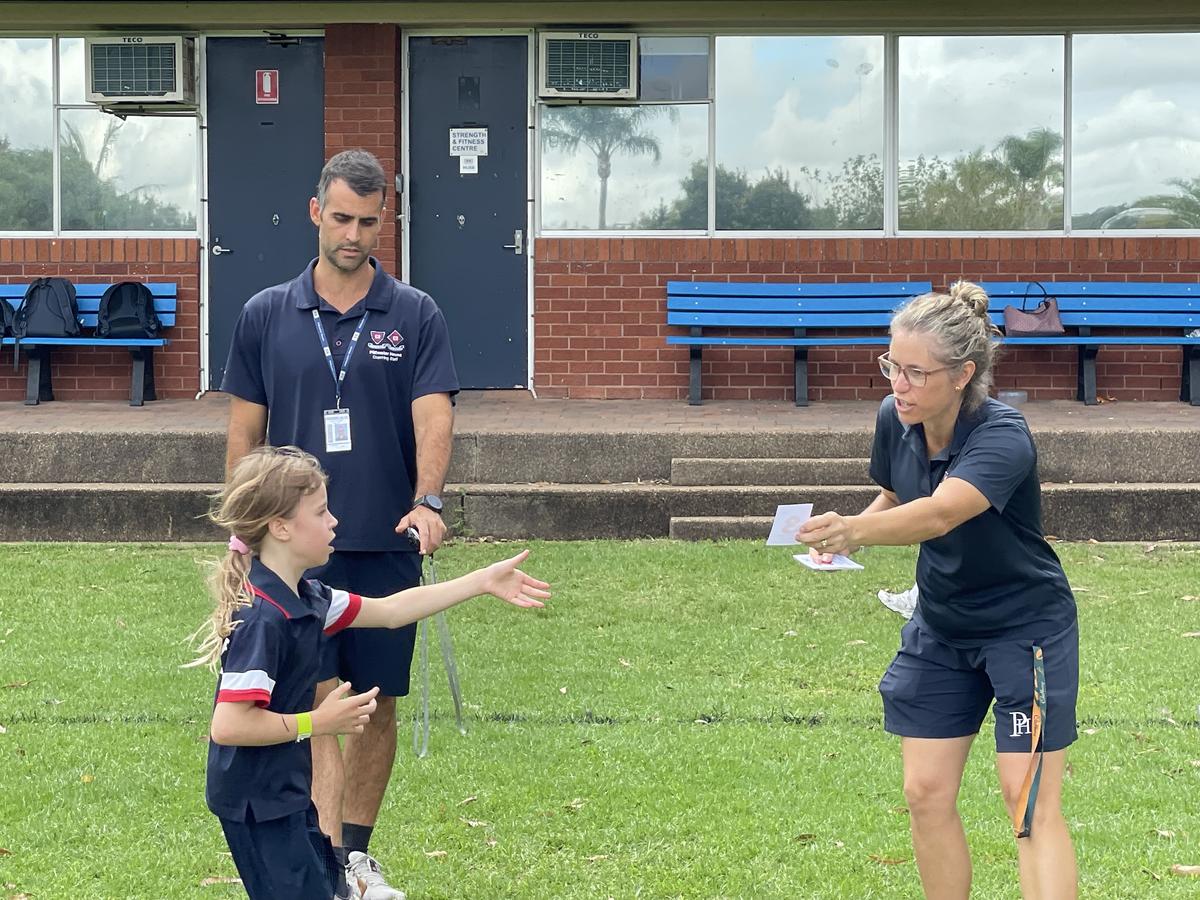
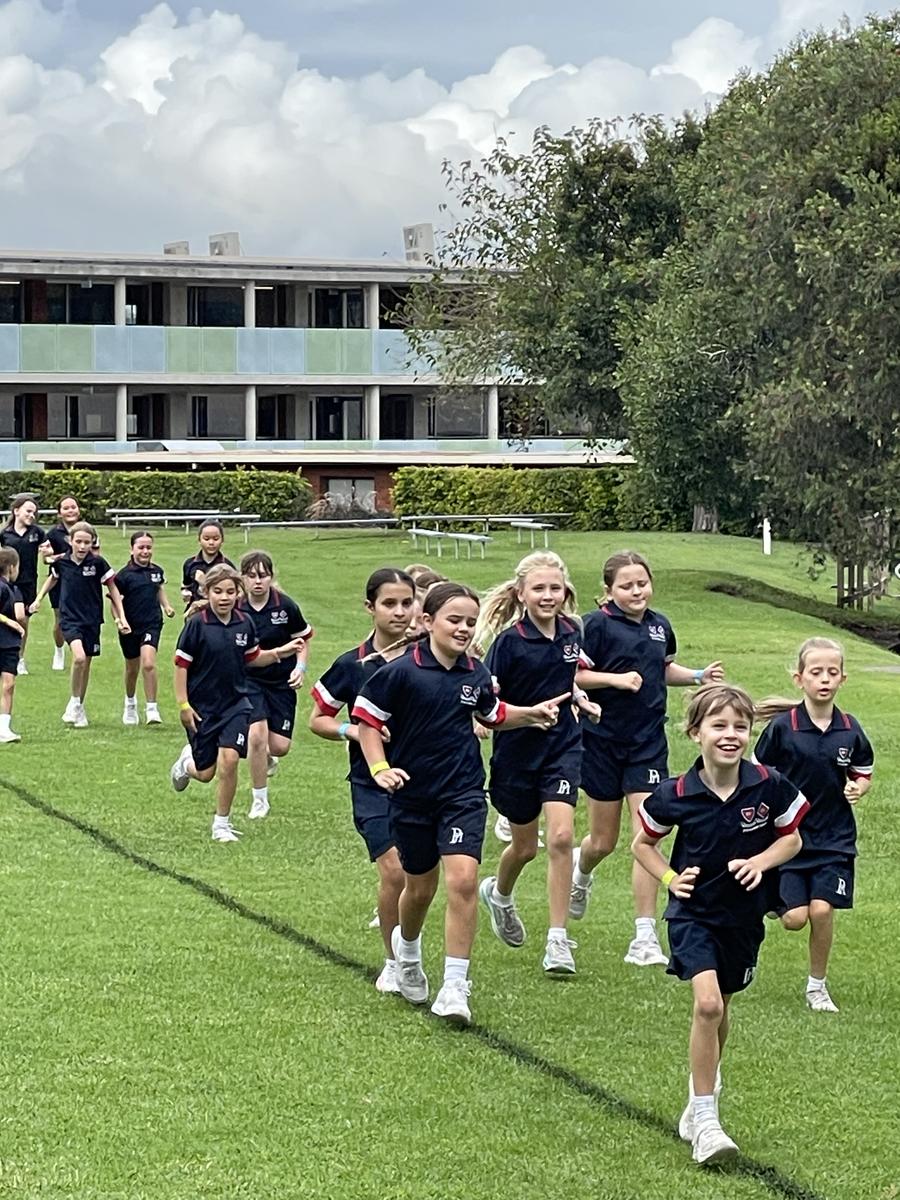
Despite a few rainy days in the lead-up to our Years 3-6 Cross Country, we were able to hold our races on 11 March. Students aged 8–10 years completed a 2km course, while the 11 and 12 year olds ran 3km. This carnival was the culmination of our PDHPE lessons on endurance and it was wonderful to see students putting their learning into action and encouraging one another along the way.
School Holiday Code Camp

“Code Camp” will again be running at Pittwater House in the second week of the school holidays. The options available include:
- “Spark” where your child can design their own arcade game
- “Robotics Camp” where attendees explore robotics, using coding and programming to bring their robot to life.
- “Animation Minis” is described as an exciting intersection of storytelling, craft and technology. After developing a storyboard and building a set, Children will shape their favourite characters out of clay, and work together to bring their story to life frame-by-frame using stop-motion animation.
- “Illustrate a Graphic Novel” where your child will use various illustration techniques and create their very own graphic novel
Use this link to learn more and book directly – use the code SCHOOL25 at the checkout to save $25
Junior School Housekeeping
A friendly reminder to please ensure all belongings are clearly labelled. Due to health reasons, we will be disposing of any unclaimed and unlabelled lunchboxes at the end of each week. If items have names, we can easily return them to their owners. We also remind families that only Years 5 and 6 may access the canteen with money at recess and lunchtime; students in K–4 may order lunch only. Additionally, please avoid parking in the clearly marked Pre‑K parking bays, as these spaces are reserved for our youngest learners and their families. Finally, a reminder that Pokémon cards and Pokémon collection folders are not to be brought to school. They tend to create unnecessary competition and can lead to students feeling excluded. Thank you, everyone, for helping us maintain a positive and smooth-running environment for all.
Save the Dates:
| Date | Event |
| Friday 27 March | Junior School Assembly in the Hall: 8.30am |
| Thursday 2 April | Years PK - 2 Easter Parade: 8:30am – 10:30am (Parents Welcome) |
| Thursday 2 April | Last Day of Term 1 |
| Tuesday 21 April | Students Return - Term 2 |
| Friday 24 April | ANZAC Day Assembly |
| Friday 8 May | PHPA Mother’s Day Lunch |
| Monday 15 June | Years 2 – 6 Athletics Carnival |
| Tuesday 23 June | Junior School Performing Arts Evening |
| Friday 26 June | Last Day of Term 2 |
| Tuesday 21 July | Students Return Term 3 |
| Tuesday 21 July | Foundation Day Assembly / Relay |
| Friday 18 September | Last Day of Term 3 |
| Tuesday 13 October | Students Return Term 4 |
| Tuesday 8 December | Last Day of Term 4 |