Literacy News
Building Strong Readers and Writers at SKiPPS
Week 8: Vocabulary – Building the Knowledge Needed for Understanding
Throughout this series, we have explored how children develop the skills needed to become successful readers and writers. We have looked at the importance of oral language, sounds, phonics, handwriting and fluency.
This week, we turn our attention to vocabulary - the words we know, understand and use.
A powerful reminder when thinking about reading is:
Children don't comprehend because they can read the words. They comprehend because they can read the words AND they have the language and knowledge to make meaning.
Being able to pronounce the words on a page is an important part of reading, but true reading success comes when students understand what those words mean and can connect ideas together.
What Is Vocabulary?
Vocabulary is the collection of words a person knows and understands. It includes both:
Receptive vocabulary – the words we understand when we hear or read them.
Expressive vocabulary – the words we use when we speak or write.
The stronger a child's vocabulary, the more easily they can understand texts, explain their thinking and learn new concepts across all areas of the curriculum.
Why This Matters for Learning
Children learn best when new information connects to what they already know.
When students encounter a new word, their understanding depends on the knowledge they already have. For example, a student who knows about oceans, waves and weather will find it easier to understand a text about a "coastal environment" because they have existing knowledge to connect to these new ideas.
Words do not exist in isolation. Every new word a child learns connects to other words, concepts and experiences, creating a stronger network of knowledge.
This is why reading widely and building knowledge across many areas of the curriculum is so important.
At SKiPPS
At SKiPPS, vocabulary development is intentionally woven throughout our literacy and curriculum learning.
Teachers explicitly introduce and discuss new vocabulary, helping students understand:
- what words mean,
- how words are used,
- connections between words,
how words can change and be built from meaningful parts.
Students encounter rich vocabulary through our class novels, knowledge-rich texts, Humanities learning and classroom discussions.
Rather than simply memorising definitions, students explore words in meaningful contexts and apply them in their own speaking and writing.
This approach helps students develop the language they need to communicate, think critically and understand increasingly complex texts.
Literacy Spotlight
Reading widely builds knowledge, and knowledge makes reading easier.
When children know more about the world, they have more connections to draw upon when they encounter new texts.
For example, a student who has learned about ecosystems, animals and habitats will have a stronger foundation for understanding a text about conservation.
This is why literacy learning happens across every area of the curriculum - not only during Literacy lessons.
How You Can Help at Home
Families play a powerful role in building vocabulary.
You can support your child by:
- Reading aloud together, including books that are slightly more complex than your child may read independently.
- Talking about interesting words and explaining their meanings.
- Encouraging questions and curiosity about the world.
- Visiting places, discussing experiences and making connections to learning.
- Encouraging your child to use new words in conversations and writing.
The more words children hear, understand and use, the stronger their foundation for learning becomes.
Vocabulary grows through conversations, experiences and reading - and every new word gives children another tool for understanding the world around them.
Coming next week: Comprehension: Bringing It All Together.
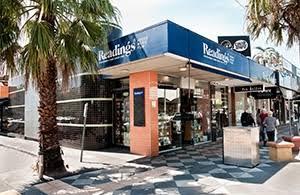
Living in St Kilda, we are so lucky to have Readings Acland Street on our doorstep, a wonderful independent bookshop that has long been a friend and supporter of our school.
The team down at Readings have made the very kind offer that they will donate 10% of all purchases made at the shop to our School Library Fund. All you need to do is identify as a St Kilda Park person when you make a purchase and they will pass these funds on to allow us to buy additional books for our school.

Jac Morphy
Assistant Principal - Curriculum and Instruction