Wellbeing
Fiona Dandie & Robert Pain











 Whittlesea Primary School
Wellbeing
Fiona Dandie & Robert Pain
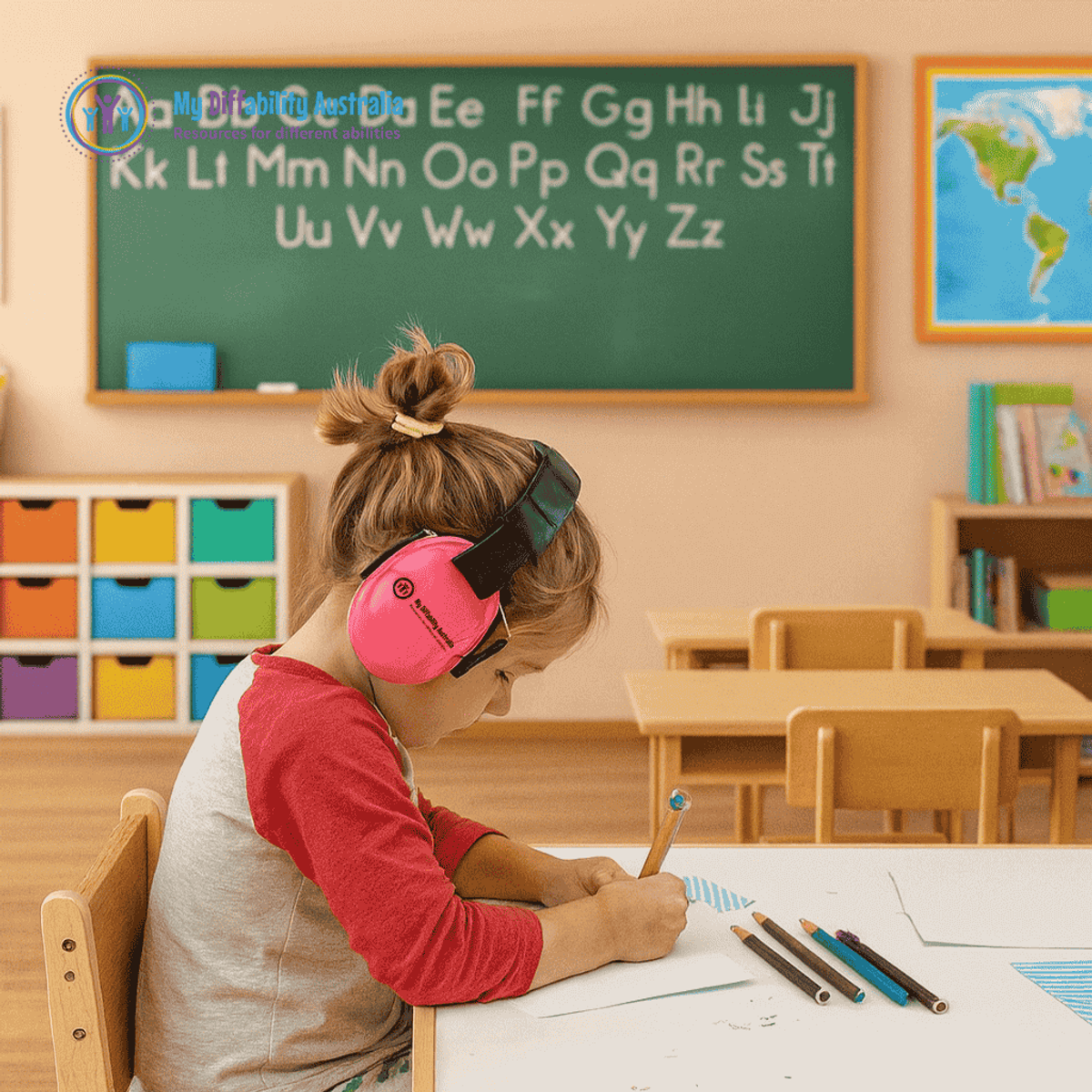
Fidget tools are becoming a helpful support in many classrooms. Some children need small hand movements to help their brains stay focused and calm during learning. Fidget tools can help students keep their “Wise Owl” brain in charge and ready to learn.
At school, students are taught that fidget tools are for learning, not for play.
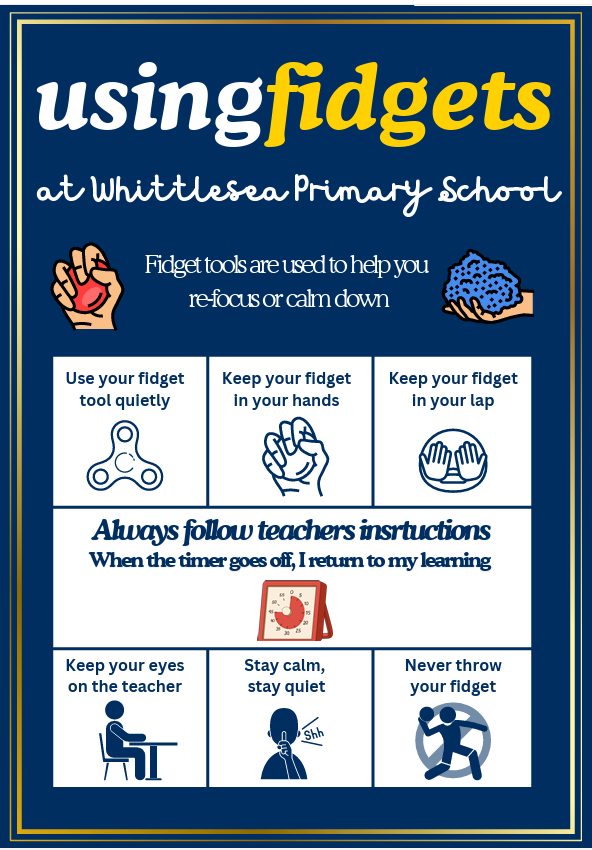
Not everyone needs a fidget tool. For some students, using a fidget can actually make it harder to concentrate. Teachers help students decide whether a tool is helping them learn or becoming distracting. Research shows that many items marketed as fidget tools are actually toys that negatively affect concentration and attention.

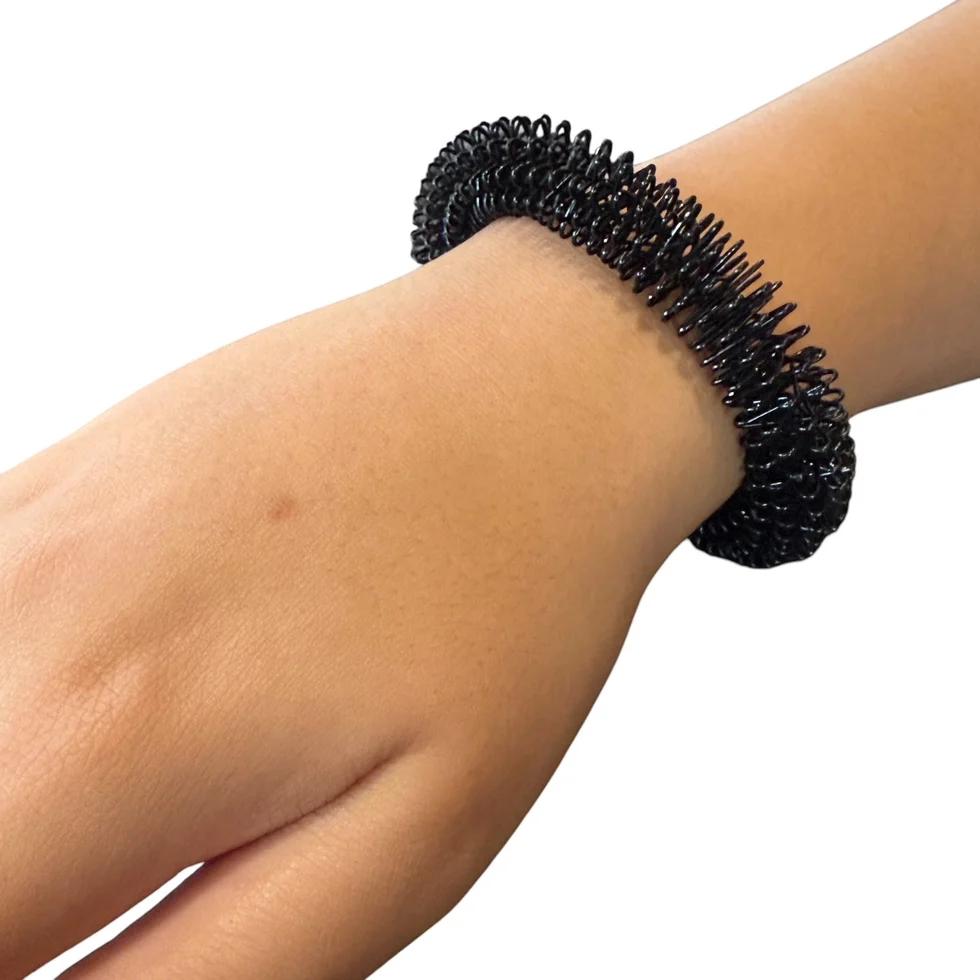
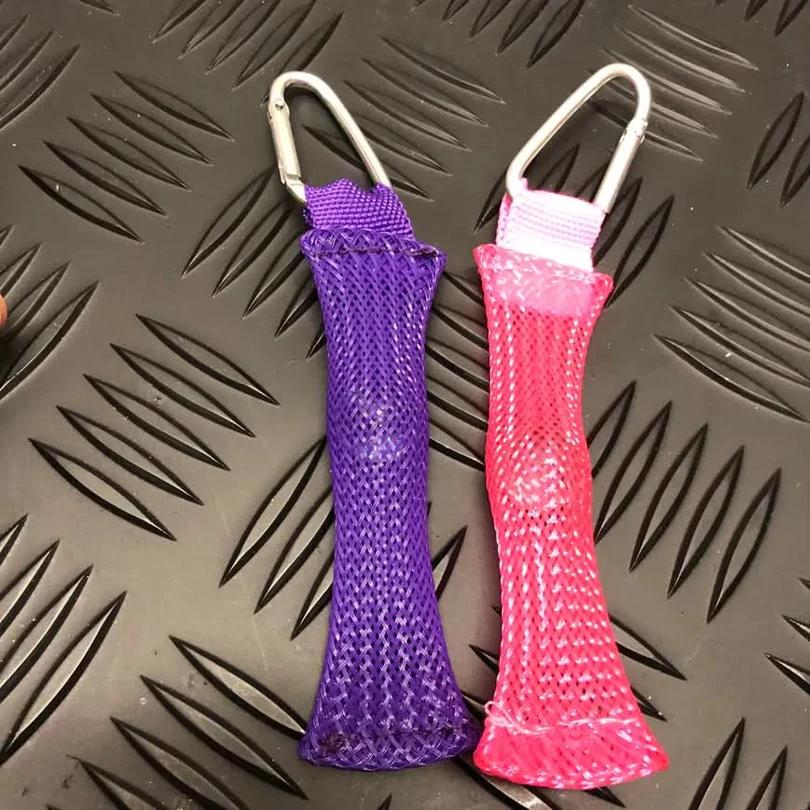
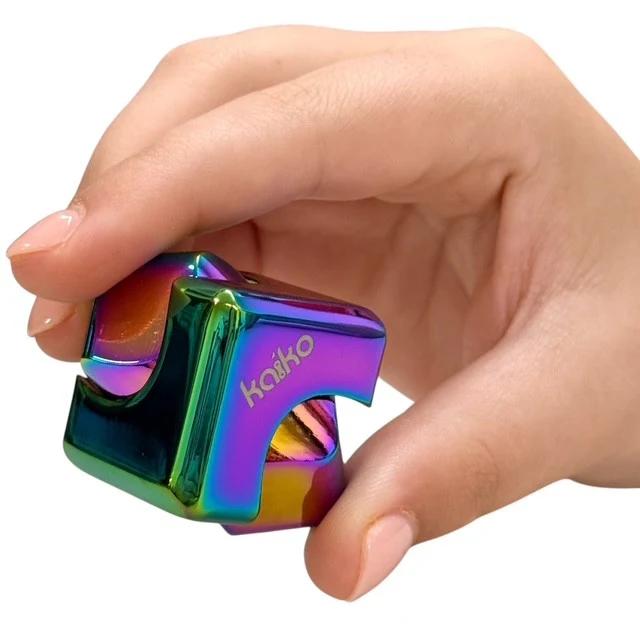


Families can support the appropriate use of fidget tools by:
By working together, we can help students use fidget tools respectfully and successfully to support calm, focused learning environments.
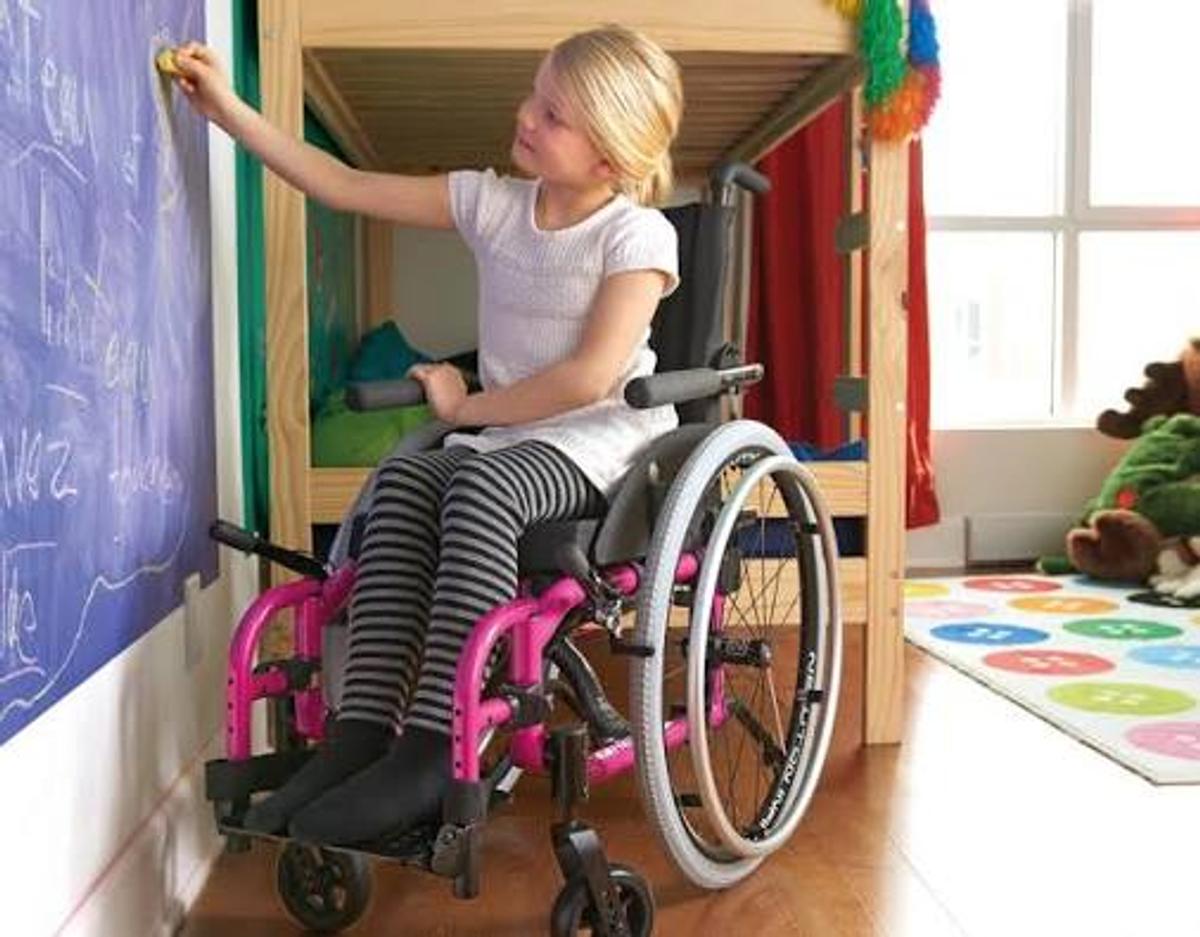
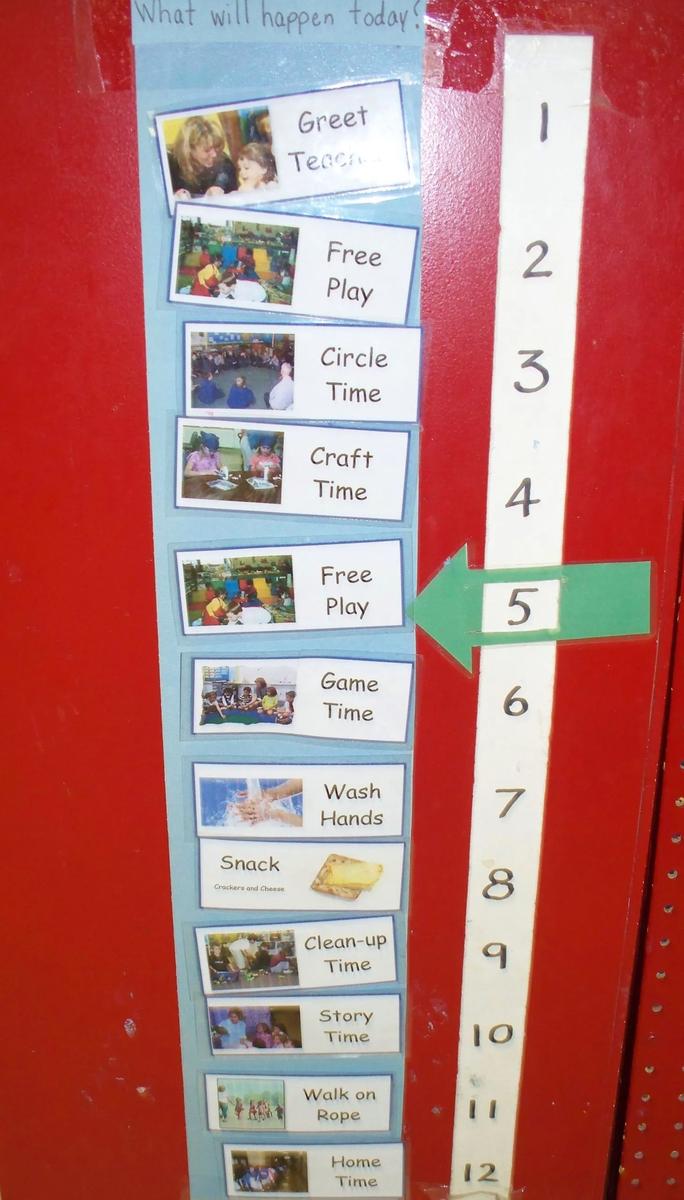
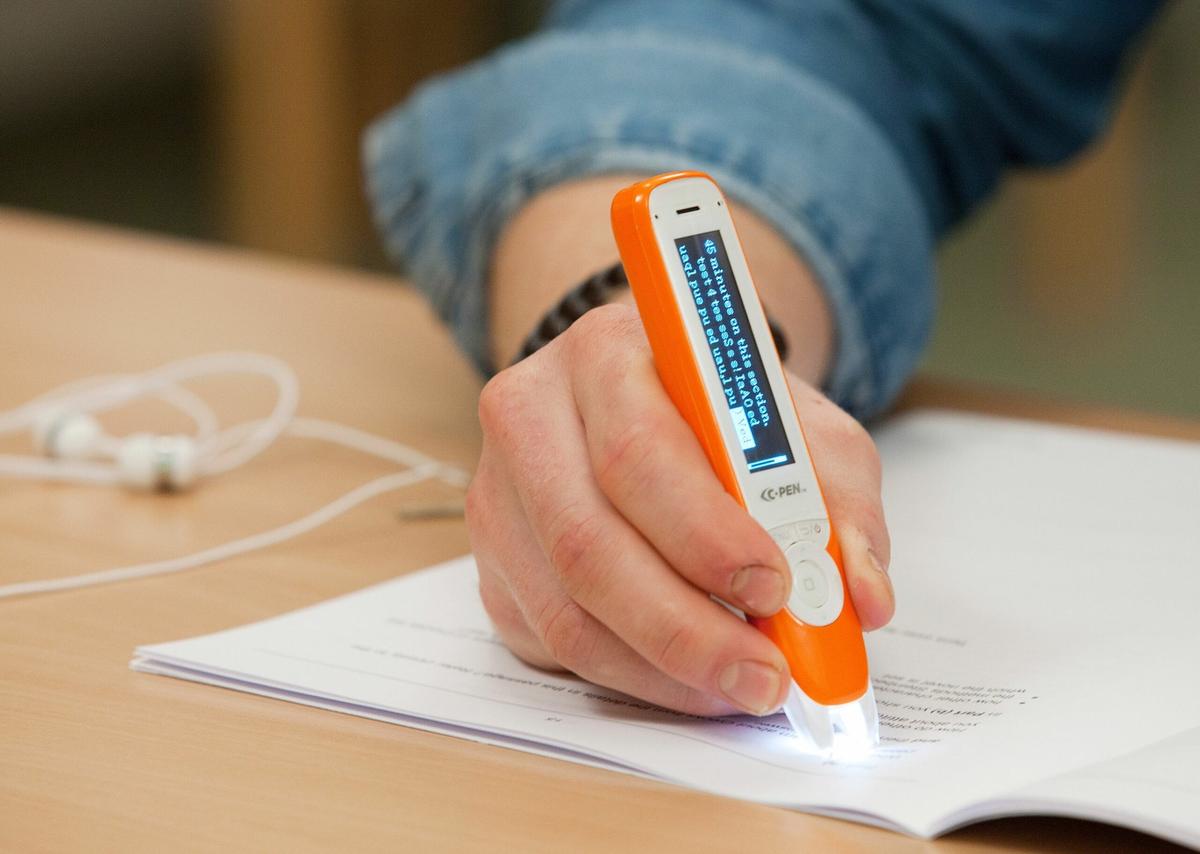
At school, we often talk about fairness, but fair doesn't always mean everyone gets the same thing. Equality means giving everyone the same support, while equity means providing each person with what they need to succeed. Every child has different strengths, challenges and learning needs. Some may benefit from movement breaks, visual schedules, extra time, sensory tools or additional support to participate in learning. These adjustments aren't special privileges; they help ensure every child has the opportunity to learn, participate and feel a sense of belonging. By helping children understand the difference between fair and equal, we encourage empathy, respect for differences and an inclusive school community where everyone is valued and supported to thrive.

At school, children have different strengths, challenges and needs.
Some students may need:
These are not special privileges. They are supports that help children participate, learn and feel included.

Understanding the difference between fair and equal helps children:
You might ask your child: