STUDENT WELLBEING NEWSLETTER









 Plenty Parklands Primary School


Wellbeing Check Ins with your Children
Hello from Mrs Loverso!
As children navigate friendships, learning and the challenges of growing up, they may not always feel confident asking for help or explaining how they feel. Using simple wellbeing check-in strategies helps build a strong connection between home and school. This can empower you to recognise when your child may be struggling and provide support early. Something as simple as a casual conversation can make a big difference in helping your child feel safe, supported and comfortable sharing what’s on their mind.
Here are some ways that you can check in with your child’s wellbeing in a relaxed but effective way:
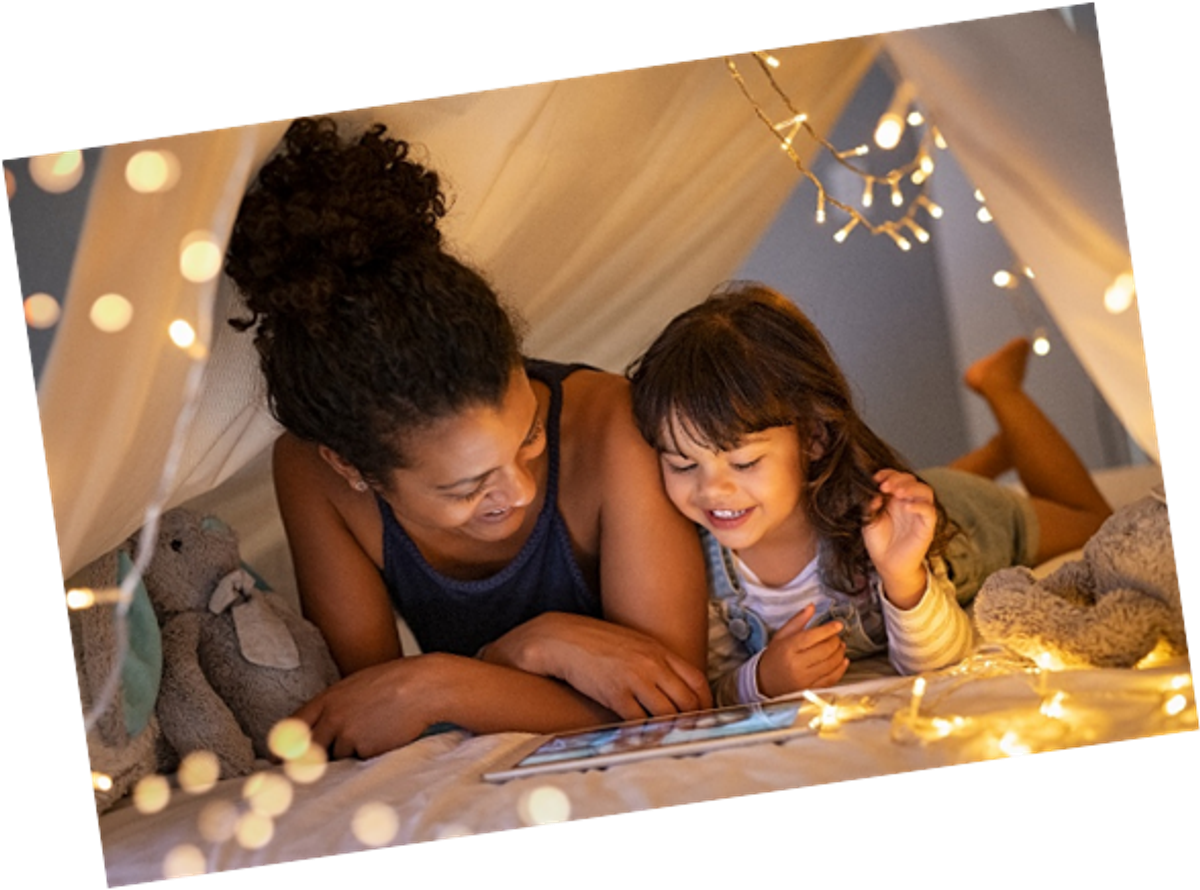
1. Choose a relaxed moment. Children may find it easier to talk while driving, walking, drawing or getting ready for bed than sitting face-to-face for a serious conversation. Create space during relaxed moments and notice how much more your child opens up. It seems to always be right at bedtime in my house. Although that could be a tactic to go to bed later!
2. Ask open-ended questions. Instead of “Did you have a good day?”, try “What was the best part of your day?” I also really like “tell me” statements. “Tell me about something that made you laugh today.” Or “Tell me about a challenge you had in class today.” These statements create space for elaboration and chat. Much more open ended than questions beginning with “what.” Perhaps you can try a few different ways and see what feels natural for you.
3. Listen before trying to fix things. It is so hard not to jump in and offer immediate suggestions when your child shares something from their day, but it is important to give your child space to speak before intervening. Acknowledge their feelings rather than immediately offering advice or telling them not to worry. Try, “That sounds really hard. I'm glad you told me.”
4. Notice changes in behaviour. Changes in sleep, mood, friendships, appetite or willingness to attend school can be signs that a child is struggling. Gently ask about changes you notice without making assumptions. You could start with “I have noticed….. would you like to talk about that?”
5. Make it a regular habit, not a one-off conversation. Small, consistent moments of connection help children learn that they can approach their parents when something is wrong. They don't need to share everything at once. It is also less energy taxing on your kiddos when they have small conversations regularly rather than big outpouring sessions at once.
6. Ask what support they need. Try, “Would you like me to listen, help you work it out, or both?” If a concern persists or worsens, reach out to your child’s teacher first for school support.
Do any of these strategies resonate for you and your families? Why don’t you give at least one of them a try over the coming weeks and notice if your child is more relaxed and open to share.
*Gentle reminder*
Plenty Parklands PS does not have a school psychologist or counsellor on site. Your GP is always your best first step to getting therapeutic support if you are concerned about your child’s mental and emotional wellbeing. Part of our role is to best support your child’s wellbeing alongside parents/families/therapists.