Photo Gallery & Classroom Learning
K - Yr 6

Photo Gallery & Classroom Learning
K - Yr 6
English
We are learning to write information texts.
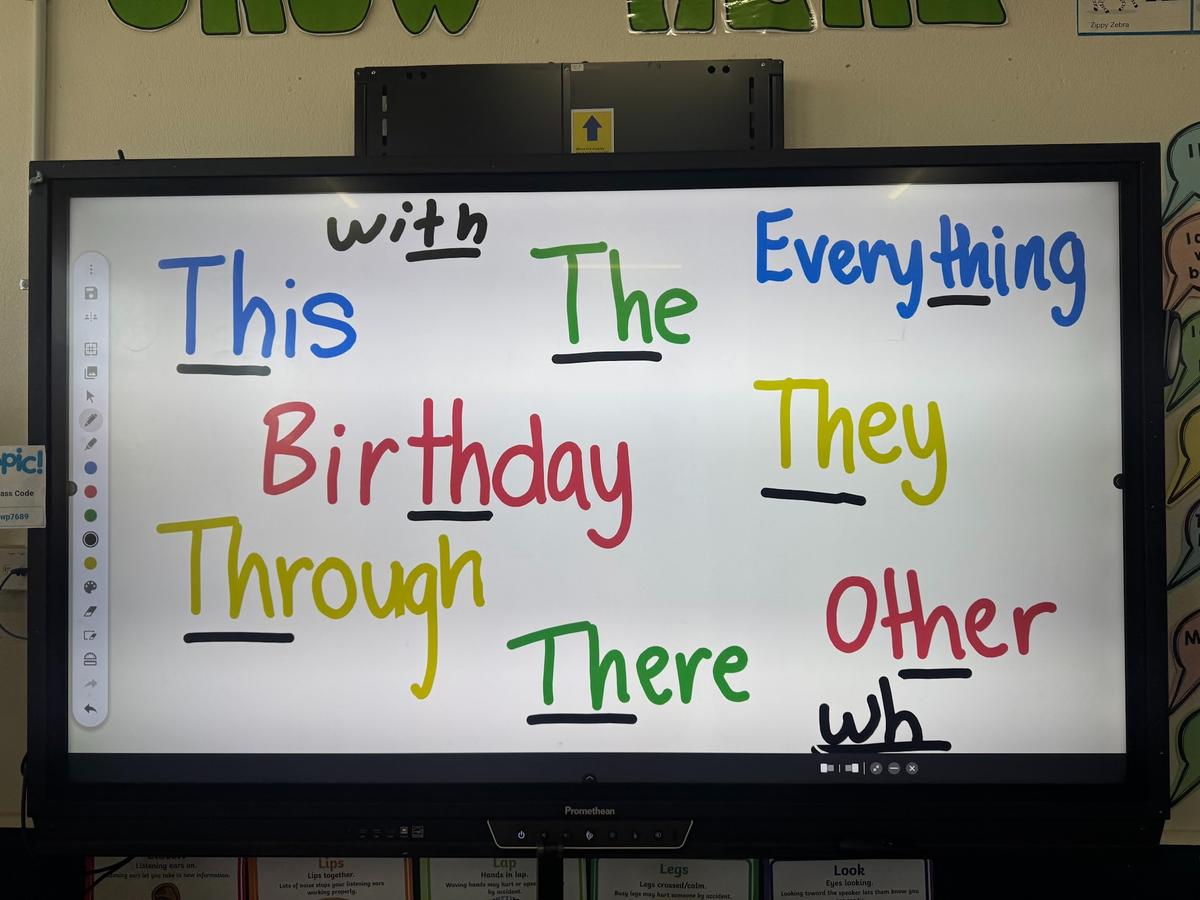
We are learning to read and write words with ‘th’.
Maths
We are learning to model subtraction.
History
We are learning about special objects from the past.
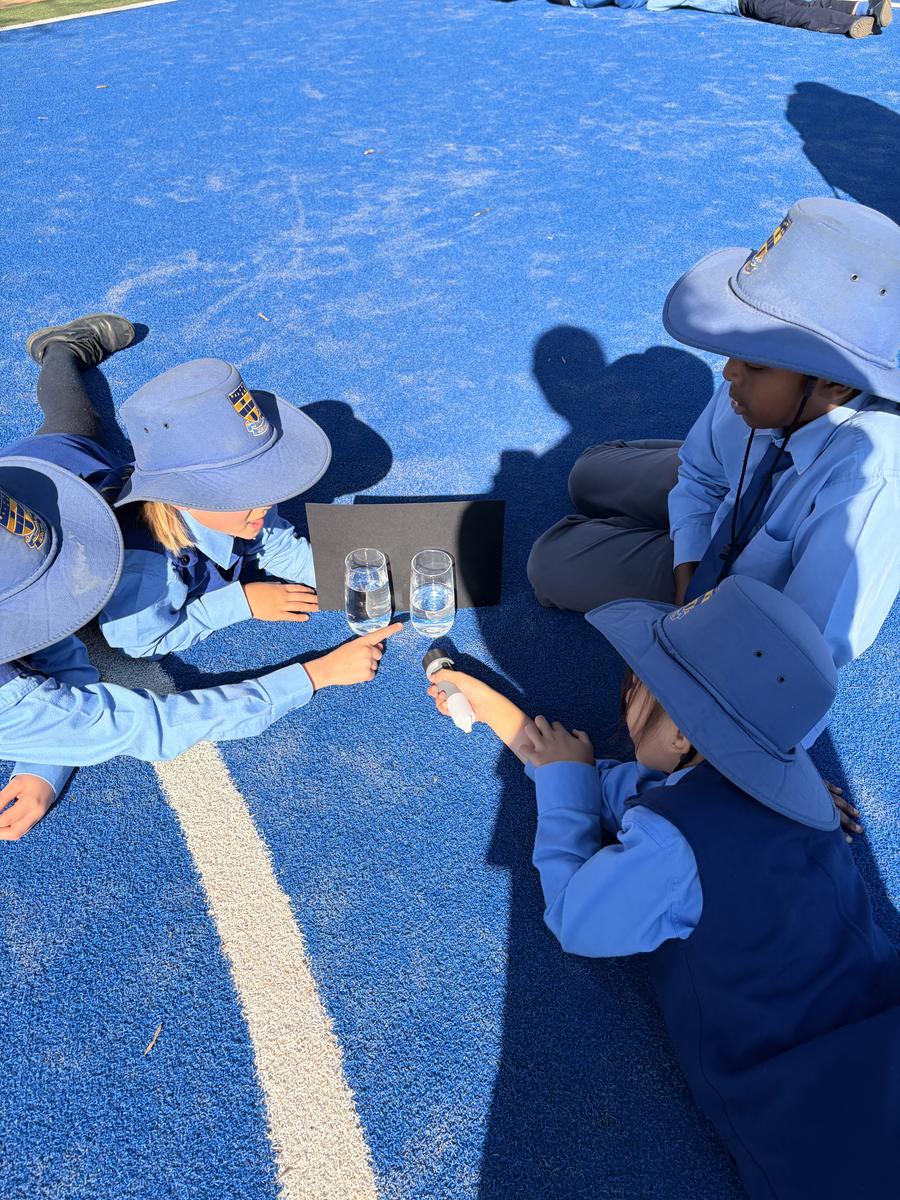
Hands-On Science: The Sunlight Experiment
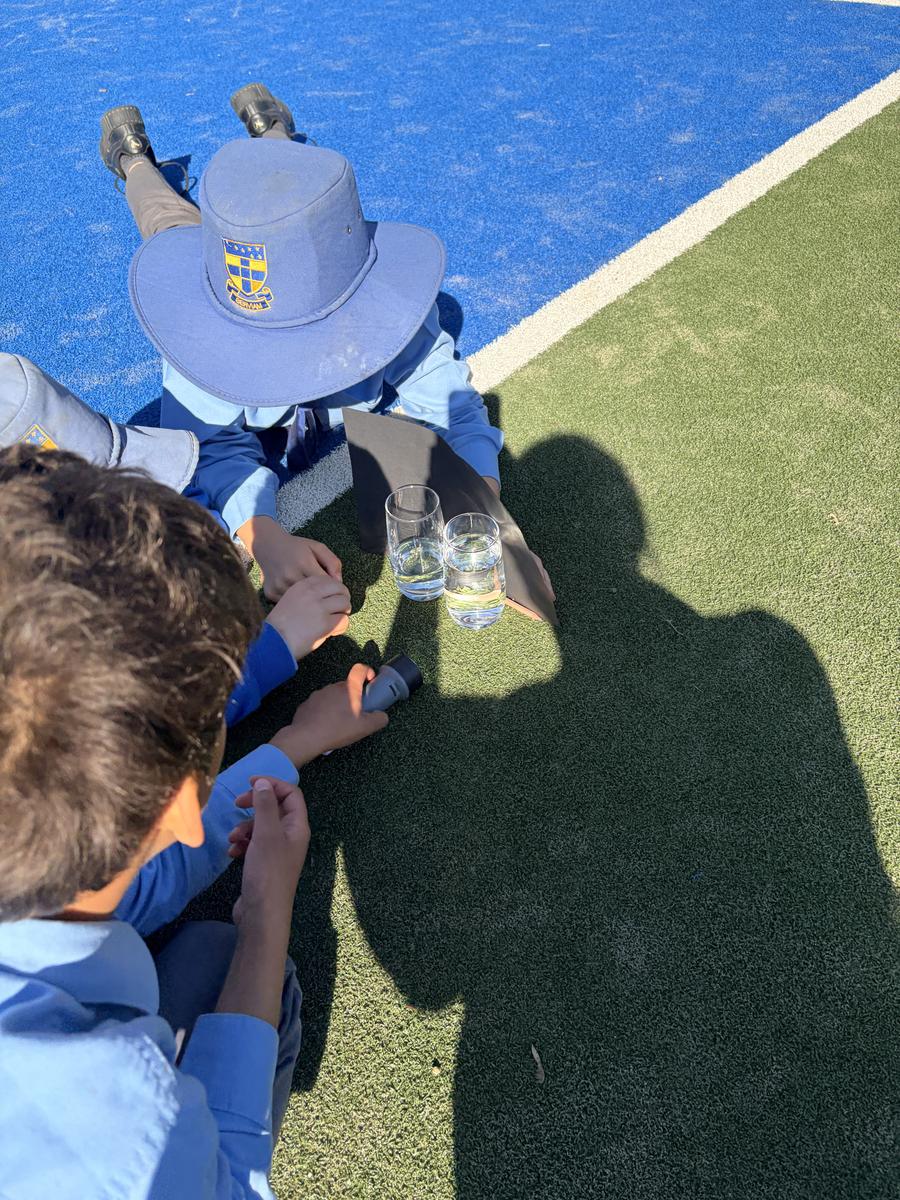
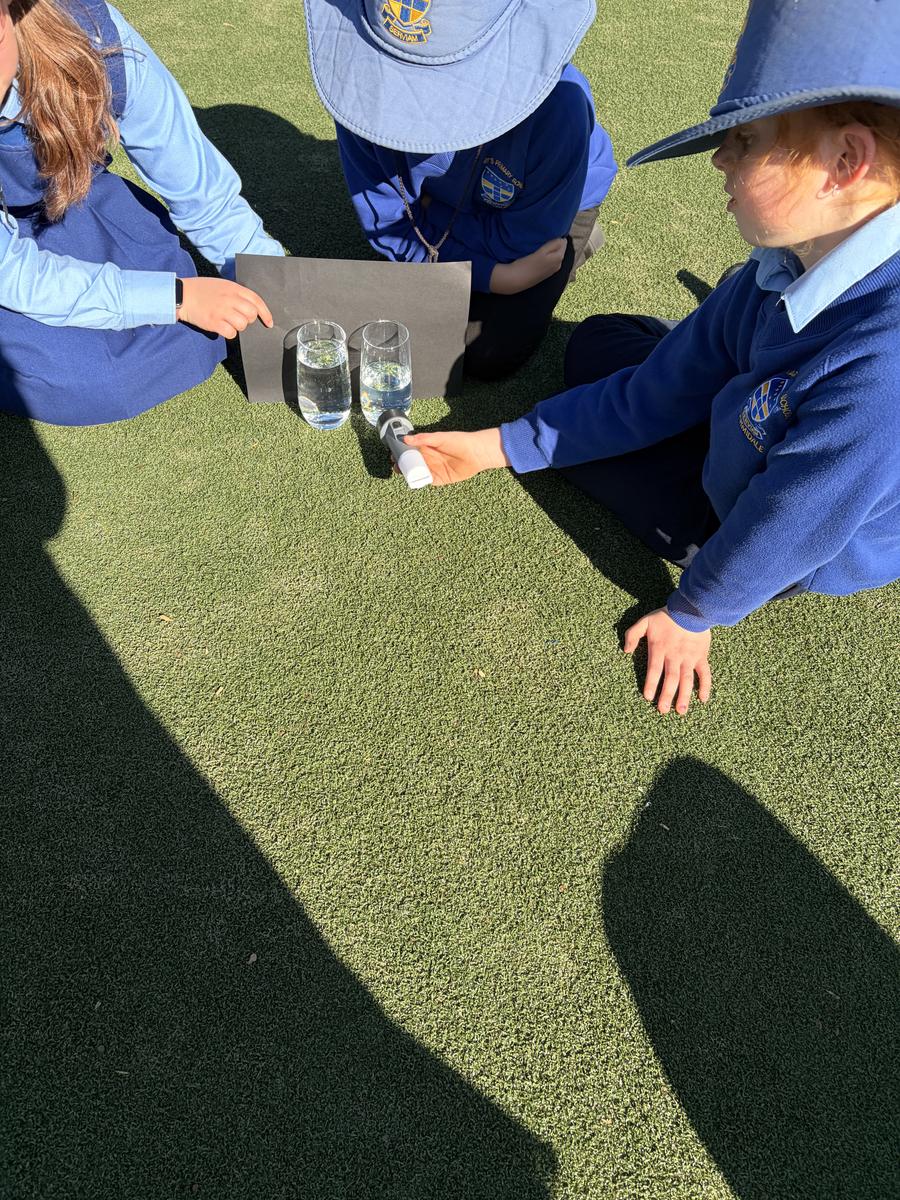
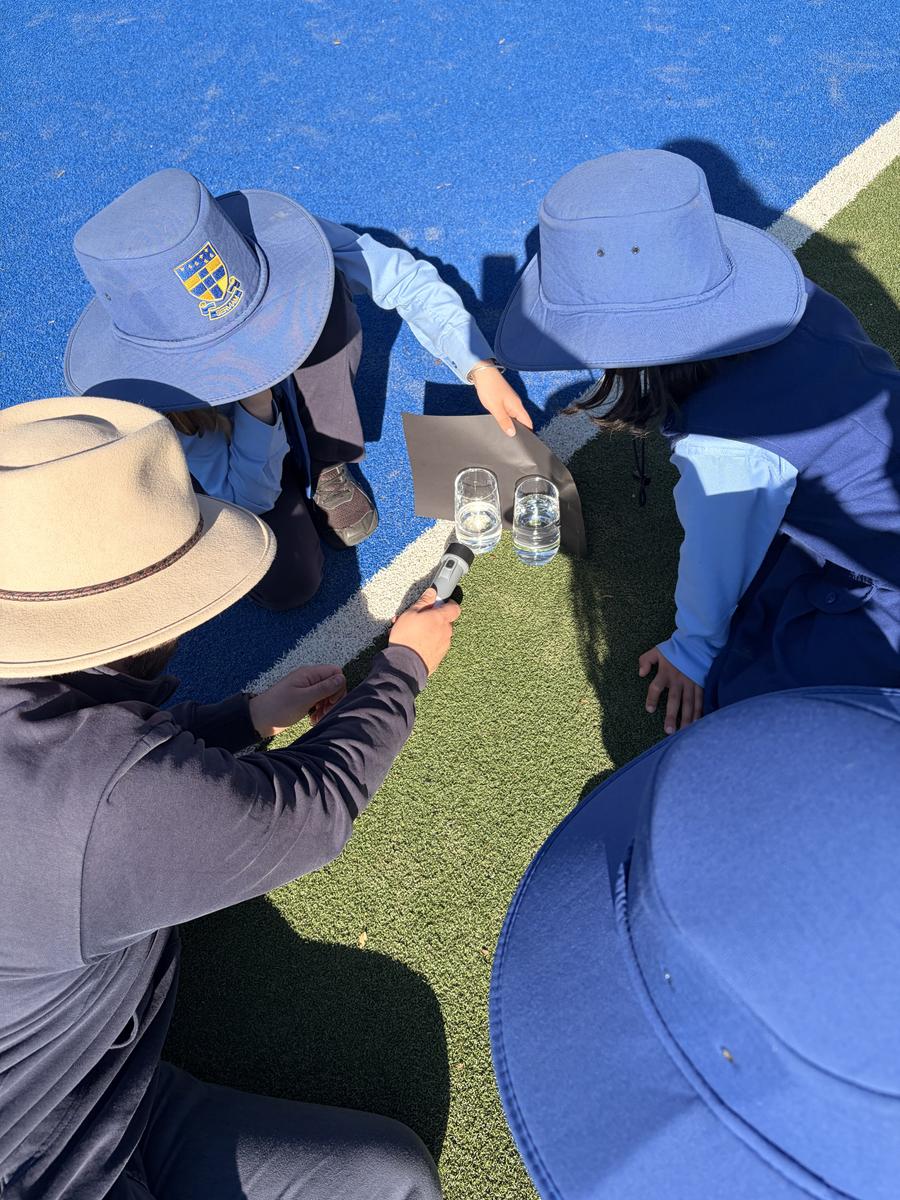
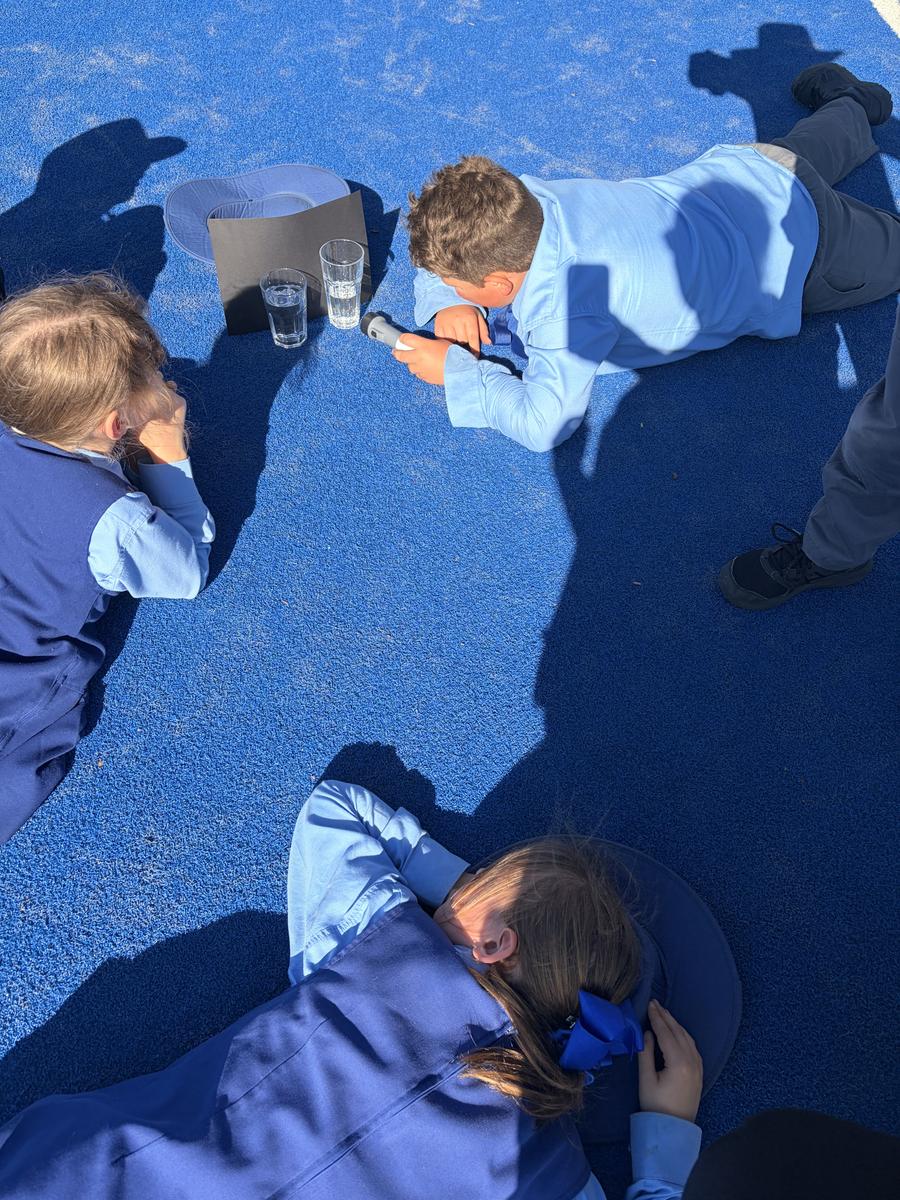
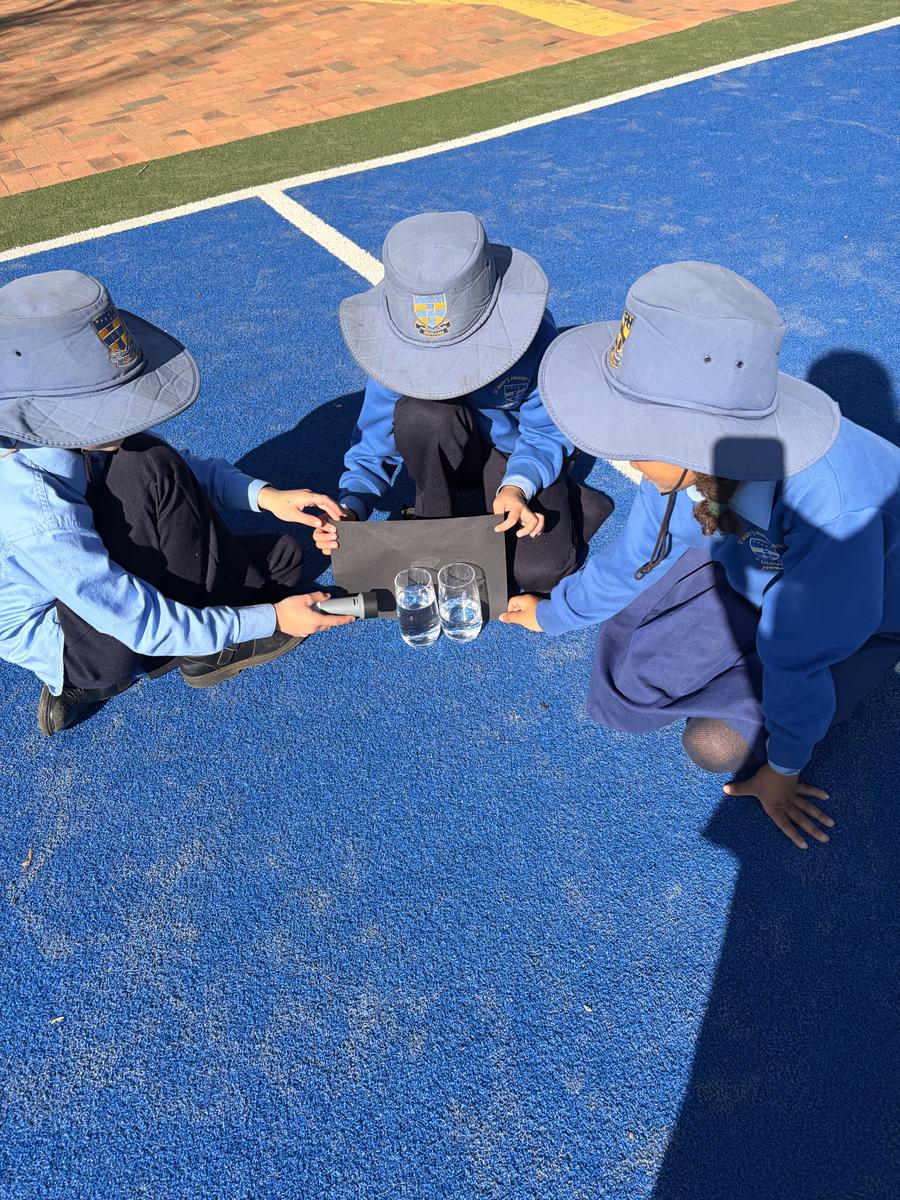
This past Monday, students explored how light interacts with different liquids. By placing a cup of tap water and a cup of tonic water side-by-side in direct sunlight against a dark background, they observed a surprising difference.
The tonic water produced a vibrant blue glow at the surface! This occurs because tonic water contains quinine, a compound that absorbs invisible ultraviolet light from the sun and re-emits it as visible blue light.
Year 4 English Update: Exploring Here We Are by Oliver Jeffers
For the next couple of weeks, our Year 4 students will be launching into a rich text study of Oliver Jeffers’ celebrated book, Here We Are: Notes for Living on Planet Earth. Written as a guide for his newborn son, Jeffers’ work pairs vivid illustrations with thoughtful observations about our planet, humanity, and our shared responsibility to look after one another.
Understanding Text Structure & Visual Literacy students will analyse how Jeffers uses scale, color palettes, and handwritten typography to support his written message. Responding to Text Themes our students will explore central themes of global citizenship, environmental stewardship, empathy, and interconnectedness. Creating Authoritative & Expressive Texts inspired by Jeffers' style, students will build imaginative and informative writing skills.
Continuing the Conversation at Home
Parents play a vital role in reinforcing literacy concepts outside the classroom. You can support your child's learning at home with these discussion prompts:
"Look at how the illustrator uses color on this page—why do you think they chose bright colors here and dark colors there?"
"Jeffers writes that 'you are never alone on Earth.' What are some small ways our family helps look after our community?"
"If you had to write a 'Note for Living on Planet Earth' for a younger student, what rule or advice would you share?"
Mathematics Data Detectives: Year 4 spot patterns, trends, and secrets!
For the rest of this term, our Year 4 mathematicians will step into the shoes of Data Detectives. Students will move beyond simply creating graphs—they will now be discovering how data helps us ask questions, uncover trends, and tell stories about our everyday lives.
Working through the statistical inquiry process, Year 4 will design their own investigations:
How to Keep the Learning Going at Home
You don't need a math textbook to explore data at home. Try these quick real-world activities:
Thank you for supporting our young mathematicians as they build critical thinking skills for the modern, data-driven world!
Geography: Discovering Australia’s Incredible Environments!
For the remainder of this term, Year 4 will jump into an exciting Geography unit exploring how living things—including us!—rely on the natural world to survive.
Key Classroom Discoveries Await
1. Australia's Unique Plant Life
Students will be mapping the diverse vegetation across Australia—from dry inland spinifex grasslands to thick eucalyptus forests and lush tropical rainforests. They will learn that native plants like the Golden Wattle and Gum tree are uniquely adapted to survive Australia's harsh climate and droughts!
2. How Native Wildlife Survives & How We Can Help
Every animal needs food, clean water, shelter, and space. Year 4 will look at how native animals depend directly on their ecosystems:
Protecting Our Wildlife: We will discuss simple actions we can take at home and school to care for native species, such as planting native flora in the garden, disposing of rubbish correctly to protect waterways, and keeping pet cats indoors at night.
3. Why People Need the Environment
It isn't just animals—humans rely on the earth for absolute survival! The class will categorise our daily dependencies into these main areas: Air & Water, Shelter, Food & Agriculture
Home Connection: Ask Your Child!
Try asking your child these questions over dinner:
Thank you for supporting our young geographers as they build a deeper respect for our natural world!
Commendations:
Congratulations to the following commendation recipients over the last fortnight:
Week 7:
Rose, Charlotte F | Catalina | Annabelle, Adalyn |
Billy, Pippi | Leon | Divanshi, Sienna |
Week 8:
| Claire, Joshua, Saxon | Dhyan, | Harriet |
Ryder, Stella | Andrea, Olivia | Evelyn |
Mathematics:
We are currently focussing on division. Students are building an understanding of division by applying flexible strategies.
We are exploring:
How You Can Support Learning at Home
Connect to Multiplication: When your child is stuck on a division problem like
42 ÷ 6, reframe it as a multiplication question: "What number multiplied by 6 gives us 42?"
Geography:
Students are diving into the fascinating world of biomes! We are investigating the diverse physical characteristics of the Earth’s major environments—from lush tropical rainforests and vast grasslands to arid deserts and freezing tundras.
Students are examining how climate, vegetation, and native animals interact within these ecosystems, as well as the essential role biomes play in producing the food, industrial materials, and fibres we rely on every day.
Alongside exploring these natural landscapes, we are examining human impact on the environment. Year 5 learners are assessing how human activities alter landscapes, influence biodiversity, and affect natural habitats. Through critical thinking and inquiry, students are exploring sustainable practices and evaluating how we can better manage and protect our planet's precious resources for the future.