Editorial
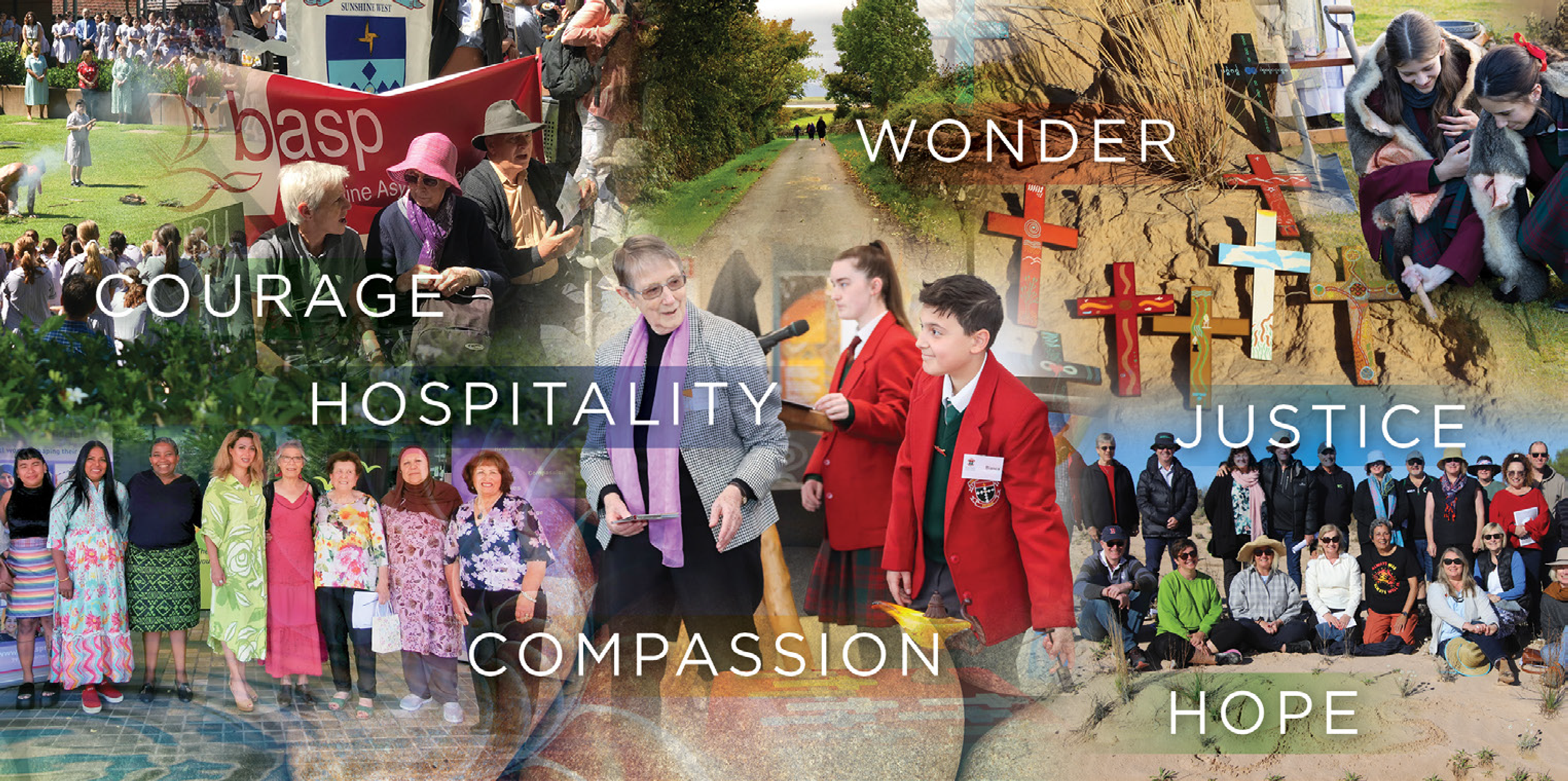
Choosing Encounter in Times of Social Division
The Australian Catholic Bishops Conference’s 2026 Social Justice Statement, Living the Gospel in Times of Social Division, speaks to an increasingly visible reality in Australia and around the world. At a time when public discourse is often marked by polarisation, hostility and fear, the Bishops invite us to help build a society grounded in human dignity, encounter and love.
The Statement acknowledges the many forms of division affecting our communities, including racism, religious intolerance, hostility towards migrants and refugees, and the marginalisation of those regarded as “other”. It also draws attention to online communication, where anger, misinformation and prejudice can spread quickly.
The life and ministry of Jesus provide the inspiration for this response. Jesus crossed social and religious boundaries, drew close to those who were excluded, listened to their stories and restored people to relationship and community. His example challenges us to look beyond labels and differences, recognising every person as created in the image and likeness of God and possessing an inherent dignity that cannot be diminished.
This conviction is central to who we are as Kildare Ministries and is a consistent thread through the many statements our Trustees have offered over the years. While addressing different issues and circumstances, these statements affirm the inherent dignity of every person and call us to build relationships and communities characterised by trust and respect.
Among these, the 2017 statement All Creation is Sacred affirmed that each person brings gifts and talents to our communities. Drawing upon the Brigidine and Presentation heritage of accepting people for who they are and welcoming diversity, the Trustees reminded us that
“the walls which divide us can be broken down only if we are prepared to listen and learn from one another”.
The Trustees’ Commitment to Inclusivity similarly recognises that Kildare Ministries is enriched by the pluralist nature of its communities. It calls us to advocate for mutual respect, respectful dialogue and an end to persecution or discrimination based on religious or non-religious belief or practice.
In Walking in Solidarity: A Gender Inclusivity Statement, the Trustees affirm the goodness, complexity and inherent dignity of every person, recognising human diversity as part of the design and wonder of creation. It commits Kildare Ministries to fostering safe communities, safe dialogue and relationships characterised by trust and respect.
Together, these and the Trustees’ other statements provide a clear foundation for responding to the Bishops’ call to create a “culture of encounter”. This asks us to follow the example of Jesus by drawing close to people whose experiences may differ from our own, listening deeply to their stories, fears and hopes, and responding with compassion.
This call has particular significance as we continue our focus this year on Justice - making the needs of the vulnerable paramount. Justice asks us to view our communities from the perspective of those who experience exclusion, prejudice or disadvantage. It calls us to speak with courage, challenge injustice and create spaces in which every person feels welcomed, valued and safe.
Inspired by the life and ministry of Jesus, and by the courage of St Brigid and Nano Nagle, may we continue to build inclusive communities in which diversity is welcomed, every person’s dignity is held sacred, and all are able to flourish.
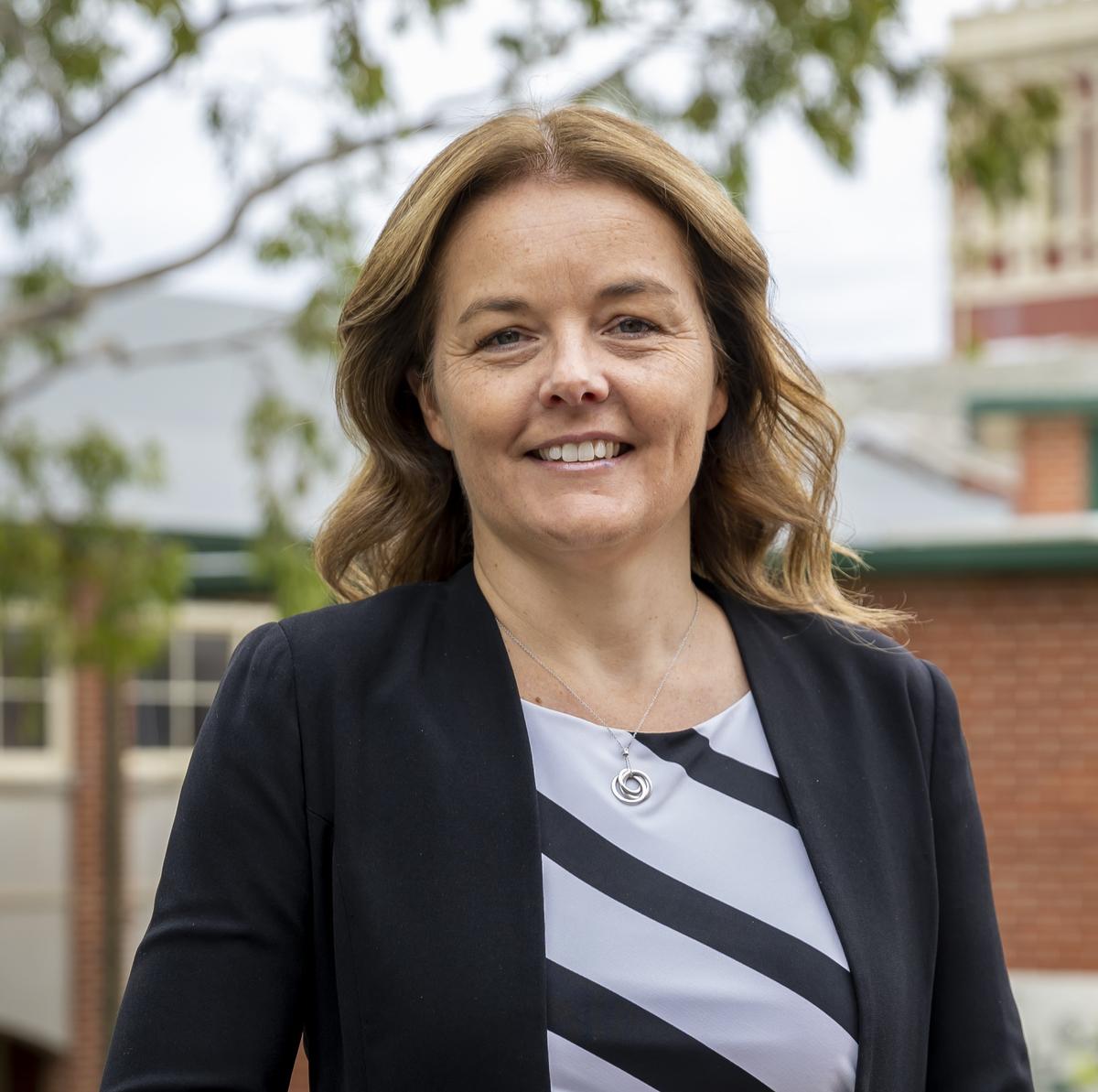
Nicole Mangelsdorf
Executive Director
The Australian Catholic Bishops Conference’s Social Justice Statement, Living the Gospel in Times of Social Division, is available to read online. The Trustees’ statements can be found on the Kildare Ministries website.