VIP Maths Afternoon




























 Essendon North Primary School
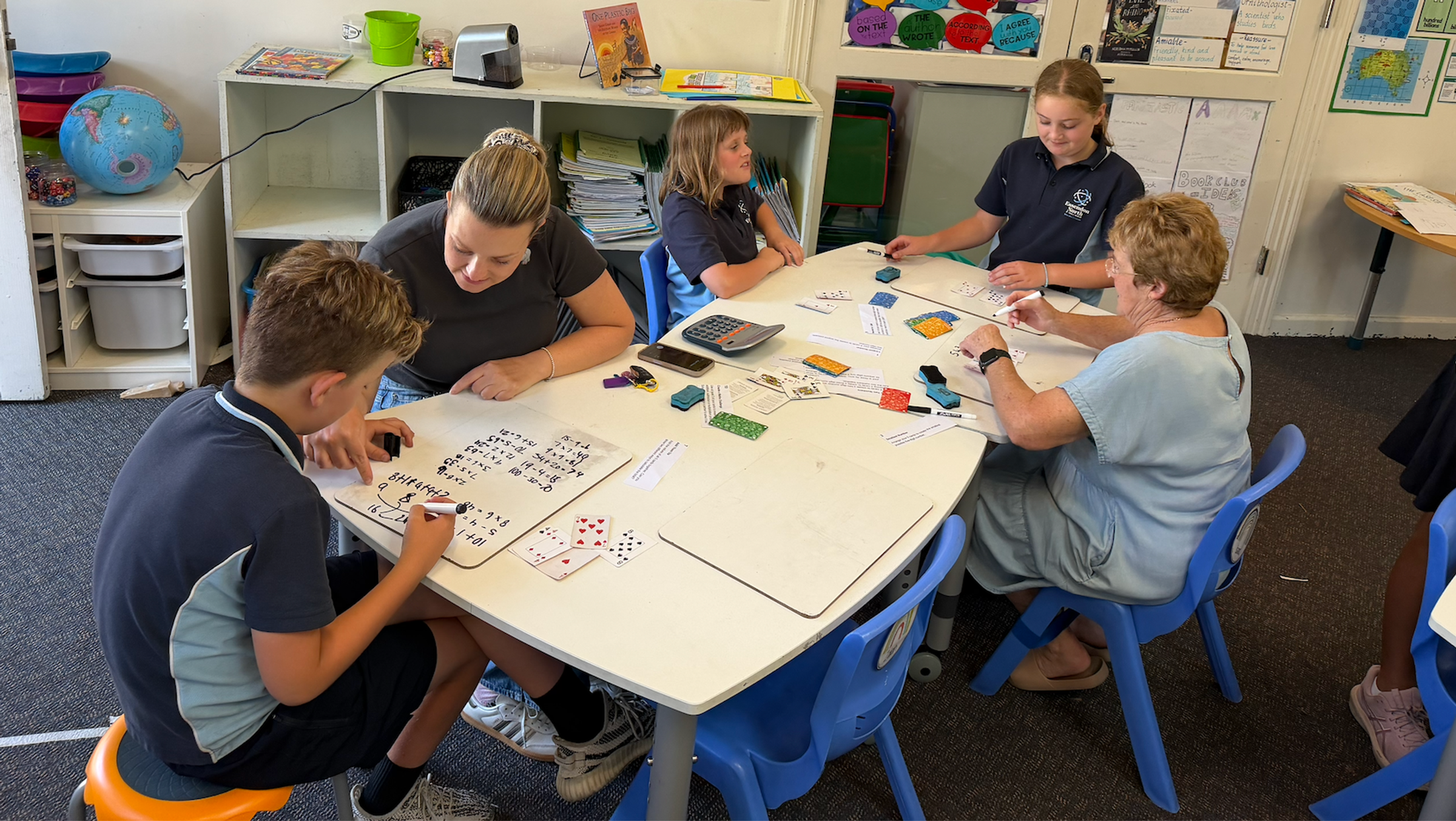
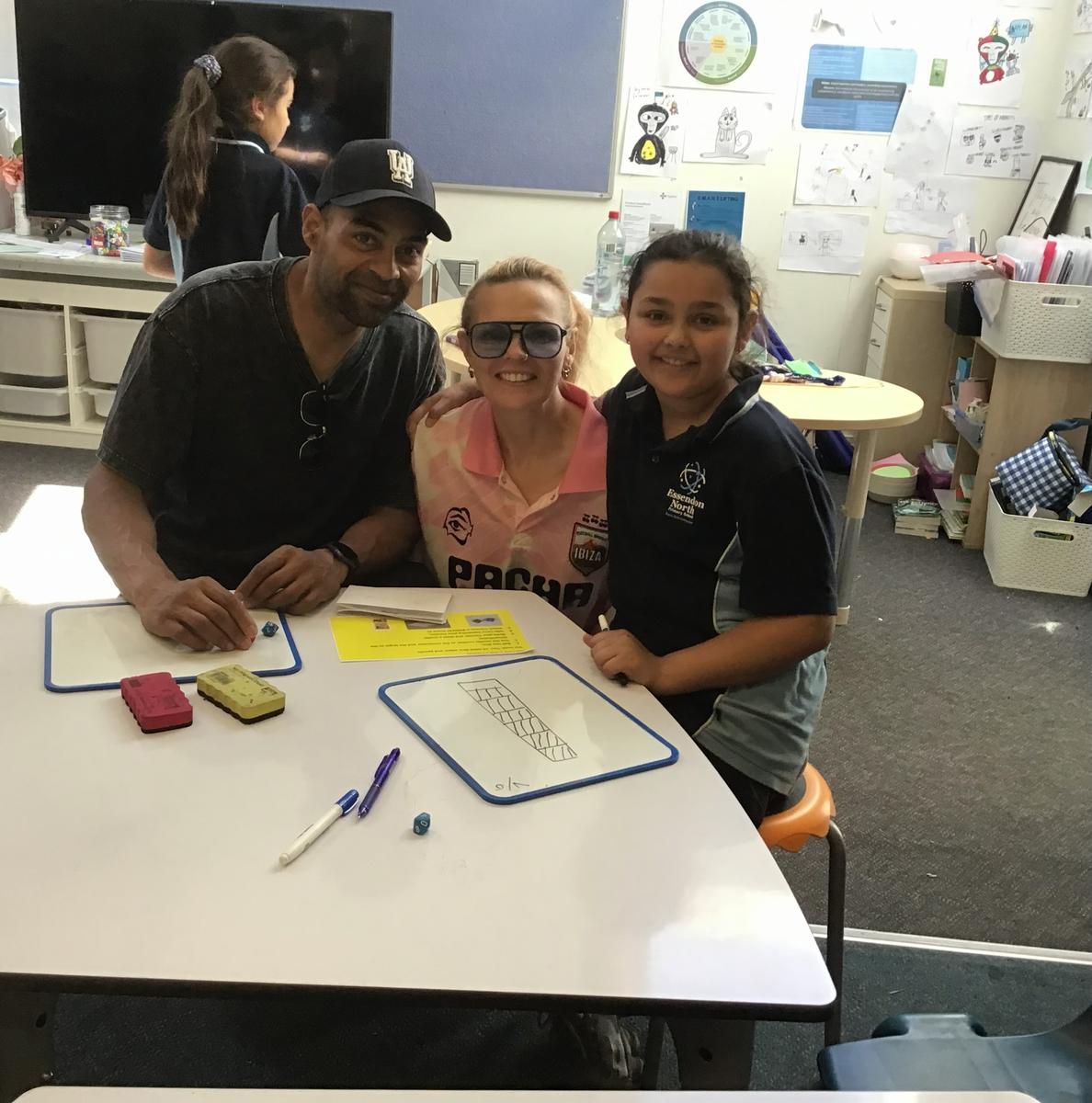
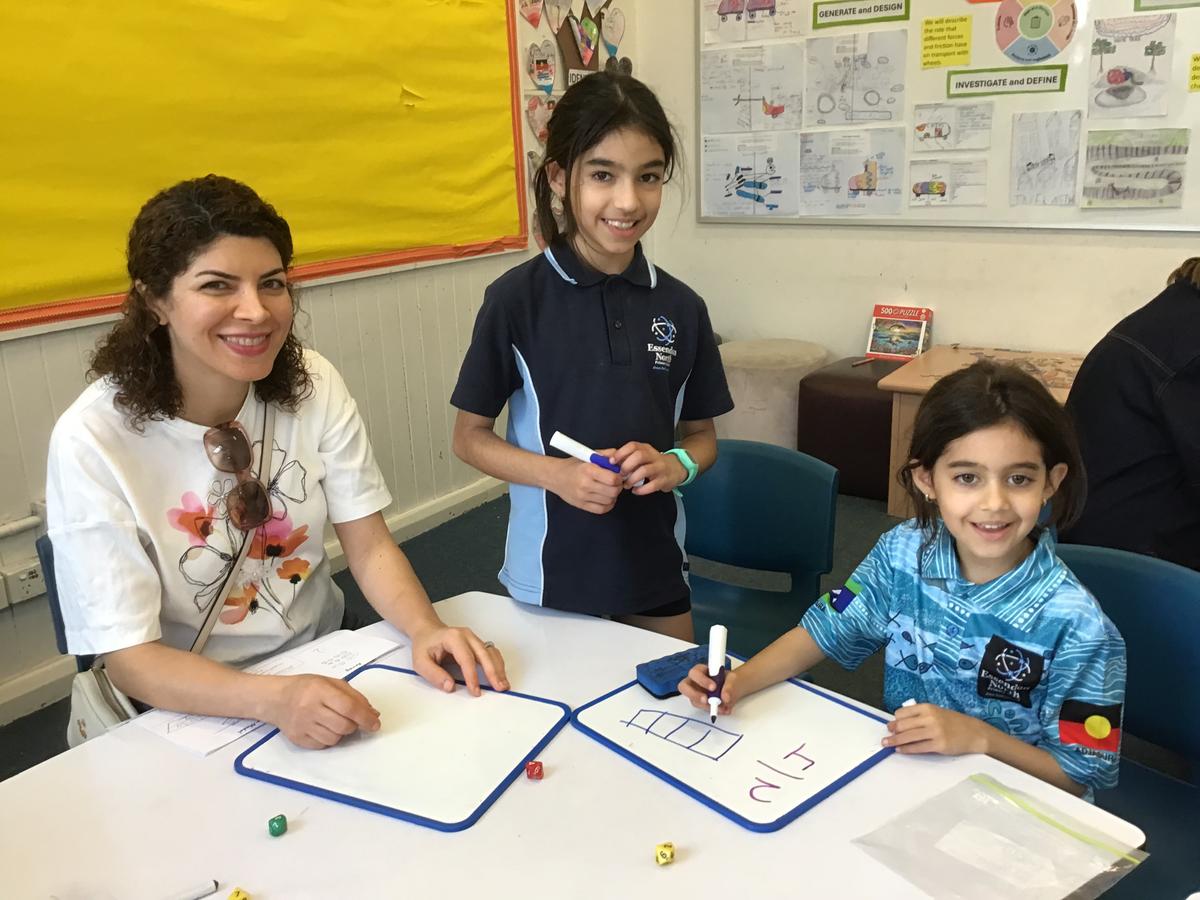
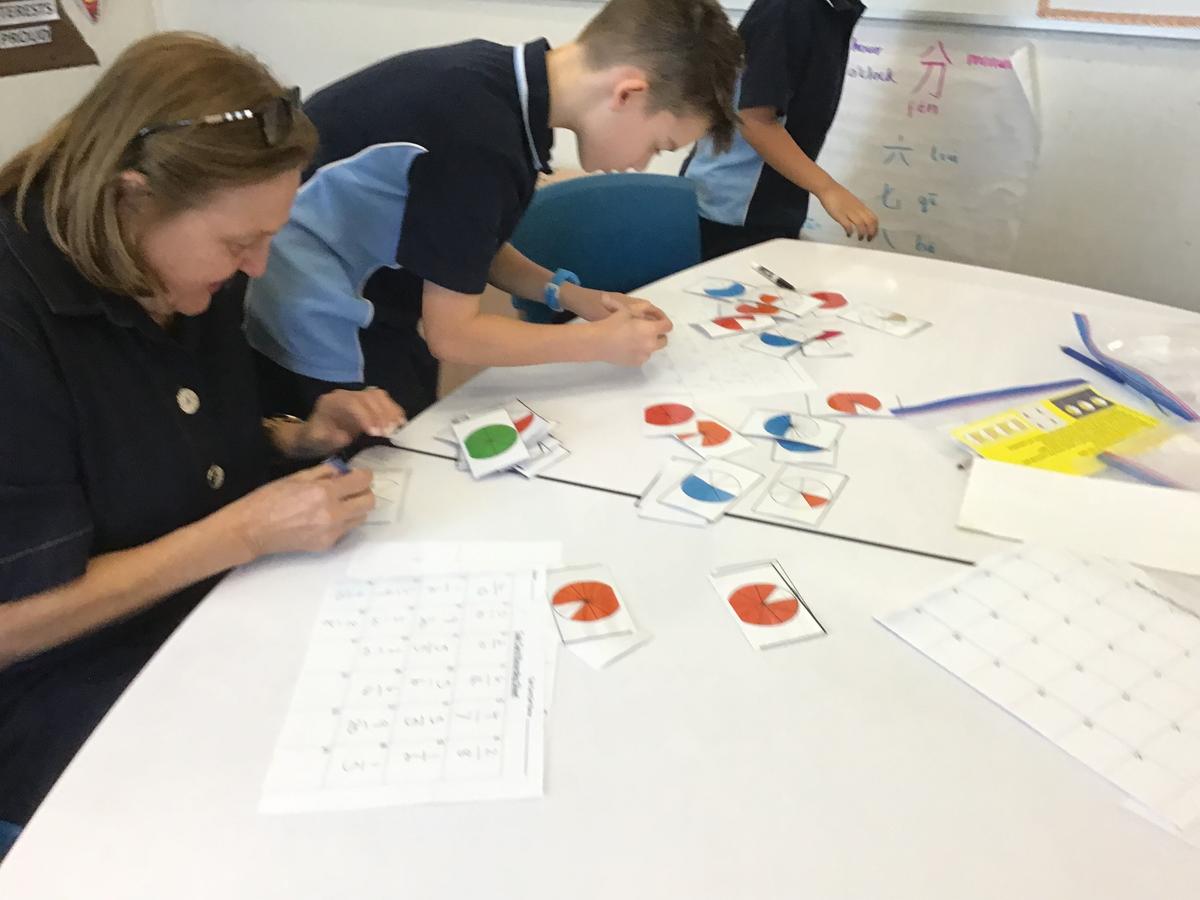
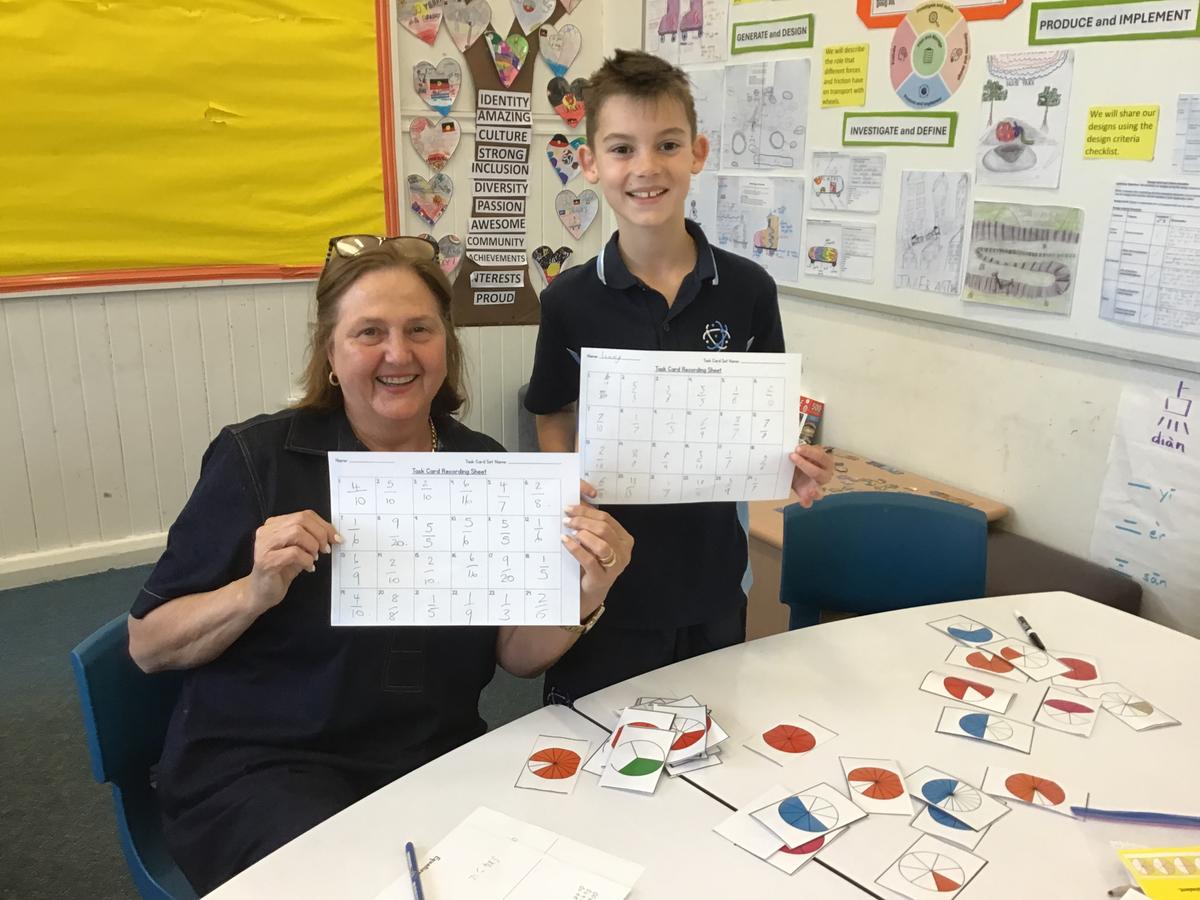
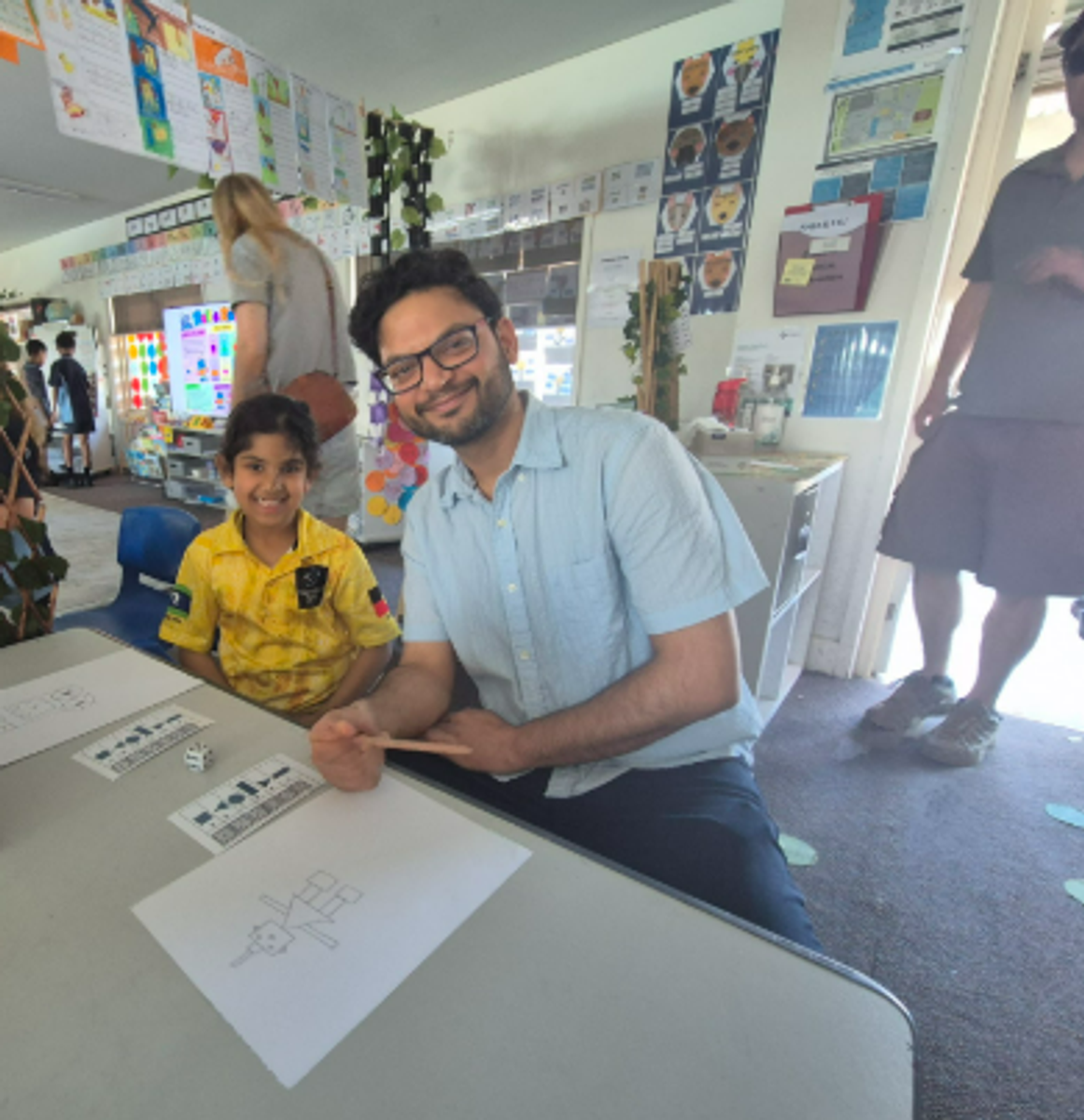
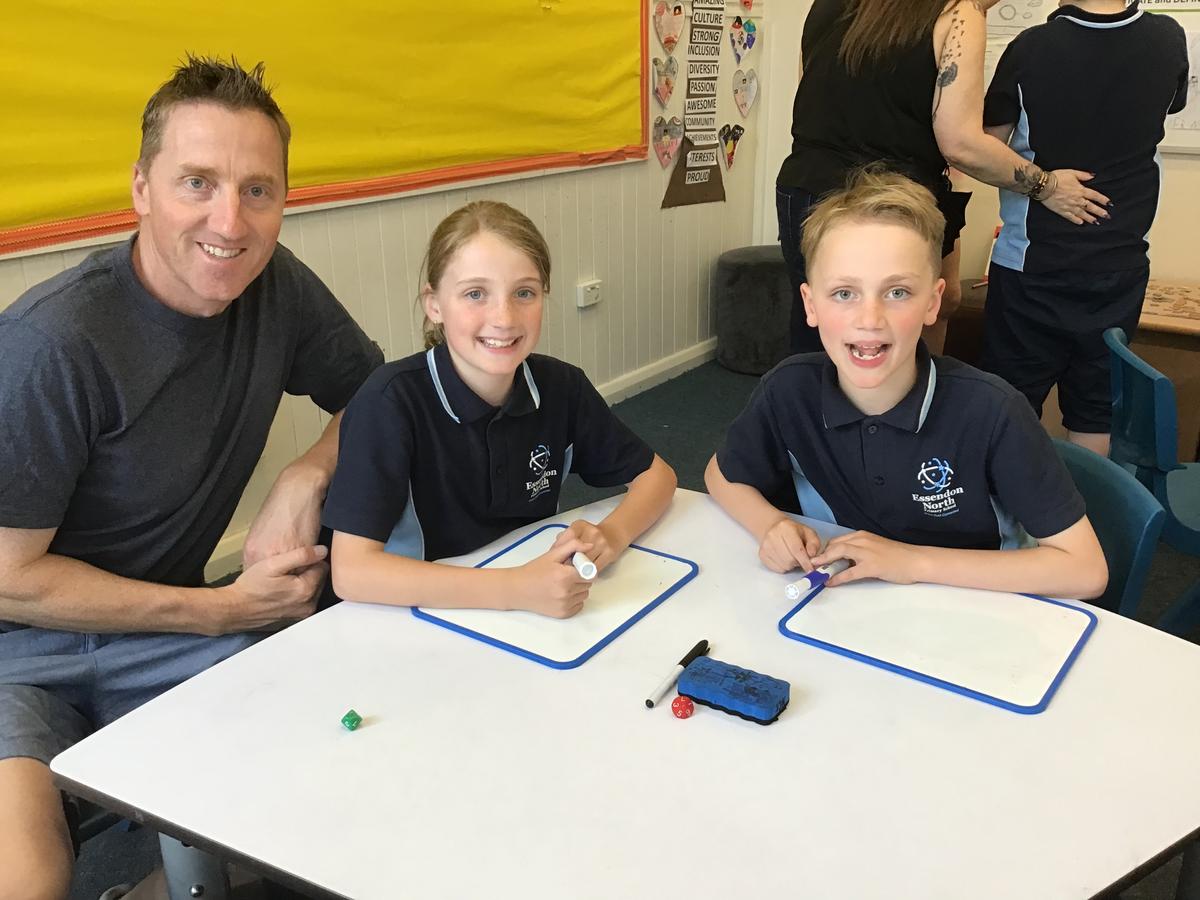
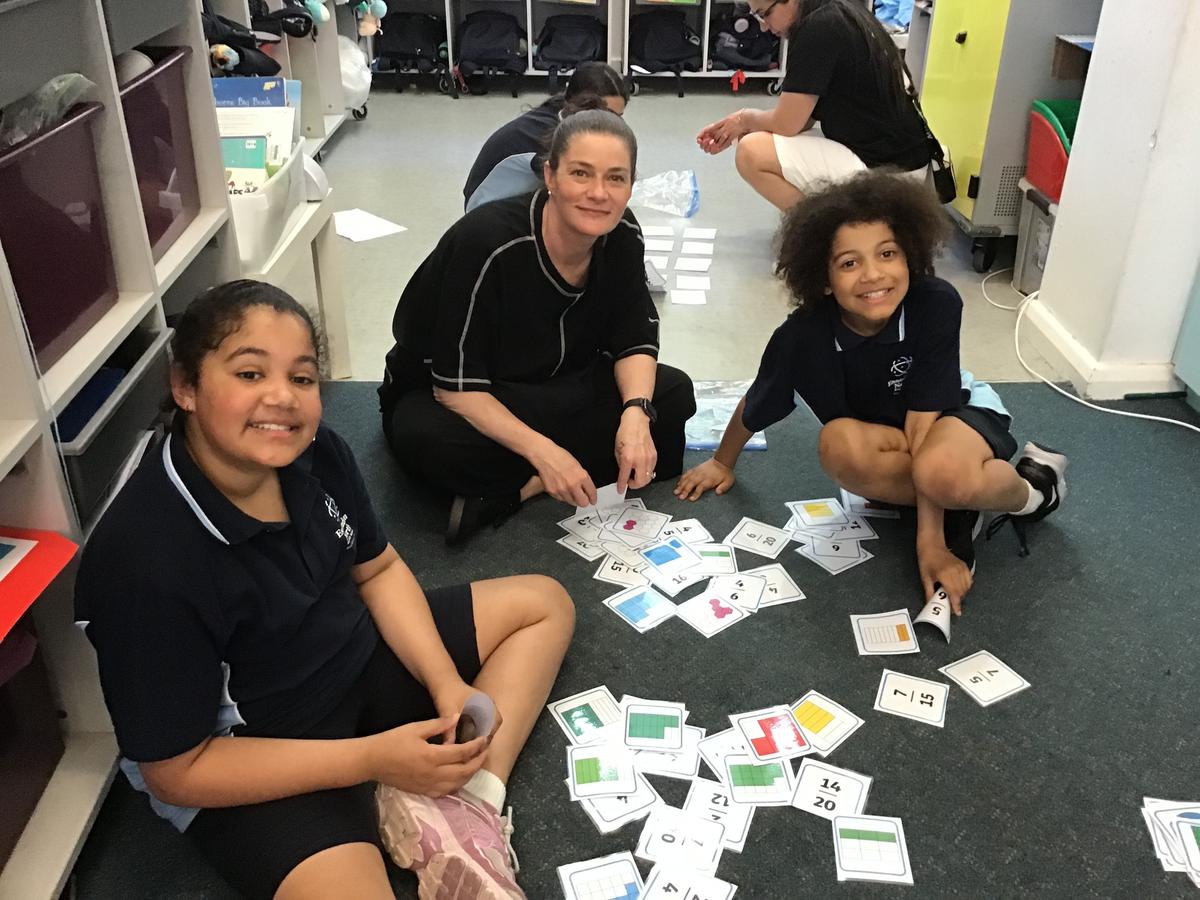
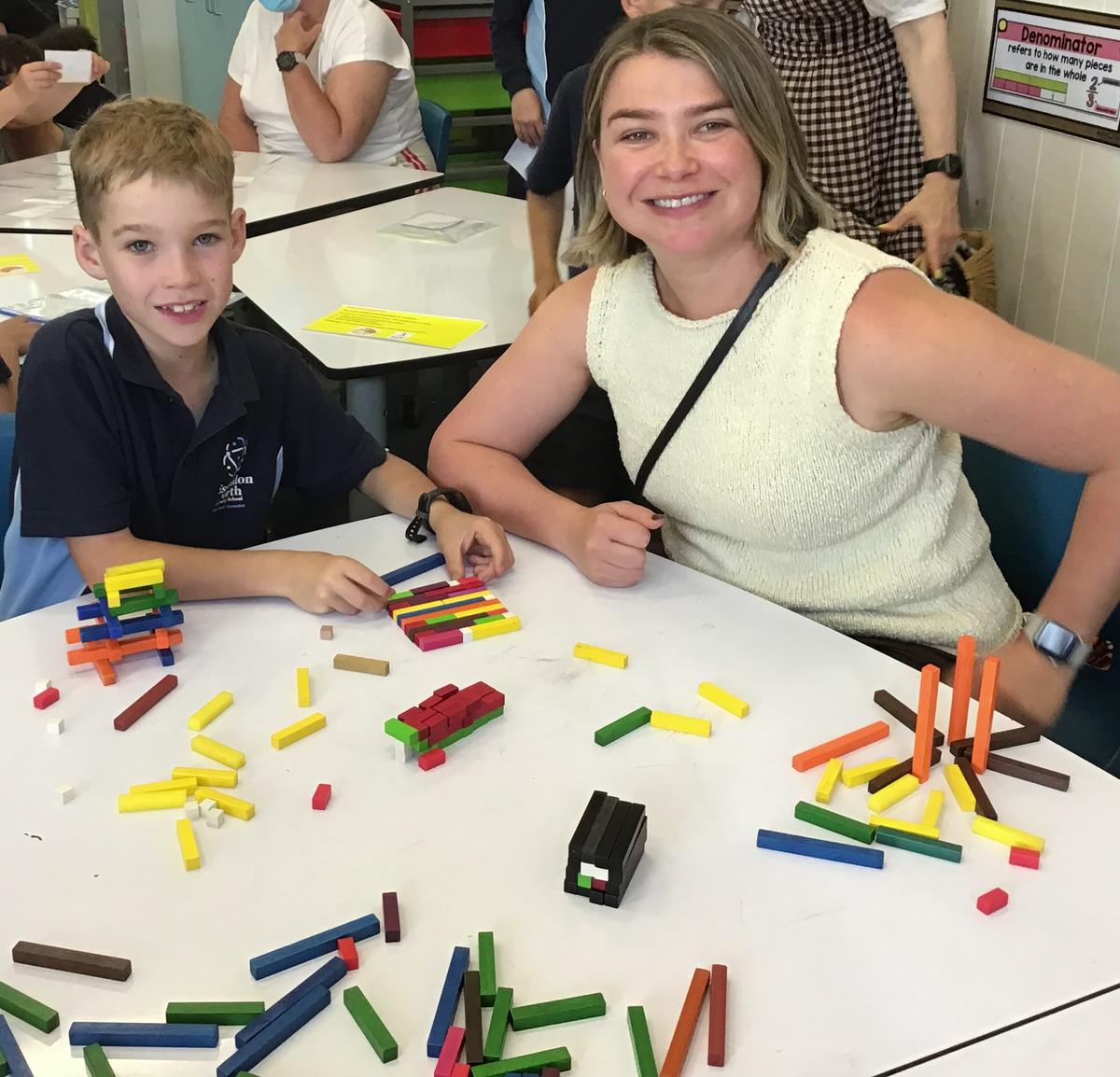
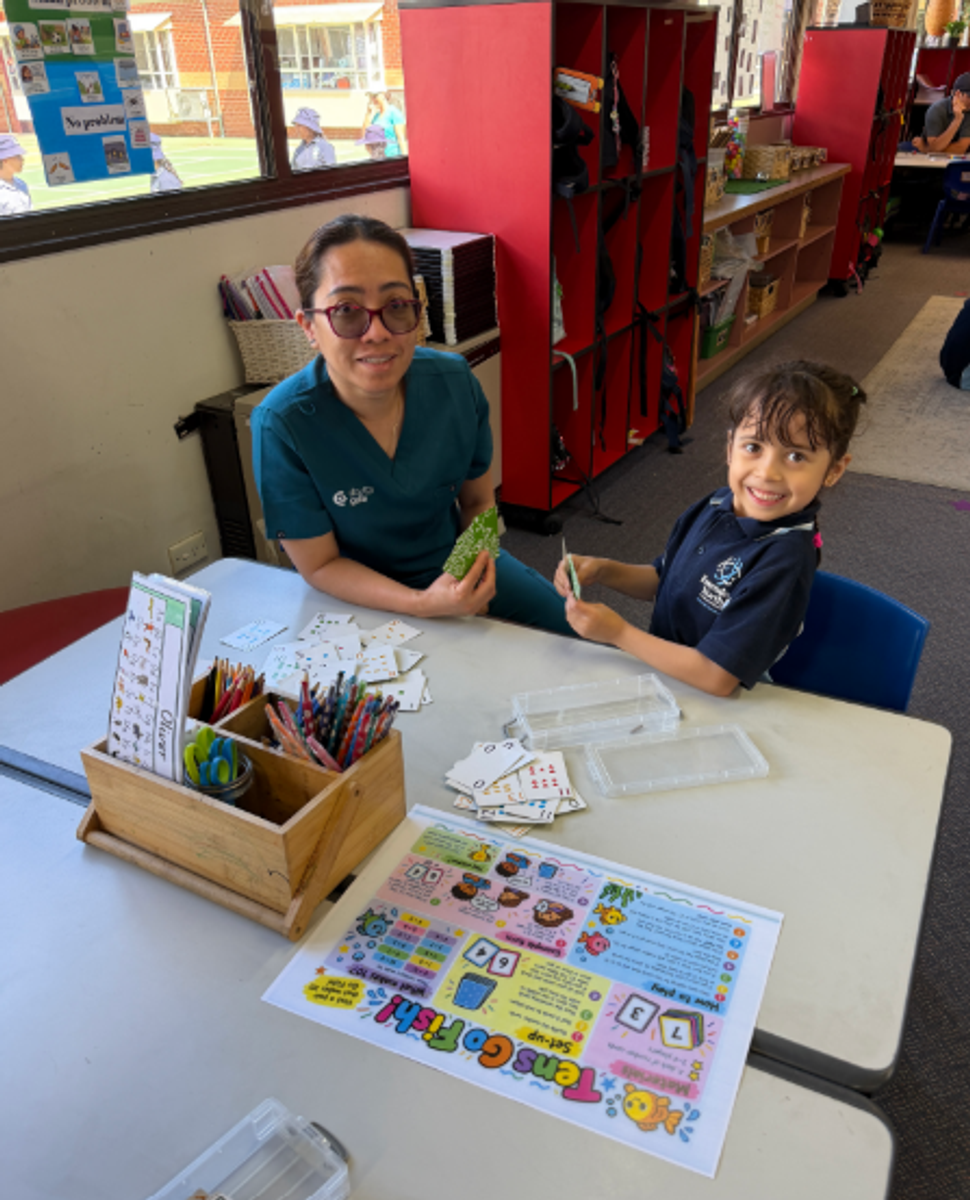
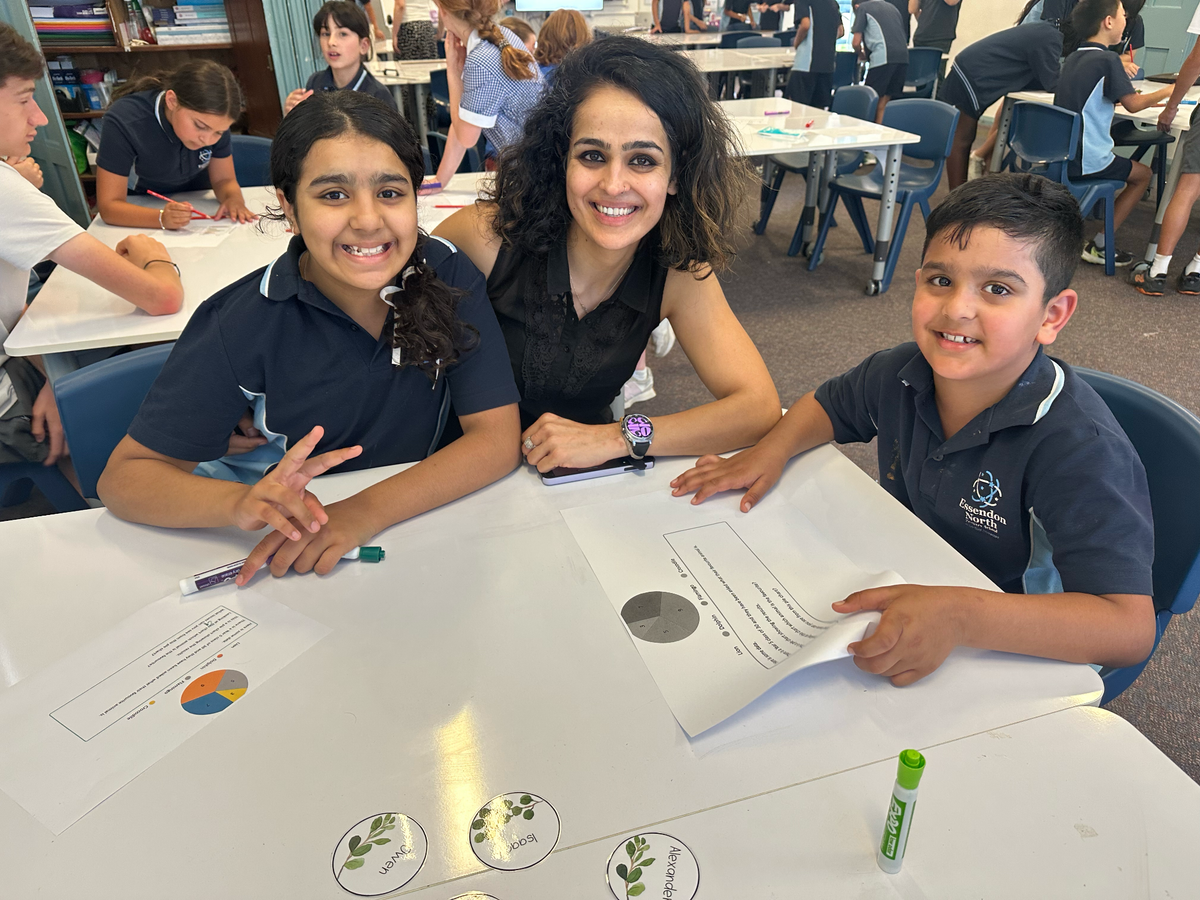
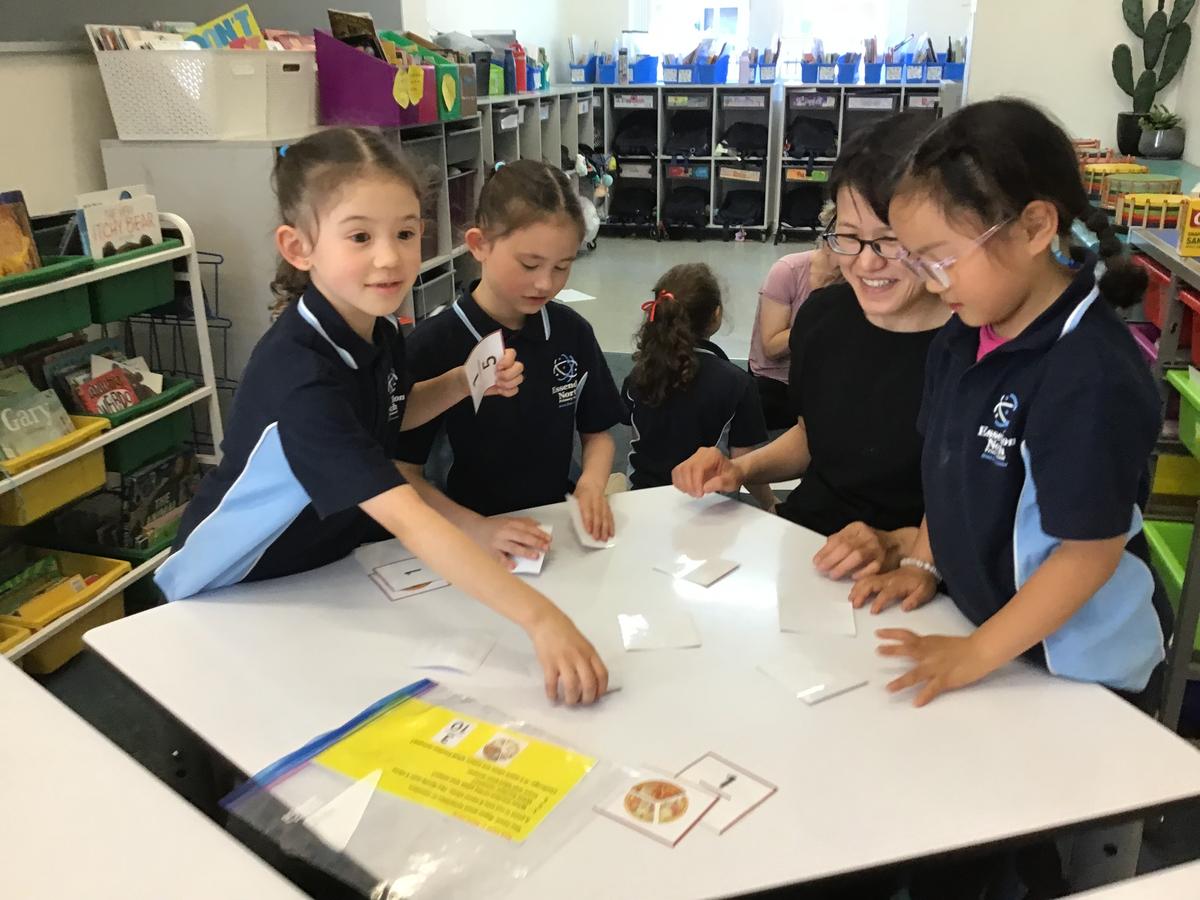
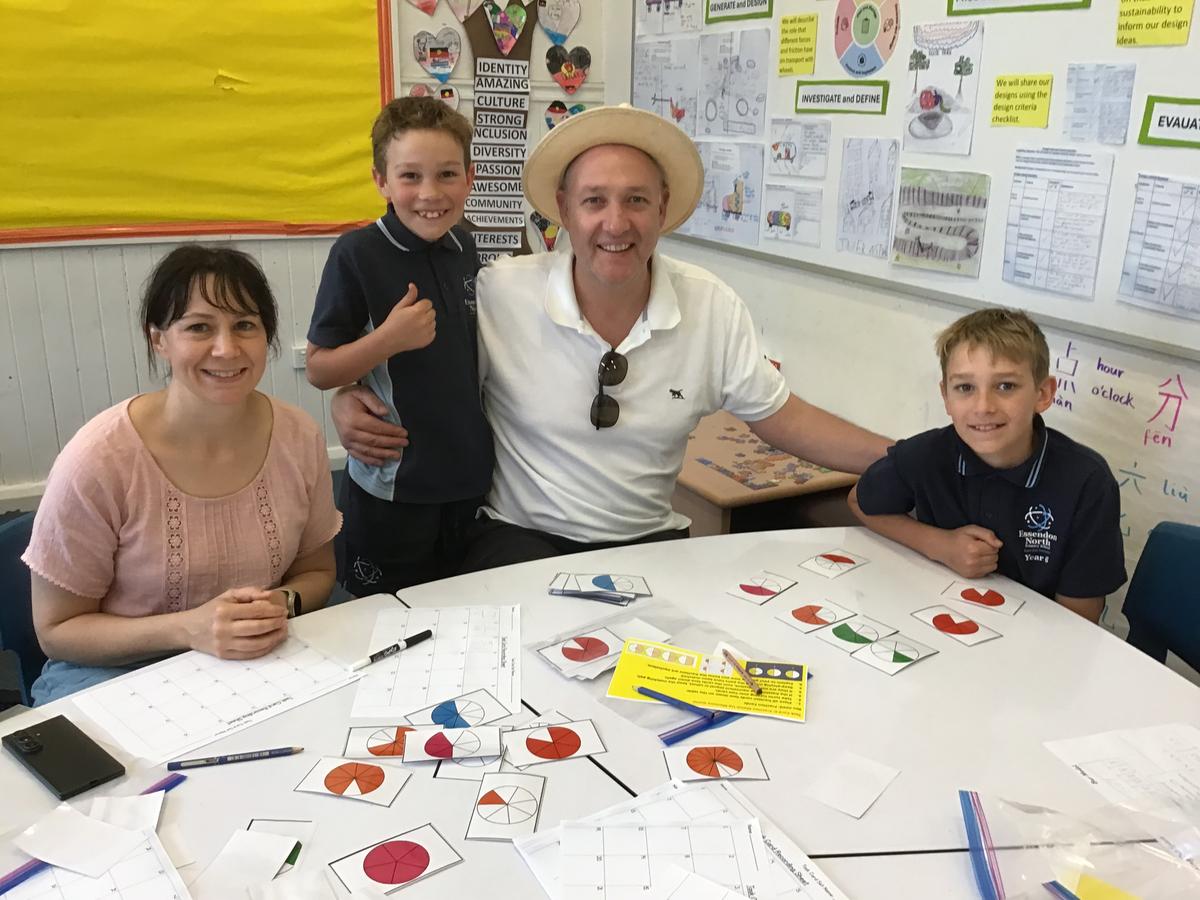
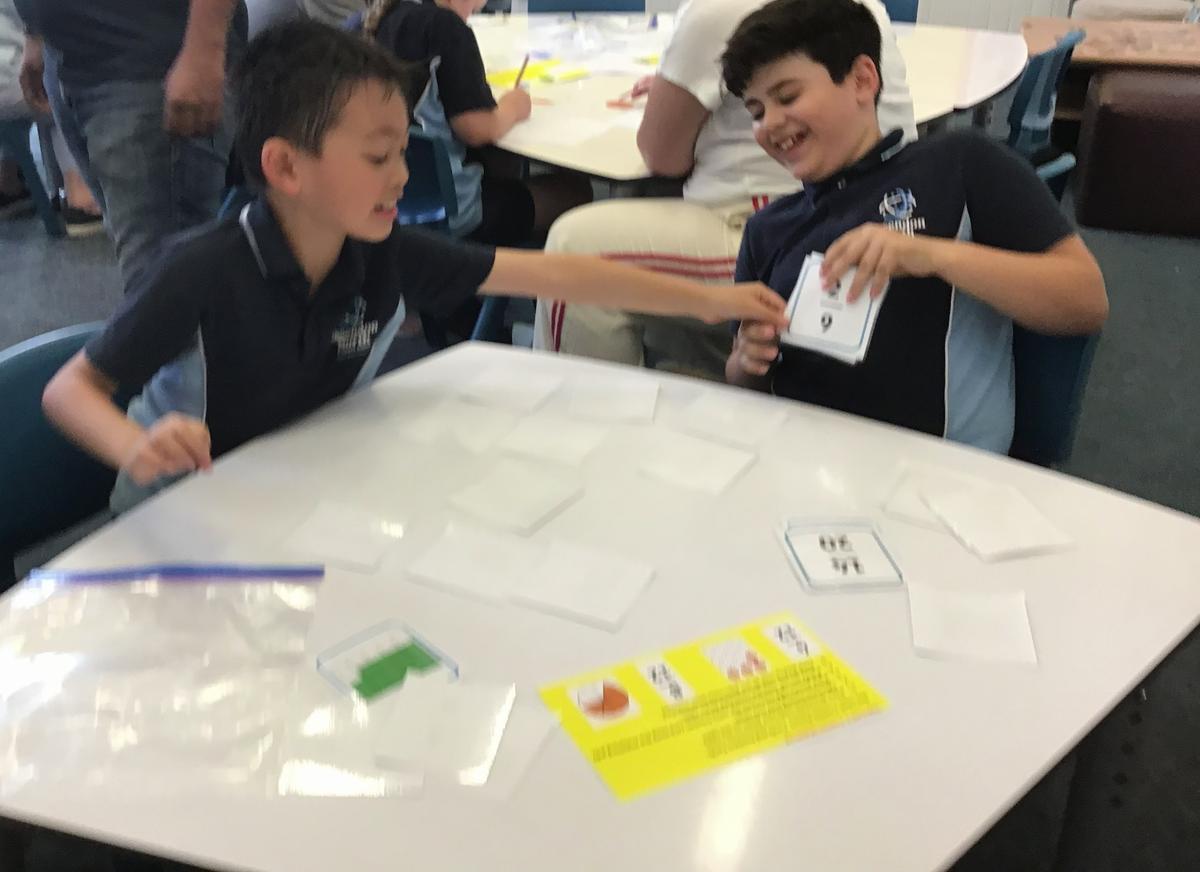
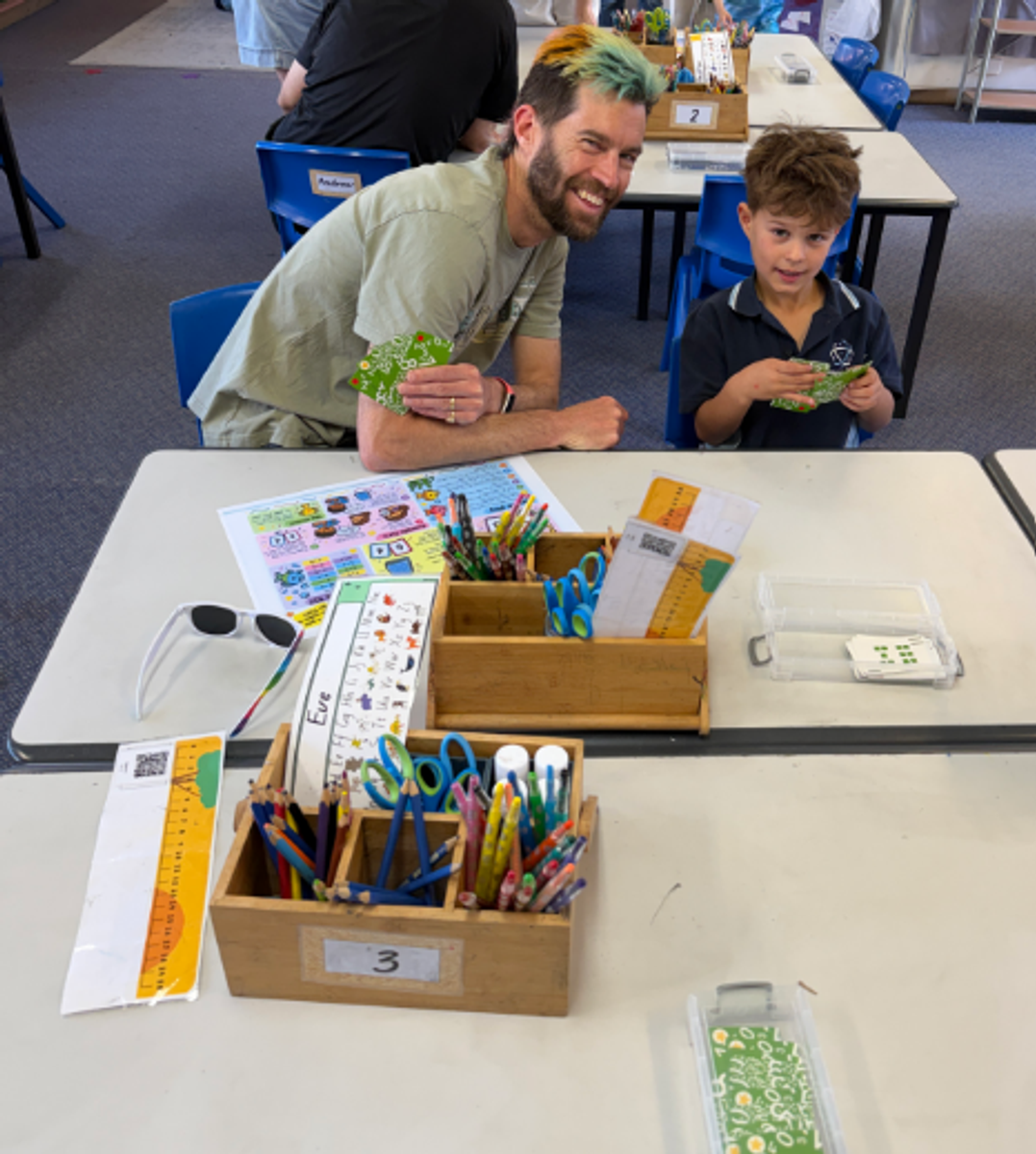
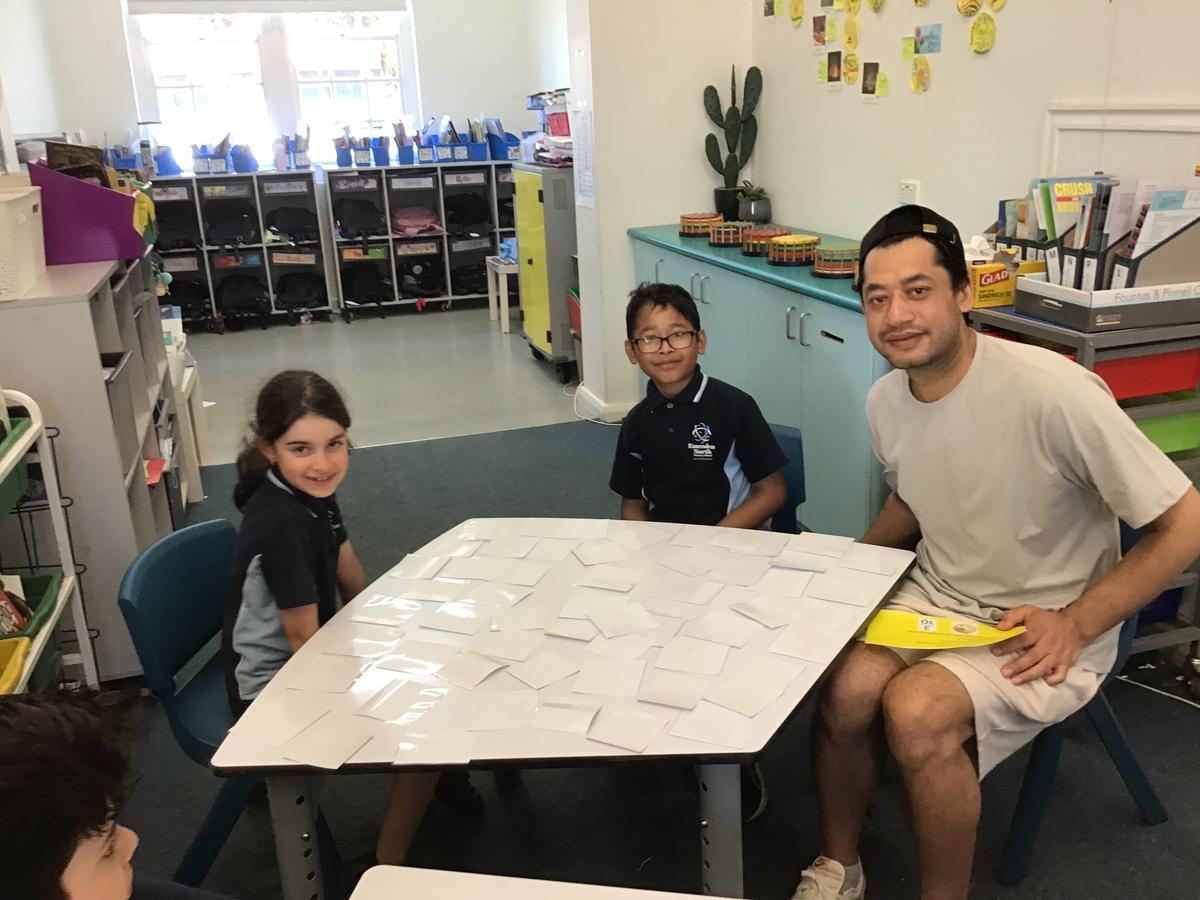
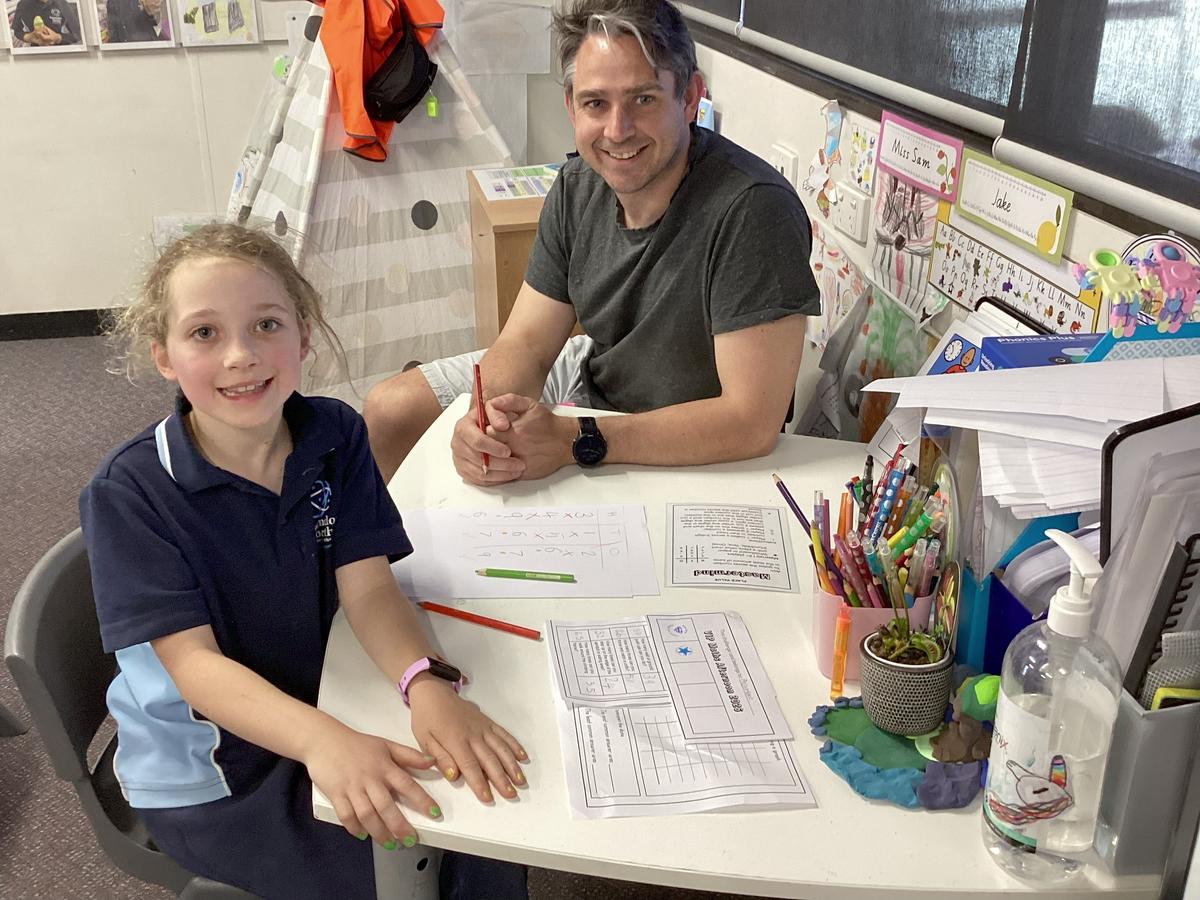
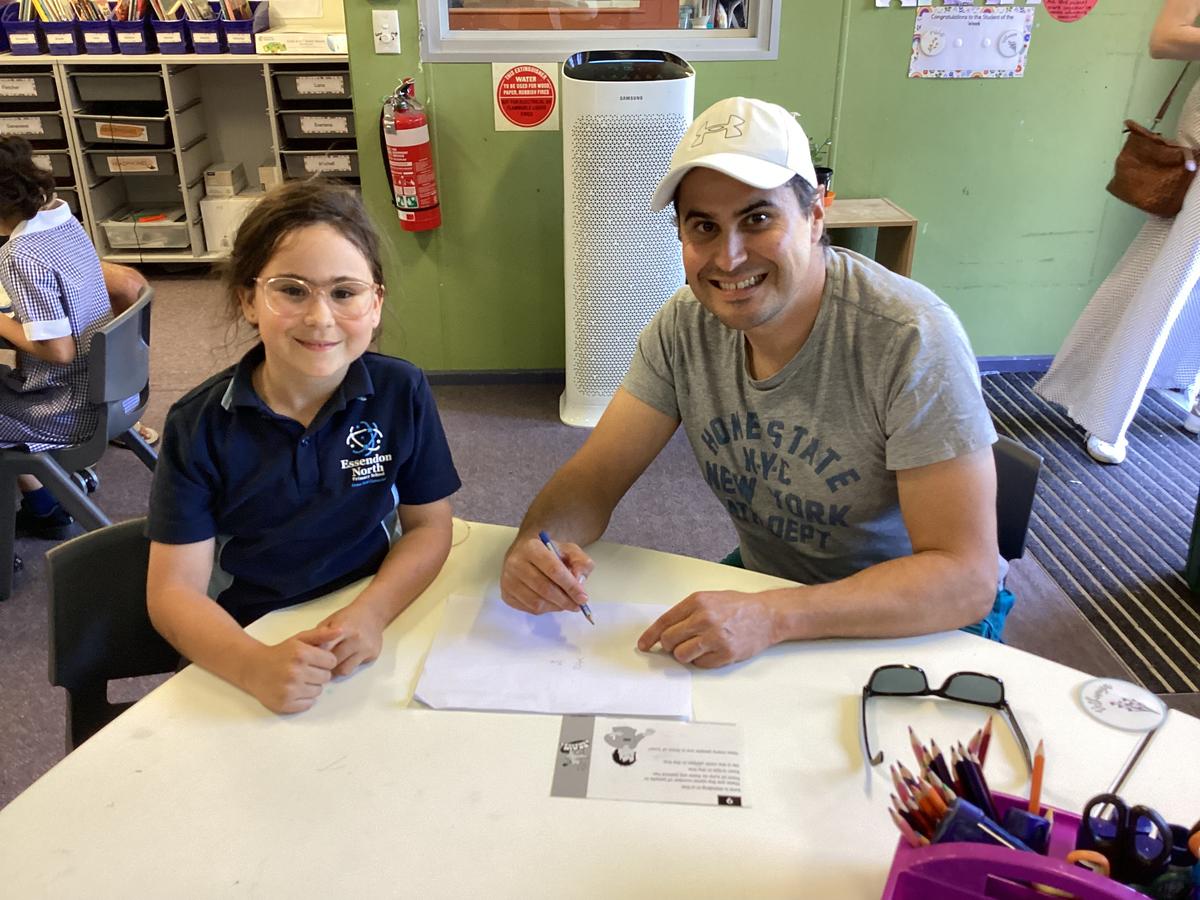
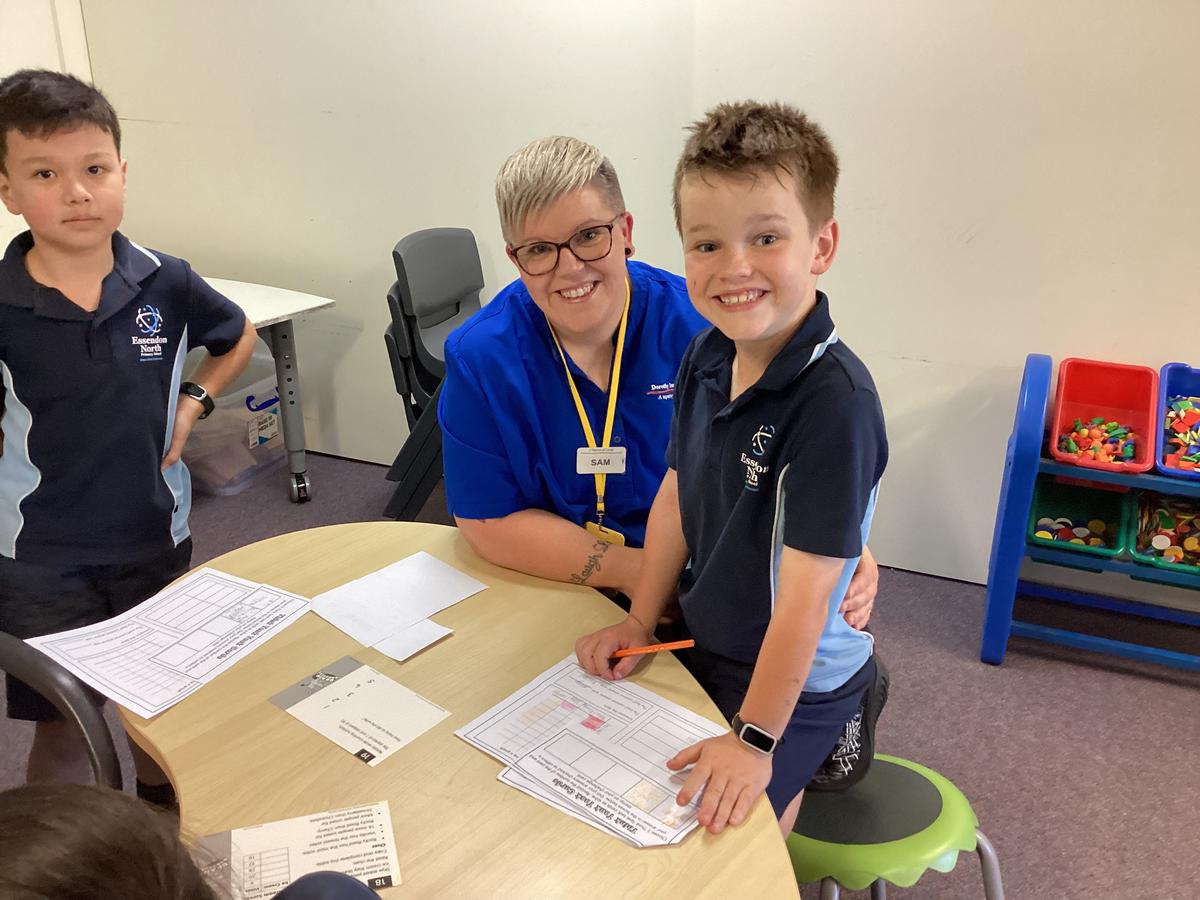
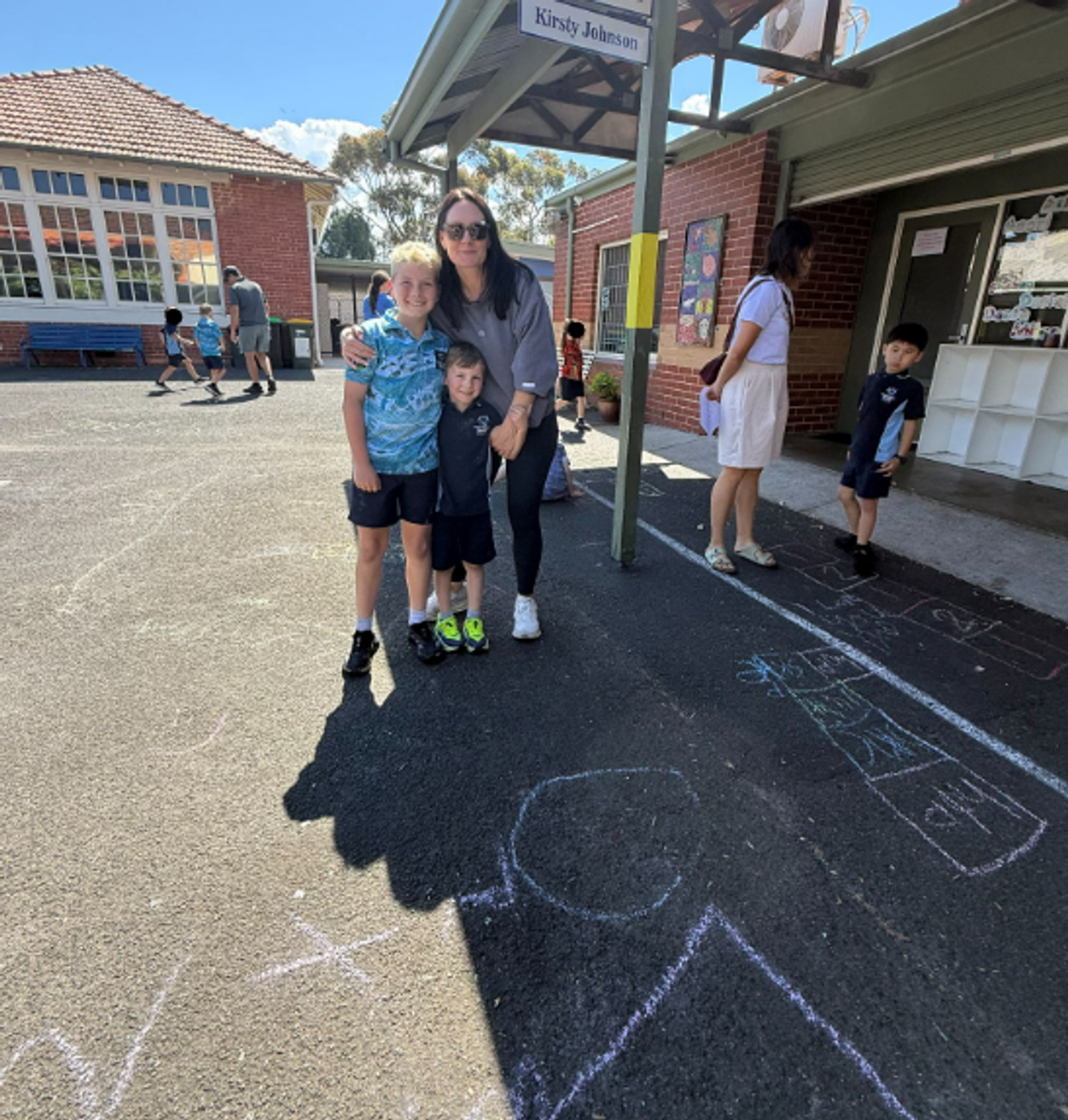
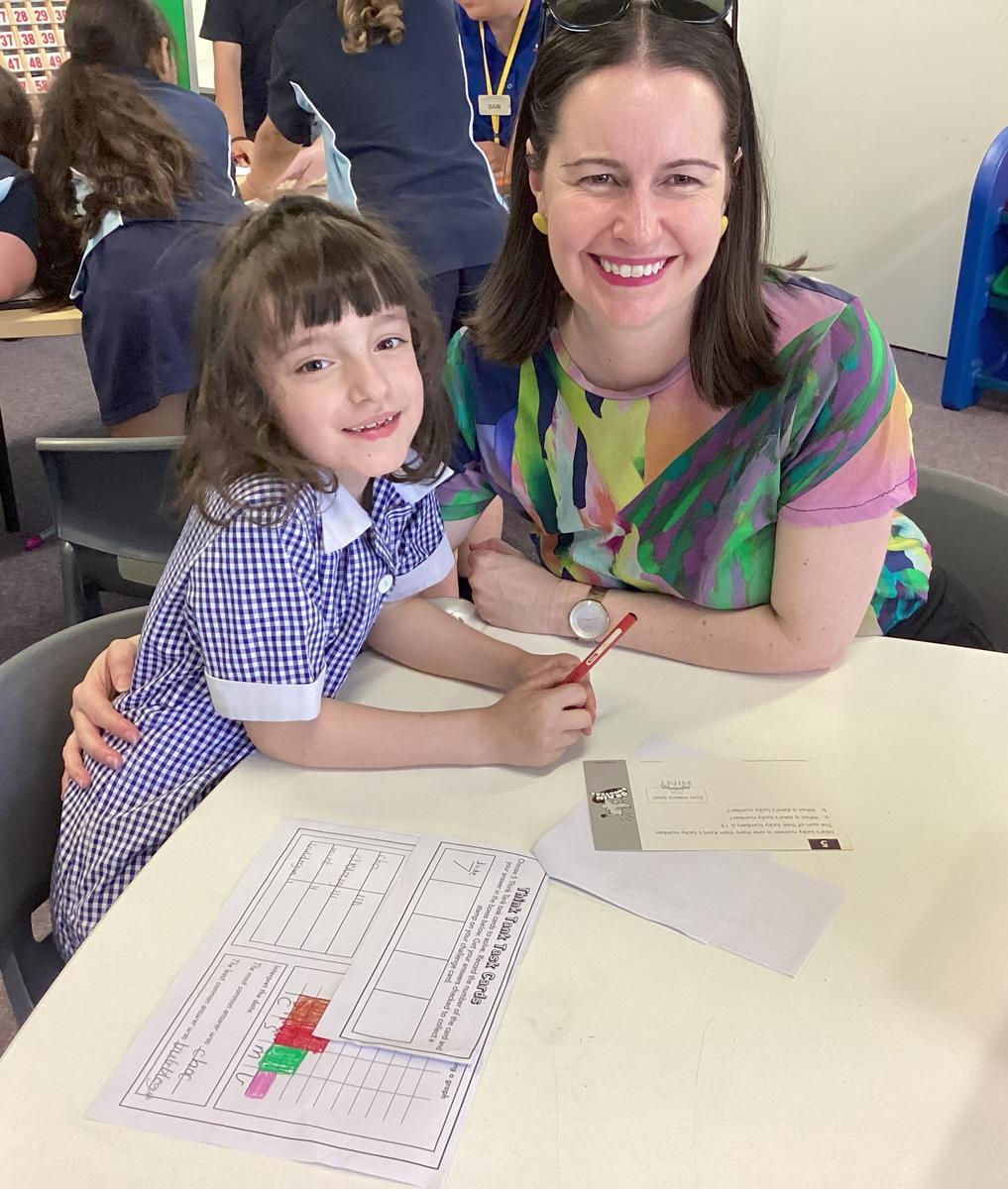
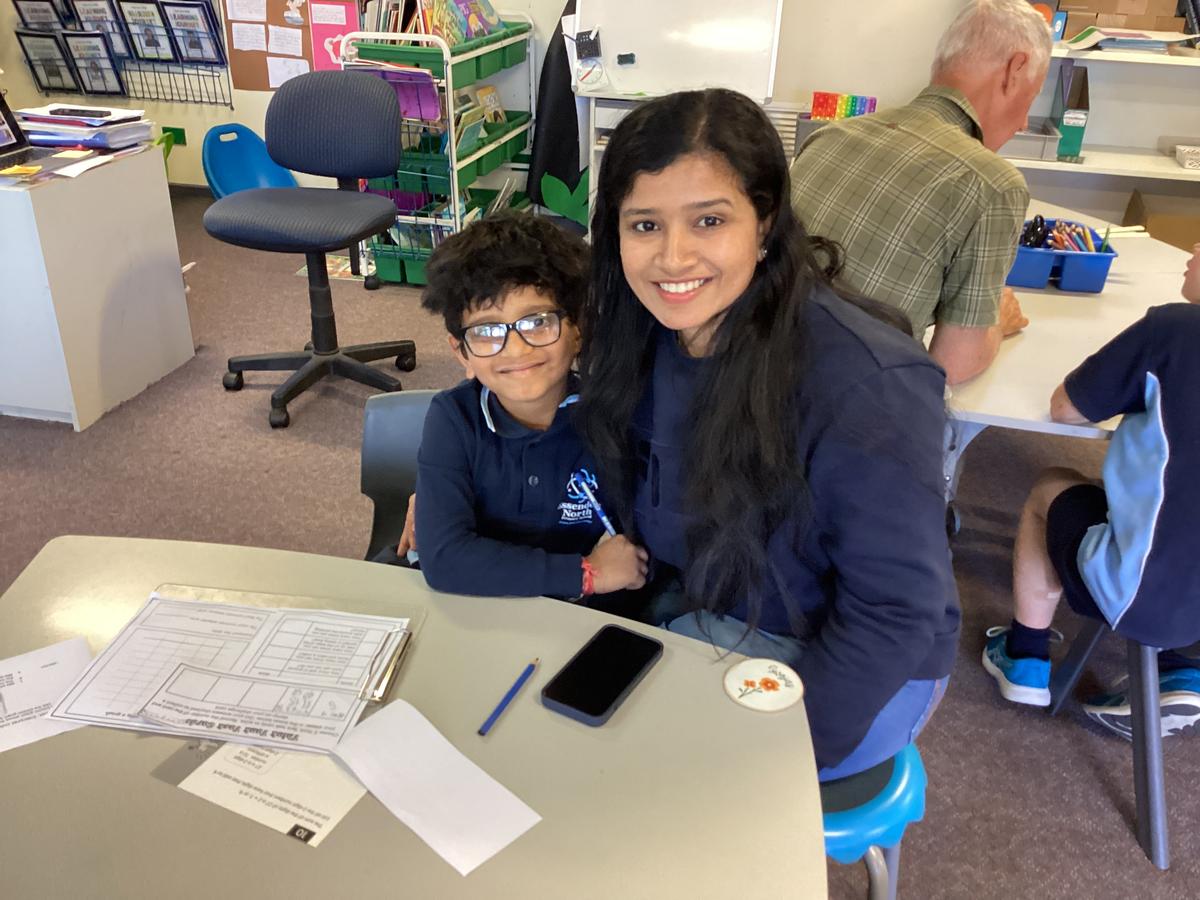
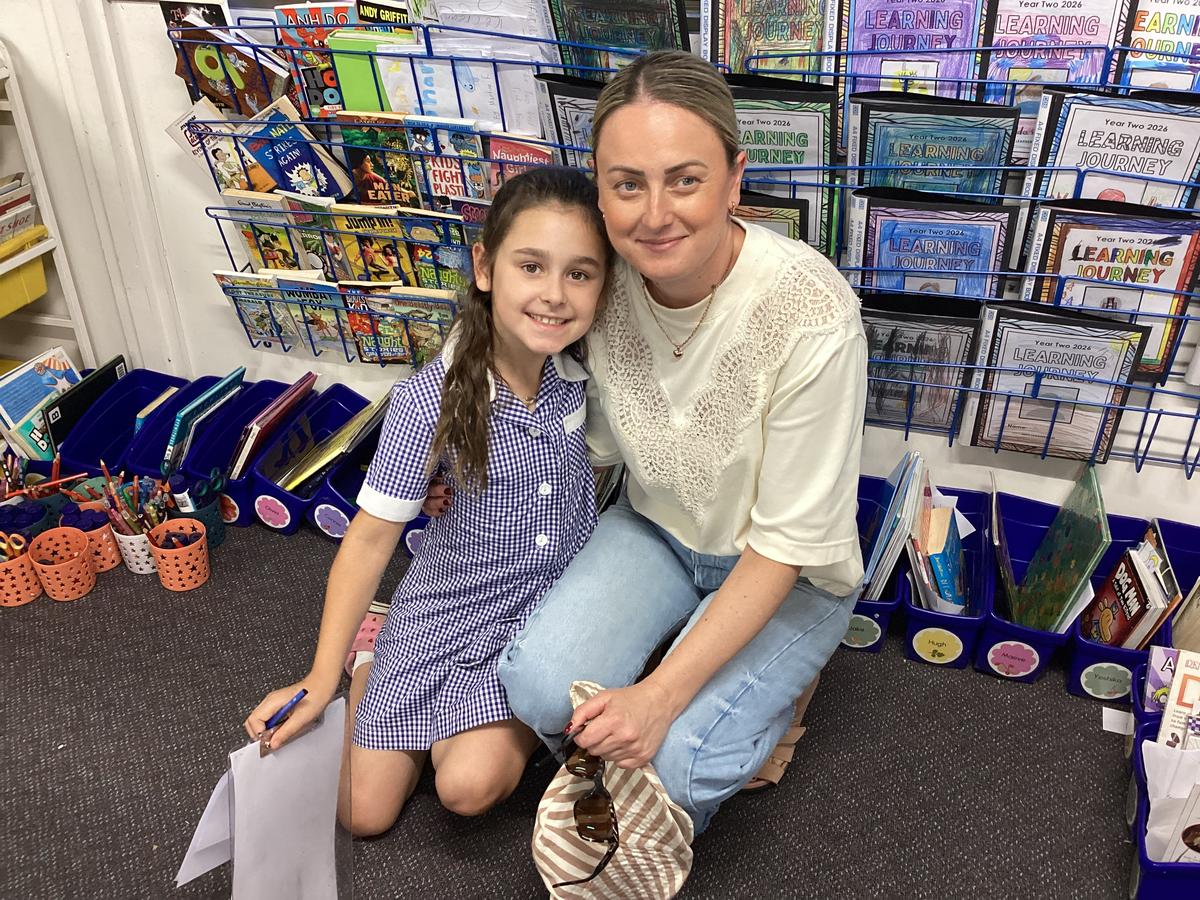
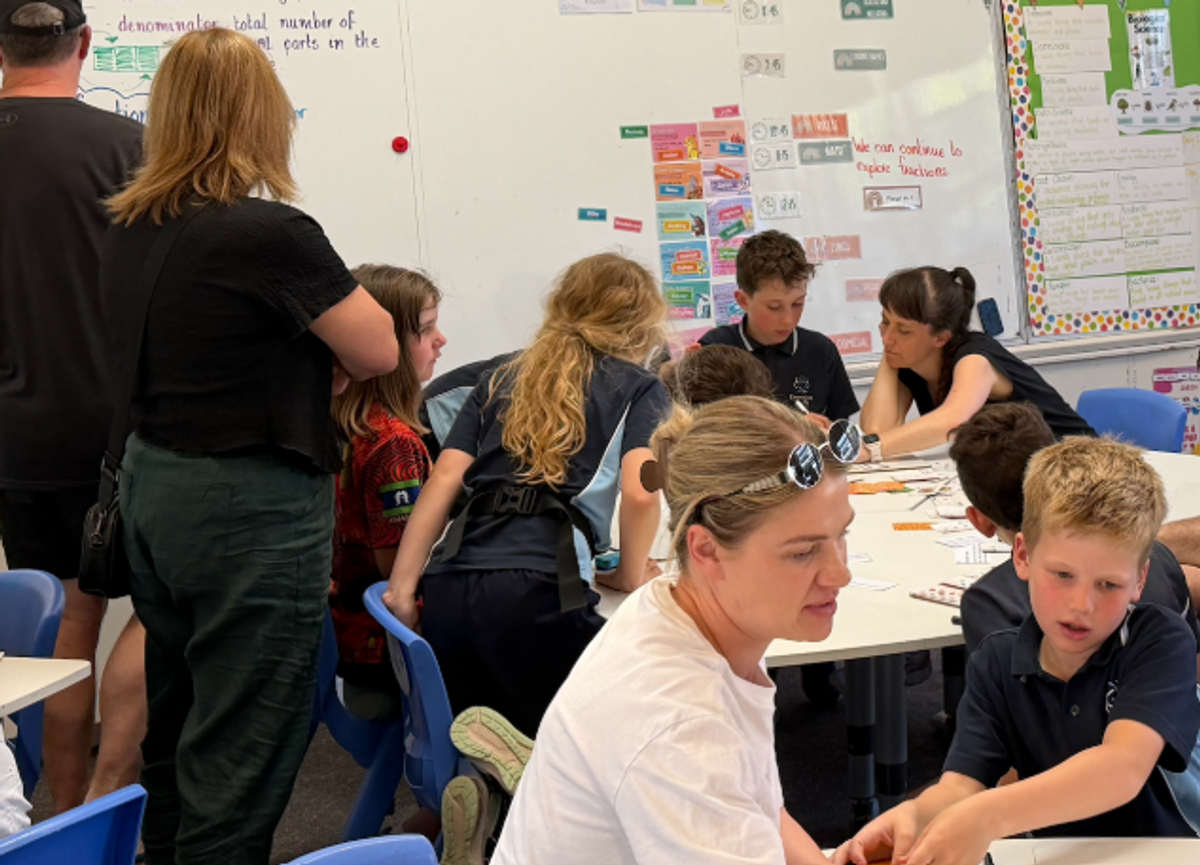
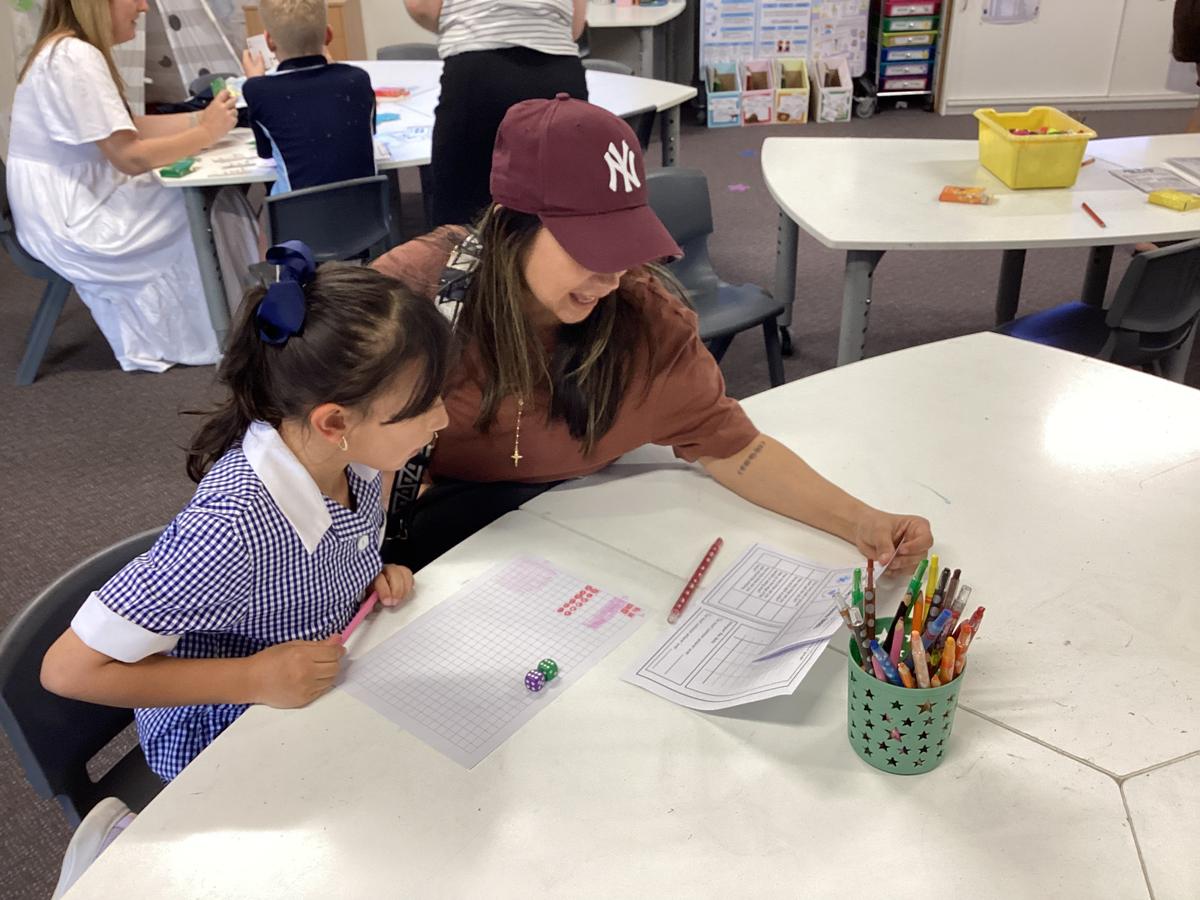
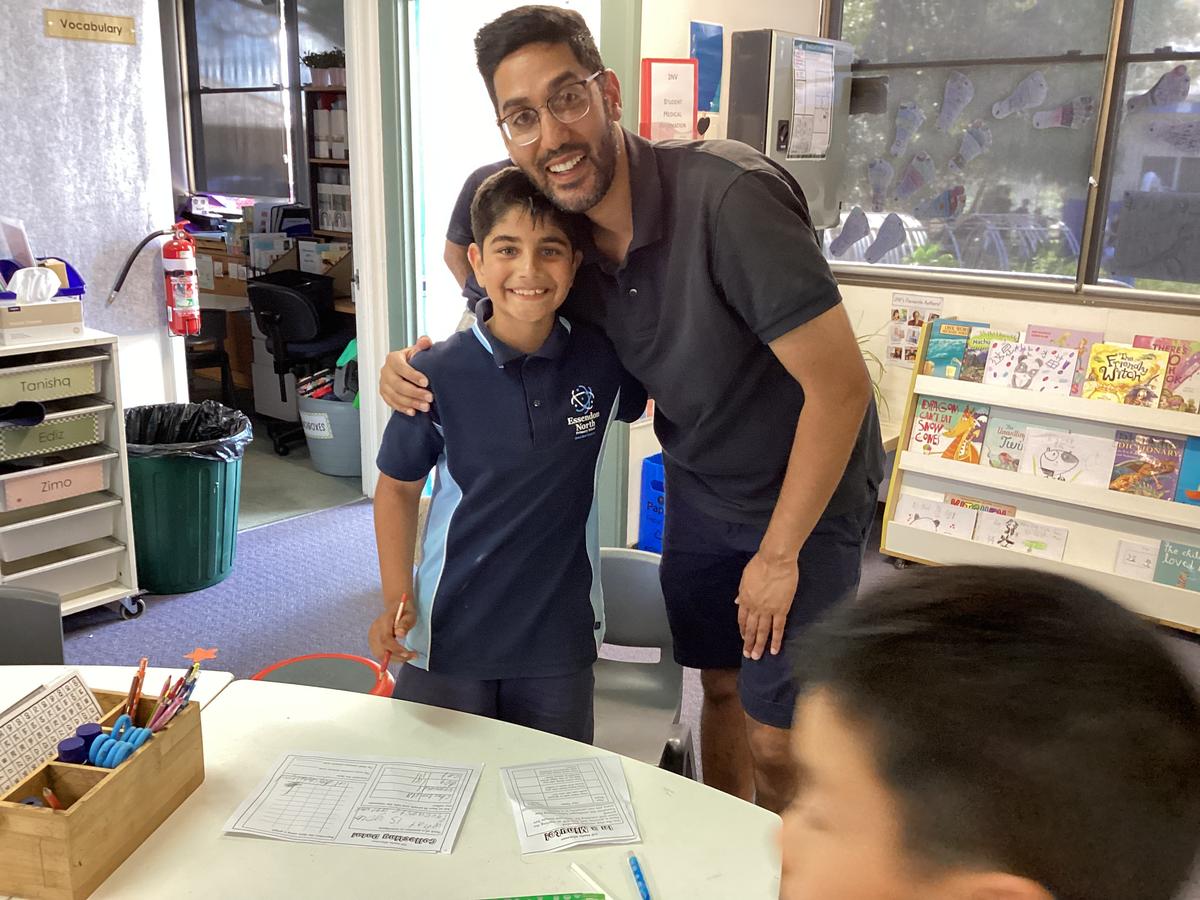
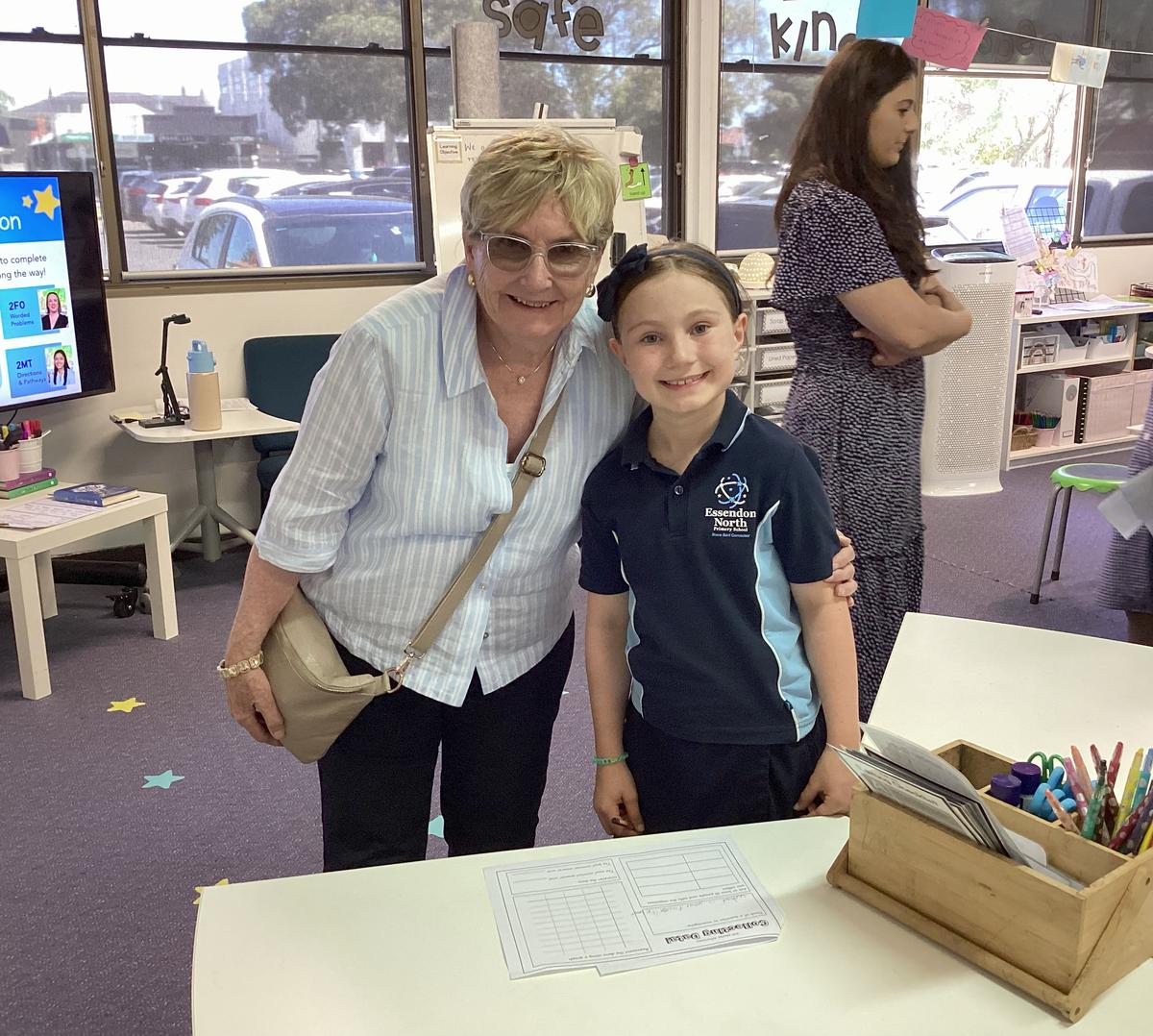
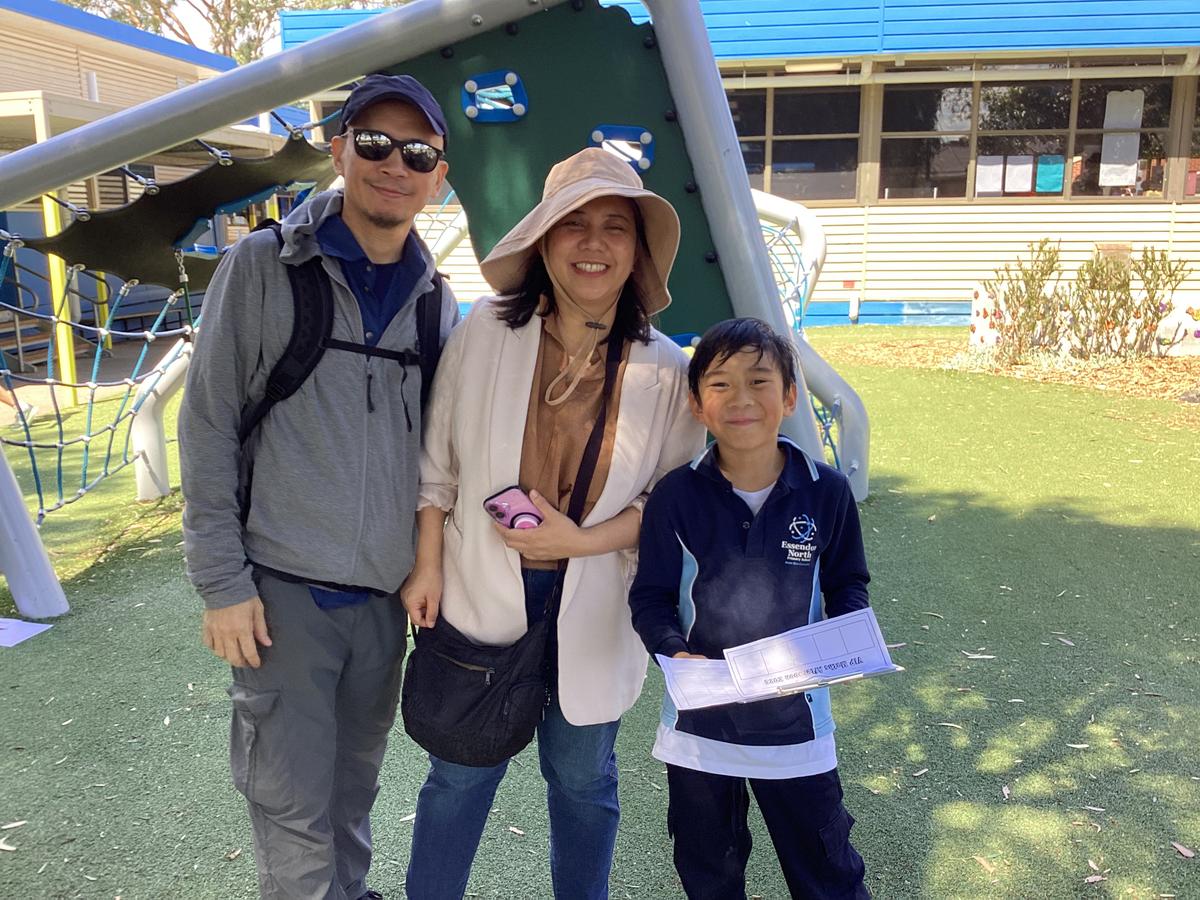
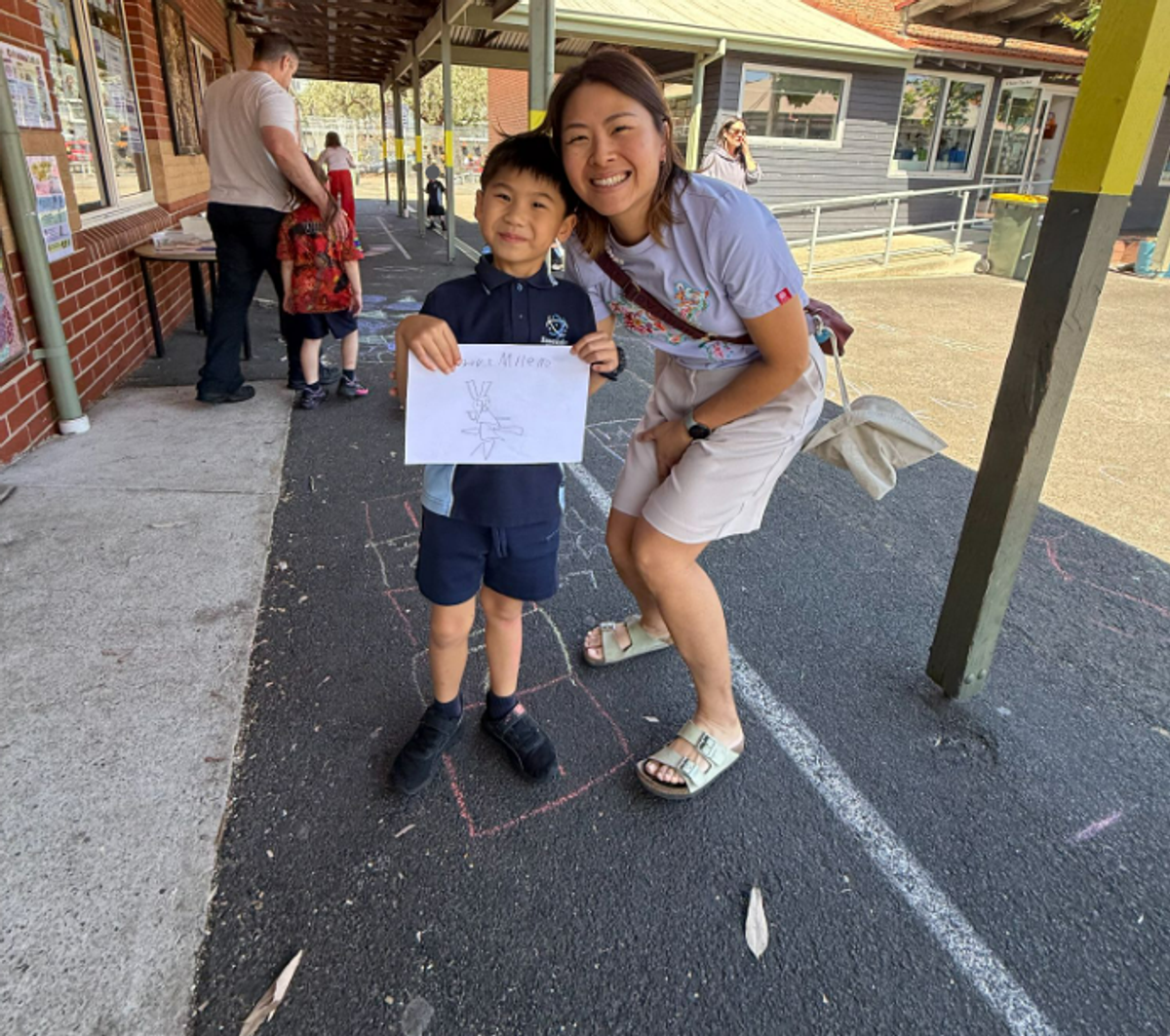
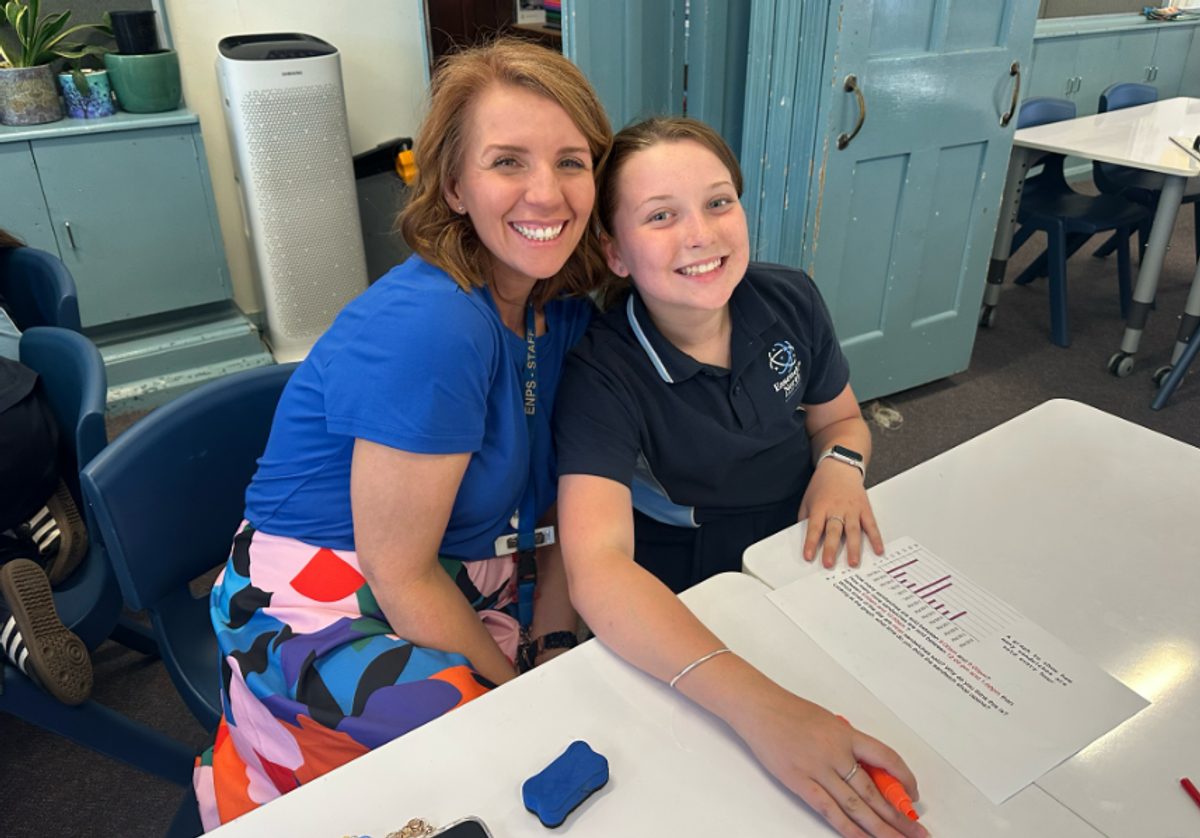
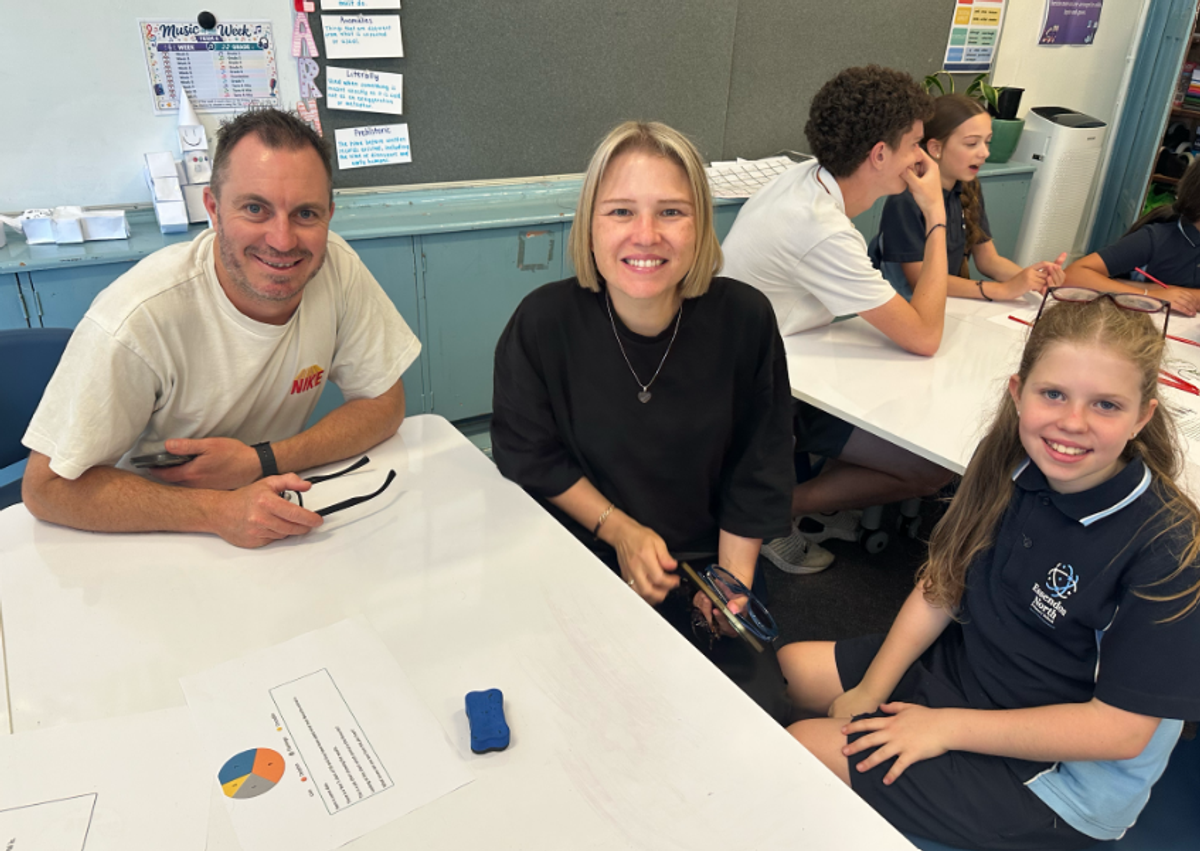
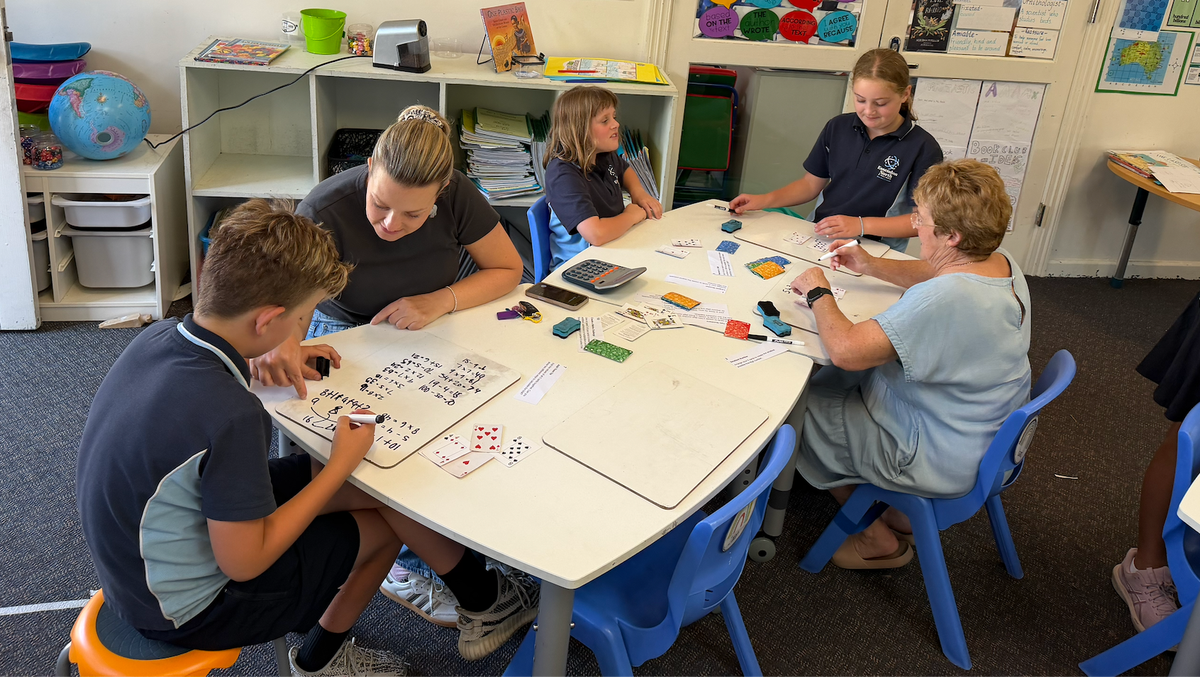
Thank you for making our Family VIP Maths Afternoon such a success. Seeing our students communicating confidently about their maths reasoning and family members supporting their thinking and ideas is what supports our students to have positive attitudes towards mathematics.
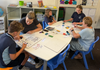
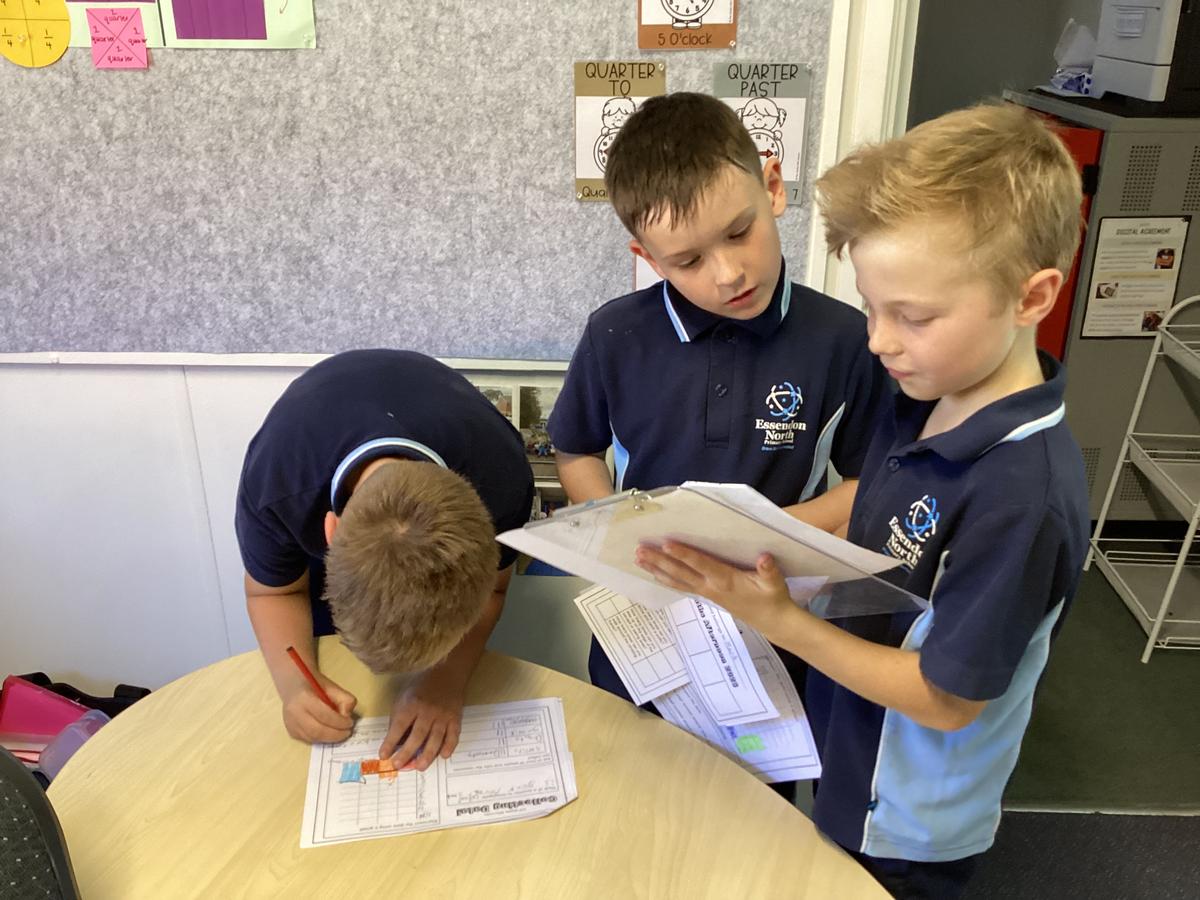
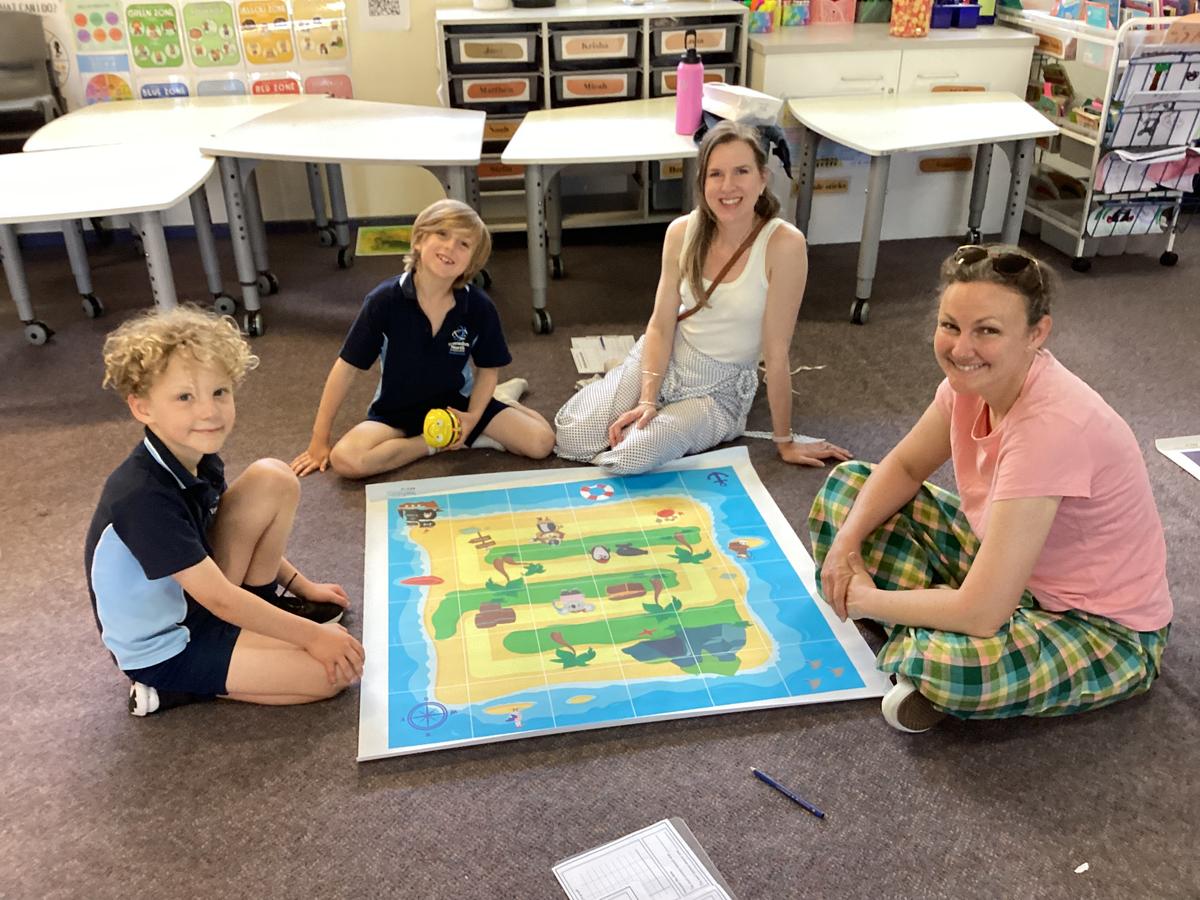
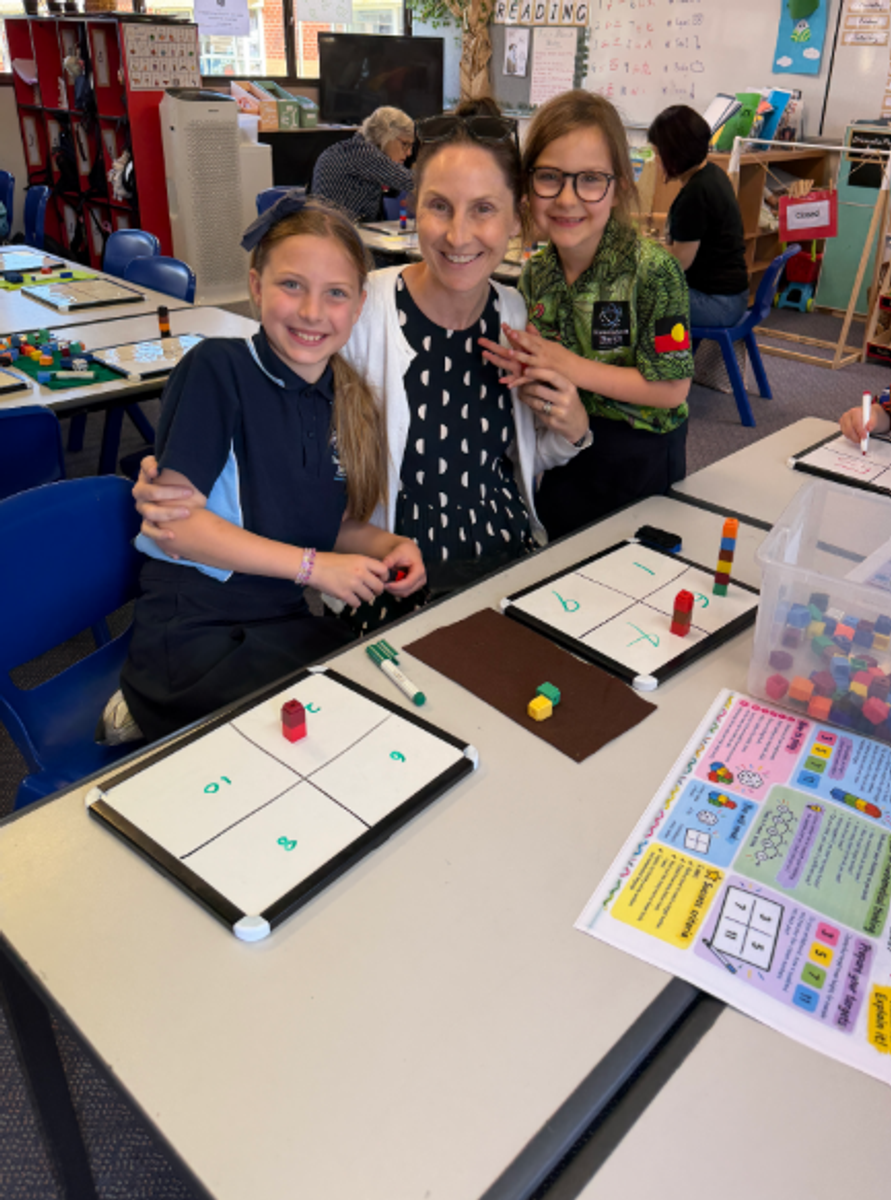
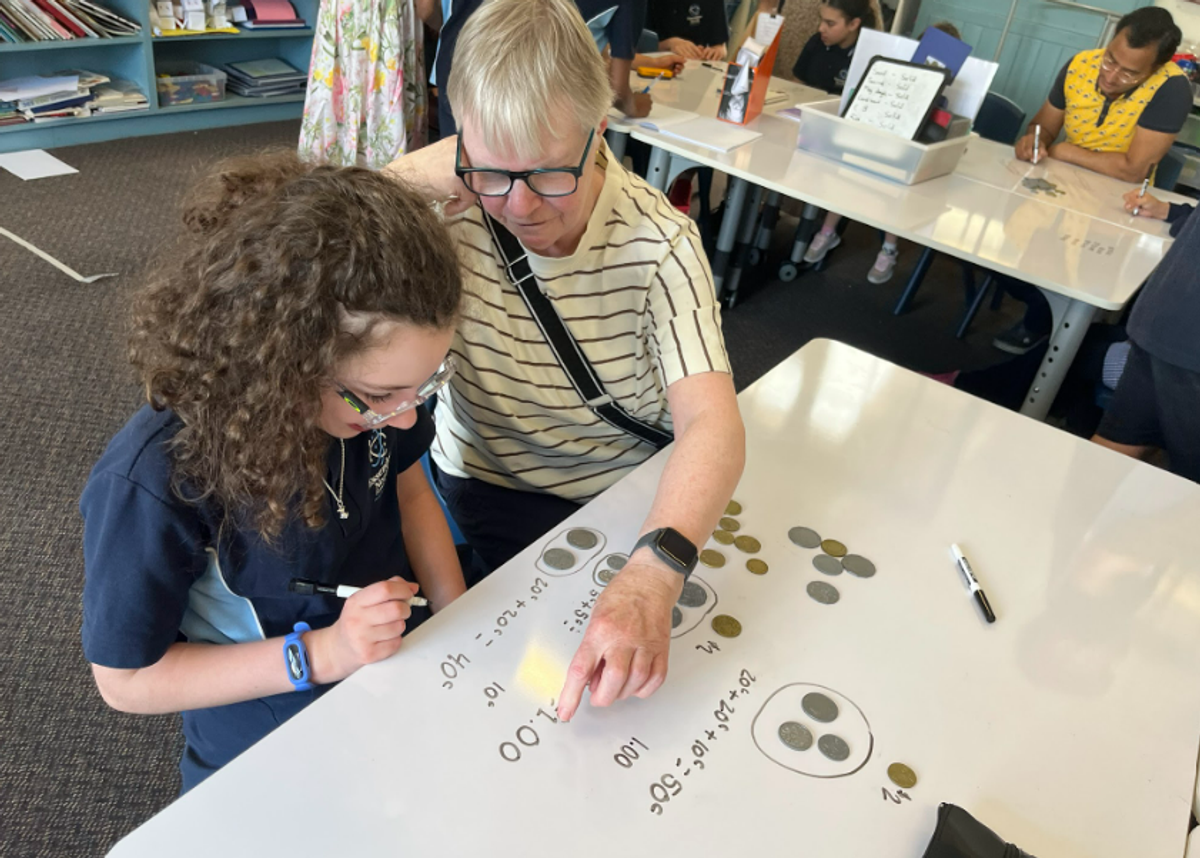
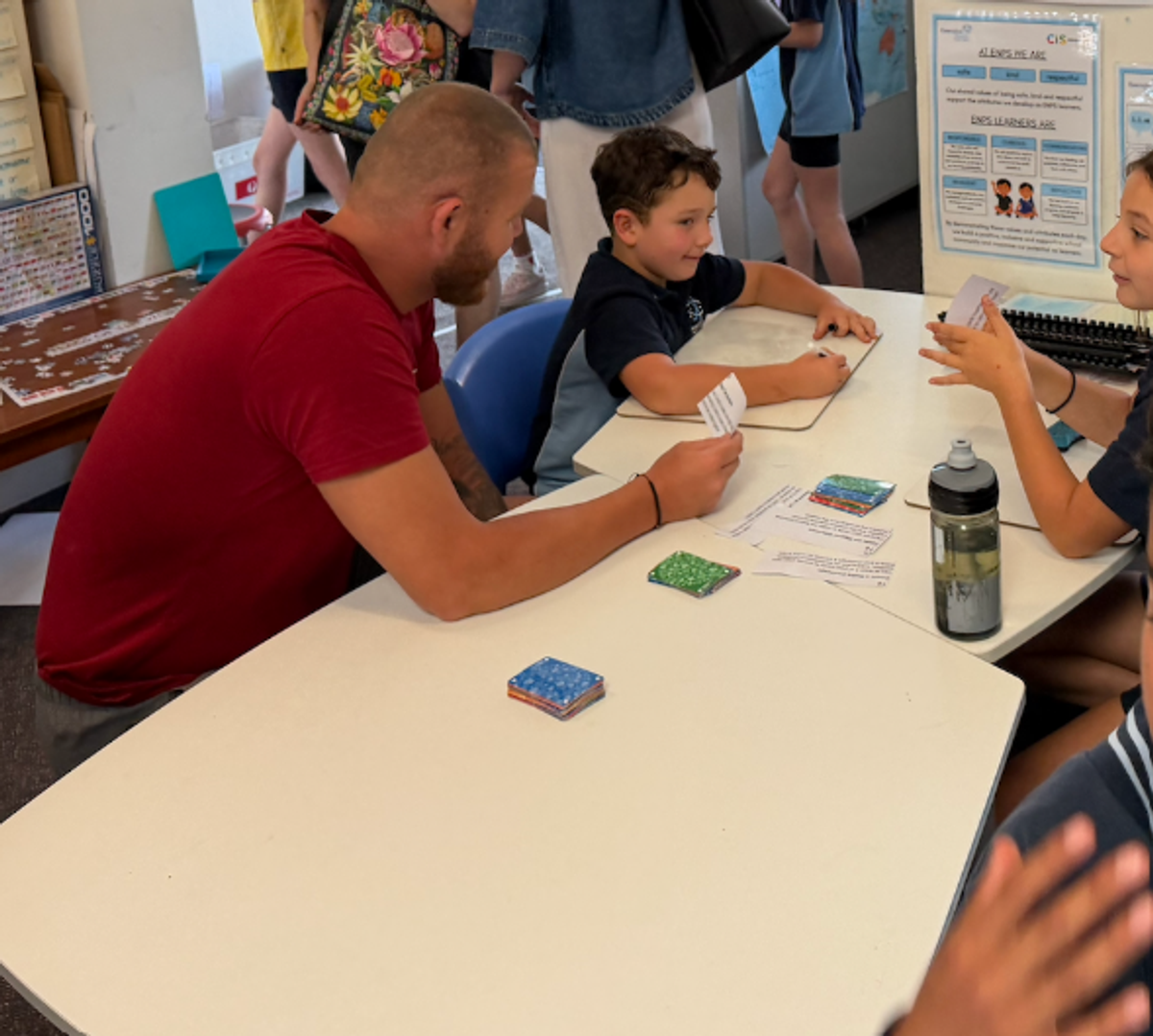
It was wonderful to see classrooms full of conversation, laughter and curiosity. Students took on the role of teacher, explaining how they solved problems and why their strategies worked, while families listened, asked questions and joined in. These are exactly the habits that help children grow into confident mathematical thinkers.
Maths in action: what we explored
The afternoon connected to the Victorian Curriculum Version 2.0 Mathematics strands, with hands-on tasks that got students and families talking, testing ideas and explaining their thinking.
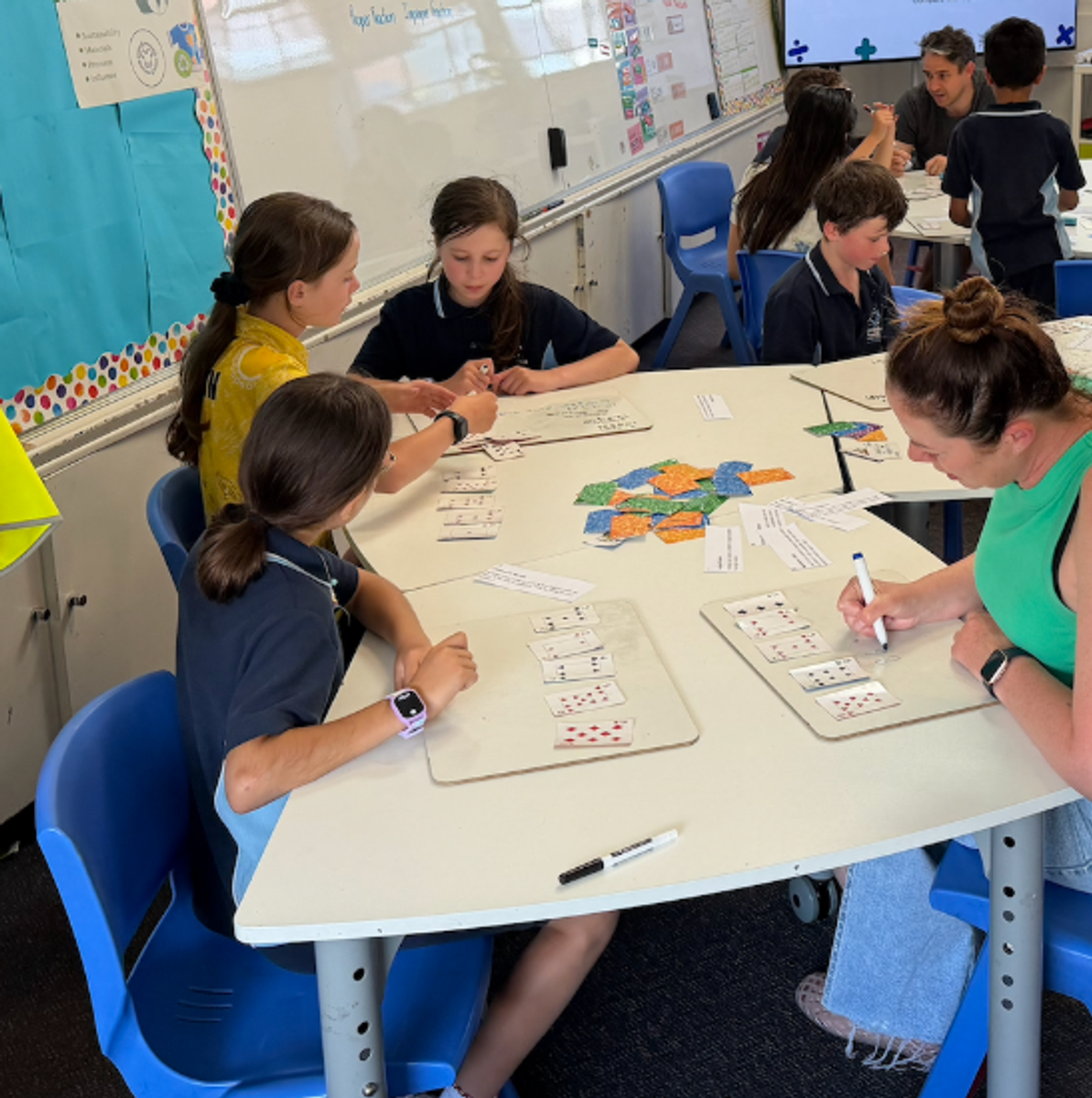
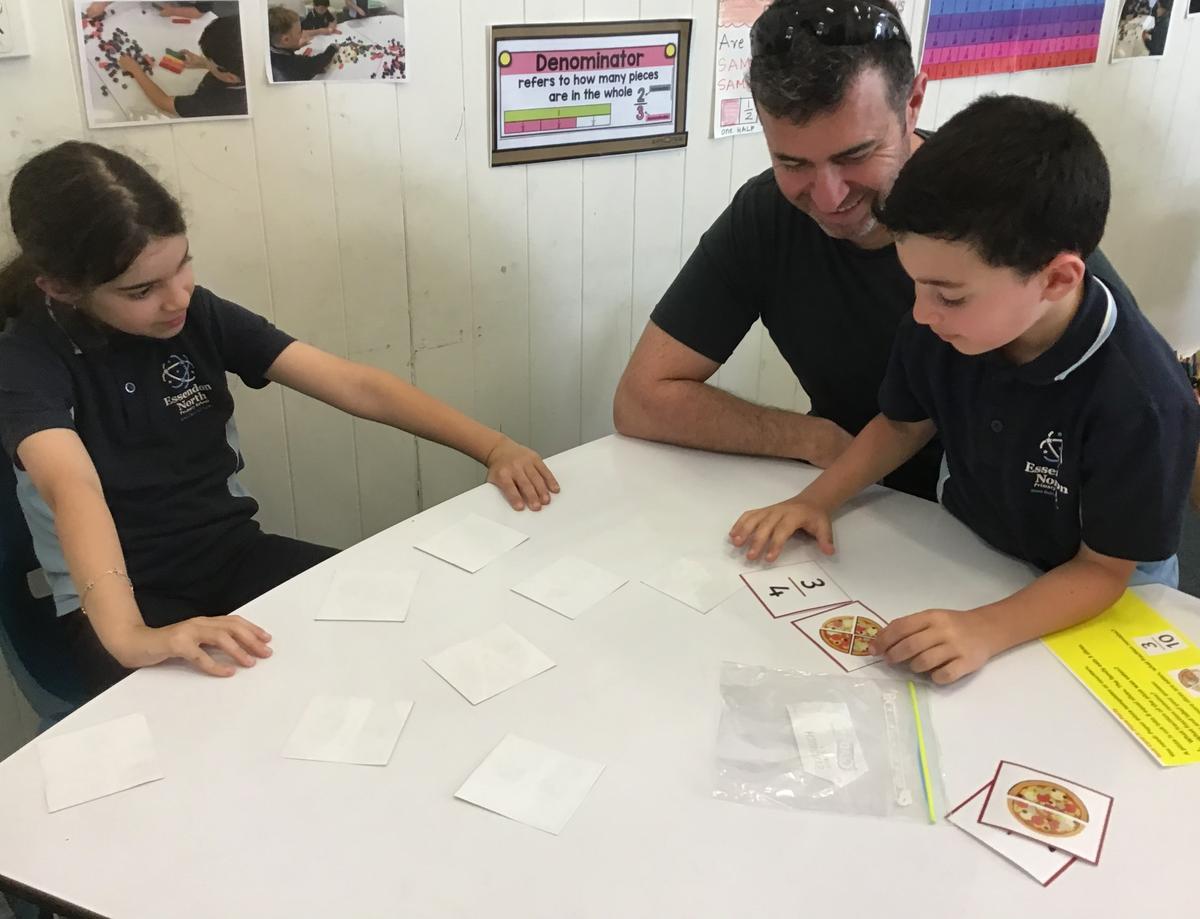
Number: Students and families played place value and number games, built numbers with materials, and shared strategies for adding, subtracting, multiplying and sharing equally. They explained why their strategies worked, not just what the answer was.
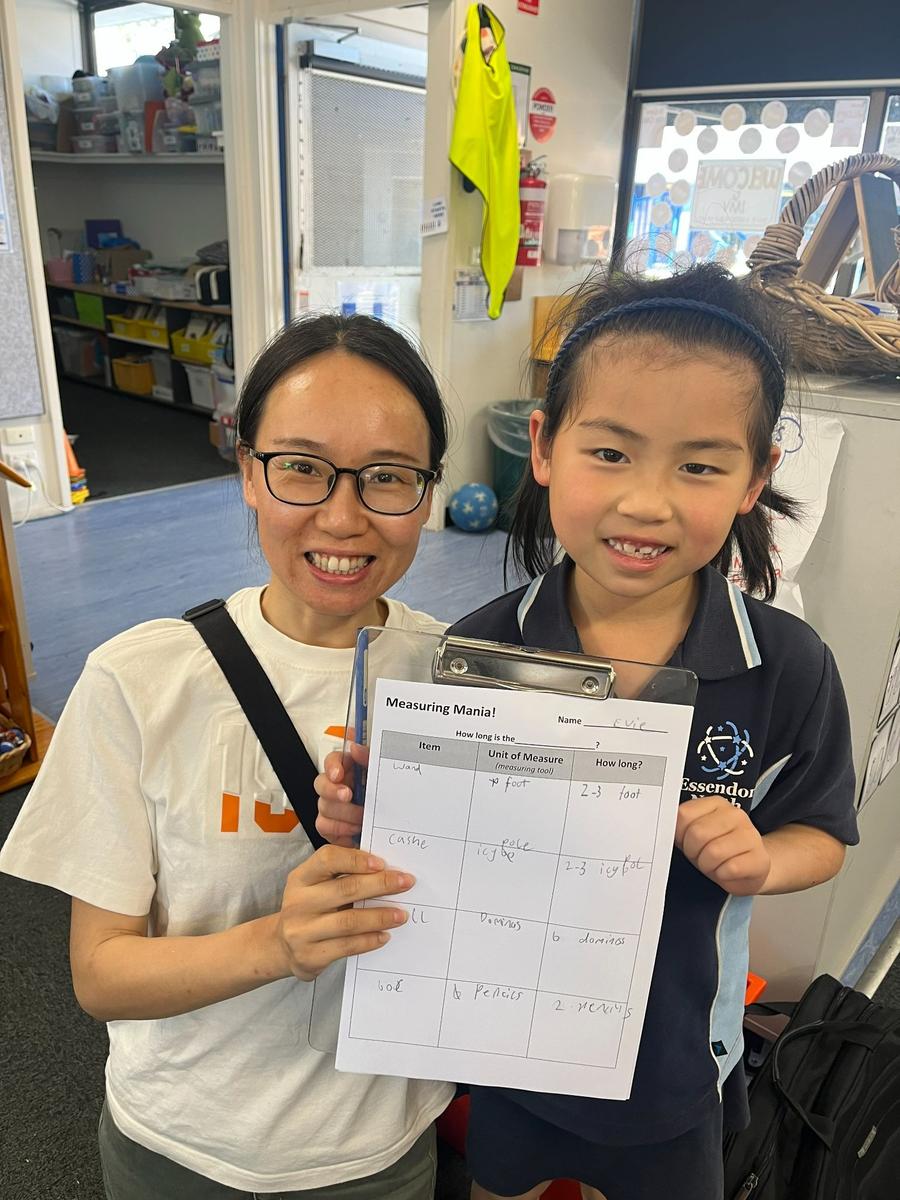
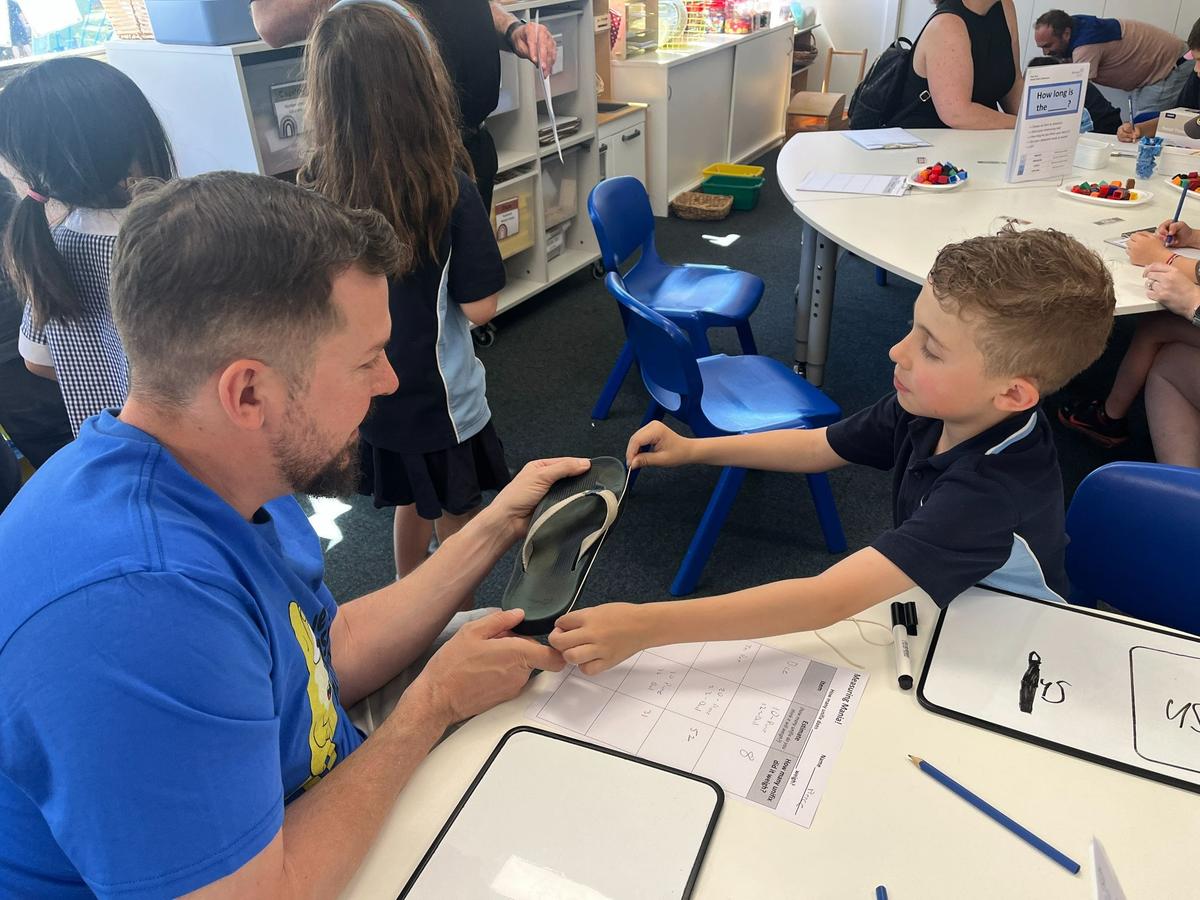
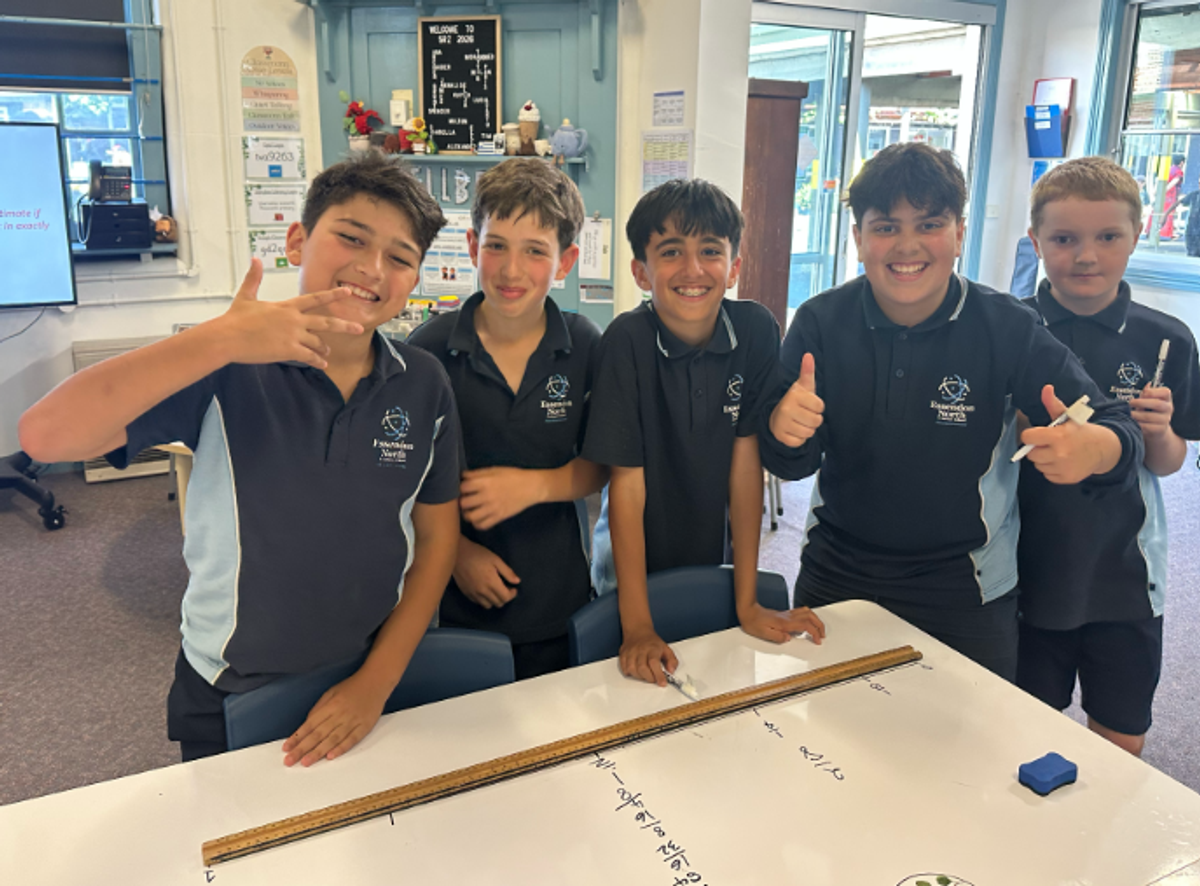
Measurement: Families estimated, then measured, length, mass, capacity and time using everyday items and standard and informal units. They compared their estimates with the real measurements and talked about what surprised them.
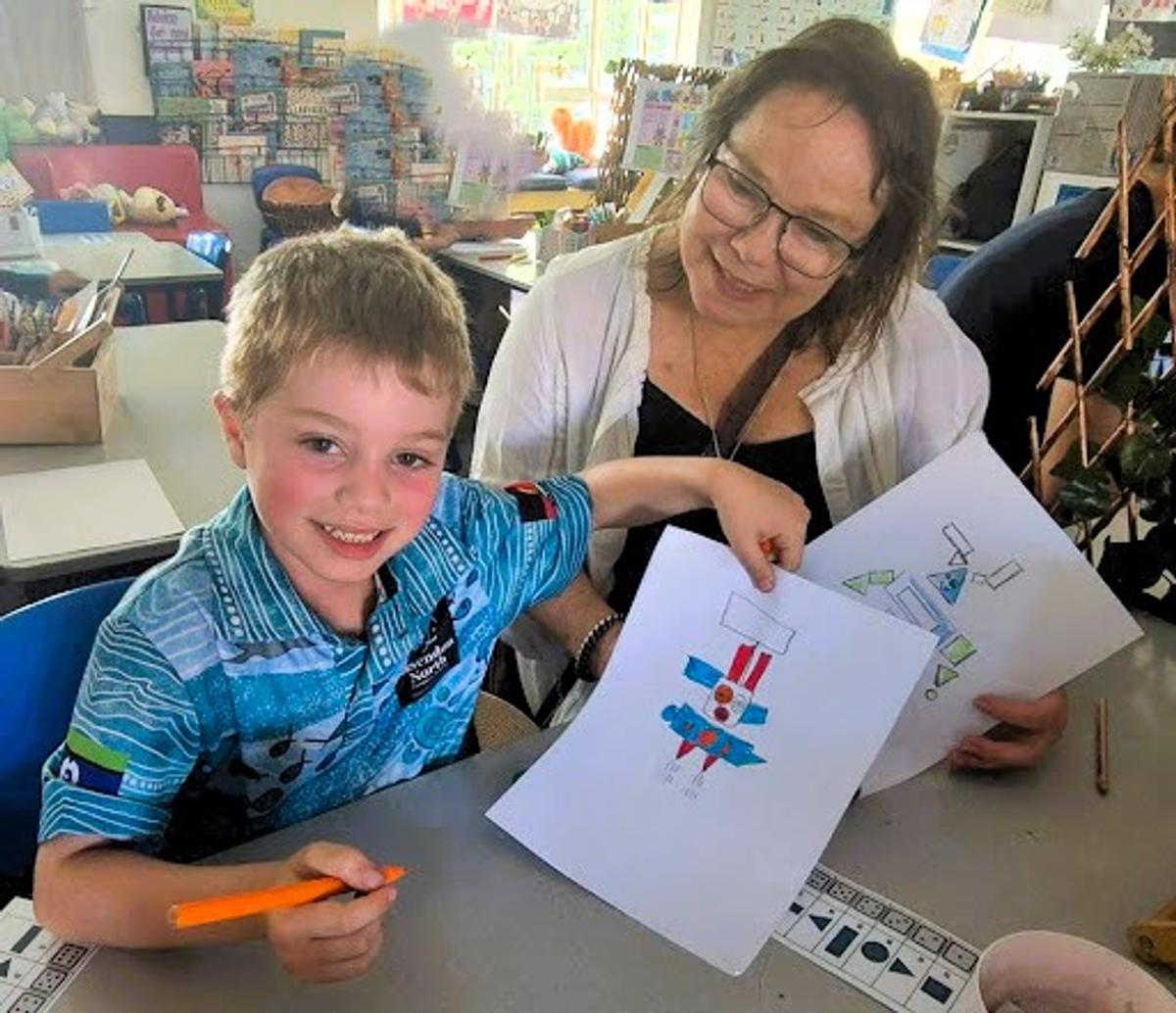
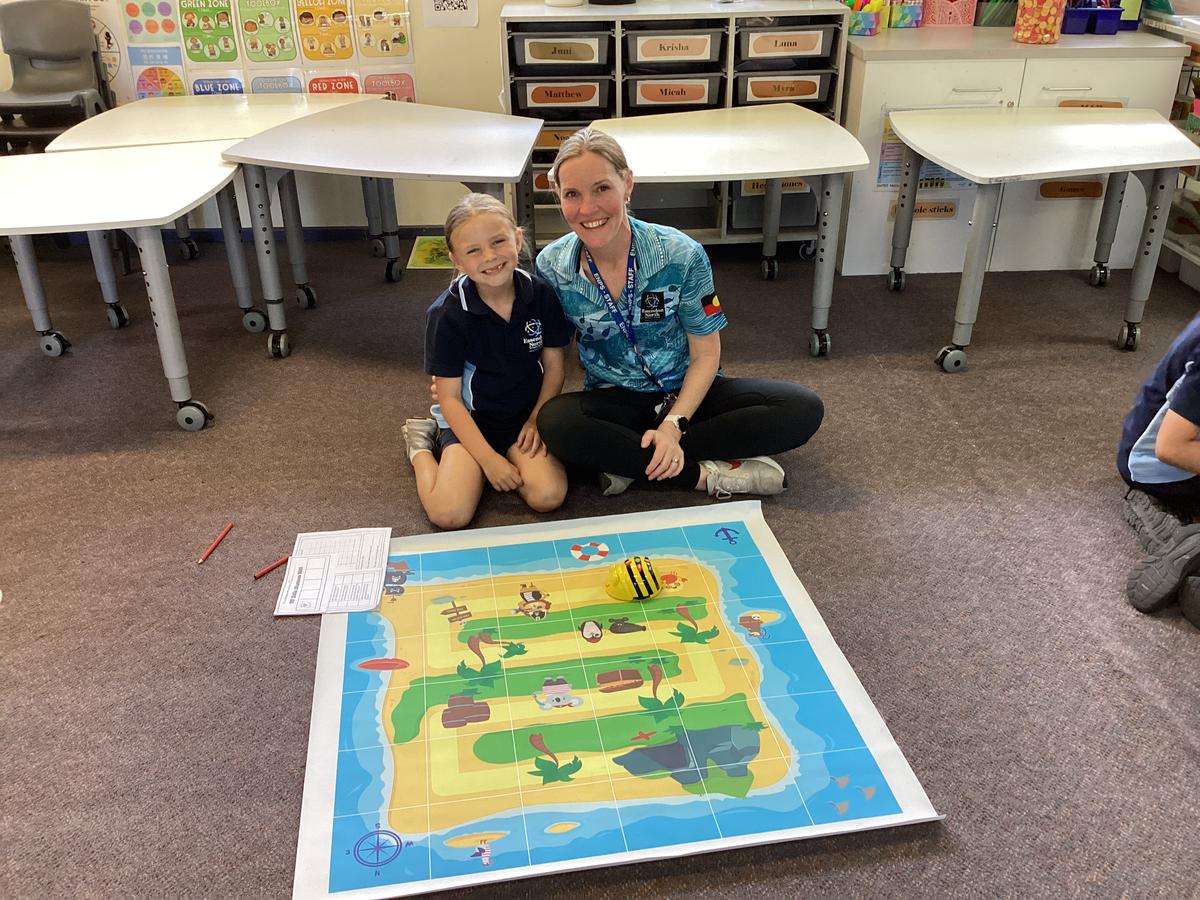
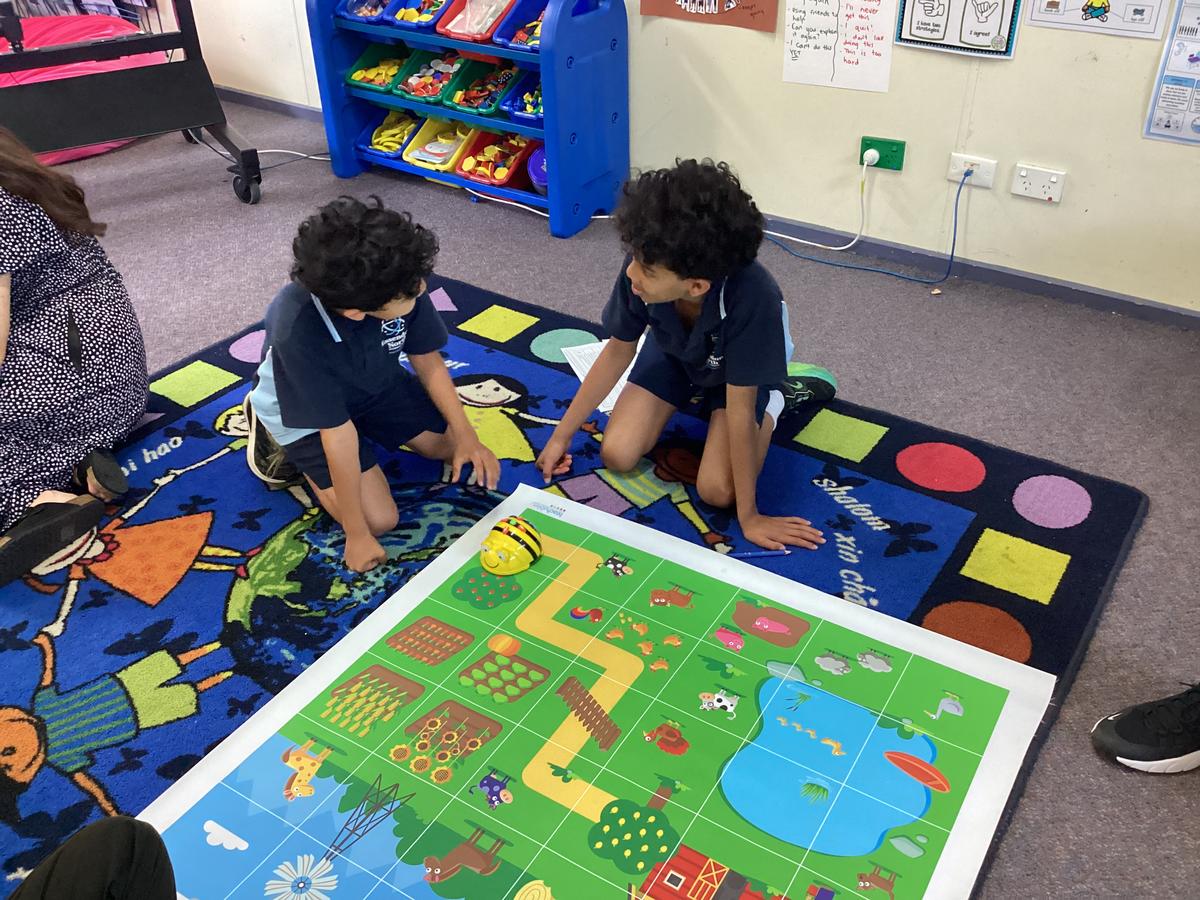
Space: Students built, sorted and described 2D shapes and 3D objects by their features, and used the language of position, direction and movement to give and follow instructions.
Probability: Dice, spinners and coin games led to discussions about chance. Students predicted likely and unlikely outcomes, ran experiments and talked about whether results matched their predictions.
Keeping the conversation going at home
The way we talk about maths shapes how children feel about it. Here are some simple ways to keep the positivity going:
Share your own attitude carefully. Try to avoid saying “I’m not a maths person” or “I was always bad at maths.” Children pick up on this. Try “This is tricky, let’s work it out together.”
Praise effort and thinking, not just answers. Say “I like how you kept trying different ways” rather than “You’re so smart.”
Celebrate mistakes. Mistakes are how we learn. Ask “What did you notice?” or “What could we try next?”
Ask questions instead of giving answers. Try:
“How did you work that out?”
“Can you show me another way?”
“How do you know that’s right?”
“What would happen if we changed the number?”
Give thinking time. Wait a few seconds before jumping in. Struggling a little is part of learning.
Notice maths in everyday life. Cooking, shopping, travel times, sharing food equally and sports scores are all chances for quick, low-pressure maths chat.
Keep it playful. Card games, board games and puzzles build number sense and reasoning without feeling like homework.
Thank you again to every family who joined us and to our staff who planned the afternoon. Your support makes a real difference to how our students see themselves as mathematicians.
Melissa Paola
Mathematics Learning Specialist and Year Six Teacher
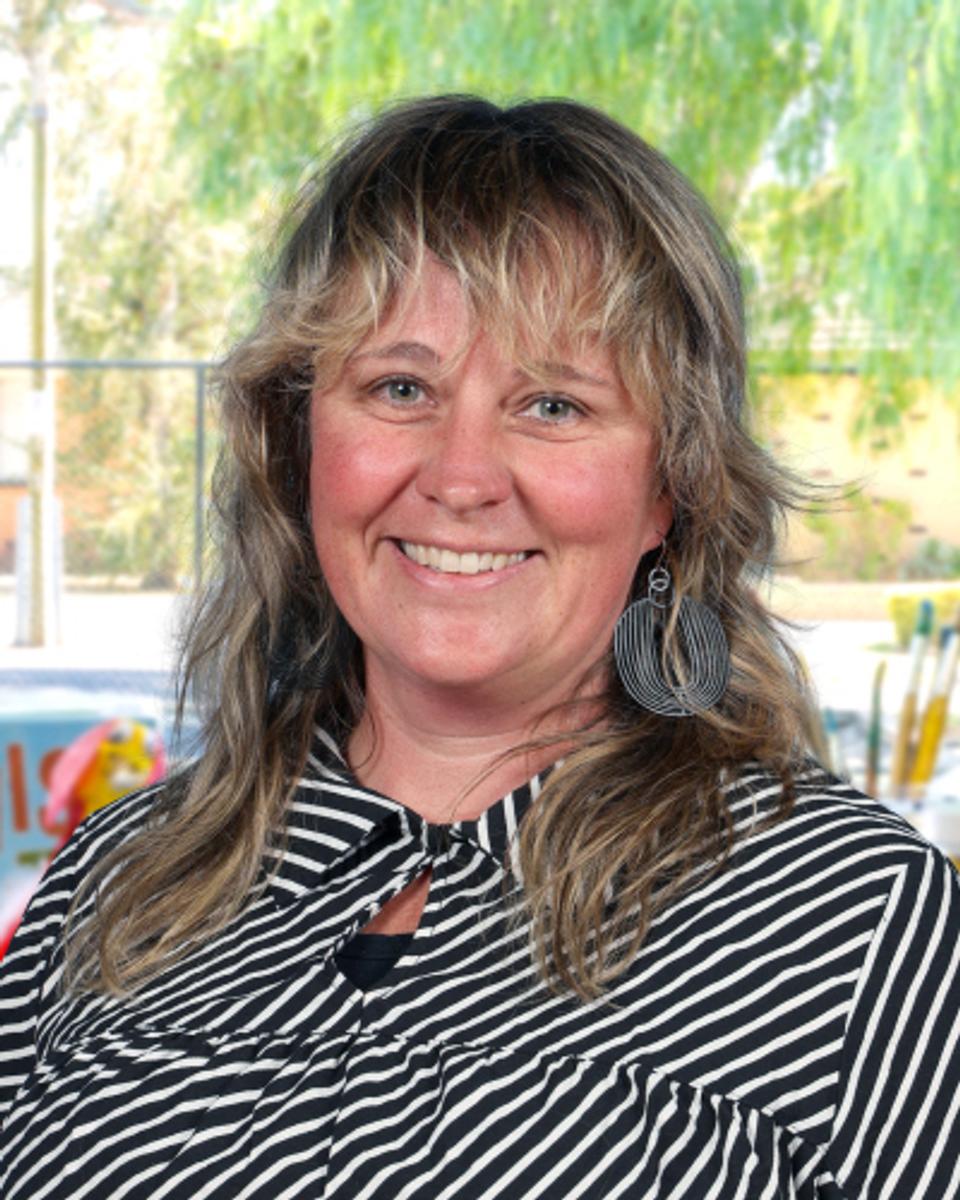
Melissa Paola, Mathematics Learning Specialist and Year Six Teacher
Melissa Paola, Mathematics Learning Specialist and Year Six Teacher