Stephanie Alexander Kitchen Garden Program



Garden
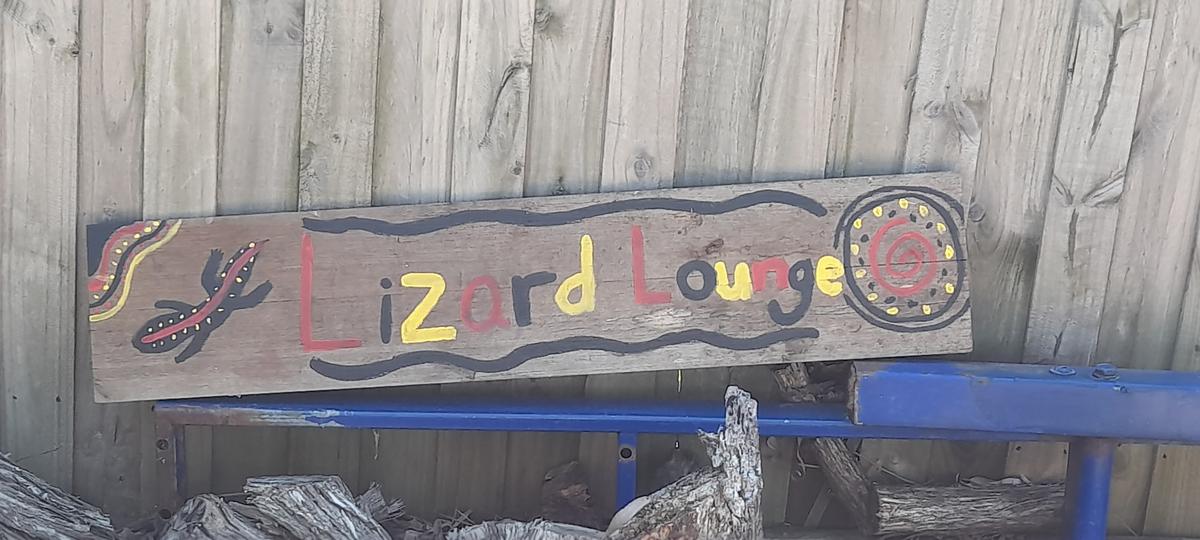
Lizard lounge
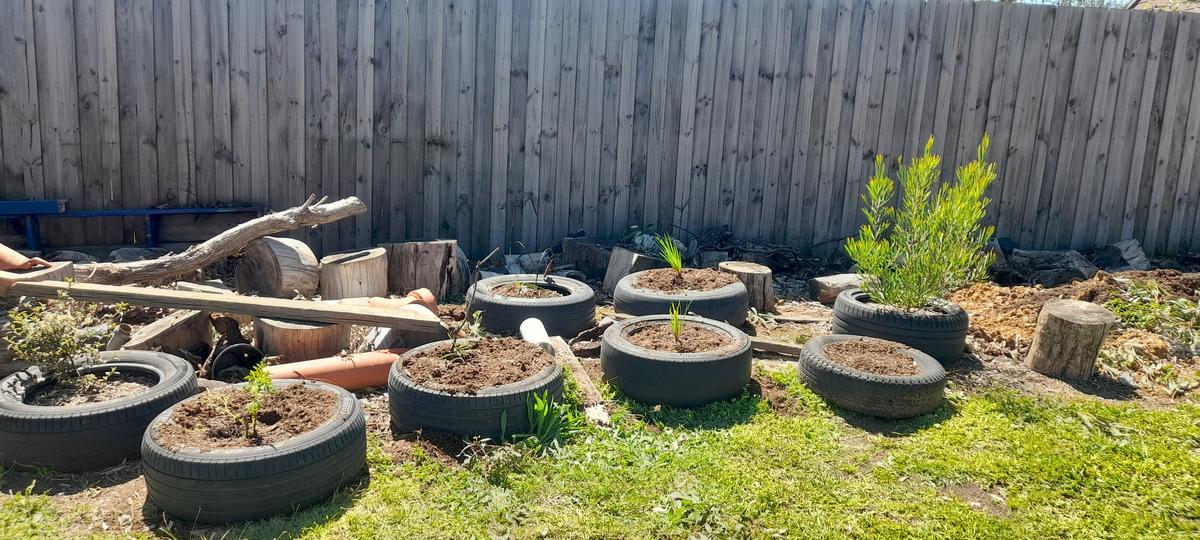
Last year, we created a lizard lounge near the storage shed, away from the main playing areas, to encourage more wildlife and biodiversity within our school grounds. While builders were working on site, the area was fenced off and unfortunately became a storage area for rubbish and building materials. As a result, many of the plants died and the space became overgrown and unpleasant. This term, our Grade 5/6 students have taken responsibility for restoring and improving the area. They cleaned up the rubbish and building materials and redesigned the habitat to make it more welcoming for local wildlife. Students have added branches, natural materials and concrete pipes, providing lizards with sheltered spaces where they can hide, feel safe and warm themselves. They have also planted additional shade-loving plants to increase vegetation and improve the habitat. The restoration of the lizard lounge has provided students with a practical opportunity to learn about habitat creation, biodiversity and how small changes to our school environment can support local wildlife. The area will continue to be monitored by students as the plants establish and we observe which animals begin to use the habitat.
Pollination corridor
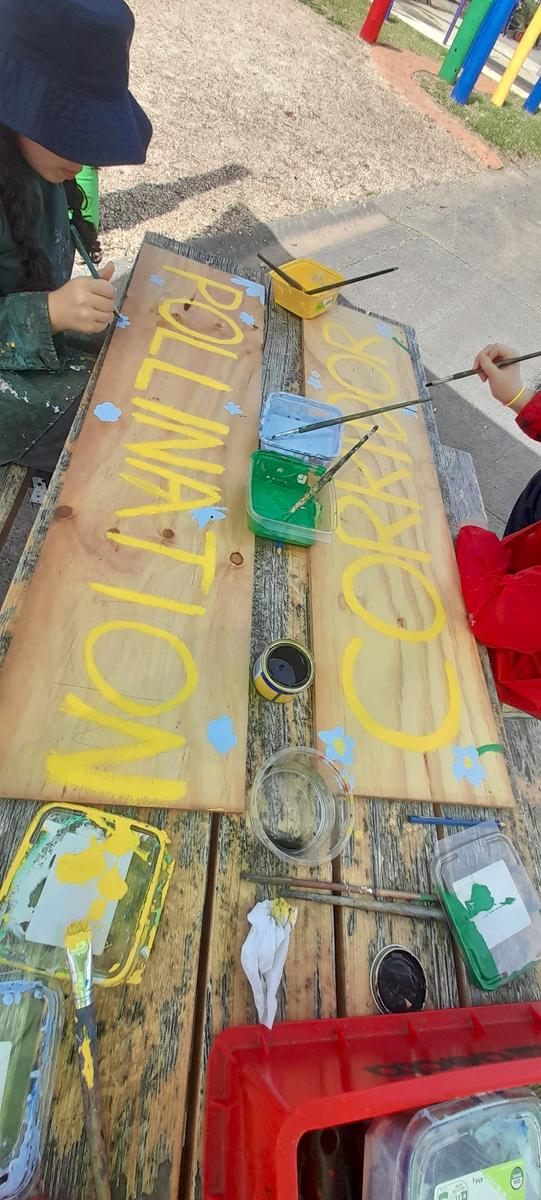
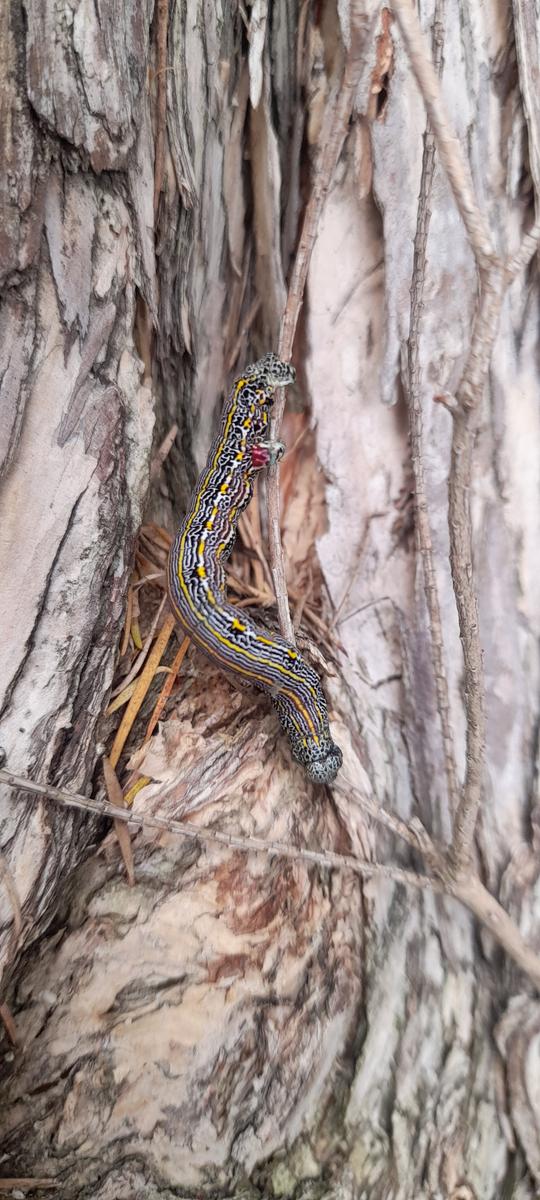
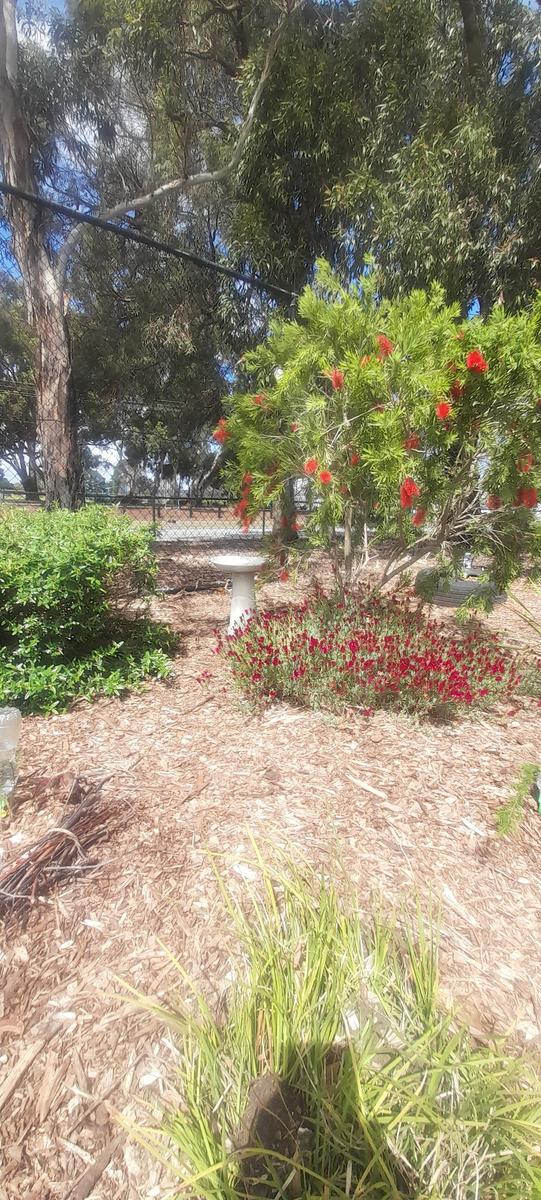
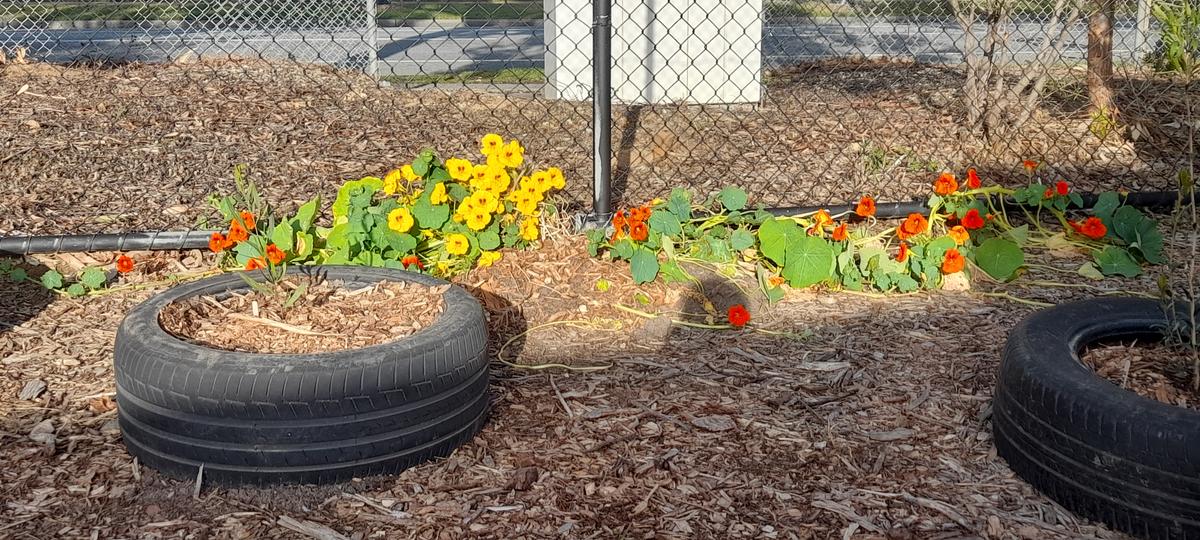
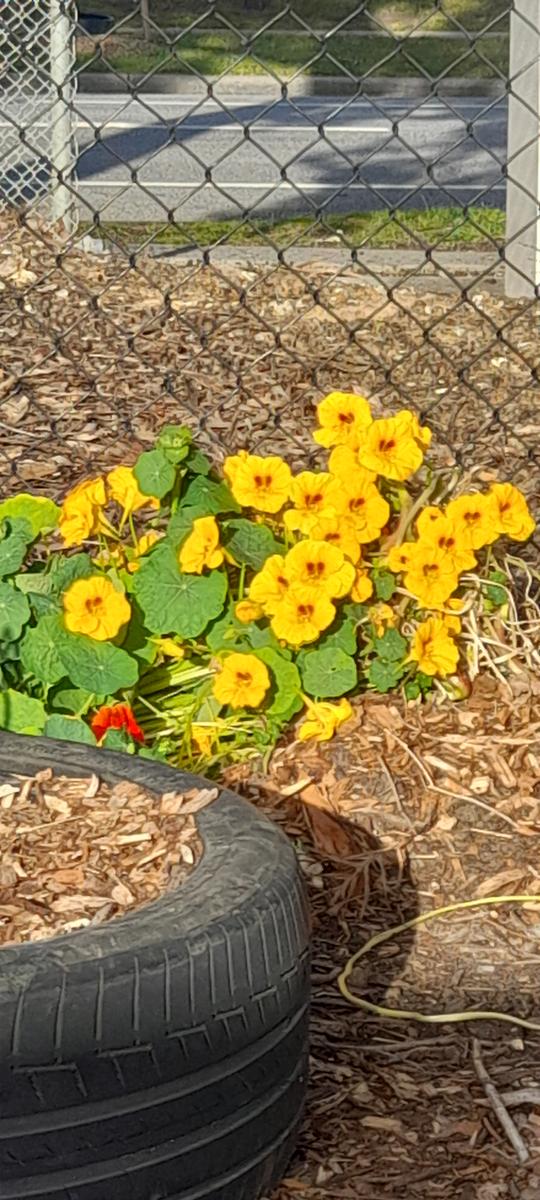
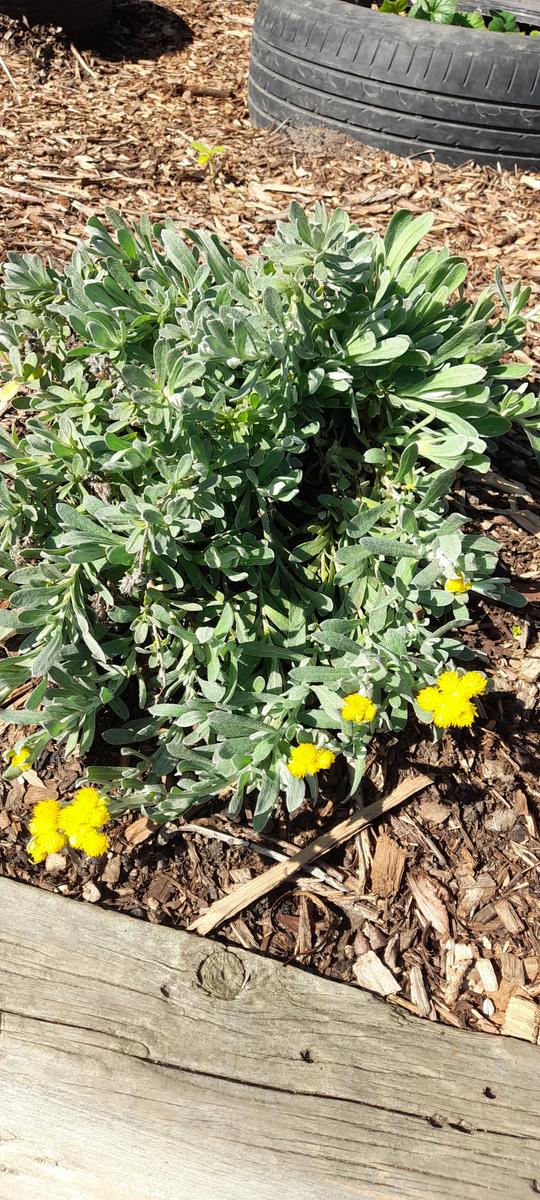
Our pollination corridor at the front of the school is growing quickly, and we are beginning to see the positive impact of the new plants and habitat features. Students have noticed an increasing number of insects and bugs moving into the area, including butterflies,caterpillars and bees. The bird baths and water stations are also being used by a variety of birds and insects, providing an important source of water within the school grounds. Students have enjoyed observing the wildlife visiting the area and are developing a greater understanding of how plants, water and habitat support biodiversity. The students are also enjoying watering and caring for the plants, taking responsibility for helping the corridor establish and grow. This hands-on involvement is helping students see how their actions can make a difference to the environment and create a more welcoming habitat for pollinators and other wildlife.
Fruit trees
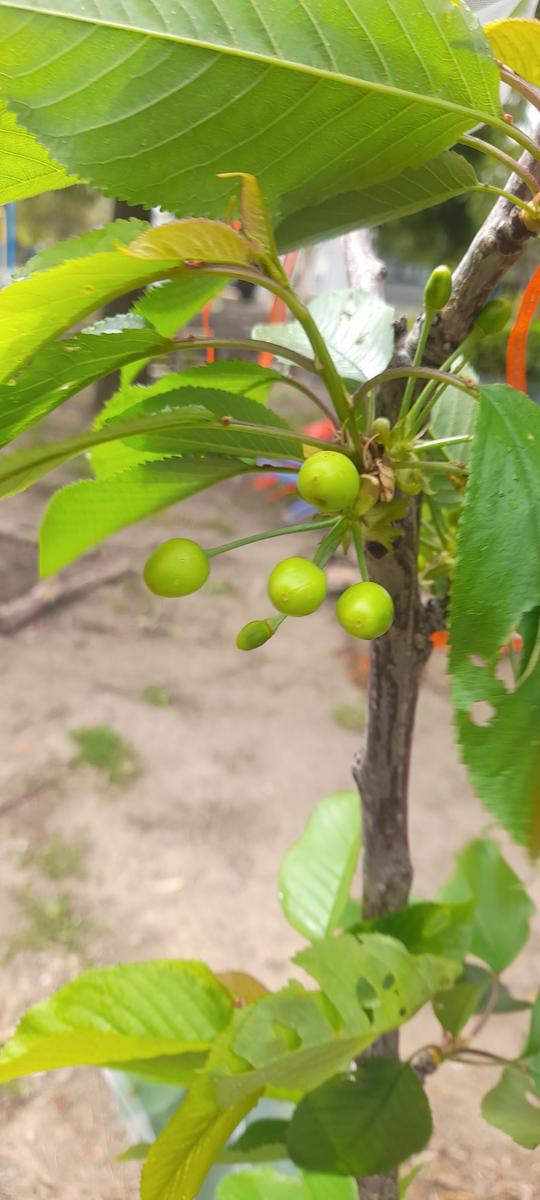
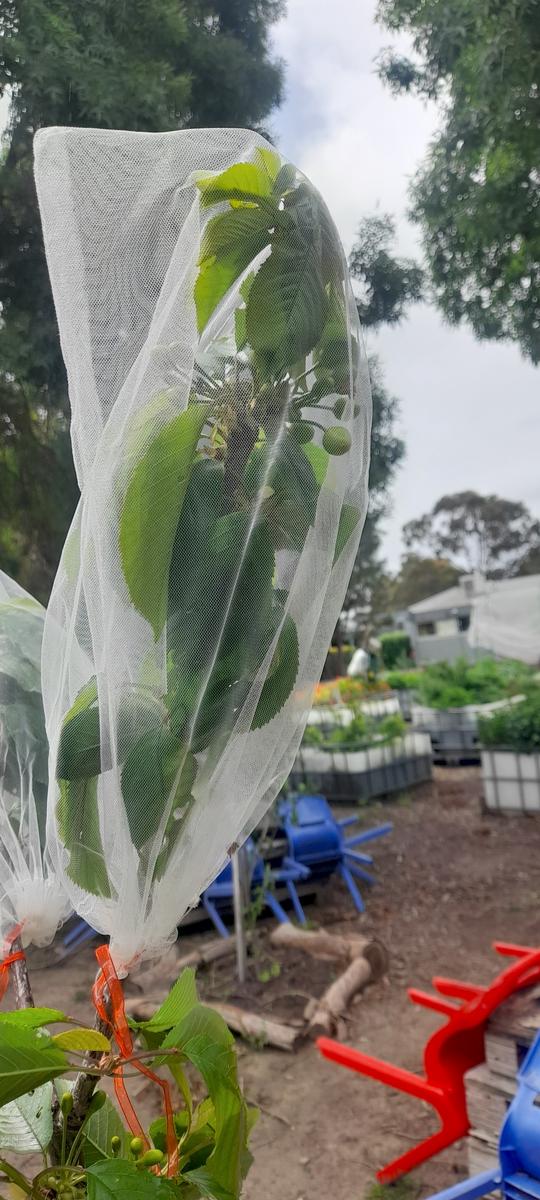
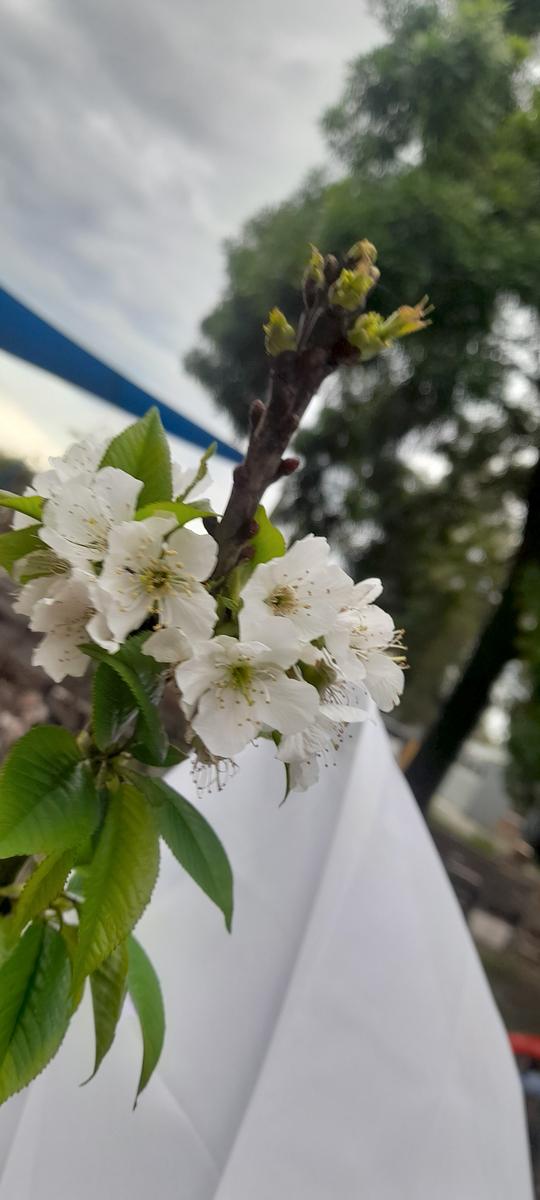
Our fruit trees are now in full bloom, providing students with a opportunity to observe seasonal changes and the growth cycle of our plants. We are hopeful that the blossoms will soon develop into cherries, plums, raspberries and blueberries. Students can observe the different stages of growth, from flowering and pollination through to fruit development and harvesting. The blossoms are also providing an important food source for bees and other pollinators, helping students make connections between pollination, biodiversity and the food we grow in our school garden. We are looking forward to watching the fruit develop and, hopefully, enjoying a harvest later in the season.
Bird count
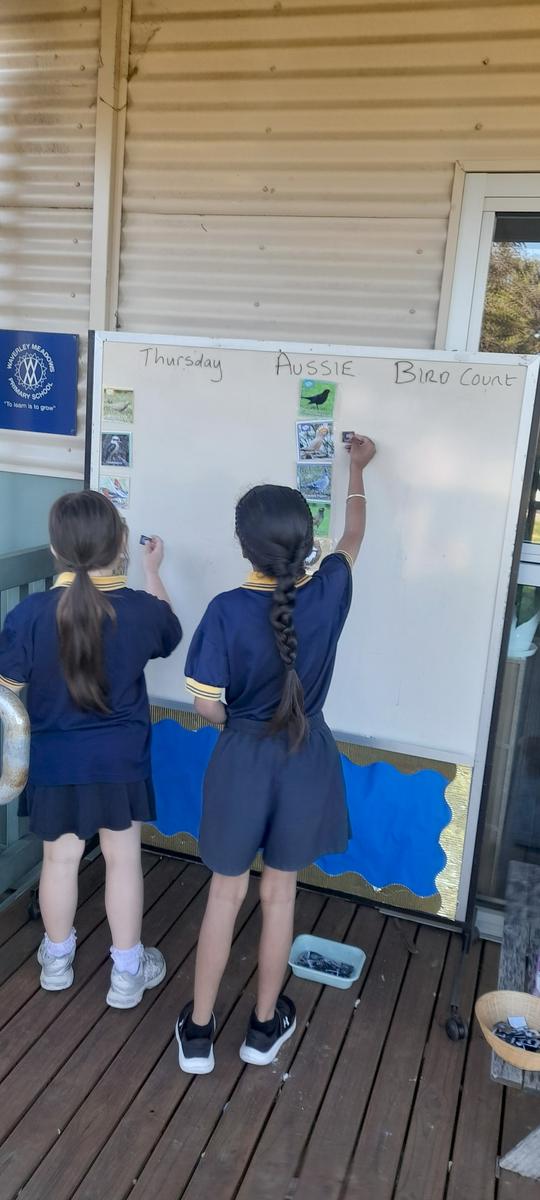
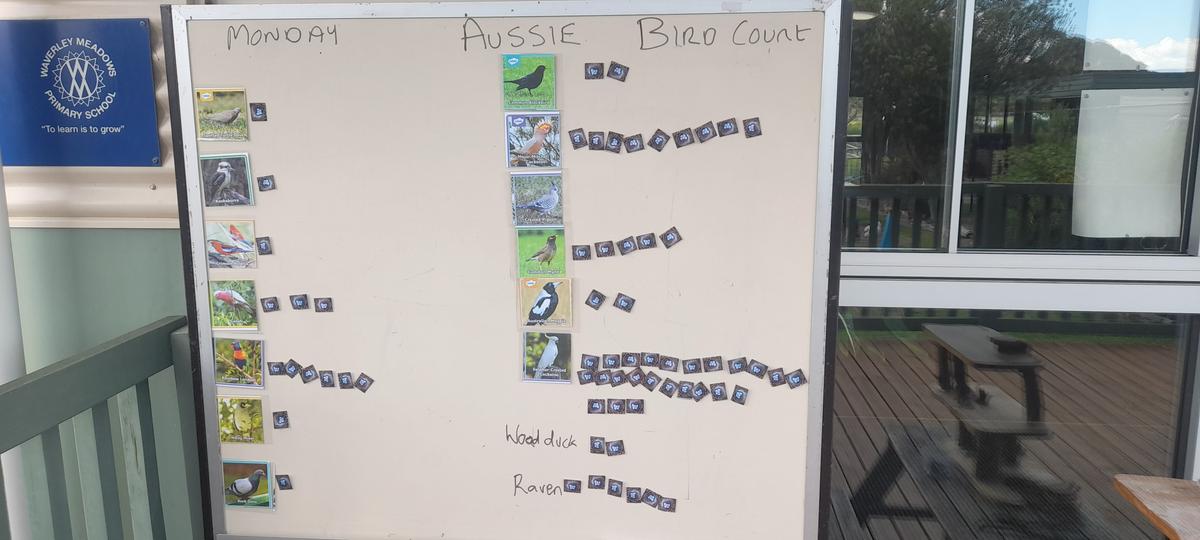
During the week of 19–25 October, WMPS participated in the Aussie Bird Count, joining people across Australia to take a snapshot of the birds in our local environment. To make the experience visible and interactive for students, we created a bird identification board outside the Science Room featuring birds commonly seen around our school. Whenever students spotted one of the birds, they placed a small marker, shaped like a tiny nest, next to its name. It was wonderful to see students slowing down, listening carefully and looking closely at the world around them. They were identifying different bird species, noticing their behaviours and becoming more aware of the biodiversity in our own schoolyard. The Aussie Bird Count provided students with an opportunity to participate in real-world science. Their observations helped demonstrate that science is not just something that happens in a classroom or laboratory—it can happen anywhere, simply by observing, recording and asking questions about the natural world. With one in six Australian bird species facing the threat of extinction, it is more important than ever to notice, value and protect the birds and habitats around us. Through activities such as the Aussie Bird Count, our students are developing a deeper connection with nature and learning that every observation can contribute to our understanding of Australia’s biodiversity.
Water Week
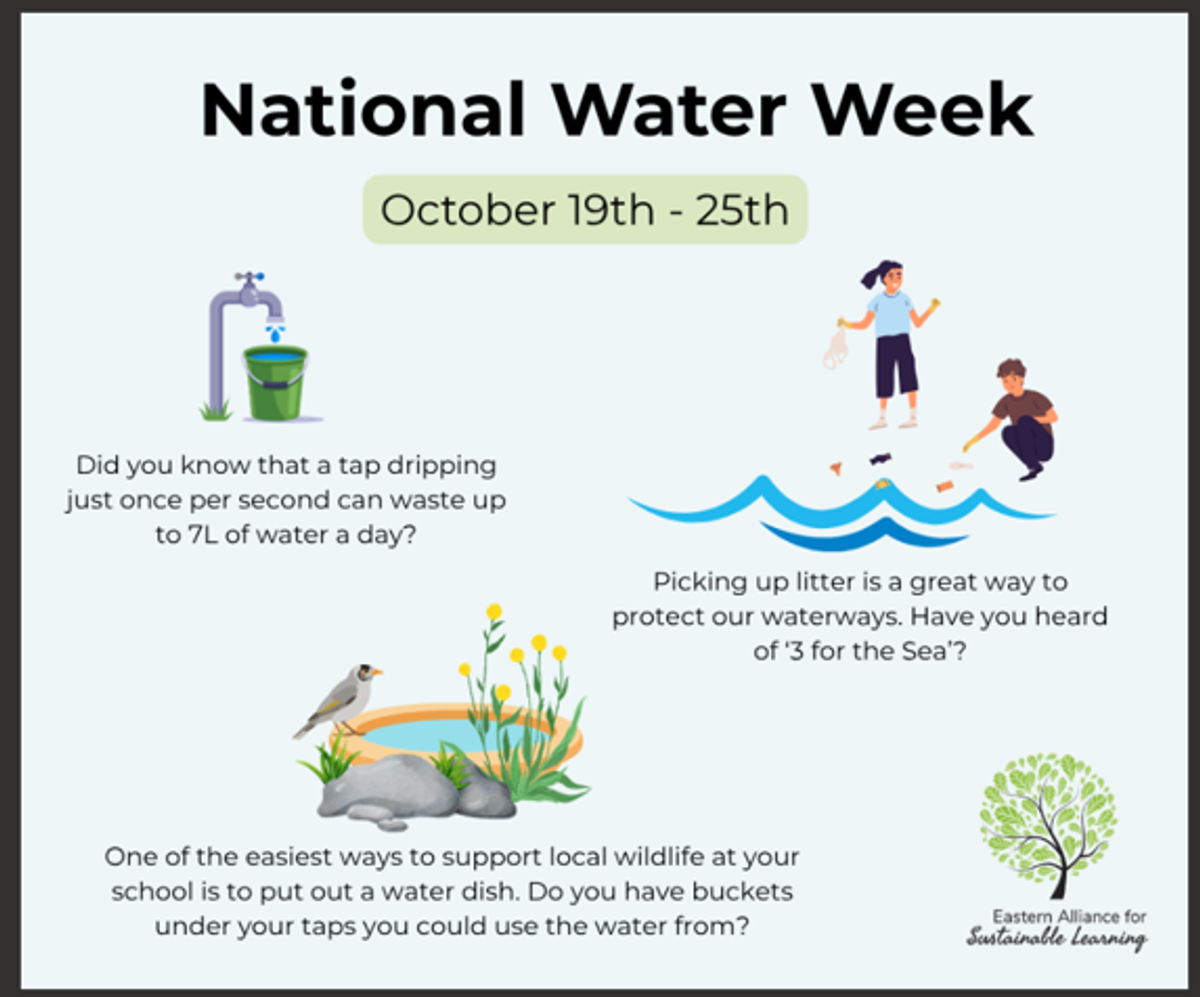
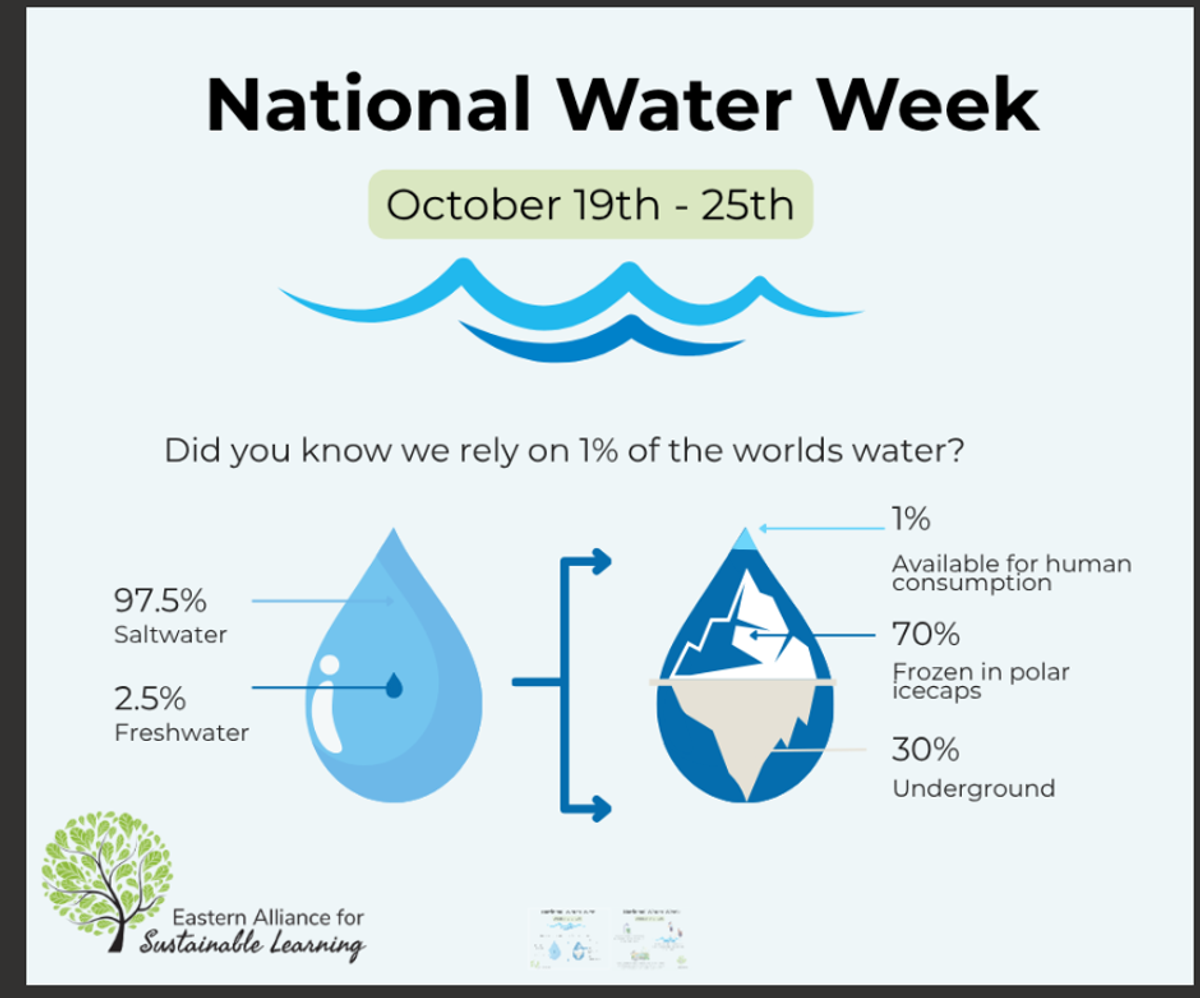
The theme of this year’s water week is WATER CONNECTS EVERYTHING, not just in rivers and rain, but in the everyday things students do and use. From food and sport to gardens, energy, clothing, and the places we live, learn and play, water is part of it all. As part of water week, students have been investigating how water is used, where it comes from and what happens to it after we use it. Students completed a water audit around the school, mapping where water is used and identifying opportunities to use this valuable resource more carefully. They developed an understanding of what happens to water when it goes down the drain and investigated what should and should not go down our drains. Students also explored the idea of recycled water and how water can be reused rather than wasted. They considered different ways water is used around the school and made connections to their own lives by investigating how water is used in their homes. These activities have encouraged students to think about water as a valuable resource and consider how small changes in the way we use water can help to reduce waste and protect our environment.
Chook pen
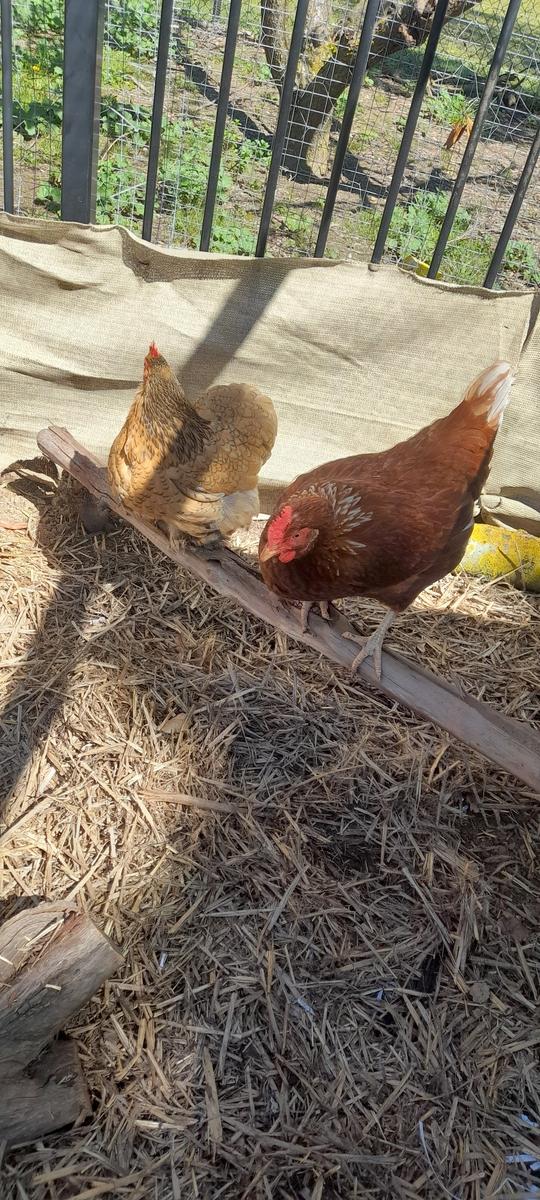
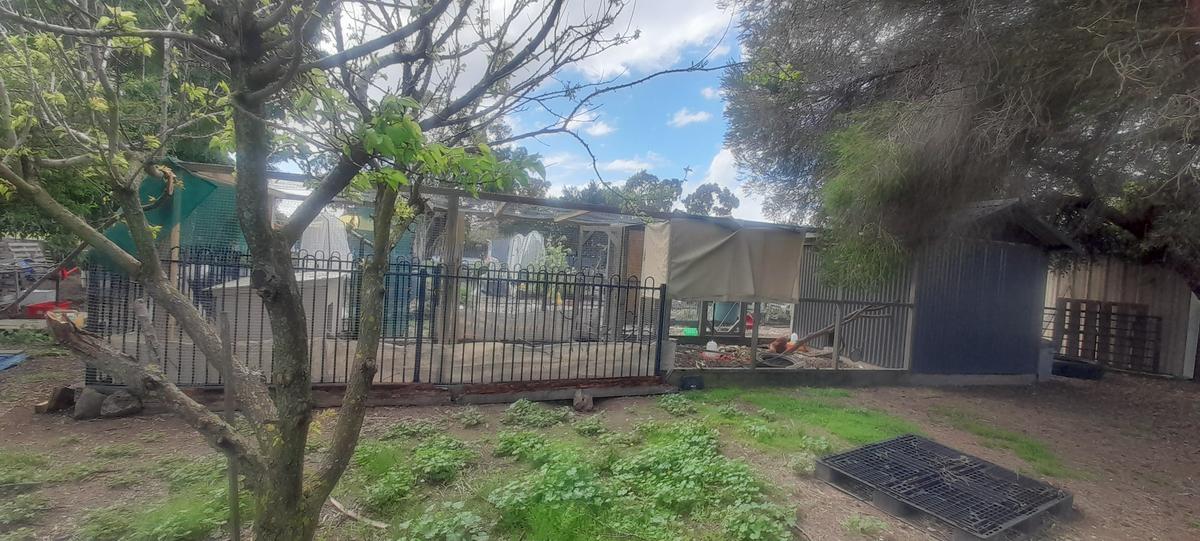
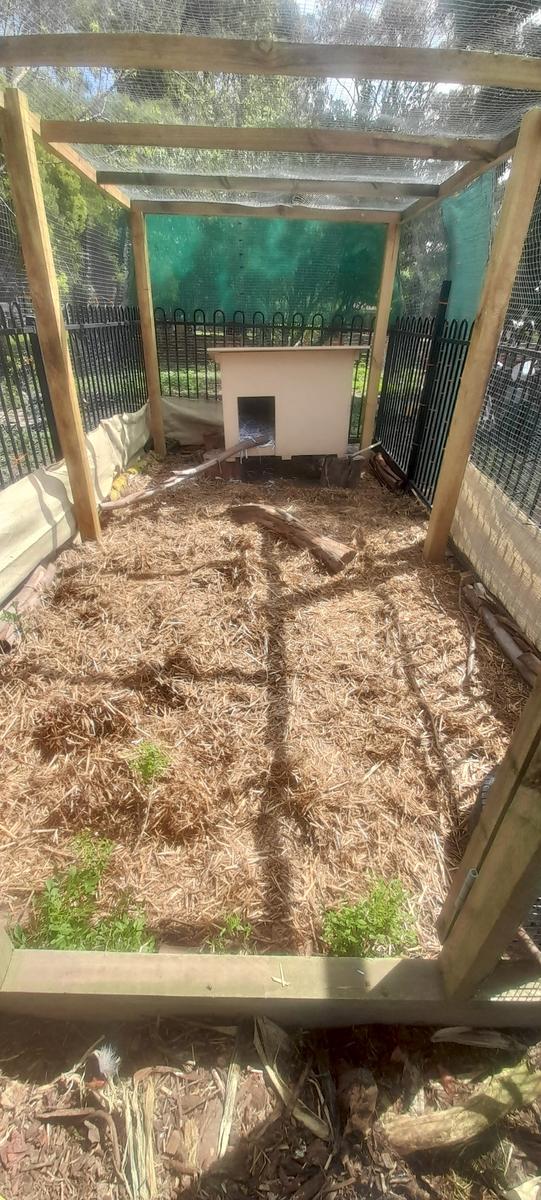
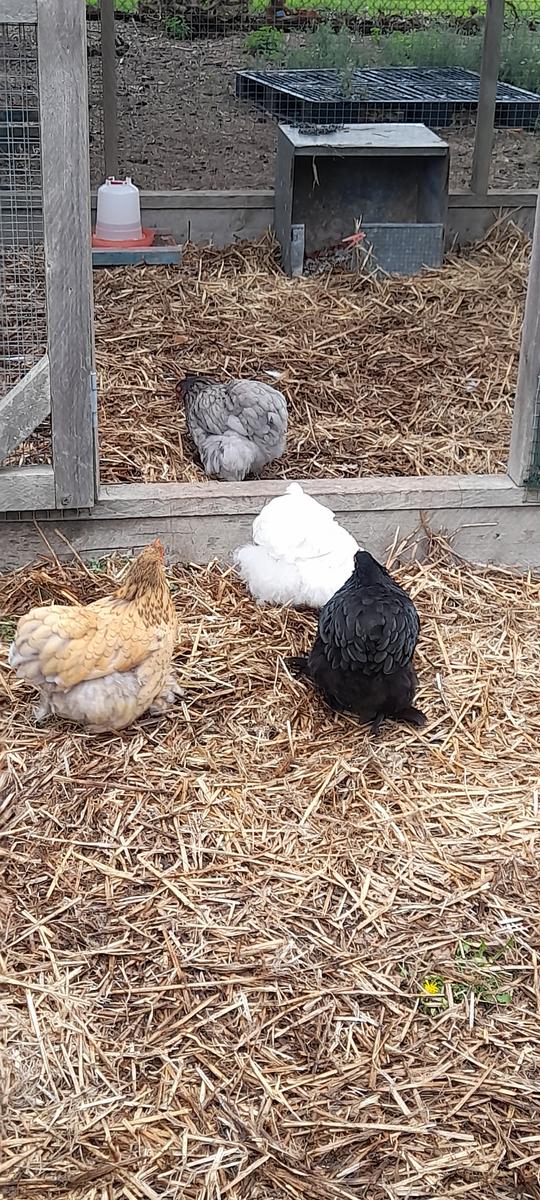
A big thank you to the Sandlin and Stone families for caring for our chooks over the school holidays, and to Mr Noordhoff for helping us build the extension to the chook pen. The chooks now have double the indoor space and are loving their upgraded home. They have been enjoying their new dust-bathing areas and branches to climb and perch on.
Eggs for sale
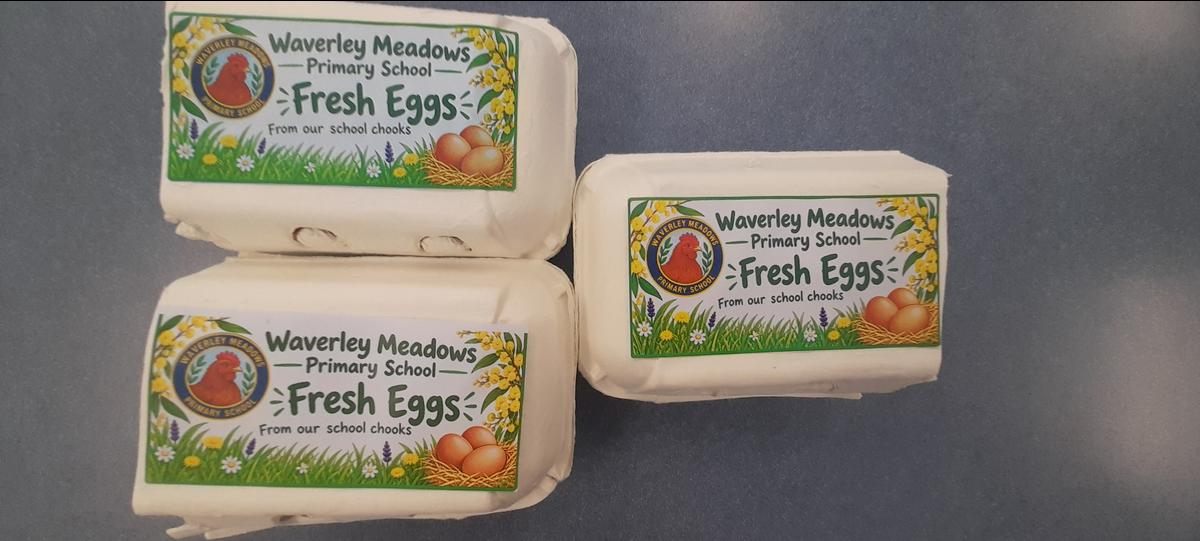
Our school chooks are now laying regularly, and we are receiving more fresh eggs than we can use in our SAKG program. To make good use of this produce and reduce food waste, the extra eggs are now available for sale through the school office. This provides students with an opportunity to see the full cycle of food production—from caring for our chooks and collecting the eggs, through to sharing our produce with the school community. The funds raised will also support our ongoing Stephanie Alexander Kitchen Garden program, helping us continue to grow, cook and learn together.
Kitchen
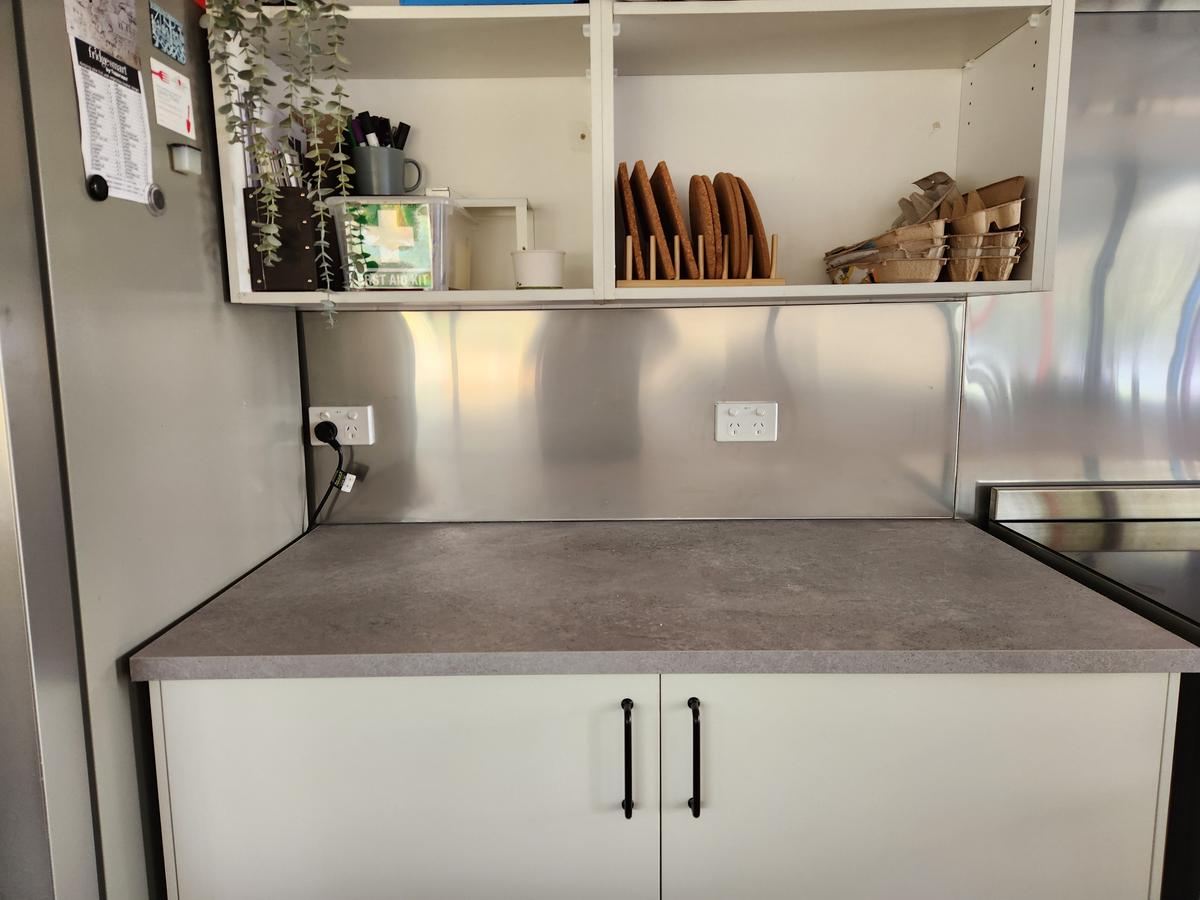
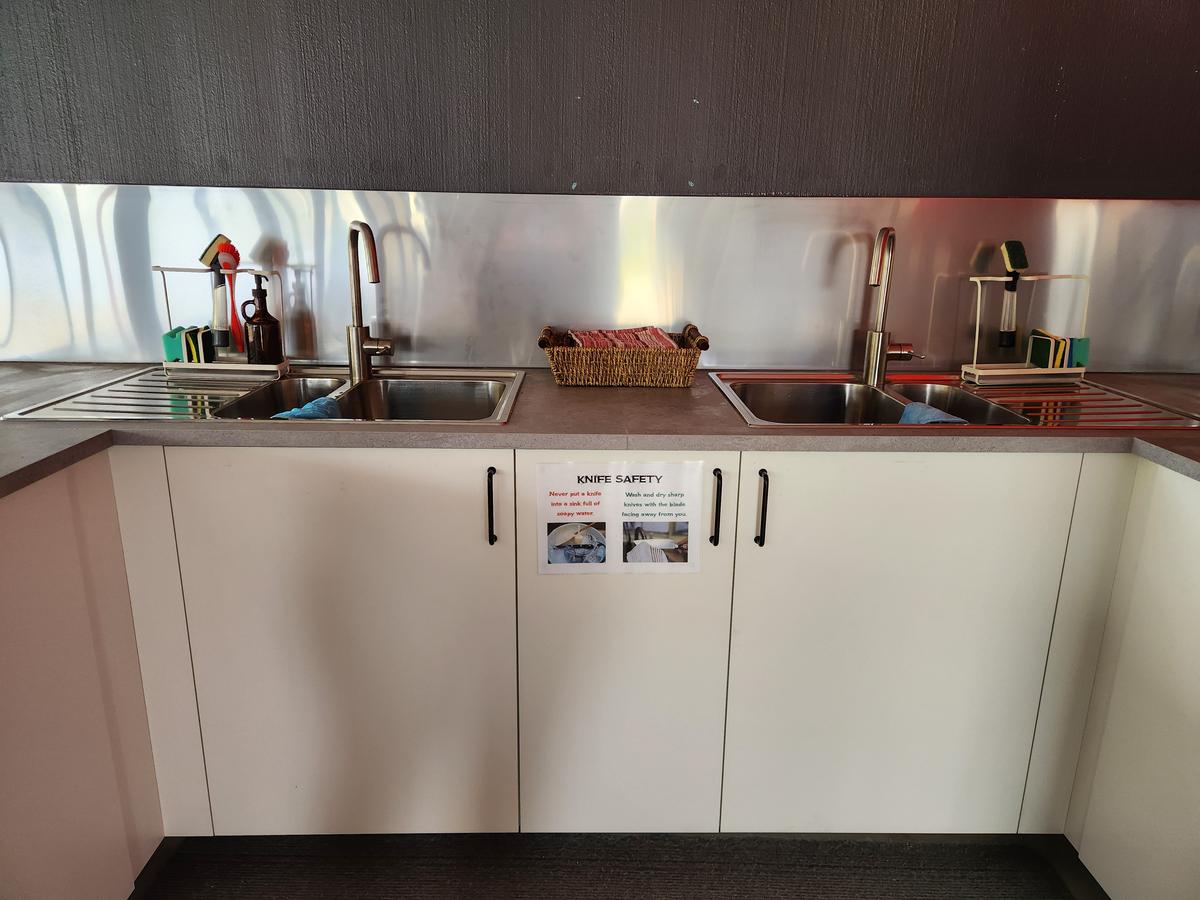
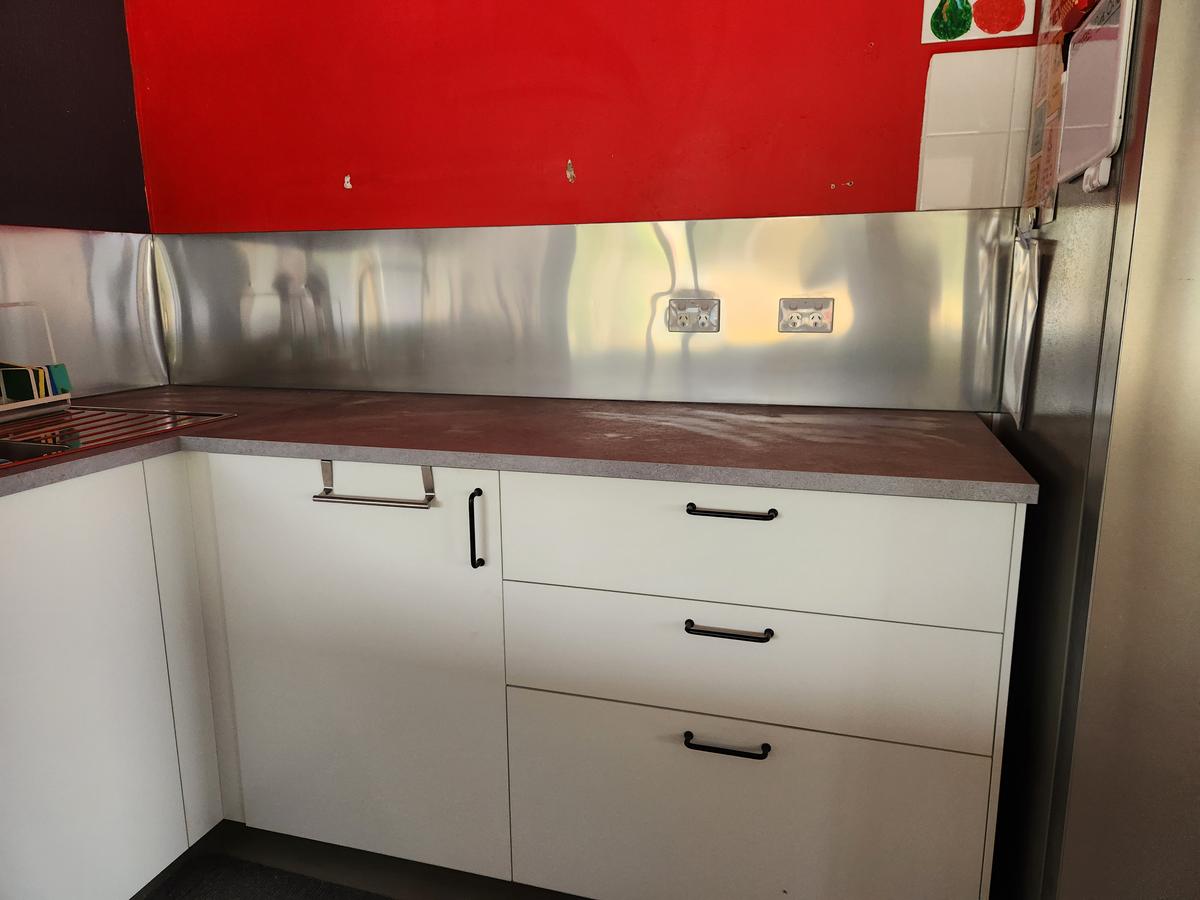
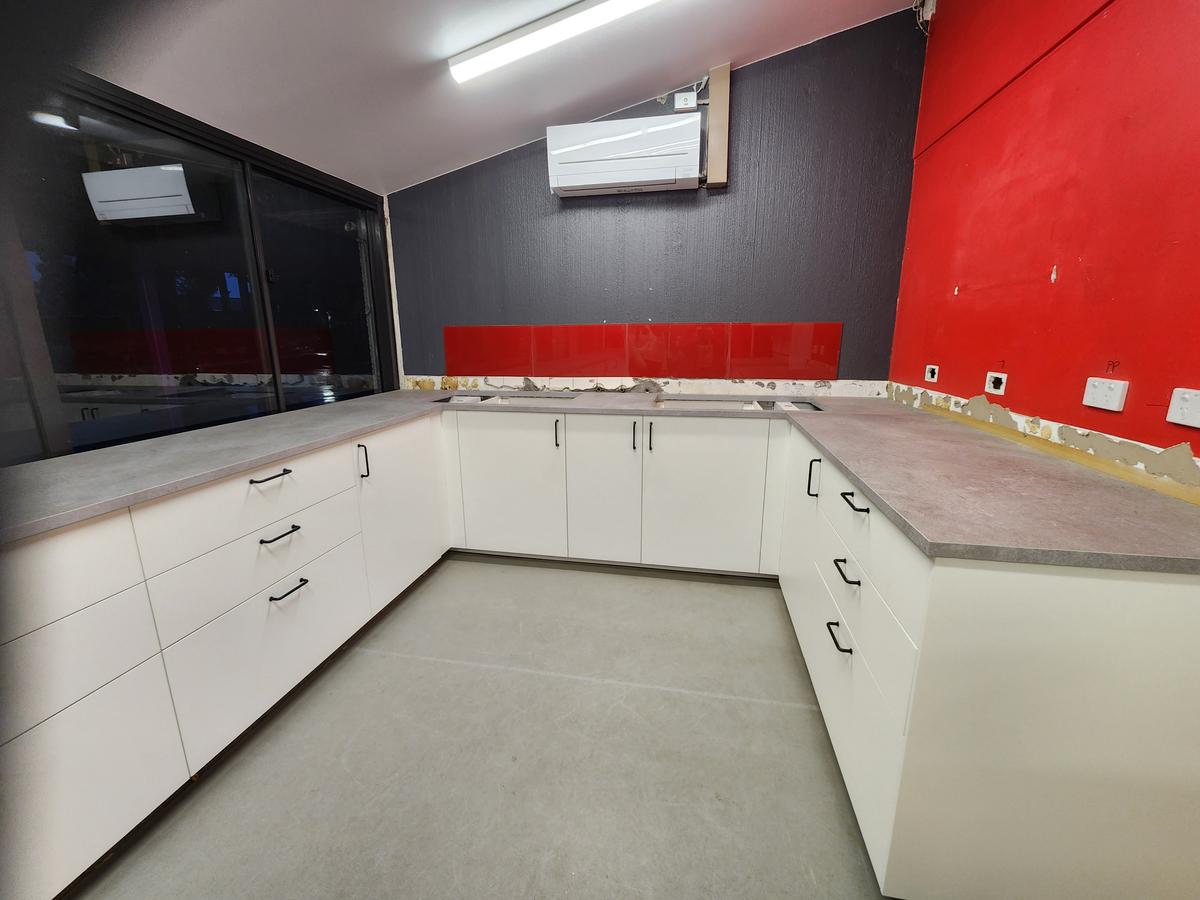
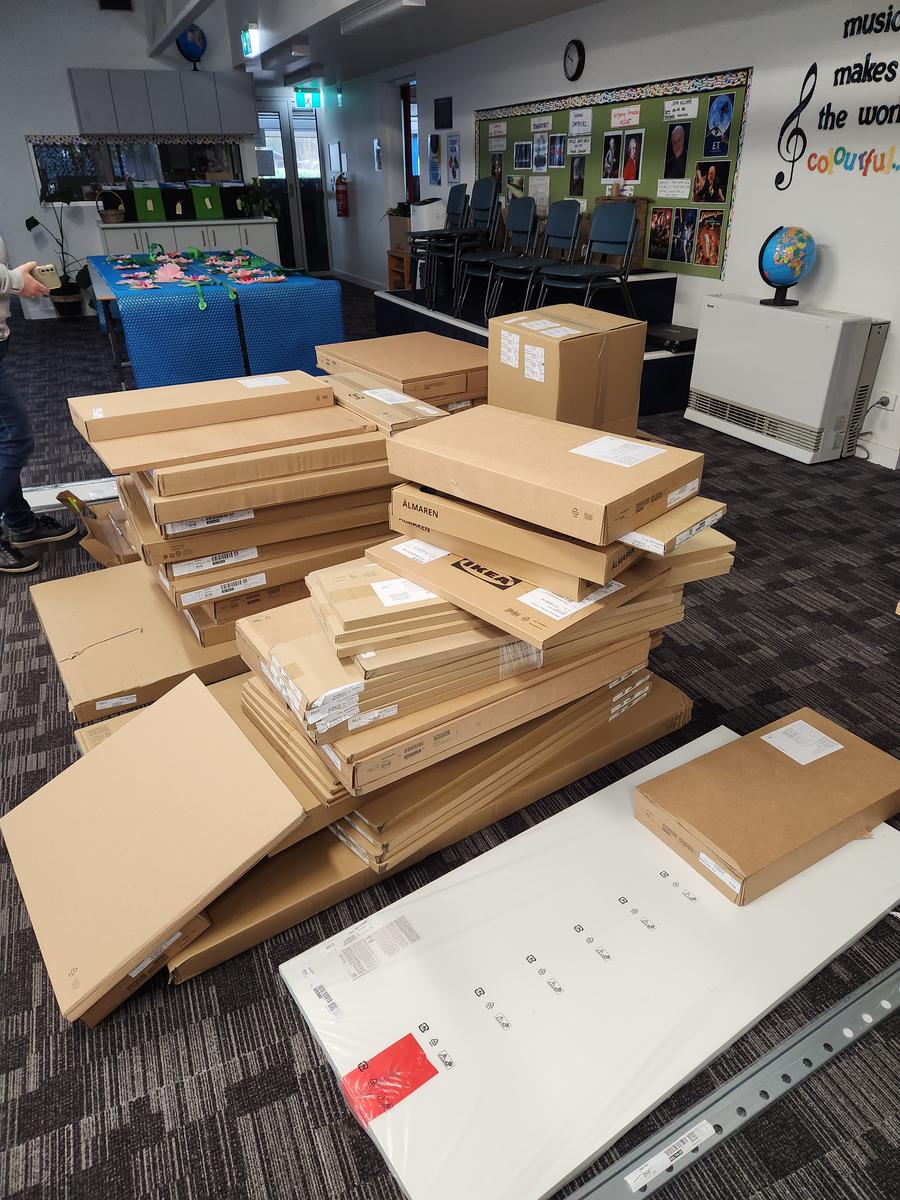
We've had a few busy weeks in the kitchen, working around the building works which has been very exciting to watch! The installation of new cabinets, benchtops, splashbacks, ceiling, windows that slide open, rangehood and two ovens and cooktops has made the canteen look brand new! The ability to cook different dishes at the same time is very exciting! We are grateful for the very generous donations from our school and wider community to be able to undertake this project.
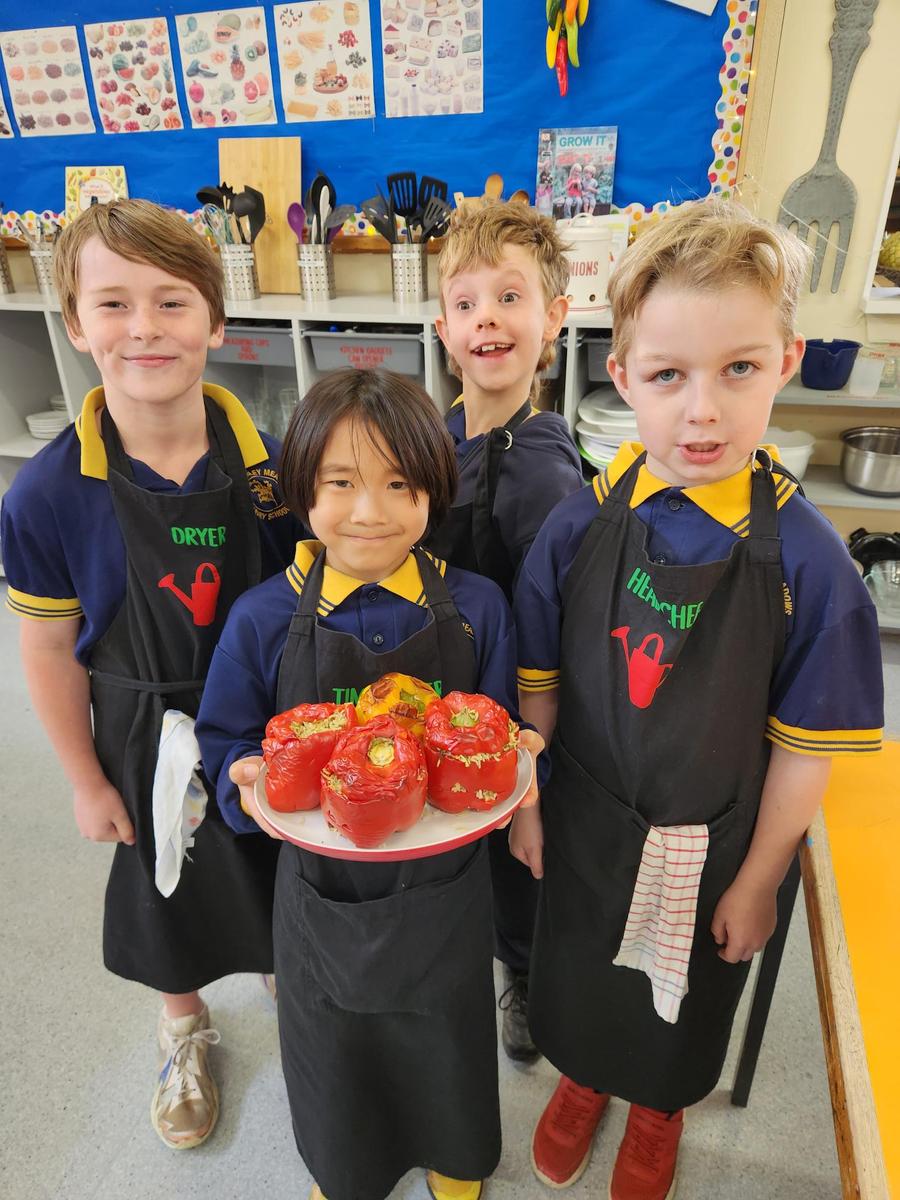
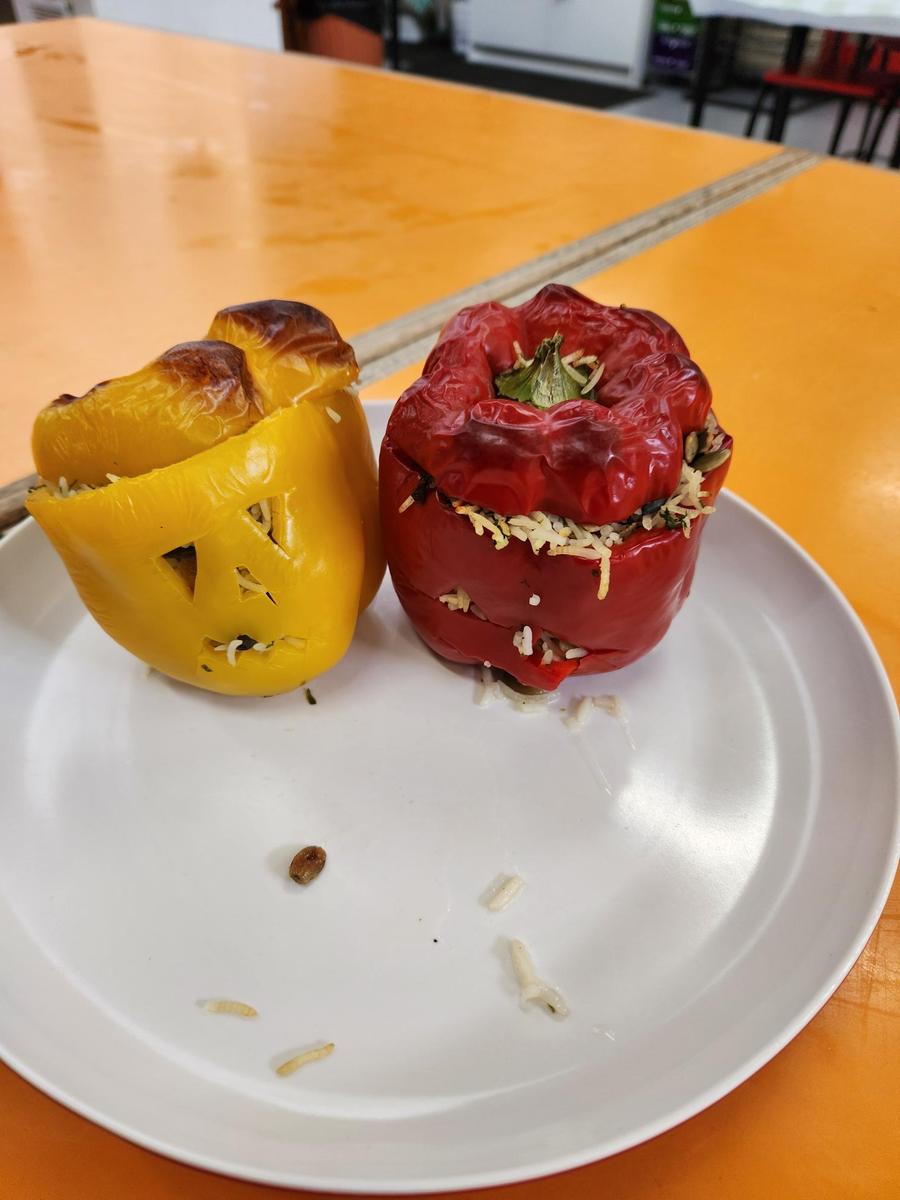
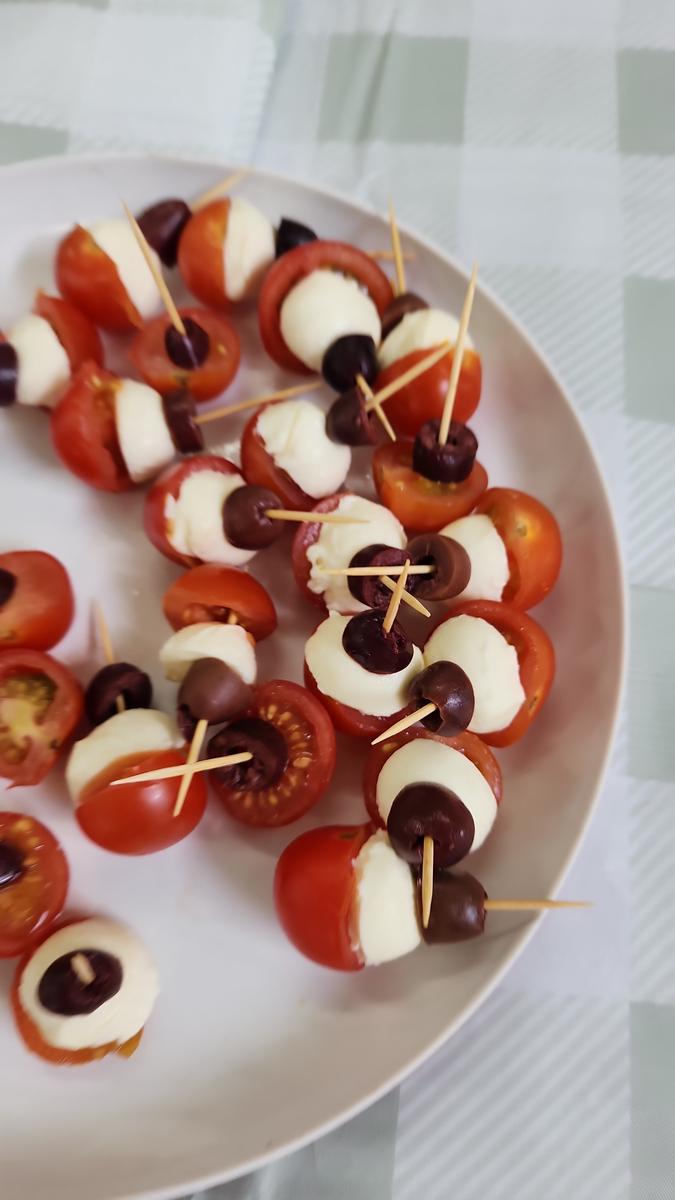
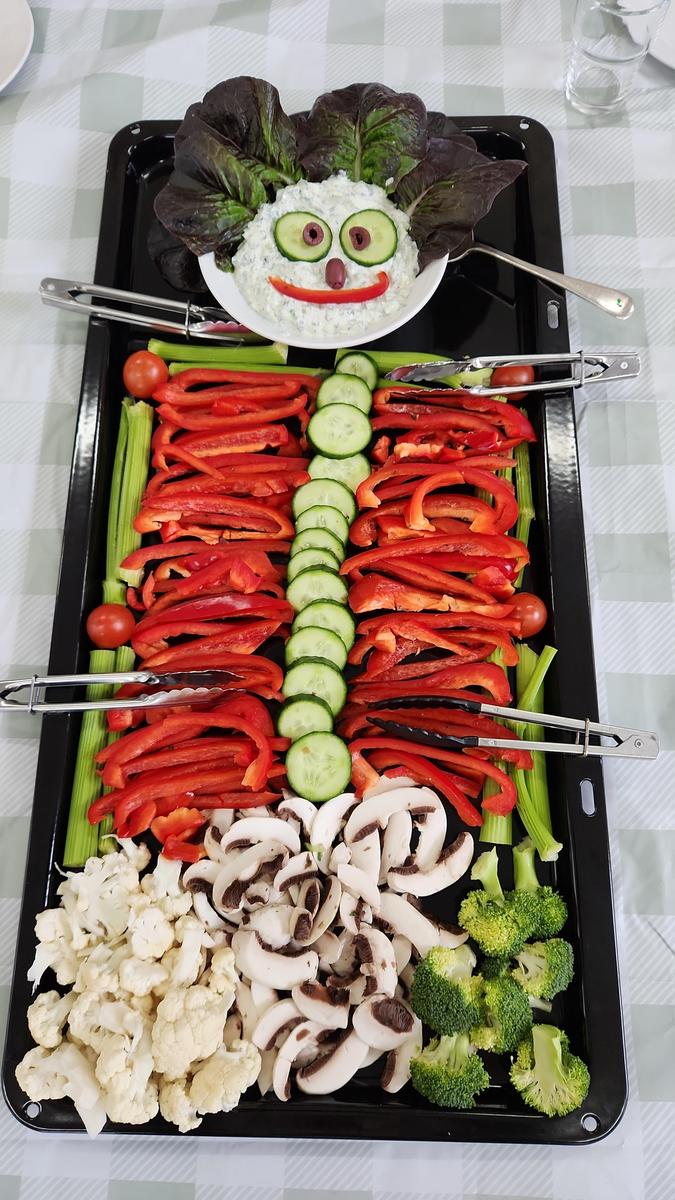
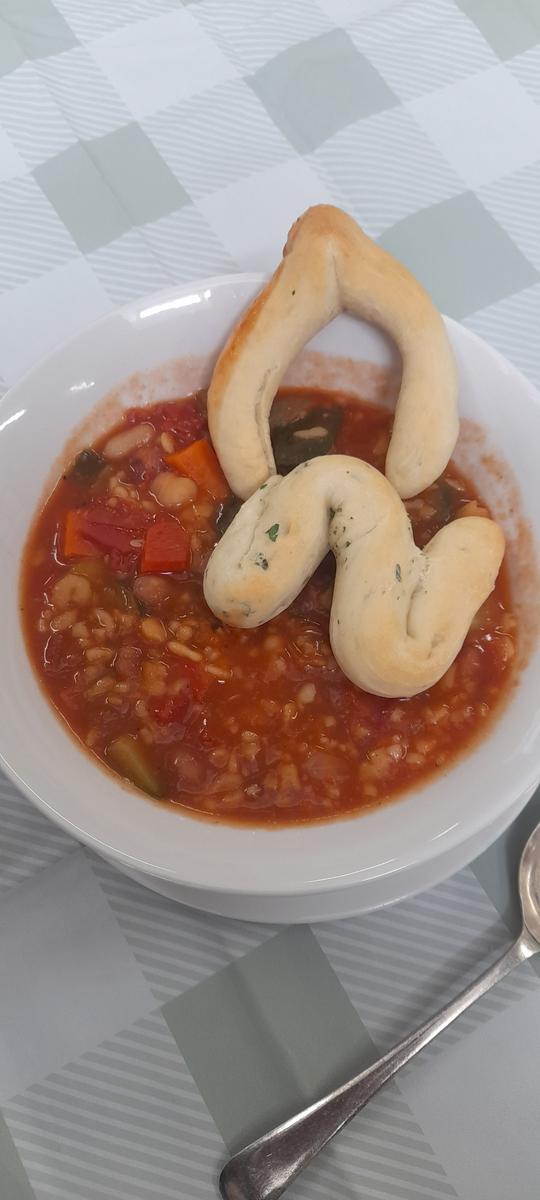
We have continued to hone our bread making skills - creating our initials from grissini, to have with our minestrone soup. Last week we enjoyed fresh broad beans from the garden to add to our handmade orecchiette ('little ears') pasta. We hosted 3 other principals from other schools to showcase our program and served up potato rosti, silver beet sauté, corn cakes and lemon biscuits. This week we have enjoyed some 'spooky' food, all delicious of course! We loved creating and eating our vegie skeleton, 'Jack O'Lanterns' (Greek stuffed capsicums - hard to find orange ones) and eyeballs!
SUCCESSFUL GRANT!