Remembrance Day










 Caulfield Junior College

Clive Allan Macvean
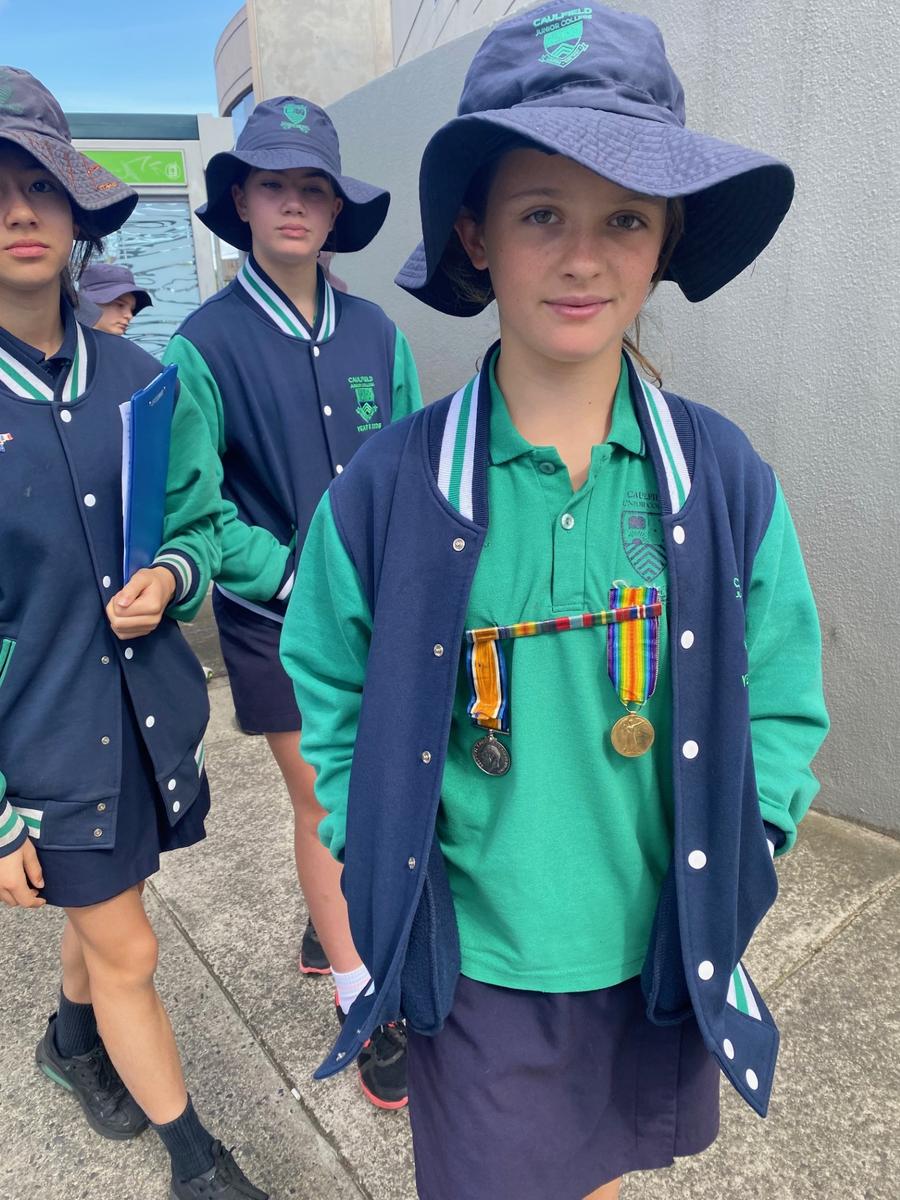
By Matilda and her grandmother
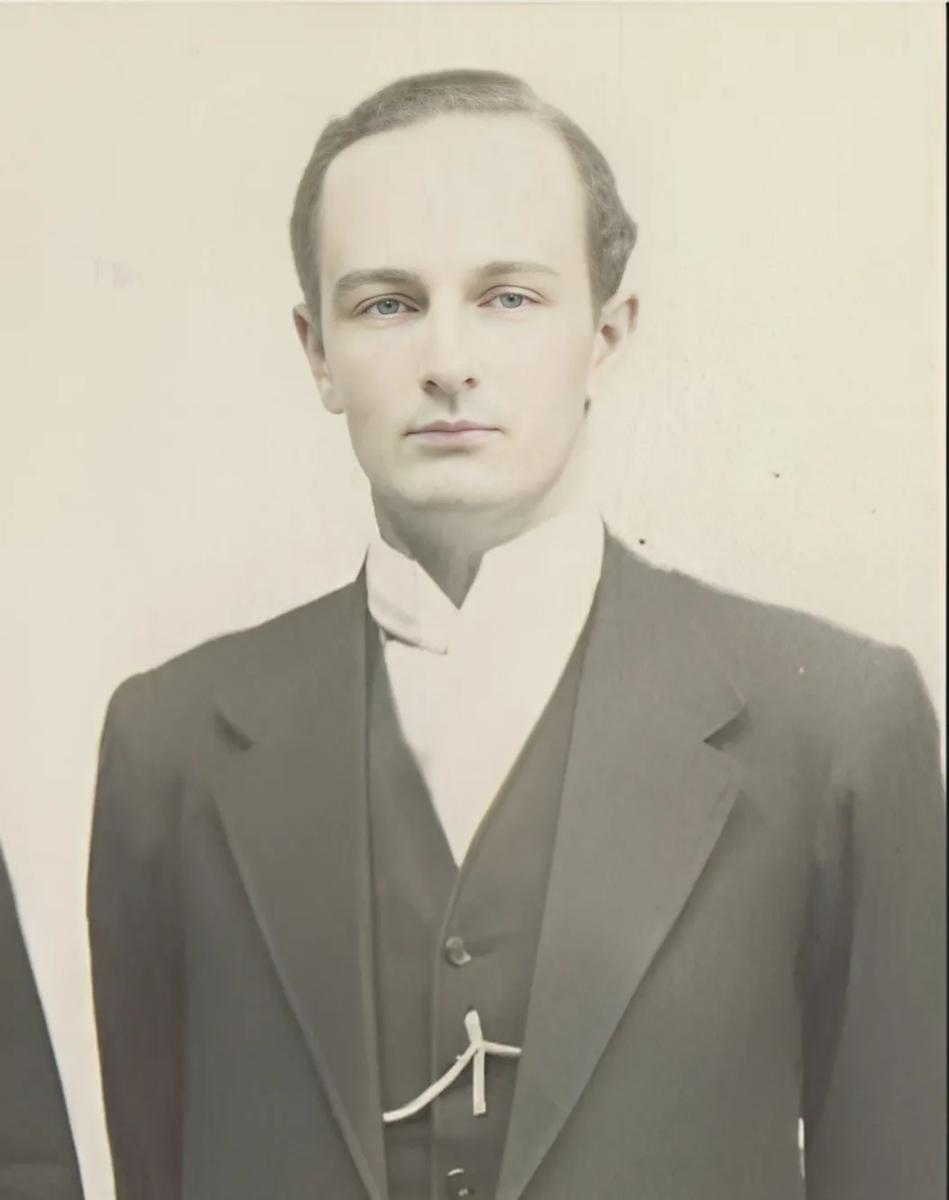
Matilda’s (6F) great grandfather, Clive Allan Macvean, was born in 1898 and died in 1955, when Matilda’s grandmother was nine.
In 1916, during World War One, Clive turned 18 and enlisted. All white settlers were British, not Australian! Starry-eyed young men signed up ‘to serve King and country’. To refuse would have meant shame for them and their families. Clive’s family lived in Geraldton, WA.
Troopships departed from the west coast, which was the most direct route to the war zones.
Clive ended up in France, which was then occupied by the German army.
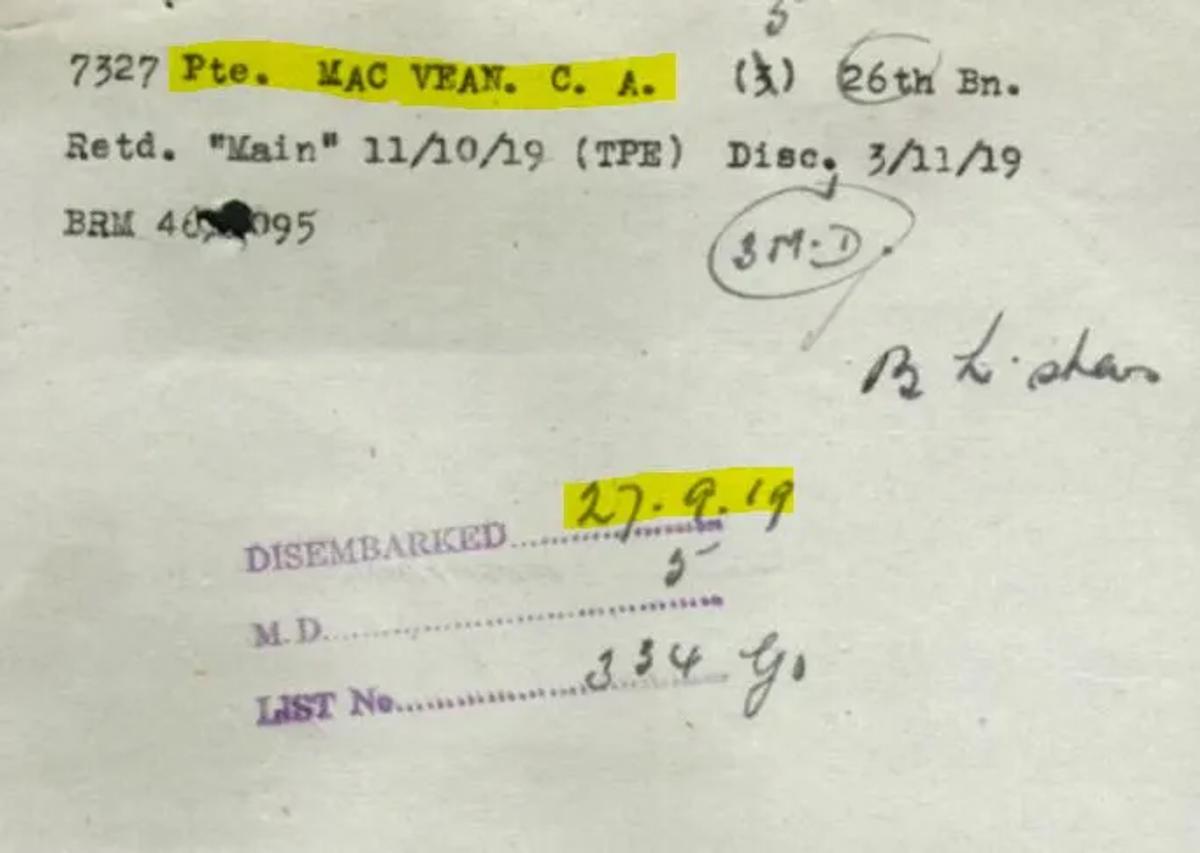
In 1918, at the 11th hour on the 11th day, came the Armistice. There was no return home to Australia—not yet—because the French had surrendered and the Germans were still there. Clive and his battalion stayed through 1919, including during the Spanish flu pandemic.
Clive had had a brush with death in 1917 and had no illusions about its horrors.
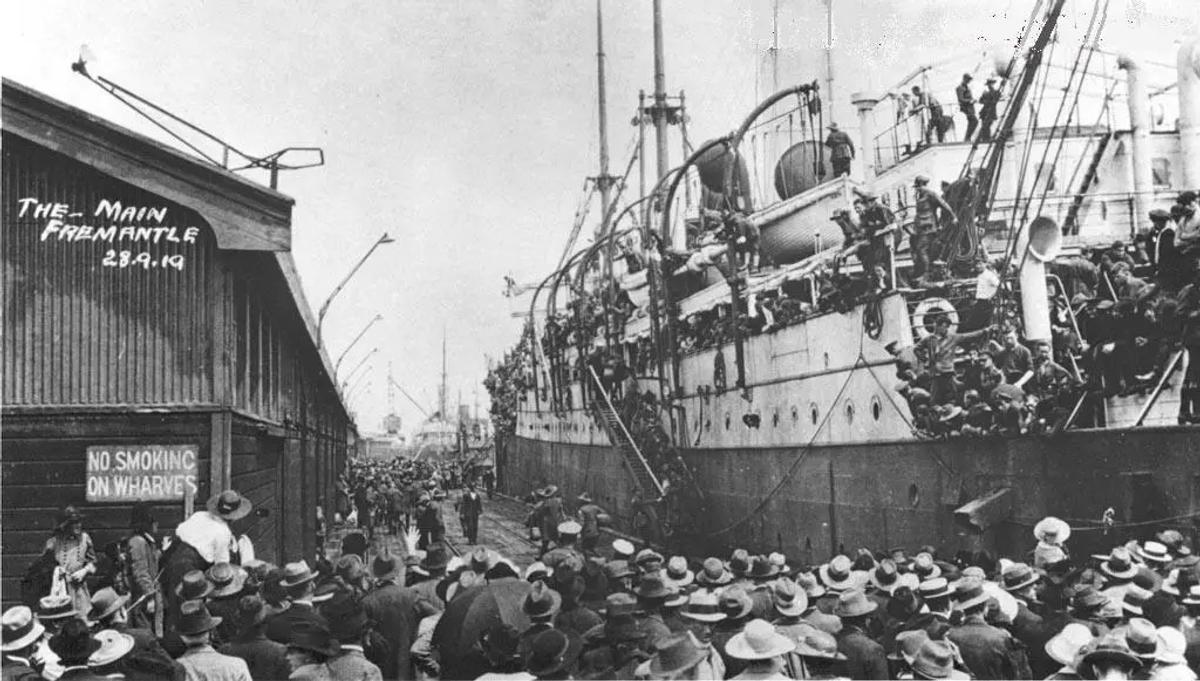
Yet, in the 1930s, Clive followed the rise of the Nazis in Germany. In World War Two, he put down his age by three years and gave up rank so as to enlist again, expecting to be sent to France again. He was not. He was sent to Rabaul, Papua New Guinea. It became ‘Little Hell’ when the Japanese used the power of their air force to wipe out the base. Most Australians surrendered, but Clive and several mates were determined not to do so. They braved the horrors of the jungle and bouts of malaria, fleeing between islands in unseaworthy craft.
After months of being missing, presumed dead, they emerged when the Japanese had been defeated. When Clive returned to the Heidelberg Repatriation Hospital in Melbourne, he was so emaciated and exhausted that his wife, searching the wards for him, could not recognise him.
When he recovered, he was sent back to army duties within Australia.
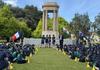
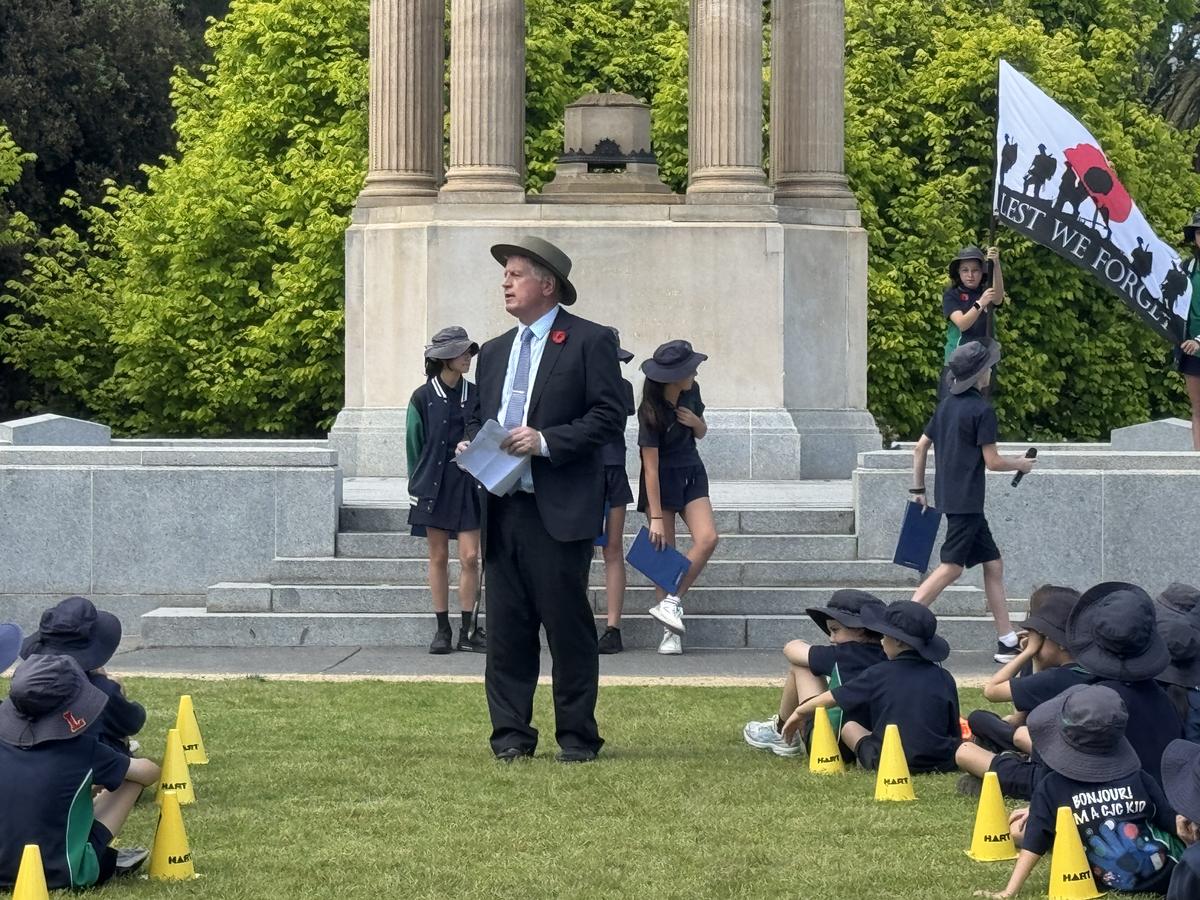
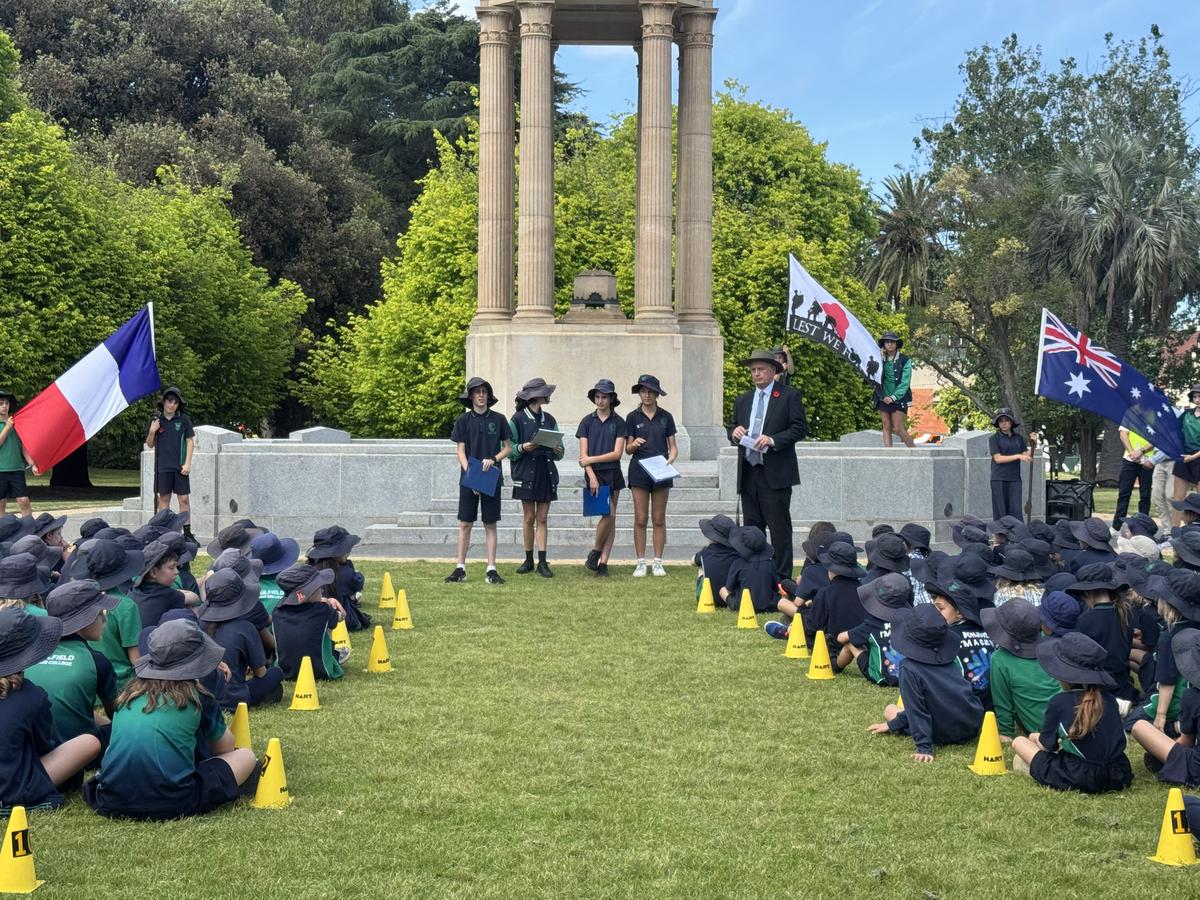
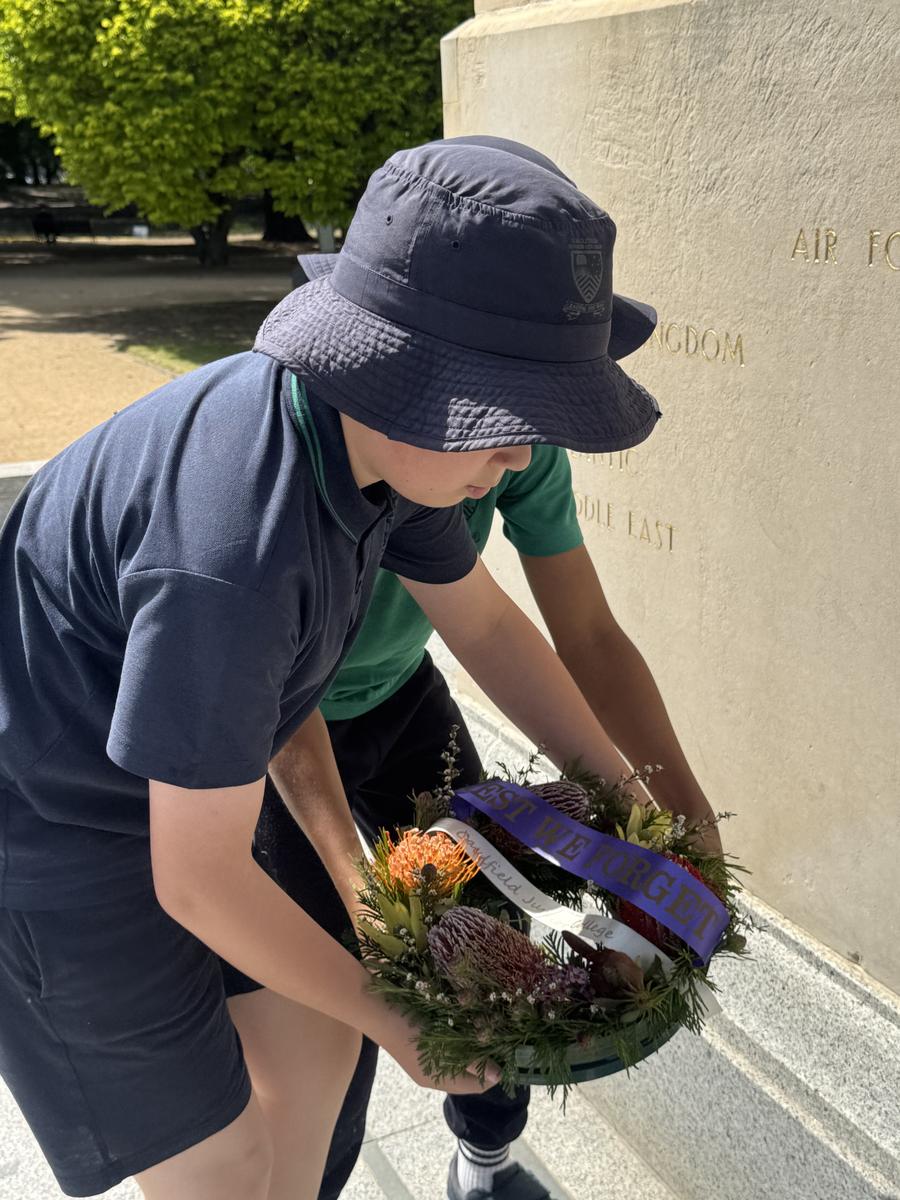
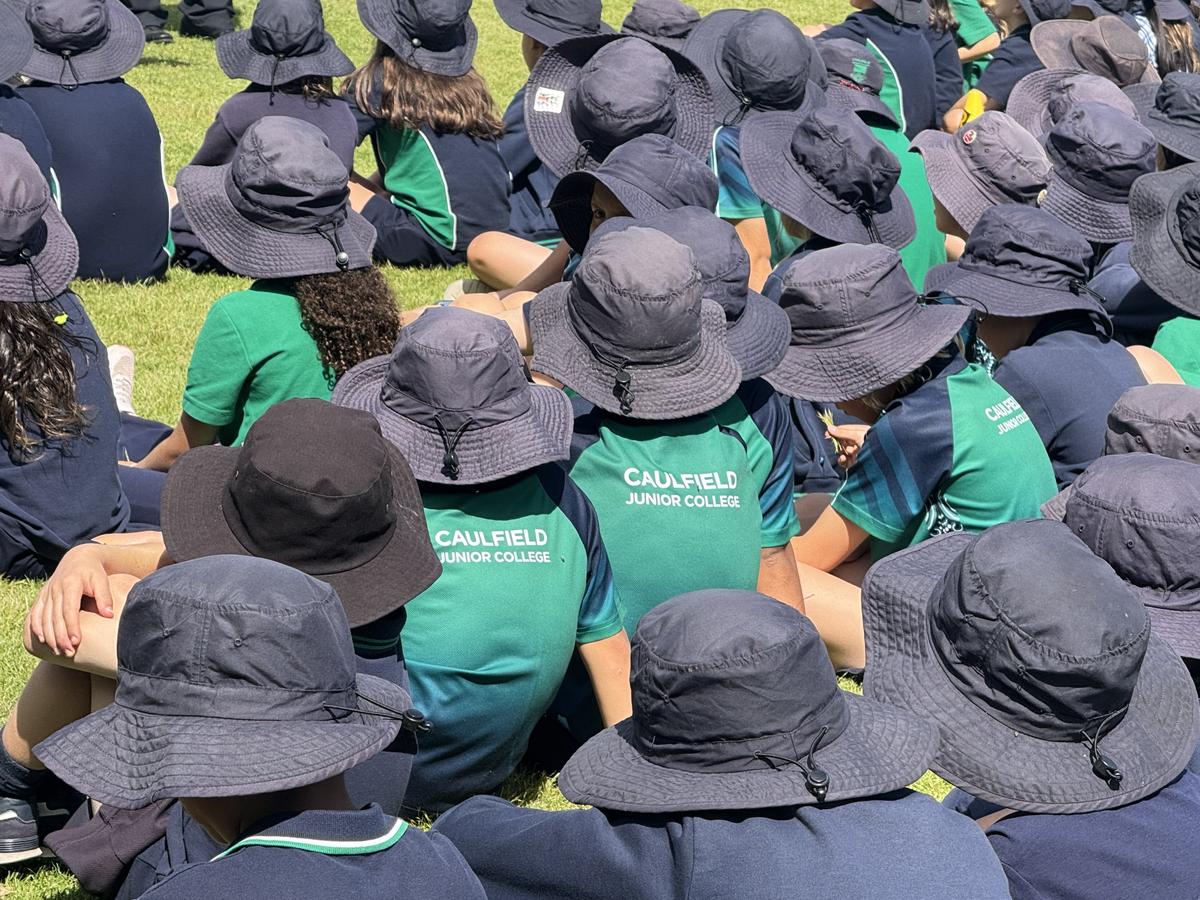
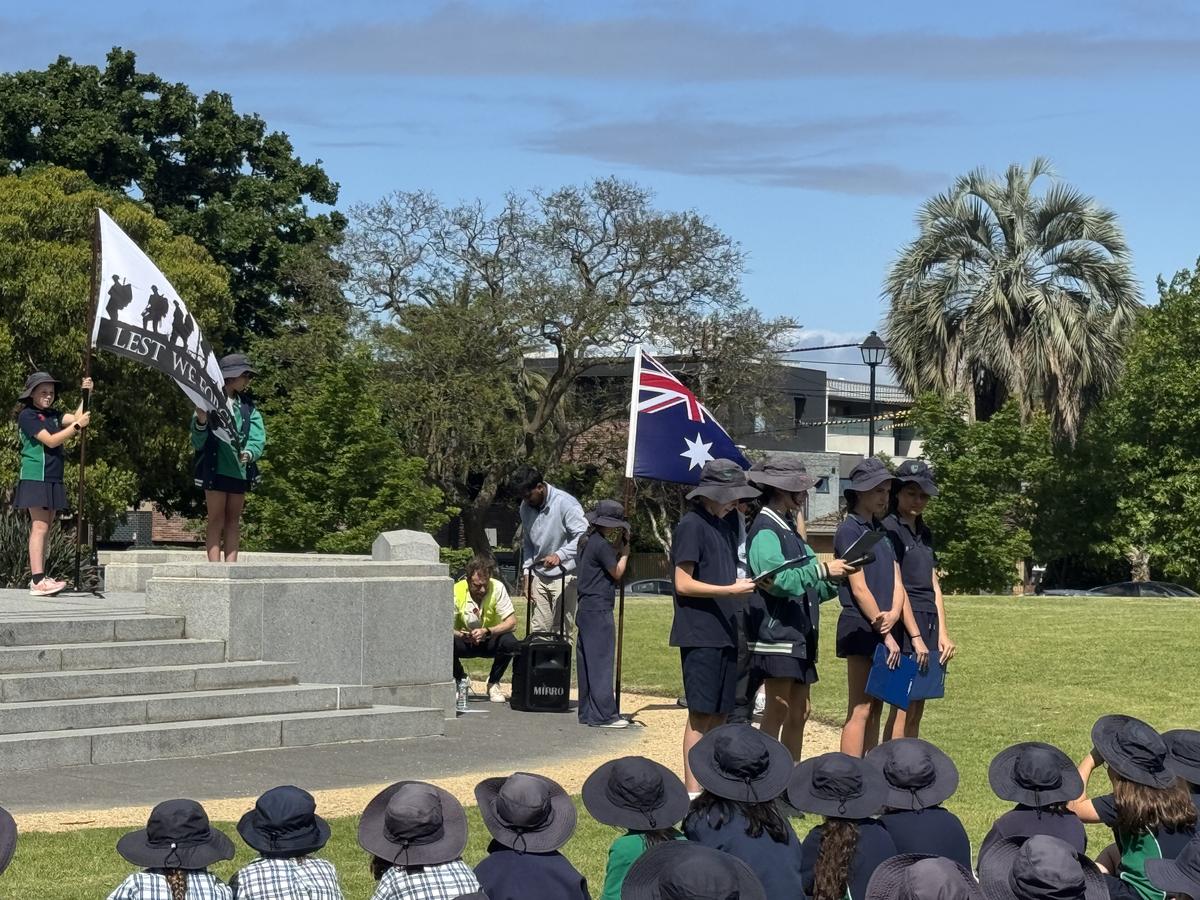
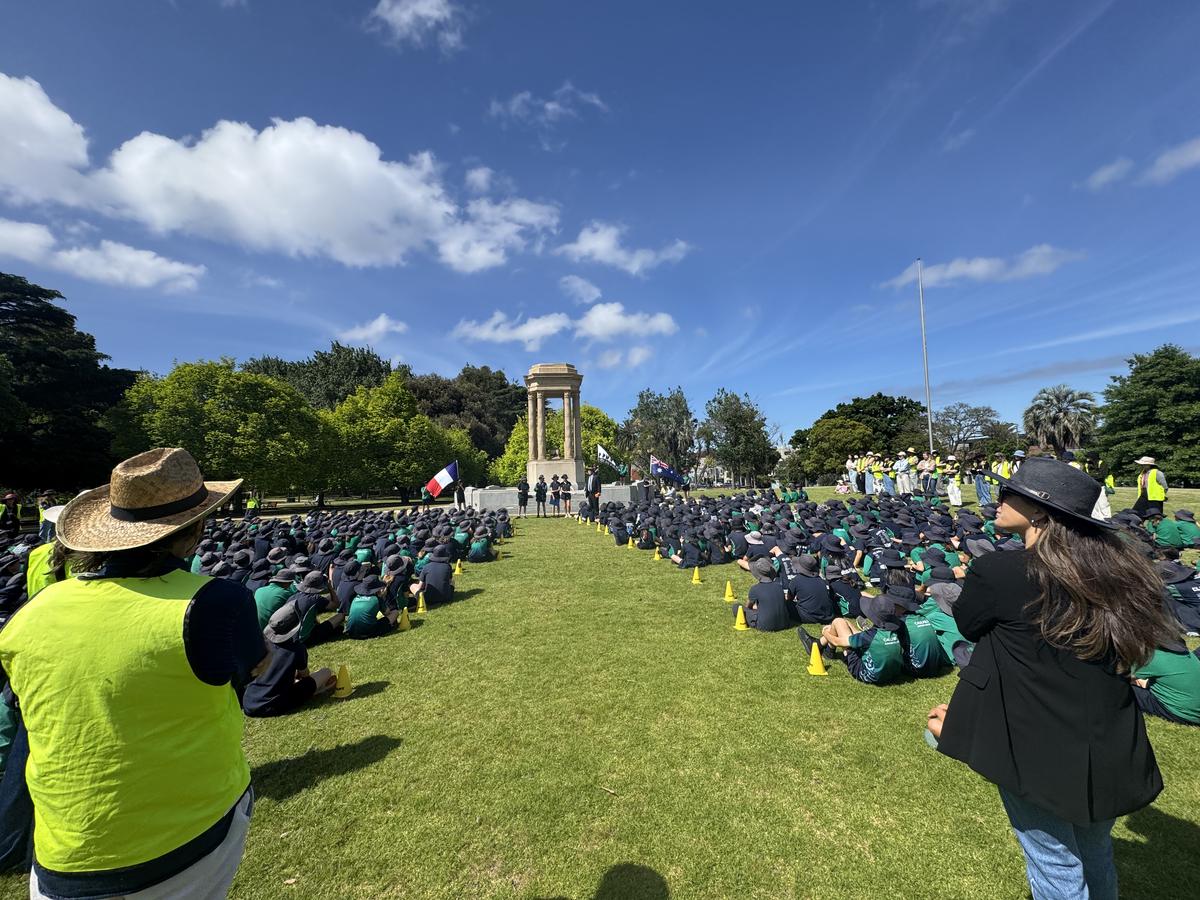
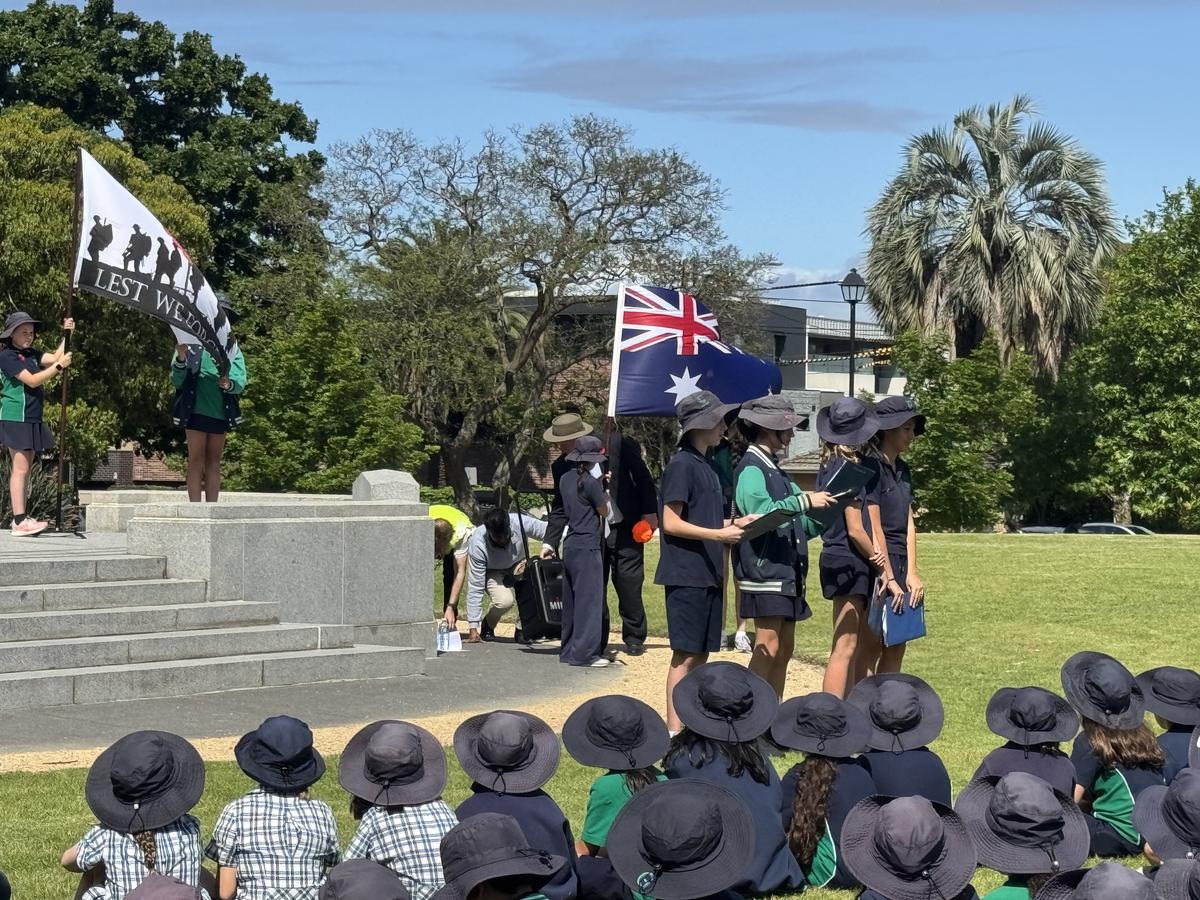
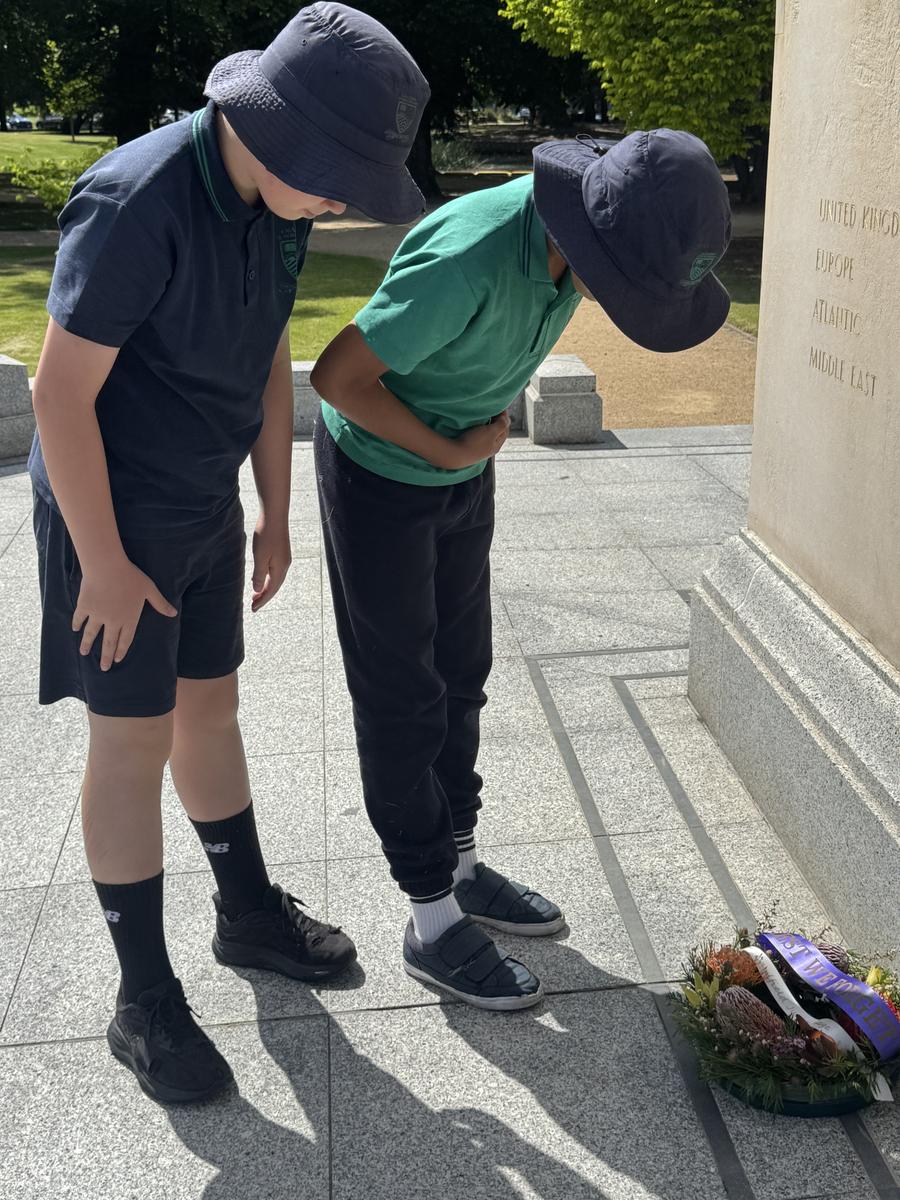
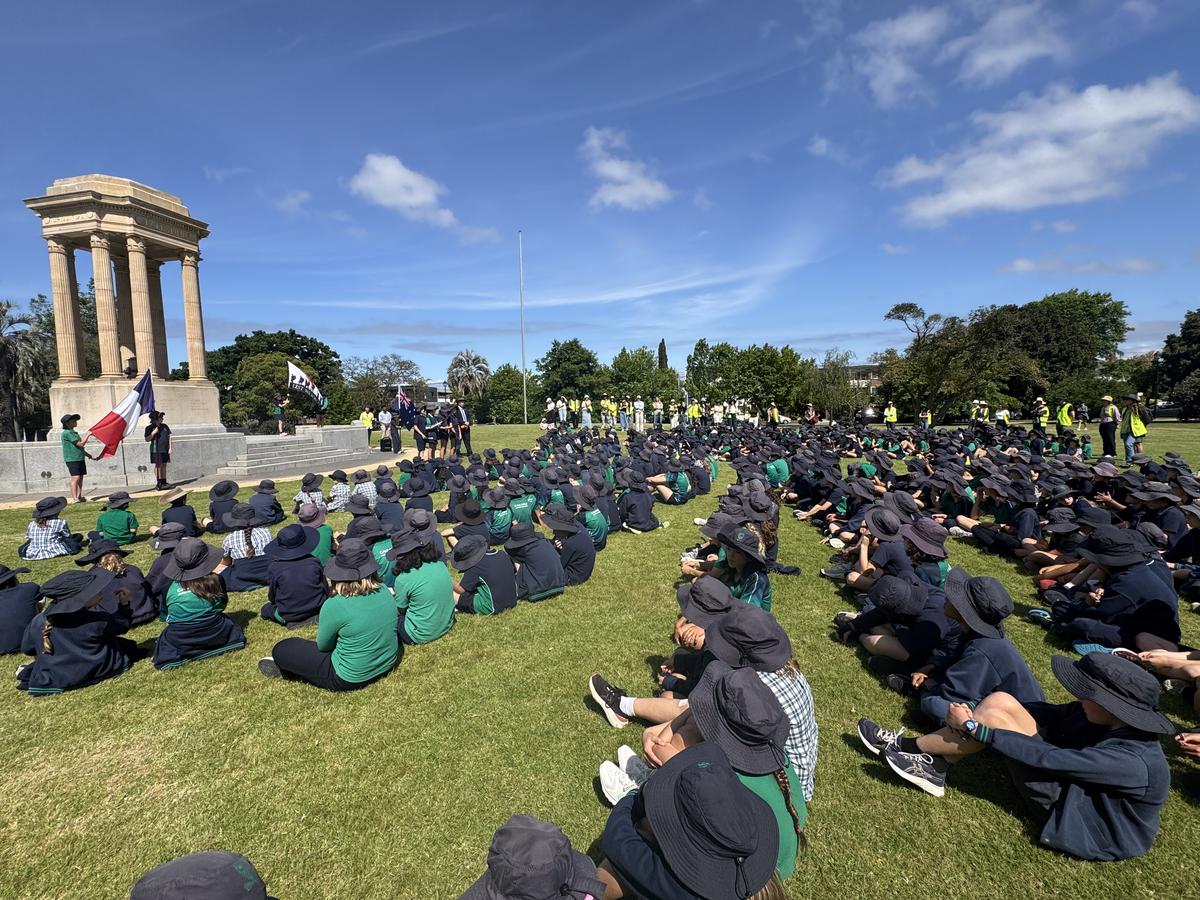
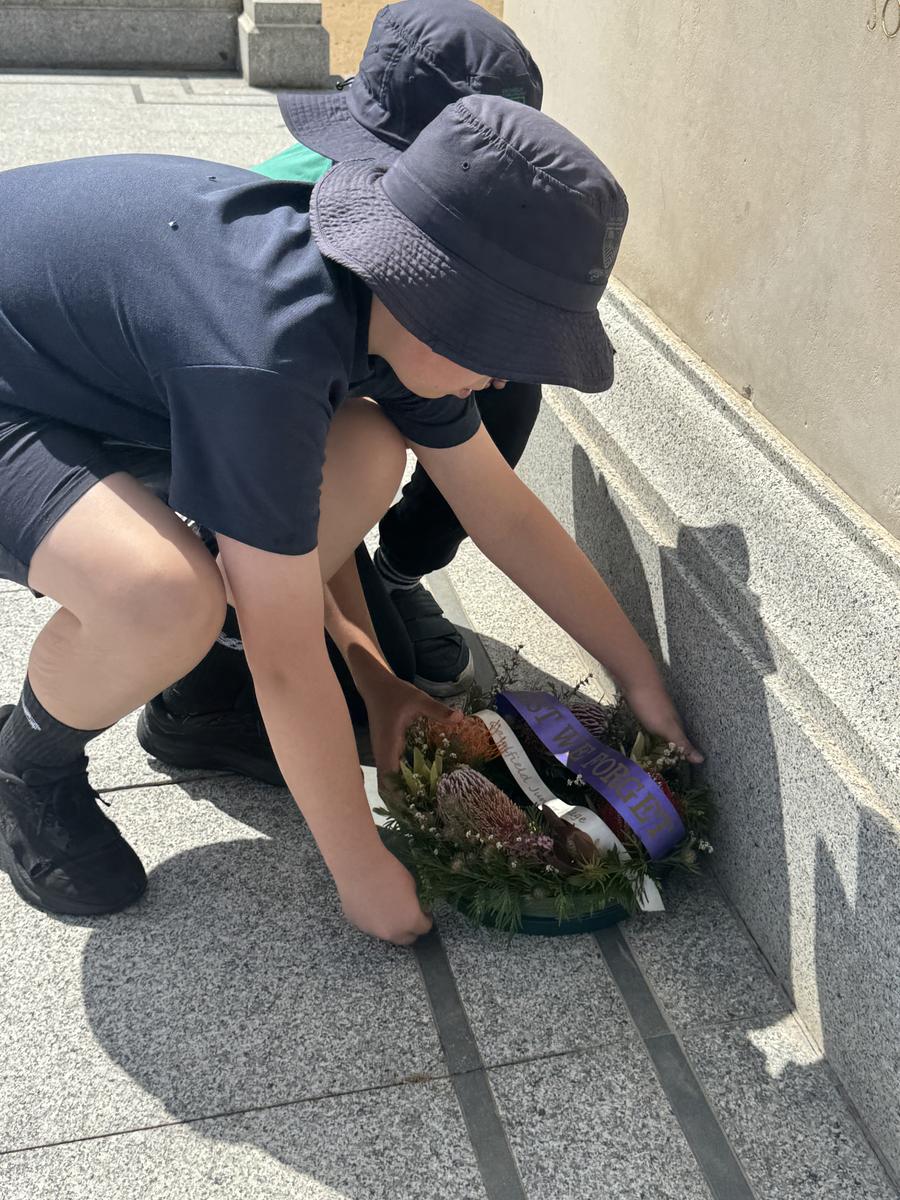
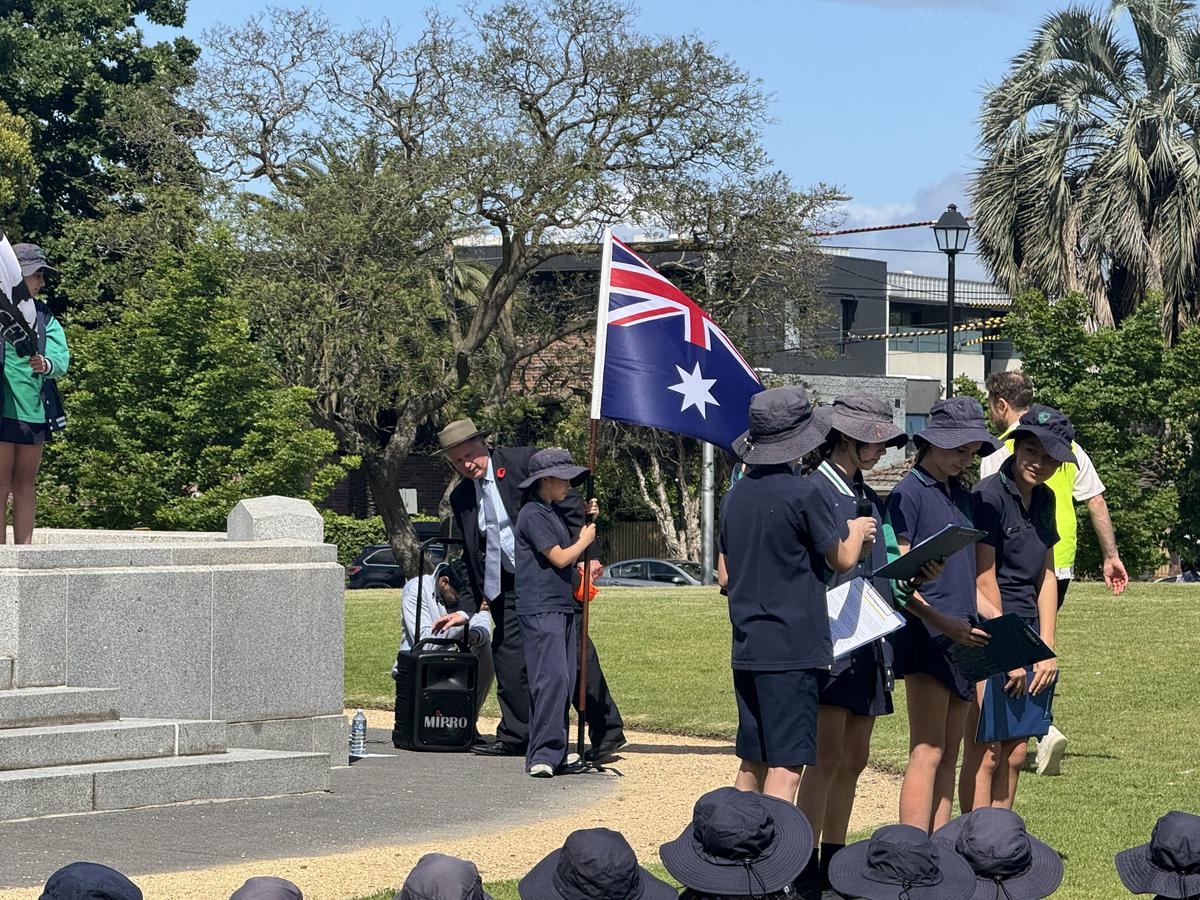
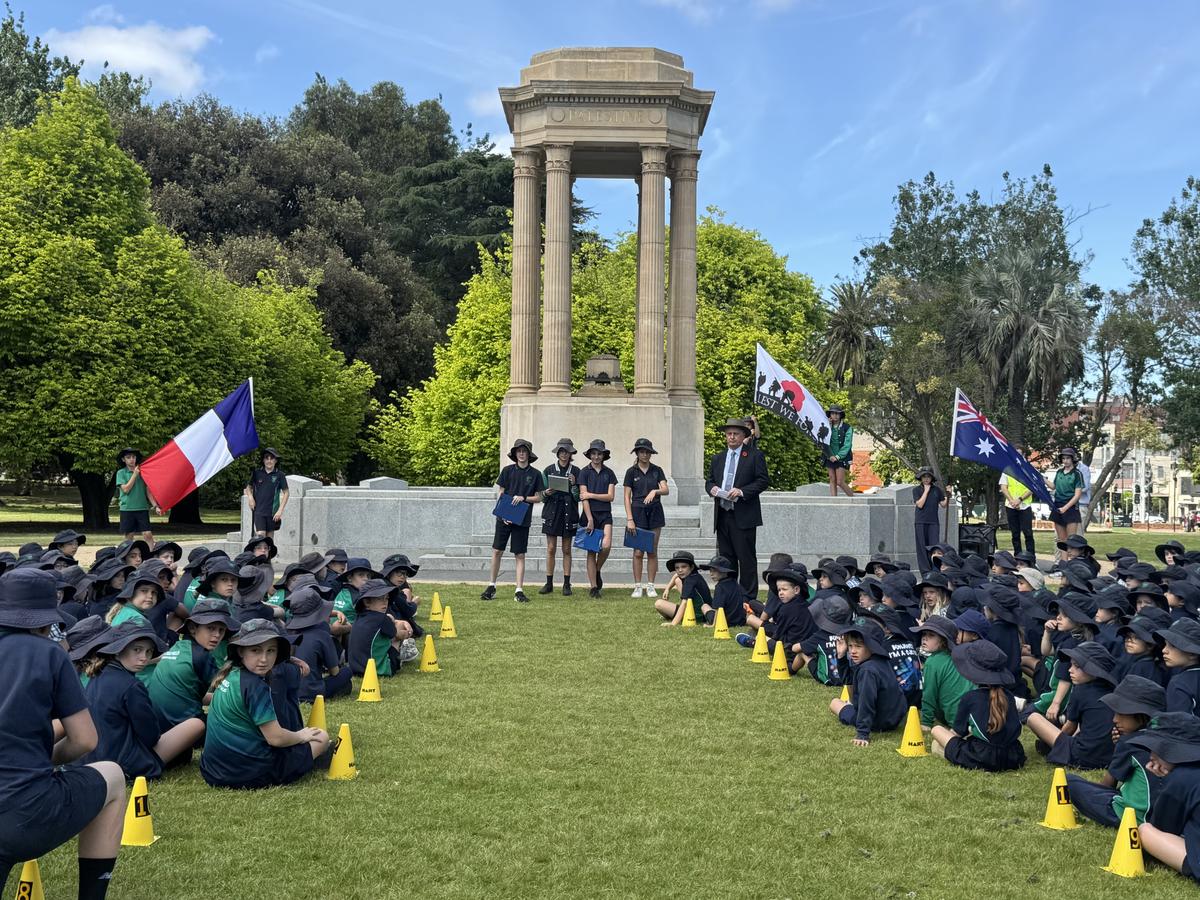
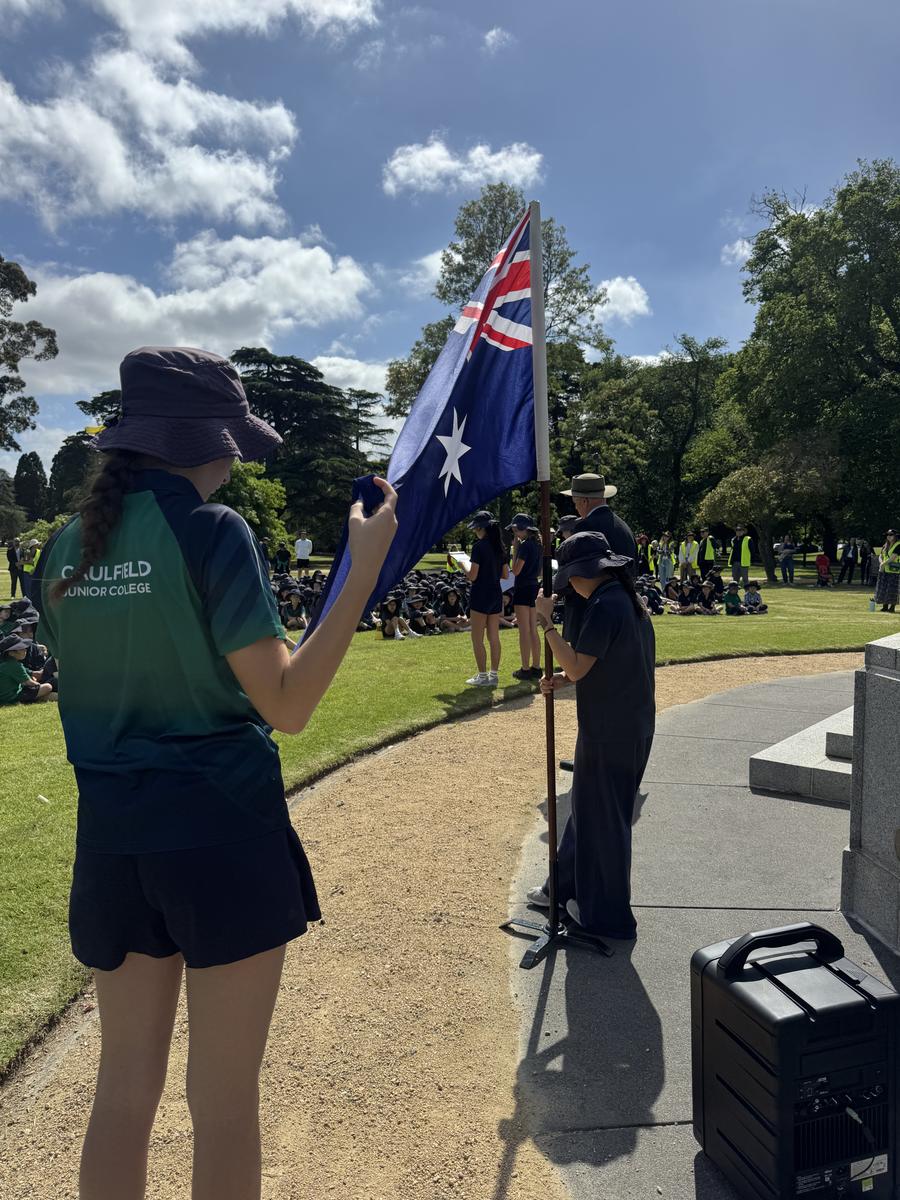
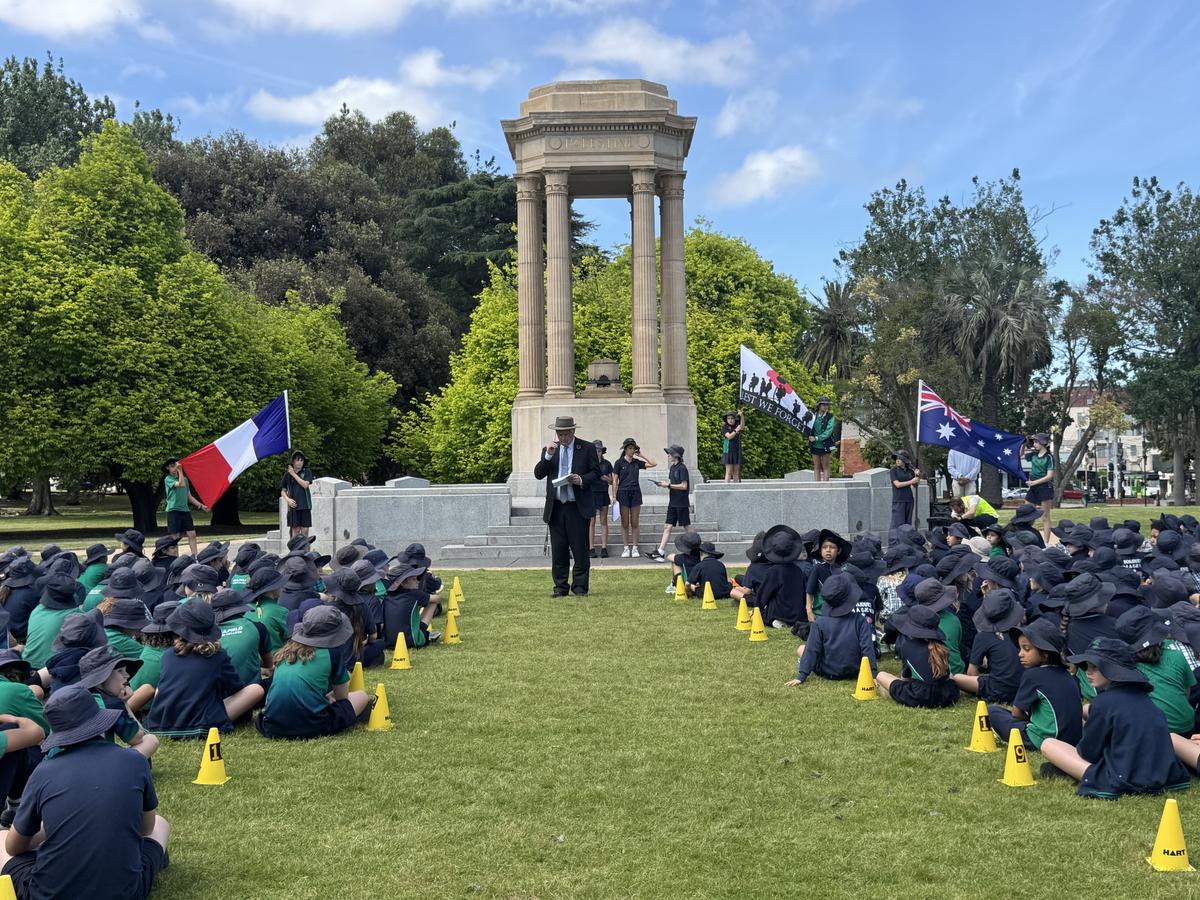
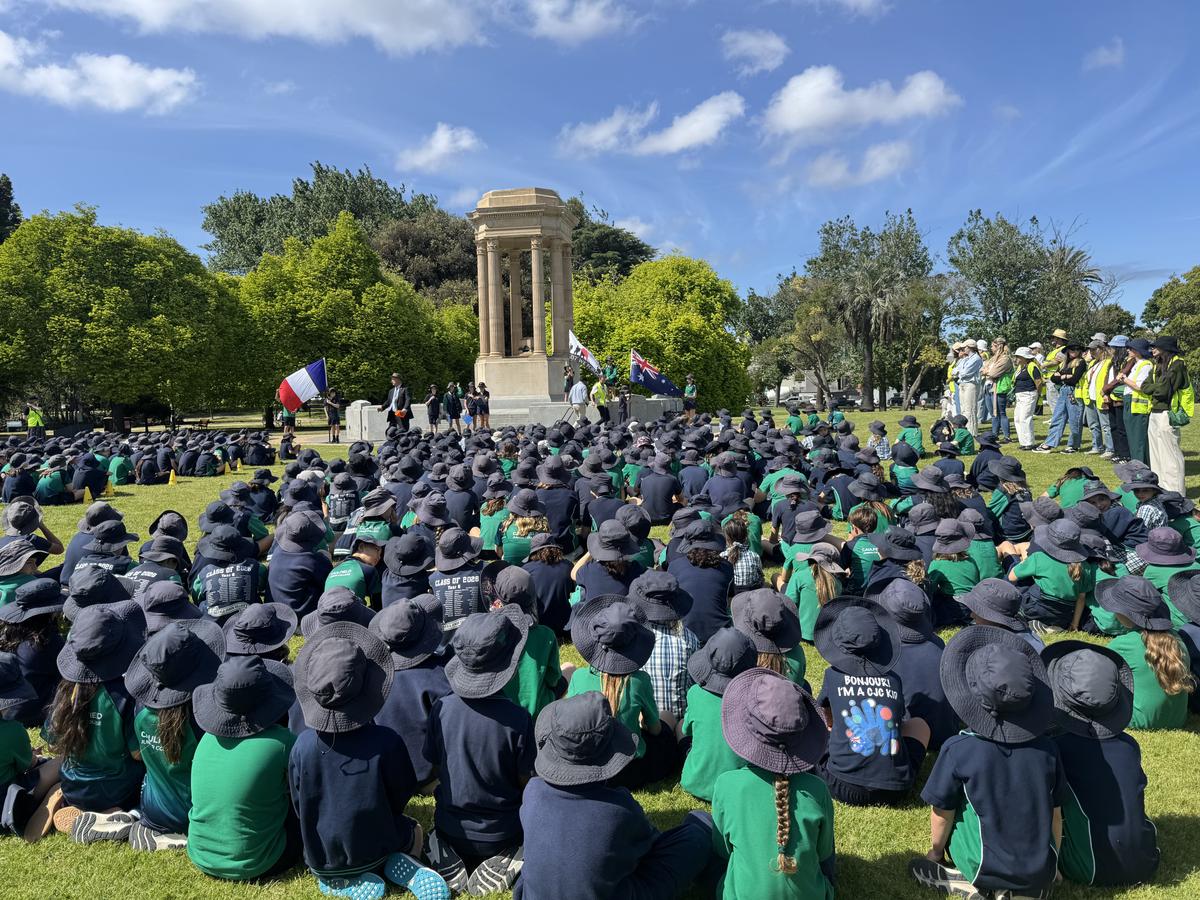
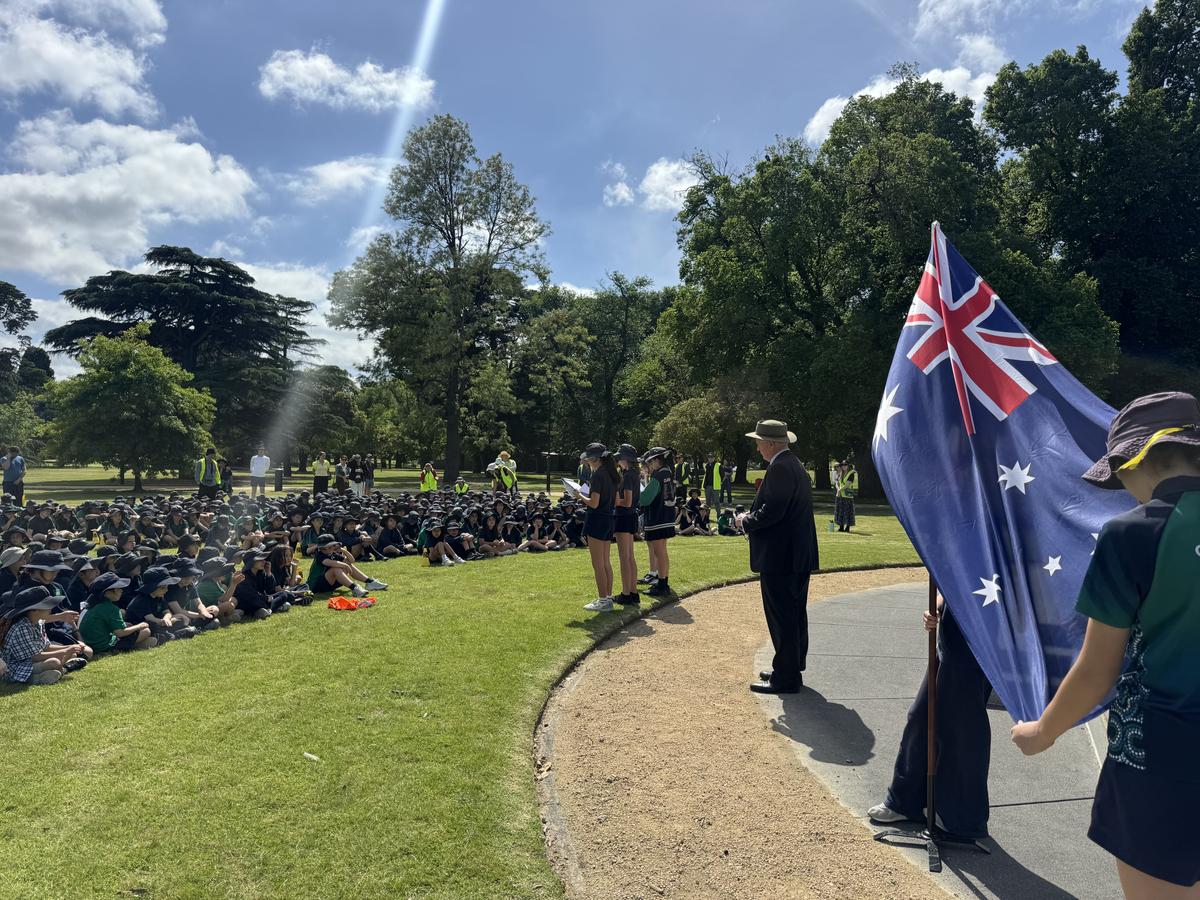
Annual commemoration at Caulfield Park
Our student leaders did a wonderful job leading this beautiful commemoration ceremony.
Lest we forget.
Nous n'oublierons jamais.
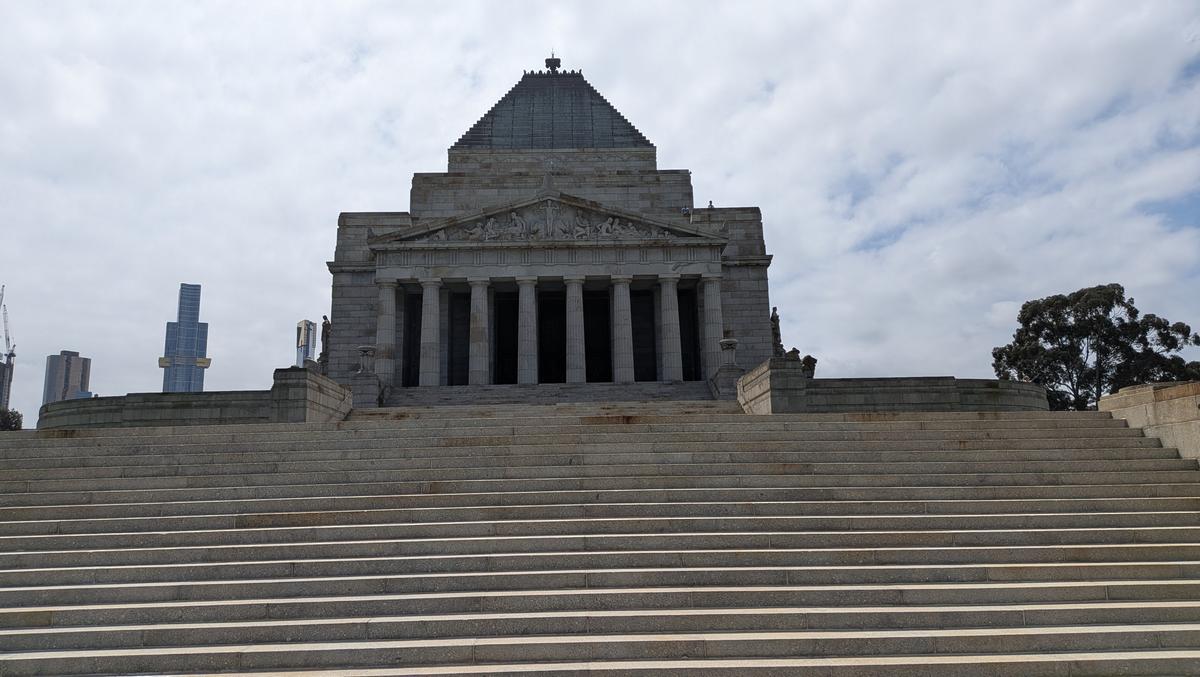
CJC at the Shrine of Remembrance
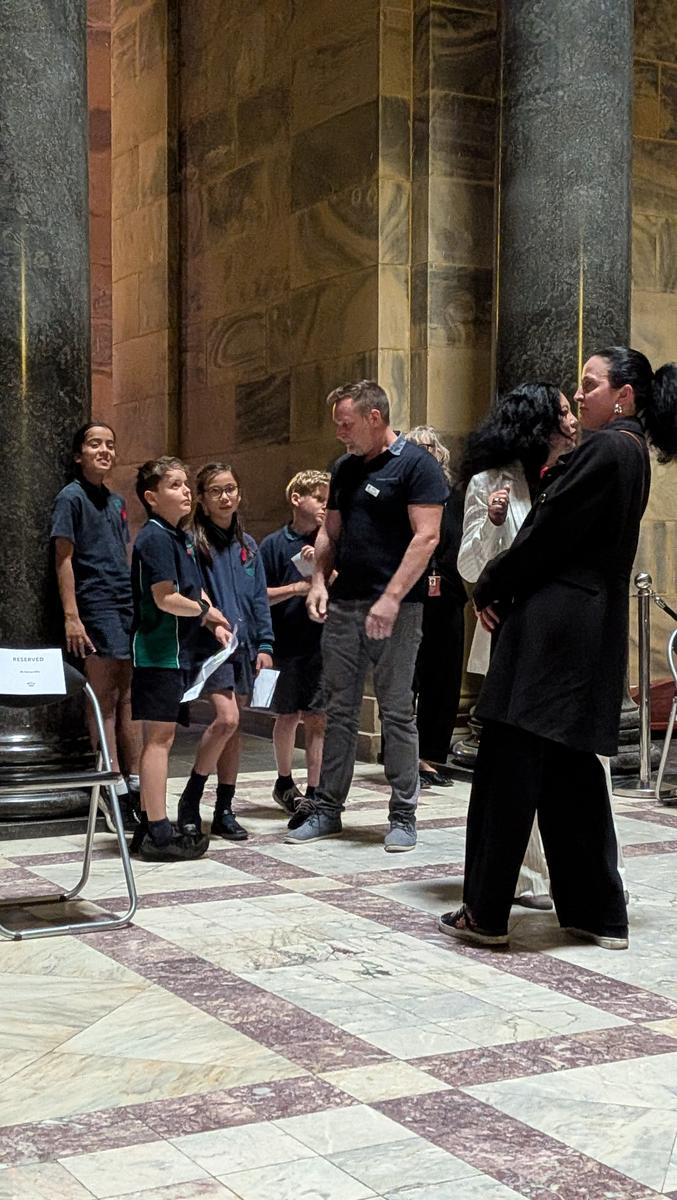
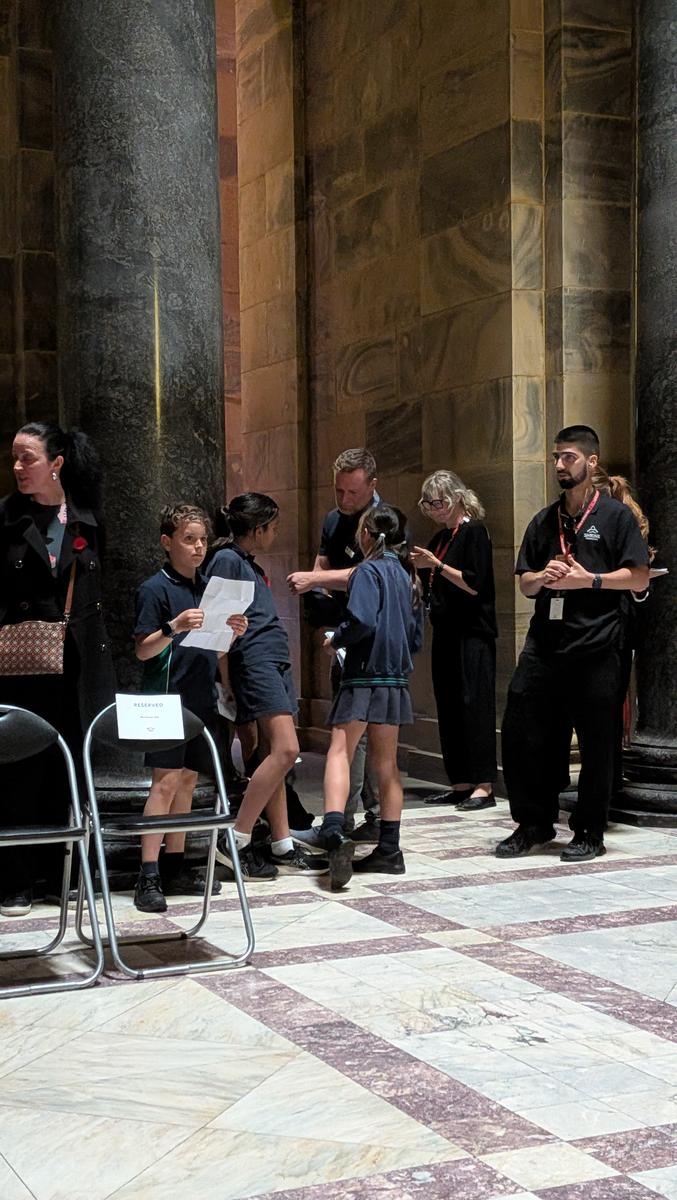
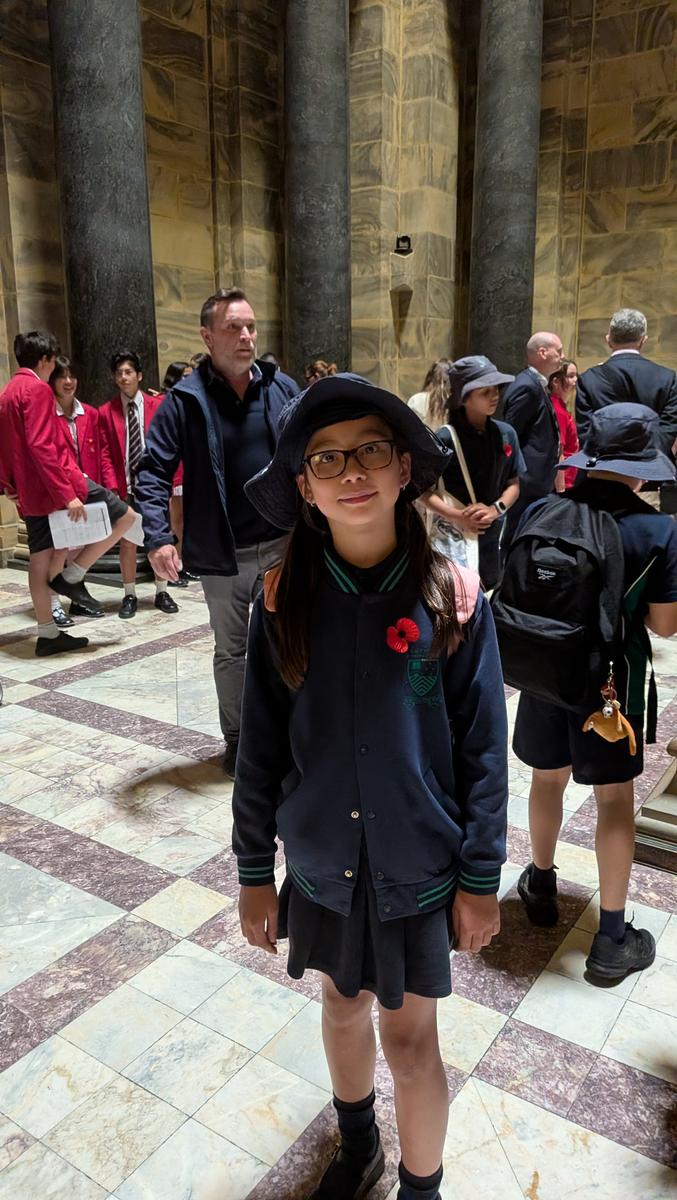
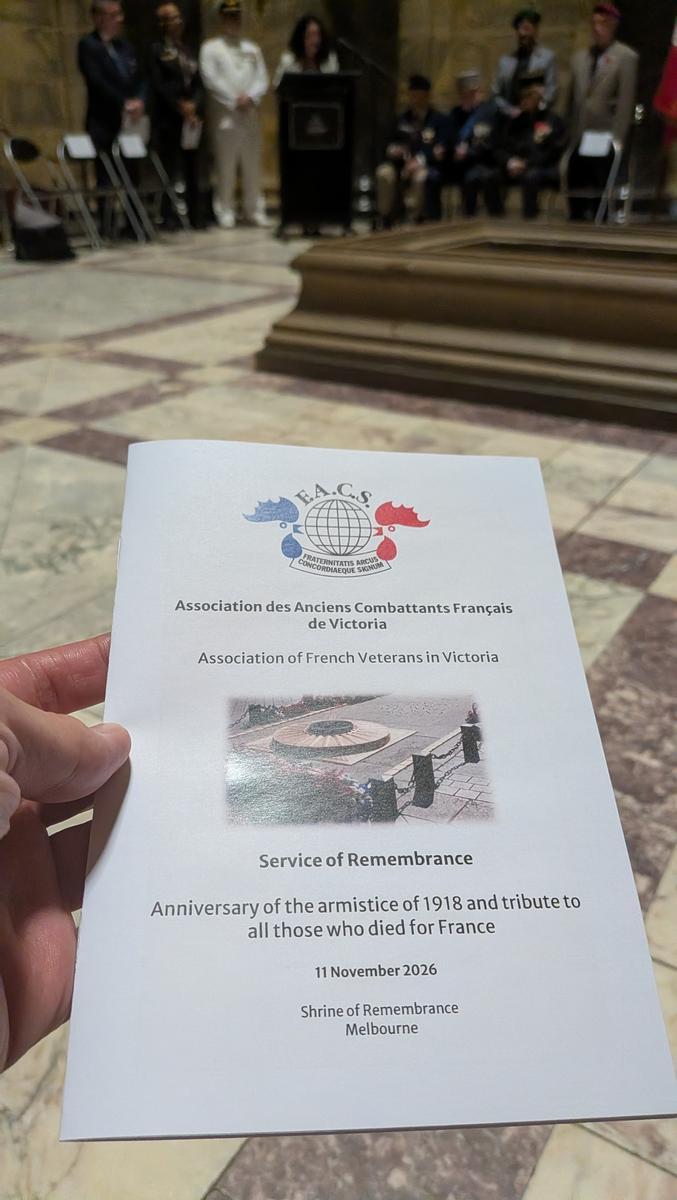
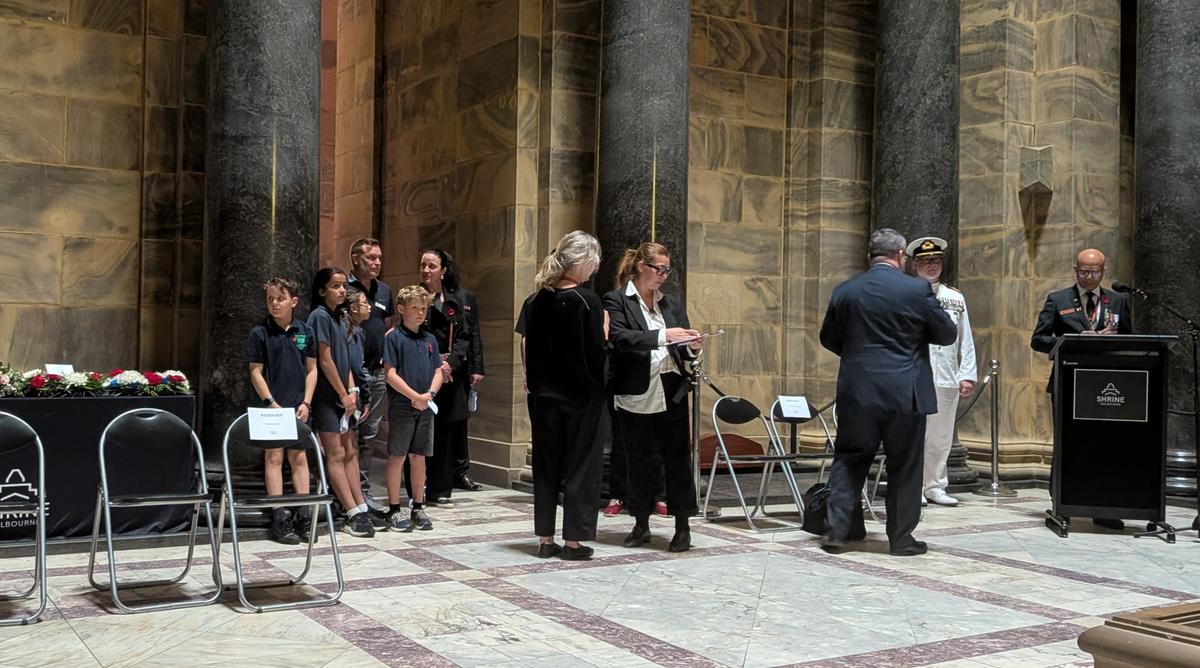
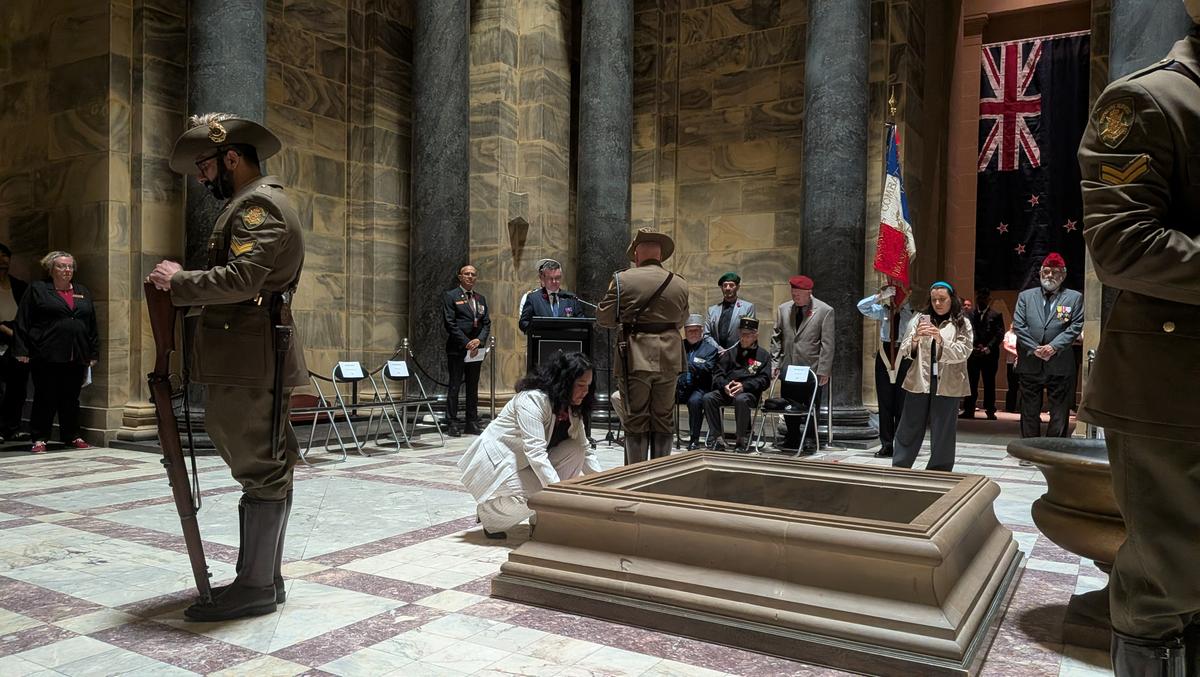
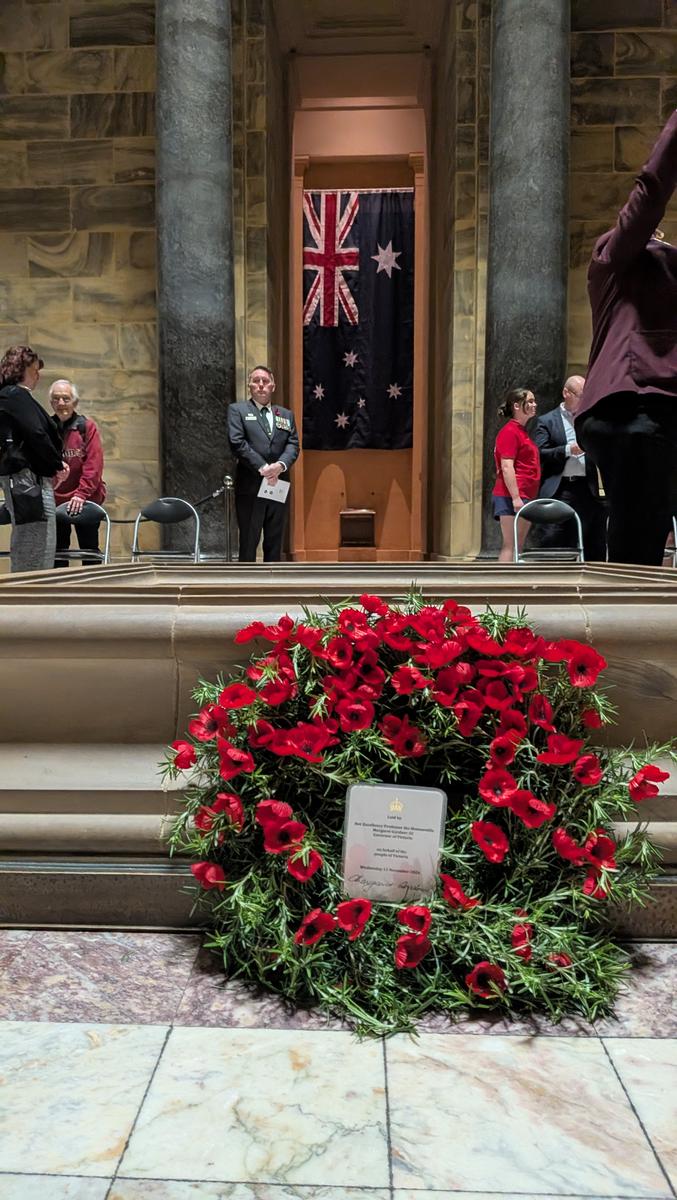
On November 11th, we spent the day at the Shrine of Remembrance to honour the soldiers. We went there with Mr Prevet and Mme Absous. We took the tram to get there.
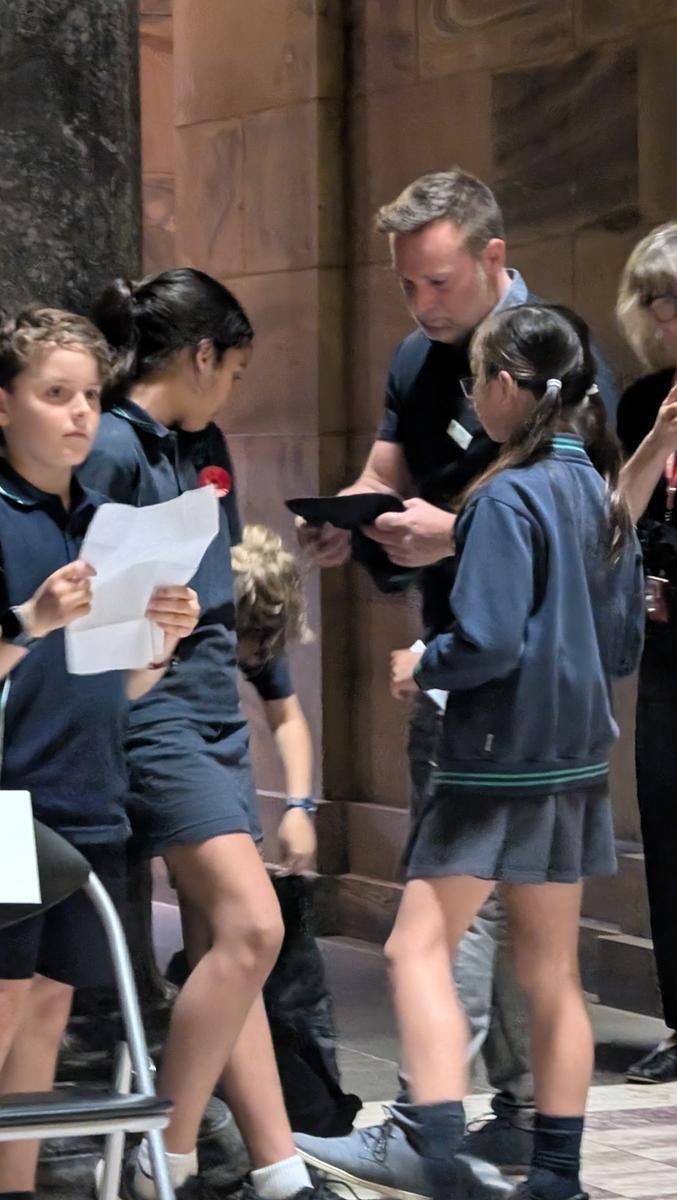
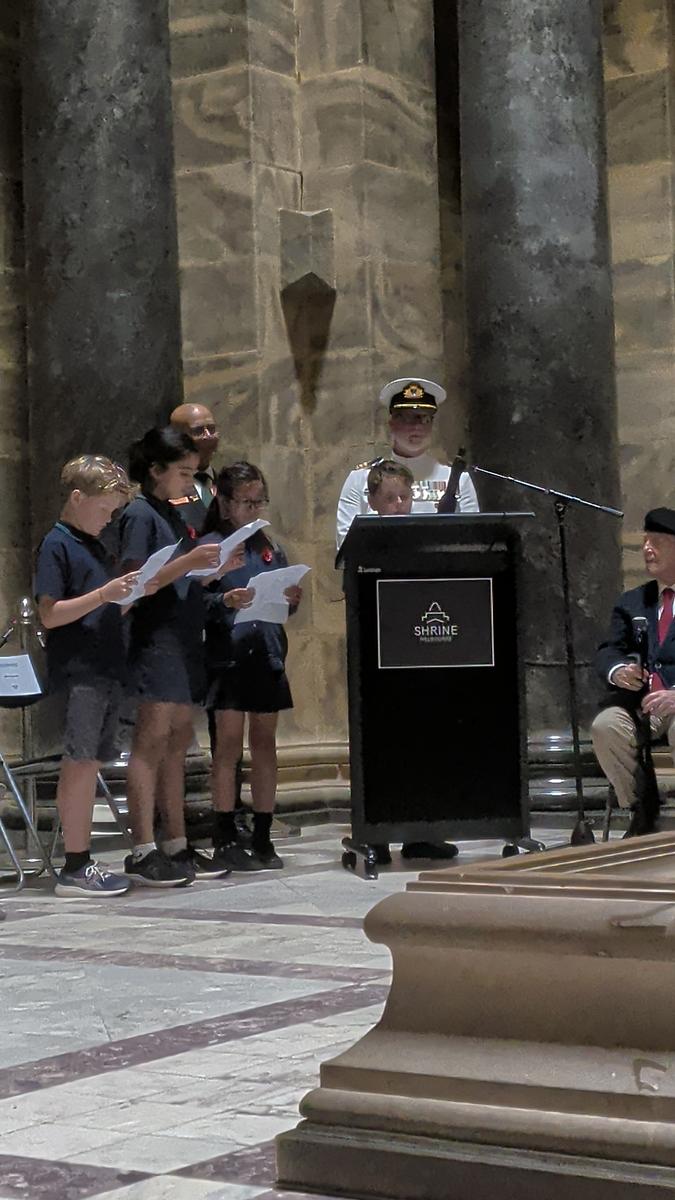
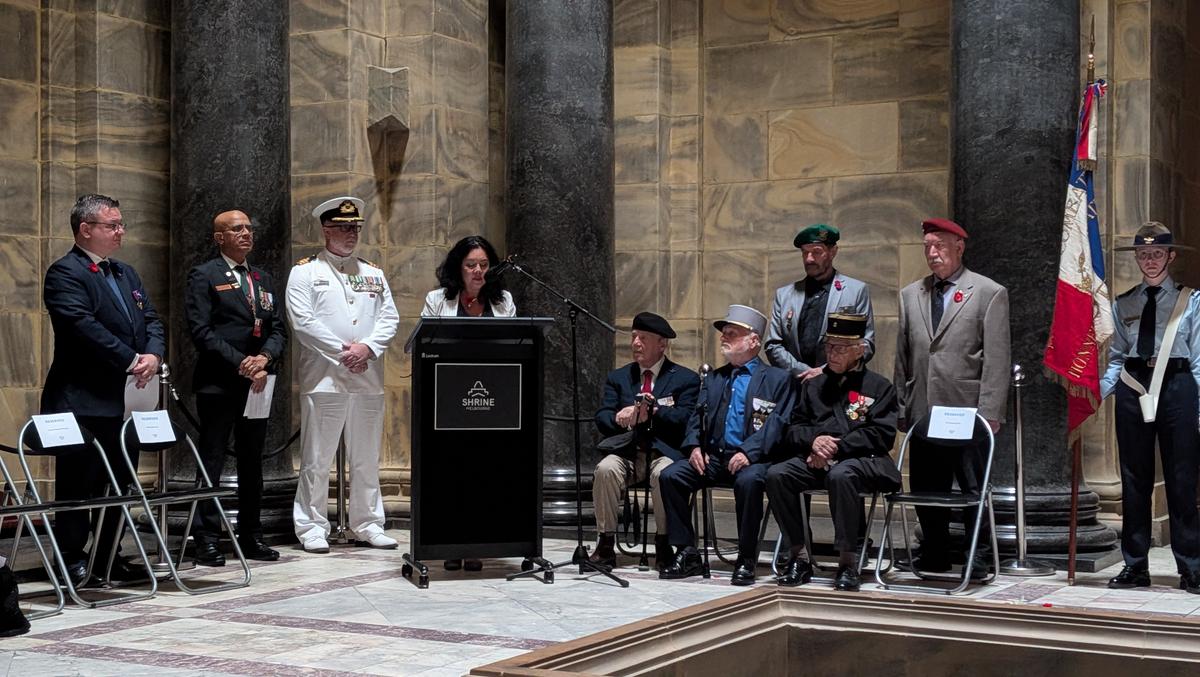
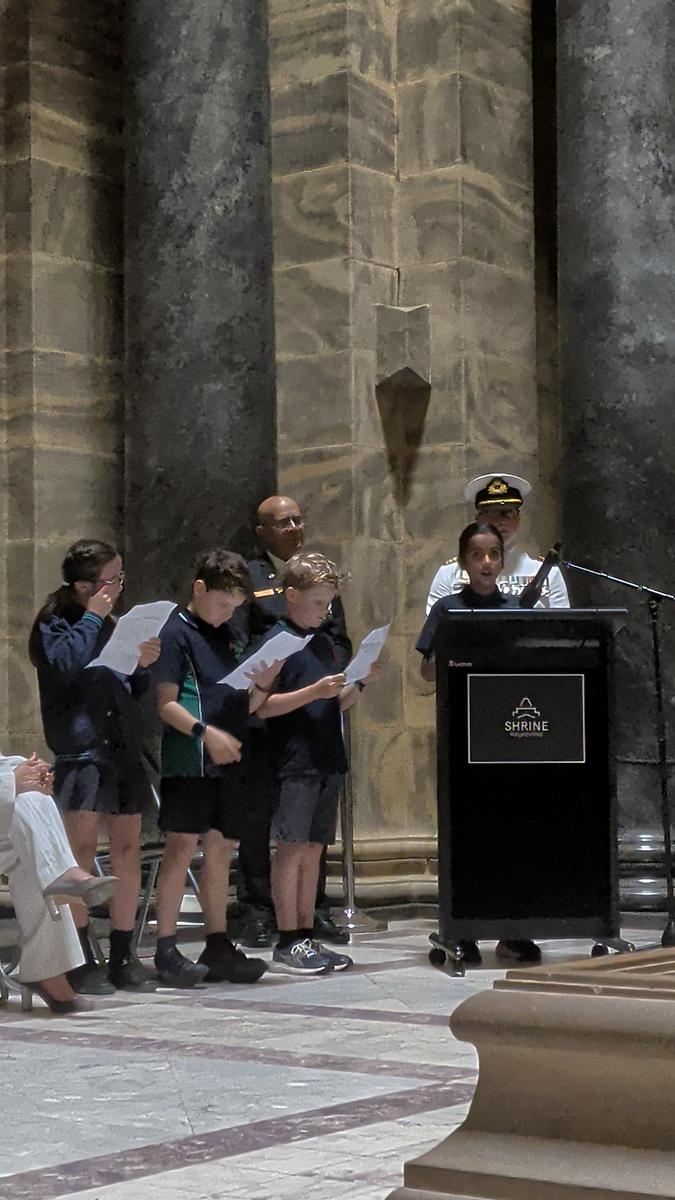
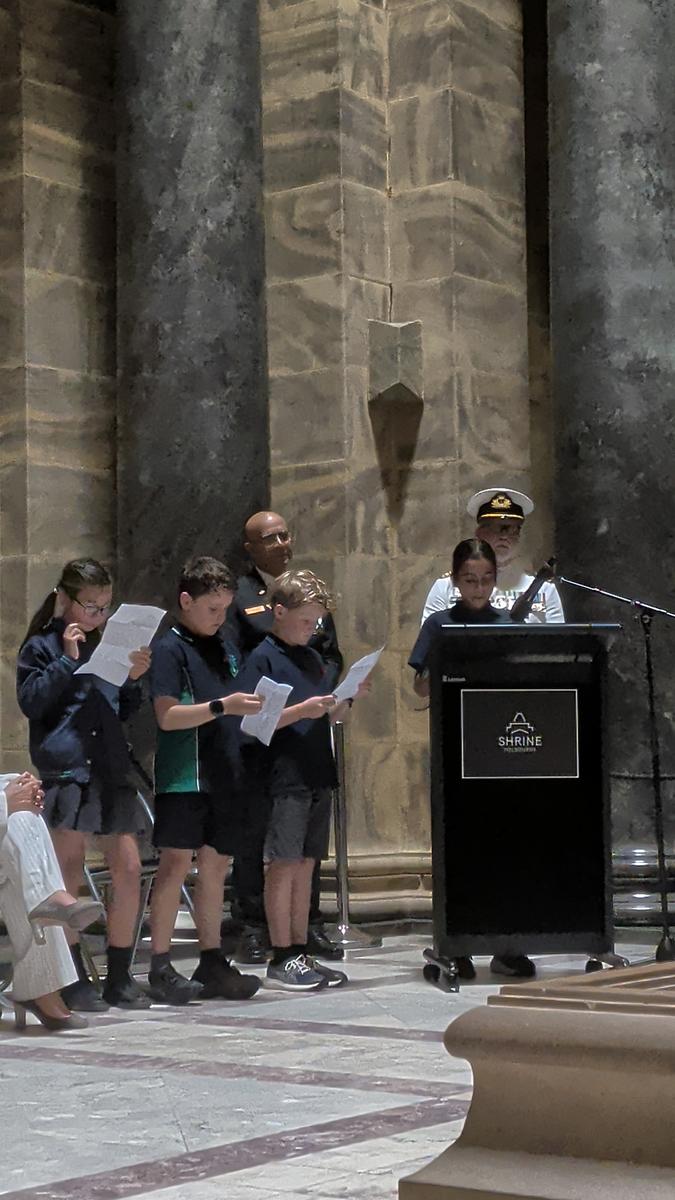
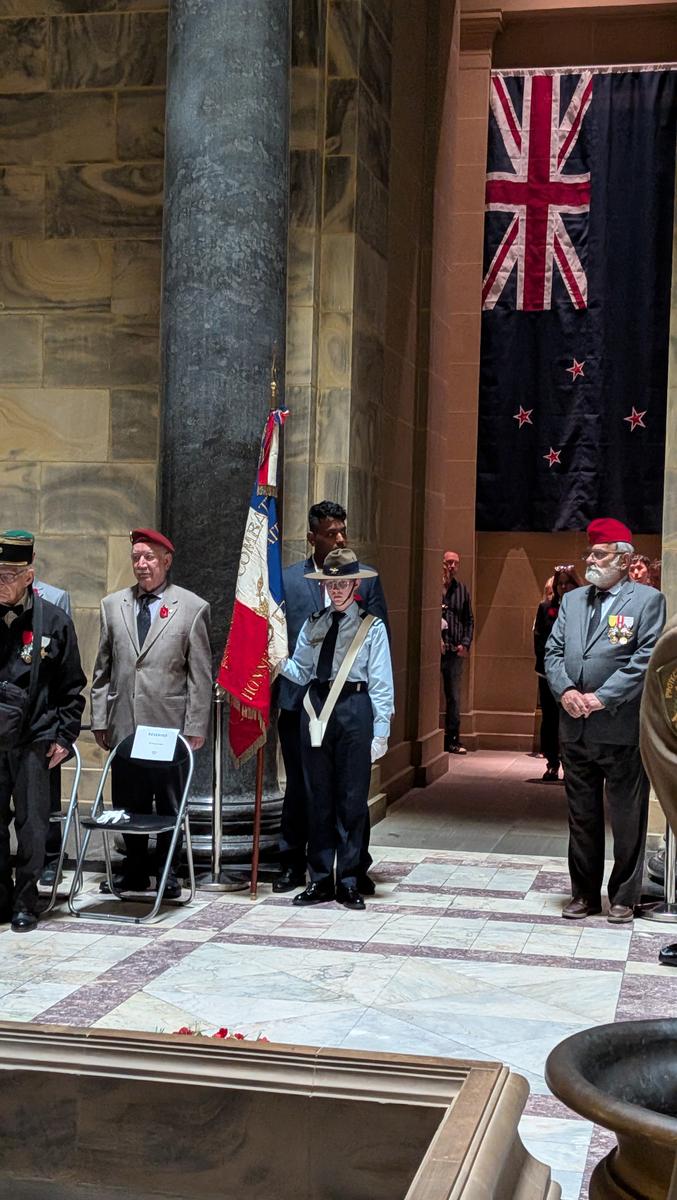
During the ceremony, we read a letter written by Louis Didelot, a French soldier. Students from Camberwell and Auburn were there too. Then a singer sang the national anthems of France and Australia. It was very beautiful and moving, and it gave us goosebumps!
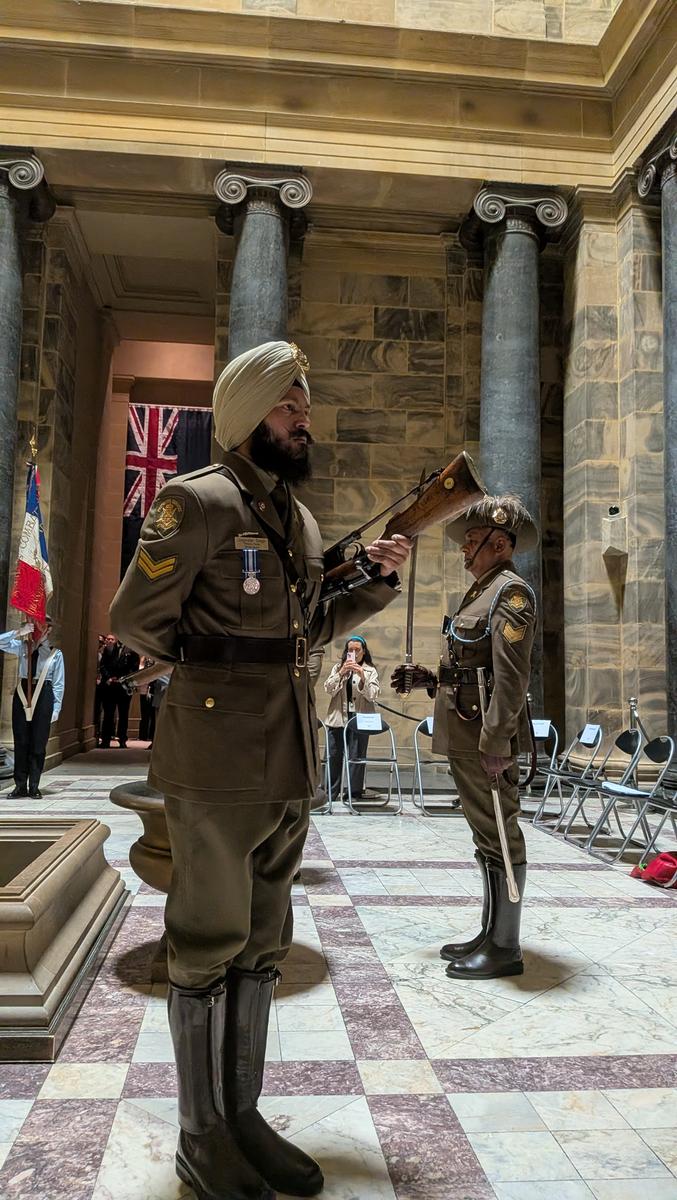
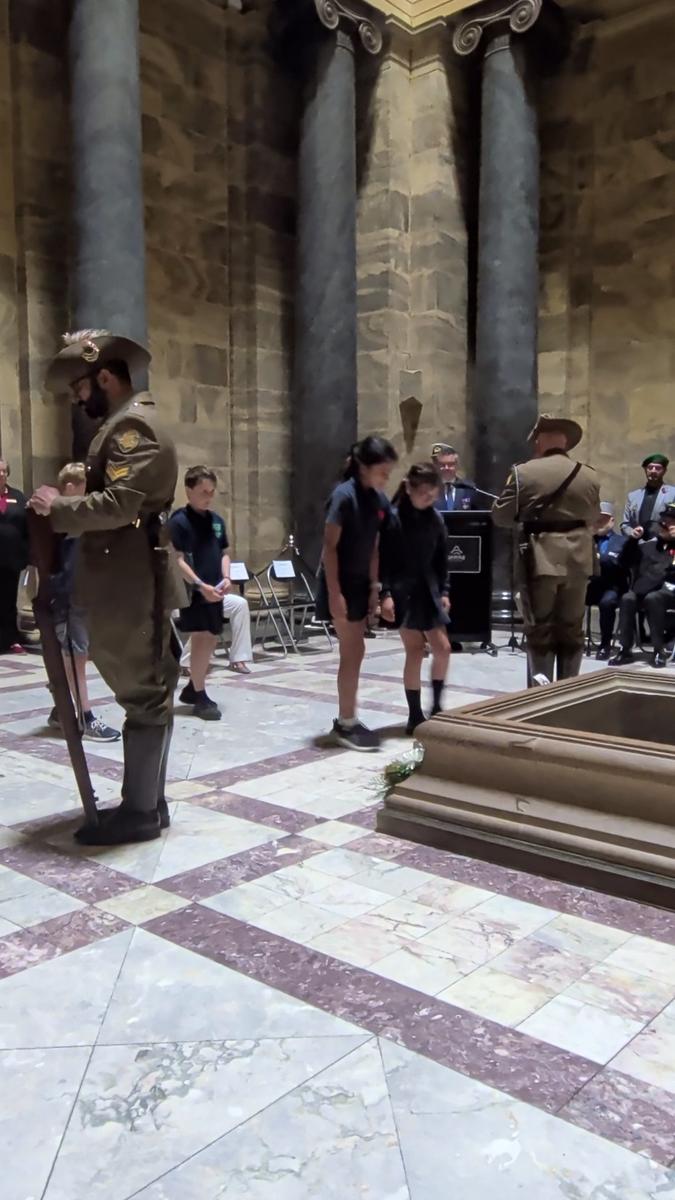
After that, we watched a demonstration by some soldiers. The captain shouted orders, and the soldiers all moved together, very quickly. It was very impressive! At the same time, a musician played the drums super fast!
At the end, we got to talk with some veterans. We asked them: “How many medals do you have?” and “How many battles were you in?”
We loved this day because we got out of school and read a letter in front of everyone. We will remember it for a long time!
Julia R, Camille D, Malo T and Ari L
CJC au monument du Souvenir
Le 11 novembre, nous avons passé la journée au Shrine of Remembrance pour rendre hommage aux soldats. Nous y sommes allés avec Monsieur Prevet et Madame Absous. Pour y aller, nous avons pris le tram.
Pendant la cérémonie, nous avons lu une lettre écrite par Louis Didelot, un soldat français. Des élèves de Camberwell et d’Auburn étaient là aussi. Ensuite, une chanteuse a chanté les hymnes nationaux de la France et de l’Australie. C’était très beau et émouvant, nous en avons eu des frissons !
Après, nous avons assisté à une démonstration de soldats. Le capitaine criait des ordres et les soldats bougeaient tous ensemble, très vite. C’était très impressionnant ! En même temps, un musicien jouait du tambour à toute vitesse !
À la fin, nous avons pu parler avec d’anciens soldats. Nous leur avons demandé : « Combien de médailles avez-vous ? » et « À combien de batailles avez-vous participé ? »
Nous avons adoré cette journée, parce que nous sommes sortis de l’école et que nous avons lu une lettre devant tout le public. Nous nous en souviendrons longtemps !
Julia R, Camille D, Malo T et Ari L