
Devotion
A Term of Symbols - Ways that God makes Himself Known
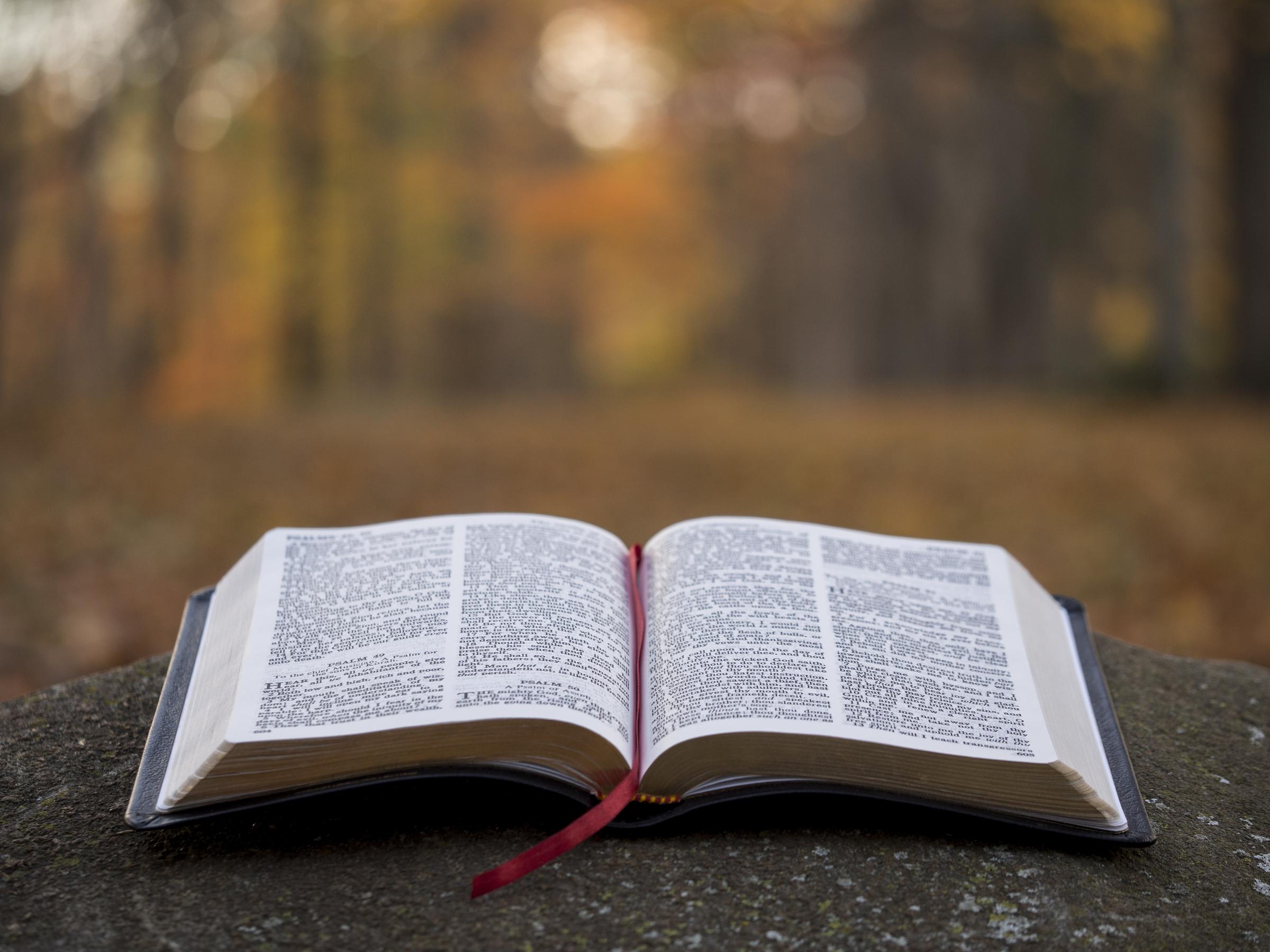
The bible shows us God and who He is. In the Old Testament, as we've been looking at each week in Chapel this term, it gives us hands and rocks, shepherds and rainbows, fire and cloud, so that even the smallest child can grasp something of a God who is beyond all telling. This term we have followed ten of these symbols week by week. Set side by side, they tell a single story about who God is and how He keeps faith with His people.
We began with hands. Through Isaiah (in 49:16), God says of His people, "I have engraved you on the palms of my hands." Before anything else is said about God, we are told that He holds us. The same hands that shaped the world are, in the prophet's image, marked with our names. From that security came the rock. David faced Goliath not because he was strong, but because he stood on ground that could not move.
The shepherd followed. Isaiah 40:11 tells us that God "gathers the lambs in his arms." The God who holds and steadies also tends, and He carries the weakest with particular care. The rainbow then reminded us that this care is bound by promise. After the flood, God set the rainbow in the clouds as a promise that He remembers His covenant even when we are inclined to forget it.
A people who have been held, steadied, tended and promised something will naturally sing. So we came to the music notes and harp, and to King David, who wrote in Psalm 144 of singing a new song to God on the harp. Praise is what faith sounds like when it is glad. Song does not leave us in the dark, however, and the light of Psalm 119:105, a lamp to my feet, showed us that God's Word guides us one step at a time.
Then came the symbols of His nearness and power. The fire in the burning bush taught Moses, and us, that God's presence is holy. It is a fire that burns without consuming, and He calls His servants by name from within it. The water of the Red Sea showed that the same God makes a way where there is none, and that deliverance is His work rather than ours. In the wilderness, manna taught the lesson of daily bread. God provided just enough for each day, so that His people had to learn to trust Him afresh every morning.
Last, we considered the cloud. When Ezekiel was granted his vision, he saw the glory of the Lord shining like a rainbow in the clouds. The rainbow of the flood had returned, now surrounding the throne of God Himself. It is a fitting close to the term, because it shows that the symbols were never separate.
Hands, rock, shepherd, light, fire, water, manna and cloud are ten portraits of one faithful God. He holds us, steadies us, tends us, keeps His promises, guides us, dwells among us, delivers us, feeds us and goes before us.
As the term closes, we might ask which of these symbols we most needed. Some of us needed the rock in an unsteady season, or the light when the way was unclear. Others needed manna, the assurance that daily strength would be given each day. Whichever it was, the God behind the symbol has not changed, and He will meet us in the next term as faithfully as in this one.
Prayer
Faithful God, you have held us in your hands, set our feet upon the rock, and led us as a shepherd leads his flock. For your promises, your light, your presence and your daily provision, we give you thanks. Go before us as the cloud went before your people, and keep us in your care through the holidays and into the term ahead. Amen.
Blessings!
Will Wallace
Principal