Term Four News
Welcome to Term Four!
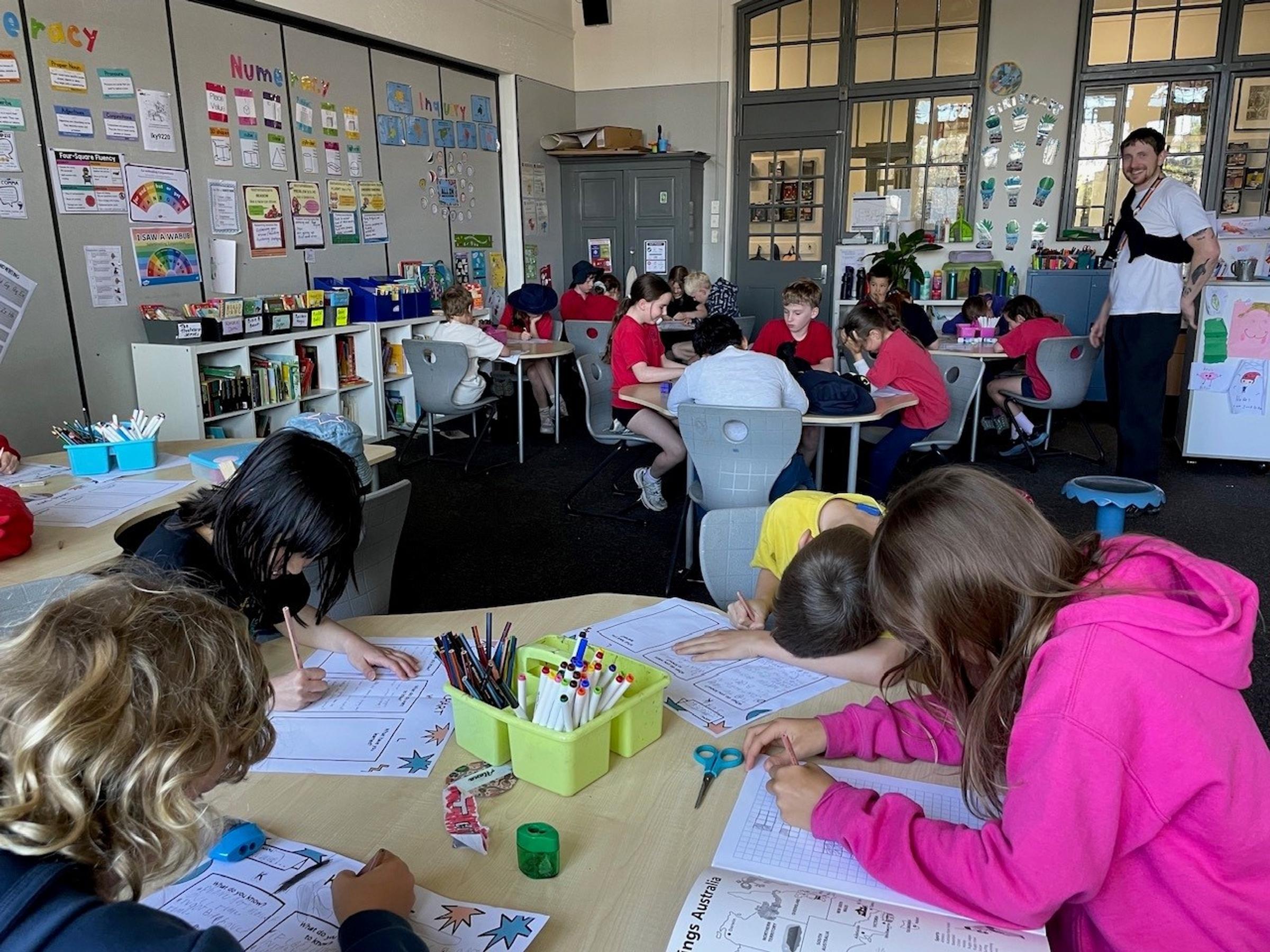
It's hard to believe that we are already in the final term of the year, and officially more than halfway through primary school! This has been a wonderful year so far, from learning about multiplication and division to seeing hundreds of types of marine animals at the aquarium, these three terms have had a bit of everything. The grade 3s have grown so much together this year and have become a confident, curious group of learners, always ready to support one another. As we head into term four, we're excited to see them build on this growth and finish the year with the same enthusiasm they've shown so far.
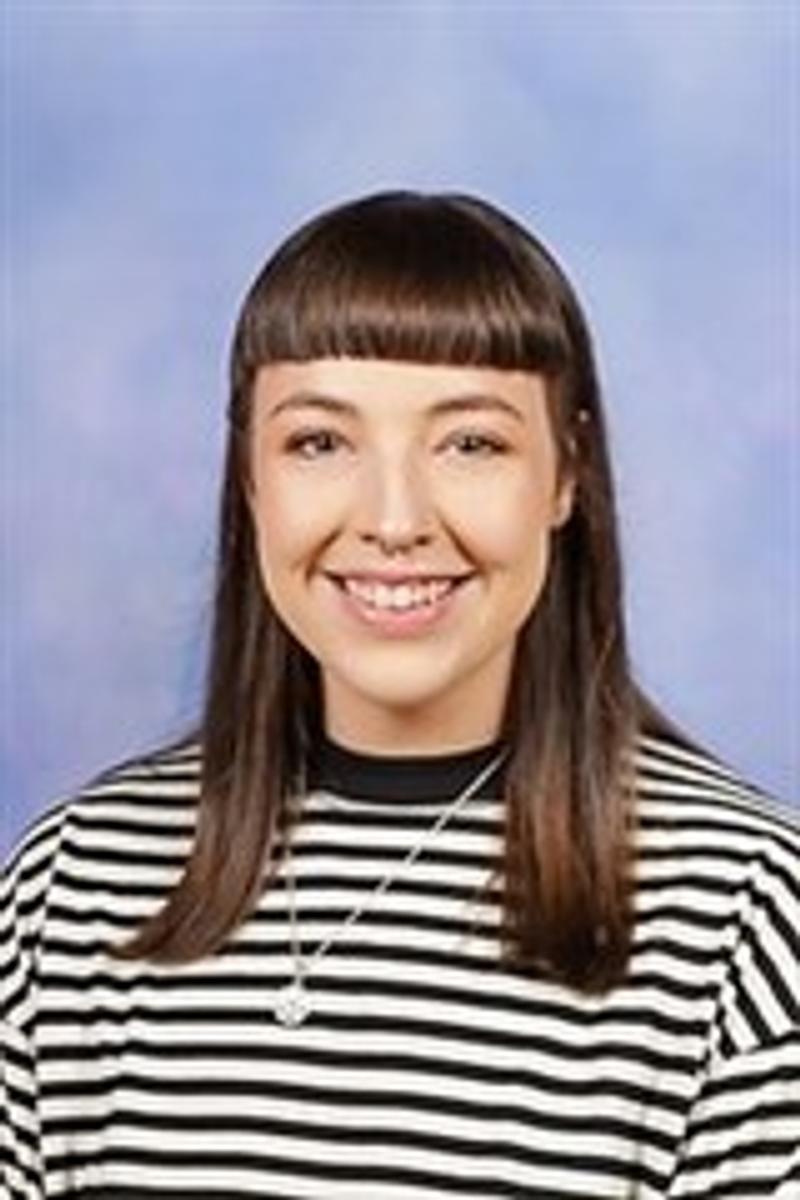
3A - Millie

3B - Jack
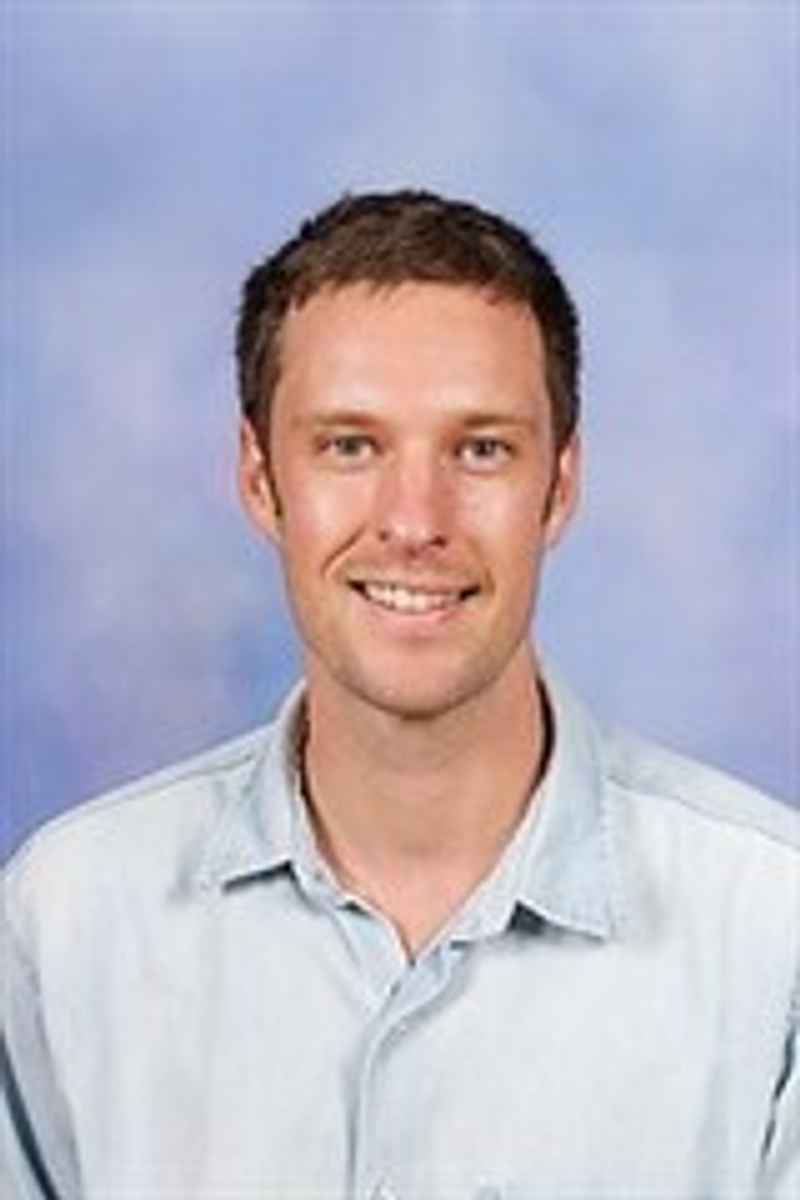
3C - James
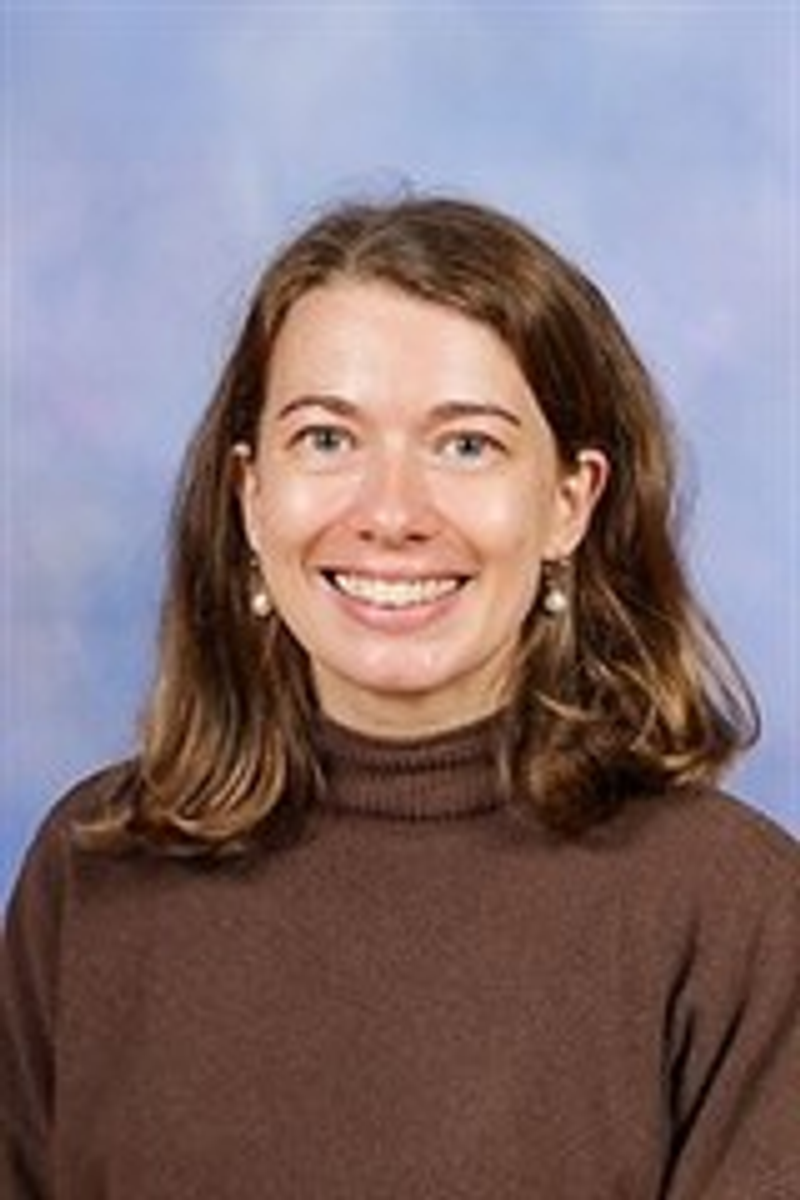
3D - Sophie

3D - Jess
3A - Millie
3B - Jack
3C - James
3D - Sophie
3D - Jess
Literacy
This term we are revising the students’ knowledge of the reading strategies and skills such as; figurative language (e.g. similes; as sly as a fox, metaphors; the snow is a white blanket), point of view (first, second and third person) and sequencing of events.
We will view and listen to a variety of mentor texts, and be given the opportunity to practise these strategies using their independent text. For example, using comprehension strategies such as synthesising, developing facts and opinions, and exploring point of view. The mentor texts we are exploring this term all link to our Inquiry unit on design and technology. We will be exploring engineering, design solutions and the six simple machines. Students will explore a range of fiction and non-fiction mentor texts about engineering solutions, material properties, simple machines (pulley, wheel and axle, screw, lever, wedge and inclined plane), famous inventors and the design process. Mentor texts such as these allow students to have more exposure to the design and technology content, whilst exploring their reading comprehension skills, fluency and vocabulary.
This term, we will also be exploring poetry. We will be looking at the features and structures of poems. We will study; I Am, Shape, Haiku and Colour poems. Our focus will be on entertaining the reader through descriptive and subject-specific vocabulary. Students will also be identifying and using figurative language devices such as simile, metaphor, alliteration, onomatopoeia and personification. We will also explore sequence writing.
How can you support this at home?
- Ask your child to think of rhyming words.
- Read poetry together.
- Discuss different synonyms and antonyms when reading aloud with your child.
- Provide your child with writing materials at home (pencils, pens, paper, notebooks, etc.)
- Encourage the correct use of full stops, capital letters, nouns, verbs and adjectives.
- Listen to your child read aloud each night.
- Model reading aloud to your child.
- Introduce your child to different text types (newspapers, biographies, picture story books, etc.)
- Allow your child to see you read with pleasure to encourage a love of reading.
- After reading a text, ask your child to retell the events.
- Practise selecting 1st, 2nd and 3rd person (point of view) in texts.
Numeracy
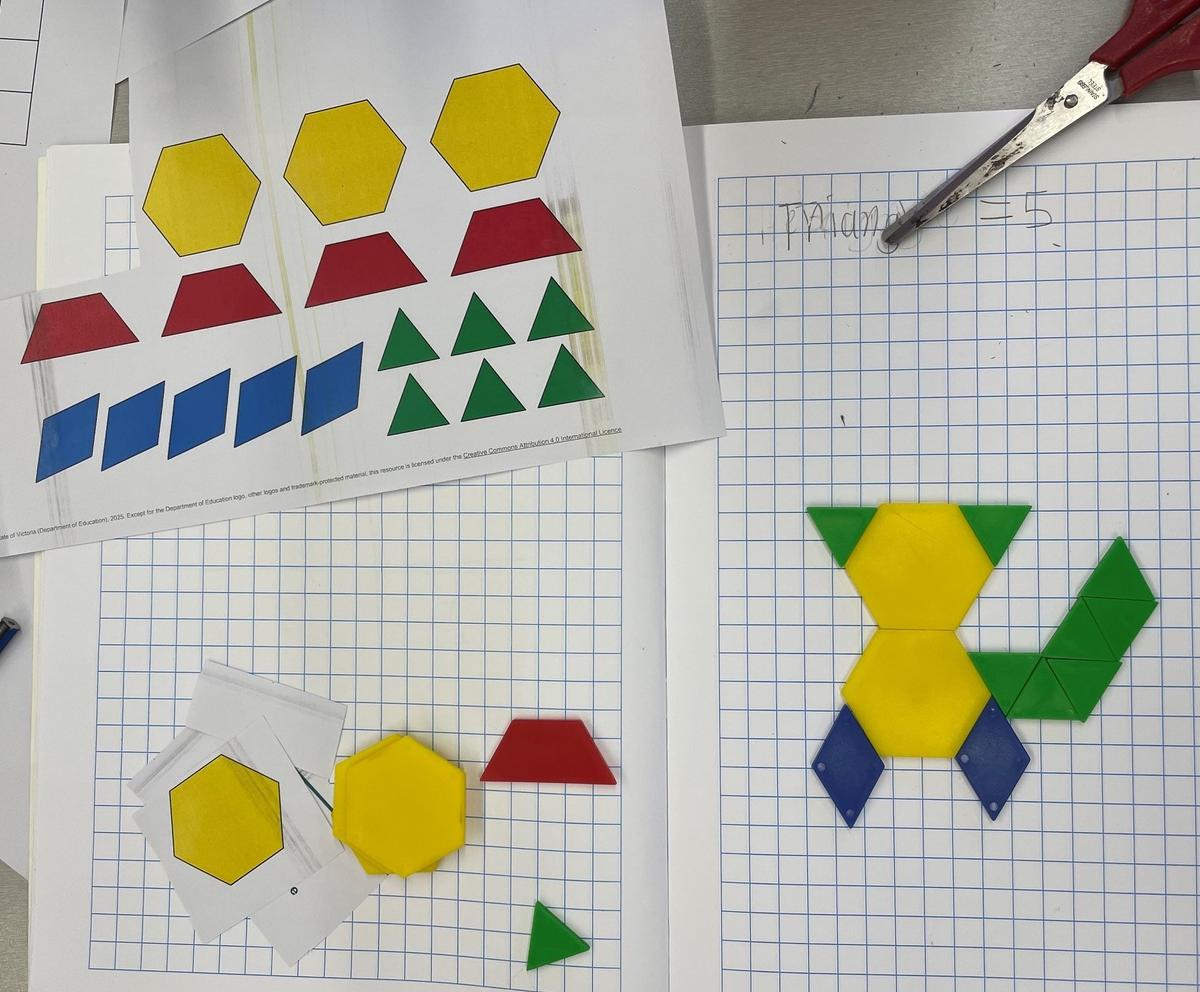
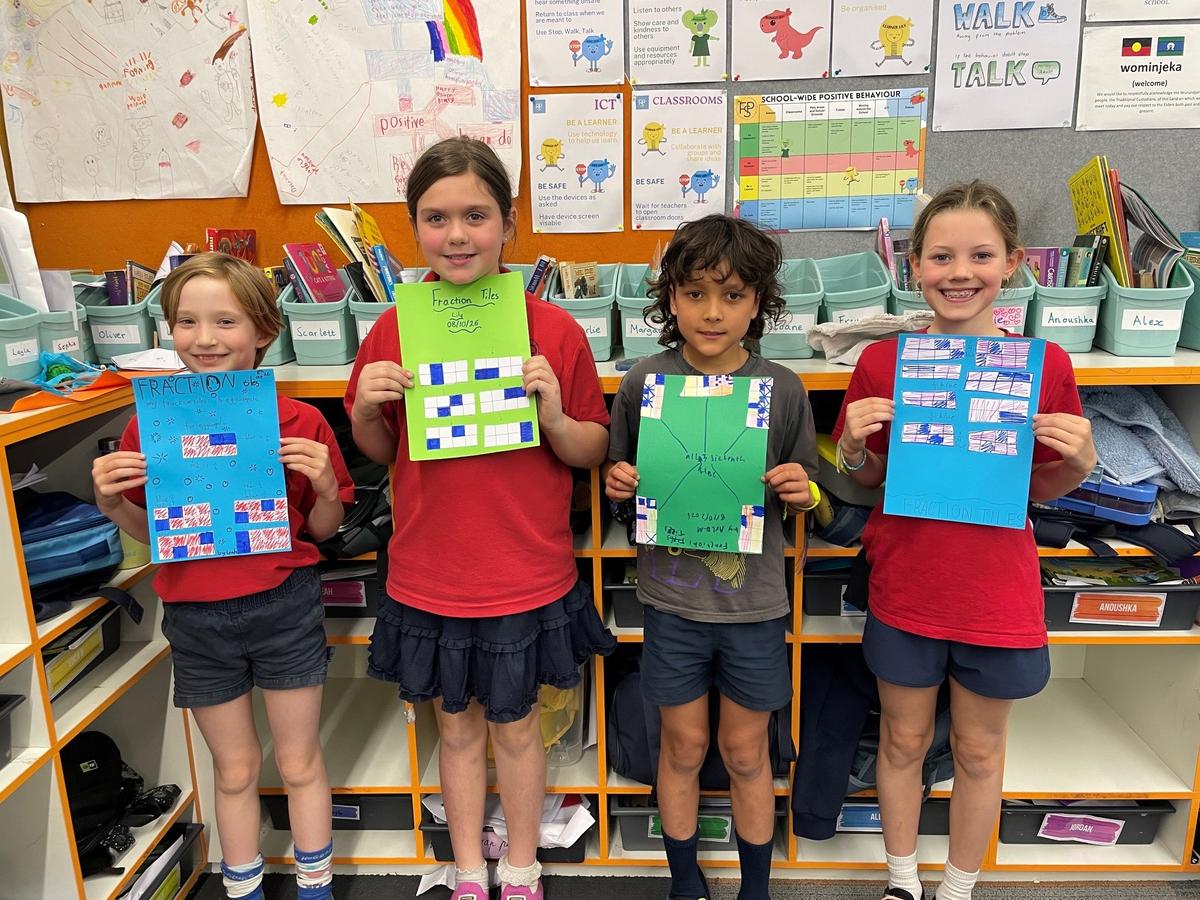
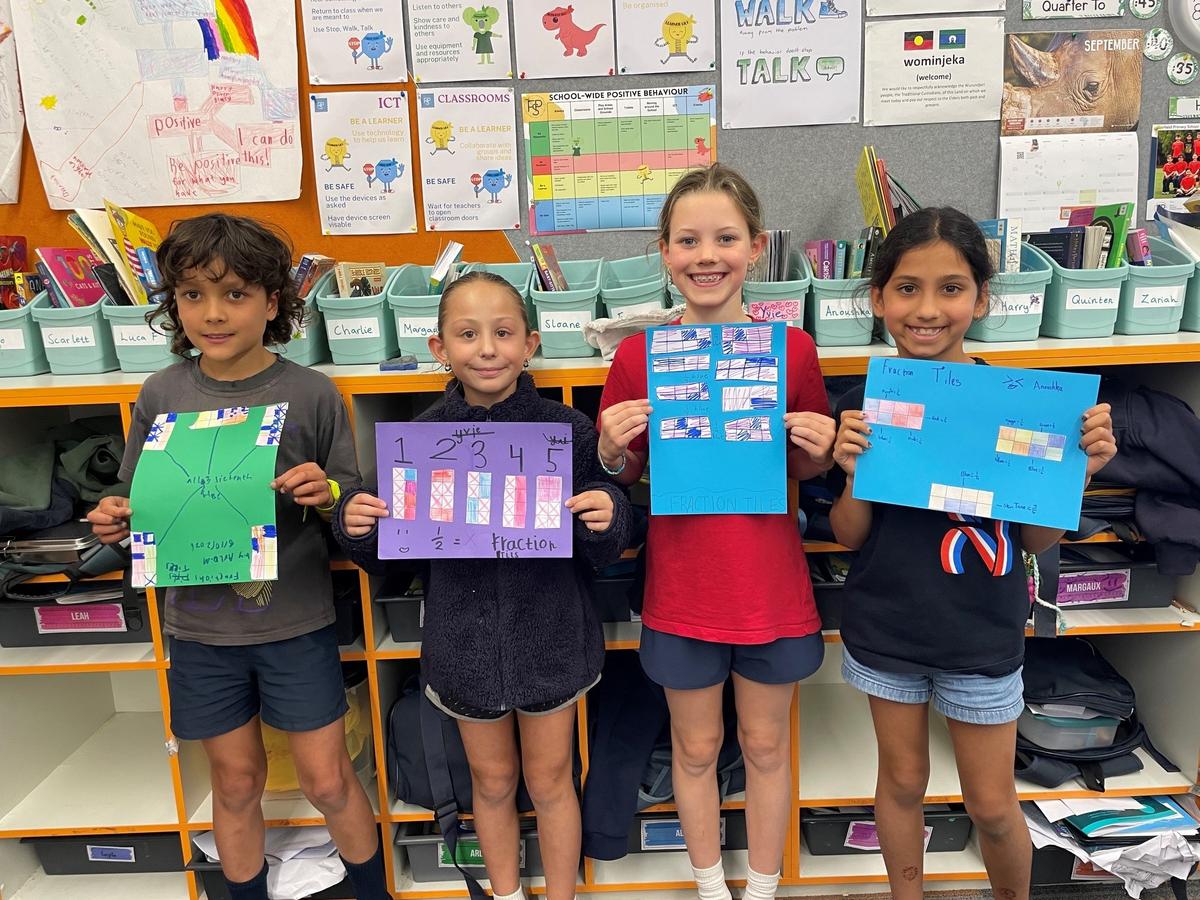
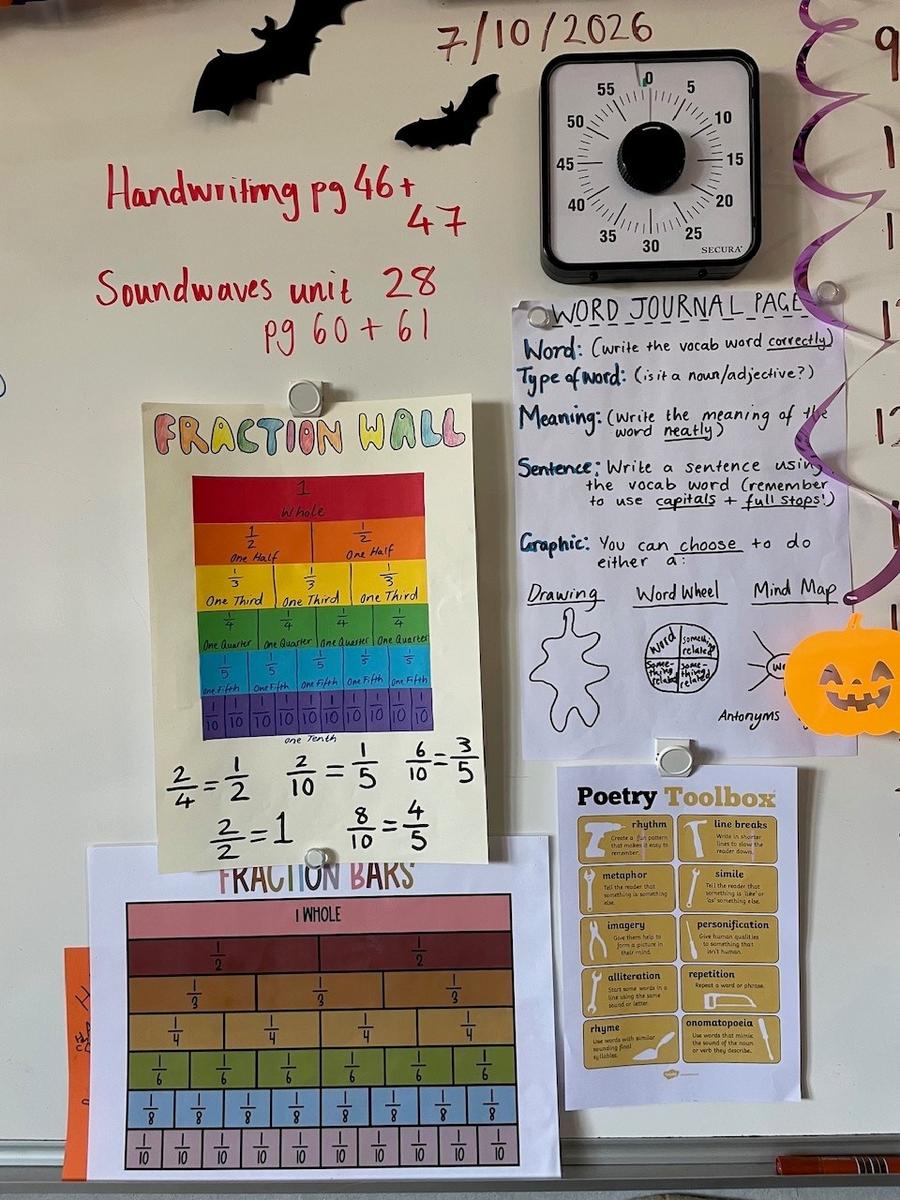
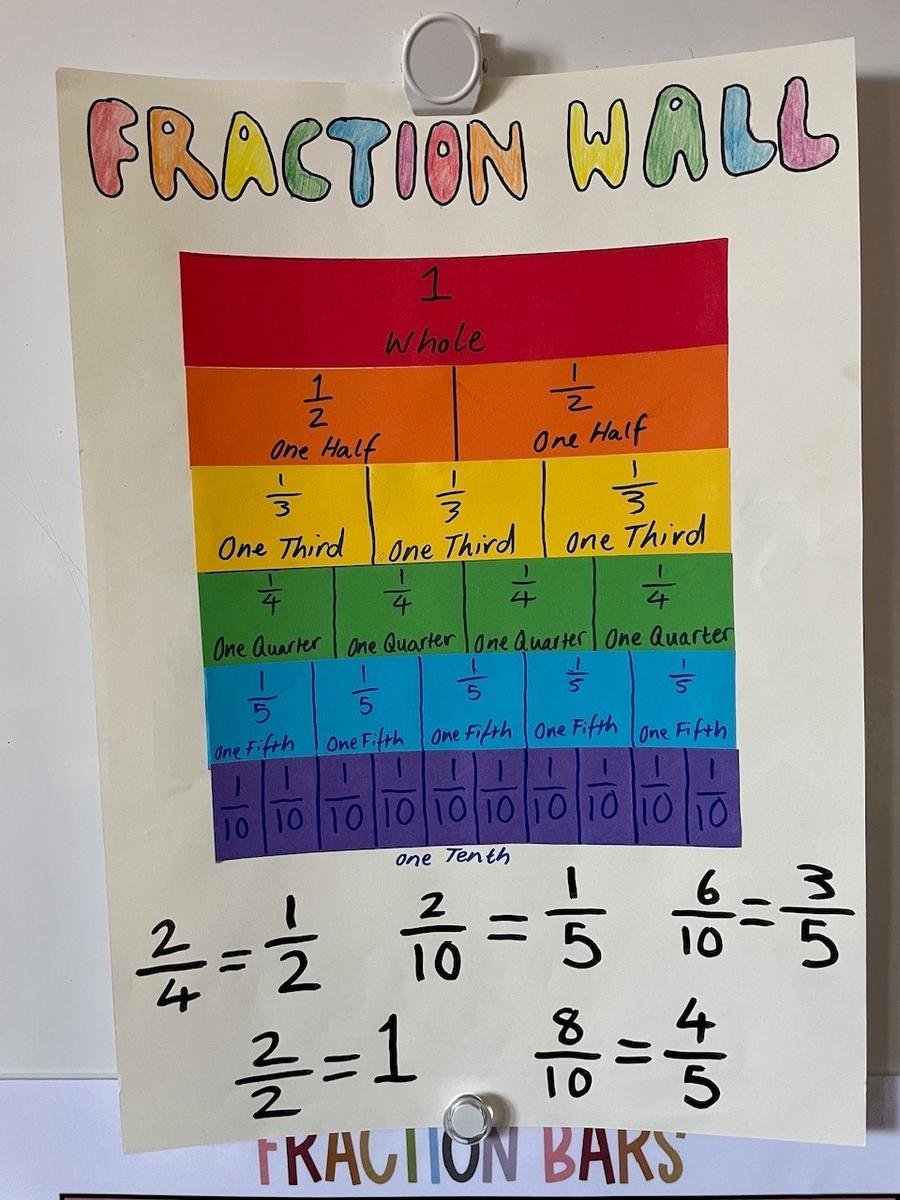
This term, we will be focusing onfractions, money, mass and capacity. We will build on our knowledge of fractions by using concrete materials and everyday objects to explore how a whole can be divided into equal parts. Students will investigate halves, quarters, thirds, fifths and eighths, and develop their understanding of fractions by representing and locating them on a number line. We will discuss how the size of a fraction changes depending on the number of equal parts a whole has been divided into.
Students will also apply their mathematical knowledge to everyday situations involving money. They will recognise and use Australian coins and notes, calculate the total cost of items and work out simple amounts of change. Students will have opportunities to solve practical problems involving purchases and compare different ways of making the same amount.
We will continue to develop students' understanding of measurement by exploring mass and capacity. Students will estimate, compare and measure the mass and capacity of everyday objects and containers, using appropriate units and measuring tools.
How can you support this at home?
- Create opportunities to cook or bake with your child and discuss fractions. For example, ask, 'If we cut the pizza into 8 equal pieces, what fraction is each piece?' or 'How many quarters make a whole?'
- Look for fractions in everyday life, such as sharing food, folding paper into equal parts or dividing objects into groups.
- When shopping, ask your child to add the cost of two or three items and work out how much change they should receive.
- Give your child opportunities to look through supermarket catalogues or junk mail and create simple shopping challenges, such as, 'You have $20. What could you buy?' or 'Can you find two items that cost exactly $10 altogether?'
- Continue to practise multiplication and division facts.
Health & Wellbeing
This term, we will be grappling with important topics such as gender identity, positive gender relations, understanding gender-based violence, and respect in action. In this unit, there will be many discussions to help students identify the difference between sex and gender, and to develop awareness of the ways that gender stereotypes in media and literature can influence gender norms and expectations. Through class discussions, stories, and guided activities, students will build the language and confidence to talk about fairness, respect, and inclusion in their everyday relationships with peers and family.
Students will also explore the physical and emotional changes associated with puberty, age-appropriate understanding of human sexuality, and the importance of consent, including recognising personal boundaries, using respectful language, and understanding the right to say no.
See the following for more information on our Resilience, Rights and Respectful Relationships unit the Talking the Talk program.
Specialist Subjects
Performing Arts
We are applying our knowledge of how to play chords on the ukulele, guitar and keyboard and creating bands. We will begin by playing songs as a whole class, focussing on playing in time with each other. At the end of the term, students will create small group bands, where they choose their own instrument and song to perform to the class.
Physical Education
At the start of each lesson this term we will be warming up using skipping ropes. Students will be challenged to perform basic footwork tricks while skipping such as; bell, skier, straddle, cross. Students will play modified sports to practise their fundamental motor skills, explore game sense skills as well as demonstrate teamwork and fairplay.
Science
Continuing on from last term’s learning covering Earth and Space Science, the students are moving on from the water cycle to focusing on rocks, minerals and soils. They will explore how rocks, minerals and soils are important Earth resources with observable properties that enable them to be used in a variety of ways. Students will conduct many hands-on investigations, examining soils and rocks that can be found locally.
Visual Arts
Our Hero’s Gallery at ART FOR ALL proved to be so inspirational. I hope you had an opportunity to see your artist’s work proudly exhibited beside Vincent Namatjira’s.
This term students will continue to work with textile art, creating a fibre board consisting of knots, plaits, finger knitting, weaving, and wrapping. They will extend their understandings of clay, moulding pinch pots with coils and featuring an Australian animal.
French
Students will be creating a comic using the character (personnage) they designed last term. They will revisit and consolidate familiar vocabulary through French stories and use these words to develop their own comic. This project will support students in building their reading comprehension, vocabulary recognition and confidence in using French in a creative context.
We look forward to a wonderful term of learning!
Millie, Jack, James, Sophie, Jess & the Specialist Teachers