Staying Safe Online


















Donvale Primary School
Facebook
Technology is a wonderful way for children to learn, connect and be creative, but it also comes with responsibilities. Helping children develop safe and respectful online habits is an important part of keeping them protected in today's digital world.
How safe are the games our children play?
For many children, online games are places to play, create and connect with friends. But the safety features behind those games aren't always easy for parents to understand.
In a new report, Australia's eSafety Commissioner examined measures used by Roblox, Fortnite, Minecraft and Steam to help protect people from serious online harms.
The takeaway? While some platforms have made positive changes, approaches to preventing exposure to serious harm remain inconsistent.
If gaming is part of life in your home, this is a useful prompt to ask what your child plays, who they interact with and which privacy and safety settings are switched on.
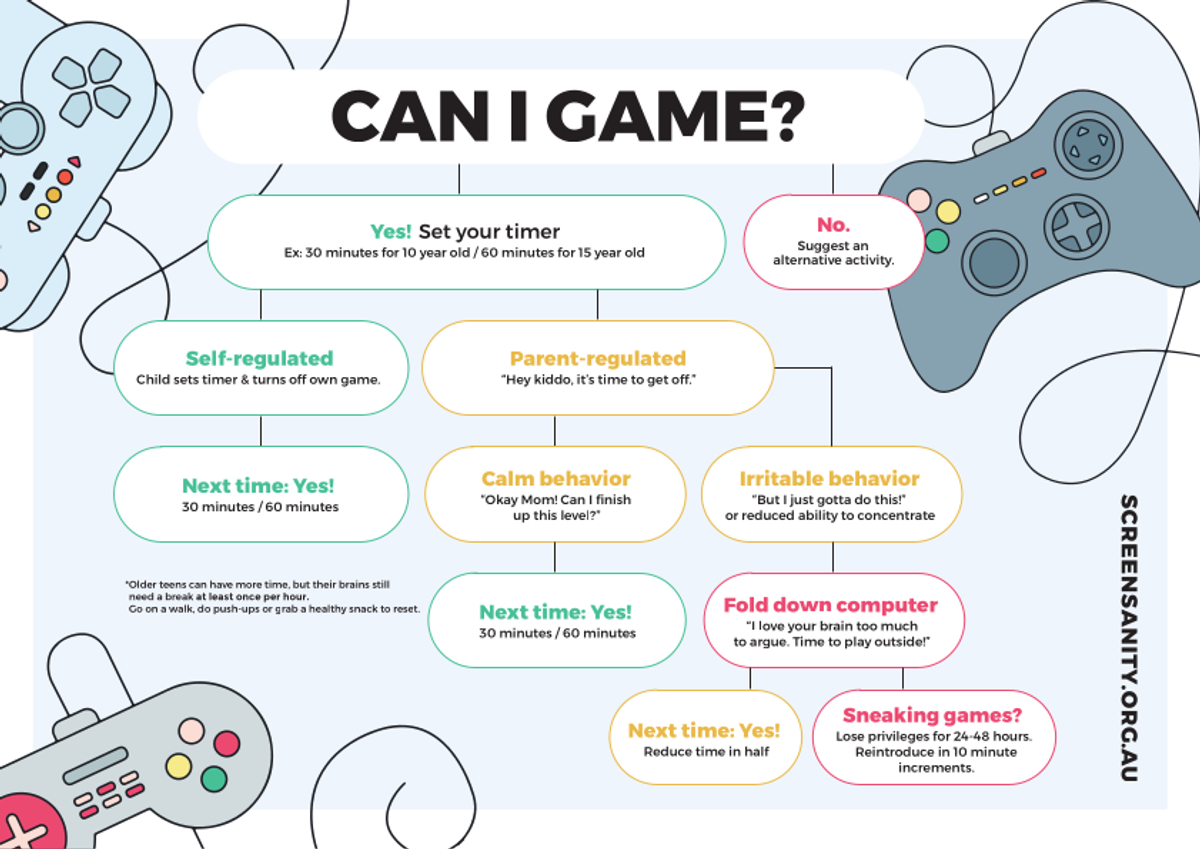
Tips for using this tool:
- The magic number of minutes is going to vary from family to family, and it can also be affected by the size of the screen, the intensity of the game, the socialisation of the game, the age of your child, and any special needs your child might have. (We’ve penciled in some examples in case it is helpful.)
- The best way to determine a healthy amount of minutes for your child is to notice their behaviour at the finish line — and adjust accordingly next time they play.
- Hint: Print the full download out to help them understand this concept, and hang it near the gaming station as a reminder of what you are striving for!
Simple ways to support your child online:
- Keep communication open. Regularly ask your child about the games they play, the apps they use and who they interact with online.
- Set clear family expectations. Agree on screen time limits, suitable apps and where devices can be used in the home.
- Use privacy settings. Check that games, apps and social media accounts have appropriate privacy and safety settings enabled.
- Remind children never to share personal information, such as their full name, address, school, passwords or location.
- Encourage children to speak up. If something online makes them feel uncomfortable, worried or unsafe, reassure them they can always tell a trusted adult.
- Lead by example. Model respectful online behaviour and healthy screen habits as a family.
Remember, online safety isn't about knowing every app or game—it's about building trust so children feel confident asking for help when they need it.
Helpful Resources for Families
- eSafety Commissioner – Australia's leading source of advice on keeping children safe online.
- Raising Children Network – Screen Time & Digital Technology – Practical, age-appropriate advice for families.
- Common Sense Media – Reviews of apps, games and movies, plus digital parenting guides.
- Alannah and Madeline Foundation - Resources to support Australian families to build essential digital skills to develop a generation of safe and strong digital citizens who are capable and compassionate.