School Chaplain's Message
Assalaamu Alaykum WRWB,
The Significance of Hajj and Qurban in Islam
In the name of Allah, the Most Merciful, the Most Compassionate.
Hajj is one of the greatest acts of worship in Islam and one of the Five Pillars upon which Islam is built. Every Muslim who is physically and financially able is required to perform Hajj at least once in their lifetime. Each year, millions of Muslims from all around the world gather in the blessed city of Mecca to answer the call of Allahﷻ and perform this sacred journey.
Hajj is not merely a physical journey; it is a spiritual transformation. Muslims leave behind their daily lives, wealth, status, and worldly differences, wearing simple white garments known as Ihram. This symbolises equality, humility, and unity before Allah ﷻ. During Hajj, Muslims perform acts of worship such as Tawaf around the Kaaba, walking between Safa and Marwah, standing at Arafah, and spending time in Mina and Muzdalifah. These rituals remind believers of the obedience, patience, and sacrifice shown by the Prophets Ibrahim (AS), Ismail (AS), and Muhammad (SAW).
One of the most important lessons of Hajj is submission to Allahﷻ. Pilgrims learn patience, self-control, sincerity, and gratitude. Hajj also strengthens the brotherhood and sisterhood of Islam, as Muslims from every race, language, and nationality worship together as one Ummah. The Prophet Muhammad (SAW) said that an accepted Hajj removes sins and brings a believer back as pure as the day they were born.
Qurban, also known as Udhiya, is another important act of worship connected to the days of Hajj and Eid al-Adha. Qurban commemorates the great sacrifice and obedience of Prophet Ibrahim (AS), who was willing to sacrifice his beloved son Ismail (AS) for the sake of Allahﷻ. Before the sacrifice took place, Allahﷻ replaced Ismail with a ram, showing that true faith is demonstrated through obedience and trust in Allahﷻ.
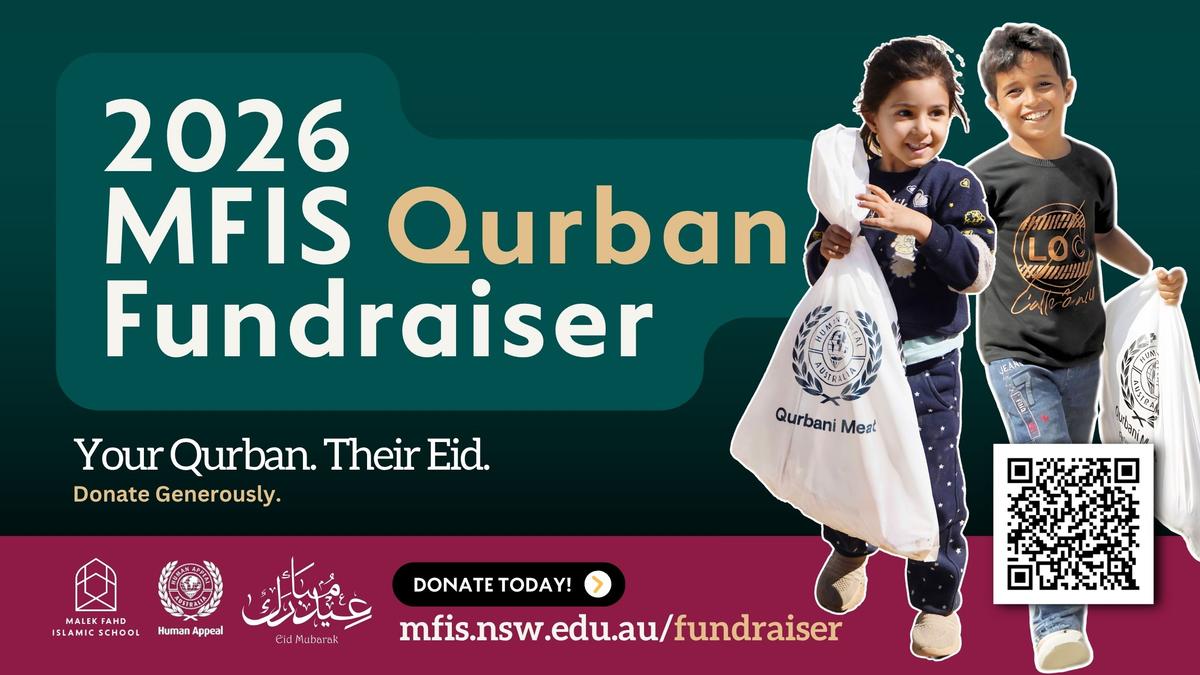
During Eid al-Adha, Muslims who are financially able sacrifice an animal such as a sheep, goat, cow, or camel. The meat is then shared among family, friends, and the poor and needy. Qurban teaches Muslims the values of generosity, compassion, sacrifice, and caring for others in the community. It reminds believers that everything they possess is a blessing from Allahﷻ and should be used in ways that please Him.
The significance of Qurban is not only in the slaughtering of the animal, but in the sincerity and piety behind the act. Allahﷻ says in the Qur’an that neither the meat nor the blood reaches Him, but rather the righteousness and devotion of the believer. Through Qurban, Muslims strengthen their connection with Allahﷻ and help spread happiness to those who may be struggling or less fortunate.
In conclusion, both Hajj and Qurban hold deep spiritual significance in Islam. They teach Muslims about faith, sacrifice, obedience, unity, and compassion. These acts of worship strengthen the relationship between the servant and Allahﷻ while also encouraging kindness, humility, and care for humanity. May Allahﷻ accept the Hajj and Qurban of all Muslims and guide us to live according to the beautiful teachings of Islam. Ameen.
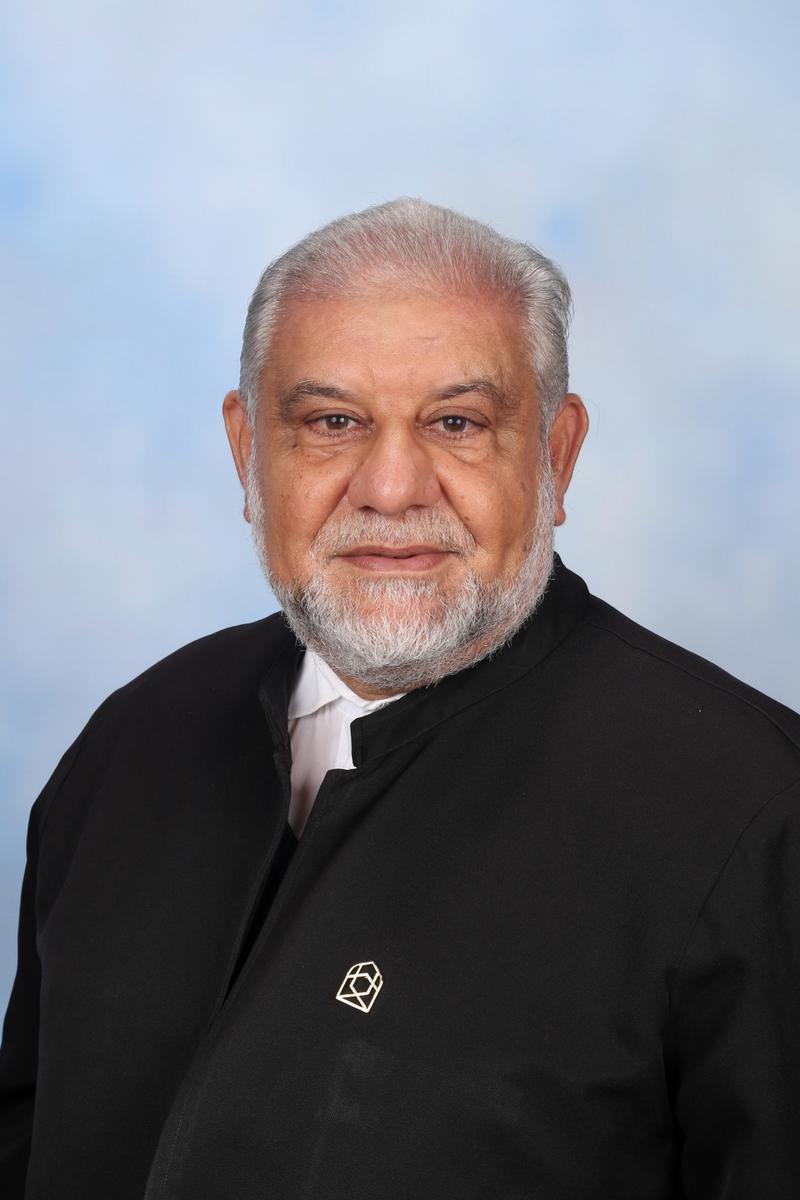
Sheikh Fawaz Kamaz, School Chaplain