Student Wellbeing

Children's Voices on Wellbeing
Children know a great deal about what contributes to their wellbeing, but may be less able to communicate their thoughts and feelings verbally.
When we are trying to improve the health and wellbeing of children and young people it is important to begin from a shared understanding, grounded in evidence and including children’s voices. One important aspect of children’s voice is to understand the meaning of mental health and wellbeing for the children whose wellbeing we are supporting. Wellbeing for students is usually understood as a multidimensional concept involving a student's emotional, mental, physical and social health, and includes how the student thinks and feels about themselves and their life generally.
Research into the perspectives of over 600 primary and secondary school students across Australia to explore their understanding of 'wellbeing' and the most effective ways to support it (Powell et al., 2018), found that students conceptualised wellbeing through three interconnected domains of 'being', 'having' and 'doing':
- Being - Feeling good about oneself, being healthy, and having positive emotions.
- Having - Access to supportive relationships, resources, and a safe environment.
Doing - Engaging in meaningful activities, learning, and having opportunities to participate.
The importance of relationships, including positive teacher-student relationships was seen as critical, as well as a safe and inclusive school environment where students are actively involved in decisions about their wellbeing.
- Observe young children’s behaviour.
- Explore wellbeing in play, for example: Give children time to play. Children record and recall their play experiences – stories, photos and drawings
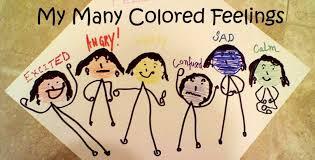
- Combine drawing and chatting with children about what makes them feel good
- Photo-tours: Children take photos of their wellbeing places where they feel good or safe
- Develop a survey with pictures for young children to find out how they are feeling
- Co-create empowering environments for active participation.