STUDENT WELLBEING NEWSLETTER










 Plenty Parklands Primary School


Hello from Mrs Loverso!
Building children’s resilience has been a focus of our school wellbeing program since it’s inception. Resilient children have better mental health outcomes and can navigate life’s tricky situations with more ease than those who lack resilience.
There are a range of factors that impact a child’s resilience. These include the quality of the relationships the child has, emotional regulation skills, problem solving strategies, stable and supportive environments, help seeking behaviours and their previous experience with challenges and adversity.
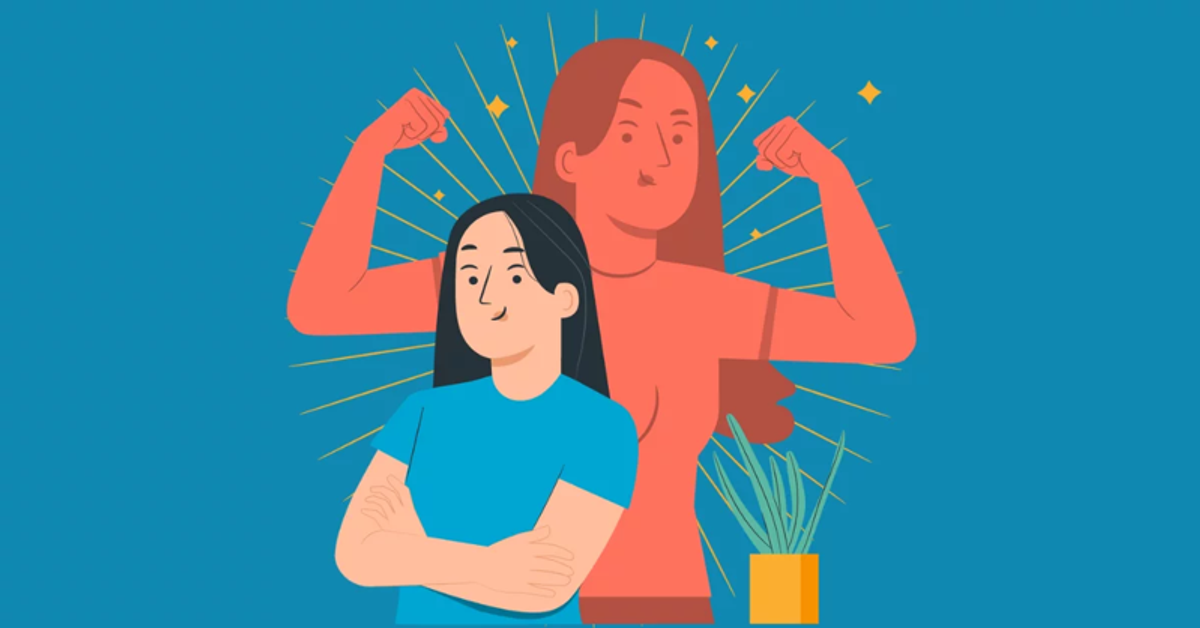
So what can we do to help build the resilience of children? There is strong evidence to suggest that resilience is not simply a personality trait that some people are born with. It is something we can develop through relationships, experiences and skills.
Build at least one supportive relationship
This is probably the single most important protective factor identified in resilience research.
Children cope better with adversity when they have at least one adult who is reliably there for them — a parent, teacher, coach, grandparent, counsellor, etc. That relationship helps children feel safe, valued and supported when things go wrong.
Teach kids that problems can be solved
Resilient children are not children who are never challenged, they are children who become better at thinking, “this is difficult, what can I do about it?”
Rather than immediately fixing problems for our children, adults can ask them:
- What is the problem
- What are some things you could try here?
- What might happen if you try that?
- What’s the first small step you could take?
Develop emotional regulation and coping skills
Like discussed in our last wellbeing newsletter, emotional regulation tools are another excellent strategy for building resilience. Think breathing strategies, mindfulness, physical activity and positive self talk.
Give kids opportunities to experience manageable problems
Psychologists don't recommend removing all difficulty and discomfort from children's lives. Children actually need opportunities to experience manageable challenges and discover:
"That was hard, but I managed it."
Harvard's Center on the Developing Child describes learning to cope with manageable threats or "positive stress" as an important part of developing resilience.
So instead of always rescuing children from frustration:
Instead of:"I'll do it for you."
Try:"This is tricky. Let's work out what you could try."
The key is manageable challenge + supportive adult, rather than overwhelming stress
Build self efficacy- “I can do hard things!”
Children become more resilient when they develop a sense that their actions can make a difference. This is called self-efficacy.
Adults (teachers and coaches in particular) can deliberately create opportunities for students to experience:
Challenge → effort → progress → success
For example:
"You couldn't do that last week. What did you change that helped you do it today?"
This is much more powerful than simply telling children:
"You're really smart."
We are focusing our guidance and praise on the strategies, attitude and progress towards solving problems, rather than the outcome specifically.
Build belonging and friendships
Australian research suggests that relationships with peers, feeling connected to school, participating in sport, music, clubs and other meaningful activities can provide important development in resilience.
Things like team sports and clubs, friendship building opportunities, extra curricular activities, social activities and play dates can all lead to a broader resilience network.
Help seeking behaviours
The ability to recognise when you need help and seek it from others is itself a resilience skill. The Australian Institute of Family Studies identifies the ability to receive help and social competence is really important in resilience and wellbeing.
Children can explicitly learn:
"When I'm struggling, I can…"
- Try something myself.
- Try another strategy.
- Talk to a trusted person.
- Ask for help.
In fact, we teach these concepts explicitly in our Respectful Relationships and wellbeing programs.
Sources:
Australian Institute of Family Studies
https://aifs.gov.au/resources/policy-and-practice-papers/building-resilience-children-and-young-people?utm_source=chatgpt.com
Harvard, A Guide to Resilience
https://developingchild.harvard.edu/resource-guides/guide-resilience/?utm_source=chatgpt.com
https://developingchild.harvard.edu/resources/report/three-principles-to-improve-outcomes-for-children-and-families/?utm_source=chatgpt.com