Engagement & Wellbeing Page
Kellie Hewson, Gill Hodgson & Melissa Lonergan
(Mental Health & Wellbeing and Disability & Inclusion Leaders)







 Surfside Primary School
Engagement & Wellbeing Page
Kellie Hewson, Gill Hodgson & Melissa Lonergan
(Mental Health & Wellbeing and Disability & Inclusion Leaders)
Moving to a new year level is exciting, but it can also bring uncertainty and worry for some children. As a parent or carer, your support can make a significant difference in helping your child feel confident, connected, and ready for the year ahead.
Start conversations before the new school year begins. Ask your child what they are looking forward to and whether they have any worries or questions. Open, positive conversations help children feel heard and supported.
Let your child know it's okay to feel excited, nervous, worried, and curious all at the same time. These feelings are a normal part of change and growth.
Remind your child of challenges they have successfully managed before. Confidence grows when children recognise their achievements and understand that they can overcome new challenges.
Encourage your child to practise skills such as packing their school bag, organising belongings, following routines, and asking for help when needed. Developing independence helps children feel more prepared and capable.
Help your child learn ways to manage worries and uncertainty. Strategies such as deep breathing, positive self-talk, mindfulness, physical activity, and talking to a trusted adult can support emotional wellbeing.
Friendships are often a major concern during times of transition. Encourage kindness, inclusion, and opportunities to connect with peers. Reassure your child that friendships can continue and new friendships can be made.
If possible, visit the school, look at classroom photos, discuss routines, or talk about what a typical school day might look like. Familiarity can help reduce anxiety and build confidence.
Regular sleep, healthy meals, physical activity, and predictable routines help children feel secure and better equipped to cope with change.
Stay connected with teachers and school staff, especially if your child experiences anxiety, has additional needs, or has found transitions challenging in the past. A collaborative approach helps ensure appropriate supports are in place.
Adjusting to a new year level takes time. Celebrate small successes such as making a new friend, learning a new routine, showing persistence, or asking for help when needed. Recognising effort builds resilience and confidence.
□ Talk positively about the new year level
□ Listen to your child's questions and concerns
□ Practise routines and independence skills
□ Encourage friendships and social connections
□ Teach coping and calming strategies
□ Maintain consistent home routines
□ Become familiar with the new environment
□ Communicate with school staff when needed
□ Offer reassurance and encouragement
□ Celebrate every step forward
Remember: Children do not need to feel completely confident before a transition. They simply need to know they have caring adults who believe in them, support them, and will help them navigate change. With encouragement, preparation, and patience, most children transition successfully and thrive in their new year level. 🌱✨
During the last weeks of school (Tuesday 2nd and Tuesday 9th Dec) students will participate in structured transition activities to help them get to know new spaces, routines and teachers. These experiences are designed to reduce worry and give children a sense of familiarity before the new year begins.
Students will not find out their class groupings, teachers or classroom location for 2027 until the second transition day on Tuesday the 9th December.
We are incredibly proud of our students and the resilience they have shown throughout 2026. With gentle preparation and consistent support, they can approach 2027 with confidence, curiosity and a strong sense of readiness.
Below are some recommended articles and podcasts to further support children with transitions and change.
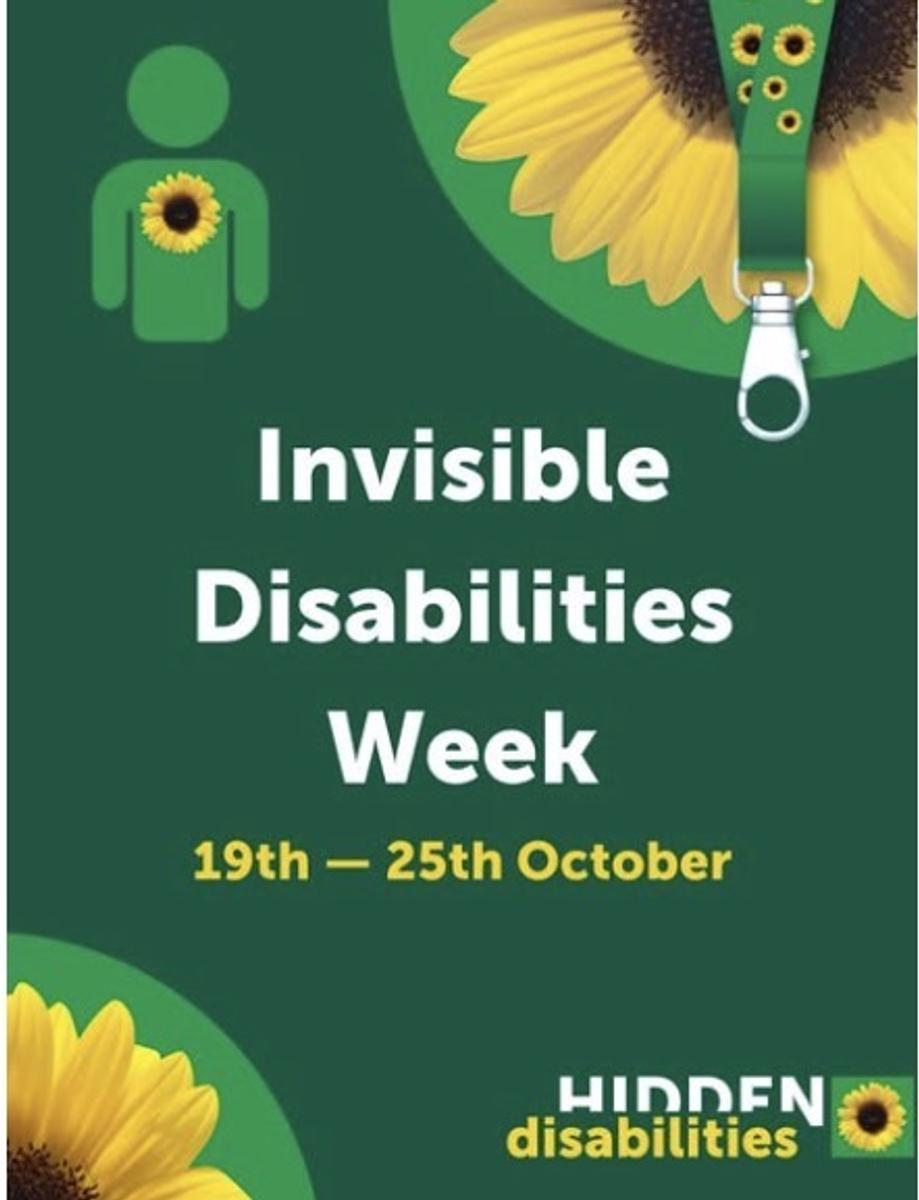
Did you know that many disabilities aren't immediately apparent. It's estimated that around 80% of disabilities are non- visible. These can include neurological, cognitive, sensory, mental health and chronic conditions among many others such as;
The Hidden Disabilities Sunflower helps people with non- visible disabilities discreetly indicate that they may need additional support, understanding or patience.
At Surfside Primary School, we work hard to recognise and support students with hidden disabilities by understanding their individual needs, providing personalised adjustments and creating an inclusive environment where every student feels understood, valued and supported to learn and thrive.
A little understanding and kindness can go a long way in helping people feel seen, understood and supported.

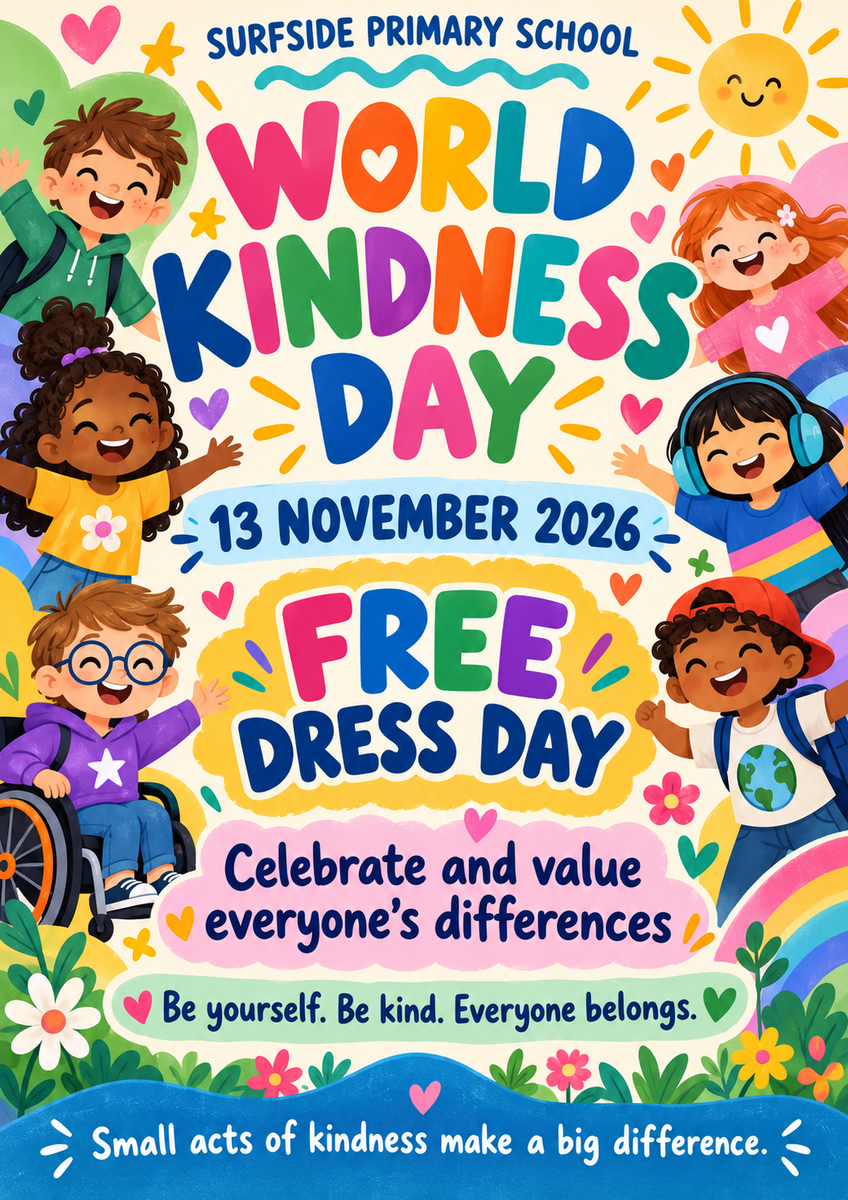
World Kindness Day reminds us that small acts of kindness can make a big difference to anyone. At Surfside Primary School, we encourage students to show kindness through their words and actions—inviting someone to play, offering help, respecting, listening and appreciating each other’s differences. By showing care and respect, we help everyone feel safe, valued and included.
Students are encouraged to wear free dress as we celebrate and value everyone’s differences on World Kindness Day, Friday 13 November 2026.
Be yourself. Be kind. Everyone belongs.