MATHS Faculty















 Evans High School

Mathematics Matters
A very warm welcome to all students, parents and caregivers. It has been a great year for all our Evans High year groups, especially with Year 7’s transitioning to secondary schooling. At Evans, we use a range of teaching resources to support students’ learning.
Our expectation is that every student comes well equipped to class with a scientific calculator, a 5mm grid exercise book (180-200 page) and the required stationery. Homework is set to support students review their skills, summarise their notes and develop strong and effective study skills.
We also provide lunch time support to students as well give extra worksheets to students to cater for their individual needs as part of our differentiation focus.
All students doing Mathematics are required to have a scientific calculator. It is used extensively in classwork and in all examinations as well as in the Higher School Certificate. Students can purchase the Abacus SX-II at the front office for $25. Please note that mobile phones may not be used as calculators in class or in examinations.
Please check with your child that they have their own calculator for the upcoming Yearly examinations in Term 4 – calculators may not be borrowed during exam periods.
Students should be utilising Maths Online on a regular basis at home to consolidate their learning in class. If parents would like their child’s log in details, please email on school email address. Students are especially encouraged to enhance the speed and accuracy of their mental arithmetic skills with Speed Skills. https://www.mathsonline.com.au/games/speed_skills

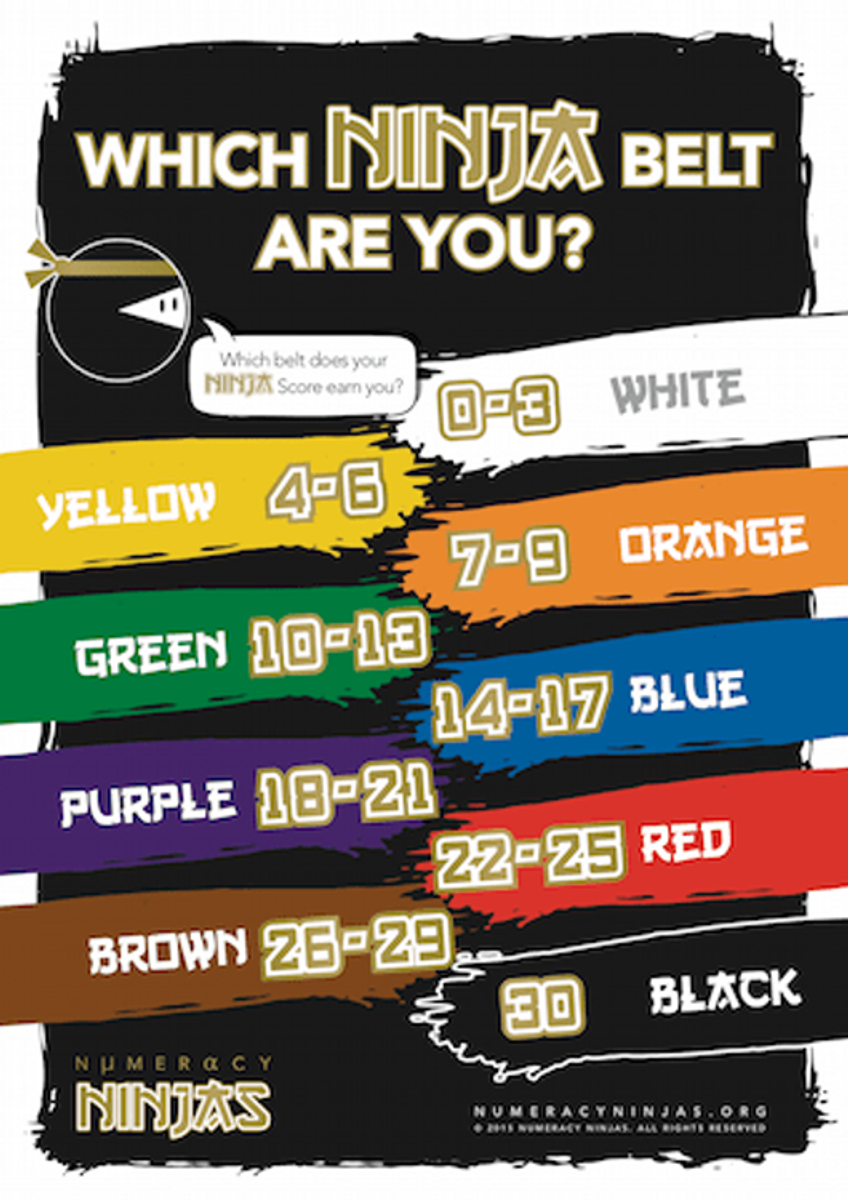
In Mathematics, our main focus is the relentless endeavour to continuously enhance students’ learning and provide rich and engaging experience with their journey in Mathematics. We are implementing research based “Visible Learning in Mathematics and Talk Moves” strategies across all classes to support students. We also subscribe and use web-based applications such as Maths Online and Google Classroom to support students self-paced leaning needs. Text book chapters are also posted in Google Classrooms for homework, revision and to catch up on any missed work.
Classroom Matters!
Exploring Mathematics with Concrete Materials in Year 7!
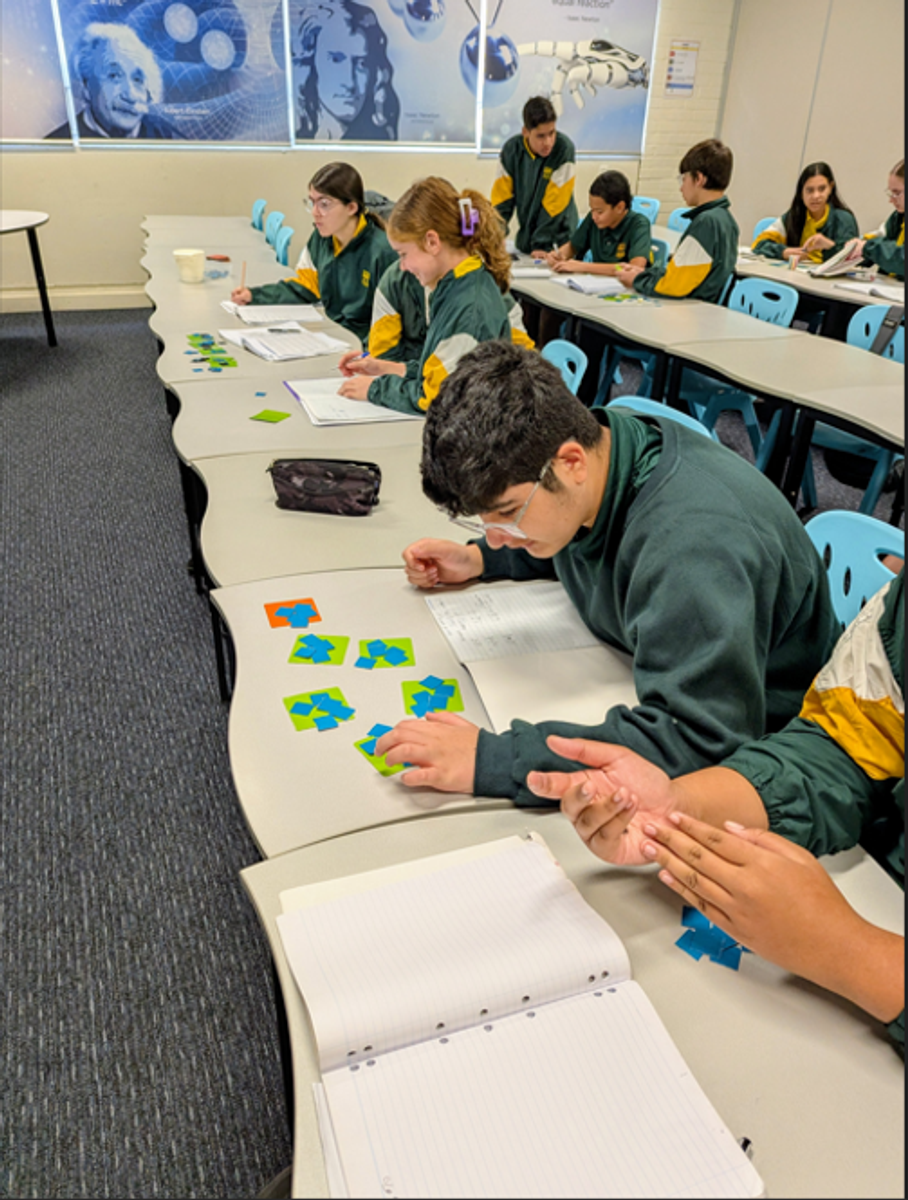
At Evans High School, we believe hands-on learning makes a world of difference. Recently, our Year 7 students have been exploring division using concrete materials—specifically colourful counters—to help bring maths concepts to life. By physically grouping and sharing counters, students gain a clearer understanding of how division works and why it’s important.
These activities not only make learning fun but also help students build strong mathematical foundations. Concrete materials allow every learner to see, touch and interact with numbers, making abstract ideas easier to grasp. We’re proud to foster curiosity and confidence in maths for all our students.
Enhancing Literacy and Learning (EAL/D focus) – Scaffolding Literacy heavy lesson in Mathematics Class
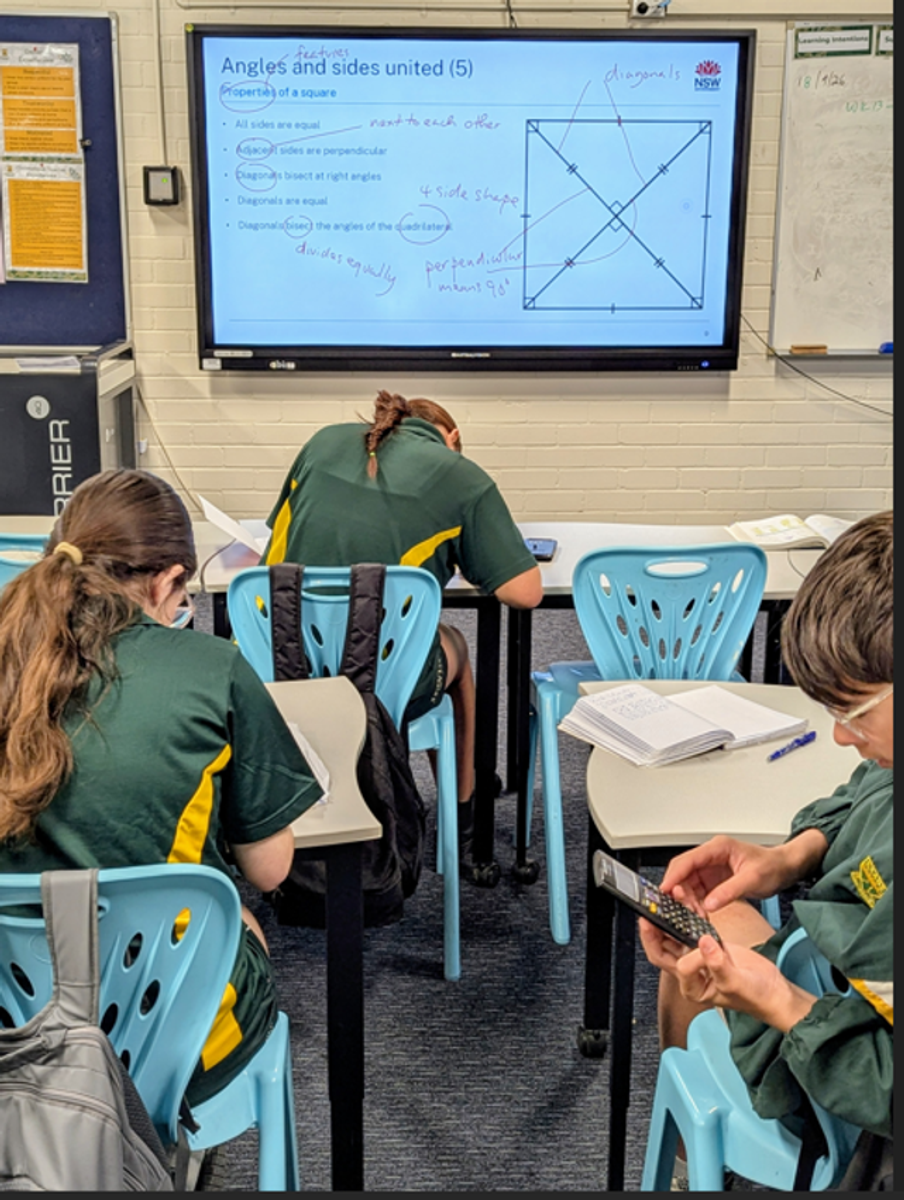
At Evans High School, we are committed to helping every student succeed, especially in challenging literacy lessons. Recently, our Year 7 classes explored the properties of shapes using data panels and PowerPoint presentations. By combining visuals, handwritten annotations, and clear bullet points, students were able to break down complex information and engage more deeply in the lesson.
This approach supports all learners, making abstract mathematical concepts accessible and understandable. Visual aids and structured notes help students organise their thinking, build confidence in their communication skills, and participate more actively in class discussions.
Have a look at some of our classroom moments below, showing how students used these tools to interact and learn together!
Maths Lab
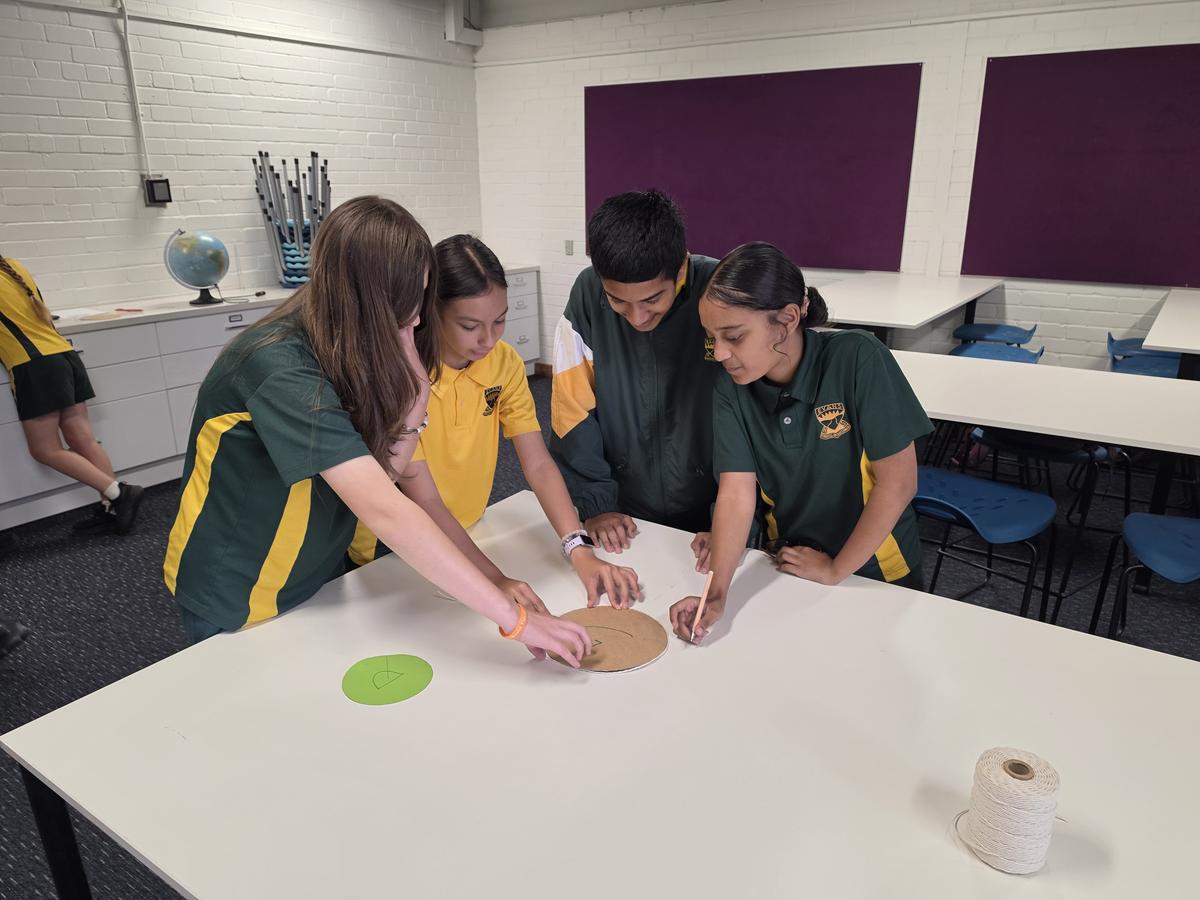
In the Maths-Lab, students engaged in a self-discovery activity involving the measurement of the circumference of ten different circles using a piece of string and a ruler. They compared their measured circumferences with the corresponding calculated circumferences and investigated the limitations and potential sources of error associated with using a string and ruler for measurement.
As part of the activity, students also explored and discovered the relationship between the radius and diameter of a circle. To assess the accuracy of their measurements, students calculated the difference between the measured and calculated circumference for each circle and then added these differences to obtain a total difference for their group.
The group with the smallest total difference was awarded a prize for achieving the most accurate overall results. The activity provided students with a practical and engaging opportunity to develop their understanding of circumference, radius, and diameter while applying mathematical concepts to real-world measurement.