From the Head of Junior School










Blue Mountains Grammar School
Via Matcham Ave, Wentworth Falls, NSW, 2782, AUhttp://www.bmgs.nsw.edu.aucommunications@bmgs.nsw.edu.au4757 9000 Facebook Instagram LinkedIn YouTube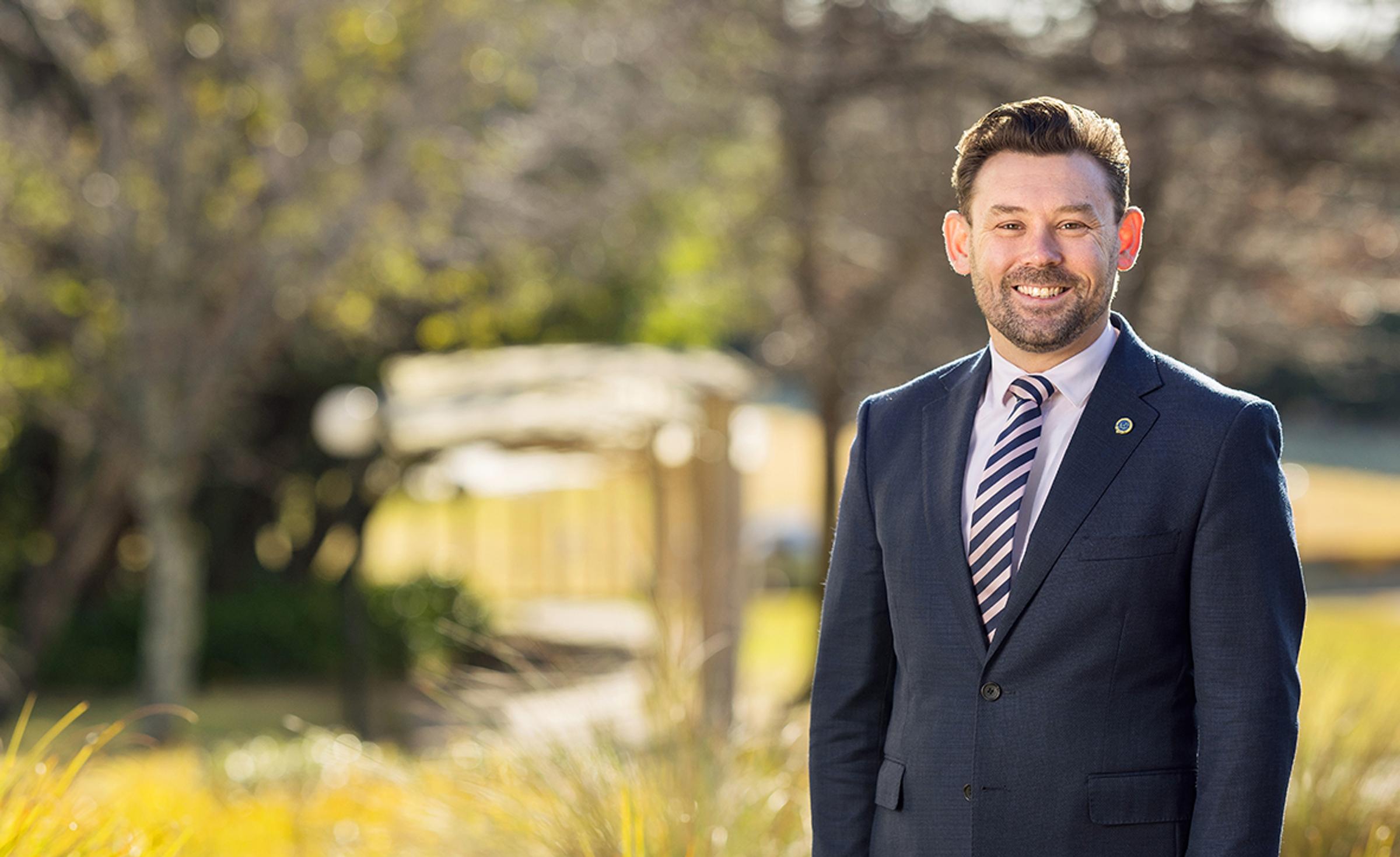
Consistency Over Intensity: Let’s Keep Going Until the End

Earlier this week, I was sitting with Years One and Two and we were talking about how Christmas decorations are now up in the stores. We were able to count out the days left this term, and it came as somewhat of a shock that we now have only 24 school days left this term. On one hand, that is going to pass very quickly and we can feel like we are nearly finished, on the other hand, there is still a lot of learning time left.
There is a simple principle that I have been iterating this year in a range of different situations, and that is, ‘consistency will almost always take us further than intensity.’ We often place too much value on the big effort, the long practice session, the final push or the concentrated burst of work before something important. These moments can feel productive, and sometimes they are necessary. However, they are rarely what leads to lasting improvement.
Real learning is built differently. It develops through regular practice, repeated effort and the gradual strengthening of skills over time. It is less about how much we do in one sitting and more about what we return to, day after day.
Consider learning a musical instrument. A student who practises for fifteen minutes each day will often make more meaningful and lasting progress than one who practises for two hours on the night before a performance. Regular practice allows the brain and body to become familiar with patterns, movements, rhythms and techniques. Each session builds on the previous one. Mistakes are corrected, confidence develops and what once required considerable concentration begins to feel natural. The improvement might not be obvious from one day to the next, but over weeks and months it becomes unmistakable.
There is an important distinction here between practice that builds learning and pressure that produces a short-term result. When we leave things until the last minute, we can sometimes achieve an immediate outcome. We might remember enough for a test, complete a task or perform a piece of music to an acceptable standard. But much of that effort is driven by urgency rather than understanding. It is often difficult to retain, transfer or build upon what has been learned.
Lasting learning requires something more deliberate. It requires us to revisit ideas, practise skills, make connections and allow time for understanding to deepen. It requires patience. It also requires us to recognise that progress is not always dramatic. Sometimes improvement is simply getting something a little more right than we did yesterday.
This is an important principle for us as we move towards the end of the school year.
As the calendar fills with celebrations, performances, excursions, assessments and end-of-year activities, there can be a temptation to think of this as a period of winding down. Equally, there can be a tendency to accelerate everything, trying to squeeze in as much as possible before the year concludes. Neither approach serves learning particularly well.
As a school we have a responsibility to maintain a steady and purposeful rhythm right through to the final day. The work we do in these remaining weeks matters. There are concepts to consolidate, skills to strengthen, questions to explore and new learning to undertake. There is still considerable opportunity for growth, and we should not underestimate what can be achieved through a few more weeks of focused, consistent effort.
This does not mean working harder for the sake of working harder. It means working well. It means approaching each lesson with attention, completing tasks with care, revisiting work that needs further attention and making the most of the opportunities in front of us. It means resisting the urge to rush simply because the year is drawing to a close.
For students, this might mean reading each evening, practising a musical passage regularly, revising mathematical concepts or taking the time to improve a piece of writing. For teachers, it means maintaining clear expectations, protecting time for learning and continuing to provide feedback that helps students move forward. For families, it means encouraging routines, curiosity and steady effort rather than placing unnecessary pressure on individual results.
We should not confuse a busy end to the year with a productive one. A full calendar does not necessarily mean meaningful progress. What matters is the quality of our engagement with the learning taking place each day.
There is also something important about the way we finish. The habits we establish in these final weeks shape how students approach learning beyond this year. We want them to understand that improvement is within their reach, that effort has a cumulative effect and that they do not need to wait for a deadline, a test or a performance to take their learning seriously.
As we look towards the end of the year, our approach should be calm, purposeful and effective. We will continue to celebrate achievements, enjoy the special moments that make this time of year memorable and recognise the progress our students have made. But alongside these celebrations, we will keep learning. We will keep practising. We will keep asking questions and working towards improvement.
The goal is not to finish the year exhausted from one final burst of effort. It is to finish having made the most of every opportunity along the way.
Christopher Sanders
Head of Junior School