
Student Wellbeing
The Wellbeing Team: Felicity Brown, Isabella Farrar, Louise Rogers, Suzanne Tonks

Student Wellbeing
The Wellbeing Team: Felicity Brown, Isabella Farrar, Louise Rogers, Suzanne Tonks
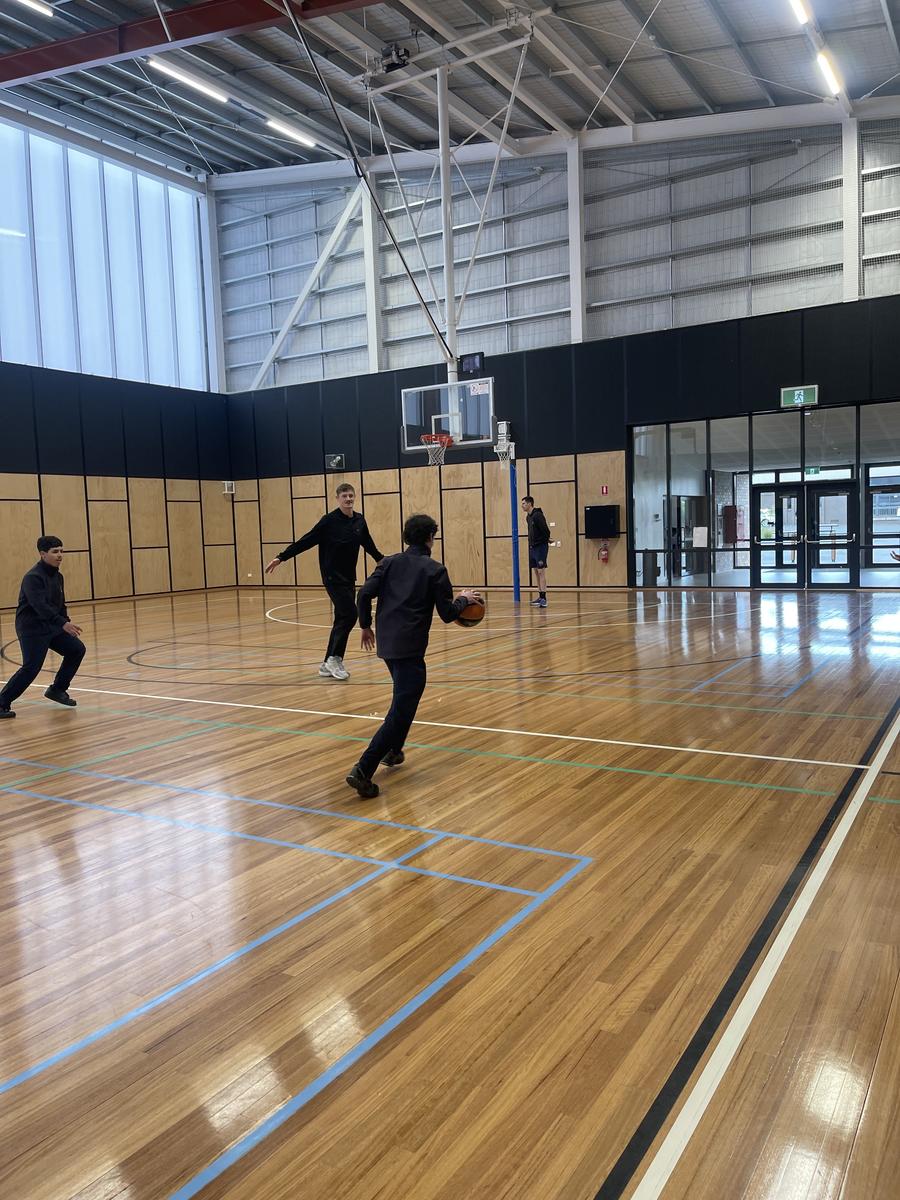
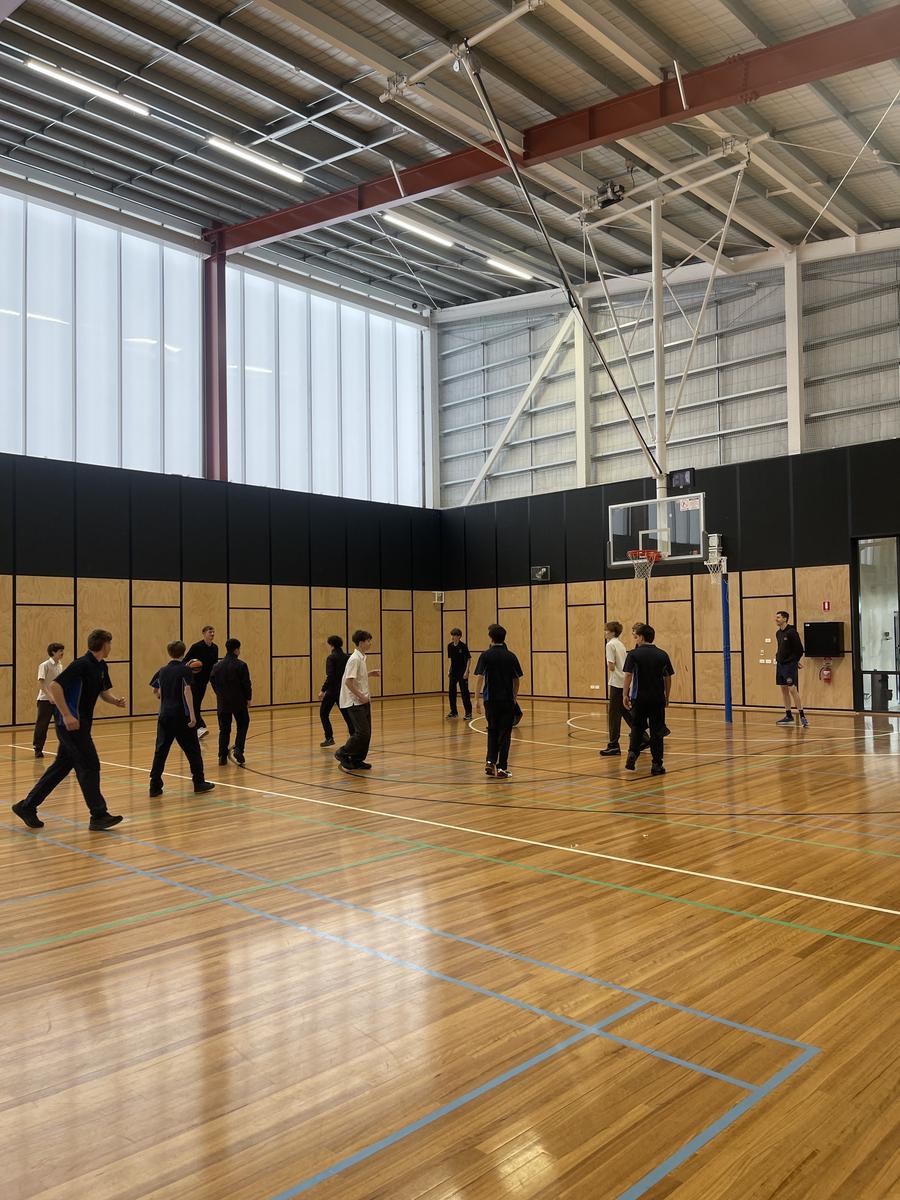
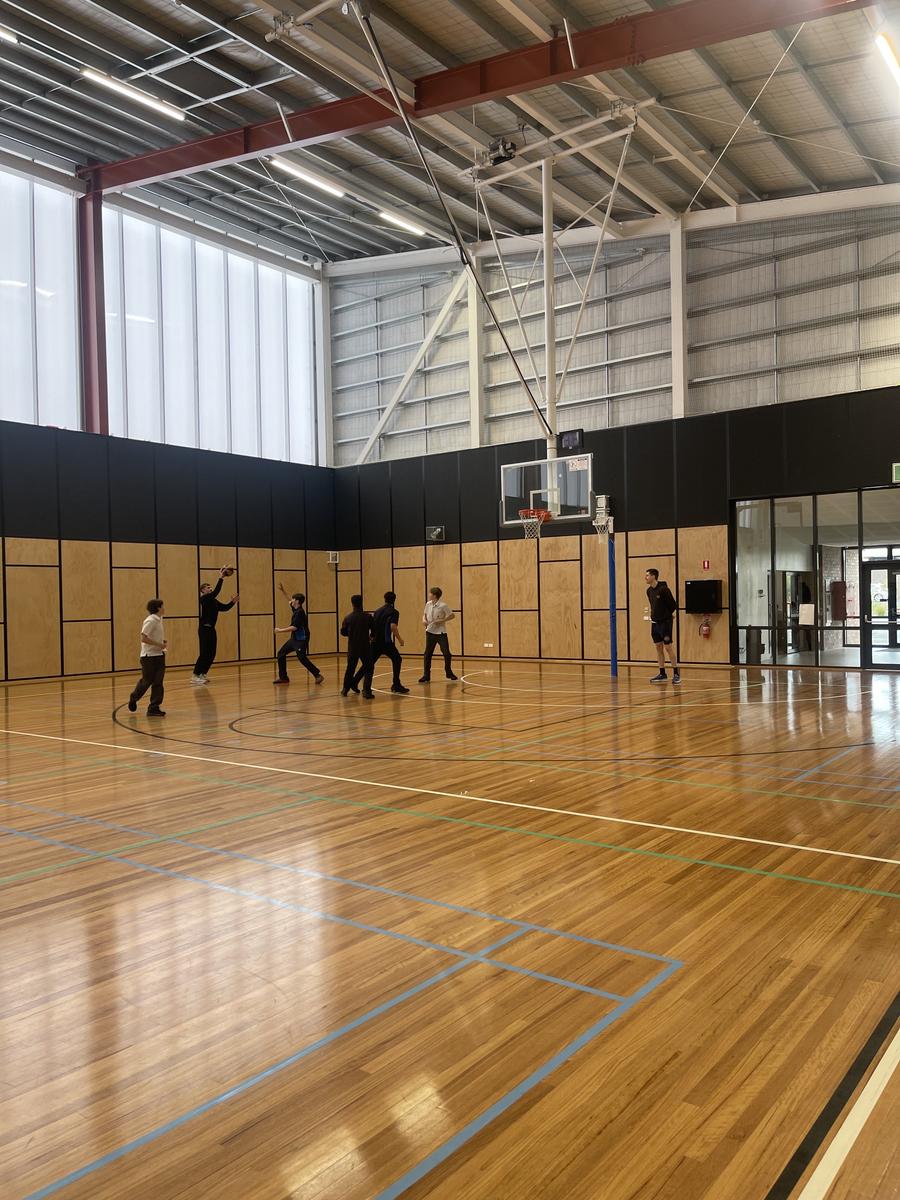
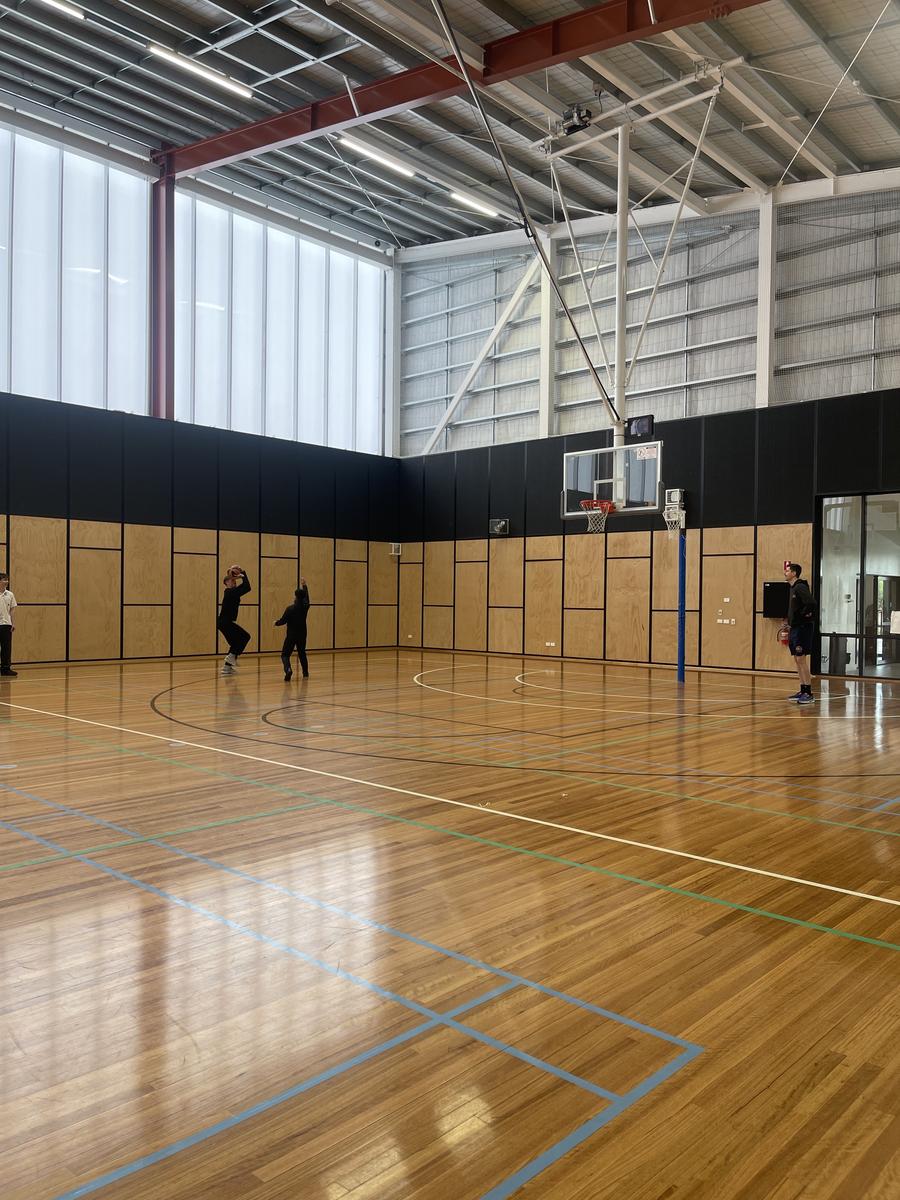
Some of our Year 9 boys recently had an exciting opportunity through the RISE program, welcoming former NBL player Dane Pineau and current Melbourne United athlete Finn Delaney to Sandringham College.
The players spoke openly about mindset, perseverance, and the realities of maintaining positive mental health as an athlete, sharing valuable insights from their professional journeys. Students were able to ask questions, reflect on their own goals, and even join Dane and Finn on the court for a fun and energetic basketball session.
It was an inspiring afternoon that encouraged our students to push through challenges, support their wellbeing, and stay committed to their personal growth.

As many families will be aware, the Australian Government has passed new social-media age-restriction laws that will begin rolling out over the next year. These changes aim to create safer online environments for young people and reduce exposure to harmful content.

While legislation plays an important part, the most significant support still comes from home. Many children rely on parents and carers to help them build healthy digital habits, manage screen time, and feel confident navigating both online and offline relationships.
Below are some practical ways you can support your child as they adjust to these changes — and direct links to excellent resources you can explore:
1. Talk Early and Often
Open and ongoing conversations are the most effective way to support young people.
2. Make a Family Media Agreement
Having consistent expectations at home helps children feel secure. Consider:
3. Model Healthy Digital Habits
Children learn most from the adults around them.
4. Encourage Offline Activities and Social Connections
As some online platforms become restricted for under-16s, young people may feel unsure about how to stay connected. Parents can help by:
5. Use Tools That Support Healthy Boundaries
Many devices allow parents to set limits and build gradual independence. Options include:
Using these tools with your child, rather than to your child, promotes trust and shared responsibility.
6. Support Emotional Regulation
For some children, disconnecting from social media can be surprisingly difficult.
You can help by:
7. Stay Connected With the School
Our Wellbeing Team is here to help. If your child is feeling anxious, overwhelmed, or struggling with online habits, please reach out. We can work together to support your child both at home and at school.
We will continue to share updates as the national policy changes are phased in, along with practical tips to help families navigate this transition confidently.
Here are several high-quality, Australia-based resources you might find useful:
Social media is a big part of young people’s lives, and change can be challenging. With calm guidance, clear boundaries, and warm connection at home, children can learn to navigate the online world in healthy and balanced ways.

Supporting our young people through rest, routine and connection
As we approach the holidays, many young people look forward to a well-earned break from schedules, homework, and early mornings. For others, this time of year can be unexpectedly challenging. The change in routine, reduced social contact, family pressures, and long unstructured days can contribute to feelings of anxiety, loneliness, or low mood.
The Wellbeing Team would like to share some simple ways families can support positive mental health over the break, as well as information on where to seek help if concerns arise.
Recognising Warning Signs
It’s normal for teens to need rest and downtime, but parents should keep an eye out for patterns such as:
Signs of anxiety
Irritability, restlessness, or physical complaints (e.g., stomach aches)
Signs of withdrawal
Withdrawing from family interactions
Signs of low mood
If these behaviours continue for more than a couple of weeks or begin to interfere with daily functioning, it may be time to seek support.
How to Support Teens Who Find the Holidays Challenging
1. Keep Some Gentle Structure
Teens often benefit from routines—regular sleep times, getting dressed each morning, and a loose plan for each day. Predictability can reduce anxiety and improve mood.
2. Encourage Social Connection
Help them maintain a connection with friends through meet-ups, shared activities, or planned outings. Even one social activity per week can make a big difference.
3. Promote Calm, Comfort and Rest
Activities such as drawing, gaming in moderation, reading, sport, biking, baking, swimming, or listening to music provide healthy outlets for stress.
4. Create Space for Conversation
Check in gently. Avoid pressure or long interrogations. Try: “Things have changed a lot this term. How are you feeling about the break?” Let them talk at their own pace. Being heard is often the most helpful support.
5. Plan for the ‘Back to School’ Transition
Some students become anxious as school approaches. Preparing books/uniforms early, visiting school grounds, or discussing what they’re looking forward to can help ease worries in January.
When and How to Access Support
If you notice ongoing emotional changes, or if your teen expresses thoughts of wanting to harm themselves, it’s important to seek help promptly. Support is available throughout the holidays:
📞 Immediate Support / Crisis
💬 Mental Health and Counselling Support
Parentline (Victoria): 13 22 89 (support for carers and parents)
🌱 If you’re unsure
If something feels “not quite right,” it’s okay to reach out for advice. Early support can prevent issues from escalating.
The holiday period can be a wonderful time for rest, recharging and connection. With gentle structure, open communication, and awareness of early warning signs, families can help young people feel safe, supported and ready for the new year.
The Wellbeing Team wishes all families a safe, restful and positive holiday break. If you need support at any time, please reach out.