Wellbeing













 St Francis de Sales Catholic Primary School Lynbrook
At SFS, our PBL (Positive Behaviours for Learning) school wide expectations are:
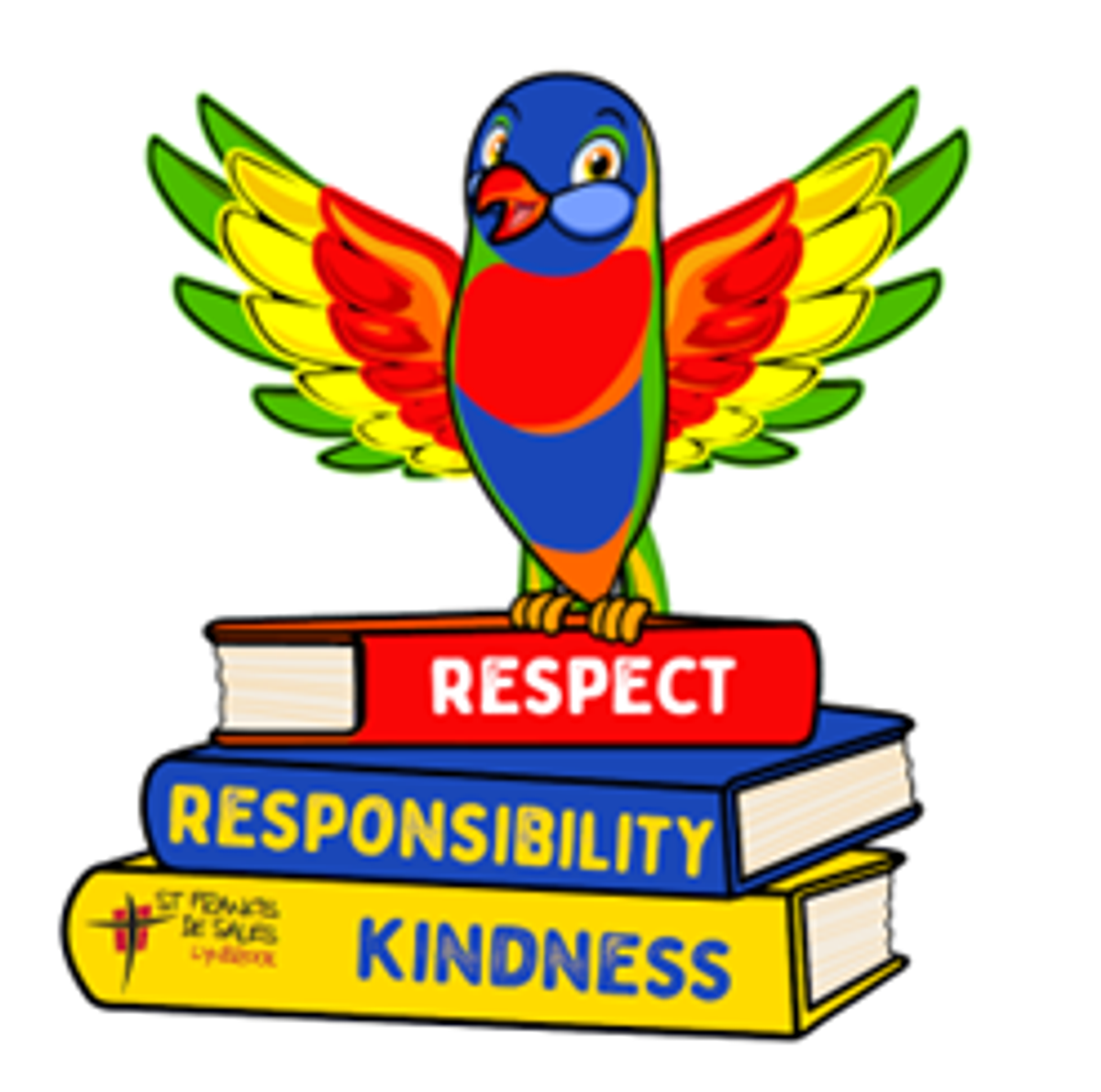
Respect,
Responsibility and
Kindness
We have a whole school social skills lesson where we explicitly teach an expected behaviour from our Behaviour Expectation matrix.
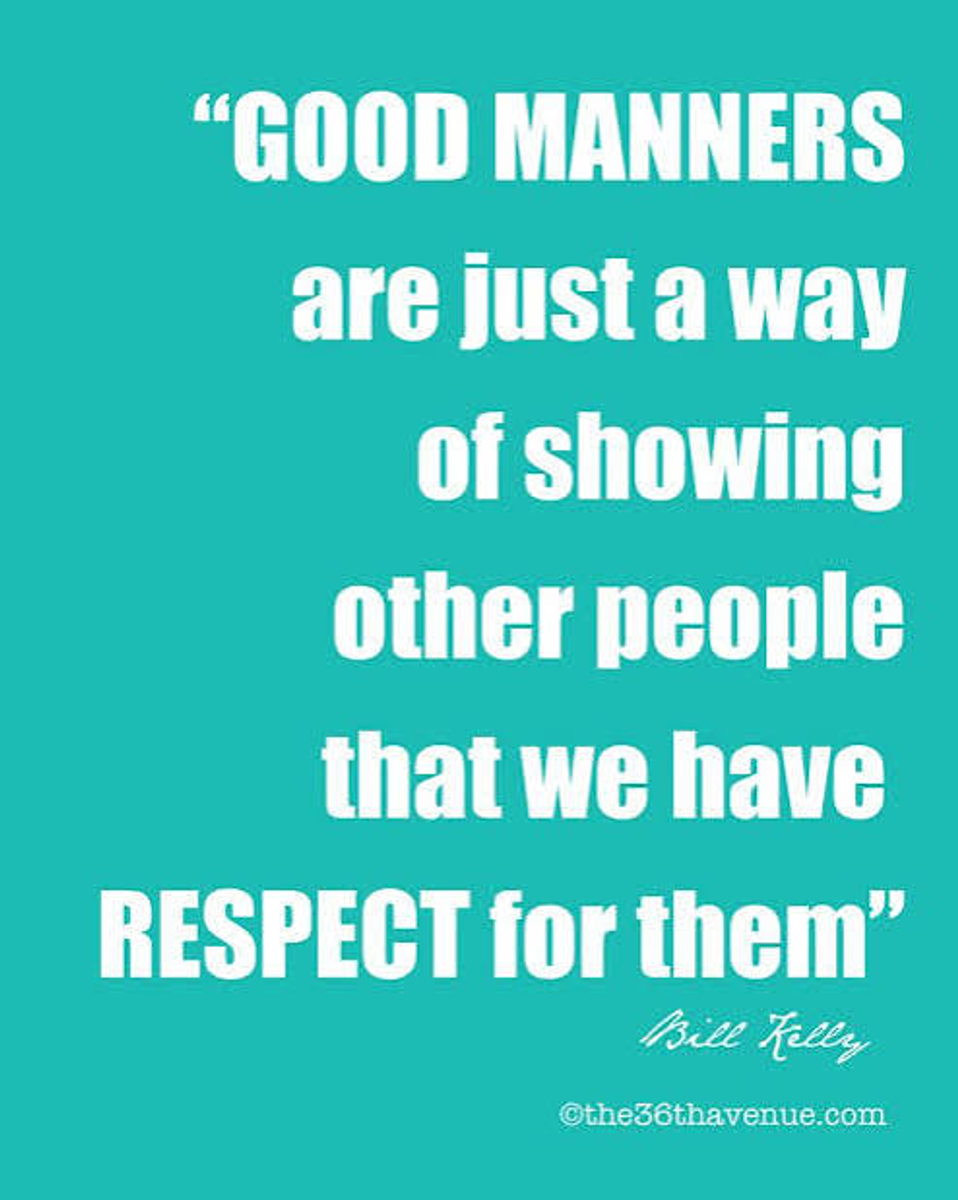
This week we have focused on RESPECT for others in the LEARNING SPACE, Use good manners. The students learnt the importance of using good manners and having respect for others. They learnt that…
- Courtesy, politeness or having good manners is all about respecting others and yourself.
- Good manners is about considering the feelings of others and being the kind of person that others will like and respect.
- Using good manners helps us to interact with others in a more positive way and helps create a kinder, more considerate learning space.
- We need to respect the dignity of the human person as we are all created in God’s image. Jesus taught us to love one another as I have loved you and love your neighbour as you love yourself.
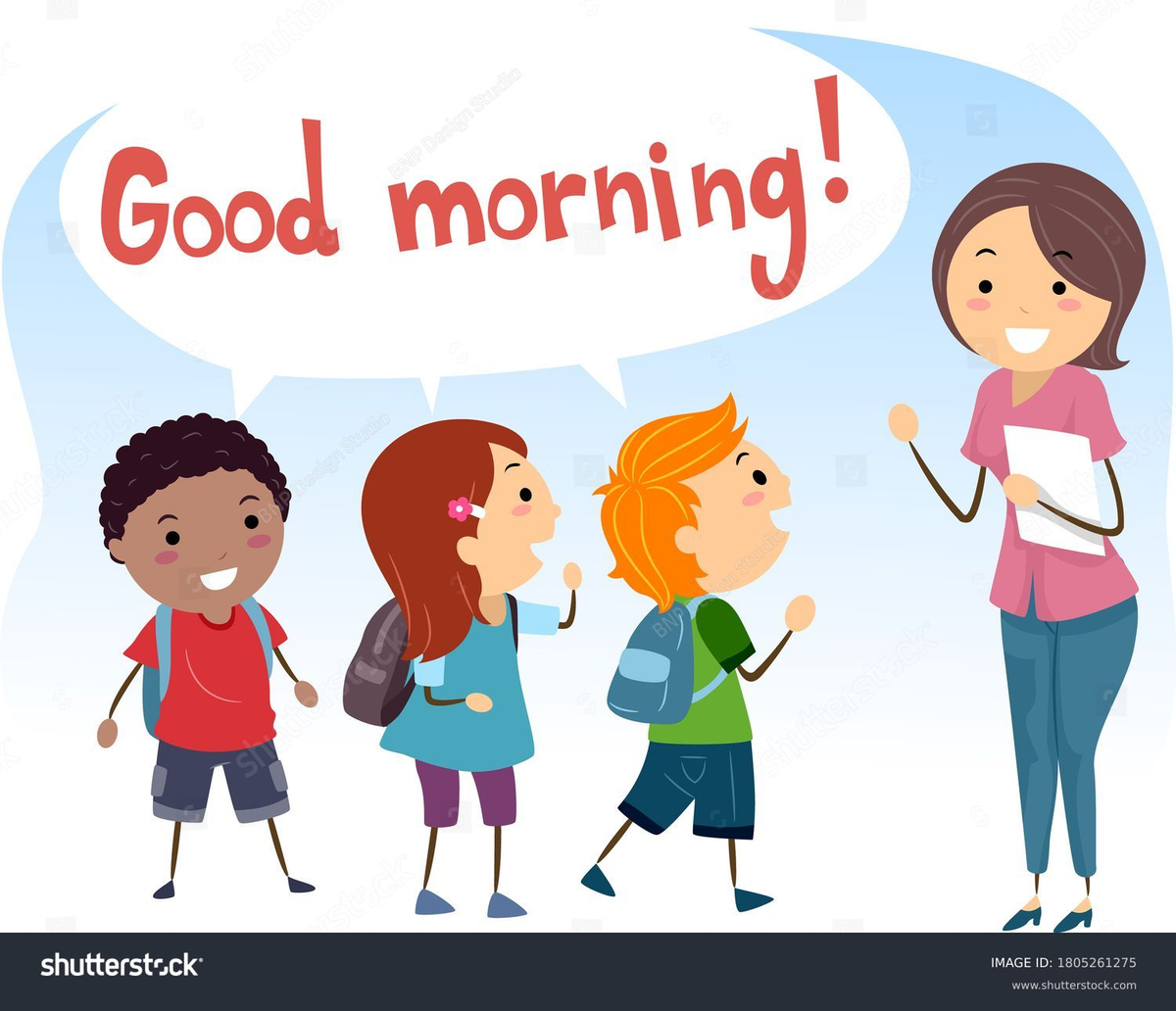
The students explored the different ways we show manners at school including:
Saying please. ...
Saying thank you.
Apologising
Smile & have a good attitude. ...
Ask before touching other people's property
Say excuse me
Asking permission first
Waiting your turn
Greeting people
Actively join in
Using kind, polite and respectful language
Putting things back where they belong and returning people’s property
Putting rubbish in the bin
Holding the door open for someone
Waiting in line
Speaking to others in an appropriate tone with appropriate language. (Think about your audience, how do we speak to teachers? To friends?, use of formal and informal language in the appropriate context).
You might like to explore this at home with your children and what your expectations are at home about using manners.
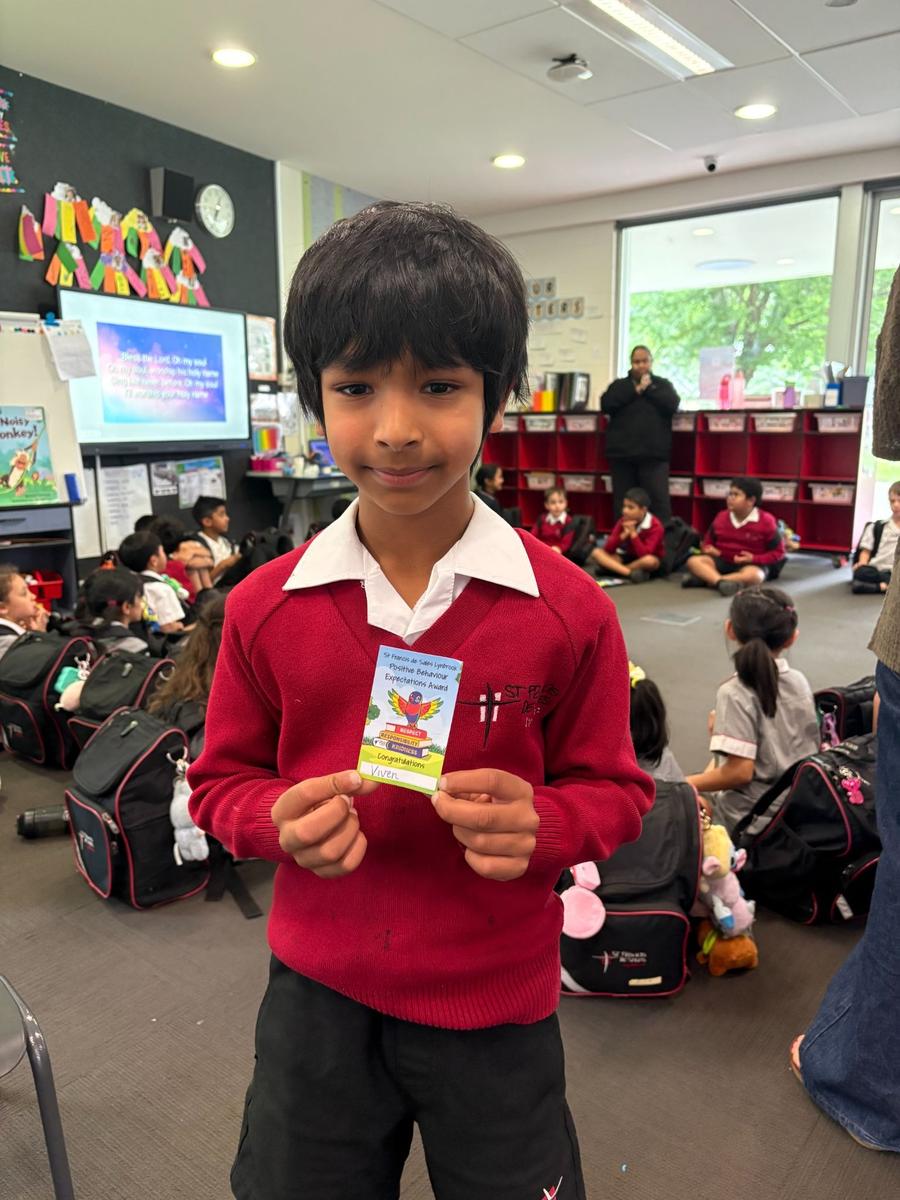
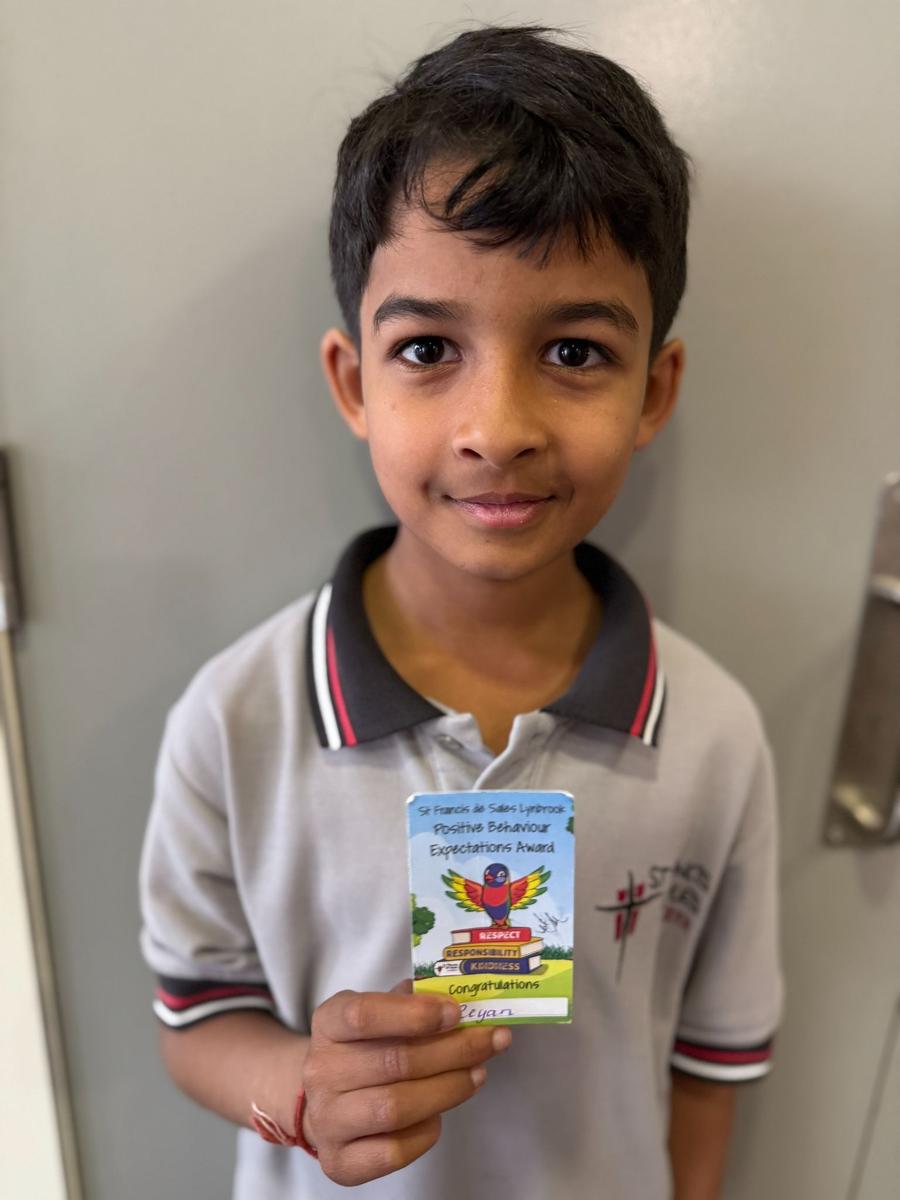
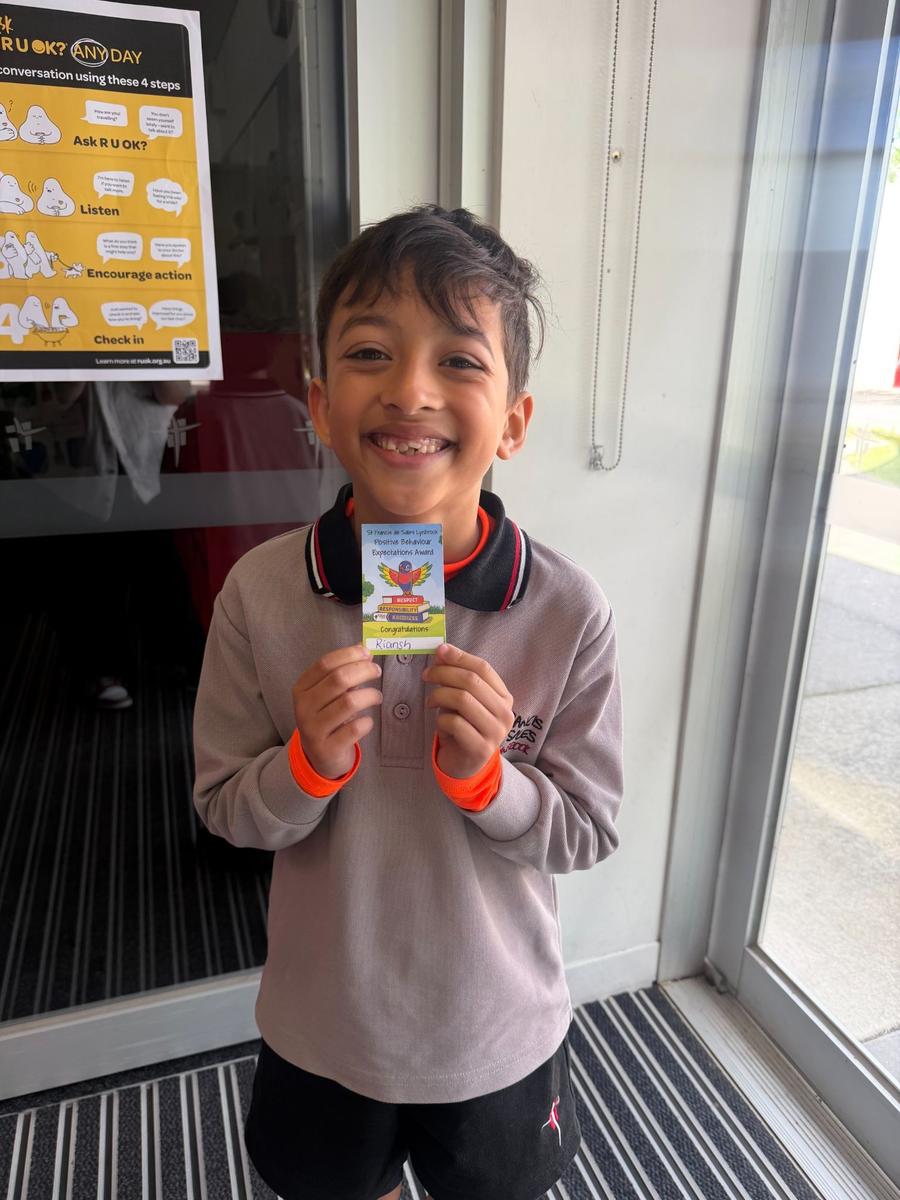
Here are some of our lucky PBL raffle winners from last week who have been displaying our expected behaviours at school. Congratulations to these children and keep being KIND, RESPECTFUL and RESPONSIBLE!!
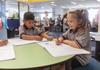
Junior and Senior Students in LS 1 buddying up to complete a ‘kindness scavenger hunt".
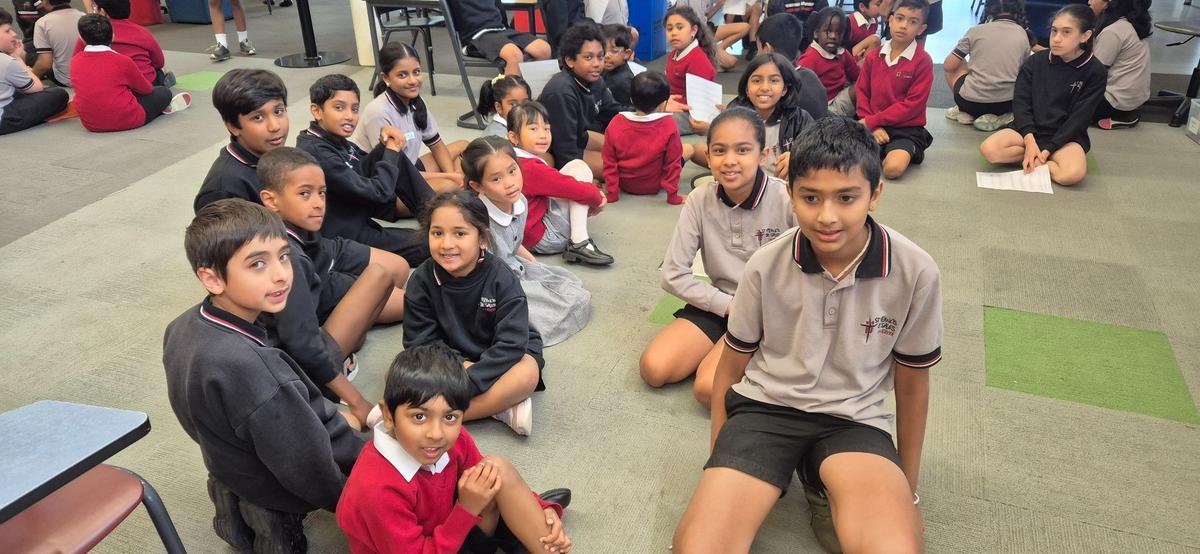
It has been wonderful to see our Junior and Senior students working together at SFS and the students have expressed that they enjoy opportunities to do this, like the SRC kindness scavenger hunt from last Friday. The students were positive and polite in their interactions with a buddy class.

Transition from Primary School to Secondary School
We are getting closer to farewelling our Year 6 students at SFS after 7 years of schooling and the transition process is already under way. The secondary transition days are fast approaching. The following fact sheet comes from the BeYou website. BeYou is a government resource for educators that aims to help build mentally healthy school communities.
“The importance of a successful transition
A positive start to secondary school can have long-lasting benefits. Young people who experience a positive transition into their new school are more likely to:
feel comfortable, relaxed and valued
feel excited and motivated to learn
have good relationships with others
develop a sense of belonging within the school community.
This positive start can make a big difference to young people’s school engagement, learning and wellbeing. For an introduction to transitions, see Transitions in learning communities.
Understanding behaviour
The move into secondary school is one of the most significant transitions in a child’s education. It involves various changes, including:
changes in the physical environment
new rules and procedures
changes in relationships with peers, teachers and family
more structured learning, with a variety of teachers and different learning environments to get used to. At around the same time as the move to secondary school, children experience biological and emotional changes as they go through puberty anywhere between ages 8 to 14 or even later - it’s completely normal for children and young people to go through puberty at different times.
The physical, social and emotional changes associated with puberty can have a strong effect on children and young people’s relationships with friends, families and educators. This period of adolescent development is also related to emotions and behaviours that can lead to difficulties at school.The timing of puberty at around the same time as the move to secondary school can make this a particularly demanding transition for some young people.
Common feelings and concerns
Children can experience a range of emotions about the transition. They may feel excitement about the prospect of going to a new school, as well as nervousness about what lies ahead. Children may also feel sad or angry about leaving their current school and the positive relationships they’ve established with educators and friends.
Common concerns include:
- losing old friends and making new friends
- being bullied
- getting lost and getting to class on time
- remembering what books and other equipment is needed for each class
- following a timetable
- dealing with different educators
- homework.
Research suggests that some young people have greater concerns about the transitions. The good news is that these concerns tend to lessen in their first year at the new school.
Some children can find the transition overwhelming and need extra support
Factors like changes in peer groups, teachers, expectations or routines can be challenging. Some signs that children may be experiencing difficulty include:
withdrawal or difficulty participating in class discussions
exhibiting low confidence or self-esteem
increased avoidance of task
having a short temper or behavioural outbursts
difficulties with maintaining friendships
being socially isolated.
Trusting and supportive relationships
Strong relationships between children, their families and educators enhance the wellbeing of children. Primary and secondary schools should aim to develop effective transition policies. A genuine sense of partnership between the schools can help build understanding of each environment and help transfer information about students and families from one school to another.
Here are some key points to consider:
Establish, train and support a team of key people to coordinate transition practices.
Establish and maintain relationships with wider school community networks and families.
Ensure policies and practices reflect, and include community diversity – promoting inclusive practices”.
For more information, visit www.beyou.
If you have concerns for your child’s transition to secondary school, please do not hesitate to come and speak with me to see what we can do to help your child’s transition to secondary school and what programs and supports the secondary school may have to offer your child.
All of our students will be transitioning soon also as they move up to the next year level as well as having a new group of Foundation students for 2027. Again, if you have any concerns about your child’s transition to another year level, learning space or from Juniors to Seniors, please do not hesitate to contact me to see what we can do at the school to support your child.
If you have any concerns about the safety or wellbeing of your child, please do not hesitate to contact me at school or via email, rlenko@sfslynbrook.catholic.edu.au
Rachel Lenko
Mental Health and Wellbeing Leader