STEM News
STEM Teachers: Shannon & Tom

STEM News
STEM Teachers: Shannon & Tom
Dear Parents and Carers,
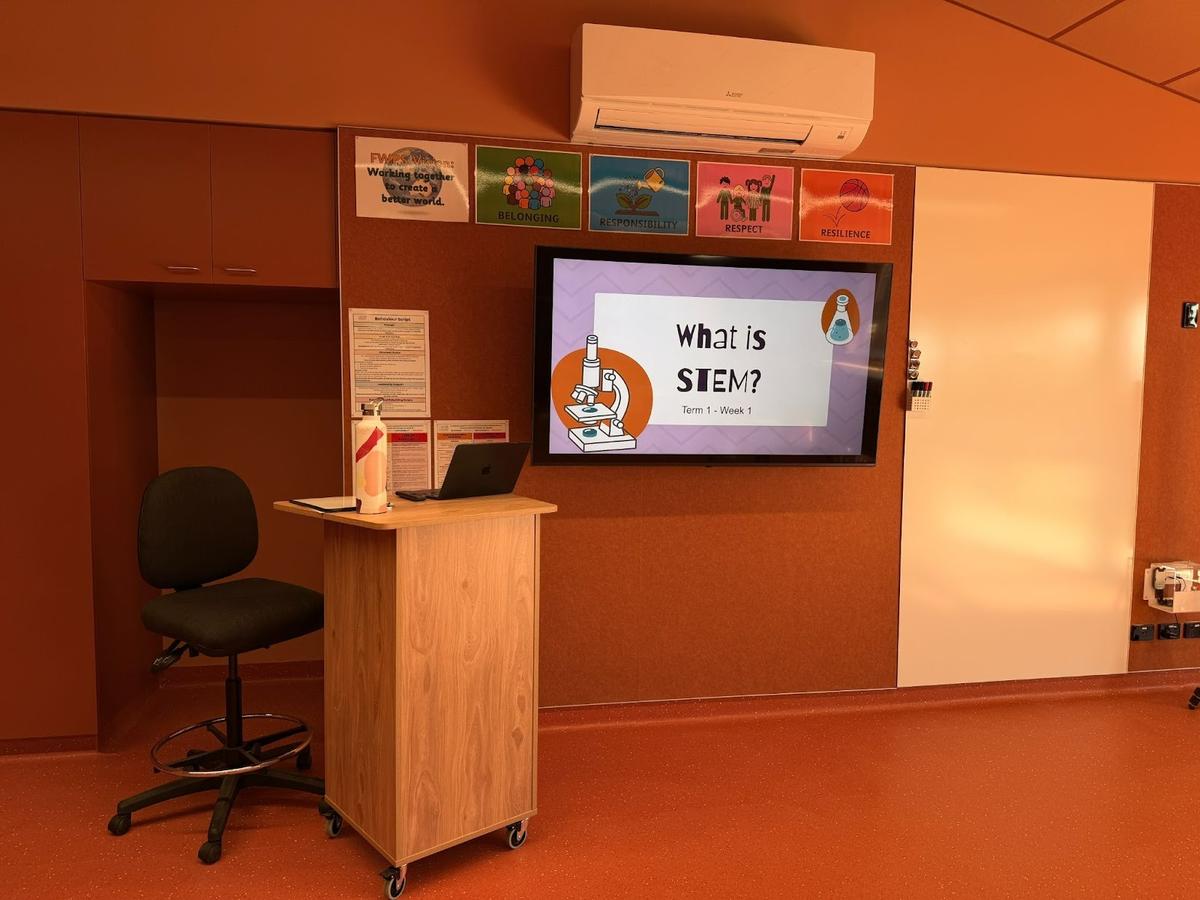
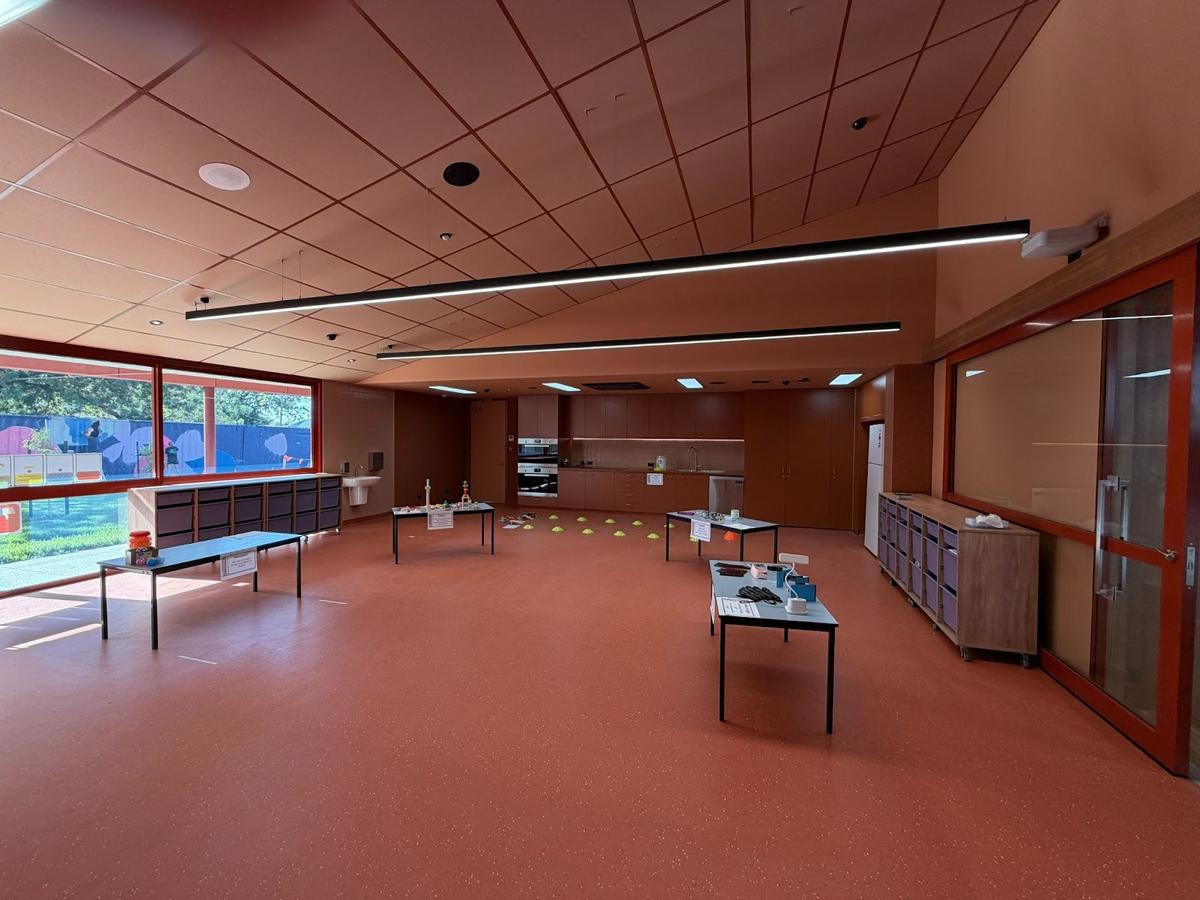
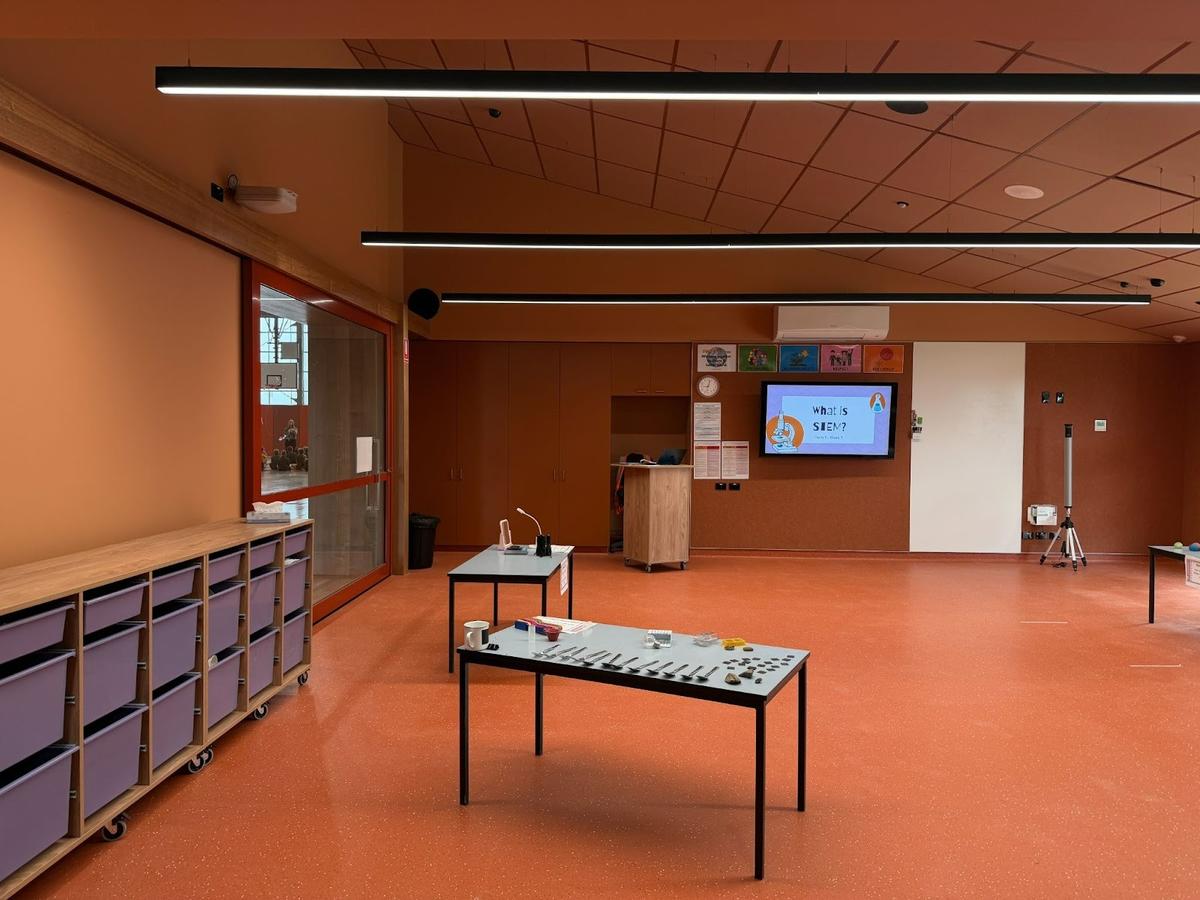
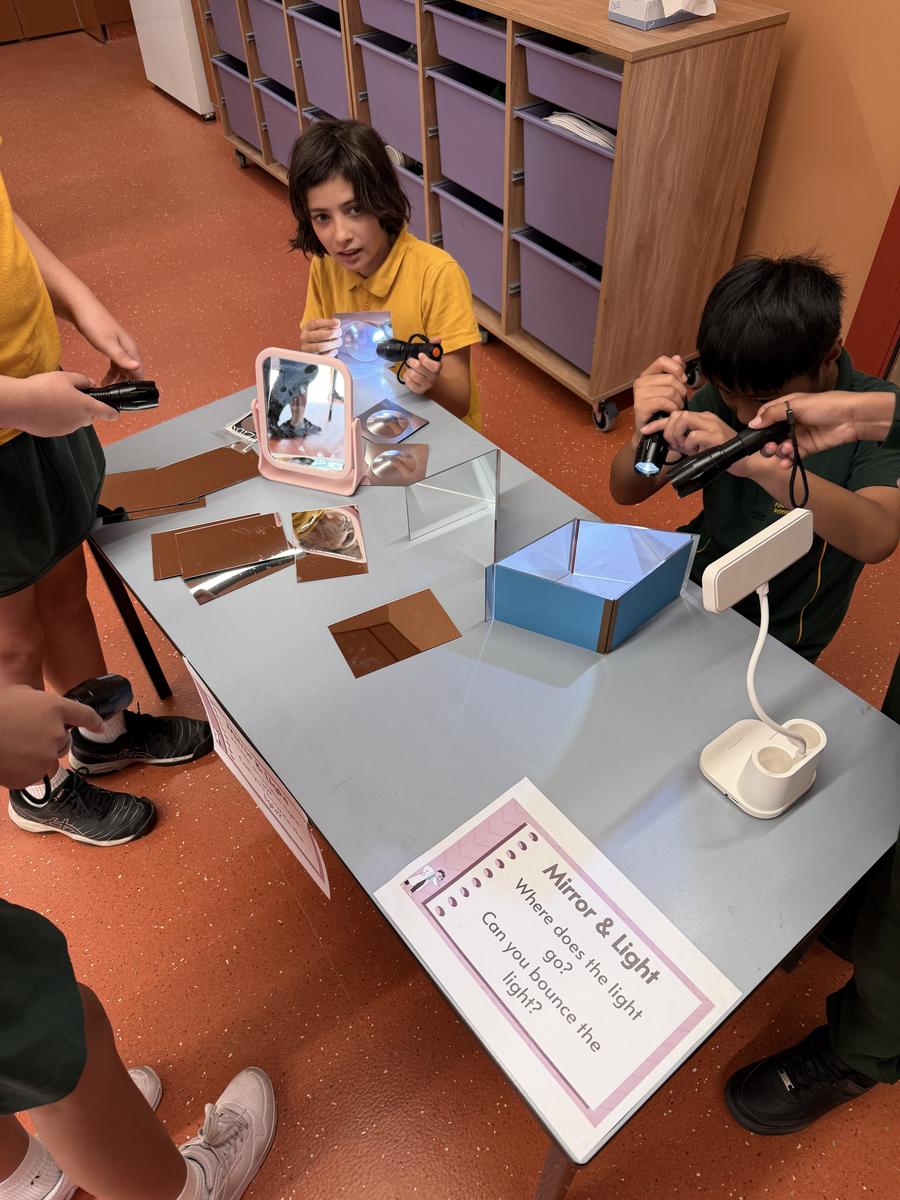
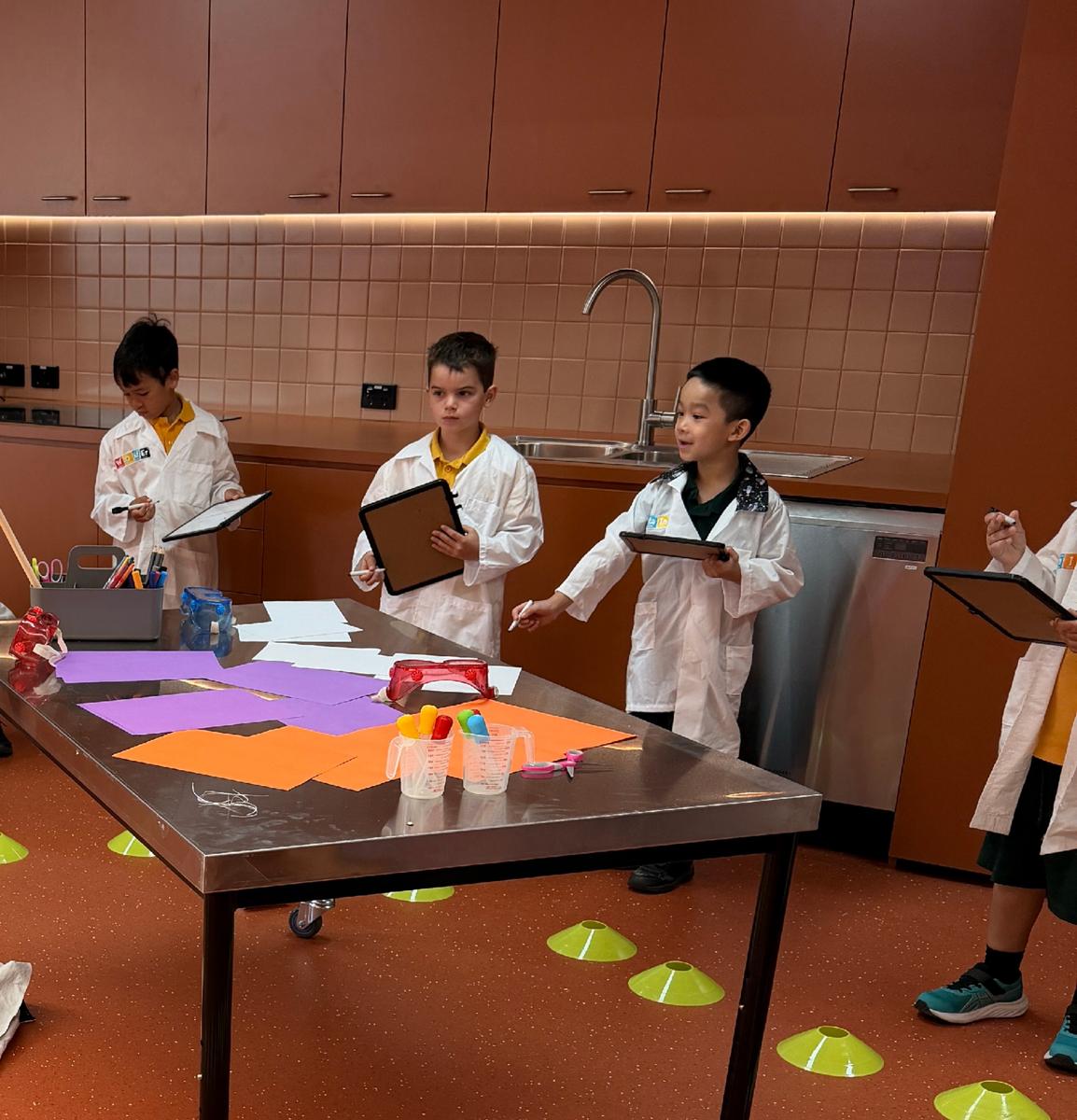
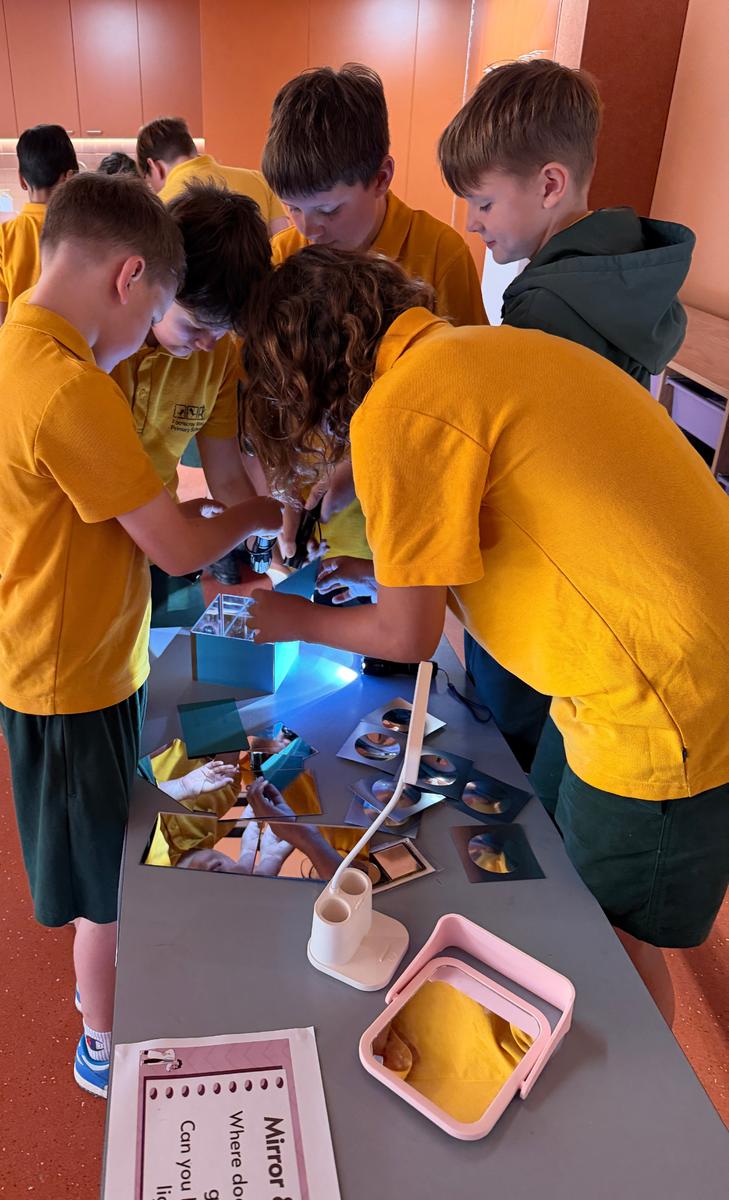
We are thrilled to introduce our brand-new STEM Lab! Thank you to all the families who visited before and after school to see our new space. Lessons commenced in this wonderful space from Day 1 of term and all students have had a chance to experience our hands-on program that develops scientific thinking and engineering skills through investigation and real-world problem solving.
SEMESTER 1 LEARNING FOCUS
Foundation (Prep) - How Things Move
Students explore how size, shape, and material affect the way objects move. Through hands-on investigations with rolling, sliding, and bouncing objects, they observe movement and learn vocabulary like "push," "pull," "fast," "slow," and "roll."
Year 1 - Forces in Action
Students learn that pushes and pulls can change how objects move or change their shape. They investigate forces and describe them using direction (forward, up, down) and strength (strong, weak).
Year 2 - Representing Forces
Students represent forces using arrows and diagrams, showing direction and strength. They begin to explore contact forces (friction, tension) and non-contact forces (gravitational, magnetic) through simple fair tests.
Year 3 - Heat and Temperature
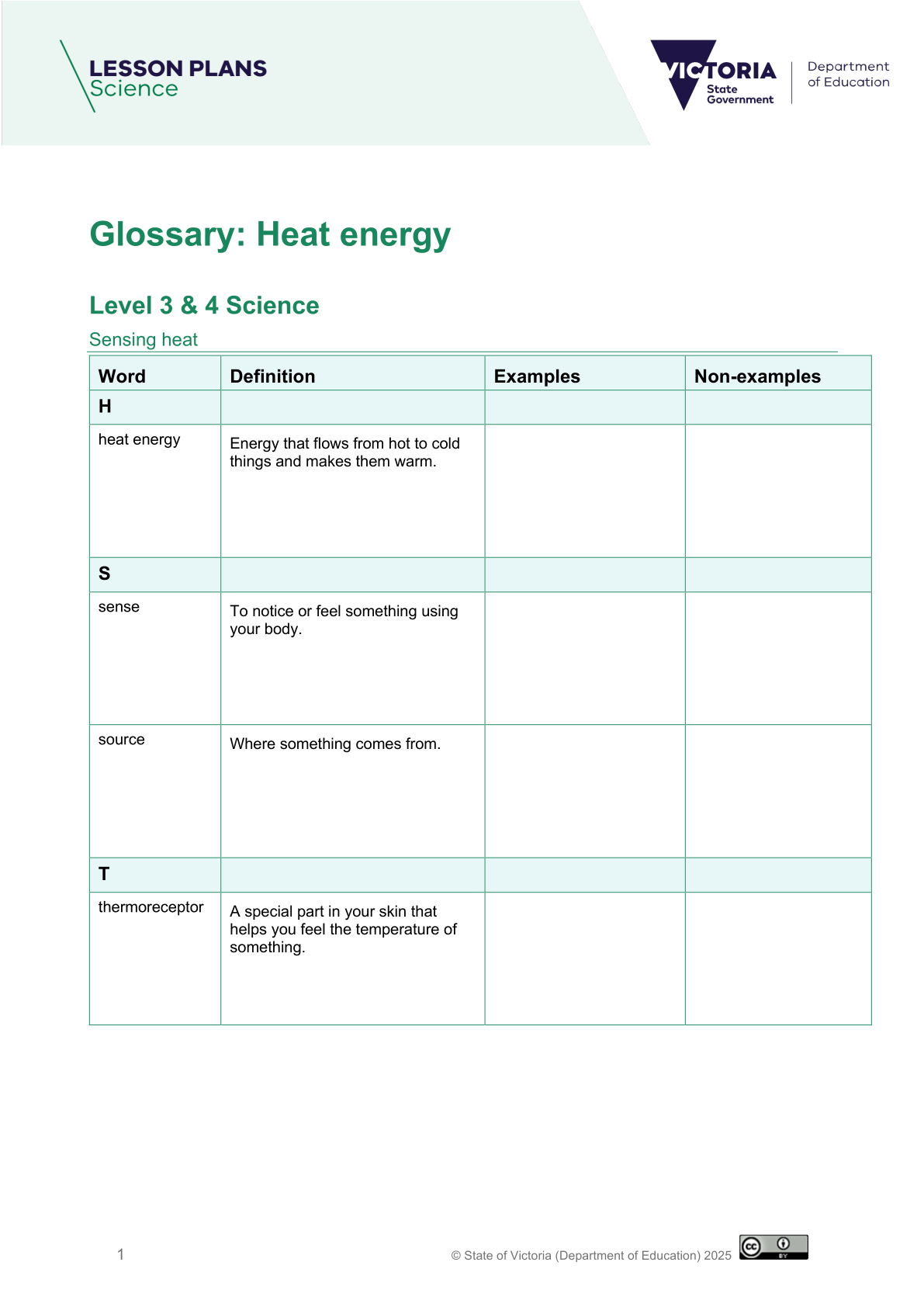
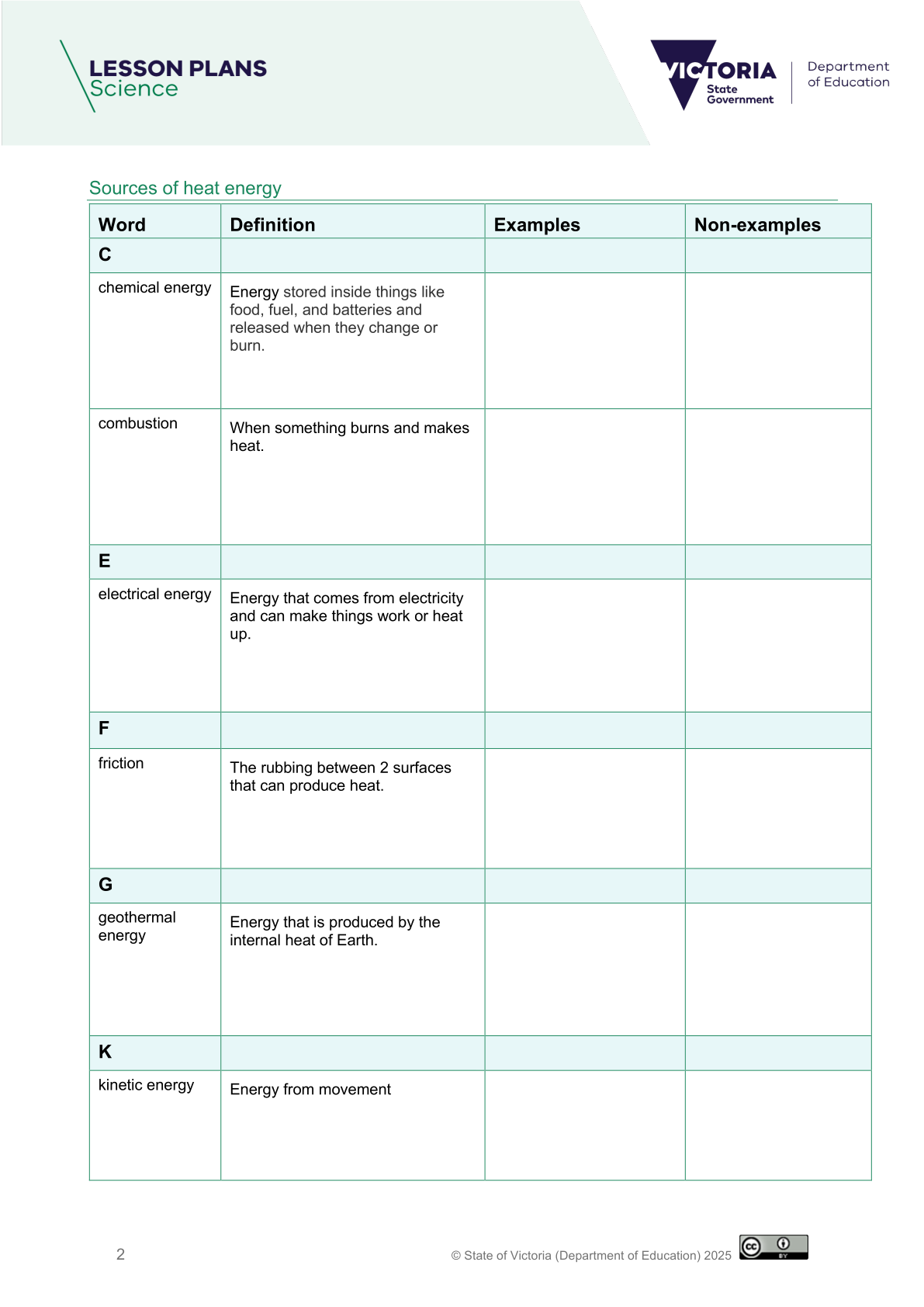
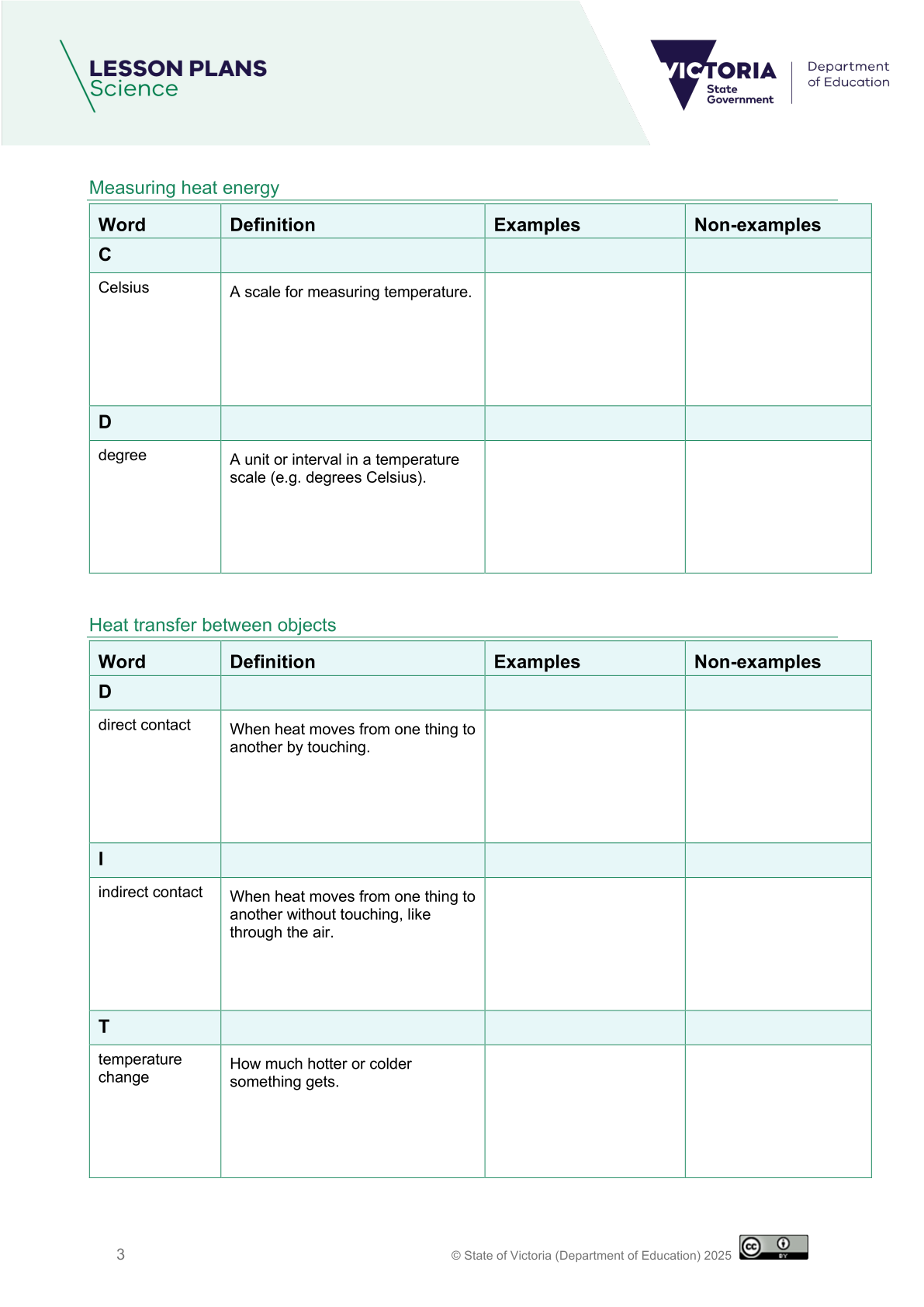
Students investigate how heat is produced from different sources and how temperature changes when heat transfers between objects. They use thermometers to collect data and learn vocabulary like "conductor" and "insulator."
Year 4 - Heat Transfer in Action
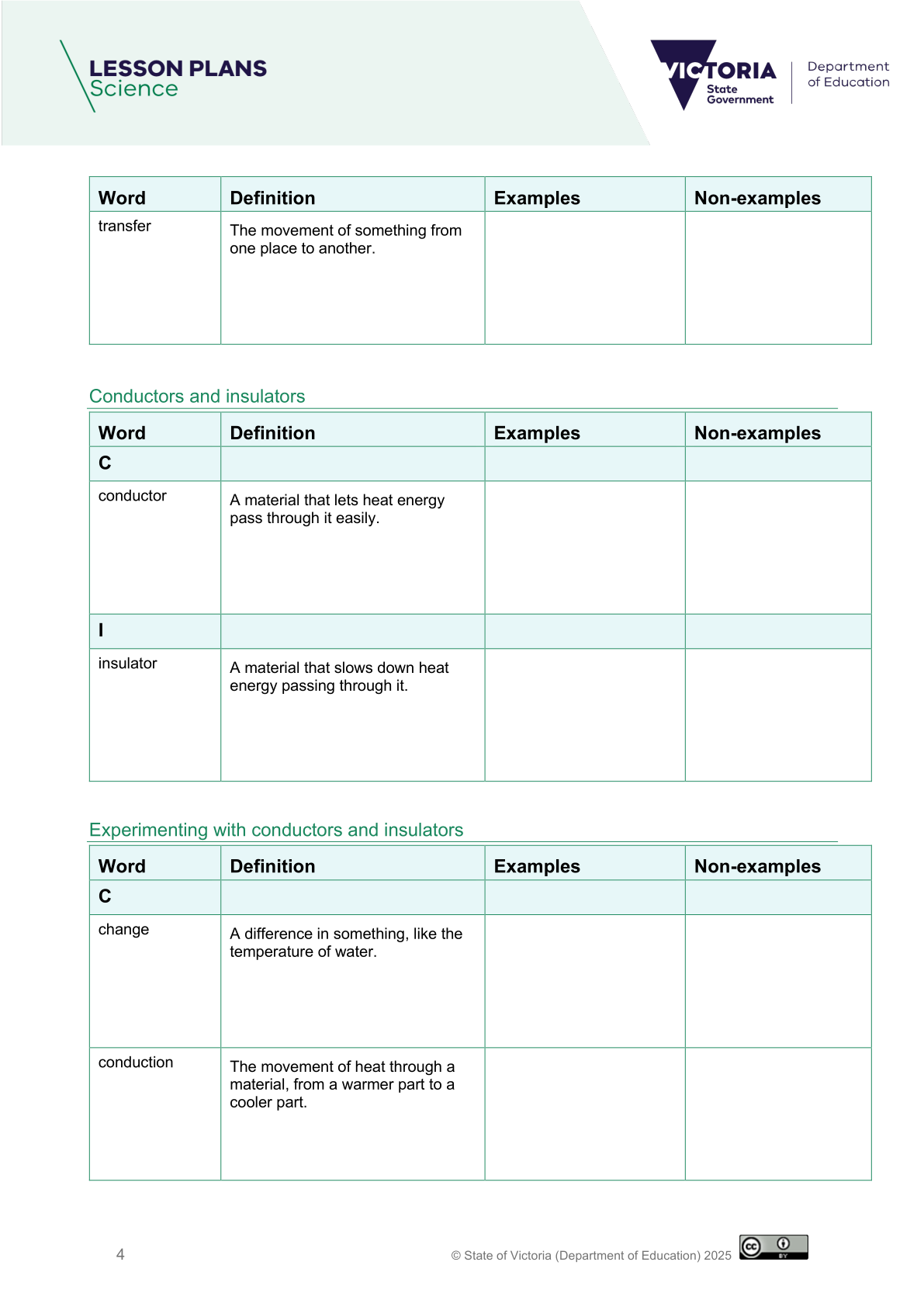
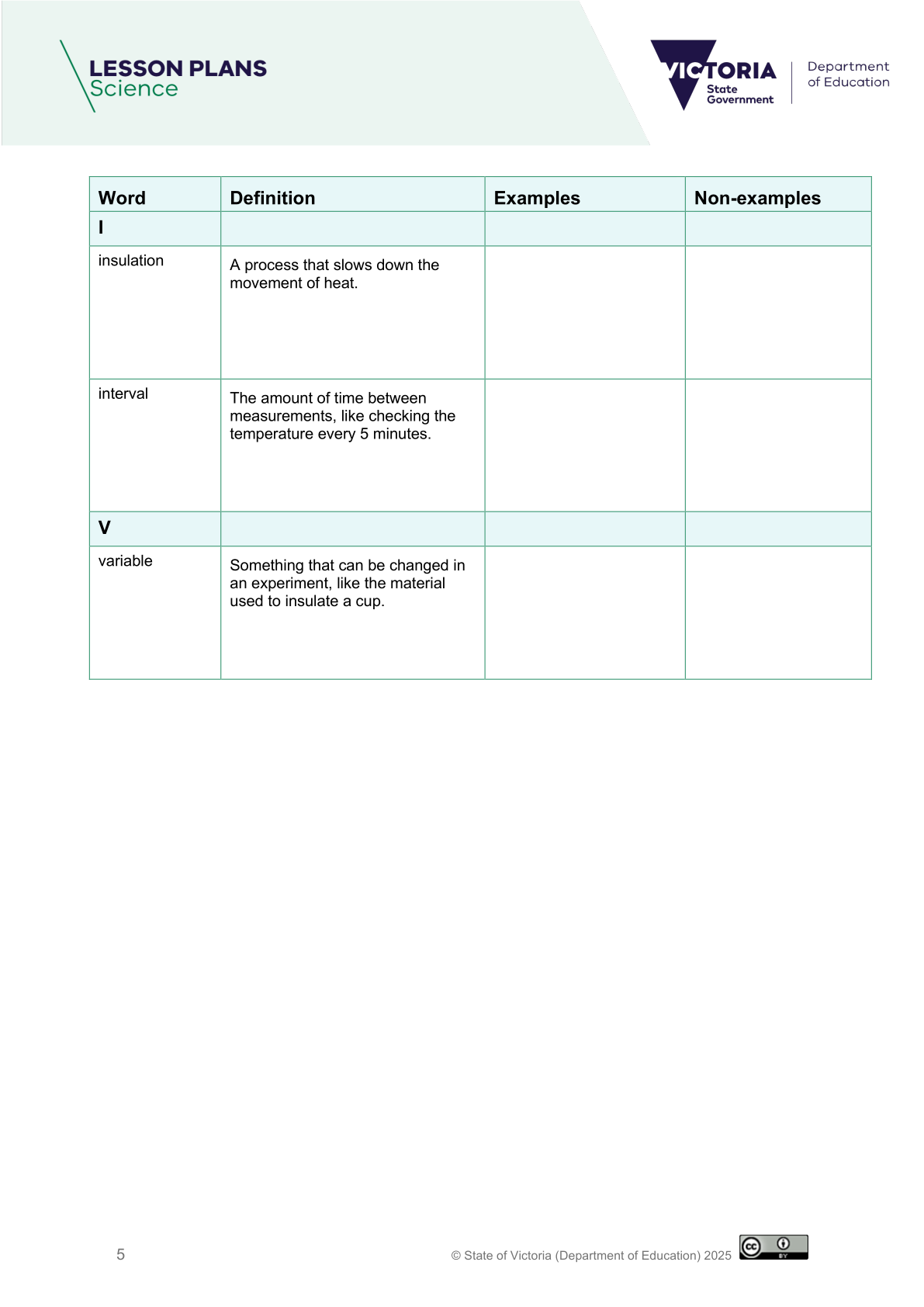
Students explore how heat moves through conduction and compare how different materials affect heat transfer rates. They apply this knowledge to select materials for real-world problems while considering sustainability.
Year 5 - Light Behaviour
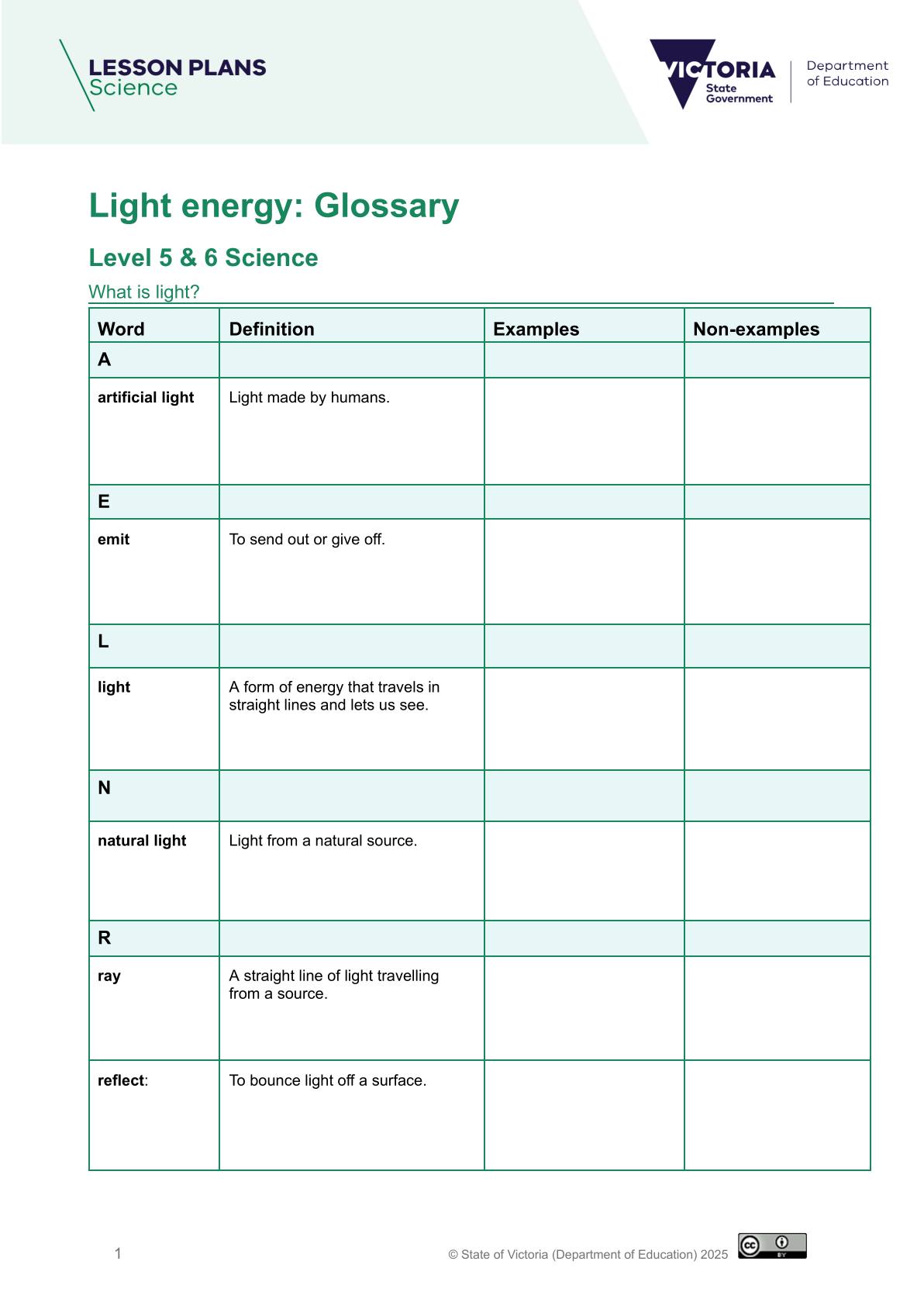
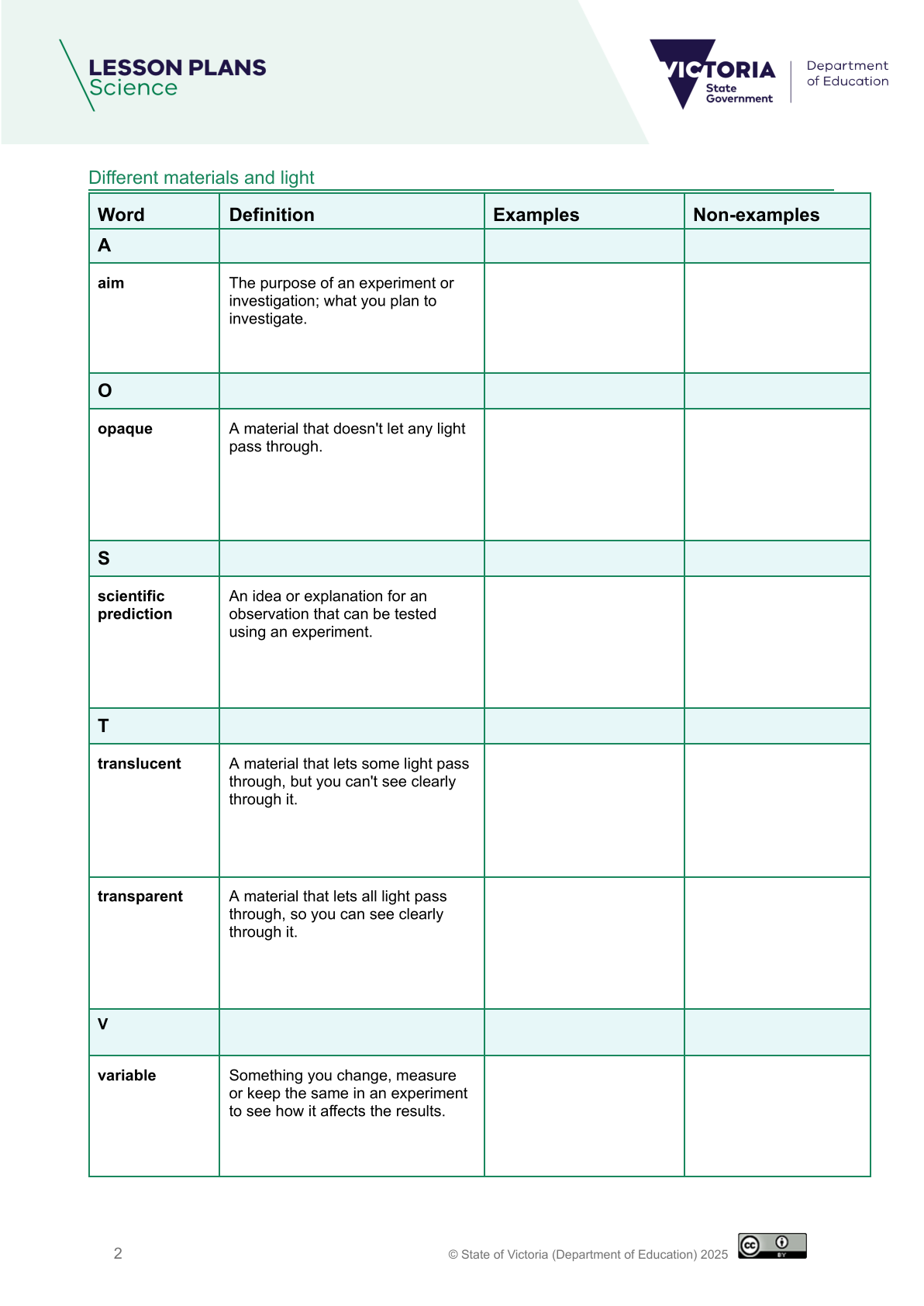
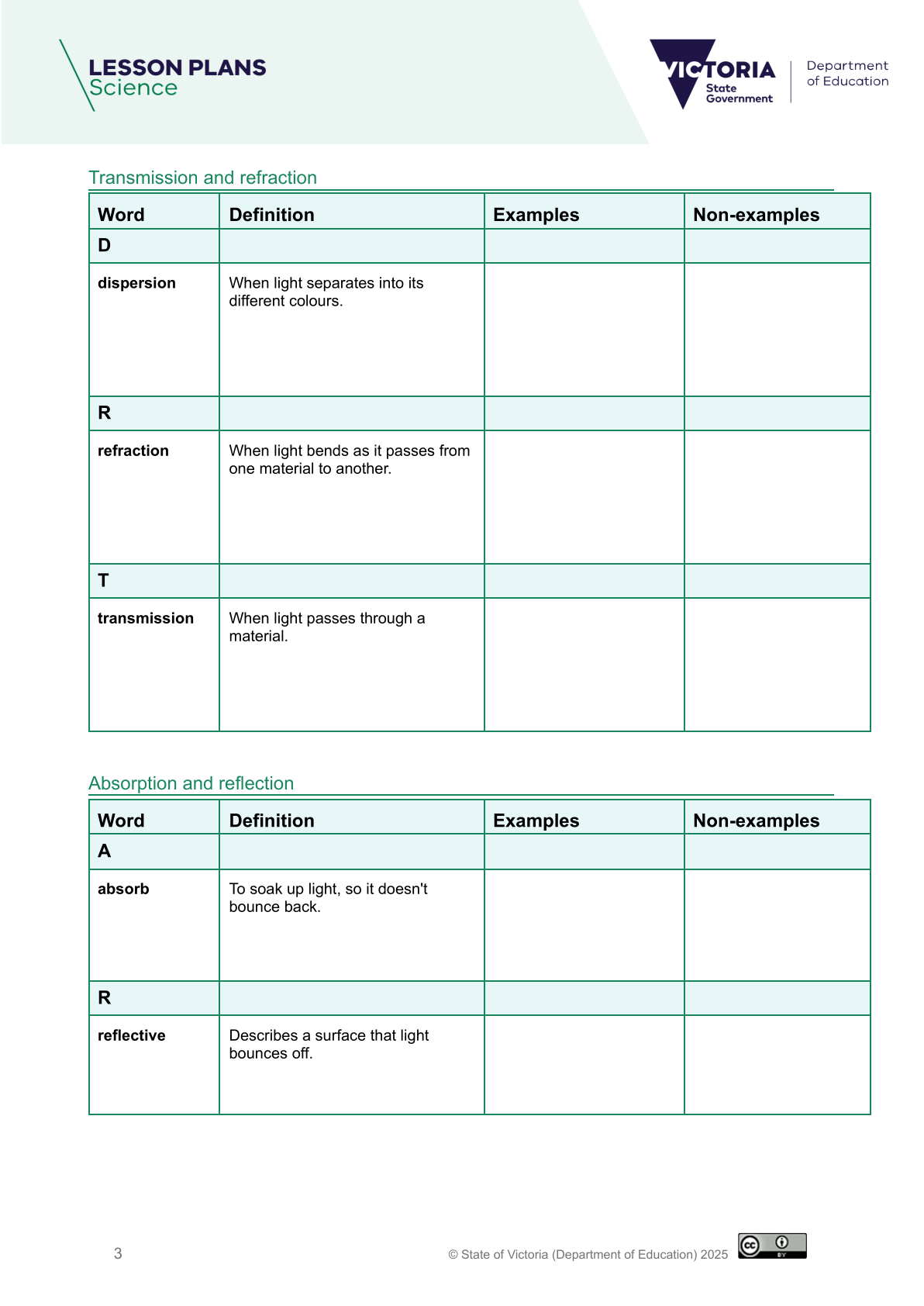
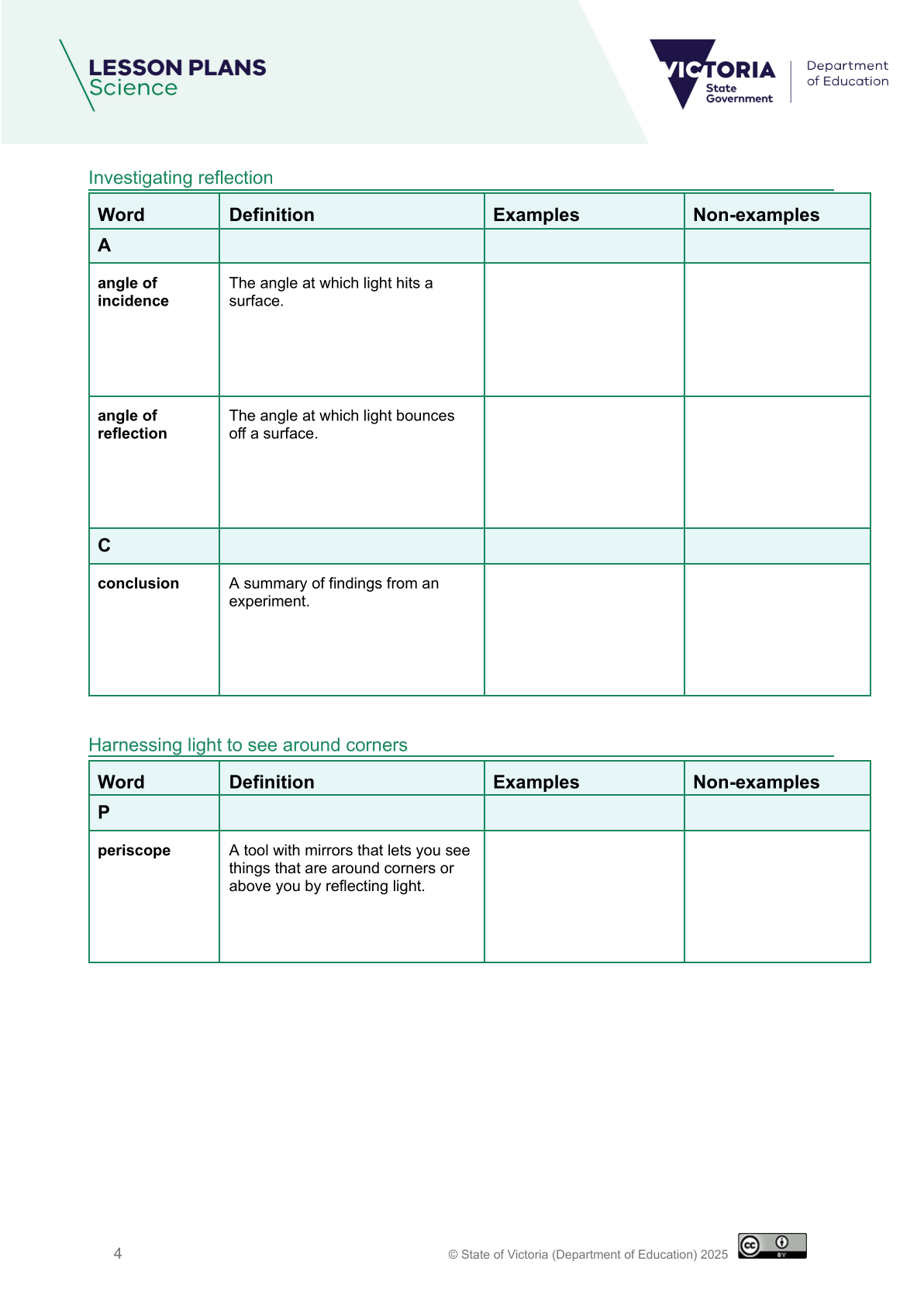
Students investigate how light travels in straight lines and interacts with materials through absorption, transmission, reflection, and refraction. They learn how these behaviours influence shadows and visibility.
Year 6 - Predicting and Explaining Light
Students use their understanding to predict how light will behave and justify solutions to real-world problems. They work with advanced concepts including lenses, prisms, and different mediums while independently managing safety and sustainability.
ACKNOWLEDGING THE BOONWURRUNG & BUNURONG PEOPLE AS AUSTRALIA'S FIRST SCIENTISTS
In all our STEM learning, we acknowledge the Boonwurrung & Bunurong people as the Traditional Custodians of the land on which we learn. The Boonwurrung & Bunurong people are the first astronomers, ecologists, botanists, and meteorologists in this Country, practicing science for over 60,000 years. Their continuing knowledge and careful observation inspires our approach to science today. If you’re interested in learning more, we recommend "The First Scientists" by Corey Tutt (available from The Chestnut Tree Book Shop: https://www.thechestnuttree.com.au/).
SAFETY & SCHOOL VALUES
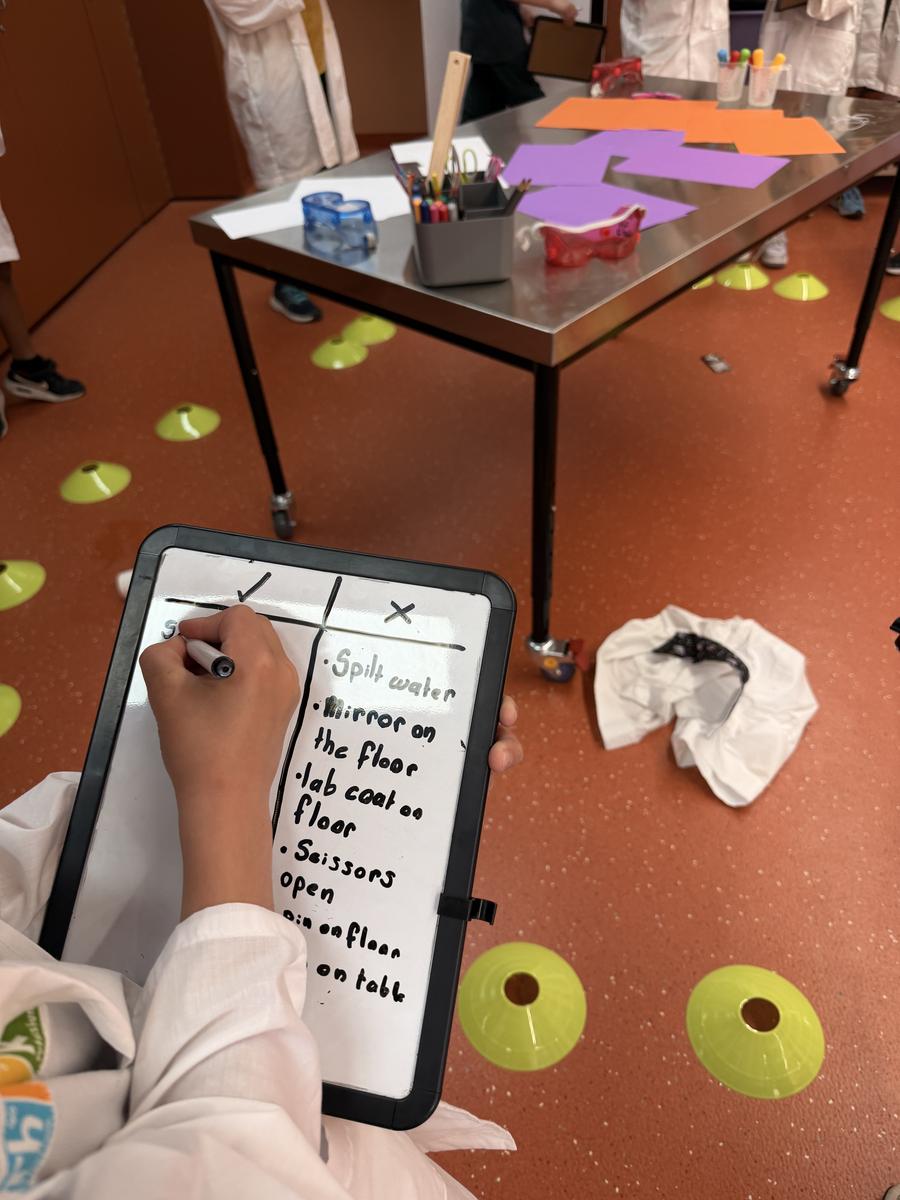
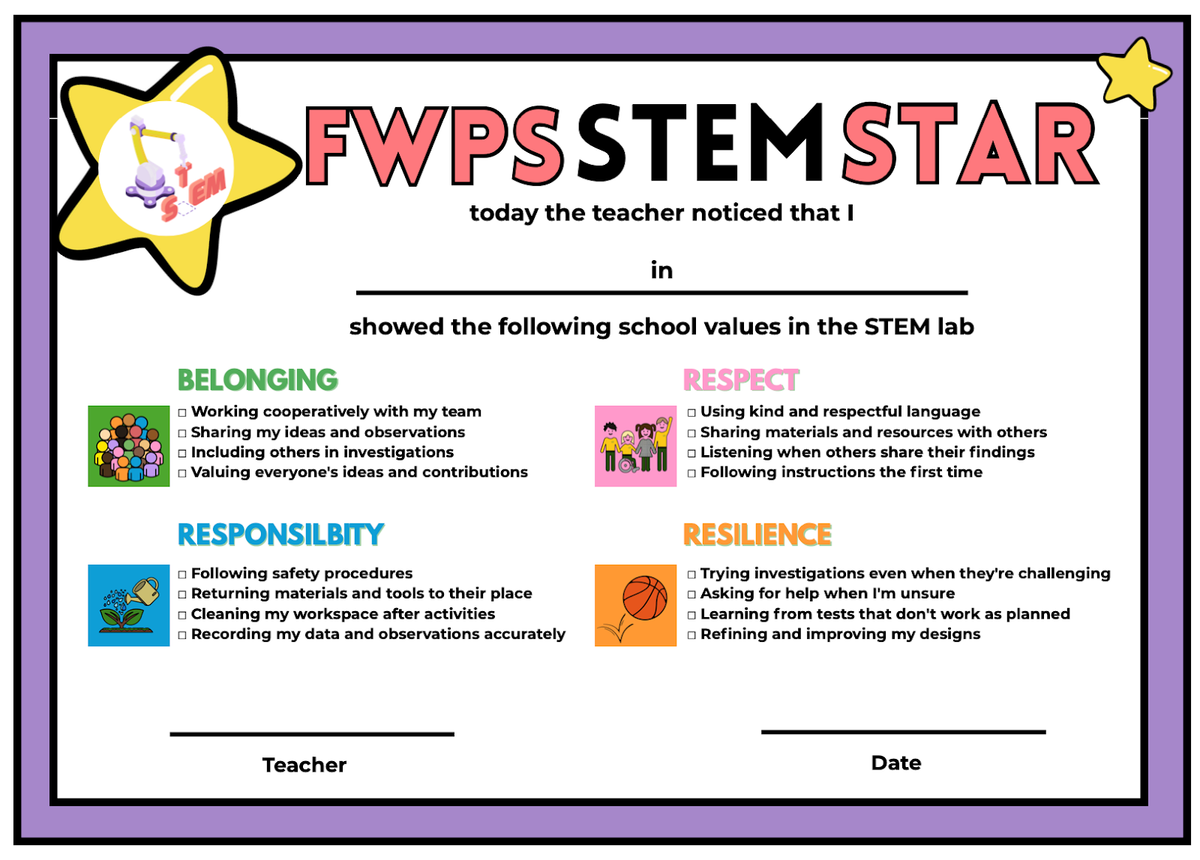
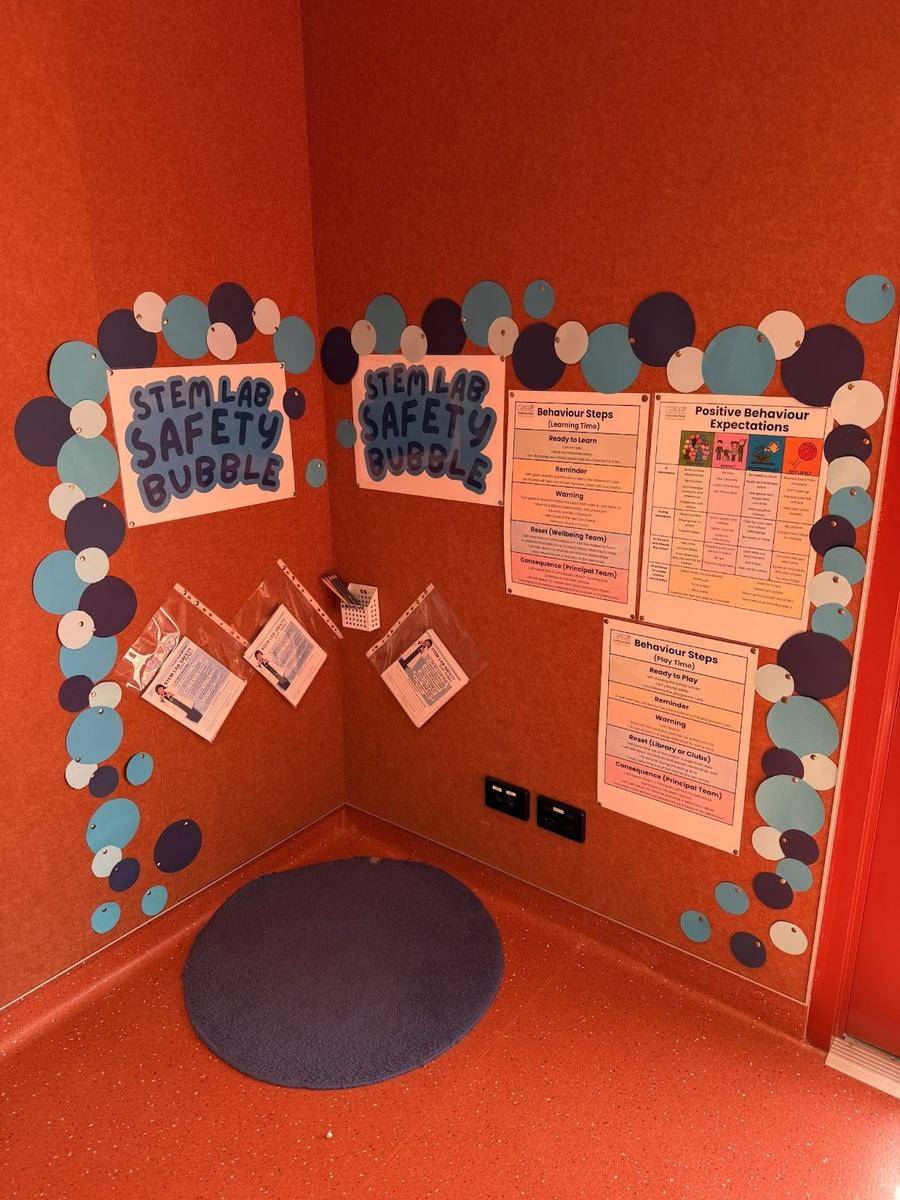
Safety is our first priority. Students will learn age-appropriate safety procedures including using tools responsibly, identifying hazards, keeping our workspace tidy, reducing waste, and asking for help when unsure. Our STEM Lab also incorporates our school values of Respect, Responsibility, Resilience, and Belonging in every session, with STEM Star Awards celebrating student achievements. Your child may have already bought one home to celebrate their success with you.
VOCABULARY GLOSSARIES FOR HOME
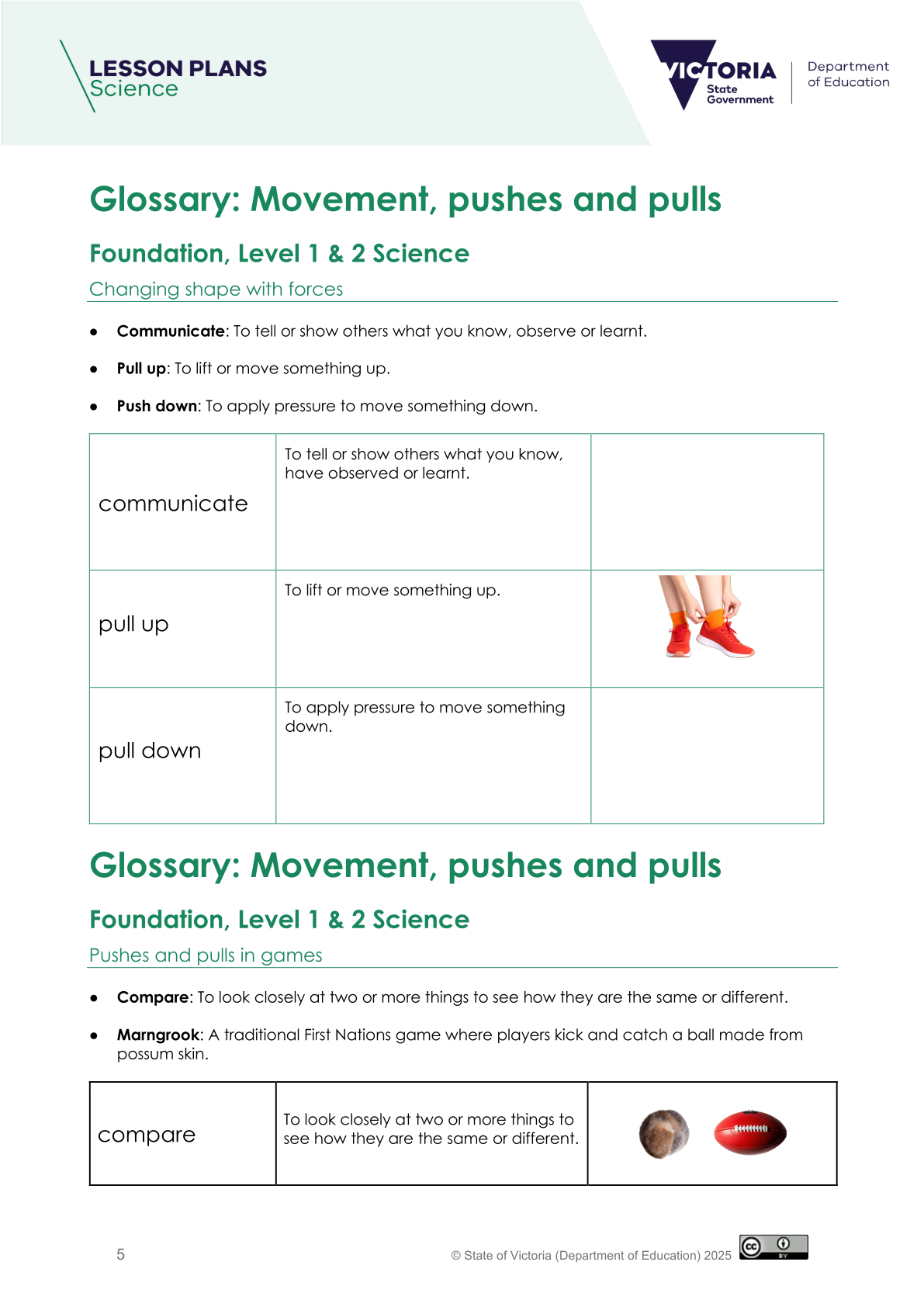
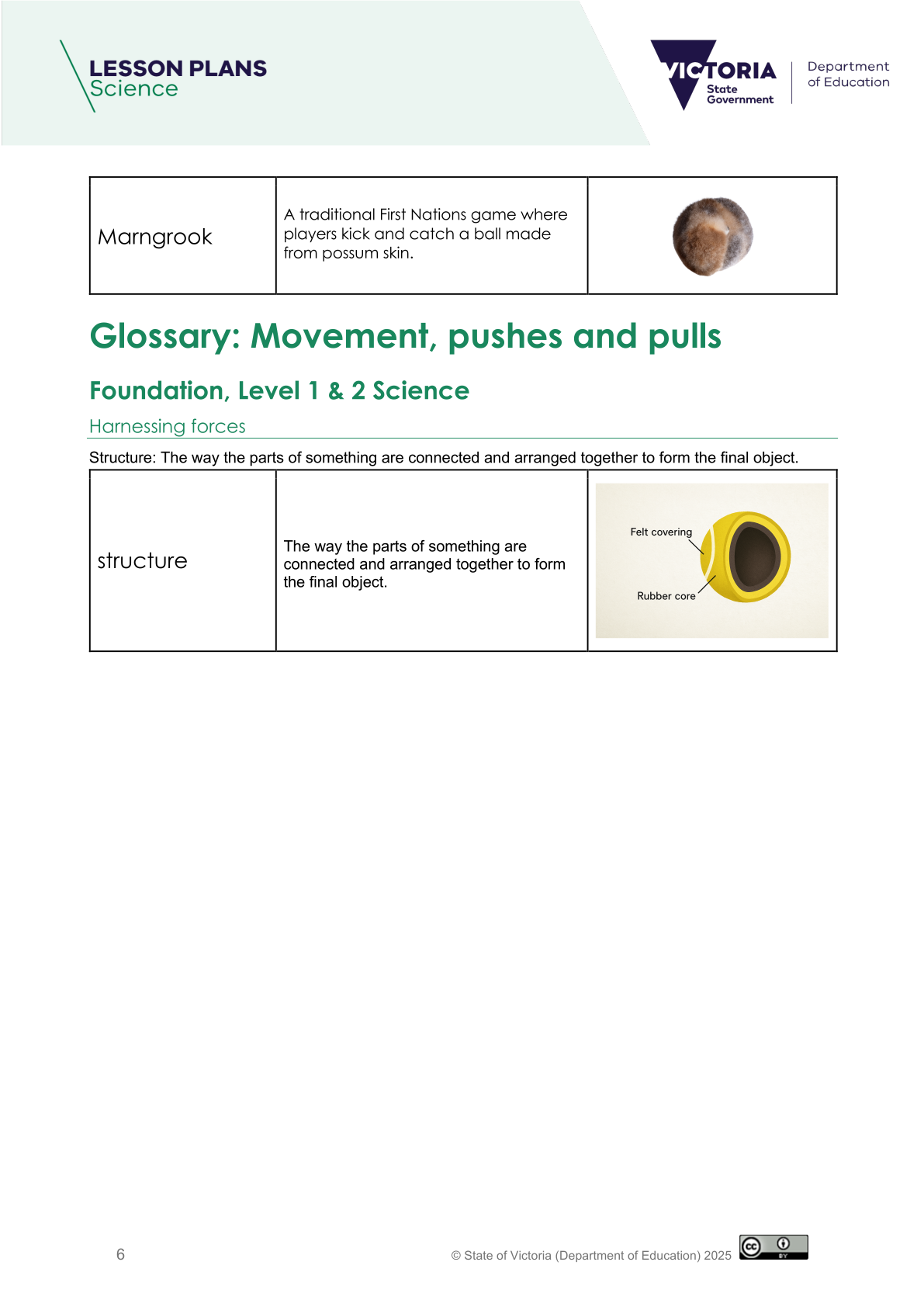
To support learning at home, we've attached year-level vocabulary glossaries from the Victorian Department of Education's ARC resources. These explain the scientific terms students use in STEM and provide opportunities for families to discuss concepts together.
You might want to:
Use scientific vocabulary in everyday conversations
How You Can Support Your Child's STEM Learning
We're incredibly excited about this new chapter of learning and look forward to seeing your children develop as young scientists and engineers!
Happy investigating!
Shannon Mason & Tom Li
STEM Teachers