Wellbeing
Fiona Dandie & Robert Pain








 Whittlesea Primary School
Wellbeing
Fiona Dandie & Robert Pain
Disability Support Funding in Victorian Government Schools
As provided by the Department of Education, this information provides an overview of disability support funding in Victorian government schools, including changes to funding arrangements from 2027.
A range of policies, programs and resources is available to assist Victorian government schools in making reasonable adjustments for students with disability.
Disability support funding in Victorian government schools includes the following key elements:
A tiered funding and support model
A tiered funding and support model provides resources that schools can use to support students with disability. The tiers include:
Tier 3 – Student-level disability funding, adding onto Tier 1 and Tier 2 funding, to support schools to deliver adjustments for individual students with complex and high needs.
Schools can use this funding for a range of activities and specific programs, including:
A strength-based process called the Disability Inclusion Profile to help identify the student’s needs and adjustments.
The Profile is designed to:
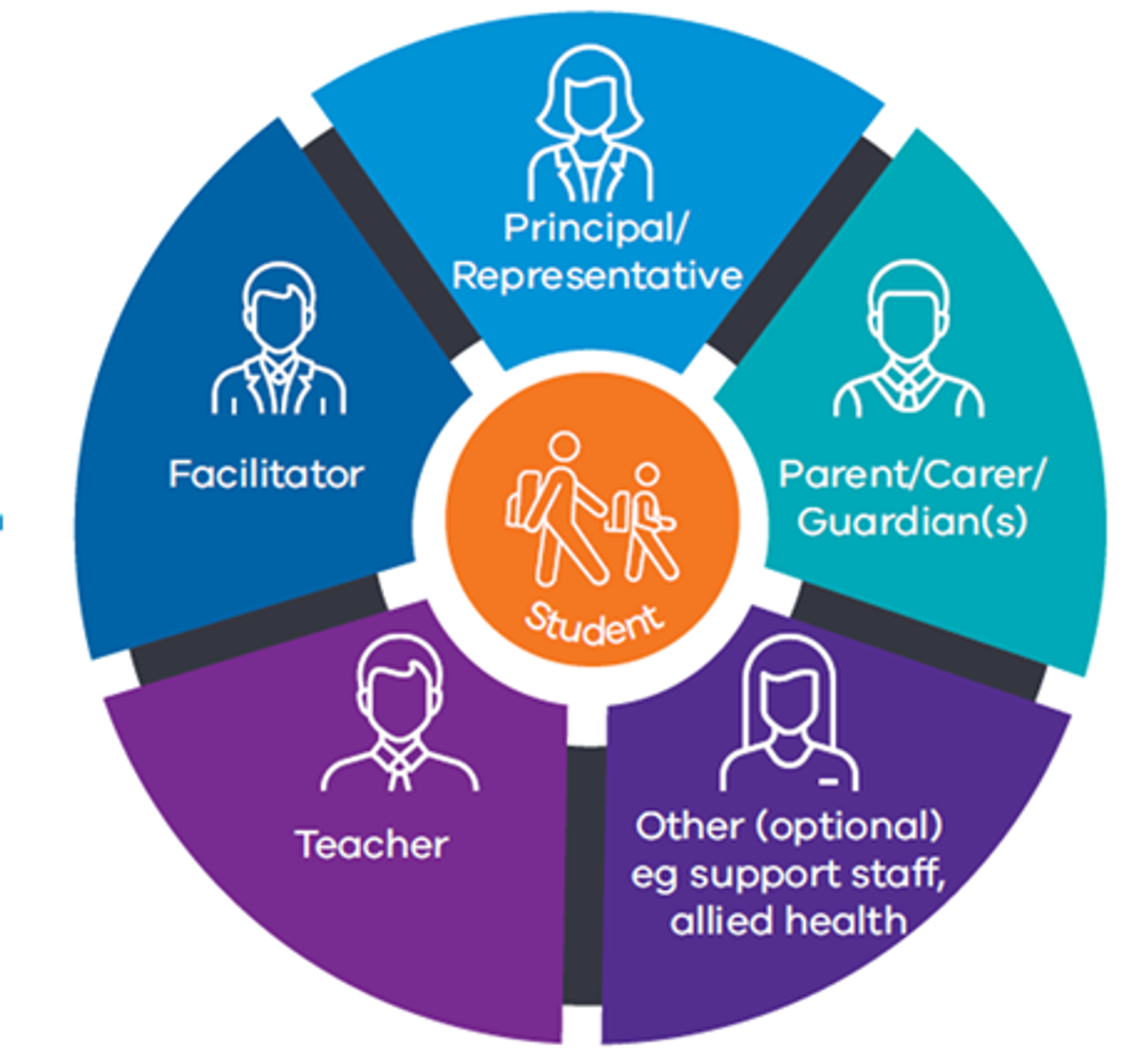
The Profile is completed during a meeting that includes people who know the child, along with a trained facilitator who helps the school and families complete it. Schools, in discussion with families, will decide if a student needs to undertake a Profile.
Training and coaching for teachers and school staff about the best ways to support student learning.
2027 changes to student-level disability support funding
From 2027, changes will be made to student-level disability funding arrangements in Victorian government schools. These changes affect both Disability Inclusion Tier 3 and Program for Students with Disabilities (PSD) funding. Students already eligible for student-level funding for the 2027 school year will remain eligible. However, changes to funding settings will affect the amount of funding provided to schools for eligible students. Schools will continue to make reasonable adjustments to support students with disabilities in accessing and participating in learning. Under both state and Commonwealth laws, schools must make ‘reasonable adjustments’ to accommodate students with disability.
2027 changes: Frequently Asked Questions
From 2027, the way student-level disability funding is provided in Victorian government schools will change.
The changes include:
These changes affect both Disability Inclusion Tier 3 and Program for Students with Disabilities (PSD) funding.
If your child is already receiving individualised disability funding for the 2027 school year, they will remain eligible in 2027.
Students and their families do not need to provide any additional information or undertake a new Profile for 2027.
The changes to funding settings affect the amount of funding provided to schools for eligible students, starting in 2027. This includes students eligible for Tier 3 student-level funding and Program for Students with Disabilities funding.
This includes:
These changes affect funding for eligible students in different ways, depending on their school setting and enrolment arrangements.
A revised Profile will be introduced and used for all Profile meetings from Term 1, 2027 onwards. The revised Profile will include 26 activities across 5 domains, reduced from 31 activities across 6 domains. Some activity names and definitions will also be updated.
Schools will continue to make reasonable adjustments to support students with disabilities in accessing and participating in learning. Schools use student-level funding together with other school resources to provide a range of supports and reasonable adjustments. Support planning will continue through the usual Student Support Group (SSG) and Individual Education Plan (IEP) processes. Support is planned based on each student’s strengths, needs and goals.
No. You do not need a new Profile meeting because of these changes.
Schools, in discussion with families, will decide if a student needs to complete a Profile. The Profile is not compulsory for any student and requires consent from the student's parents/carers.
We have recently completed a Profile and are waiting for the outcome. Do we need to do anything because of the 2027 changes?
No. You do not need a new Profile meeting because of these changes.
If your child has already completed a Profile meeting, the outcome process will continue as usual. If your child is found eligible, the 2027 changes affect funding amounts allocated to your school from 2027 onwards.
If you have questions about your child’s individual circumstances, please speak with your school.
My child is due to complete a Profile in 2027. What do the 2027 changes mean for their Profile?
A revised Disability Inclusion Profile will be used for all Profile meetings held from Term 1, 2027. Your school will continue to work with you through the usual process and can explain what this means for your child’s Profile meeting and support planning.
If your child’s needs change, your school will work with you through a Student Support Group (SSG) process to review your child’s needs and goals and plan the supports and reasonable adjustments needed to enable them to access and participate in learning.
Schools, in discussion with families, will decide if a student needs to complete a Profile. The Profile is not compulsory for any student and requires consent from the student's parents/carers.
If you have questions about these changes, please contact your school. Where the changes are relevant to individual students, schools will communicate directly with families.
More information