Term 4 Learning Summary
English
Initial Lit
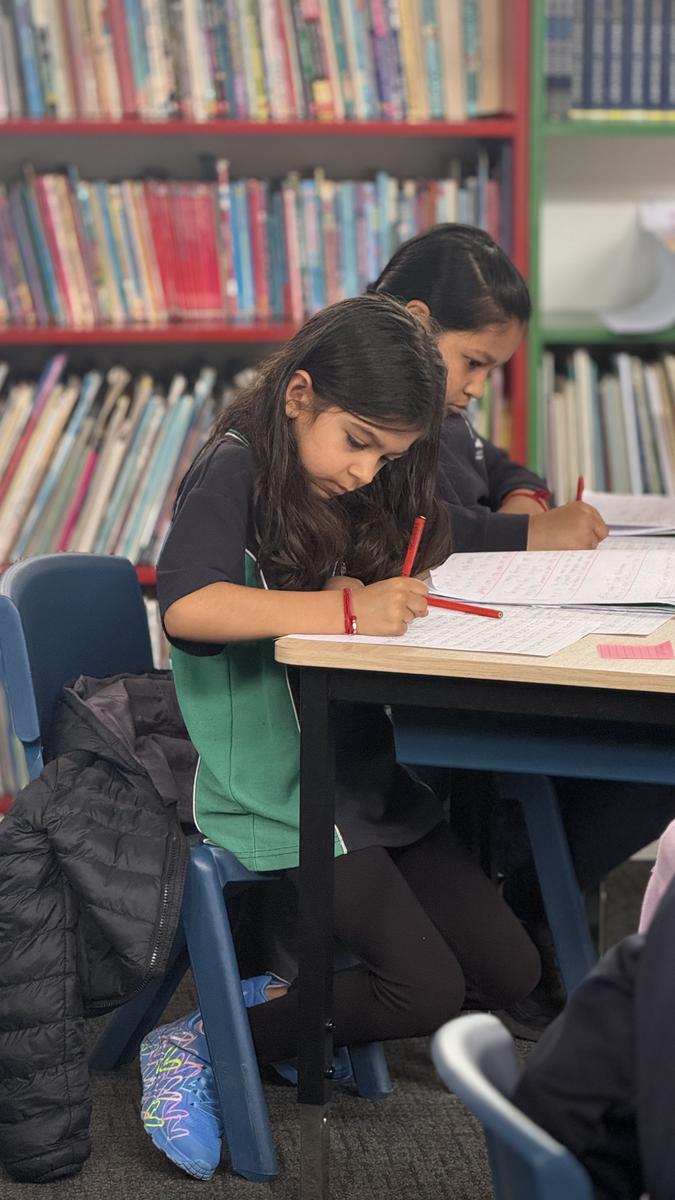
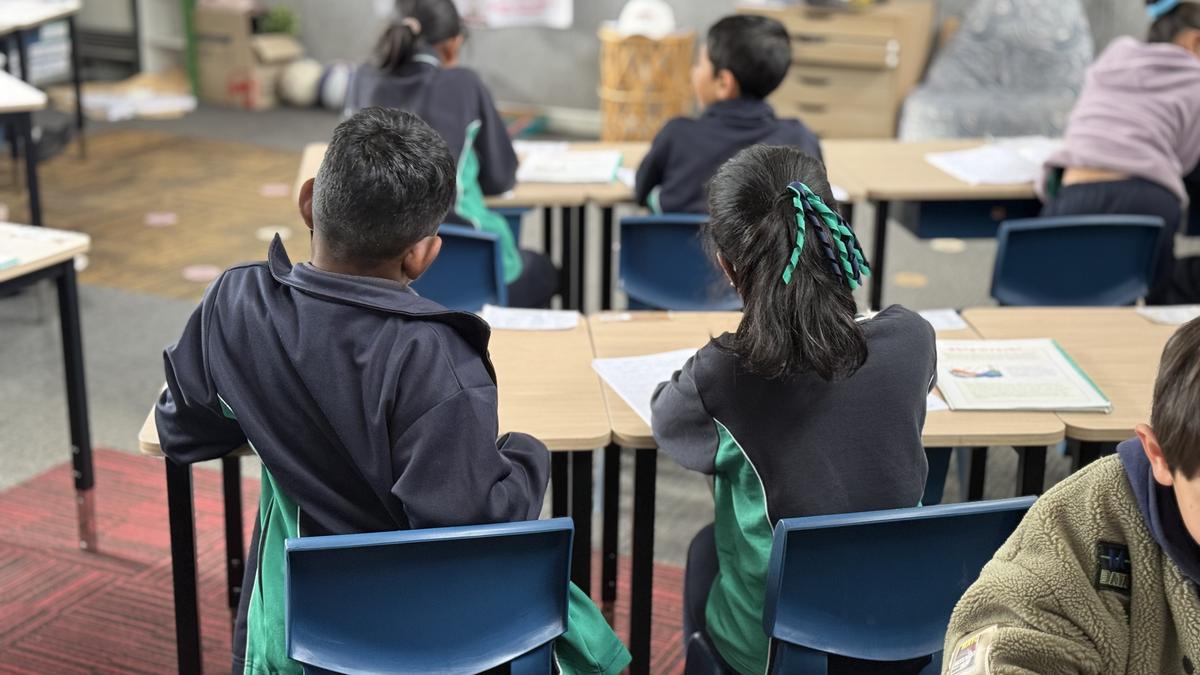
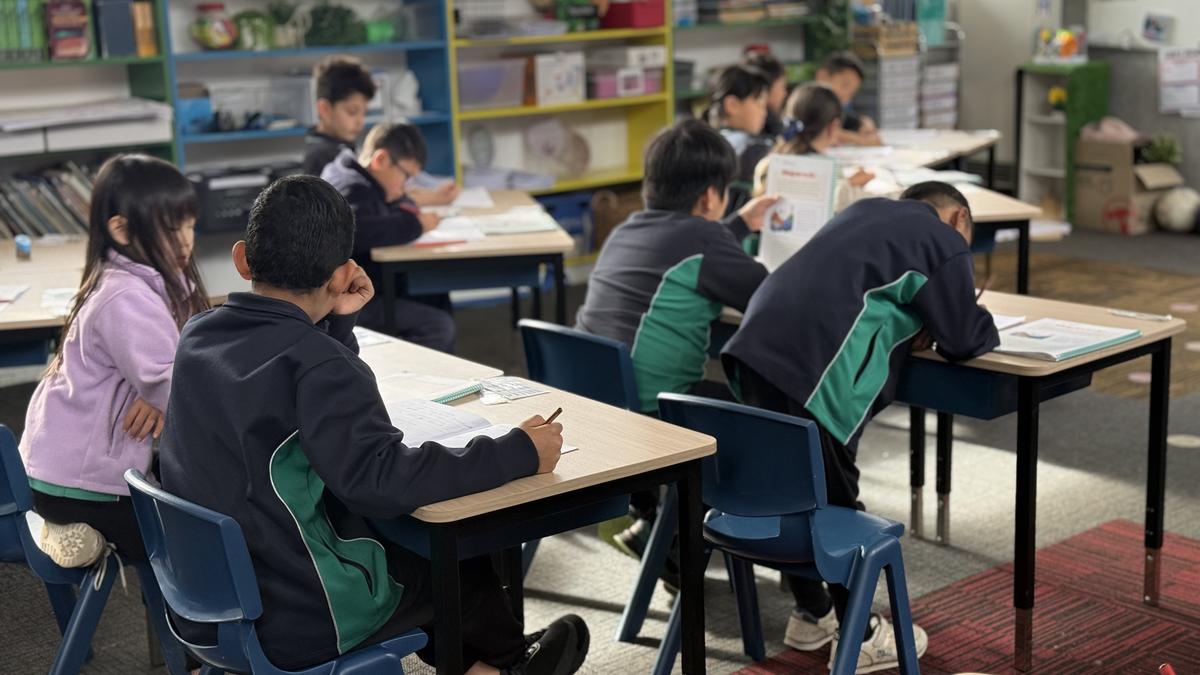
This term, students will continue to develop their English skills through engaging reading, writing, spelling and grammar experiences. They will build comprehension, fluency and vocabulary as they explore narrative, informative and persuasive texts, while strengthening their understanding of spelling patterns and grammatical conventions.
Through Storybook analysis and creative writing, students will apply their learning to create imaginative narratives, develop characters and plots, and communicate ideas clearly and effectively. These experiences will support students to become confident, independent readers and writers while encouraging curiosity, creativity and a love of language.
Reading lessons
Students will continue to develop comprehension and fluency, with new vocabulary introduced and discussed in each lesson. They will engage with shared texts across narrative and informative genres and explore persuasive texts by asking questions, making predictions and identifying key features of persuasive language.
Spelling lessons
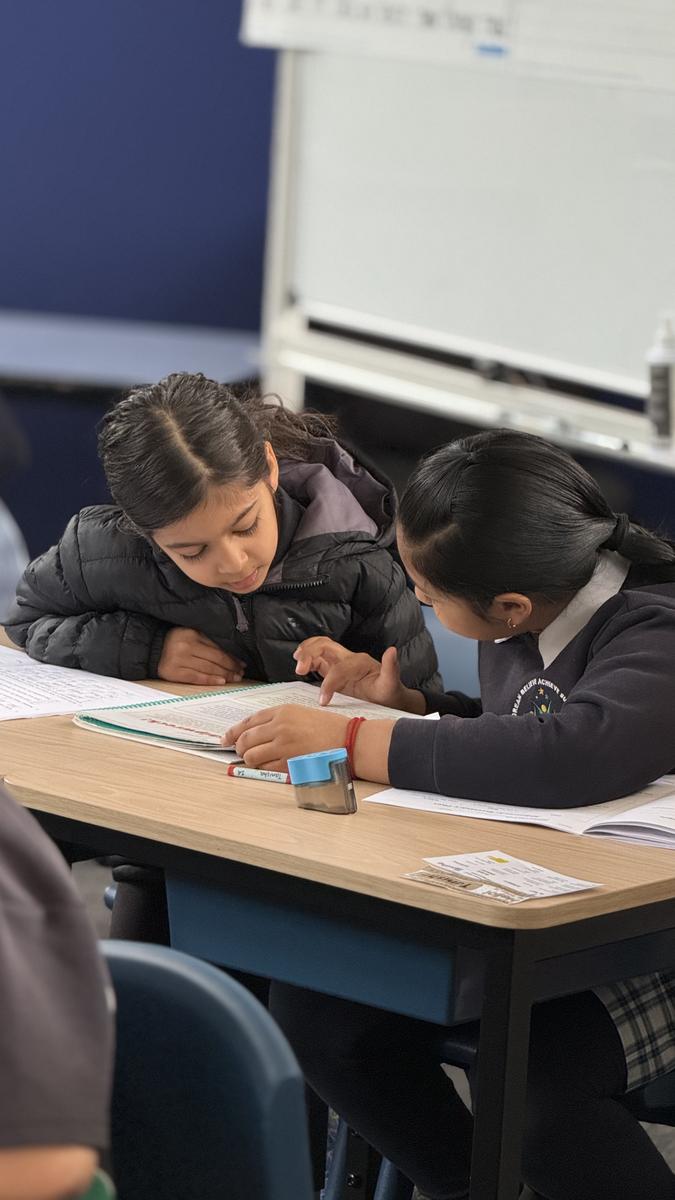
Students will deepen their understanding of spelling rules by exploring sounds represented by digraphs and trigraphs, such as ch/tch, or/ore and au/aw. They will extend their word-building skills through the study of suffixes, including –tion, and review and consolidate spelling patterns from across the year. Students will also exercise voice and choice by selecting their own Tricky Words for further practice.
Storybook sessions
Students will engage with quality children’s literature, including George’s Marvellous Medicine by Roald Dahl and The Twenty-Seventh Annual African Hippopotamus Race by Morris Lurie. These sessions will deepen vocabulary and oral expression and provide opportunities for students to apply their learning to writing.
Grammar
Students will explore different types of adjectives, including those that describe appearance, texture, sound, taste, smell and emotions. They will practise using adjectives before and after nouns and combining multiple adjectives, using commas appropriately, to add detail to their writing. Students will also identify and construct noun groups to strengthen sentence structure and communicate ideas with greater precision.
To support your child’s learning at home, you can:
- Encourage your child to read every day for 10–15 minutes using their school readers and read aloud to an adult or older sibling at least once a week.
- Ask your child about their Tricky Words for the week and practise spelling them orally.
- Point out and discuss examples of nouns, pronouns, adjectives, verbs and adverbs in books, signs and other reading materials.
Writing
In Writing, students will continue to develop their skills across persuasive, informative and narrative text types. They will explore how authors make purposeful choices about language, structure and vocabulary according to their audience and the type of text they are creating.
Through persuasive writing, students will learn to express a clear opinion and support their ideas with relevant reasons and evidence. They will explore persuasive language and text structures before planning and creating their own persuasive texts designed to influence an audience.
In informative writing, students will develop their ability to communicate factual information clearly and accurately. They will explore features such as headings, labelled diagrams, topic-specific vocabulary and organised paragraphs, applying these skills when creating informative texts about topics they have investigated.
Students will also explore narrative writing, developing their understanding of characters, settings, plots, problems and resolutions. They will experiment with dialogue, conjunctions and different tenses to create engaging and well-sequenced stories.
Across all text types, students will continue to strengthen their sentence structure, vocabulary, punctuation, editing and writing fluency. They will have opportunities to develop their own voice as writers while selecting appropriate language and structures to communicate effectively with different audiences.
To support your child’s learning at home, you can:
- Choose a favourite story, movie or fairy tale with your child and discuss how the ending could be changed.
- Encourage your child to practise handwriting and letter formation and write for enjoyment, such as writing letters or stories.
- Ask your child to explain their thinking when completing Home Learning activities.
- Discuss different topics together and encourage your child to share and justify different points of view.
Key Vocabulary
Writing
- Opinion
- Convince
- Information
- Evidence
- Summary
Grammar
- Proper nouns
- Common nouns
- Pronouns
- Adjectives
Spelling
- Digraph
- Long vowel


Mathematics
This term, students will consolidate their mathematical understanding through hands-on learning and investigation. They will develop their understanding of fractions by exploring how shapes, objects and collections can be divided into equal parts. Students will identify and represent halves, quarters and eighths using concrete materials and visual models, developing an understanding that fractions represent equal sharing and grouping.
Students will apply their understanding of fractions to everyday situations, such as sharing food and dividing collections. They will also explore location and develop skills in giving and following directions to navigate spaces. Students will interpret maps, identify key features and consider the distance between landmarks, strengthening their spatial awareness and problem-solving skills.
To support your child’s learning at home, you could:
- Create towers or patterns using blocks or LEGO and ask, “What fraction of your tower is red?” or “How many blocks would be half of the tower?”
- Collect and represent simple data together, such as favourite fruits, colours or toys. Create a tally or graph and discuss what you notice.
- Look for patterns and practise location language during everyday activities. Encourage your child to describe what comes next in a pattern or give directions using words such as beside, behind, between, left and right.
Key Vocabulary
- Halves
- Quarters
- Eighths
- Area
- Data collection
- Concrete materials
- Additive pattern
- Increasing
- Decreasing
- Number pattern
Inquiry
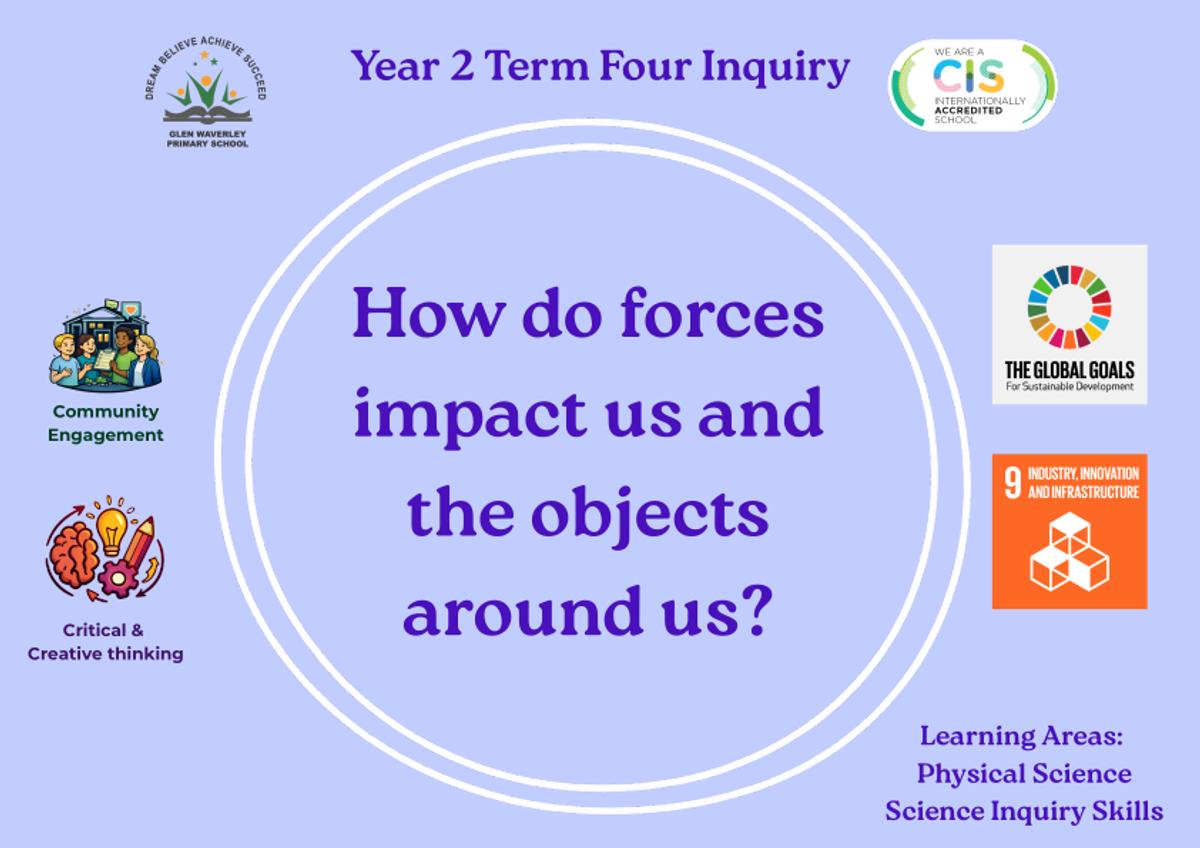
In Term Four, students will explore the inquiry question, “How do forces impact us and the objects around us?” They will investigate how forces are present in everyday movements, including pushing, pulling, buoyancy and gravity. Students will observe forces in action and explore how the strength of a force can affect moving objects of different sizes, shapes and materials.
Students will visit Scienceworks to explore concepts including contact and non-contact forces, buoyancy, gravity and magnetism. These experiences will provide opportunities for students to connect scientific concepts with real-world applications and deepen their understanding of how forces affect the world around us.
Students will also explore how Aboriginal and Torres Strait Islander peoples use their understanding of forces to solve problems and care for people and the environment. They will apply their understanding by creating a model that demonstrates a force and sharing their learning with their peers.
Key Vocabulary:
Contact and non-contact forces
- Friction
- Magnetics
- Buoyancy
- Gravity
- Tension
- Resistance
How can you support your child’s Inquiry learning at home?
- Discuss forces in everyday life. Talk about the different types of forces your child experiences each day. For example, opening a door involves a pulling force, while closing a door involves a pushing force.
- Encourage observation and discussion. Ask questions such as, “What makes the swing move back and forth?” or “Why does the ball stop rolling when you stop pushing it?” Encourage your child to explain what they notice and why they think it happens.
- Try simple, safe experiments. Use magnets to explore which objects are attracted or repelled, or create ramps using different materials to investigate how they affect the movement of a toy car. These hands-on activities will give your child opportunities to explore forces in fun and meaningful ways.
Wellbeing
The Resilience Project
In Term Four, Year Two students will continue exploring The Resilience Project, with a focus on developing their emotional literacy. Emotional literacy is the ability to recognise, understand and express feelings, and is an important part of building positive relationships and developing resilience.
Students will participate in activities that support them to identify and name their emotions and explore strategies for managing their feelings. Through group discussions and collaborative and creative activities, they will practise expressing their feelings, listening to others with empathy and developing a toolbox of strategies to help them manage challenging emotions.
Students will participate in GEM Chat activities that focus on gratitude, empathy and mindfulness. They will share moments of gratitude, consider how others may be feeling and practise mindful reflection. These experiences will support students to develop greater awareness of their emotions and build positive connections with others.
Key Vocabulary:
- Empathy
- Gratitude
- Mindfulness
Cyber Safety Project
In Term Four, students will continue their learning through the Cyber Safety Project, with a focus on safety and integrity. They will develop digital literacy skills and learn to think critically about their actions, choices and wellbeing when using technology.
Students will explore digital citizenship, including how to communicate respectfully with others online and how to maintain their privacy and security when using digital technologies. They will develop strategies to make safe, responsible and respectful choices in online environments.
This learning will support students to navigate the digital world safely and confidently while developing an understanding of how their online choices can impact themselves and others.
How can you support your child’s Wellbeing learning at home?
- Practise gratitude: Encourage your child to notice and talk about things they are grateful for each day.
- Practise mindfulness: Try simple mindfulness activities together, such as mindful breathing, colouring or noticing the sights and sounds around you.
- Show empathy: Encourage your child to listen carefully to others, consider how they might be feeling and respond with kindness.
Our families also have access to:
- The Resilience Project: TRP@HOME – resources to support families to continue conversations and activities around Gratitude, Empathy and Mindfulness at home.
- Cyber Safety Project: Home Resources – resources to support safe and respectful technology use at home.