Wellbeing
Fiona Dandie & Robert Pain











 Whittlesea Primary School

Wellbeing
Fiona Dandie & Robert Pain
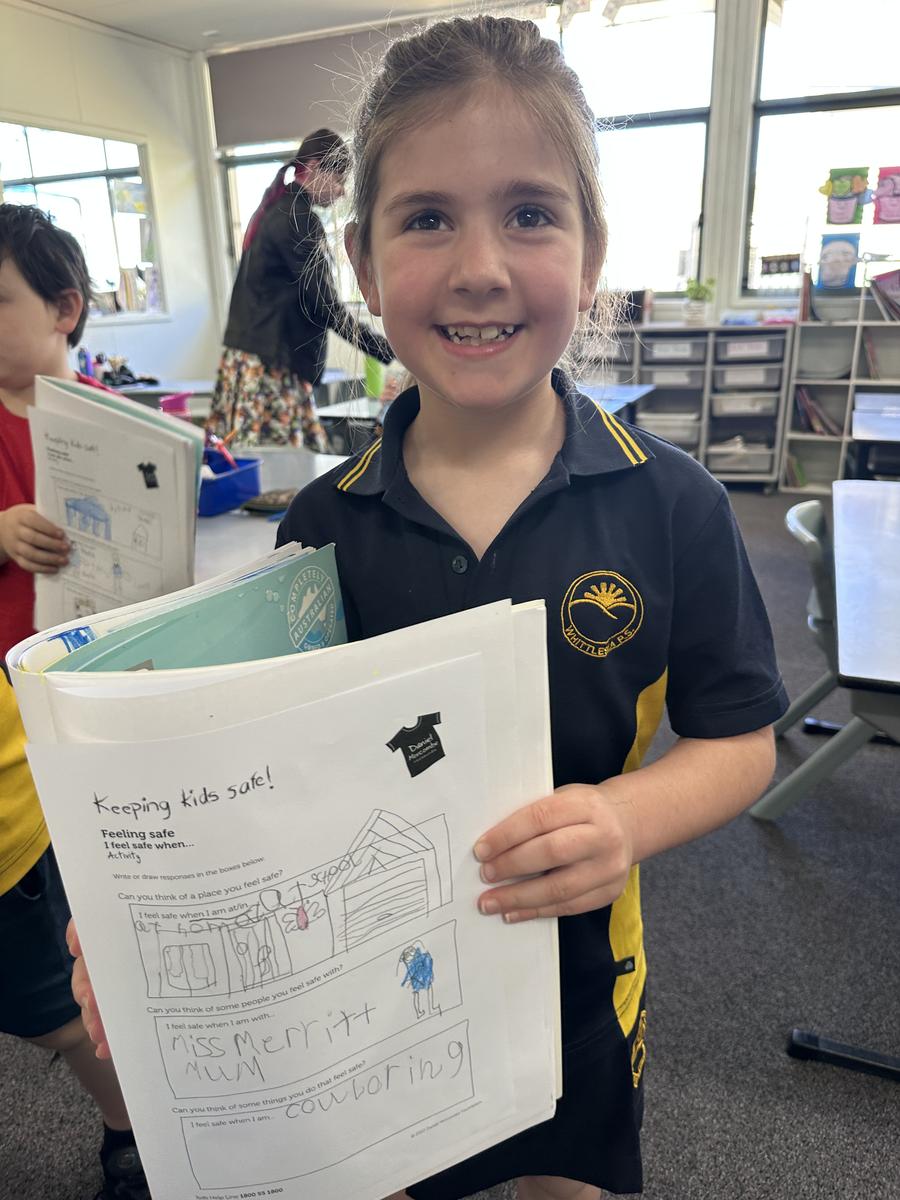
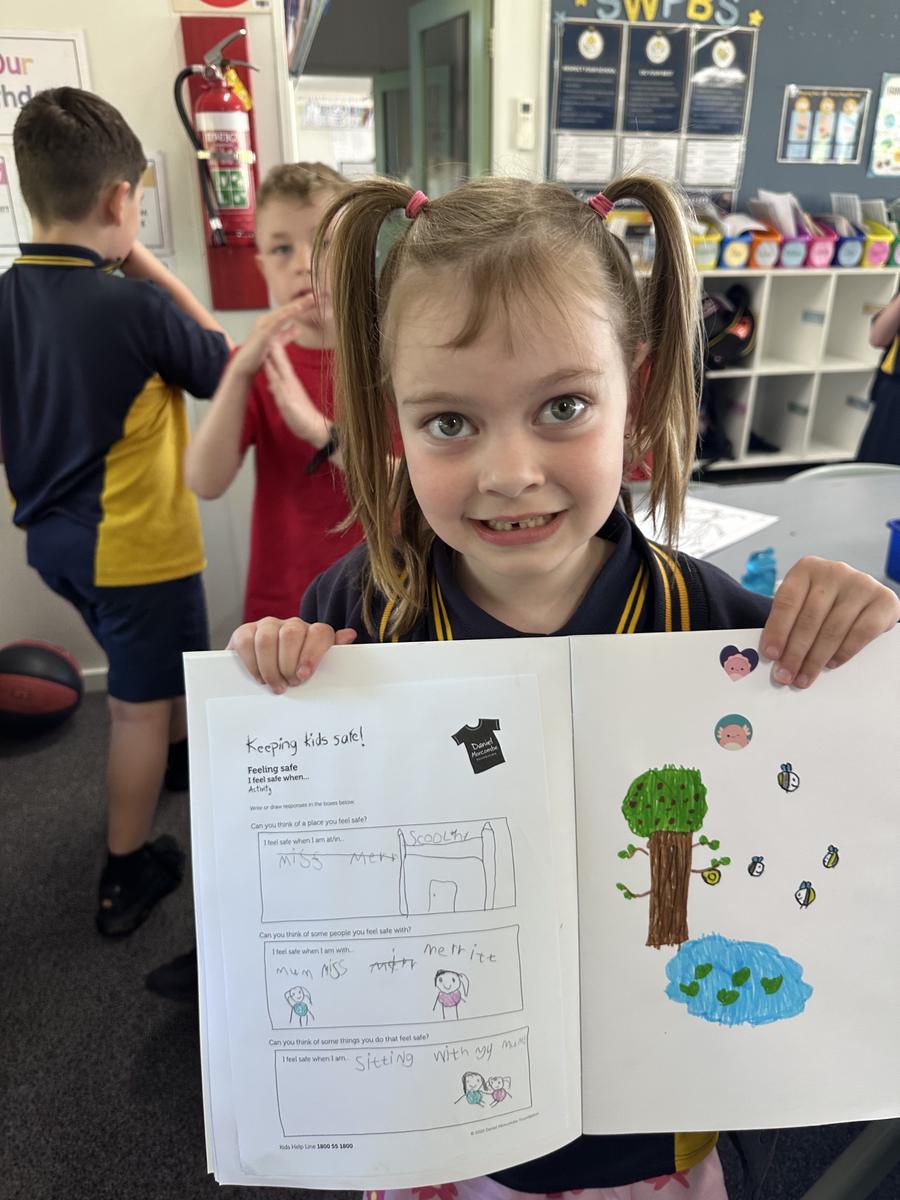
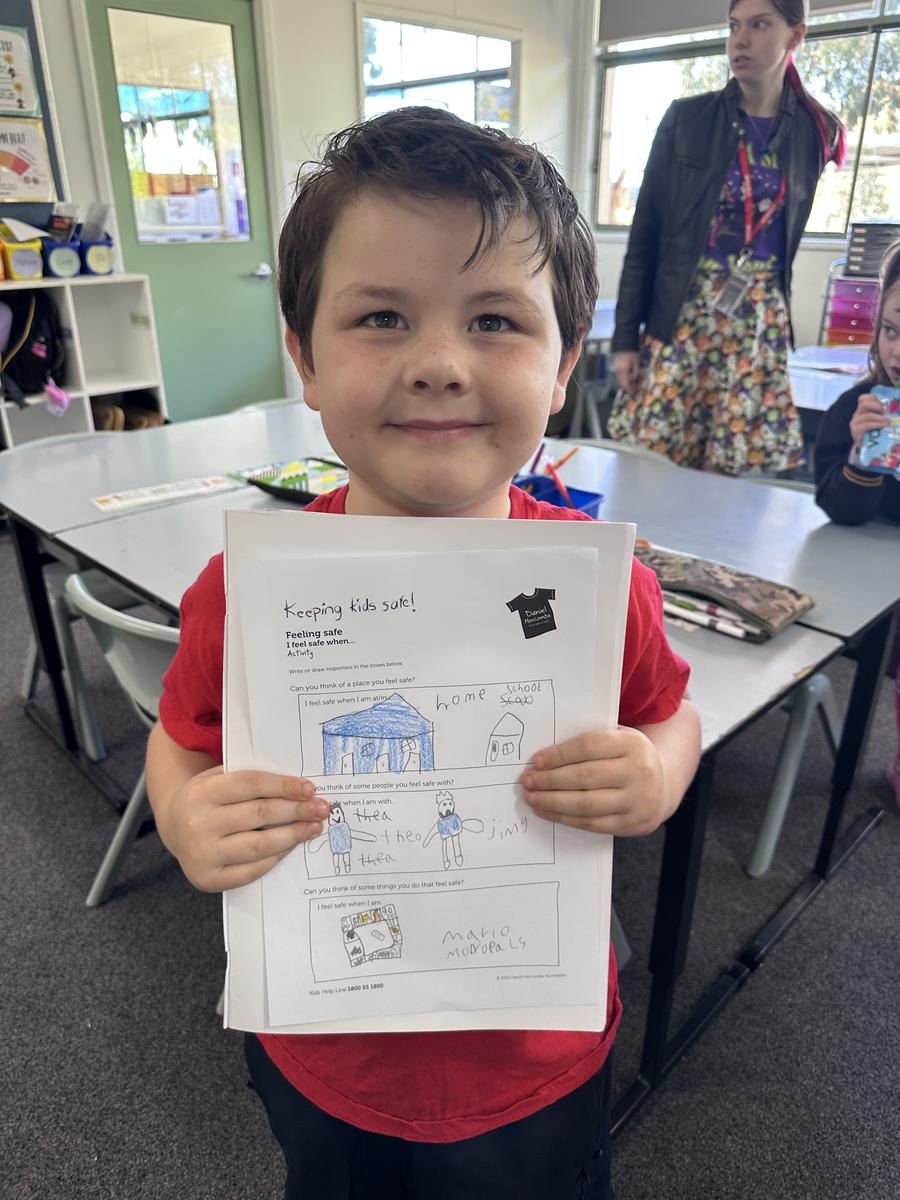
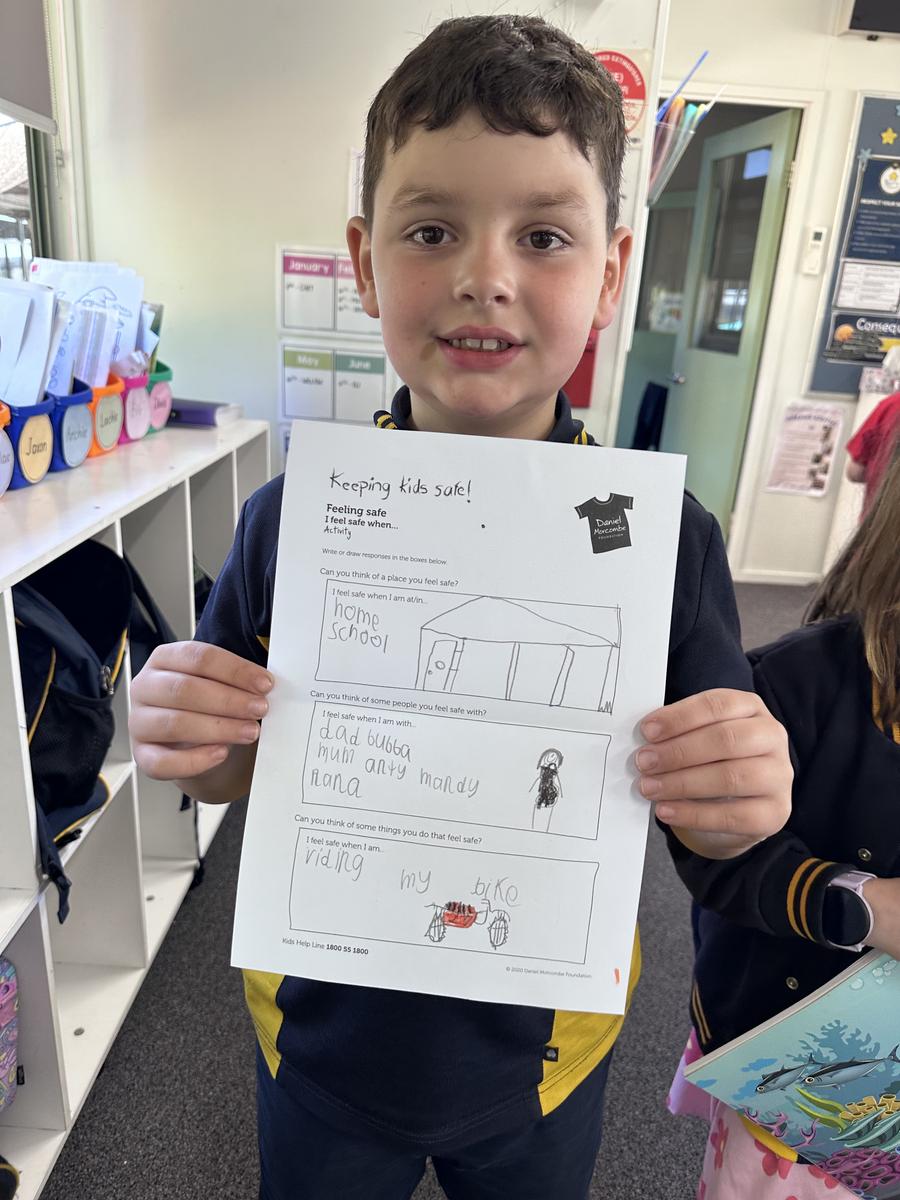
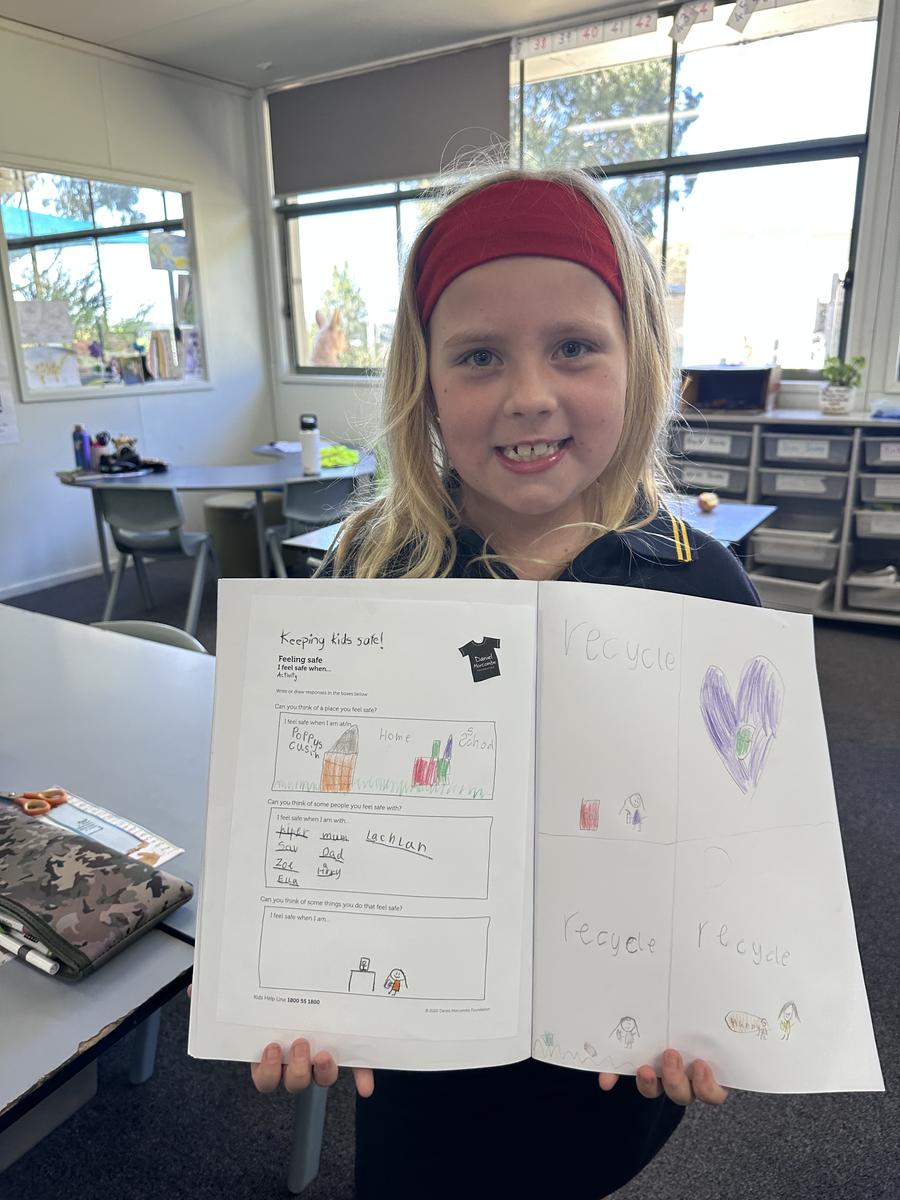
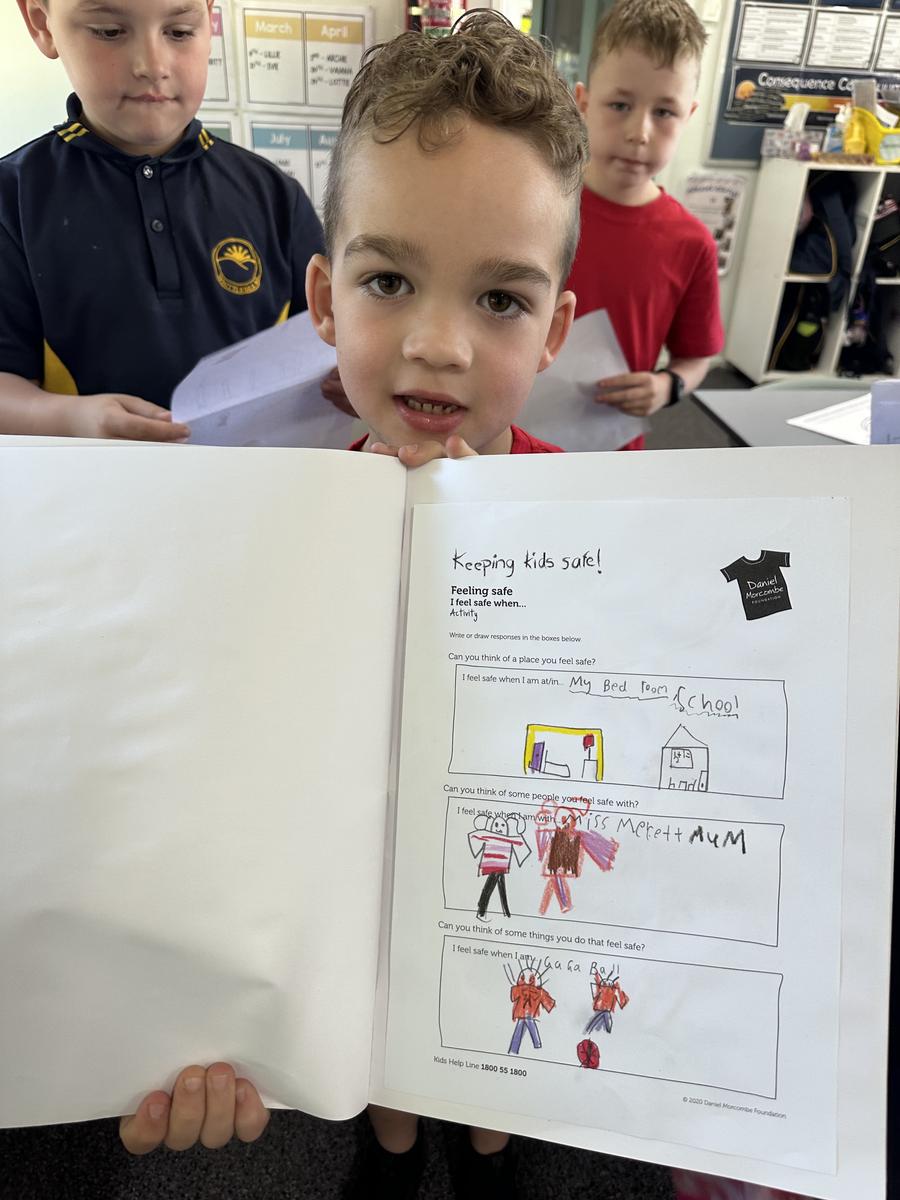
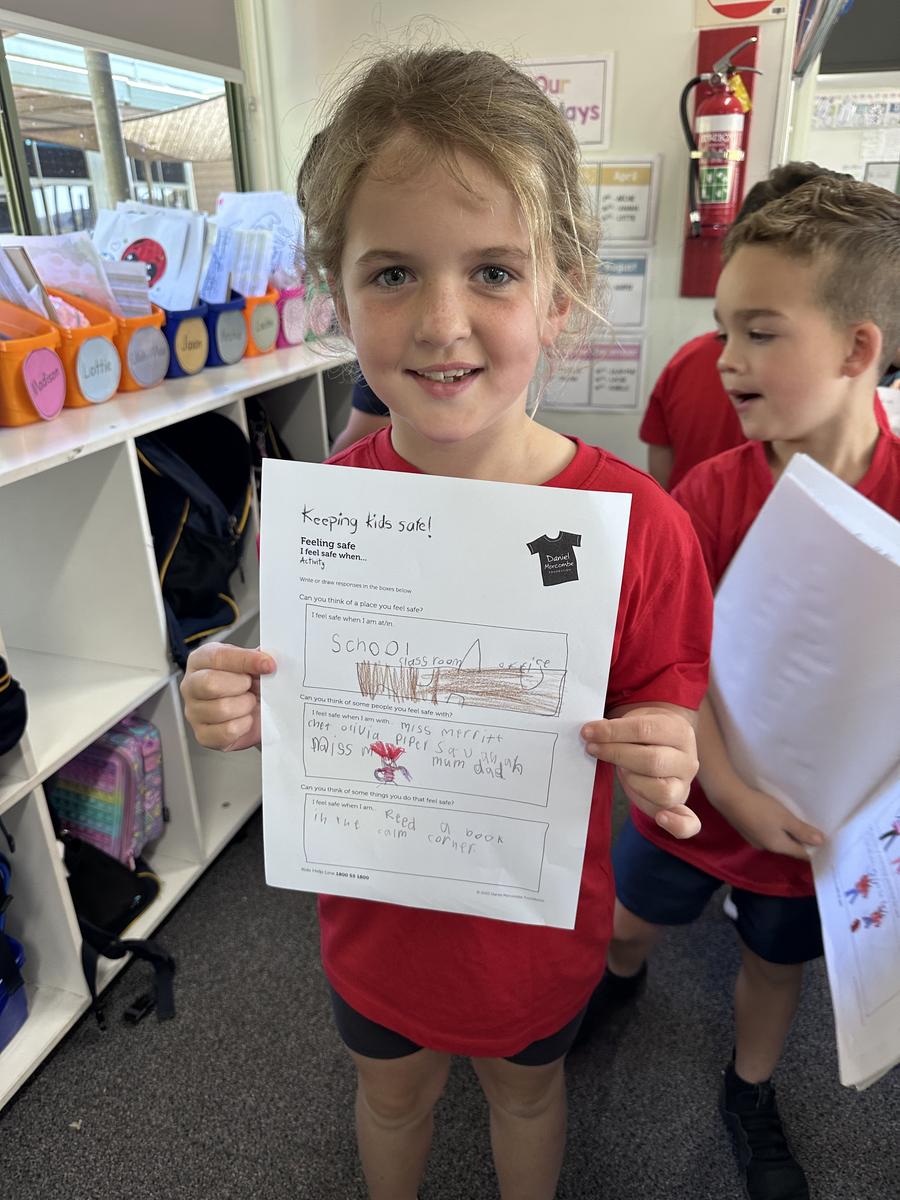
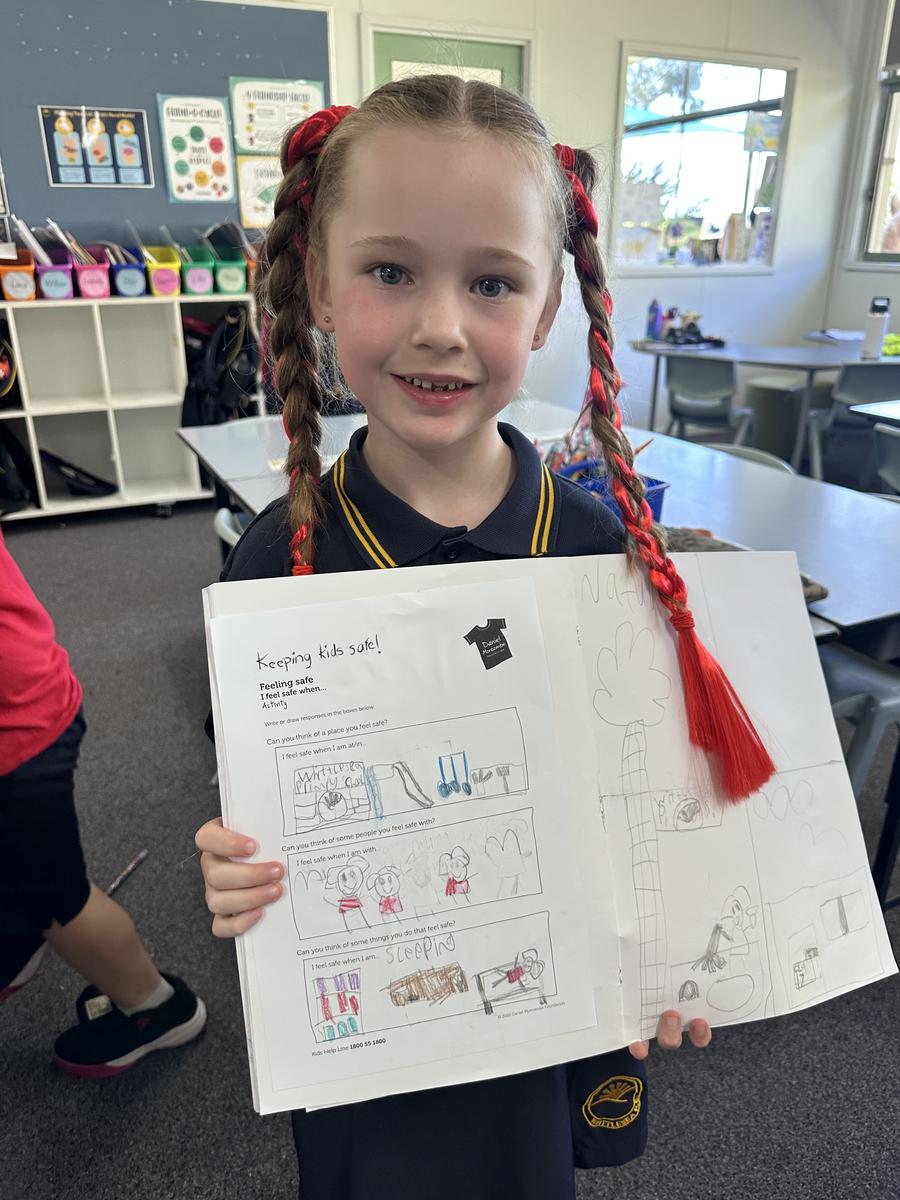
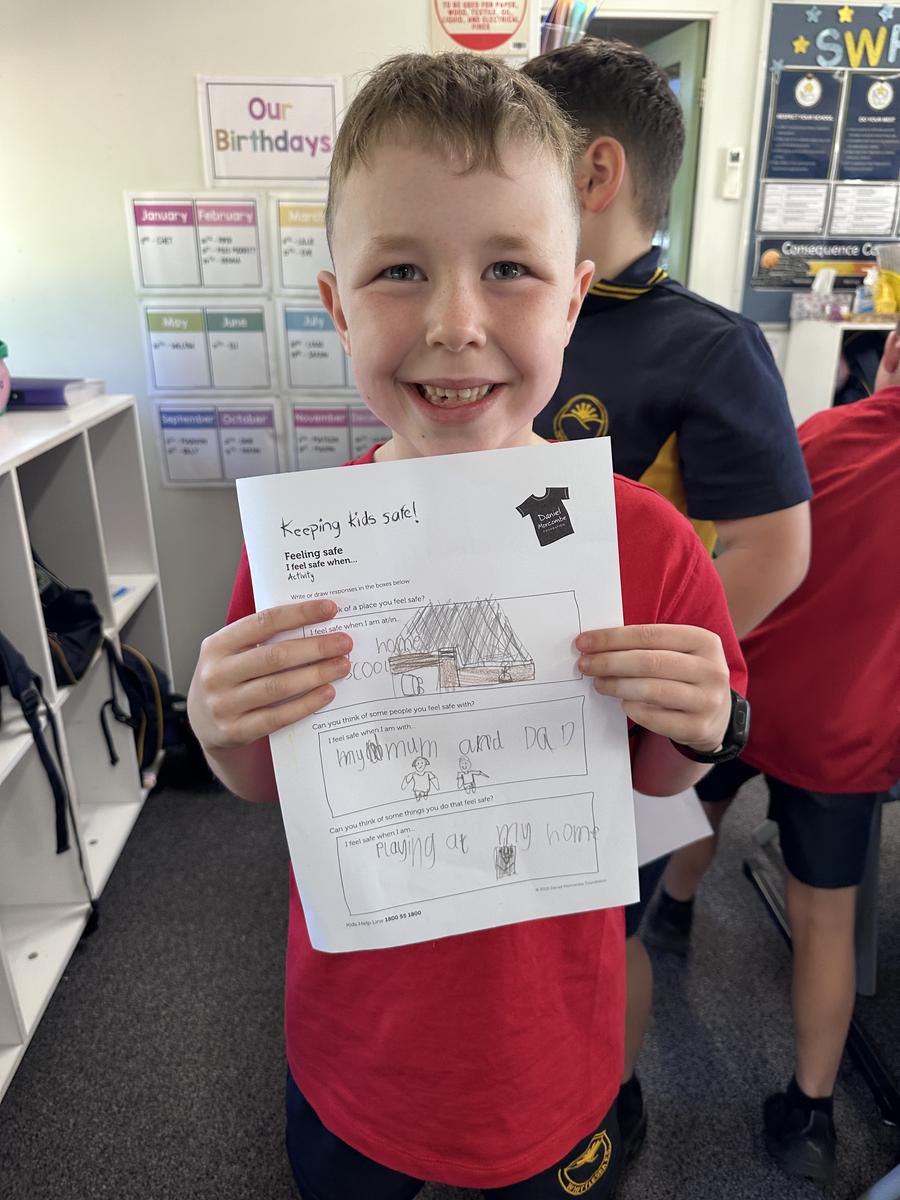
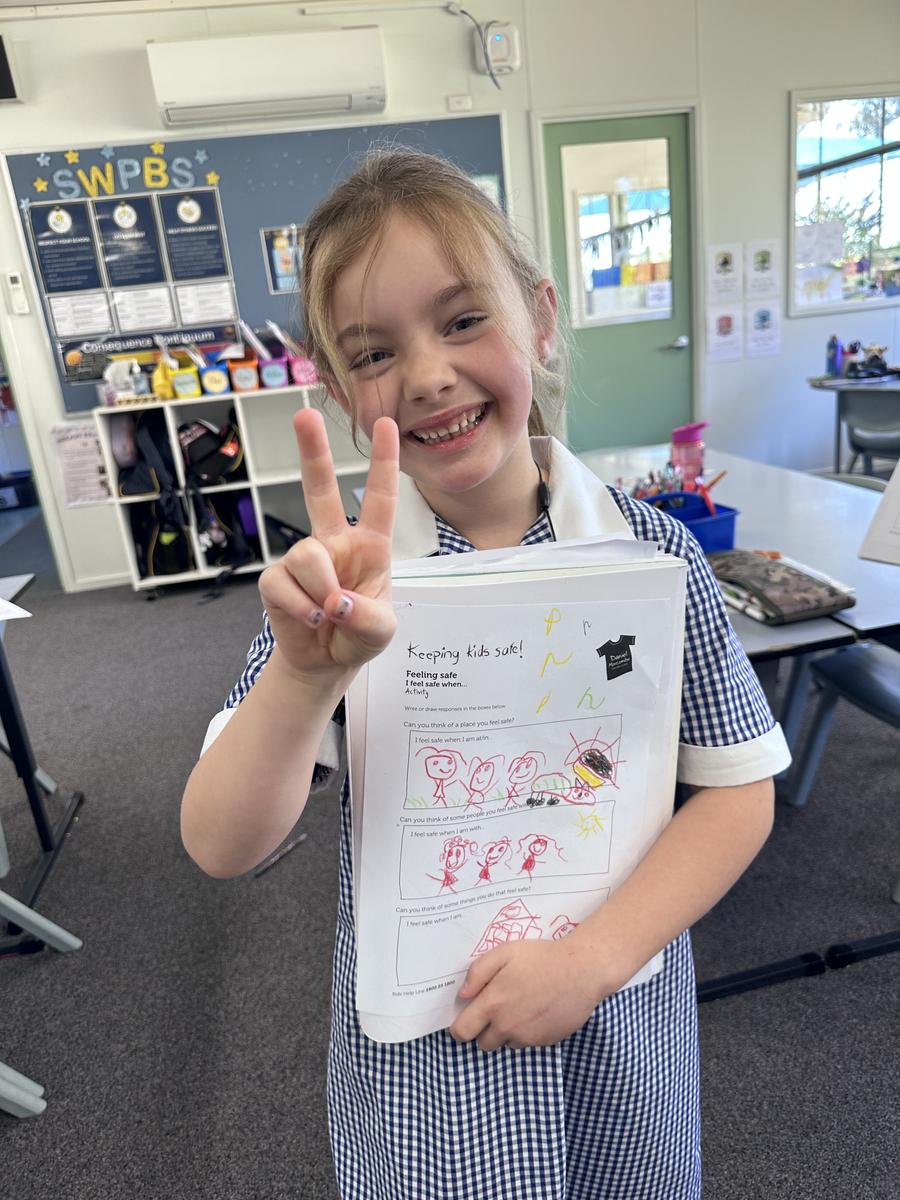
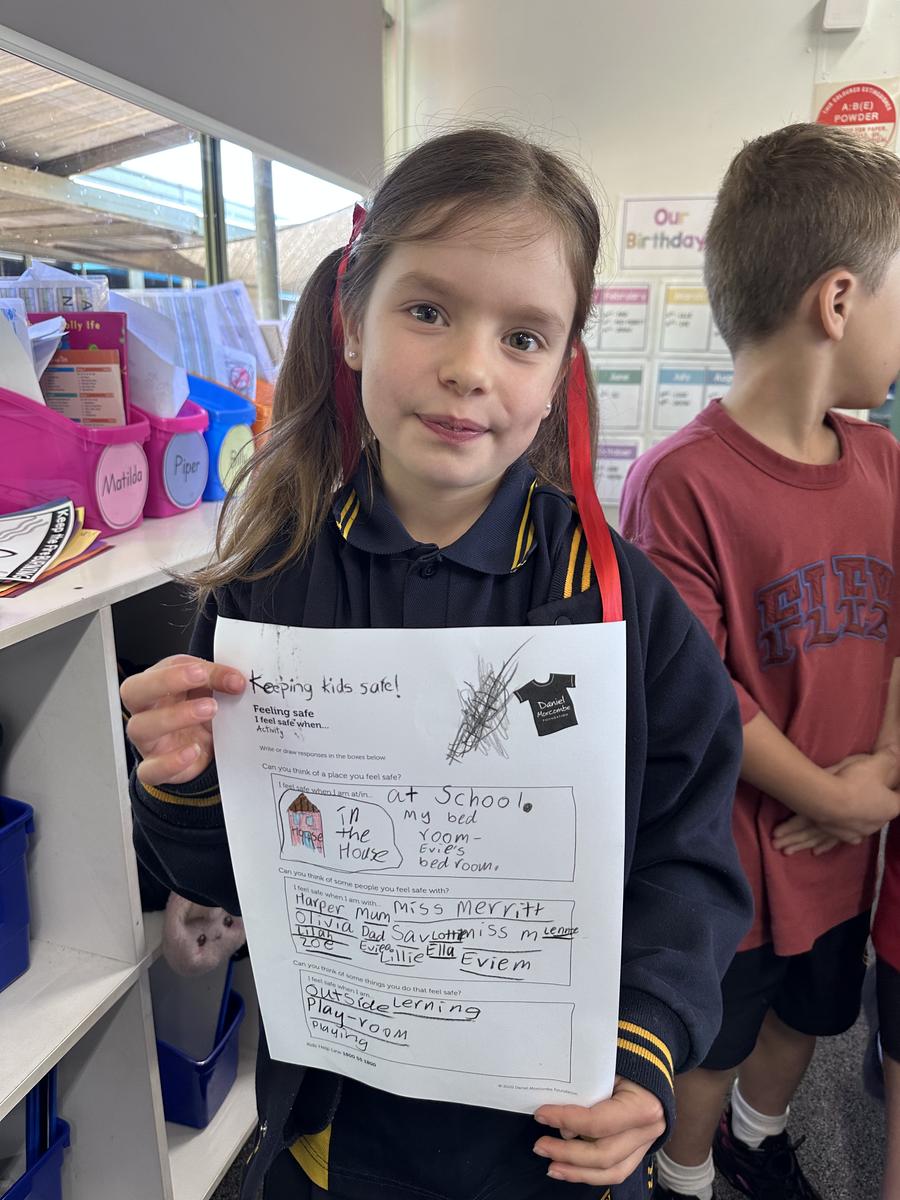
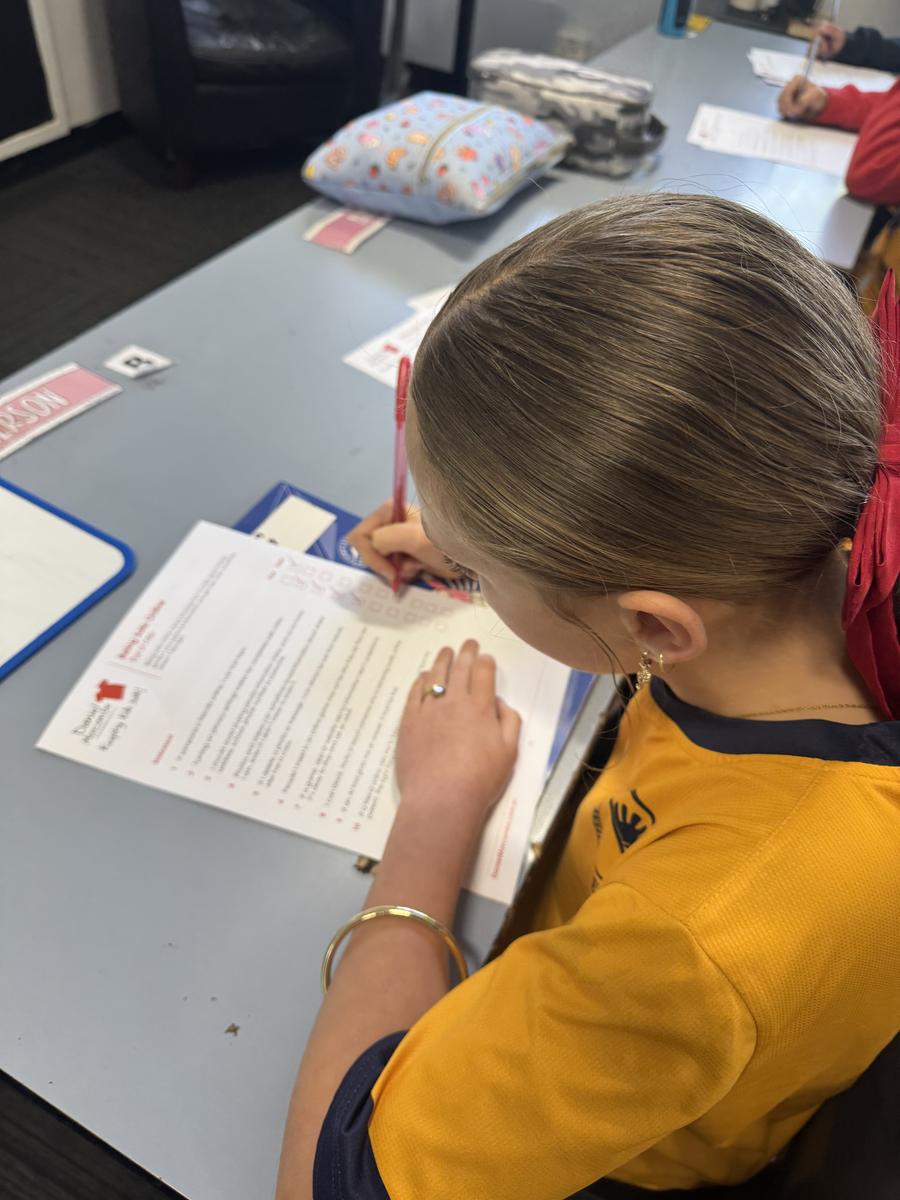
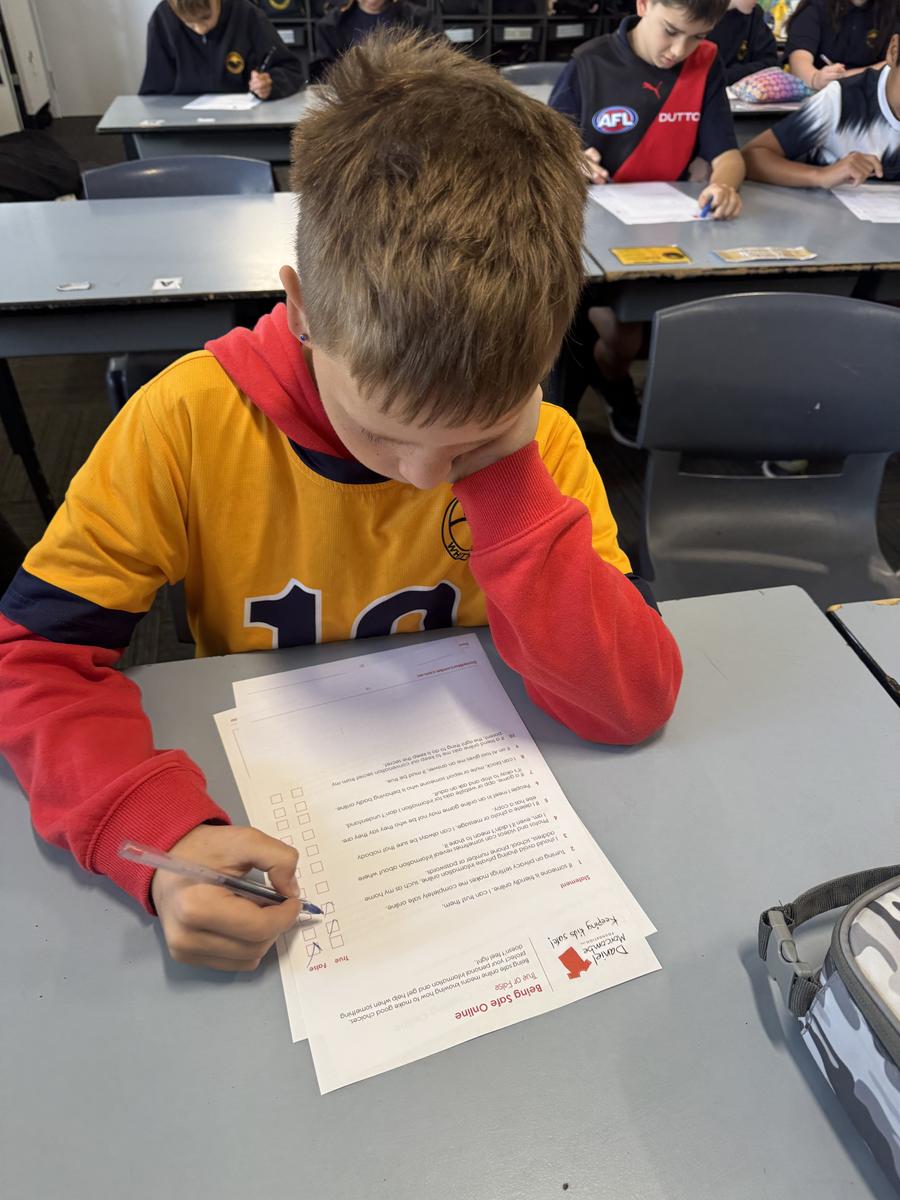
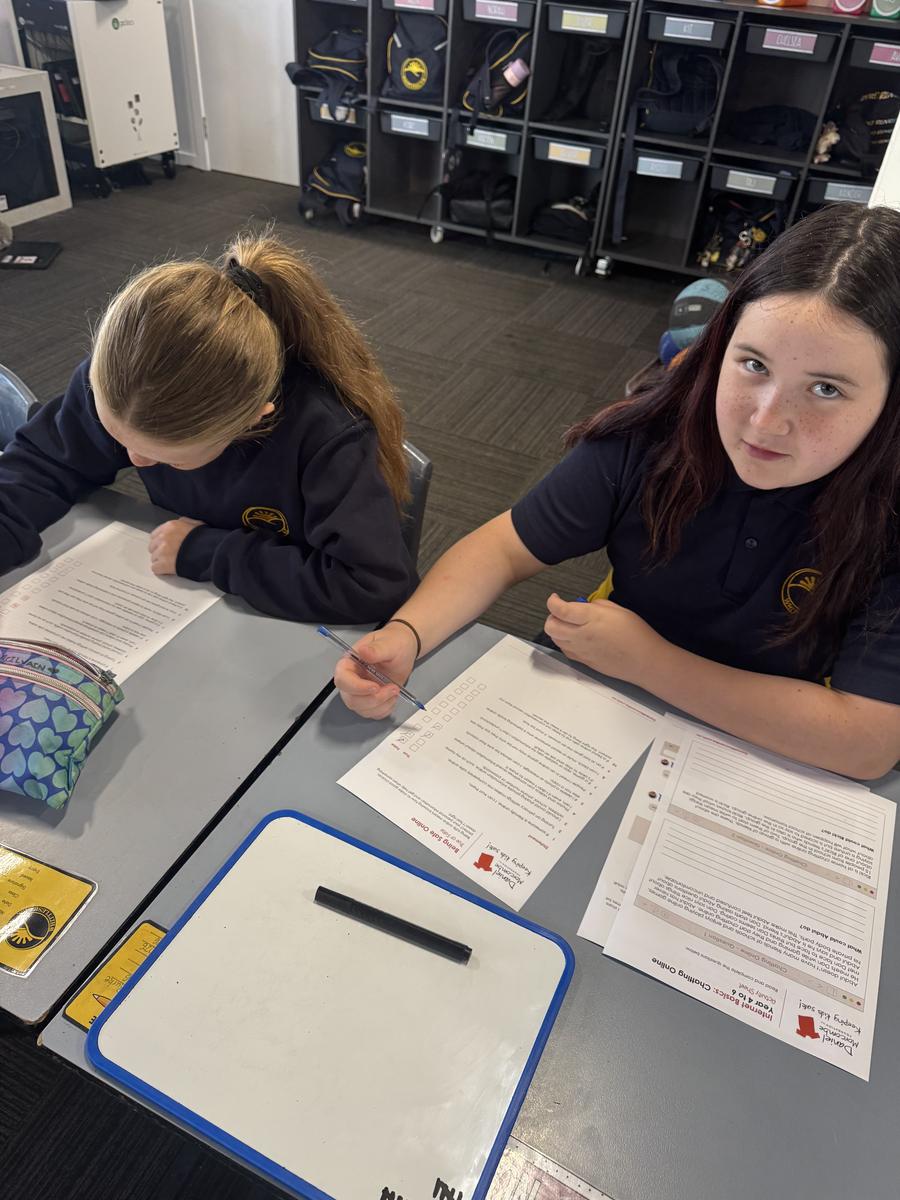
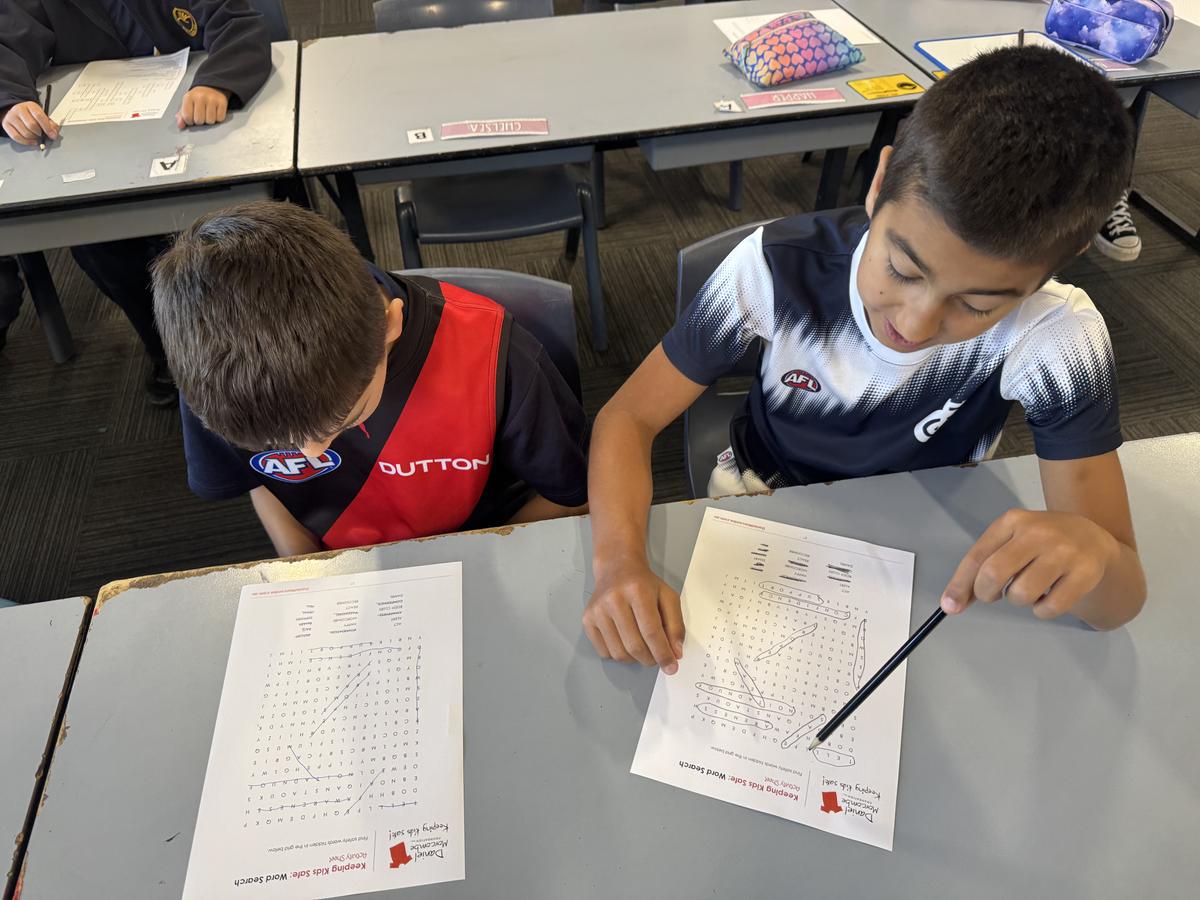
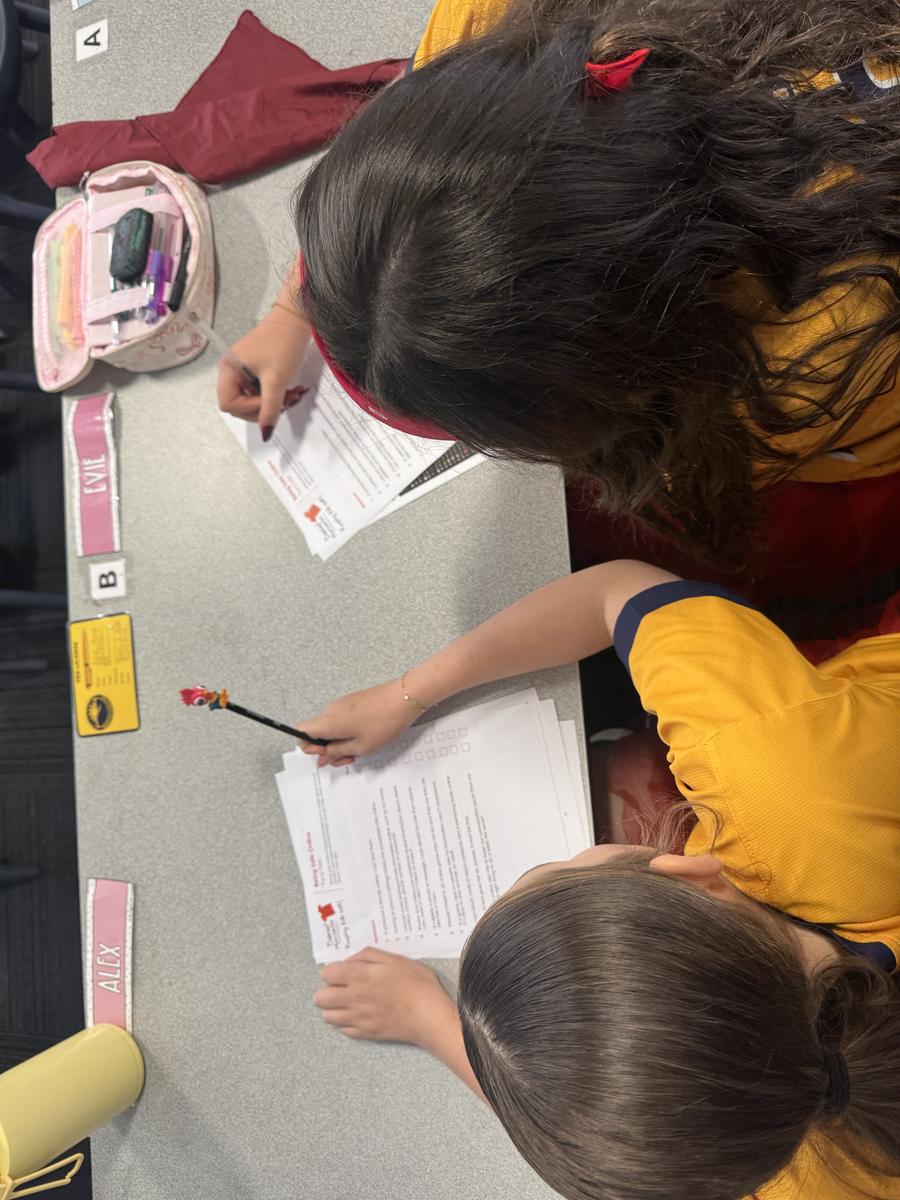
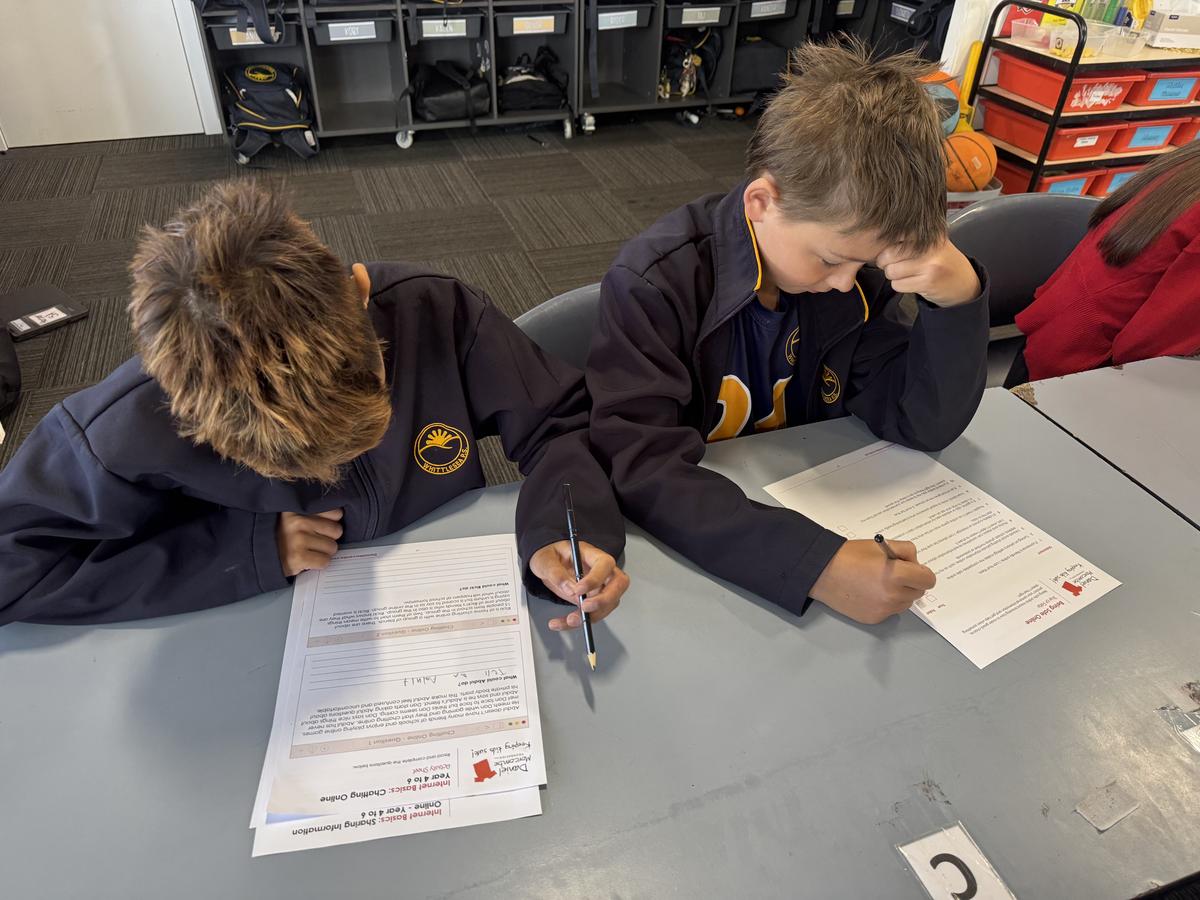
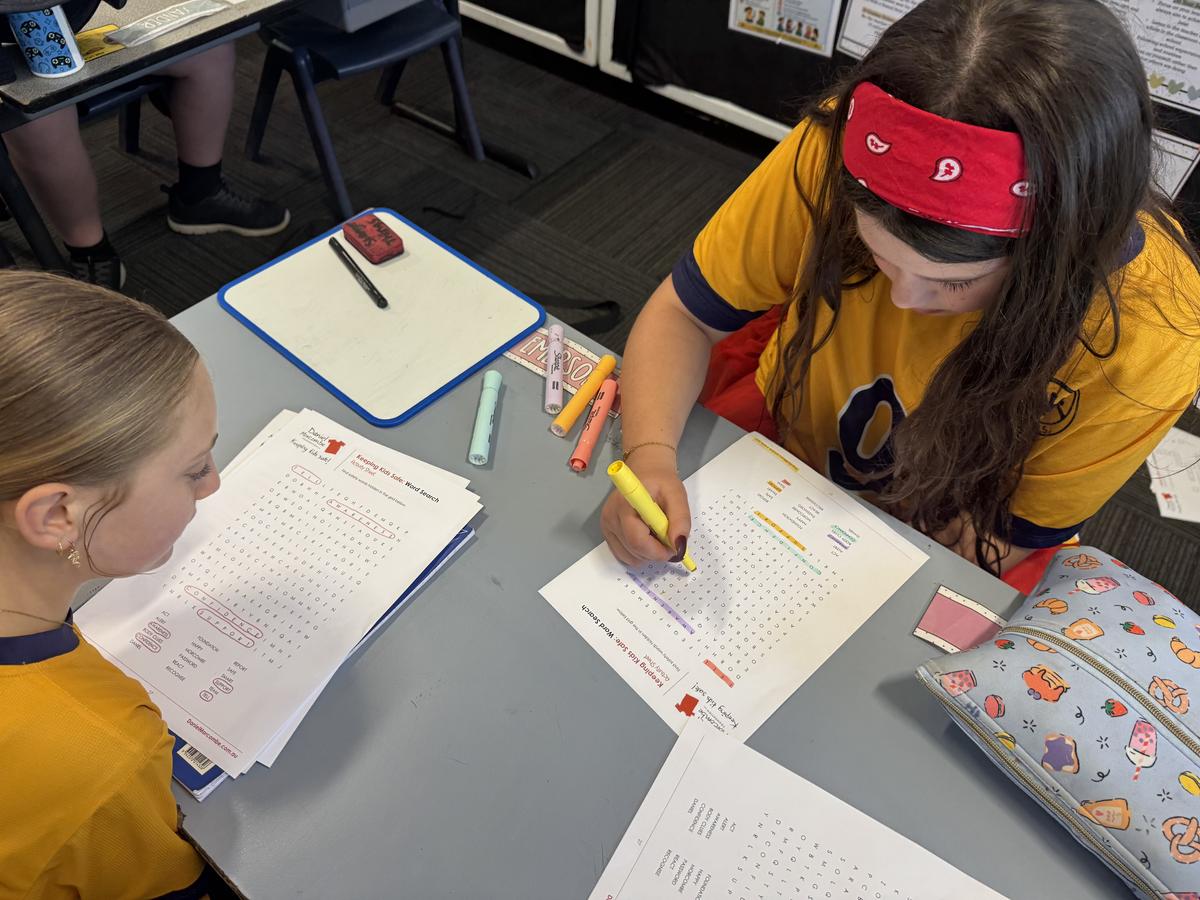
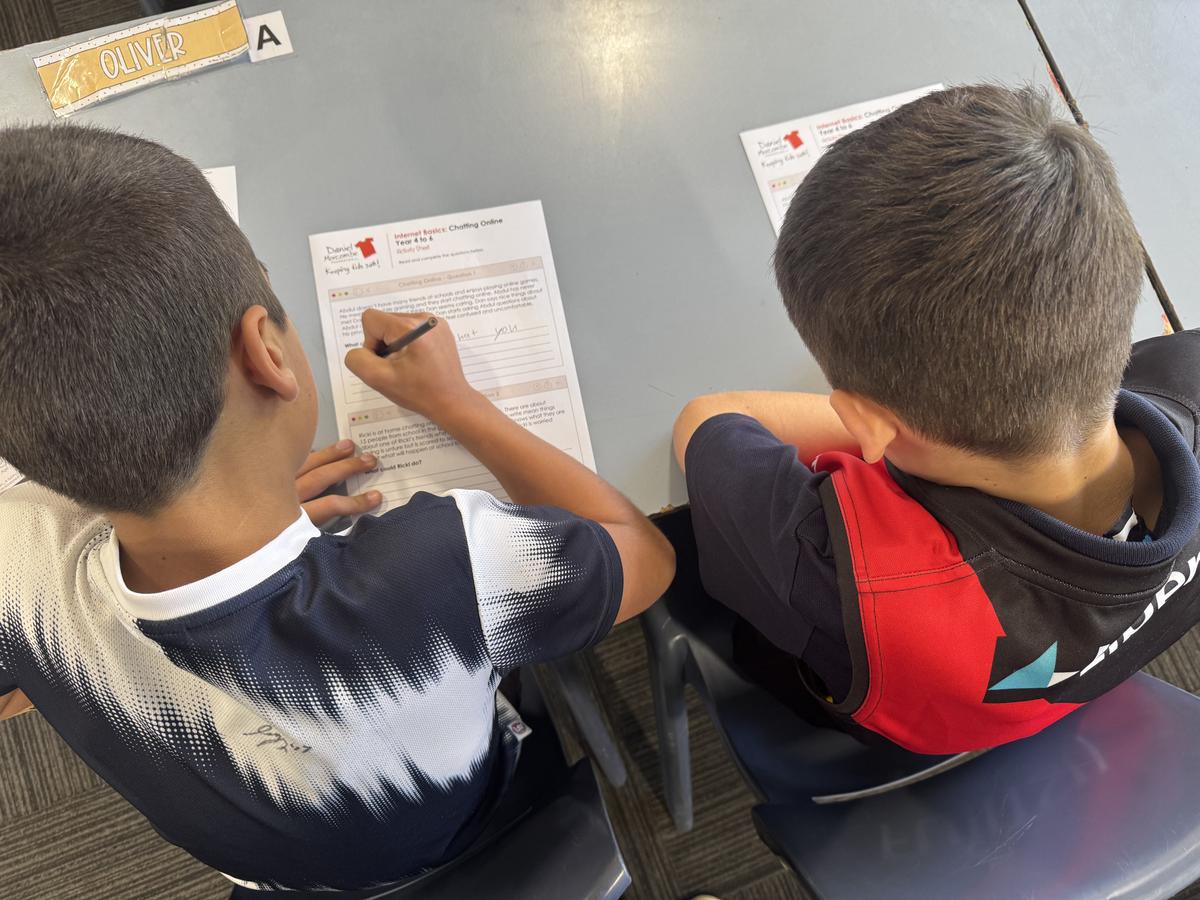
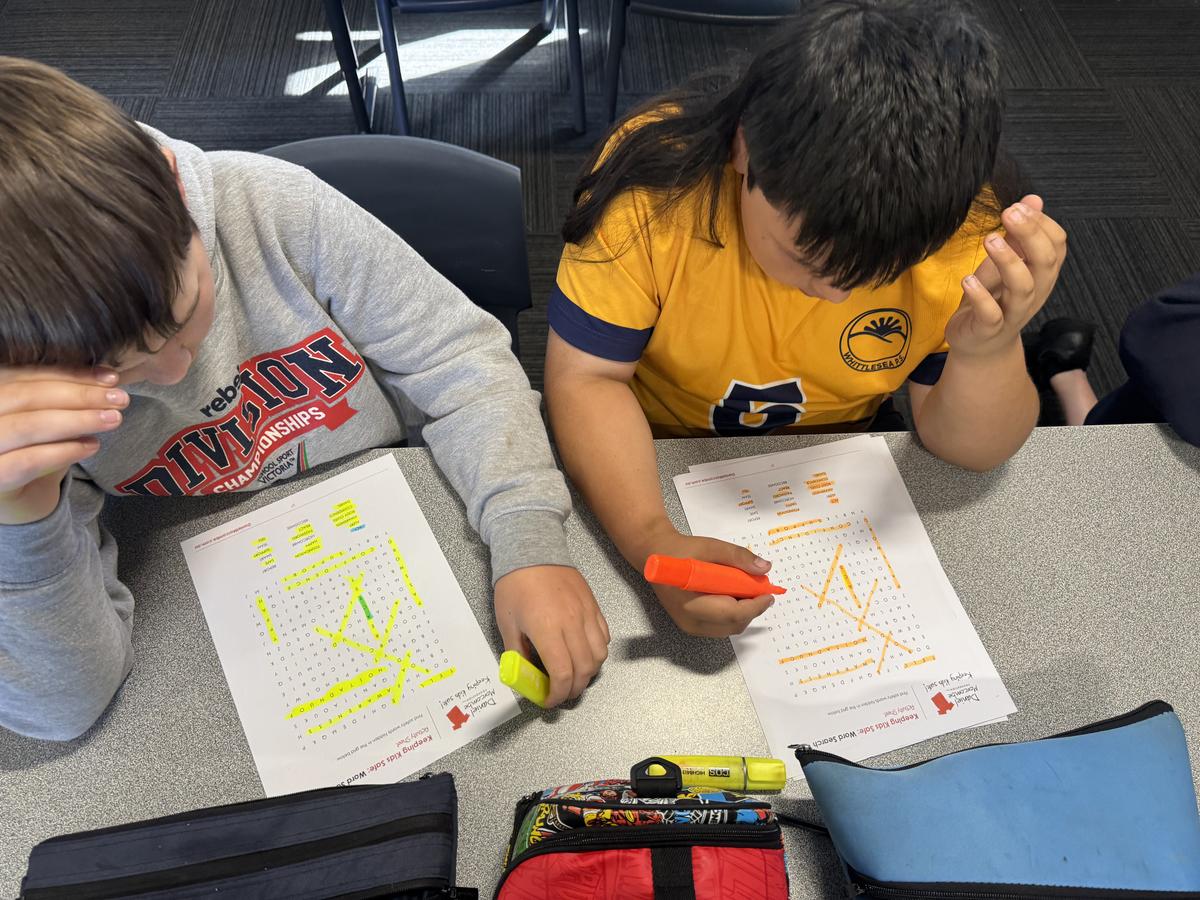
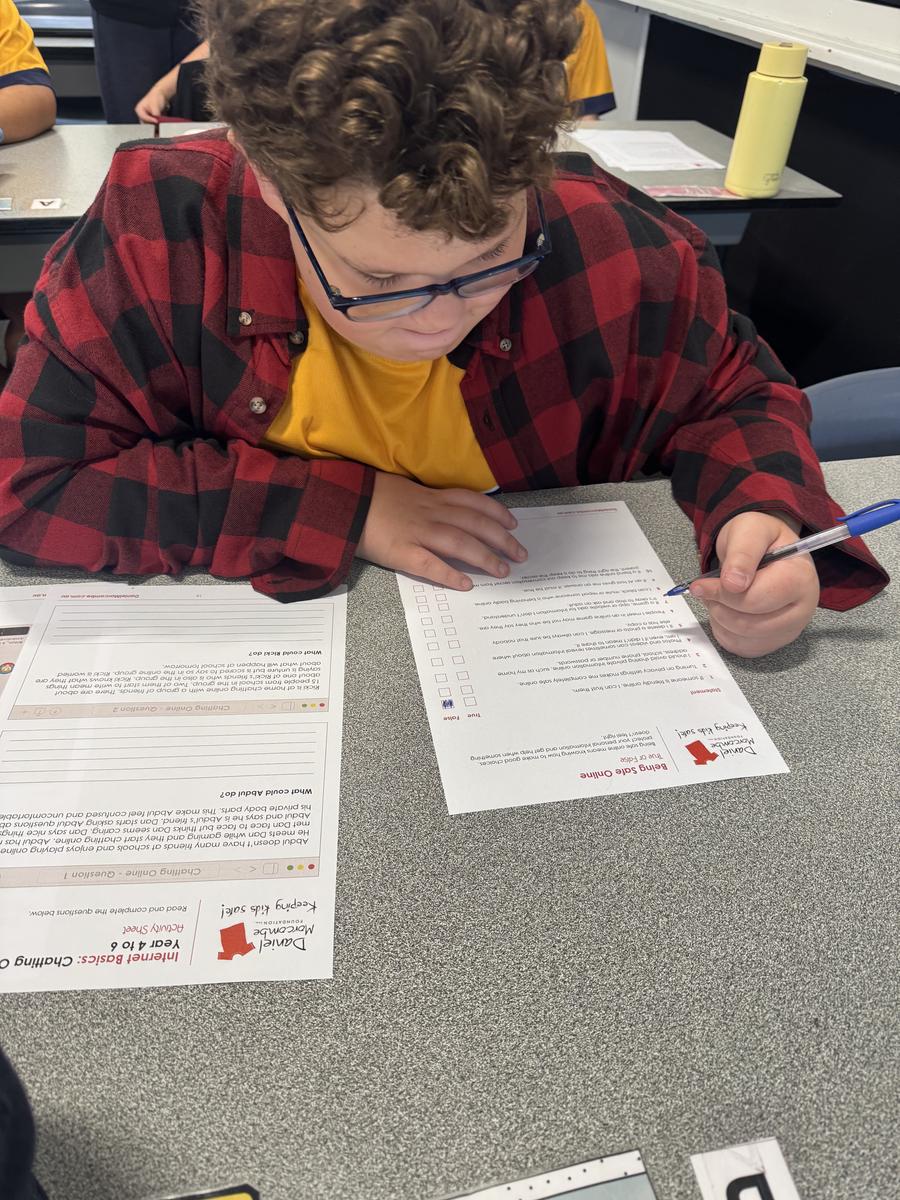
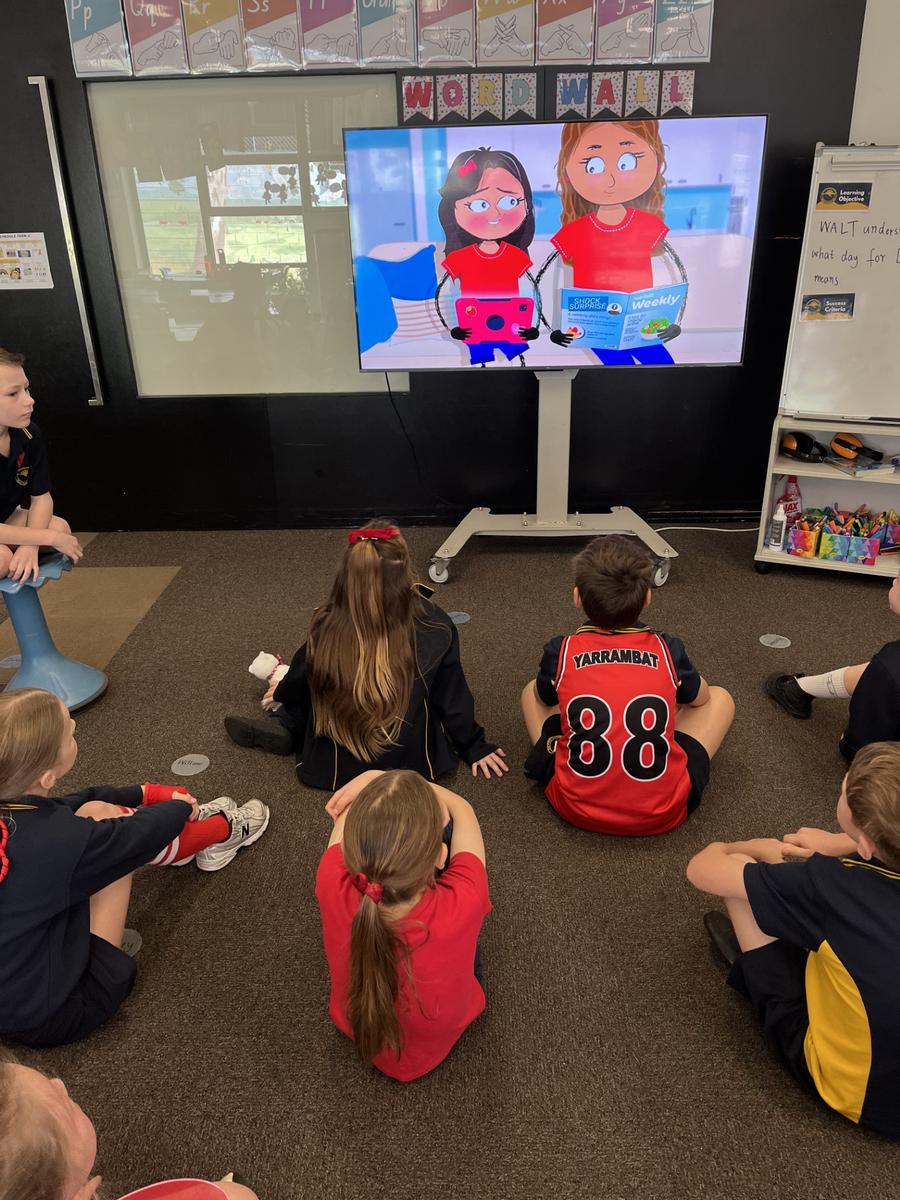
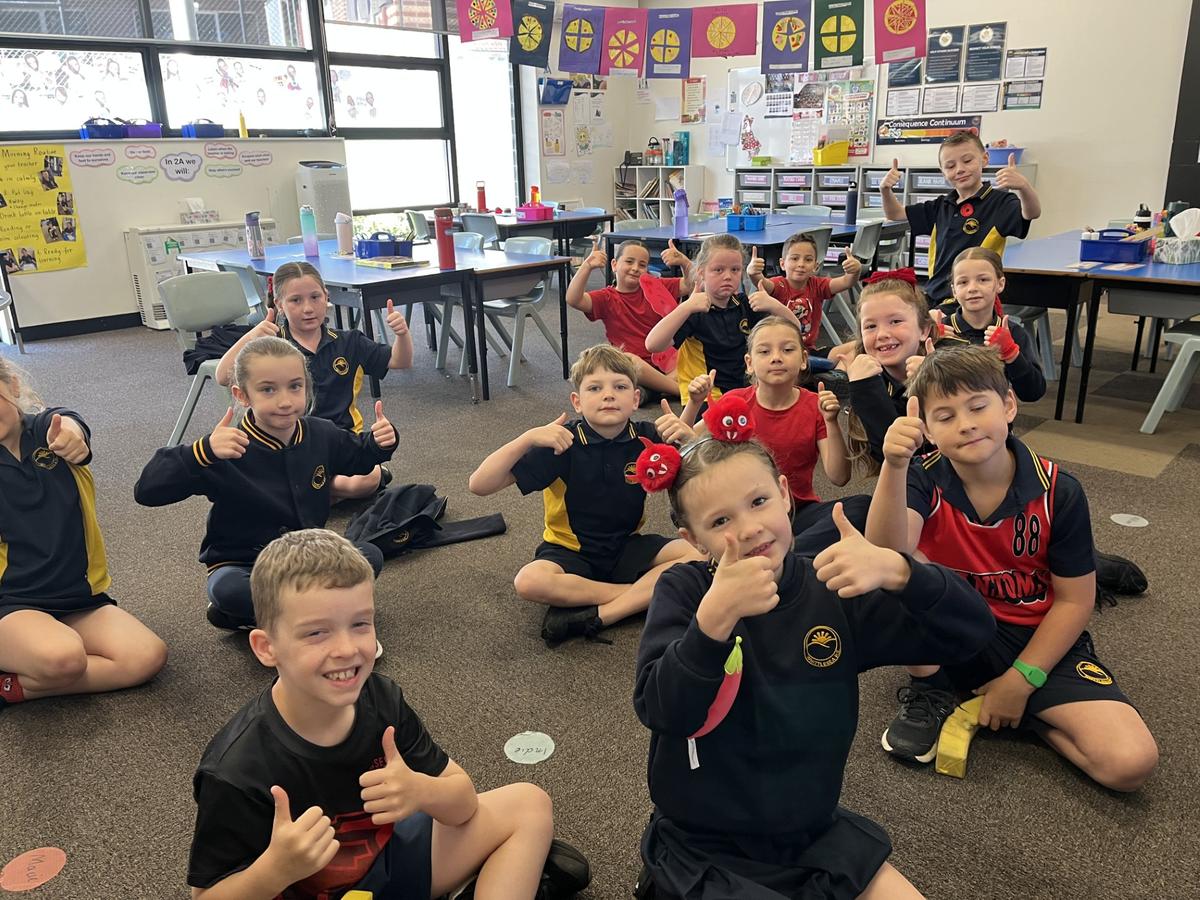
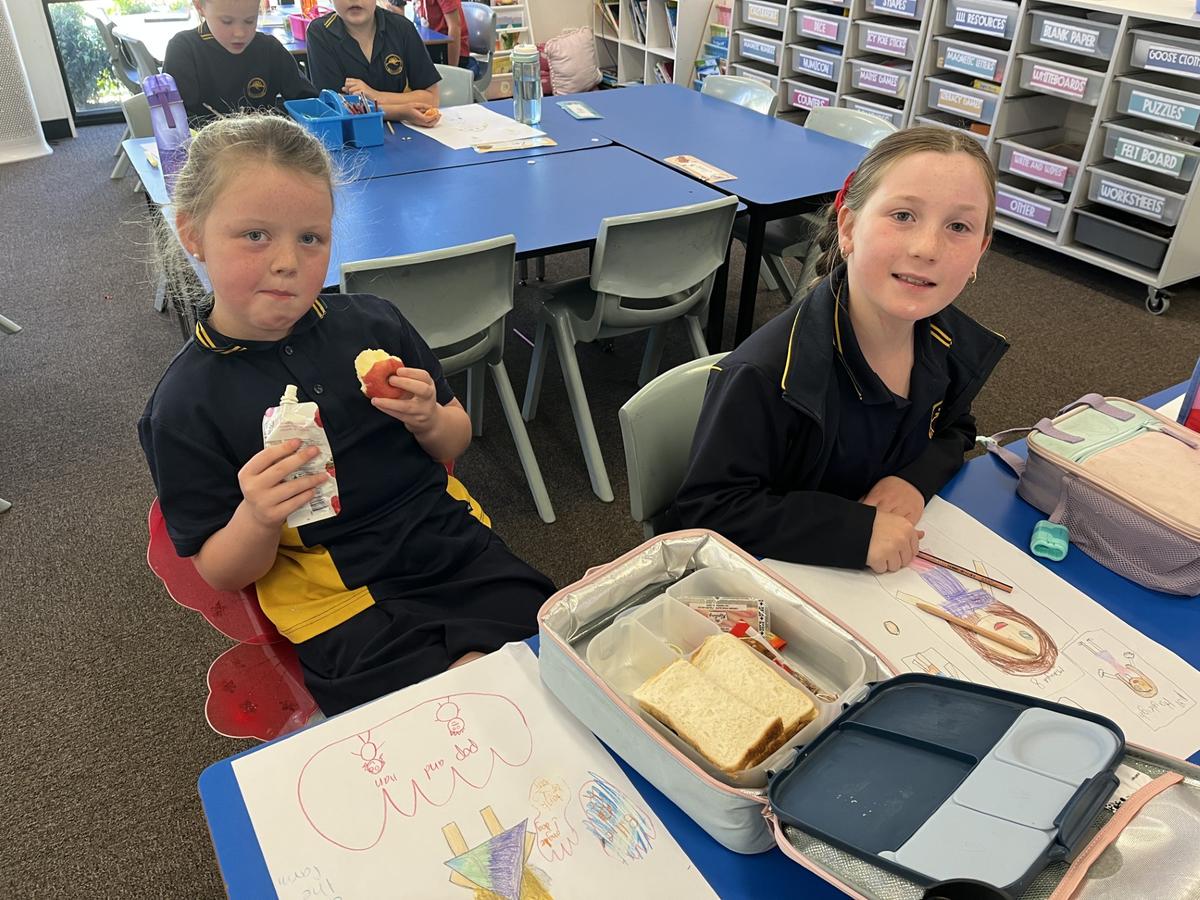
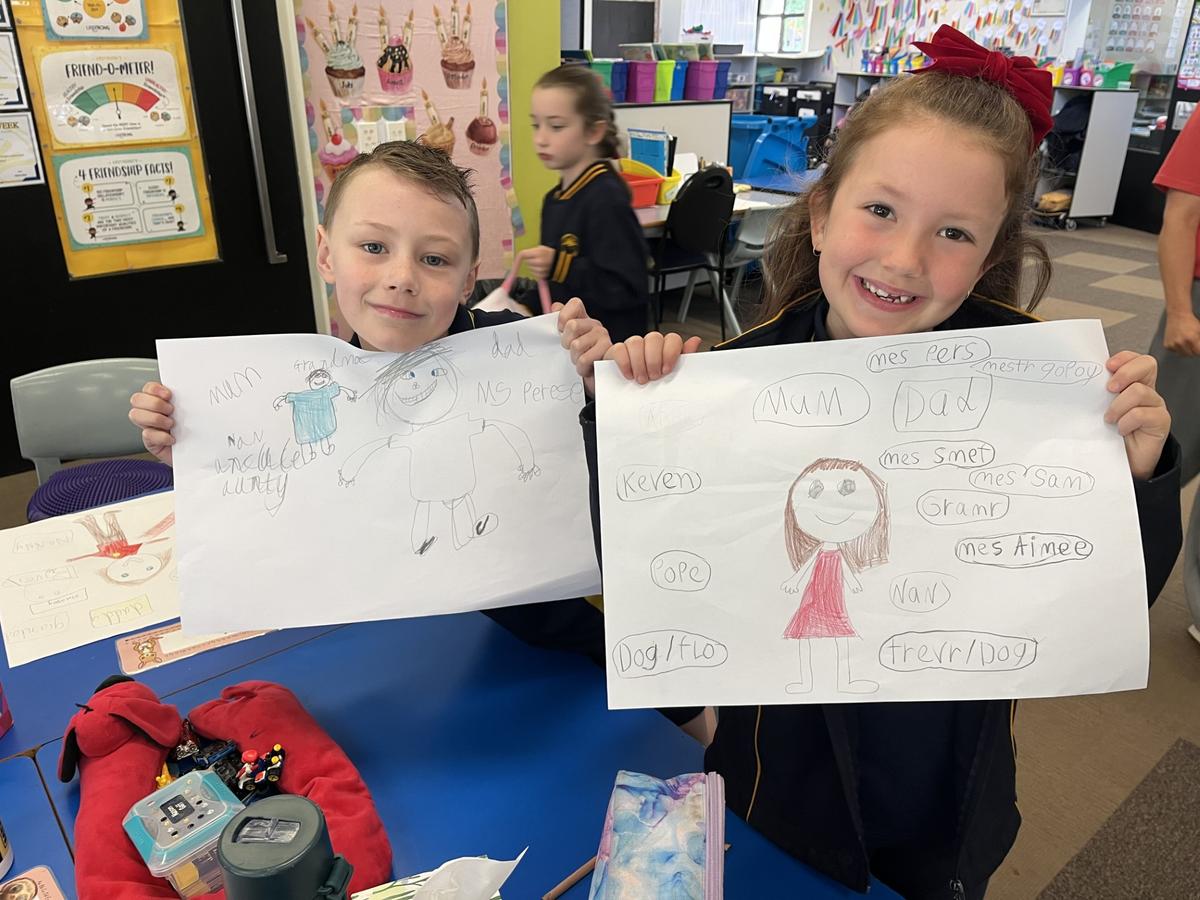
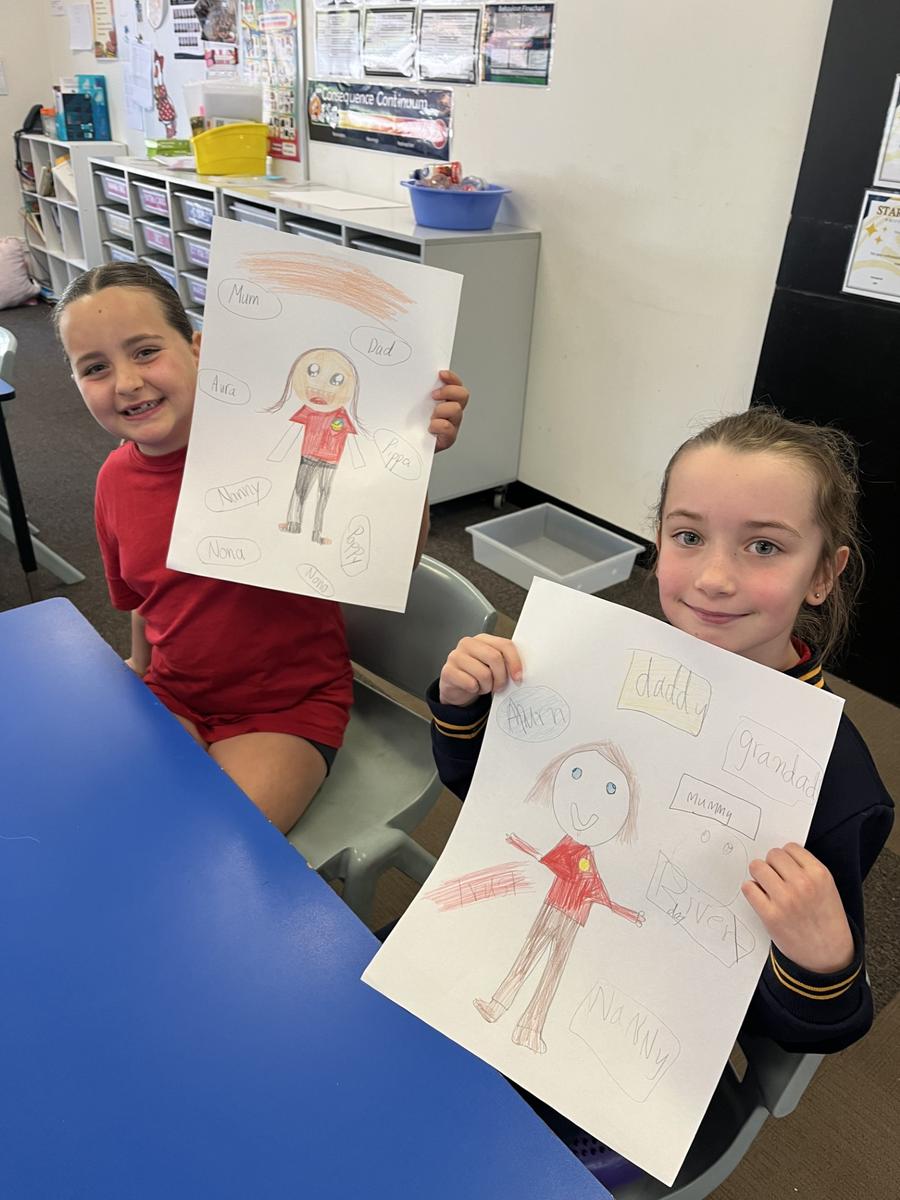
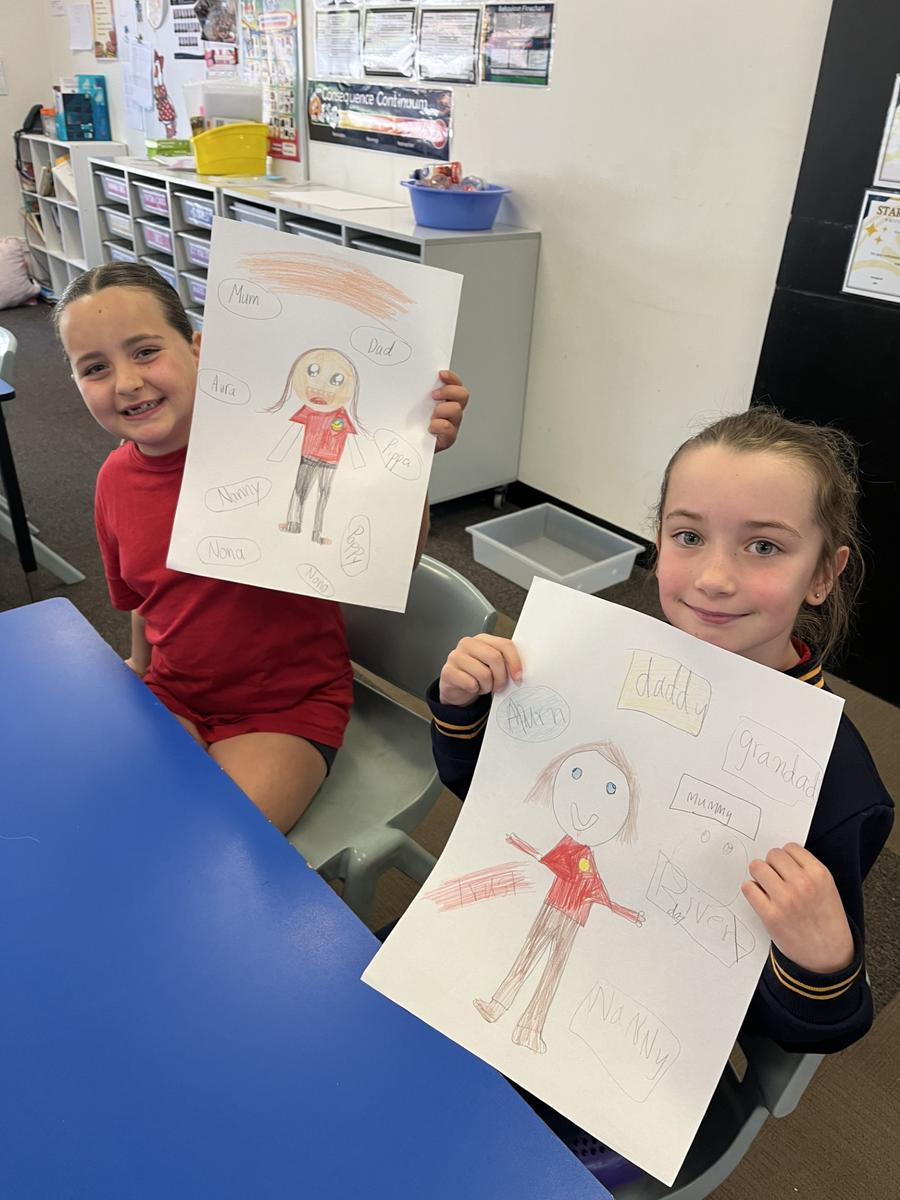
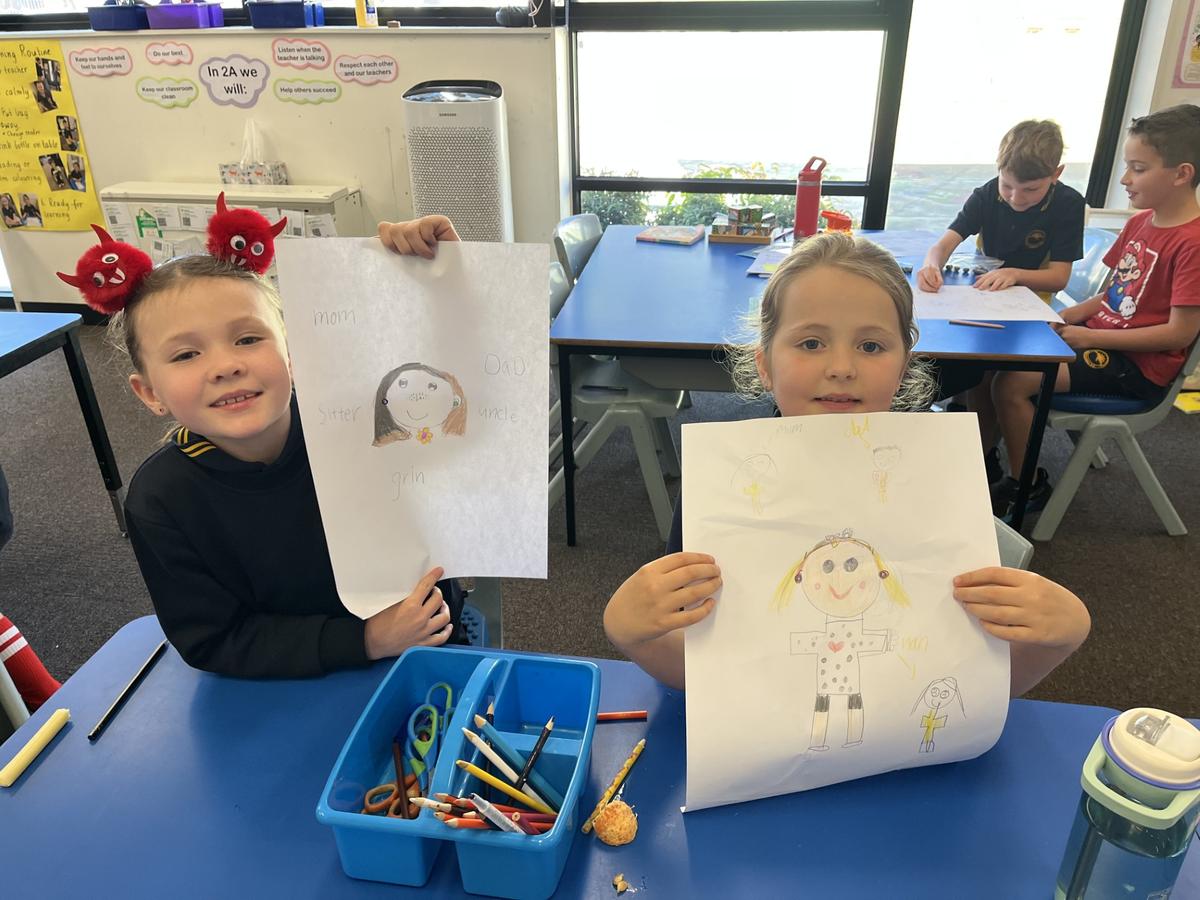
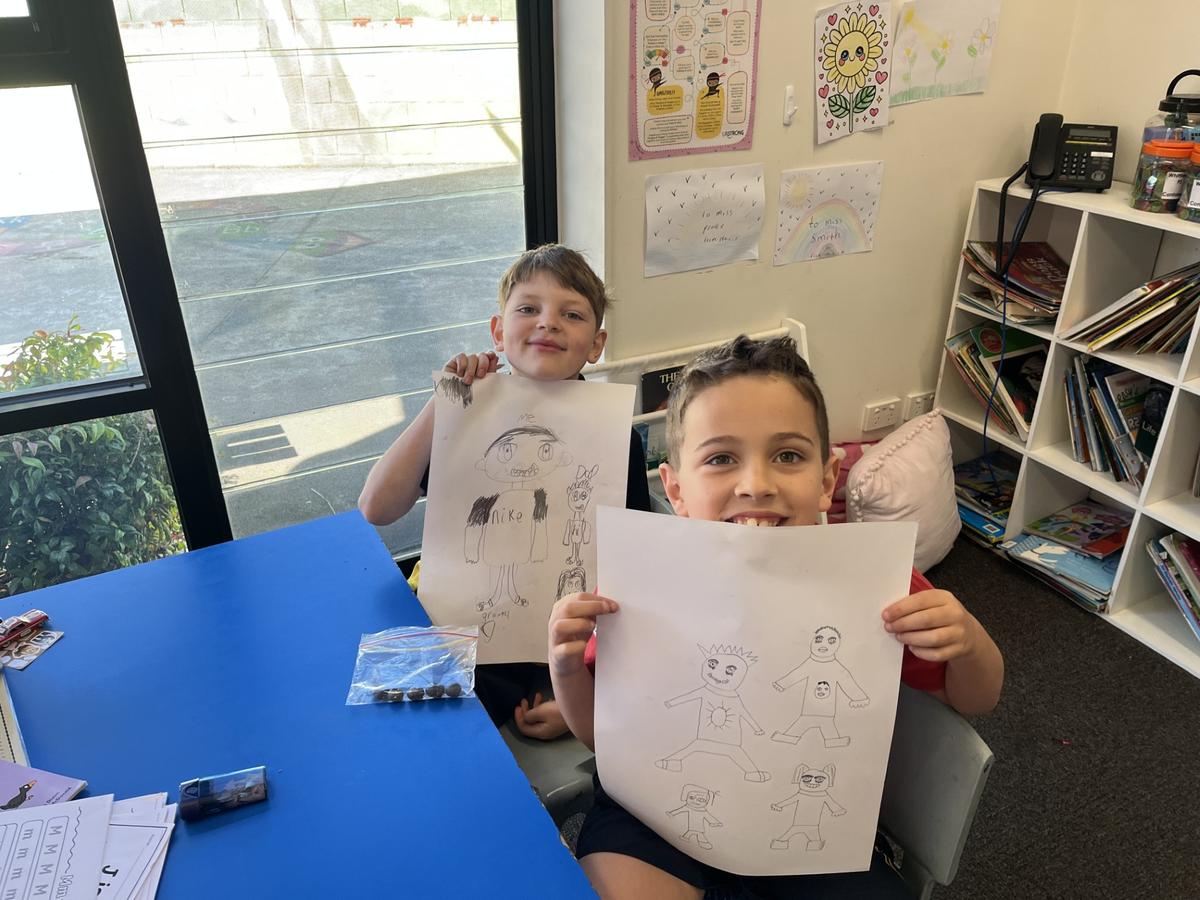
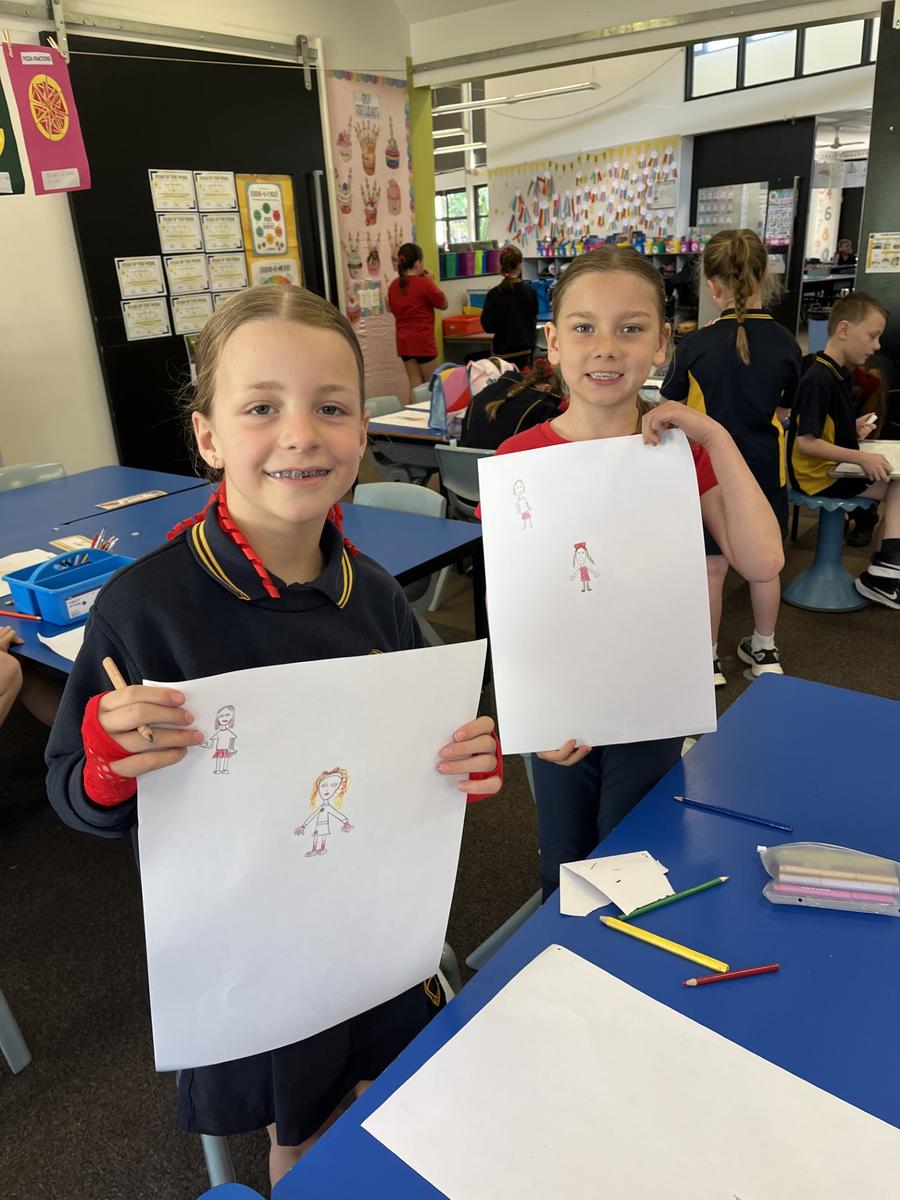
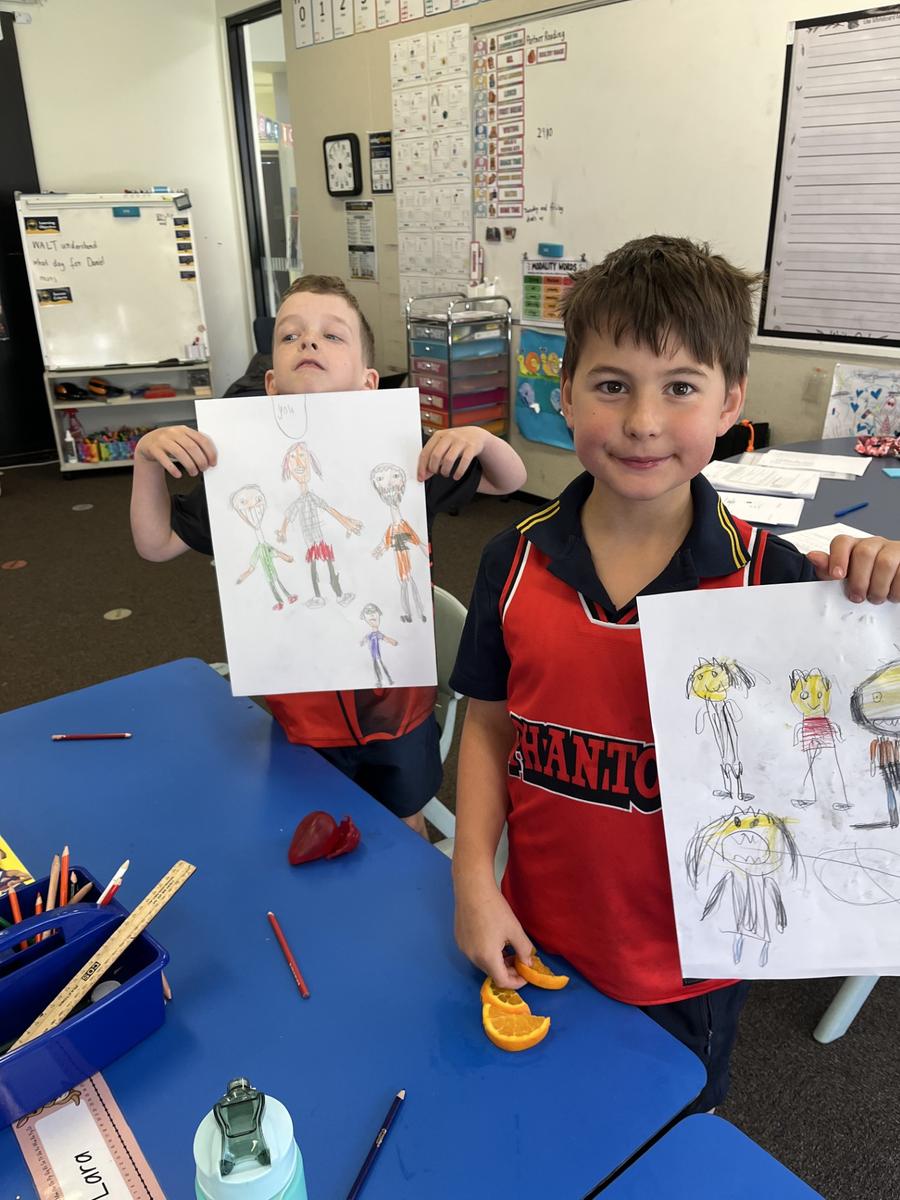
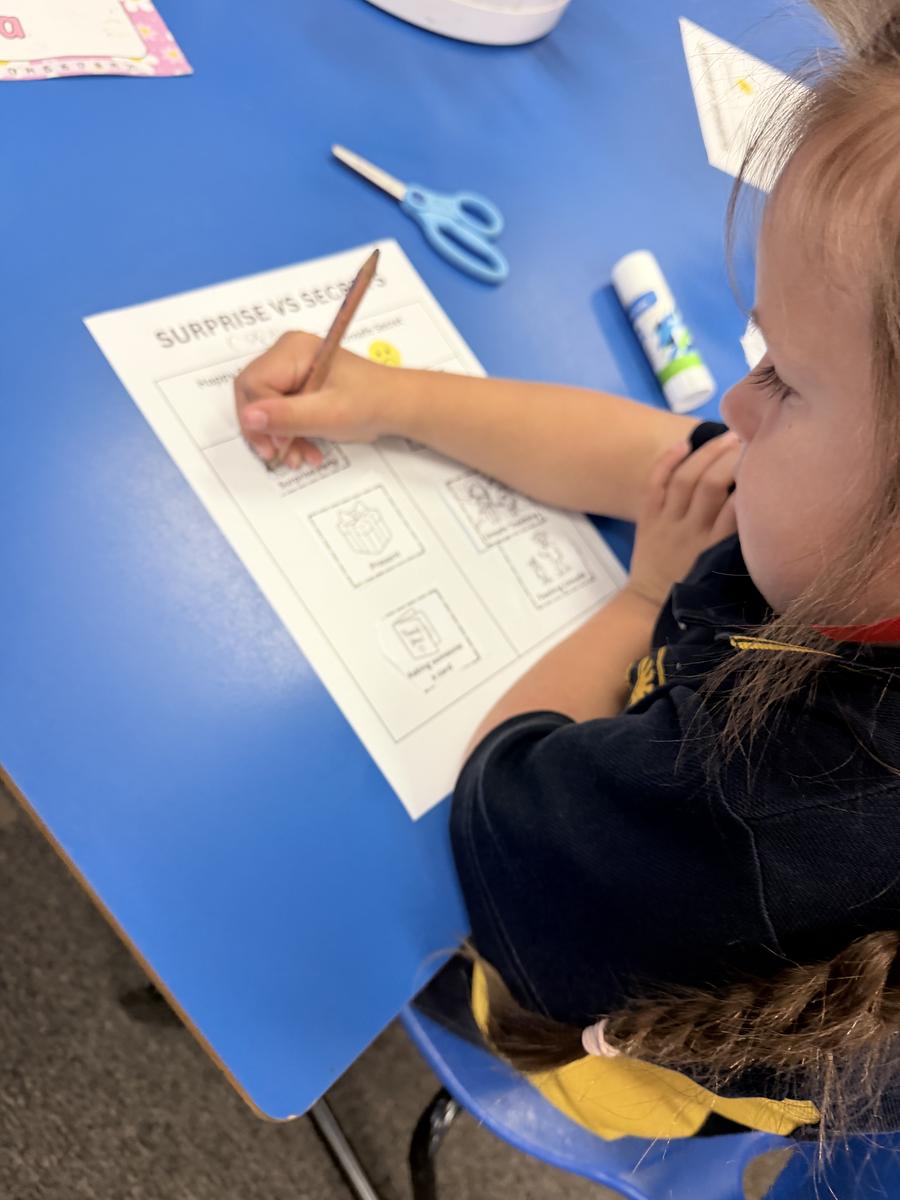
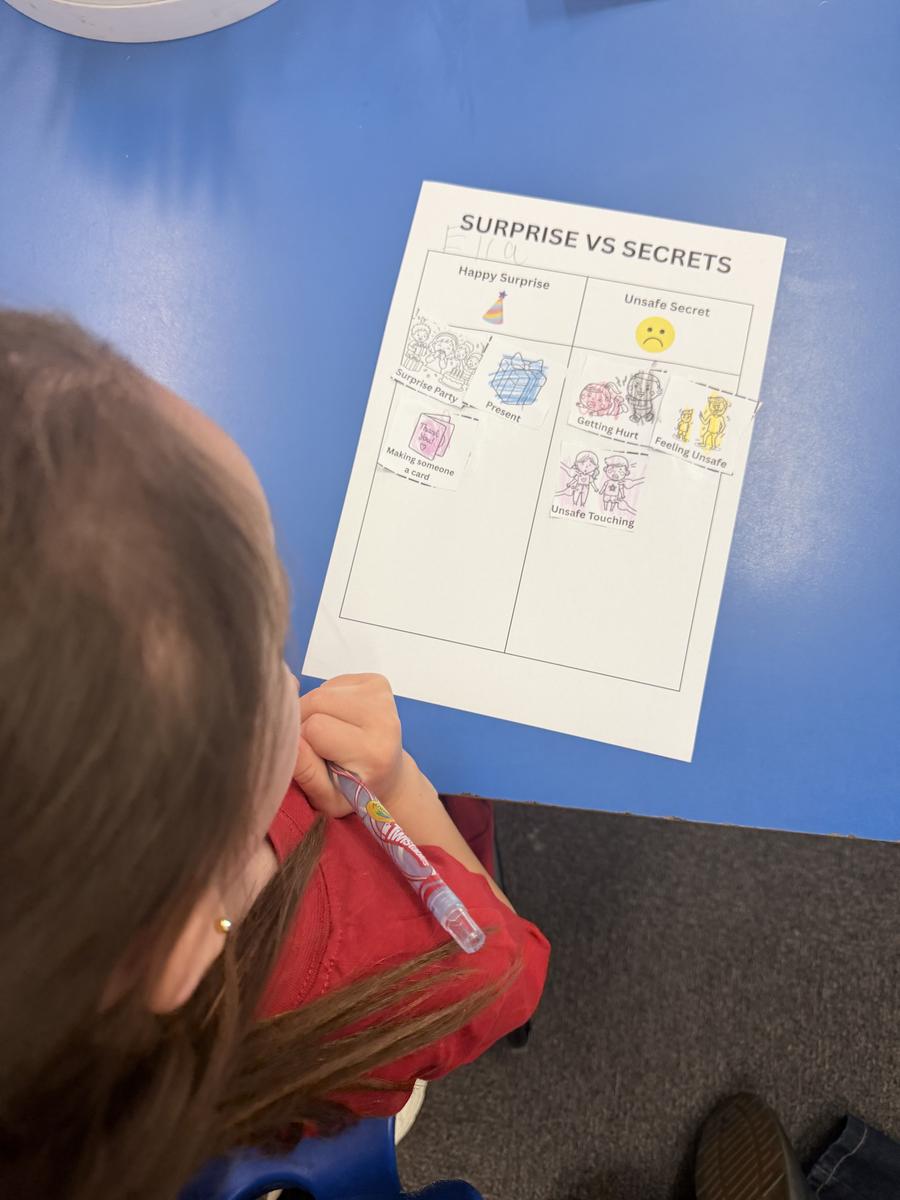
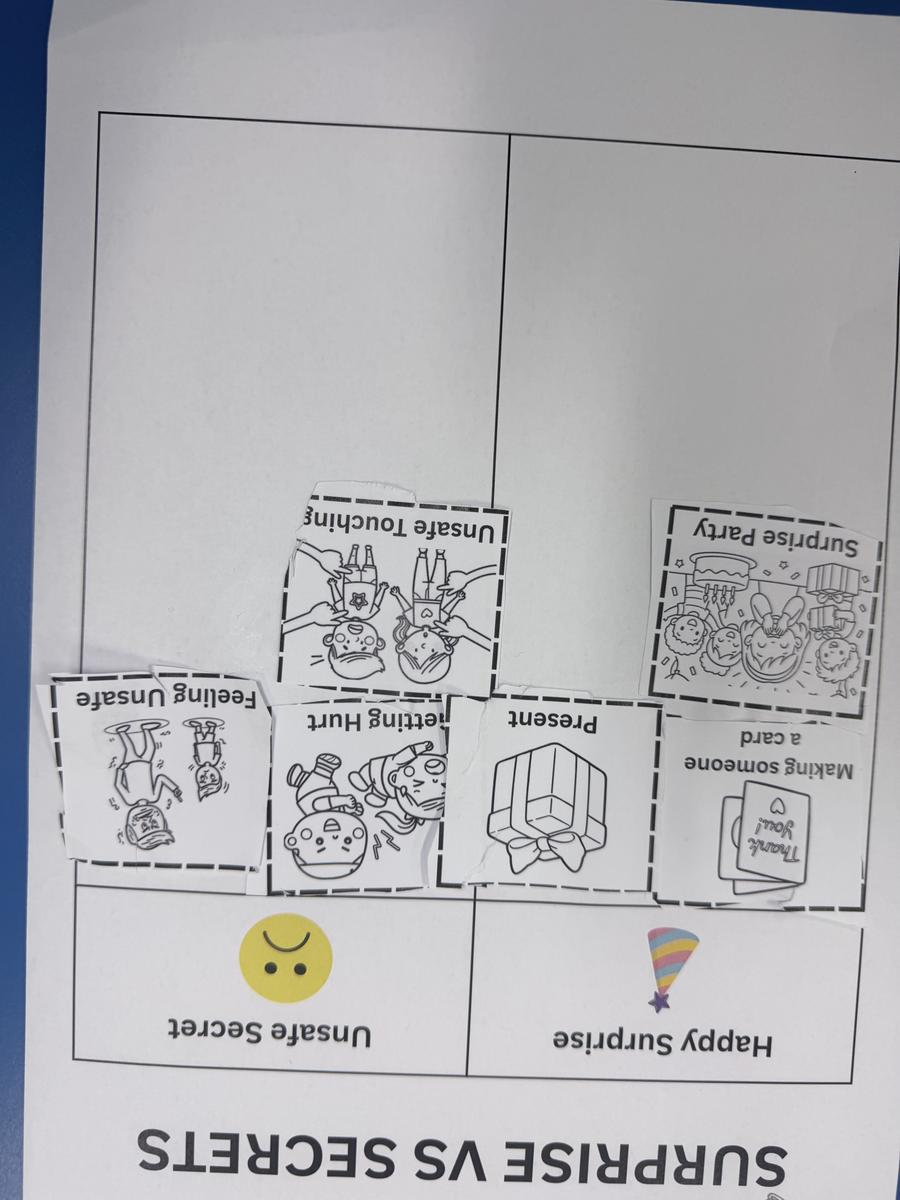
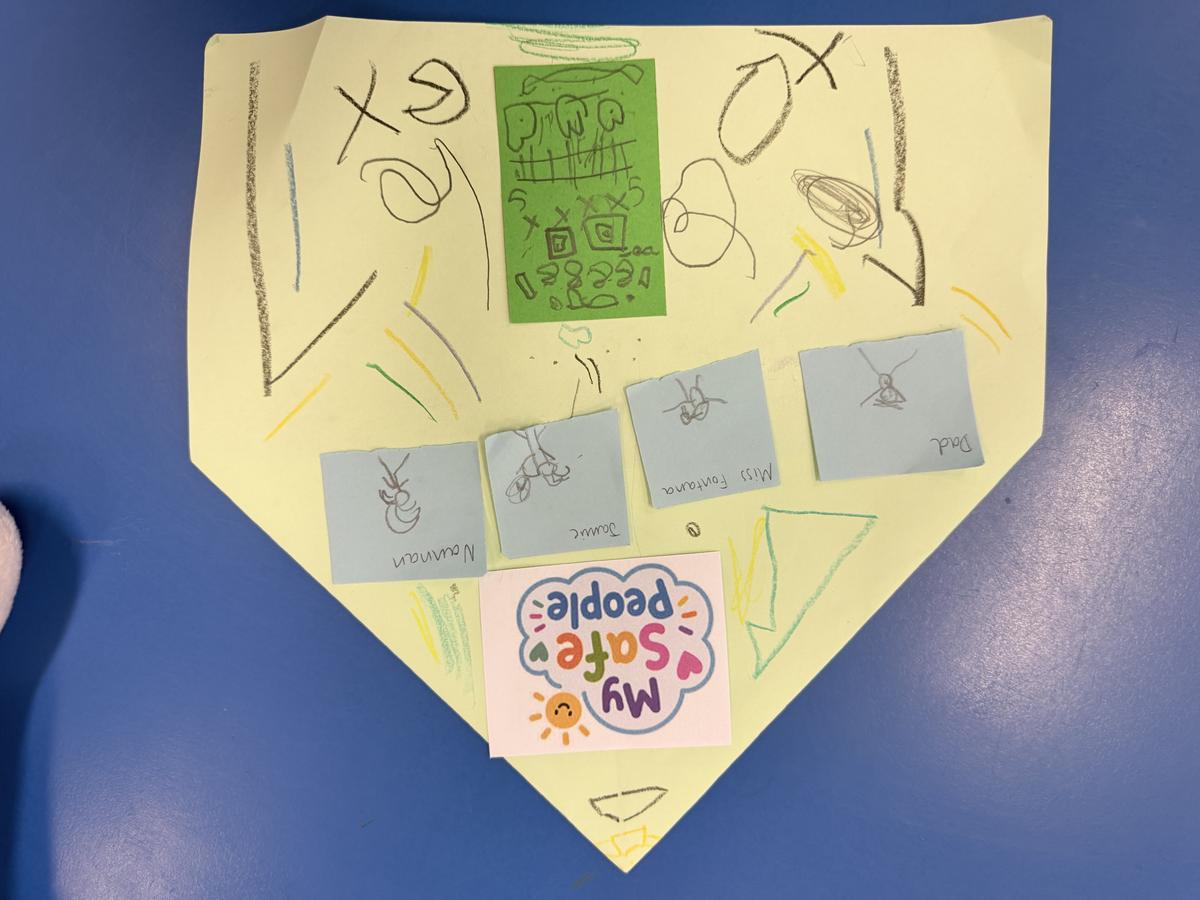
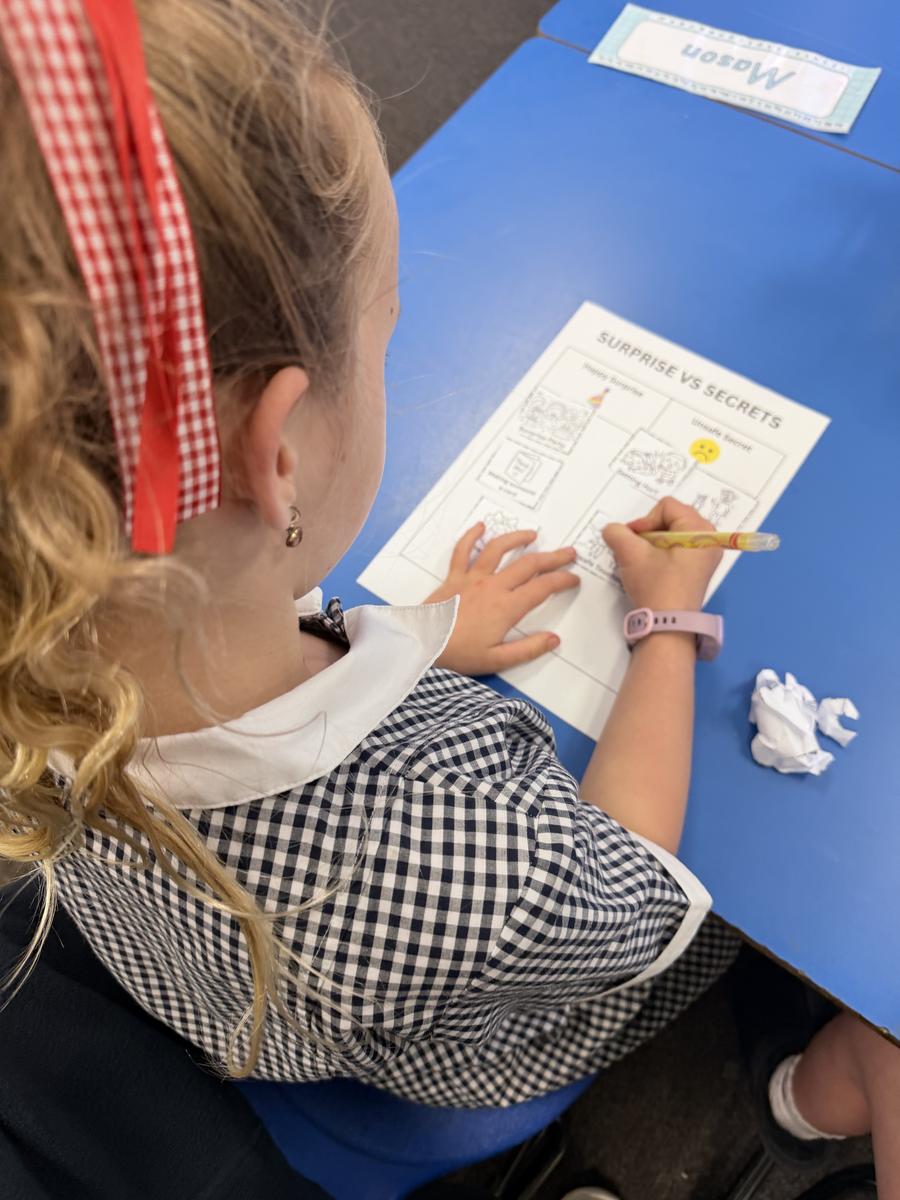
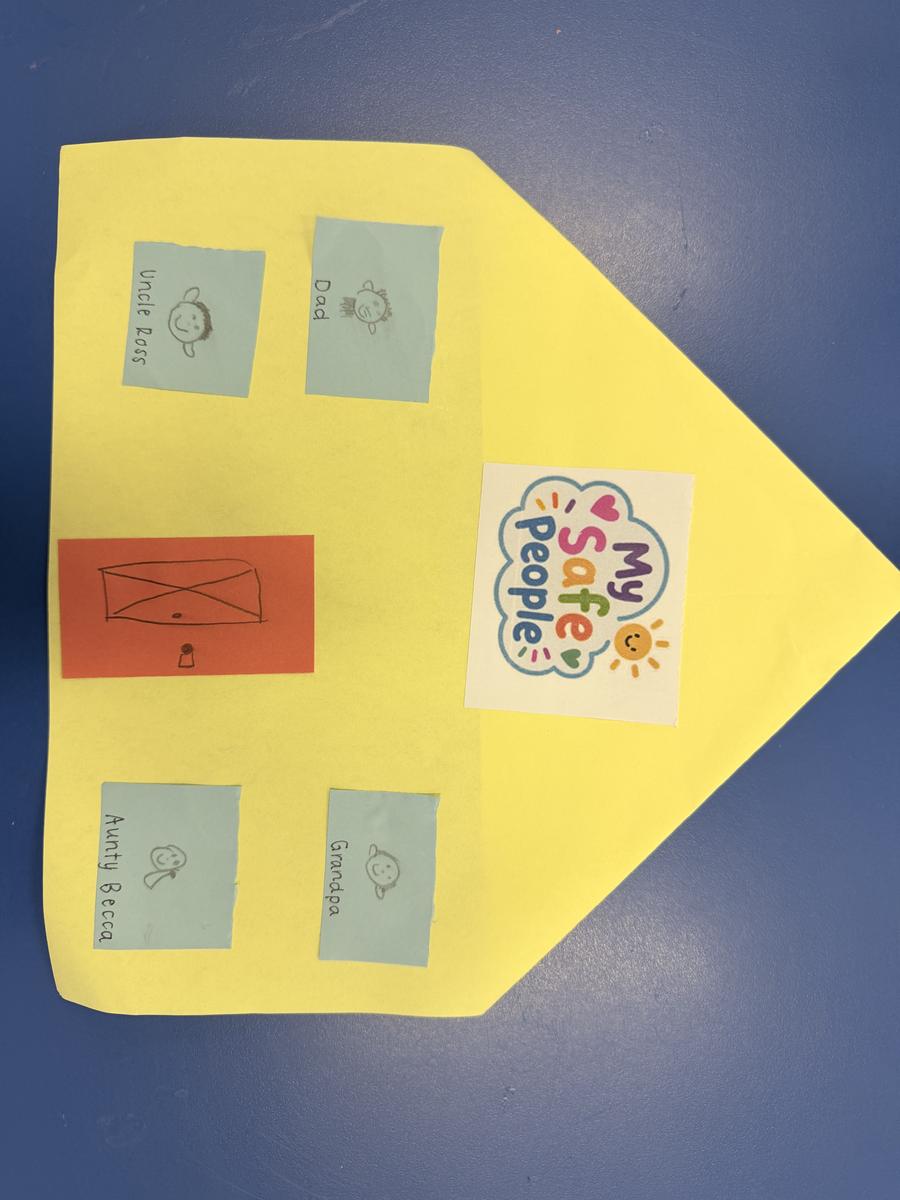
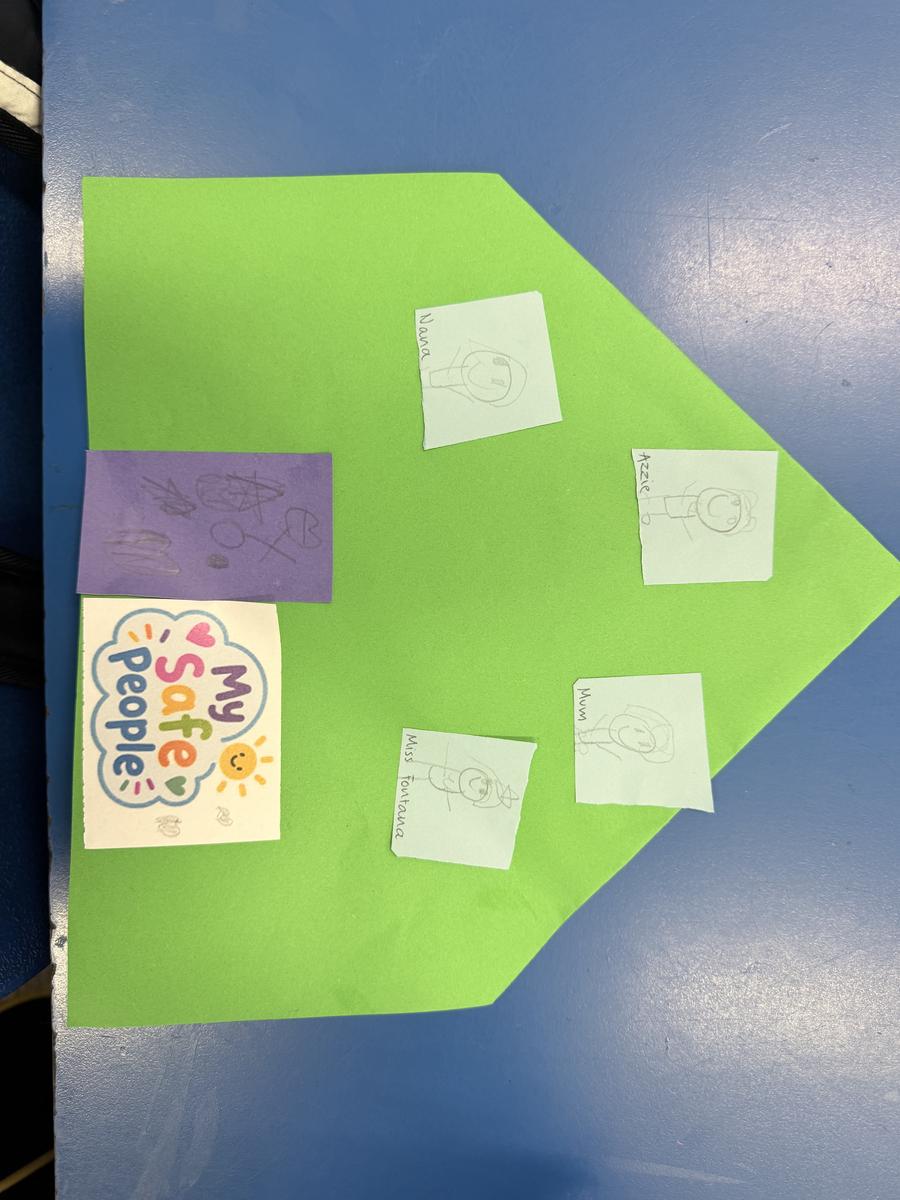
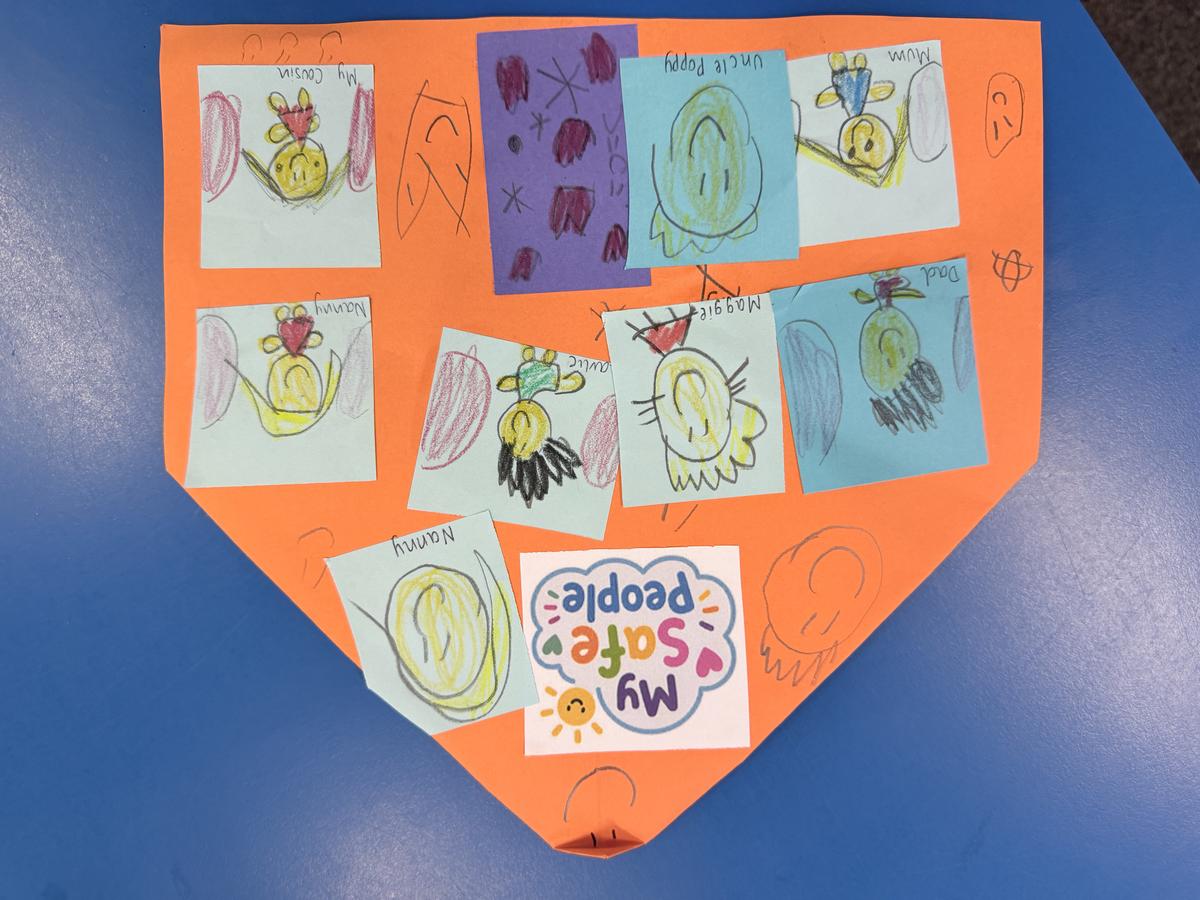
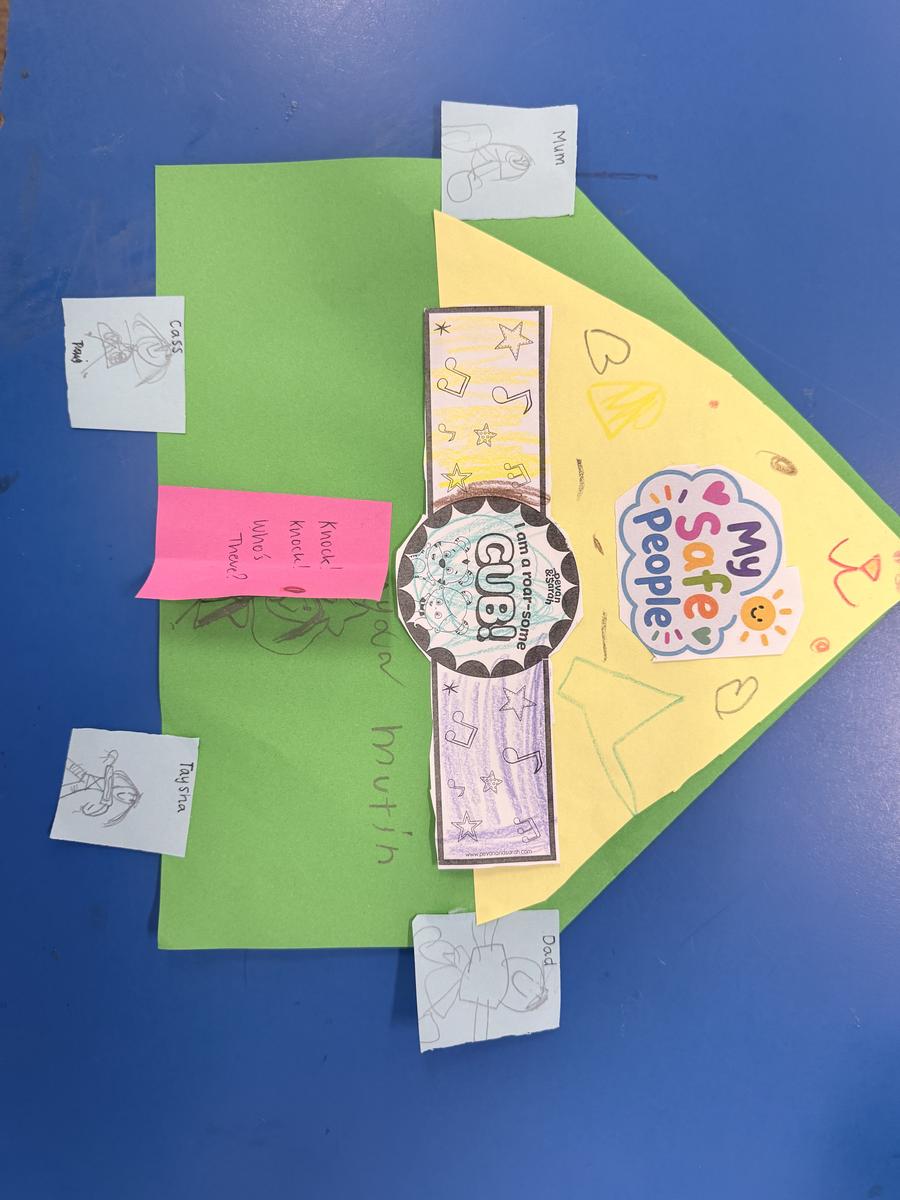
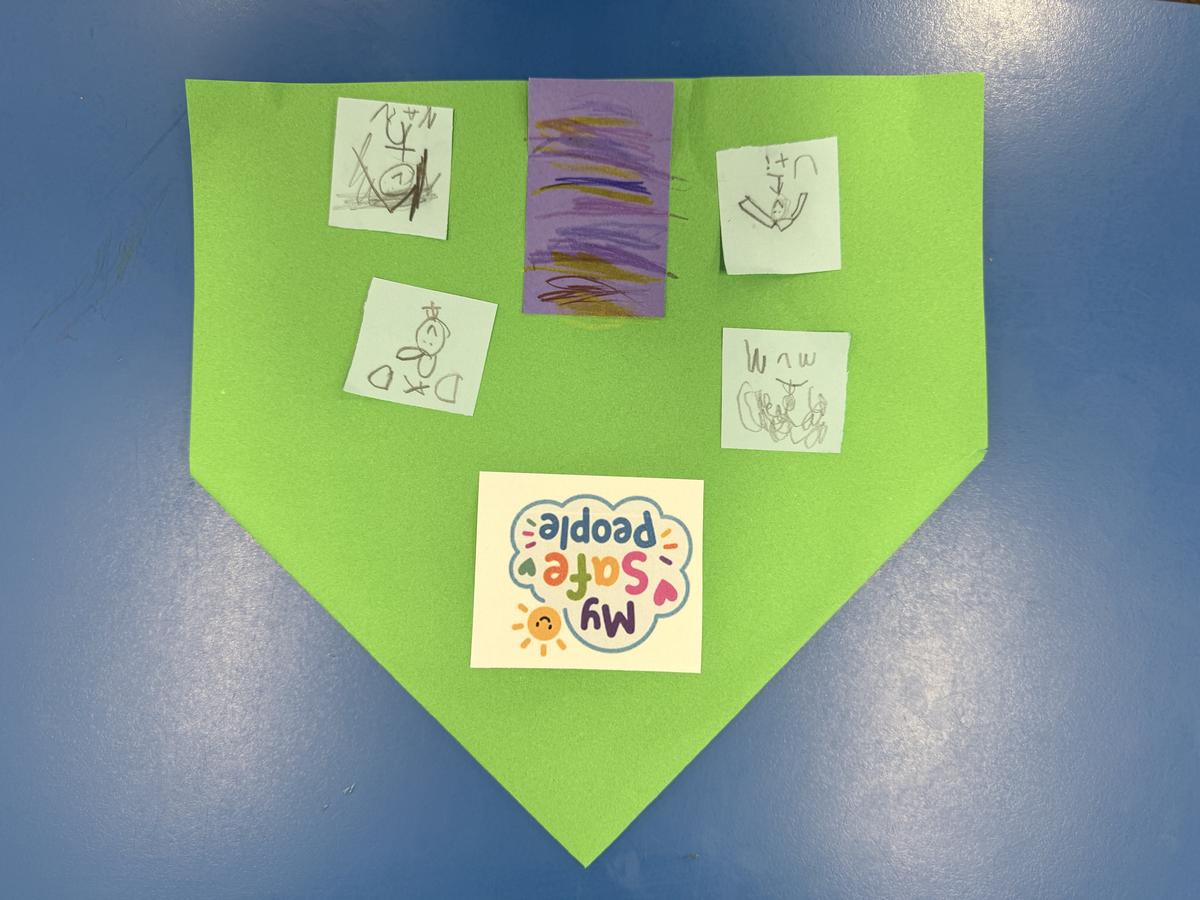
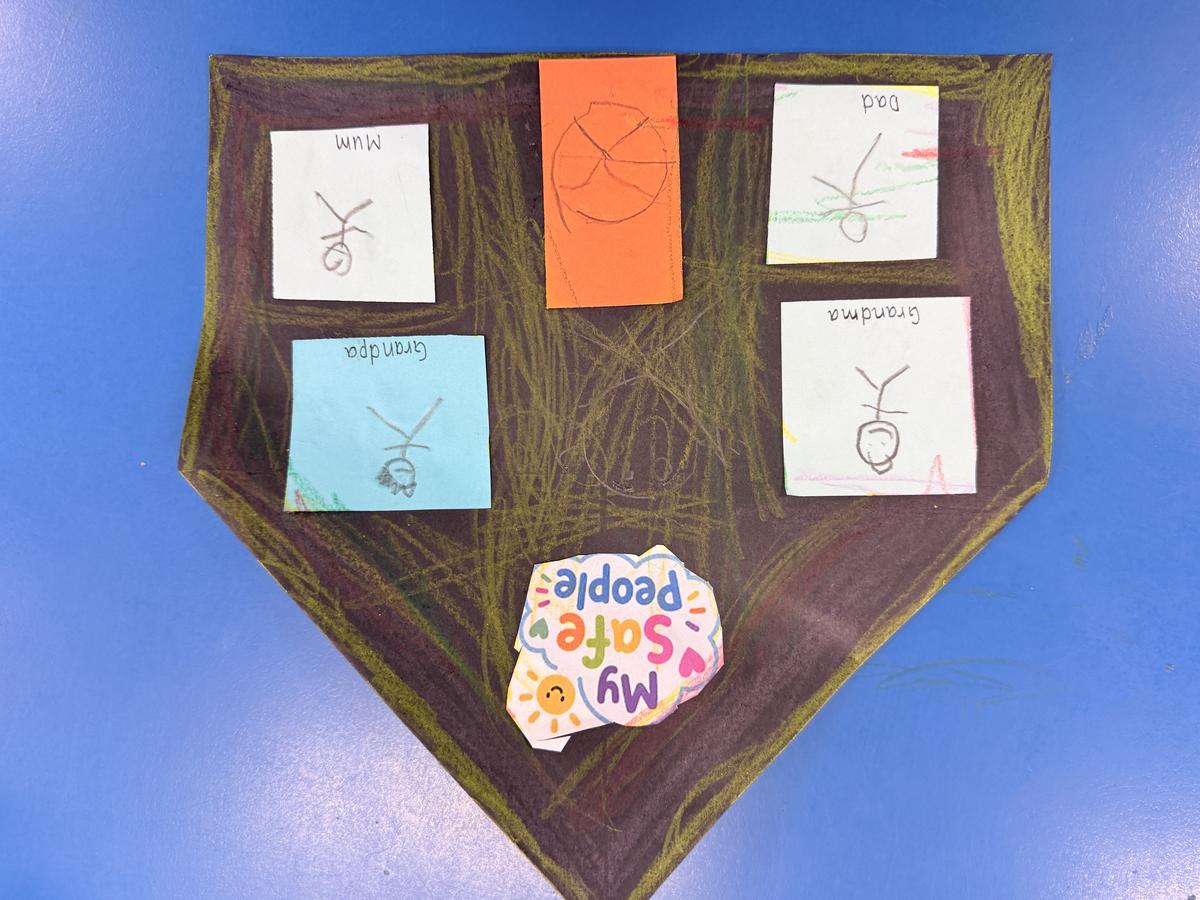
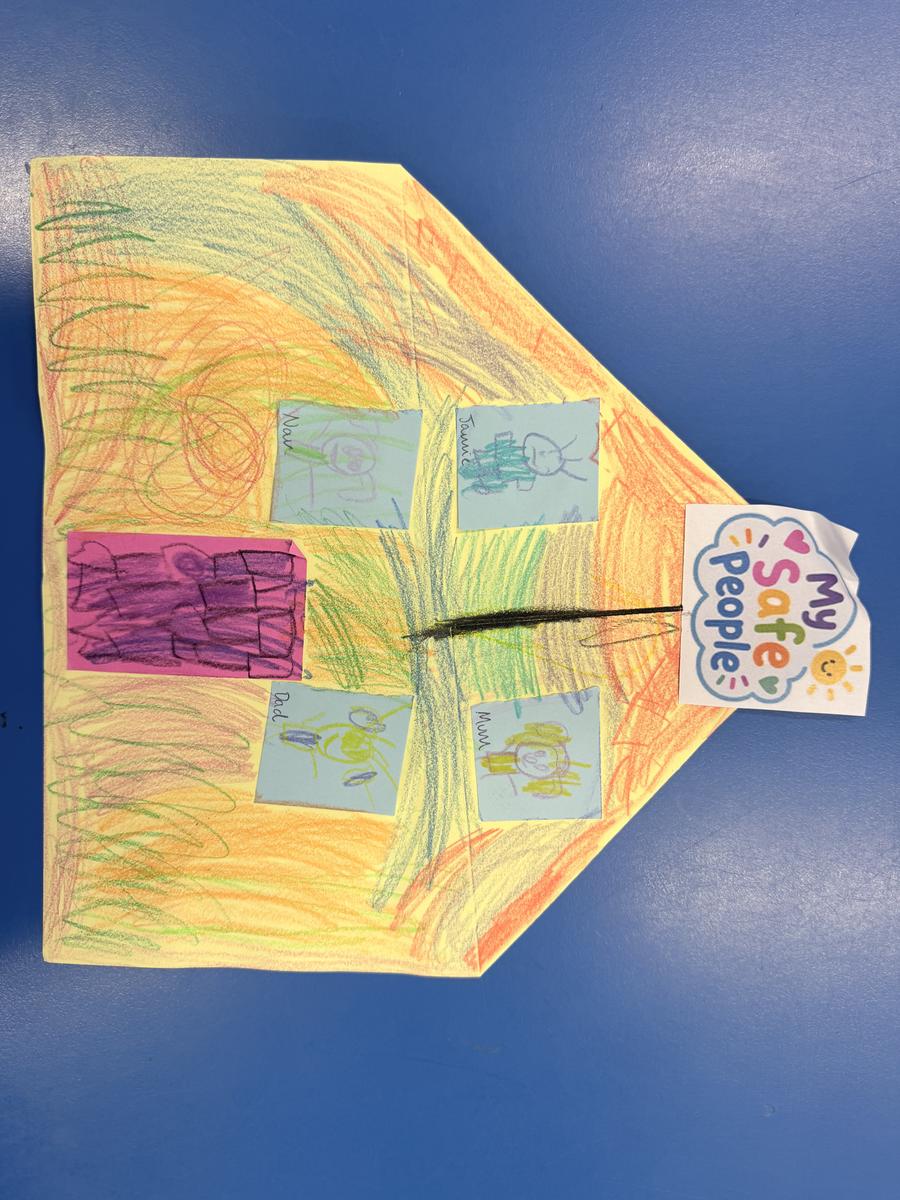
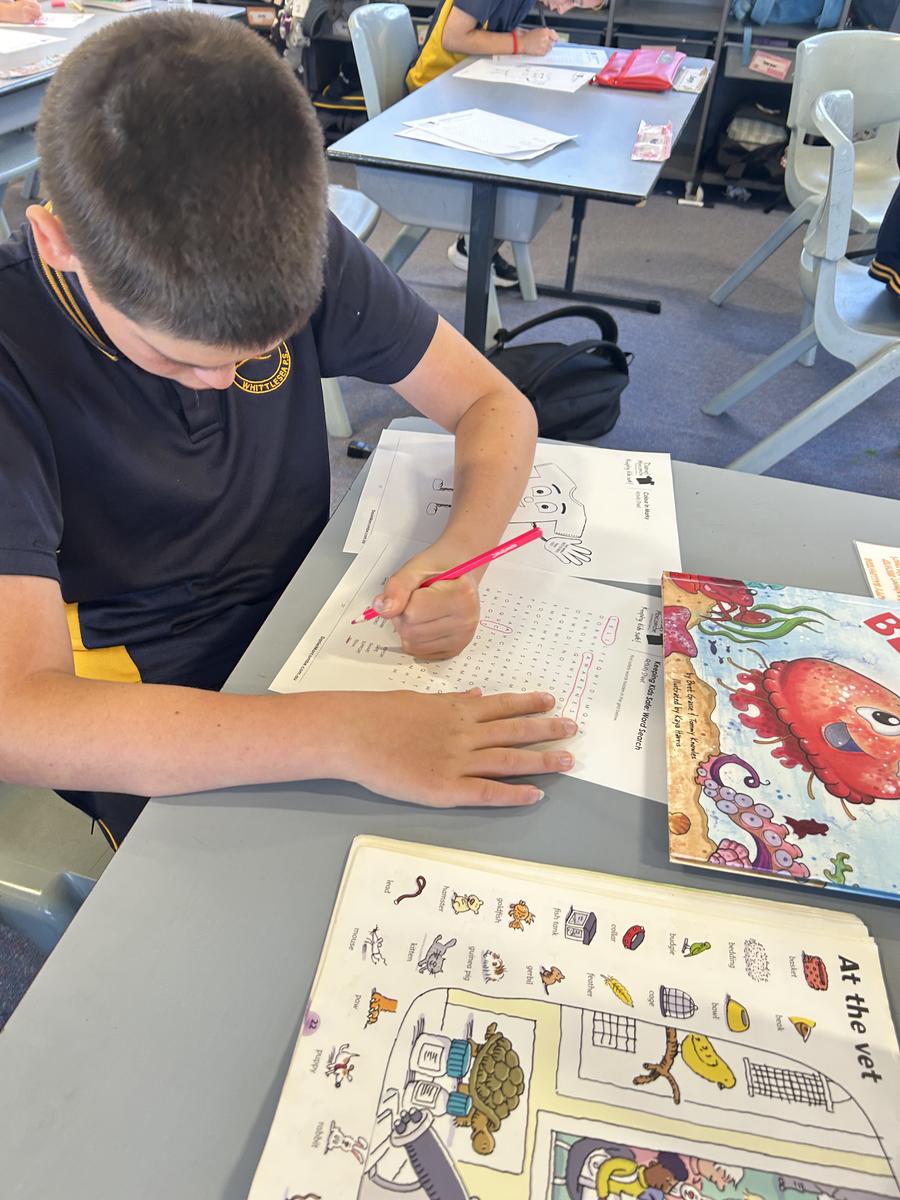
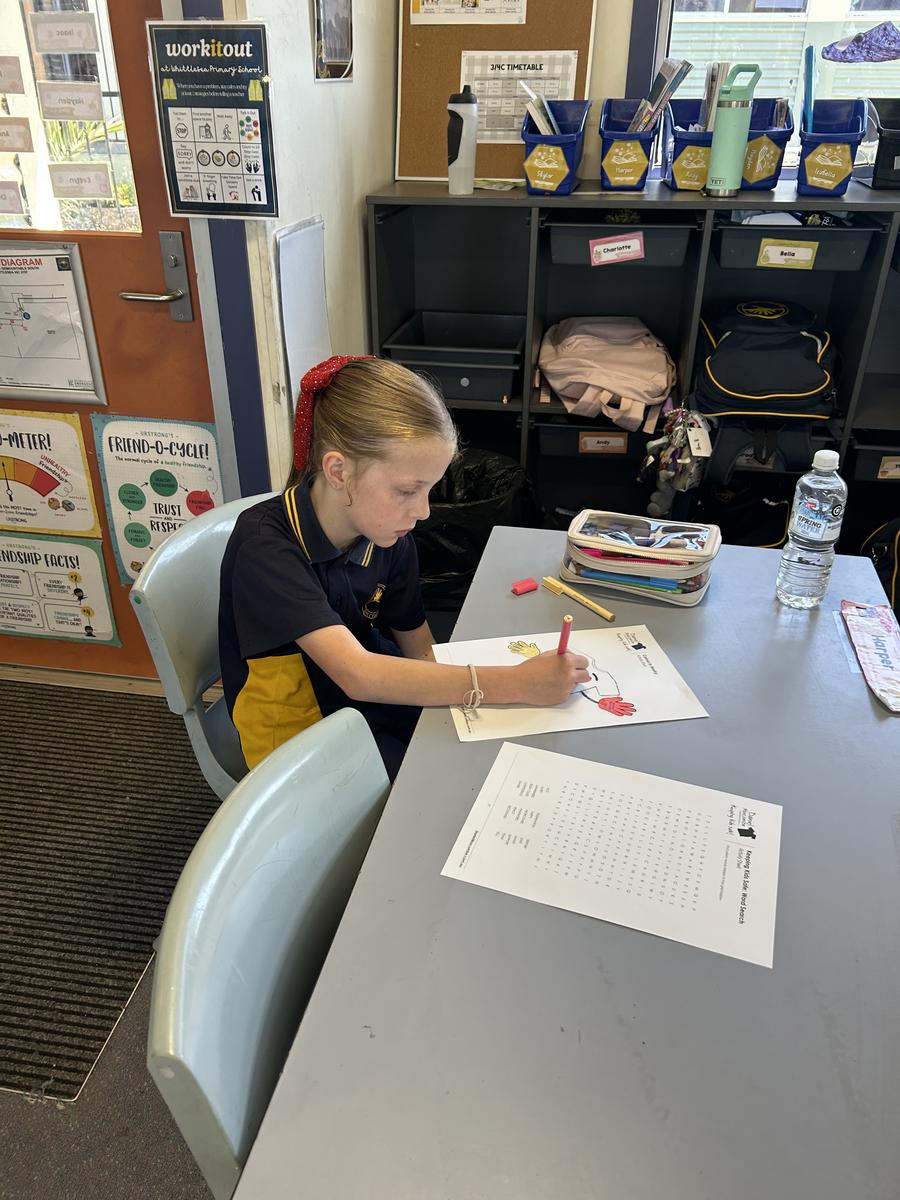
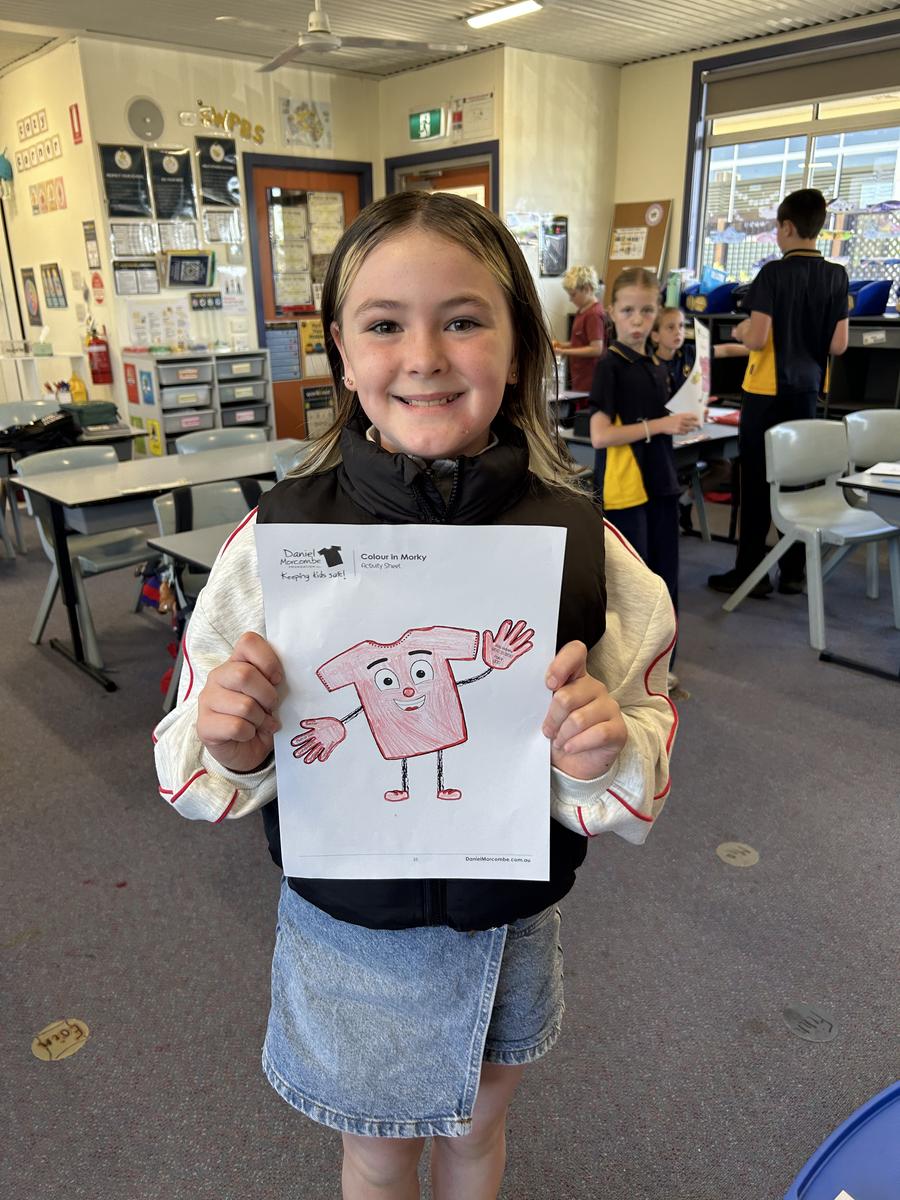
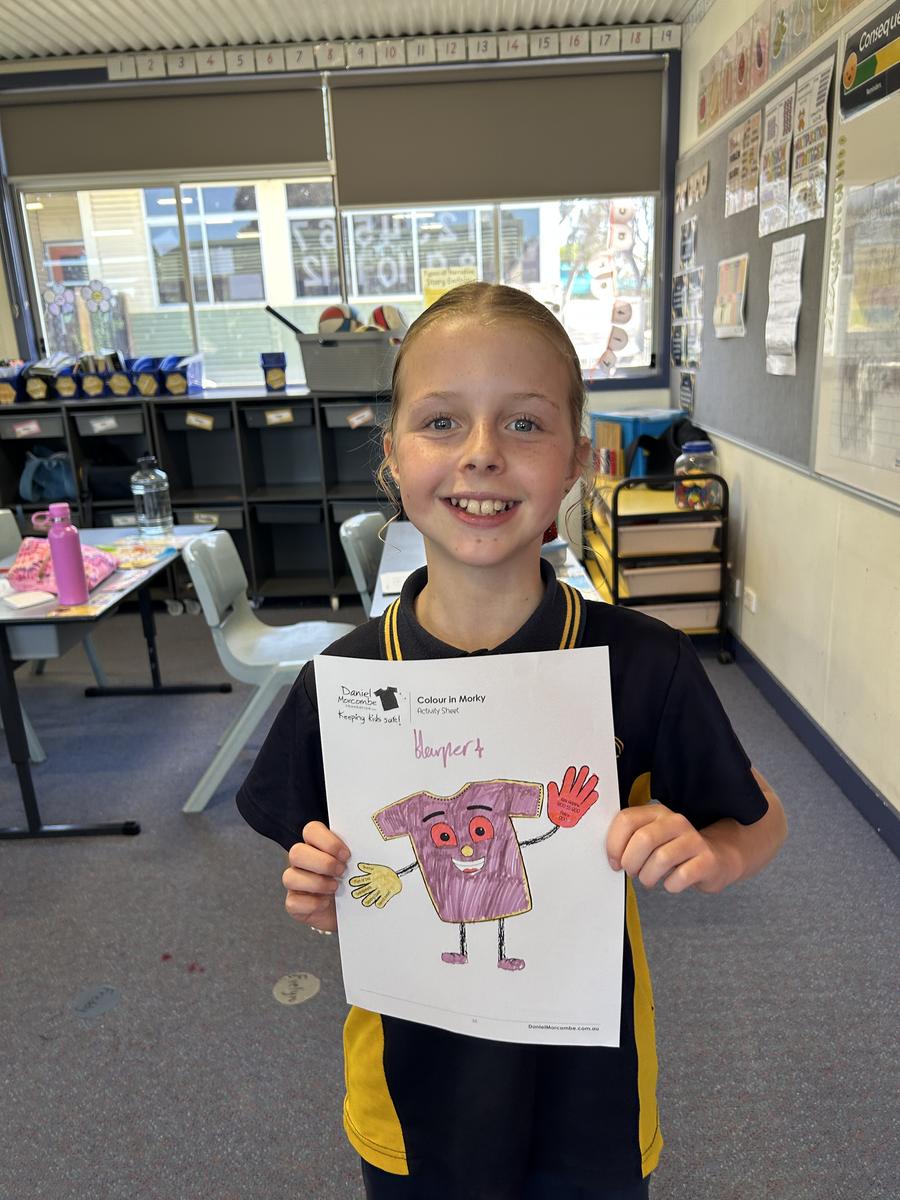
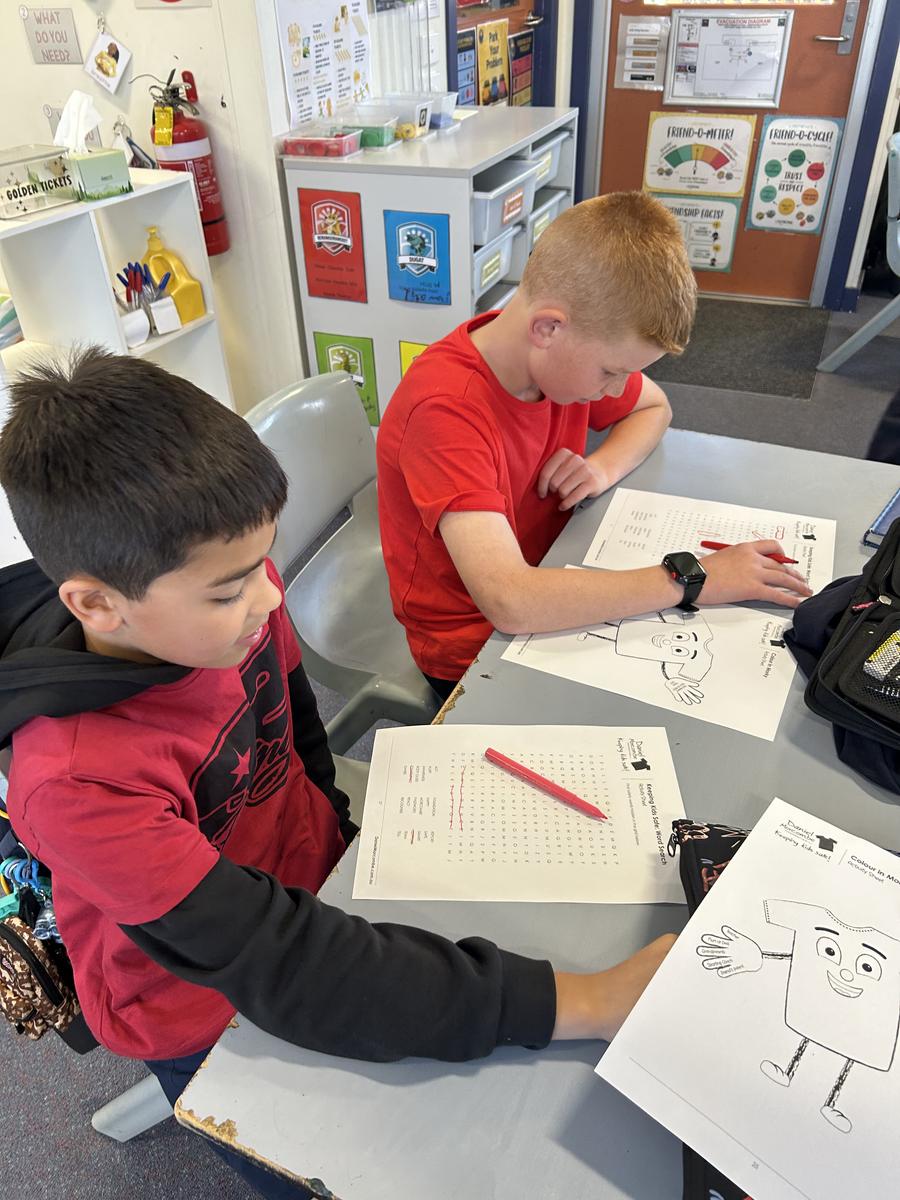
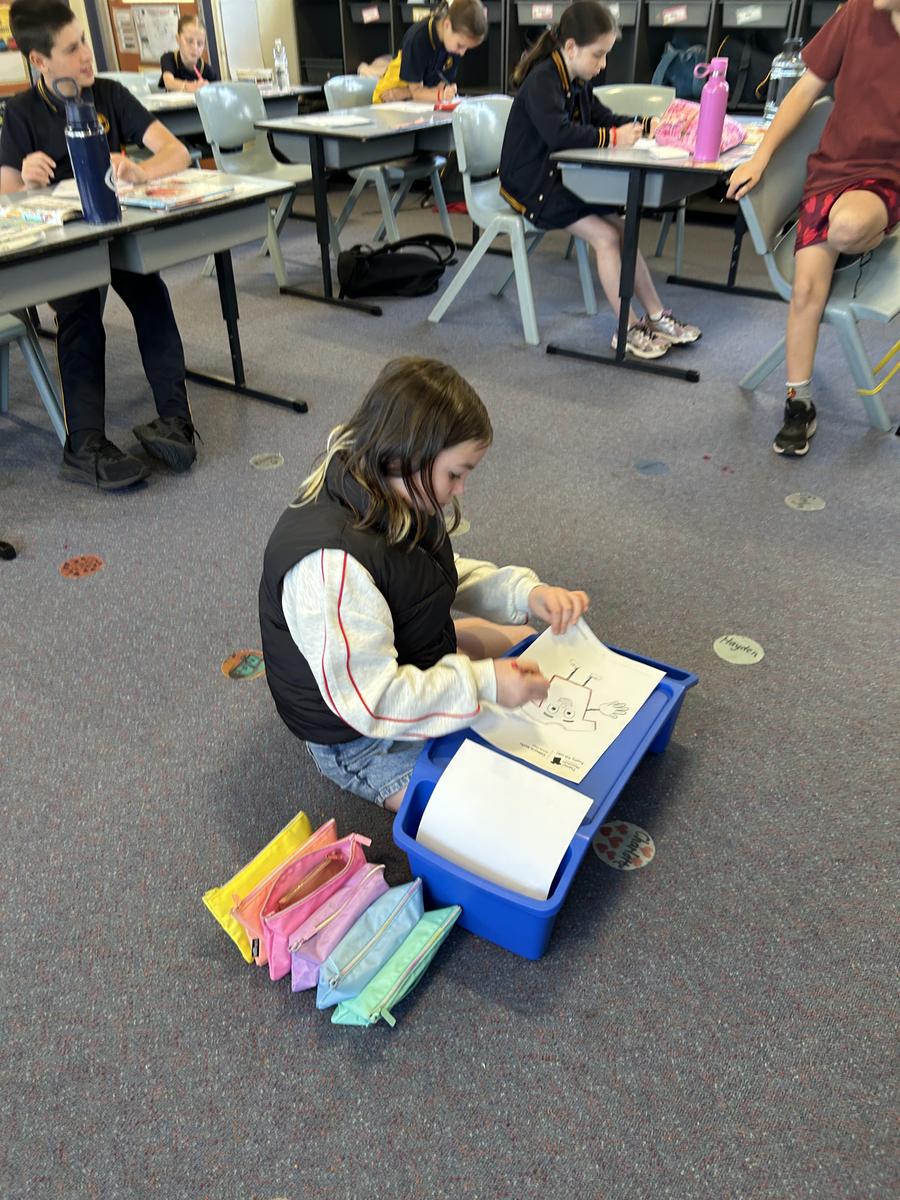
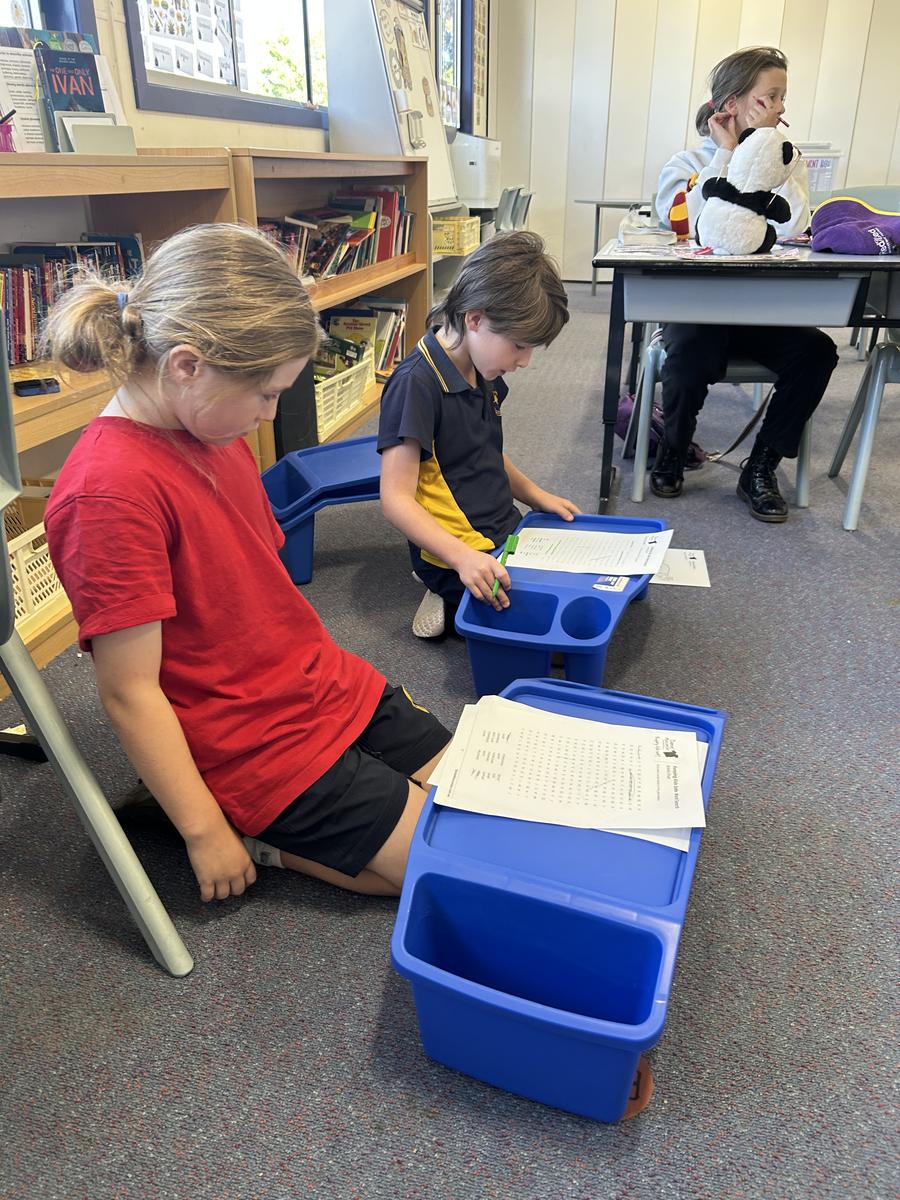
Today, Whittlesea Primary School has proudly recognised Day for Daniel. Here are some photos of our students in red, learning important lessons about safety.

Halloween can be an exciting time filled with costumes, decorations and treats — but for many neurodivergent children, the changes in routine, loud noises, bright lights and social expectations can be overwhelming. Whether your child is autistic, has ADHD, sensory sensitivities, or simply finds busy environments tricky, a little planning can make the night fun and comfortable for everyone.
While Halloween is becoming increasingly popular in Australia, not all families celebrate it in the same way. Some enjoy trick-or-treating through the neighbourhood, while others prefer quiet activities at home or simple themed fun with friends. Every approach is perfectly okay — the goal is to find what feels right for your family and child.
Here are some practical ways to support neurodivergent children on Halloween:
Explain what Halloween is and what will happen in advance, from dressing up to hearing doorbells and seeing spooky decorations. Visuals, photos or short videos can help prepare them for what’s coming.
Skip itchy fabrics, masks or outfits with tight seams. Consider simple costumes made from everyday clothes, a superhero T-shirt, animal ears, or a fun hat — that can still feel special.
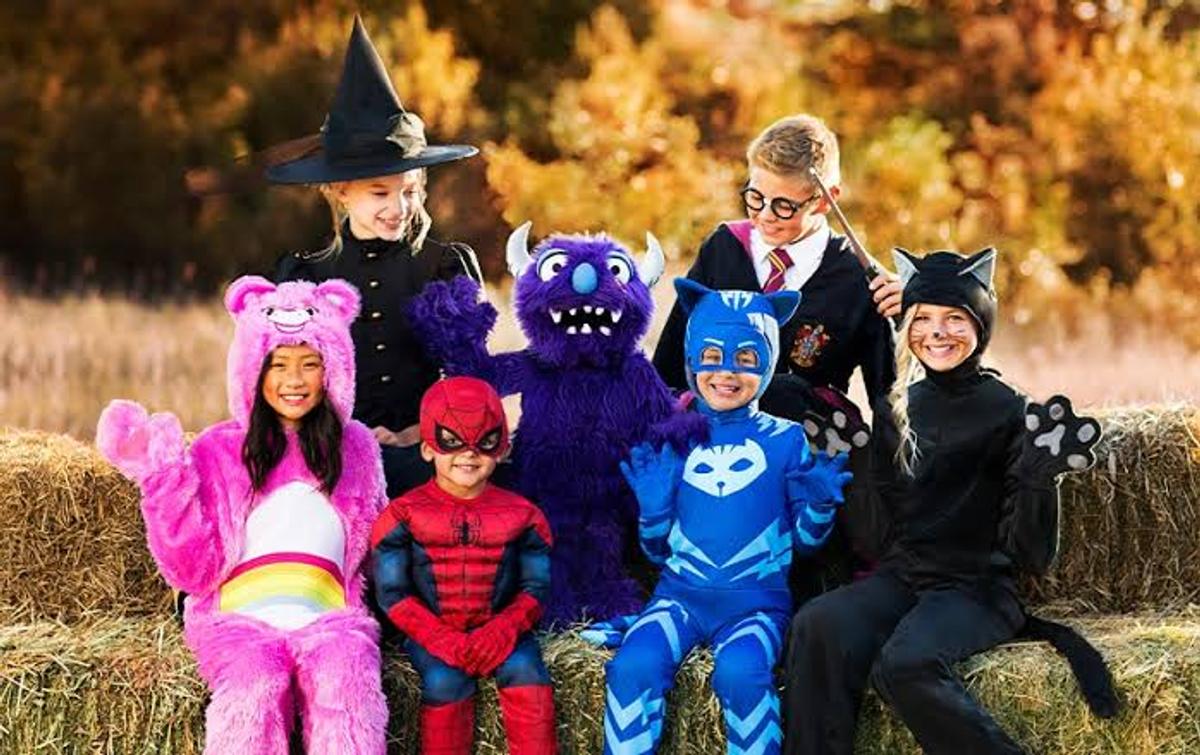
If possible, plan a clear start and finish time. You might visit a few familiar houses rather than the whole street. Some families even enjoy a “Halloween at home” — dressing up, watching a movie, or doing a lolly hunt indoors.
Role-play what to say and do when visiting a neighbour’s house. This helps children feel more confident and reduces anxiety at night.
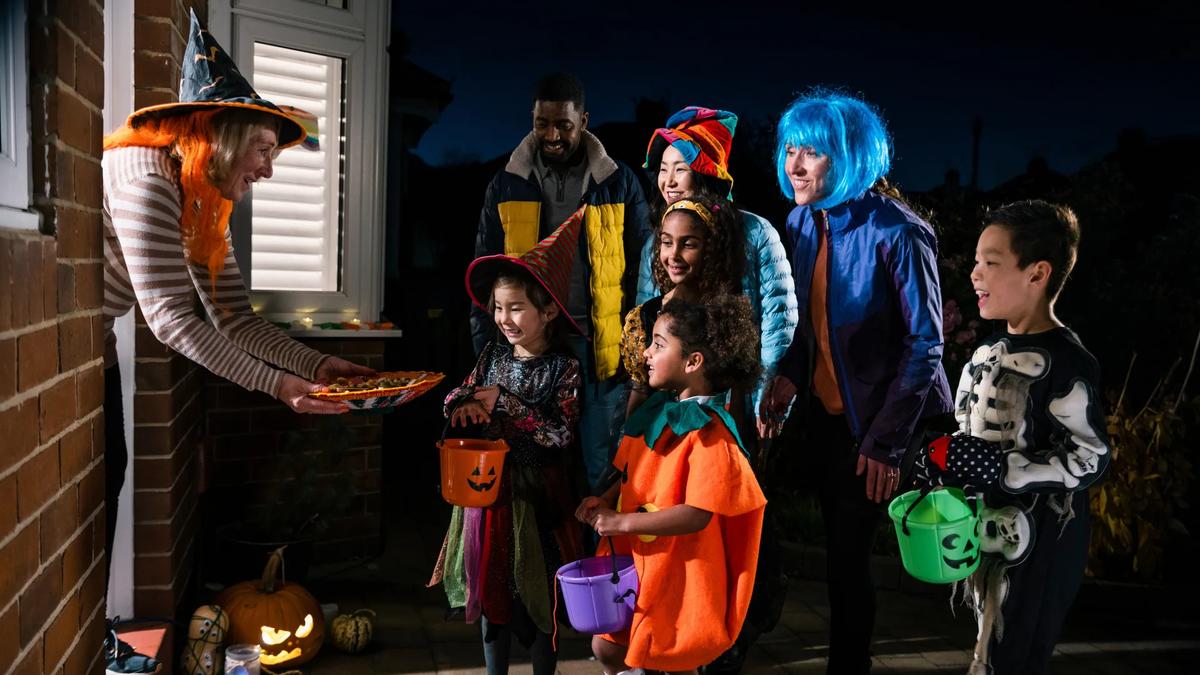
Avoid houses with flashing lights, loud sound effects or large crowds. Bring noise-cancelling headphones or sunglasses if needed. Taking short breaks between houses can help too.
If your child doesn’t want to wear a costume, say “Trick or Treat,” or go out at all — that’s okay! There are many ways to enjoy Halloween without following every tradition.

Having a quiet space to return to — at home or in the car — can help your child reset if things get too much. A comfort item, like a favourite toy or blanket, can also be reassuring.
Halloween doesn’t have to look one way. Your family could decorate pumpkins, bake themed treats, or share in small sensory-friendly activities that feel right for your child.
By planning ahead and staying flexible, we can help ensure Halloween is an inclusive, positive experience for all children, full of fun, not fear.