From the Deputy Principal
Mrs Caroline Wilson-Haffenden







 SMC
From the Deputy Principal
Mrs Caroline Wilson-Haffenden
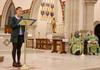
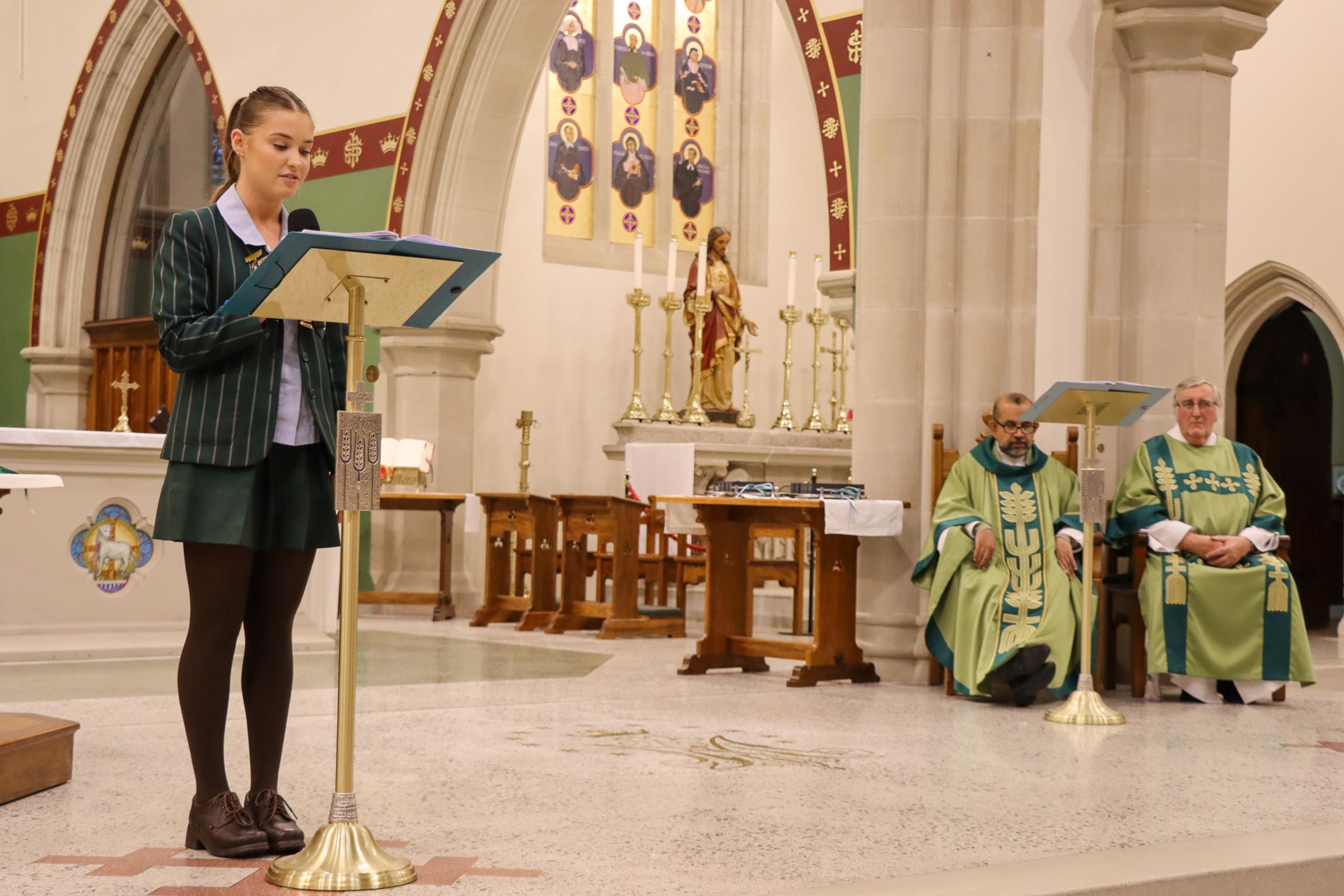
I would like to congratulate our Head Prefect, Lucy Hofler, on her powerful address at the Year 12 Graduation Mass. Lucy reflected on the significance of the Year 12 students' journey through school and the values they will carry into the future. A central theme of her message was the importance of paying attention to the "little things," which so often become our most meaningful memories.
Lucy noted that everyday moments leave the deepest impact – conversations with friends, shared laughter and familiar routines. She encouraged her peers not to become so focused on the future that they overlook the present, emphasising that small acts like including others, showing empathy and standing up for those in need carry a lasting legacy.
Lucy reminded us that the most enduring outcomes of school are not grades or awards, but friendships, shared experiences and the positive difference we make in one another's lives.
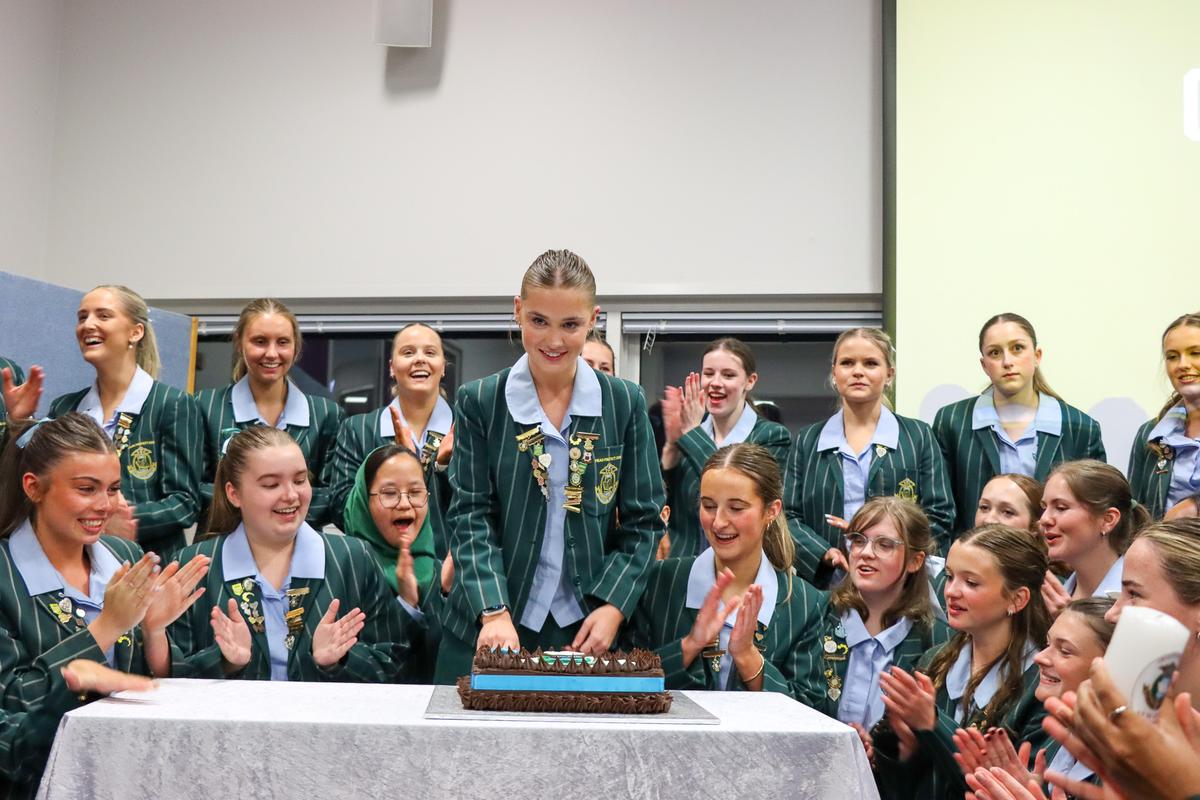

Attention to the "little things" was also the focus of Father Justin's homily at the Alumni Mass (preceding their AGM and Luncheon) last Saturday.
Father Justin spoke of Saint Thérèse of Lisieux (1873–1897), known as "The Little Flower." Her spirituality, The Little Way, teaches that holiness is found not in grand achievements, but in performing ordinary daily actions with great love, humility and faith.
Saint Thérèse encouraged us to:
"Miss no single opportunity of making some small sacrifice, here by a smiling look, there by a kindly word."
Drawing on both Lucy's graduation address and the example of Saint Thérèse, we are all called to focus on the small acts of kindness, inclusion and compassion that make the biggest difference. While our achievements matter, it is our character, our relationships and our positive influence on others that leave a lasting mark.
As we observe World Kindness Day on Friday 13 November, may this serve as a gentle reminder that even the smallest act of kindness has the power to brighten someone's day and strengthen our community.

Catholic Education Tasmania (CET) is currently reviewing student attendance across its schools to ensure every student has the best opportunity to attend, learn and feel a sense of belonging.
Why a review?
Being at school matters for both learning and connection. For some students, getting to school is hard. The reasons can include illness (including mental health), family circumstances, caring responsibilities, specific learning needs, friendship dynamics or safety concerns. Often, these challenges are outside a student’s or family’s control. The review aims to understand what is happening and what helps, enabling schools to notice issues earlier, respond with empathy and offer the right support.
What is happening?
CET is analysing overall attendance patterns across groups of schools rather than looking at individual students, alongside reviewing current research and practices from other states. Rosa Connell from CET’s Pastoral Care and Wellbeing team will also be visiting select schools in the north, north-west and south of the state to speak with staff and students in small focus groups.
What this review is NOT
This initiative is not about blaming or penalising any student, family or school, and it will not report on individual students or families.
If getting to school is hard for your child
If your young person finds it difficult to come to school, or if you have concerns about their attendance, please reach out to their Class Teacher (Junior School) or Pastoral Care Teacher (Senior School).
Findings from the review will ultimately be shared with schools to strengthen practical guidance and attendance practices that help every student feel connected and supported.
I encourage parents and carers to read SchoolTV’s latest report on Disordered Eating.
While changes in eating habits are a normal part of growing up, recognising when these changes become concerning can be challenging. Disordered eating often develops gradually, beginning with seemingly harmless behaviours such as skipping meals, eliminating specific food groups, or becoming overly focused on exercise, body image or "clean" eating. However, when these behaviours become rigid, restrictive or distressing, they may signal a deeper concern.
Disordered eating can affect children and young people of any age, gender or body size. It is not always driven by a desire to lose weight and can often be tied to anxiety, perfectionism, low self-esteem, sensory sensitivities or emotional distress. Early warning signs can be subtle, making it vital for families and educators to watch for shifts in behaviour, attitudes toward food and overall emotional wellbeing.
Parents, carers and schools all play an essential role in fostering positive relationships with food and body image. Encouraging balanced attitudes, avoiding judgmental language around food and appearance, and creating supportive spaces where young people feel safe expressing their worries can make a world of difference.
You can access the full resource via the St Mary's College SchoolTV Portal.