Student Voice and Agency
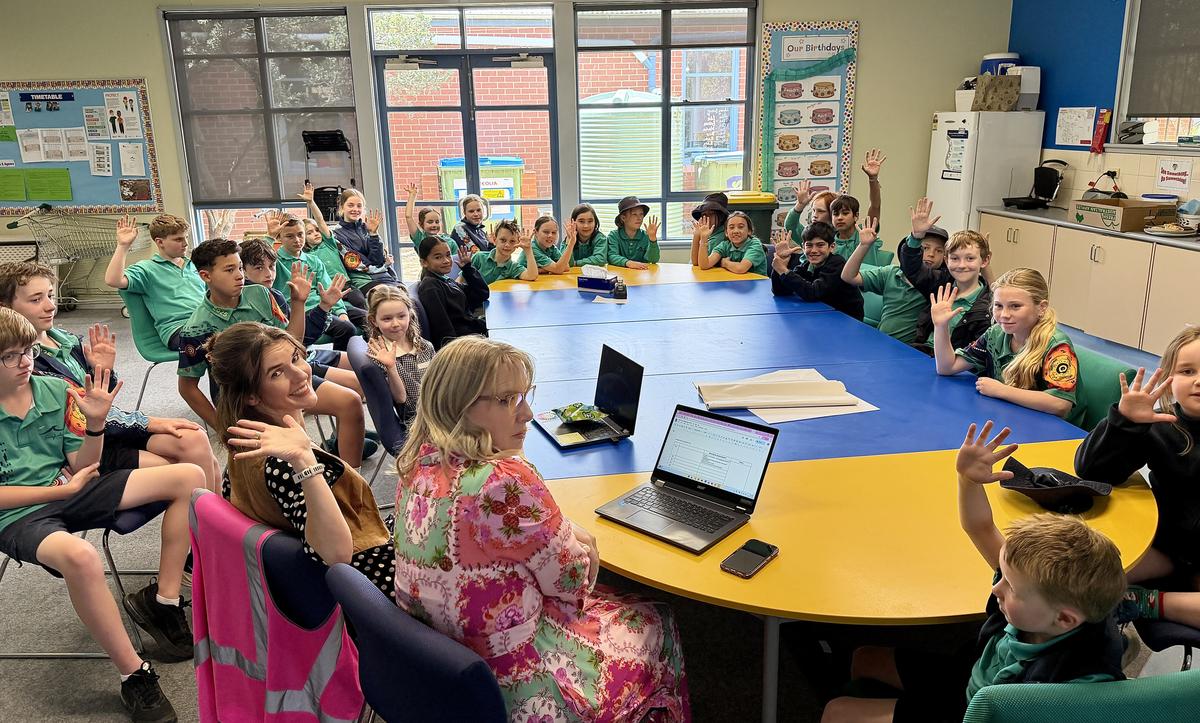
A big thank you to all our Student Voice and Agency (SVA) Class Representatives and SVA Captains for their commitment, thoughtful contributions, and leadership throughout the year. Our SVA reps have played an important role in sharing student perspectives, contributing ideas, and helping shape decision-making to improve our school. Their willingness to speak up, listen to others, and work collaboratively has made a real difference to our school community. We appreciate the time and effort they have given and thank them for representing their classes so positively.
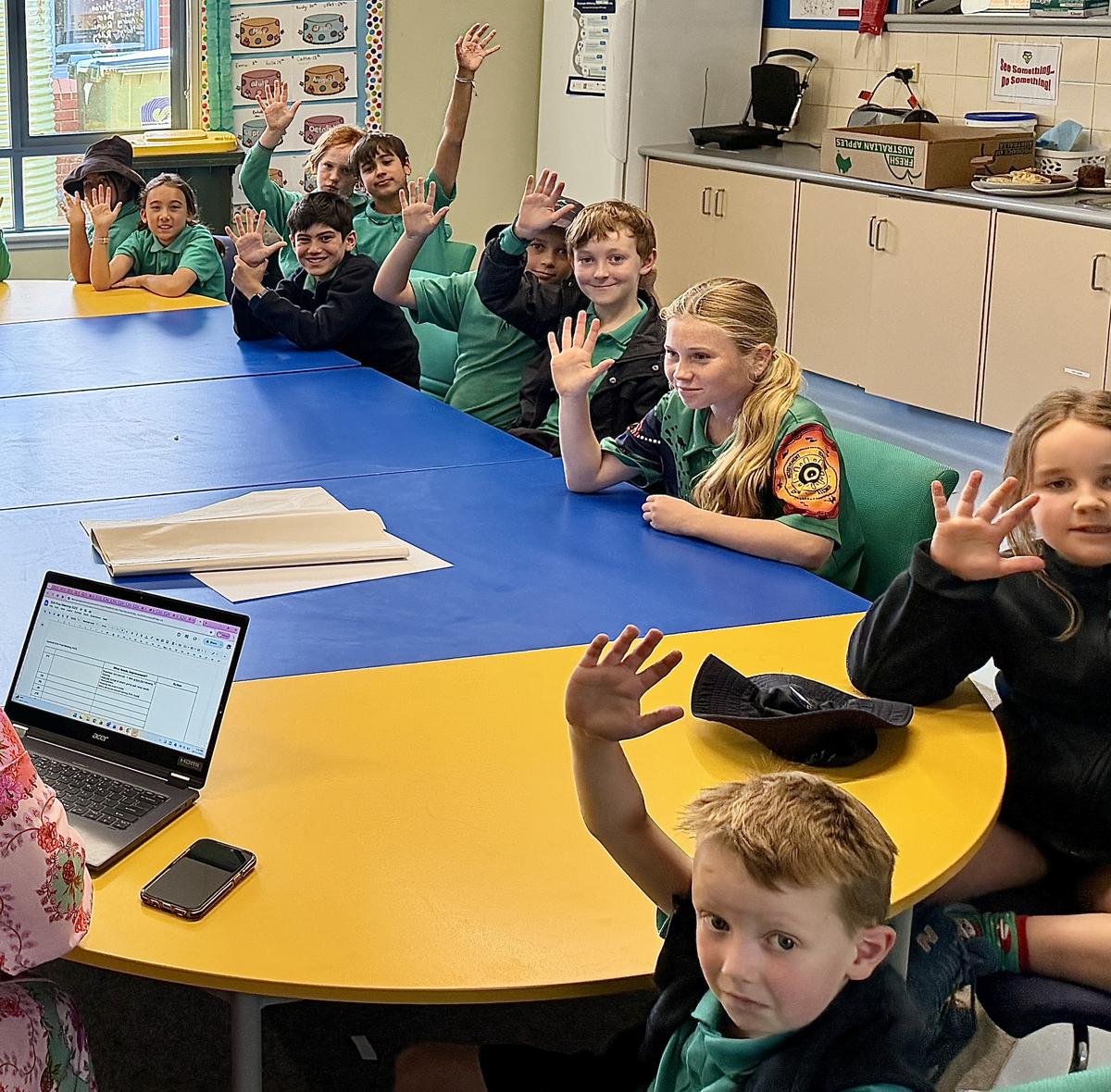
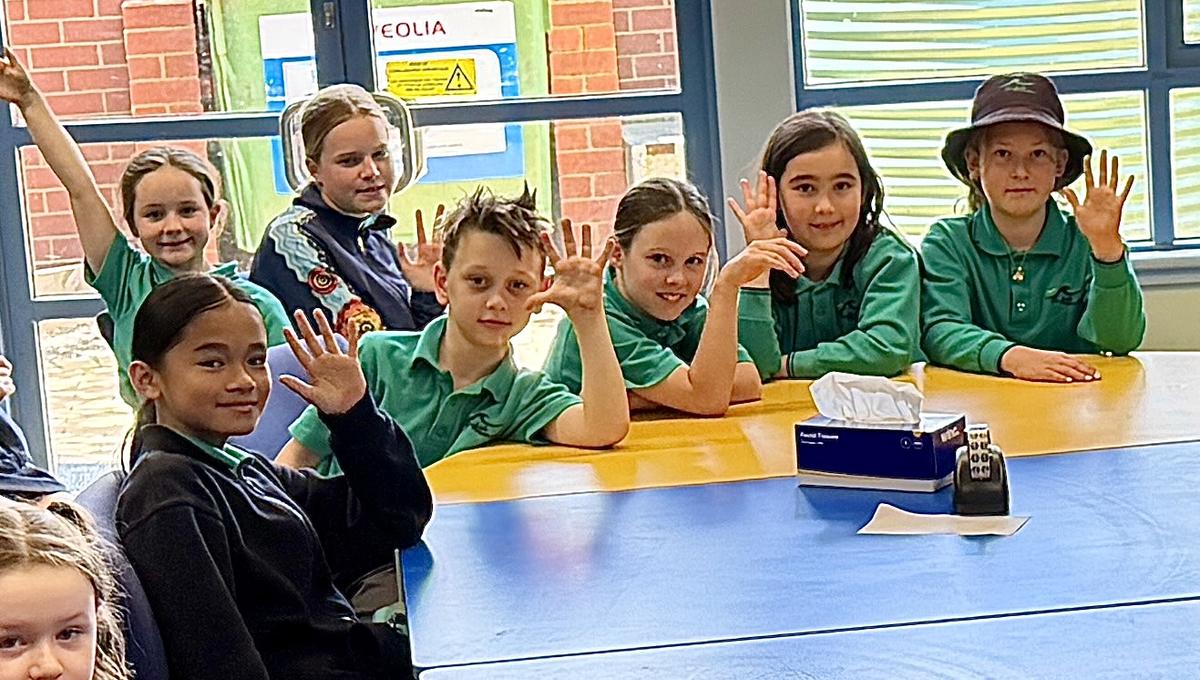
These photos capture our final meeting for the year, with each student rating (out of five) how much they have valued and enjoyed their important role within our school community. And a big thank you to Katrina McCredden and Kellie Hewson for facilitating this important work.
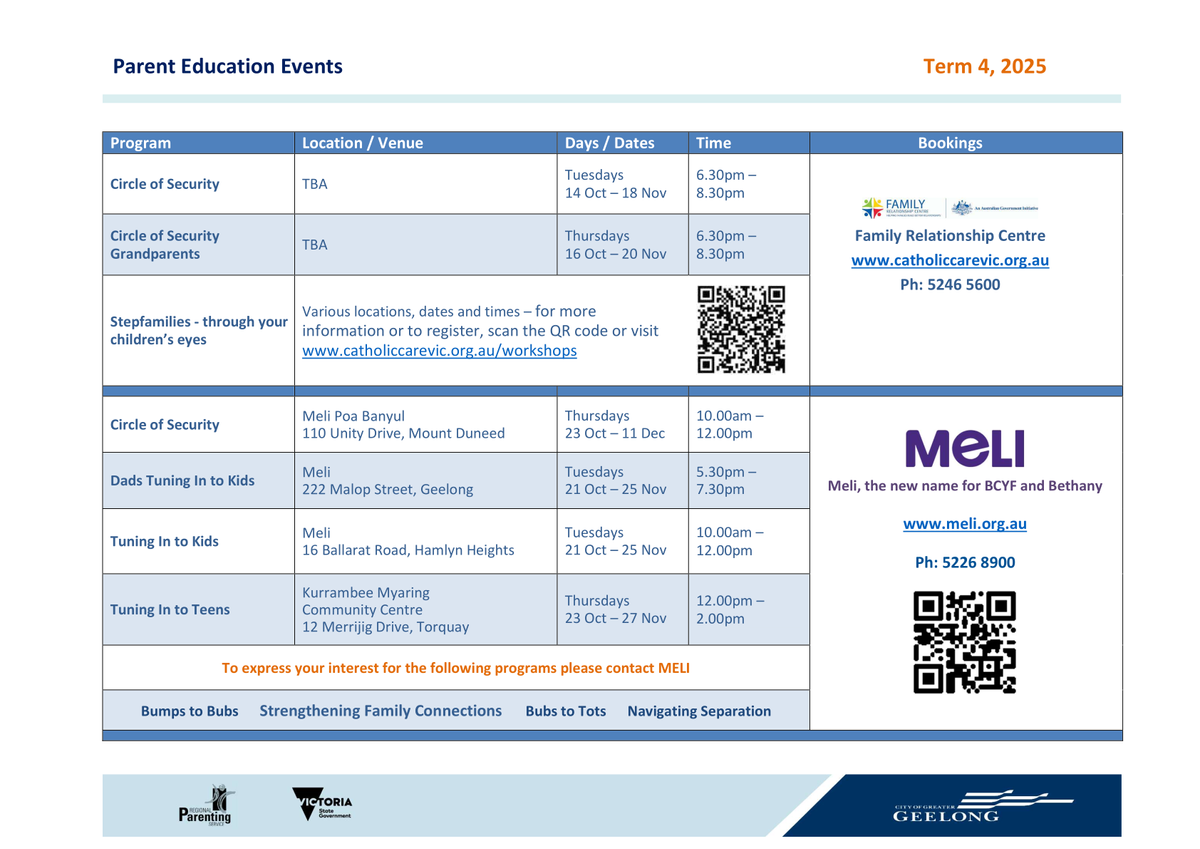
Further Parenting Supports - Free Short Courses
If you’d like any strategies or support, there are some excellent free local parenting programs available to help families build confidence and connection. These programs offer practical tips for supporting your child’s wellbeing and managing anxiety.
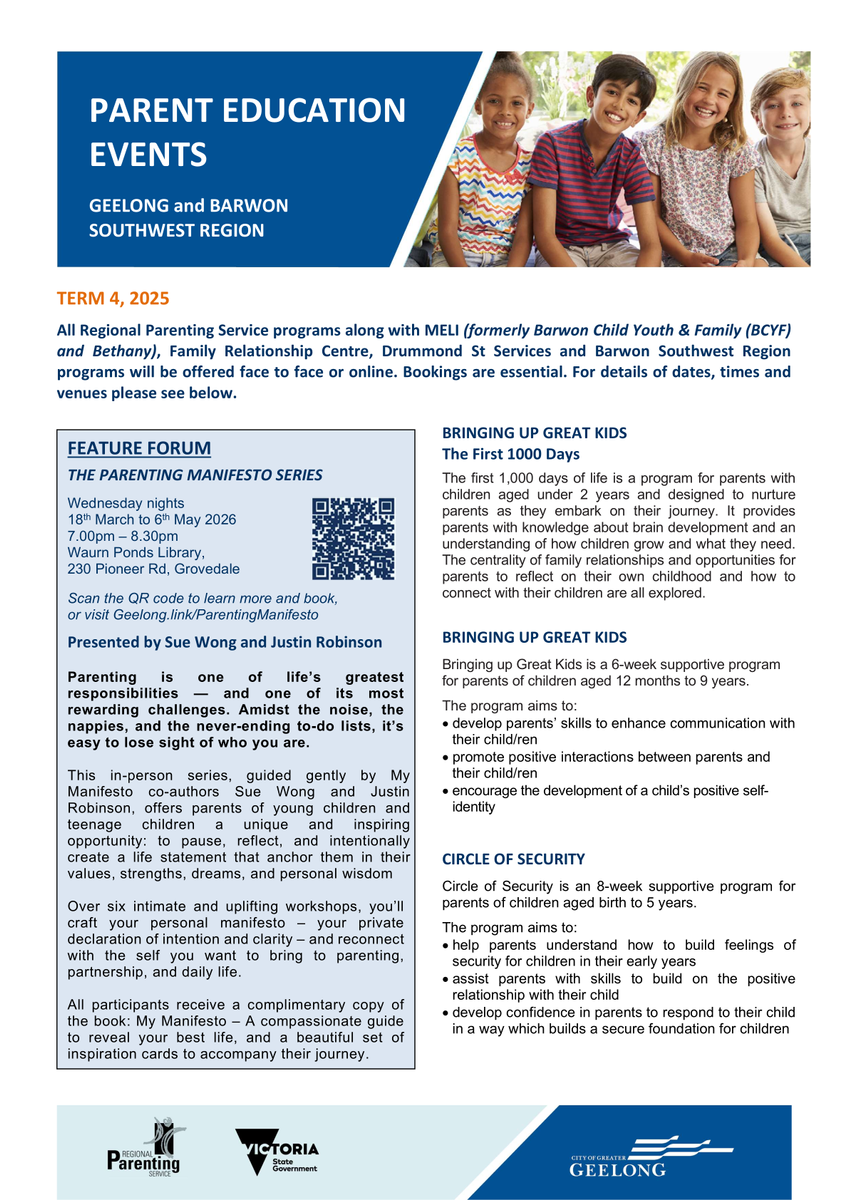
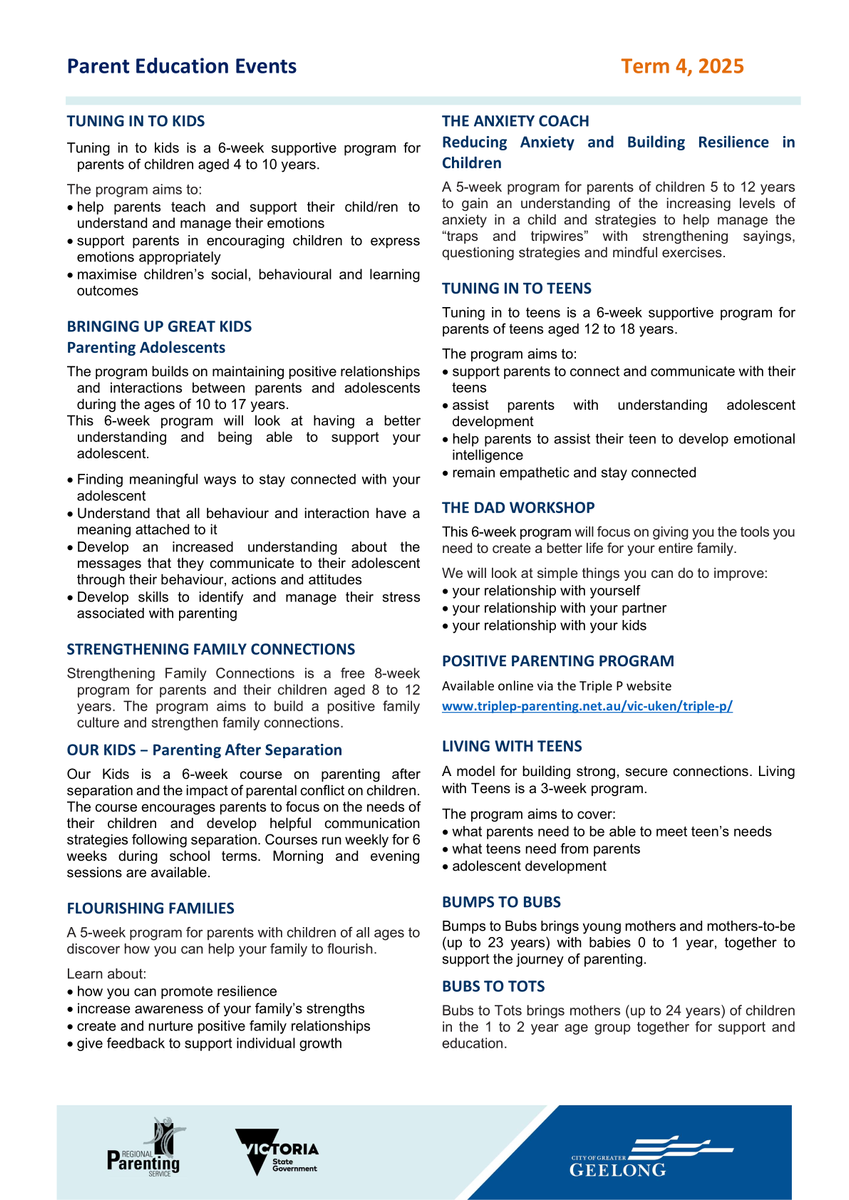
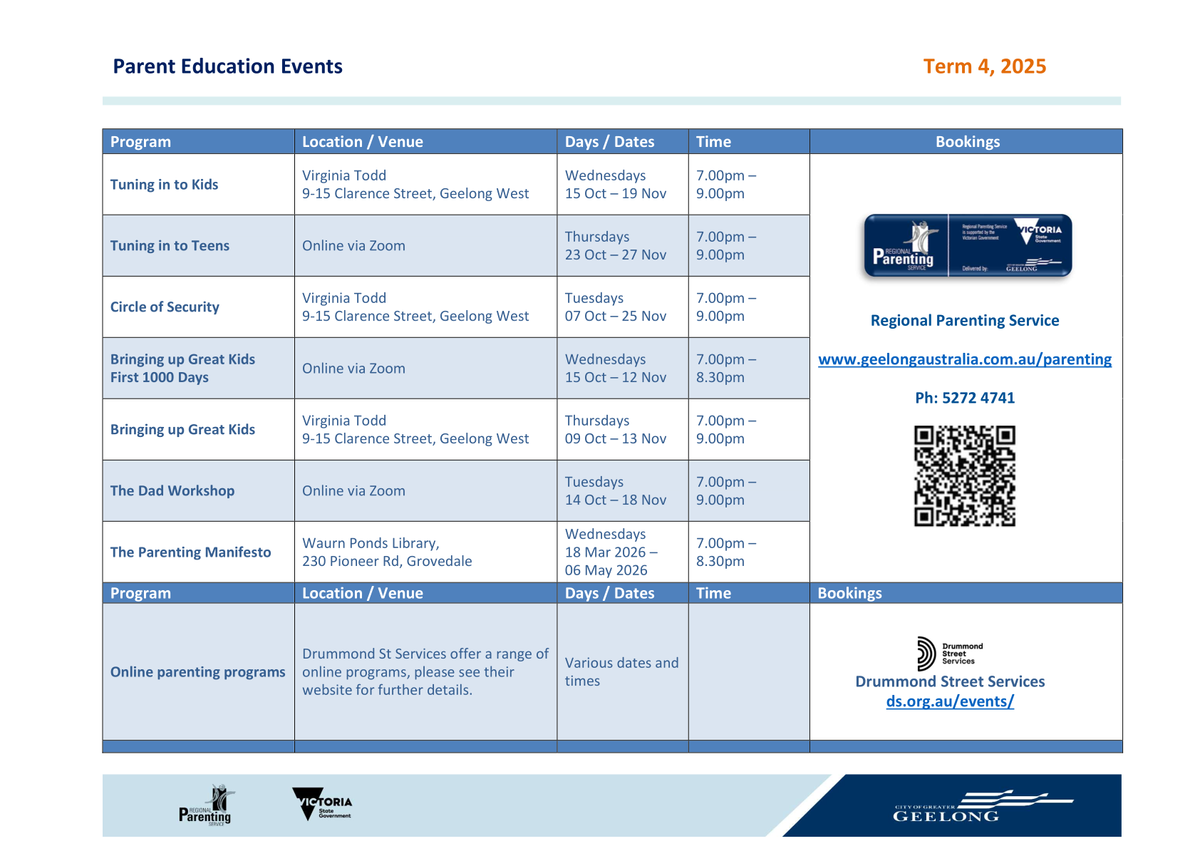
See the Geelong regional Parenting Calendar for term 4 below
We encourage all families to take advantage of these wonderful resources. A little guidance can make a big difference for both children and parents.
We support inclusion in all it's forms at Surfside Primary School
We respectfully acknowledge the Traditional Owners of the country throughout Victoria and pay respect to the ongoing living cultures of First Peoples.
Supporting Transition
As we come to the end of the school year, children may be feeling overwhelmed by the many changes that will happen over the next few weeks and into the start of the new year.
In our daily life we all experience change, such as changing activities, or going to different places. Another word to describe change is transition. Transition is a word often used by schools to talk about changes in routine and the ability to stop one activity and start another.
Some people find change and transitions more challenging than others. Transitions may appear more difficult on some days or in some places due to other pressures and expectations. Each young person will cope with transitions and change in a different way. Your child may encounter the following transitions:
- Change to class routine
- A different classroom
- Change to teacher
- Starting primary school
- Changing class/grade level
- Changing schools
- Leaving primary school for high school
The following ten tips may help to support your child during these times of transition.
- Develop a transition plan.A transition plan is a written plan to support changes to routines and/or the environment. It is important to plan for transitions as much as possible to increase success. Transition plans can be brief or highly detailed, depending on the needs of your child and the type of transition you are planning. Well developed transition plans may support your child to successfully manage changes and transitions. Transition plans are best developed in collaboration with your child (if appropriate), and at times the school . Identify a key support person that your child can go to with any questions and ensure the support person knows the plan and the supports required.
- Create visual supports.Visual supports provide a visual reference that can be used as often as needed, and can support people on the autism spectrum with skill development, communication and increased independence. They may include real objects, printed images, videos, line drawings and written words. You can create a visual schedule or a weekly timetable for your child. Learn more here
- Visit the new classroom or school several times in the school holidays.Doing this before the school term starts will help familiarise your child with the environment without the noise and crowds. On the visit you could point out to your child different spaces they may access and how to use them.
- Meet the teacher in advance of the school year starting.You can discuss your child’s strengths and interests, ways to best support them and preferred communication styles. It is important to work in partnership with your child’s school.
- Practice traveling to school together.If you have a prefered route to school this is something that when practiced may lesten nervous feelings.
- Focus on your child’s strengths and interests.
- Highlight what is staying the same.There may be many changes occurring but there will be many things staying the same.
- Teach skills to help support a successful transition.This could be well supported by things that already happen within the classroom or school.
- Role play.Assist your child in practicing to talk about what they have done in the holidays so they can talk to their friends, print out a few photos from your break to prompt your child if this will help.
- Take photos of the new environment.Your child can look back on these images to help familiarise themselves, remember where items are located or identify a quiet space.