
Wellbeing Team
Proactively responding the mental health needs of our students

Wellbeing Team
Proactively responding the mental health needs of our students
We are all constantly trying to learn the secret that might be the breakthrough to reach every student. Unfortunately, we all also know there is simply not one way that works every time for every child. What can help is implementing a structure to how we respond to distress. The Three R's from Trauma Neuroscientist Dr. Bruce Perry have helped me strategise in the moment when working with students.
Regulate
Establsh Environmental and Sensory Safety
(Create space, Allow time for processing, Clear the area of students and limit noise and light distraction)
-Limit your language
-Approach low and slow
(No standing over students, if safe to do so, get to their level)
-Offer calm, comforting presence
Relate
Emotional Safety
-"I know" "I get it" "I'm with you" or if they need space..."I'll be over here"
-Sometimes just a big exhale and modelling breathing or finding your own fidget tool to model without using any words can help
Reason
Reflect and Self Regulate
-Once regulated, we might be in a space to talk and better understand what happened.
-"I'm wondering if you're ready to talk about it?"
-Validate feelings: "I'd feel really (frustrated/sad/angry etc.) too if..."
-Plan ahead by talking about which strategies they thought helped this time, or what could be used next time
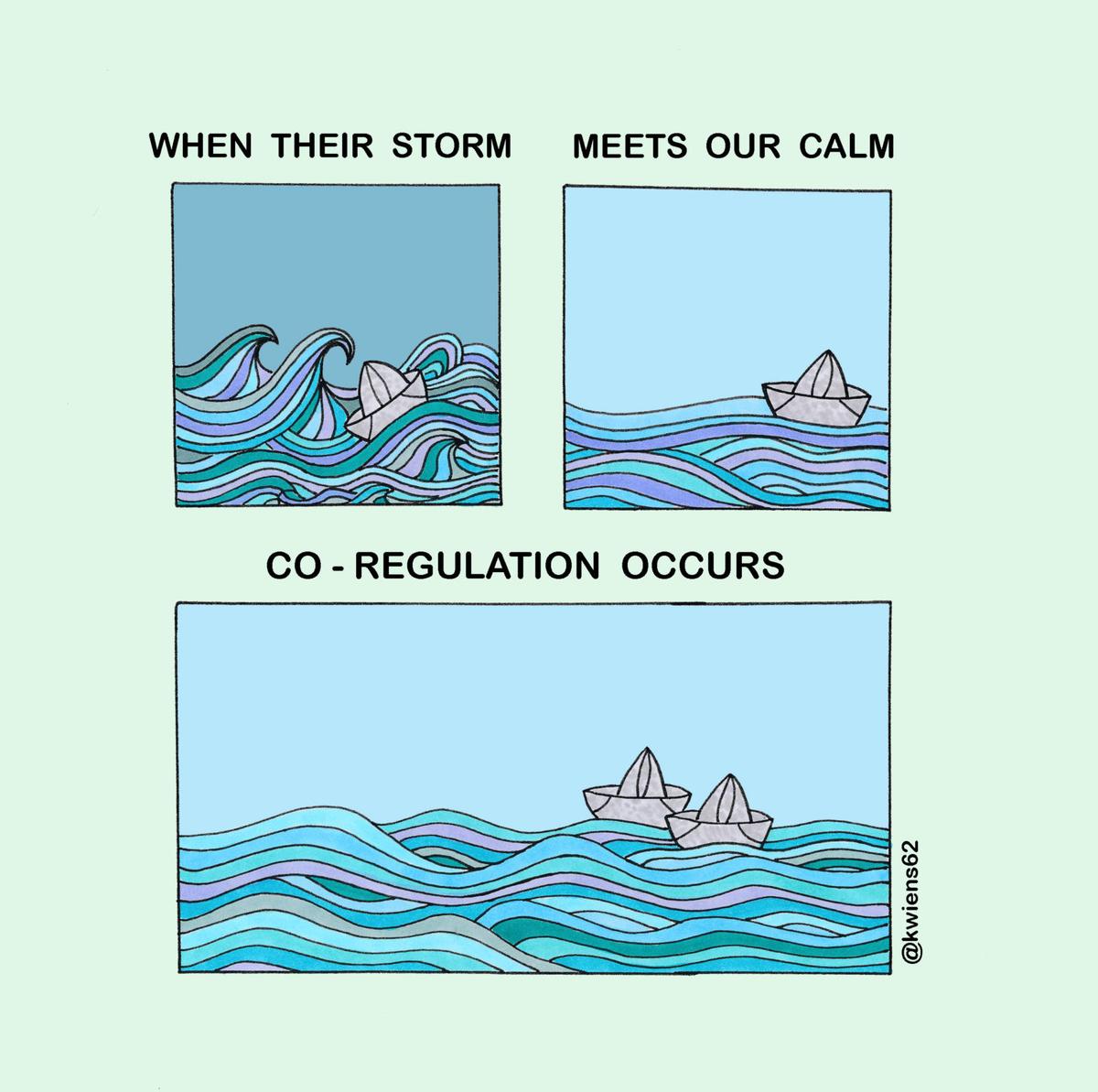
It is SO normal to feel anxious or worried in the midst of dysregulation, but if we can present as regulated and following a plan students will be able to co-regulate with us.
If you're not in the space to do this, seek support to help via your classroom team, buddy class, or if leadership support is required, the Emergency Line.
Be the calm in their storm!❤️
-Stacie
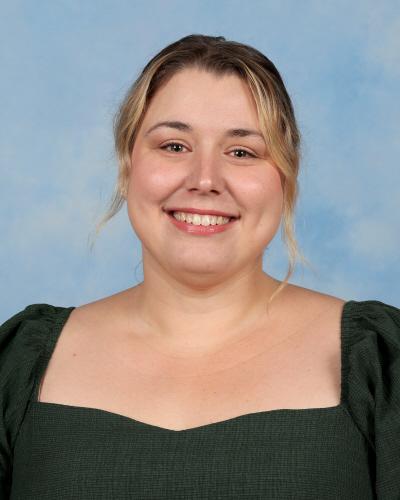
Happy Social Work Day Stacie!
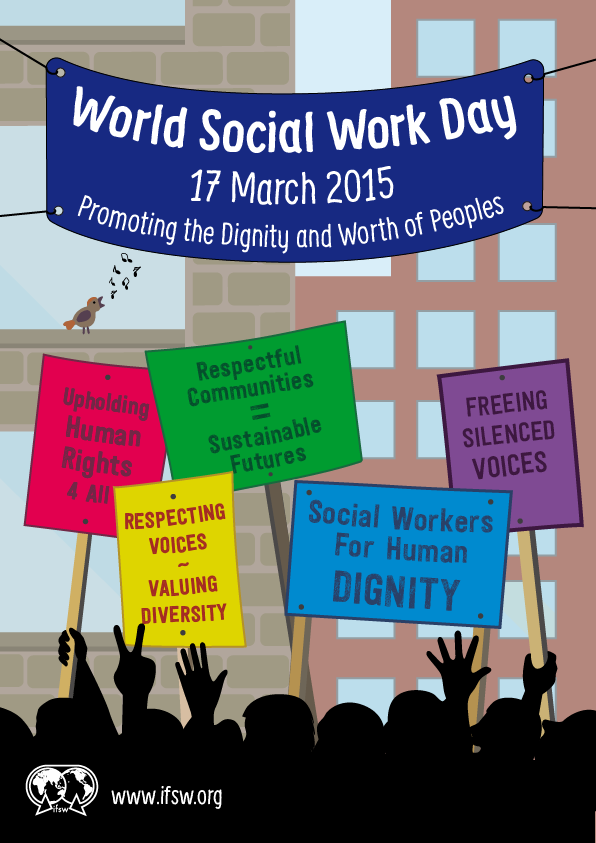
World Social Work Day 2026 is celebrated on March 17 to honour social workers' dedication to improving lives, supporting communities in crisis, and advocating for social justice. This year's theme focuses on "Co-Building: Hope & Harmony," highlighting the importance of collective action, intergenerational care, and building a more resilient future through compassion.
Please ensure to thank Stacie for her work and commitment to the JSA community today!
The Magic of Adventure
Last term we explored the possibility of "Therapeutic Gaming" as a tier two intervention. With the popularity of Stranger Things and a resurgence of table top game playing like Dungeons and Dragons, research has come out around the benefits of playing these types of dice based role playing games when trained therapists are involved. So, what can be achieved and how are we trying to weave in the research?
Table Top Role Playing games allow for students to create characters and explore qualities and scenarios that they want to explore about themselves, through the character. With the support of a mental health clinician the characters can trial scenarios that students are concerned about in real life with very low stakes.
We've created games tailored to our students that challenge them to collaborate as a team, problem solve, communicate in whichever style they prefer, and demonstrate encouragement, kindness, and friendship building skills. The goal is that students feel the club is a safe space where their wins are celebrated, challenges are faced as a team, and team bonds are created.
We spend lots of time in character development where students choose the strengths of their characters, their personalites, their goals, and decide what their character's back stories and challenges may be. It's a lot of fun!
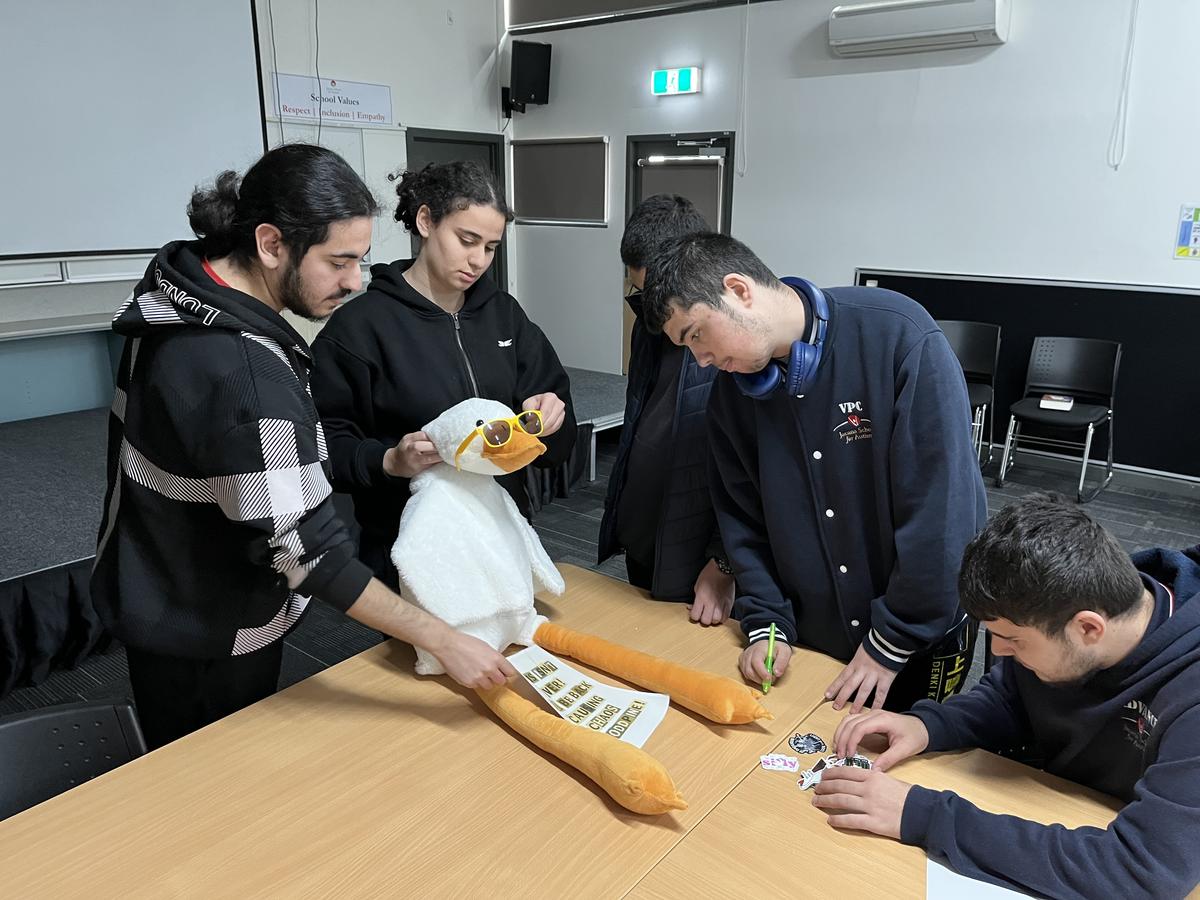
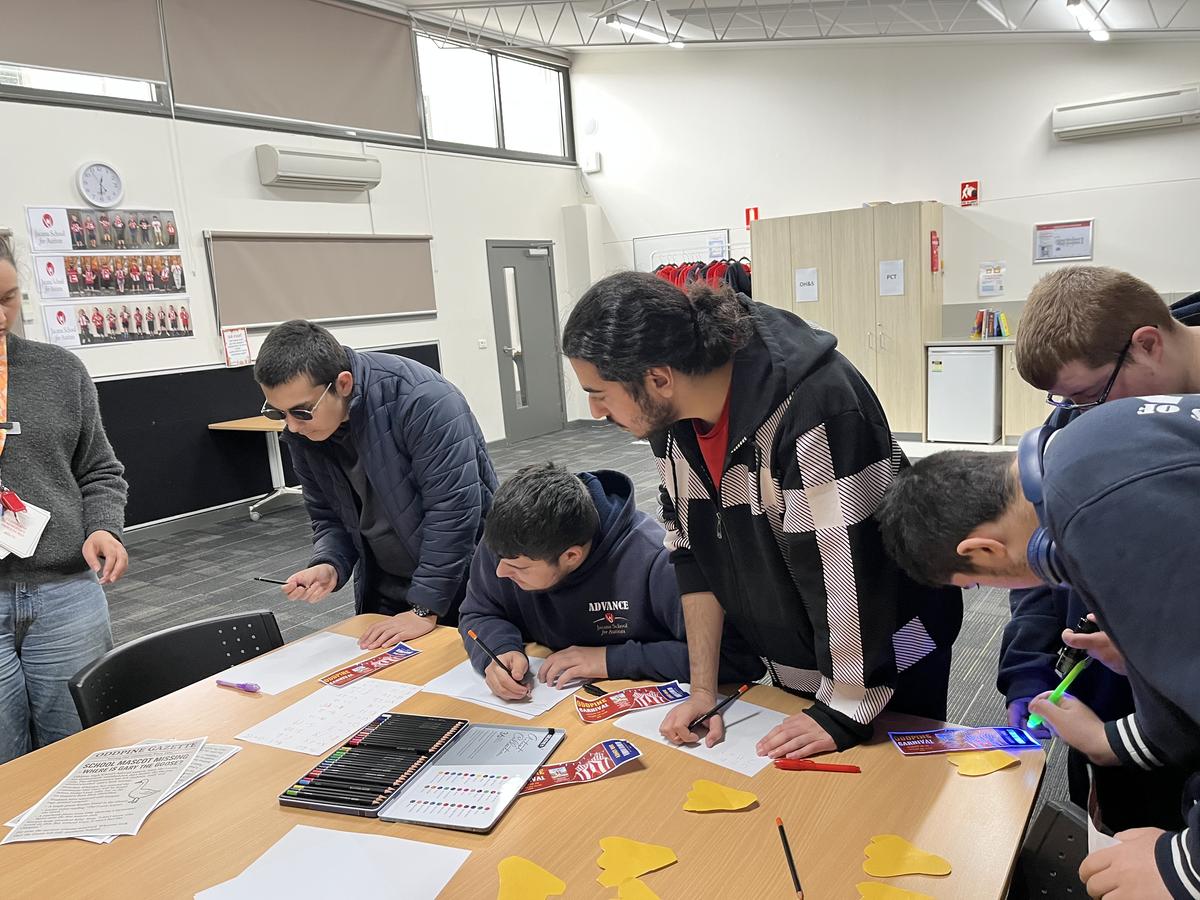
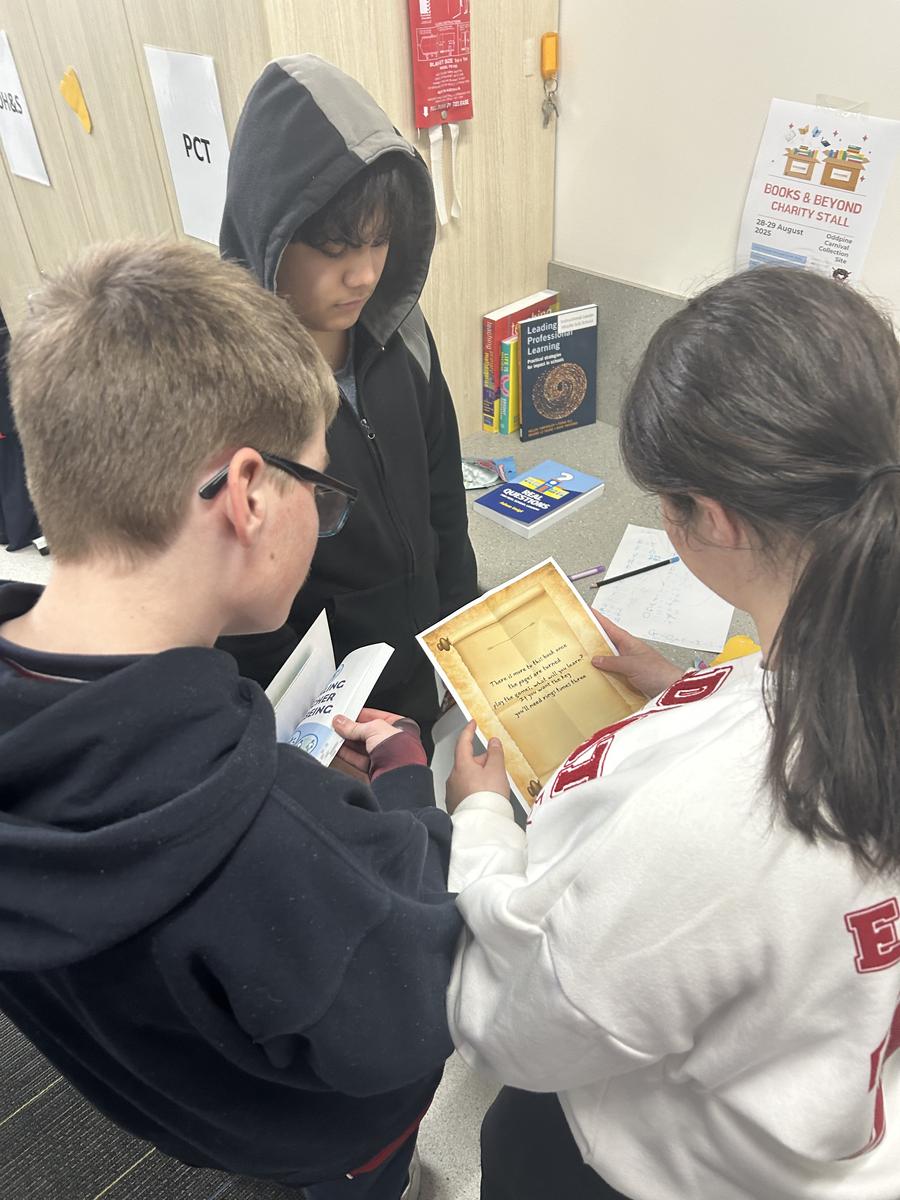
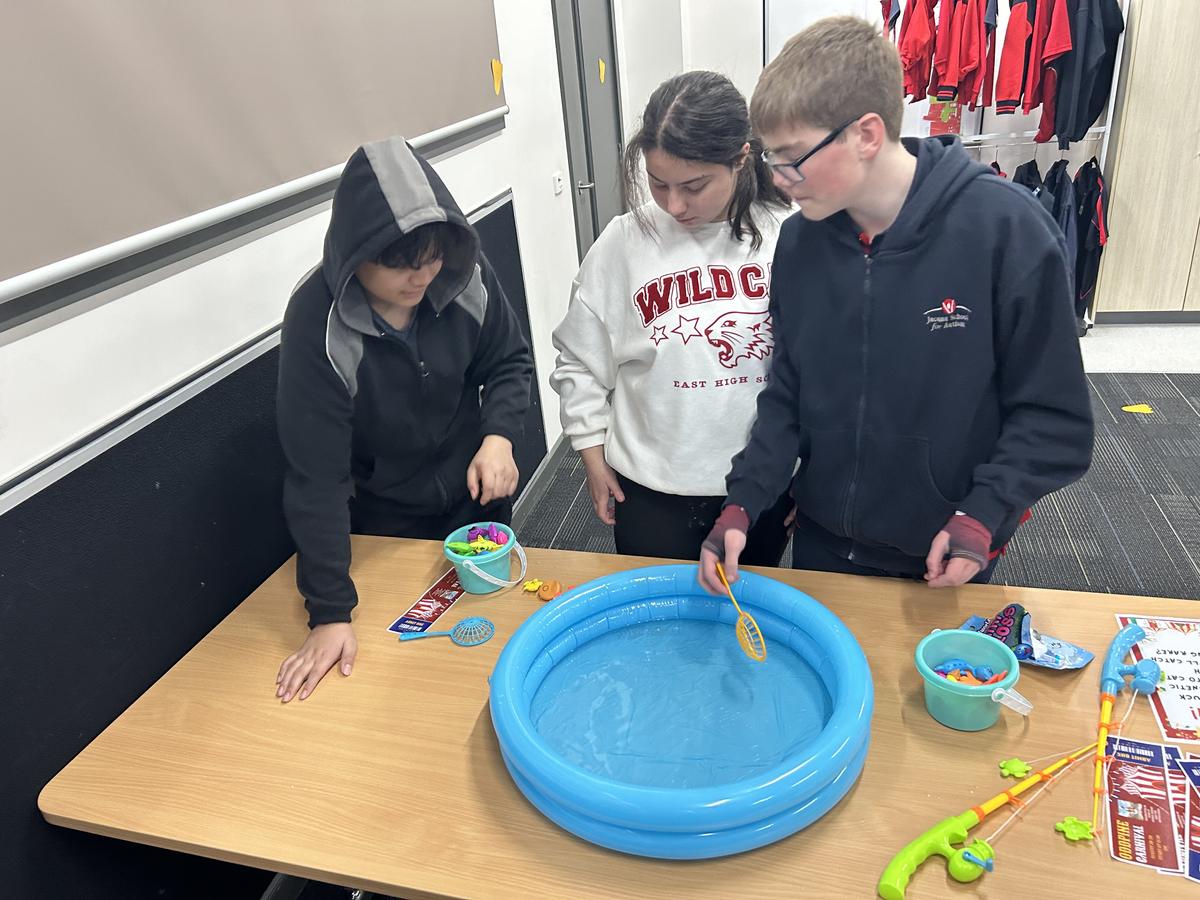
Last week we created an "escape room" style mystery where students found clues around the CLH. With different games and clues to find, each student was able to solve a part of the case whether it was finding the invisible ink messages, hidden safes, or fishing for clues! They solved the "Case of the Missing Goose" and returned Gary to his rightful place in the therapy room. This nerd was in her element and had as much fun as the students :)
https://pmc.ncbi.nlm.nih.gov/articles/PMC11299717/
EAP
A free and short term service delivered for the DE through an independent provider. It is strictly confidential and available 24 hours a day, 7 days a week for Department of Education employees and immediate family members 18+ years. You can get up to 4 free sessions about personal or work related issues.
1300 361 008

Beyond Blue
This is a free 24/7 telephone and online counselling service available for everyone in Australia.
1300 224 636


Discussion with GP and development of a Mental Health Treatment Plan (MHTP)
Book a ‘longer’ appointment with your GP to discuss the option to develop a Mental Health Treatment Plan.
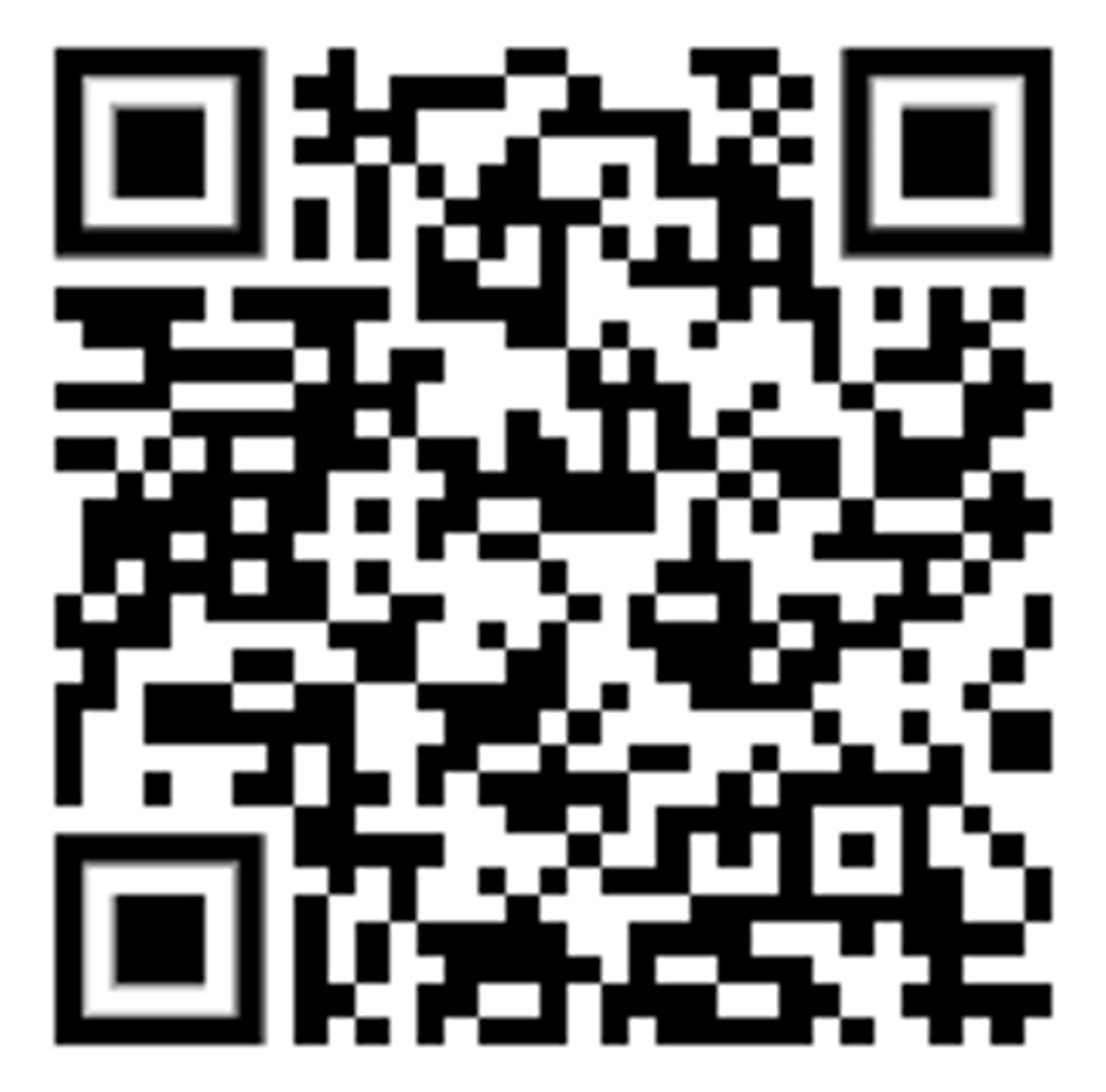
For information about MHTPs please use the link or QR code below.
If you would like any more information regarding some available support services, please reach out to the Wellbeing Team.