
Chaplain's Reflection
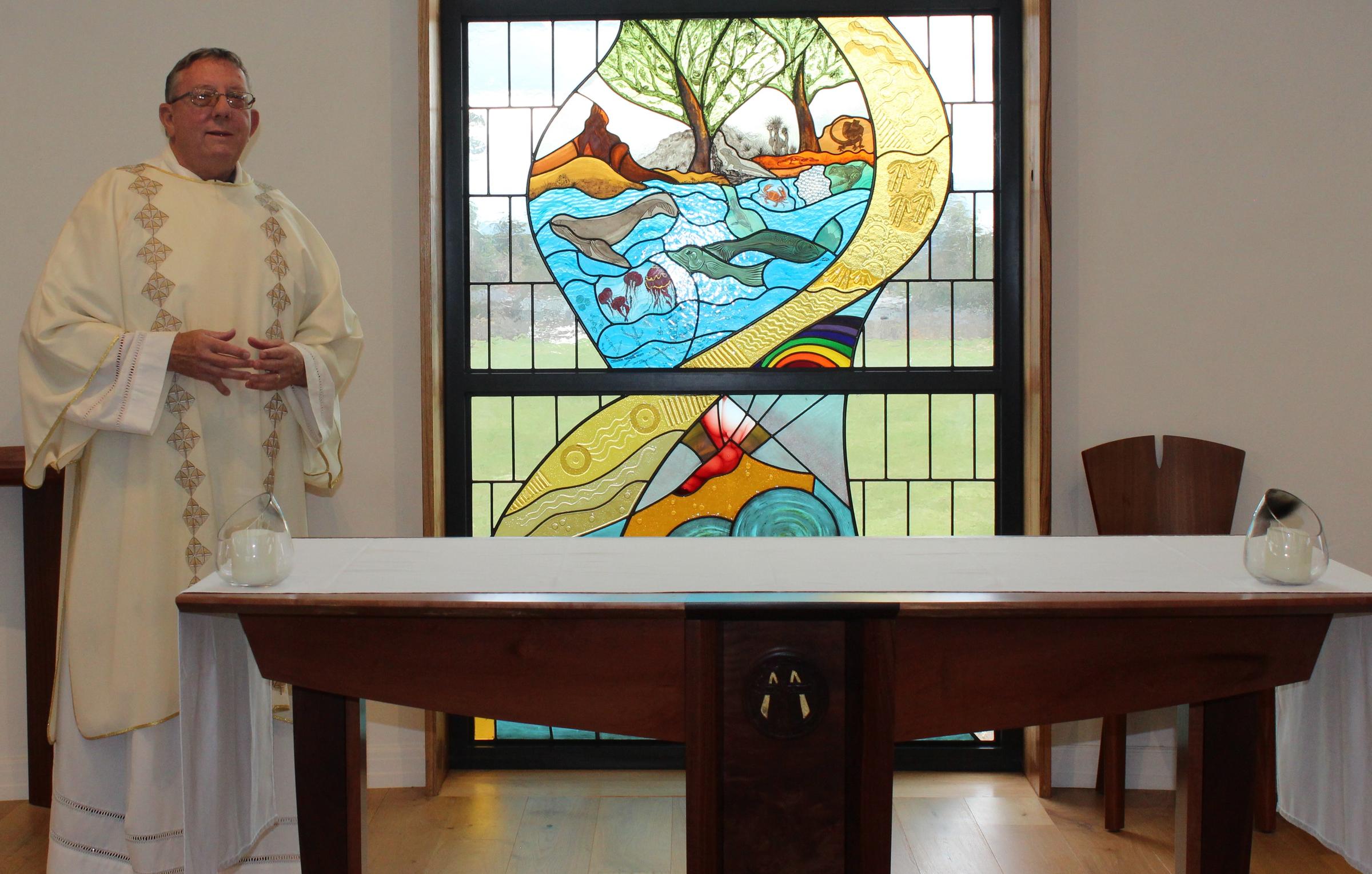
Coming Last
Recently I’ve appreciated (having been there myself) a young father, absolutely tired out with a full and trying day of work, hardly sleeping overnight as he and his wife patiently and lovingly stay awake with a baby who will not sleep. Richard Rohr highlights the positive focus and purpose of “the hardworking happiness of young mothers and fathers. Their young child, their one North Star, and they know very clearly why they are waking up each morning.” (Rohr, R. The Universal Christ p74). Parents know about dying to self; about putting oneself last.
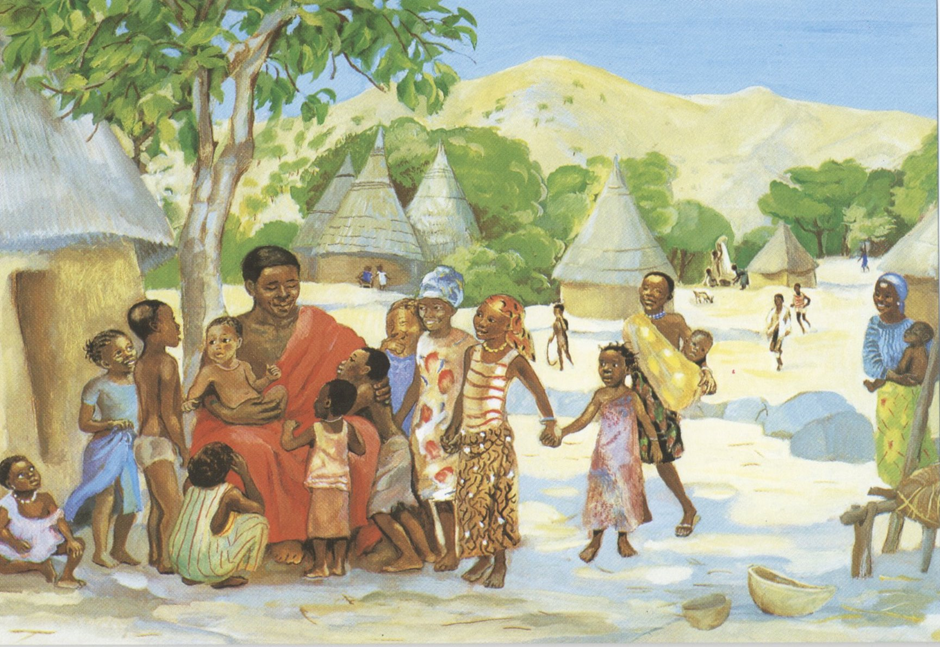
Our gospel this week suggests that this space of servant parenthood is the very place where God is to be found. We find that Jesus visualises himself and “the one who sent him” (Mark 9:30-37) akin to a powerless, vulnerable child rather than the towering influential figures imagined by his followers. Digging down, we discover that God does not want to be served by us; but to serve us. God does not want to be given the highest possible rank and status in our society but to take the lowest place and to be without rank and status. God does not want to be feared and obeyed so much as to be recognised in the sufferings of the poor and the weak. (Nolan, A. Jesus Before Christianity, p138).
It seems rather that self-effacement, putting oneself last, humility, patience, child-like trust, prioritising others, prioritising the good of the community – this is where we find God. The late Michael Bowden, great Richmond Premiership footballer and later legendary authority in Aboriginal Catholic spirituality and culture, tells us that “God” is found in the way Mystery interacts with material reality, in the care, compassion, patience and self-sacrifice of people who are motivated by Mystery to act with altruism and love.” (Bowden, M. Unbreakable Rock p208).
Jesus’ Prayer of Forgiveness
by Megan McKenna (from the Centre for Action and Contemplation) September 12, 2024
“Father, forgive them; they do not know what they are doing.” (Luke 23:34)
We were created to be the friends of Jesus, the friends of God, friends with one another…. And so, we begin this journey of becoming, this way of being in the world guided by Jesus’s own words and actions that we will repeat over and over again in all our relationships and in so many moments of our lives.
And the journey of becoming—of liberation—is the journey of forgiveness. As Jesus goes to the cross, tortured, in agony, he continues living with love, refusing to do evil, speaking the truth, doing justice, tending to all others with compassion, and relating to everyone with forgiveness and mercy…
In his suffering, Jesus’s first words from the cross are among his last words to his friends (and the world): Father, forgive them. Our lives of soul, spirit, heart as human beings made in God’s image begin, speak, and fulfill these words over and over again. Father, forgive them. Father, forgive us.
With Jesus, we pray always: Father, forgive them. It is Jesus’s foundational prayer with and for all of us, all ways…
We must forgive—we must begin with the words of forgiveness as a mantra that can transform our minds and souls. When we forgive, we do not consider all others as possible enemies but as possible neighbours, allies, and friends. And then we must forget—in the sense that we must make new memories, start relationships anew, open doors of possibility with different ways of relating to one another as equals, both and all intent on the fullness and wholeness of life shared and lived together as one.
Many of us pray the words of Jesus daily, with the Our Father. Midway through the prayer we say, “Forgive us our debts as we forgive those who are in debt to us.”…
We glibly pray this at every Eucharist and often in our personal prayers. Yet, it calls on us without any glibness. All of us know intimately how hard it is to forgive someone who has deeply offended and hurt us… It is difficult to let go of the past and be present now to the other person and to all that it triggered in us…
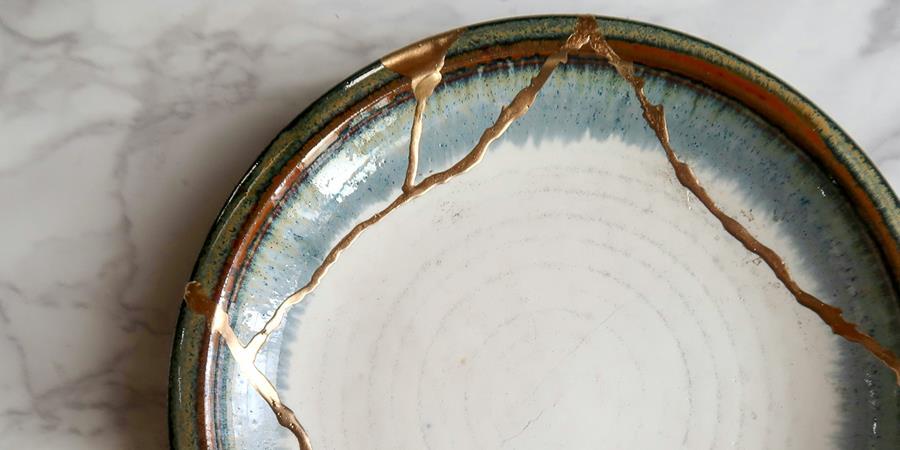
It is hard for us to let go of bitterness that seems to rise up in our throats over time like bile—even after we have said the words of forgiveness to ourselves, and to others. We struggle to forgive the same person over and over again. Our broken hearts crack again and again…. But forgiveness is God’s greatest gift to all of us, setting us free to live as the beloved children of God. Forgiveness, more than any other act, perhaps, makes us like God.
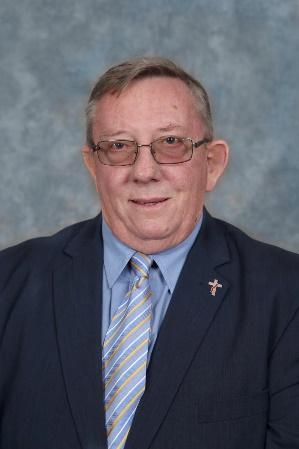
Deacon Mark Kelly
College Chaplain