Mental Health and Wellbeing:
Supporting Inclusion and Respectful Curiosity at School









Mental Health and Wellbeing:
Supporting Inclusion and Respectful Curiosity at School
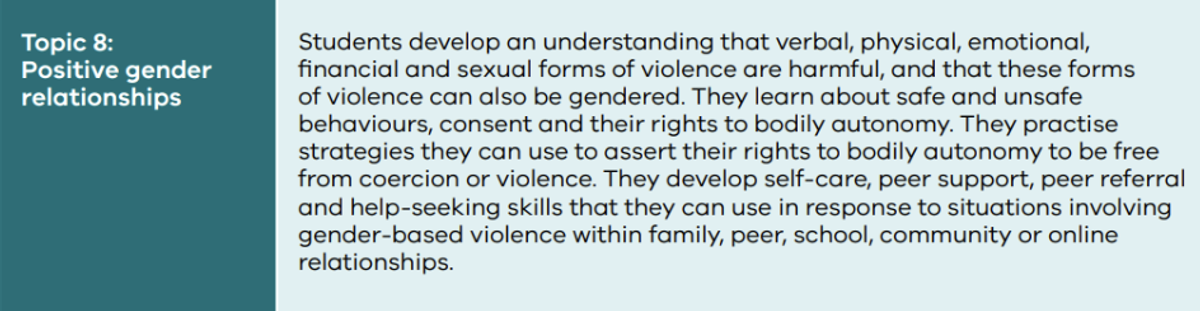
Foundation: Students are investigating the concept of fairness through fair and friendly play. They are introduced to the term violence, with a focus on identifying the emotions people can have when others are being mean or violent.
Things you can do at home: Visit a local playground as a family. As your child is playing, talk to them about fair play and reinforce moments where fair play is evident. Rehearse fair play scenarios where possible.
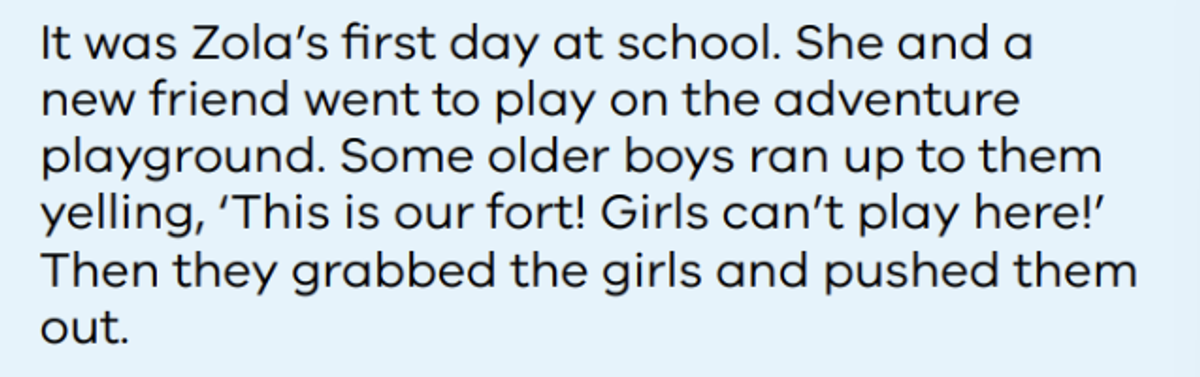
Year 1 and 2: Students are revising the concept of fair play. They will also explore ways to be gender fair, practising things people can say if someone tells them they can't do something just because of their gender.
Things you can do at home: Talk through the scenarios. What could you say?


Year 3 and 4: Students will explore examples of verbal, physical and emotional violence. They will describe ways that acts of friendship can help those affected by violence. Students will be introduced to the meaning of the term gender-based violence.
Things you can do at home: Talk through the scenarios. What could you say?
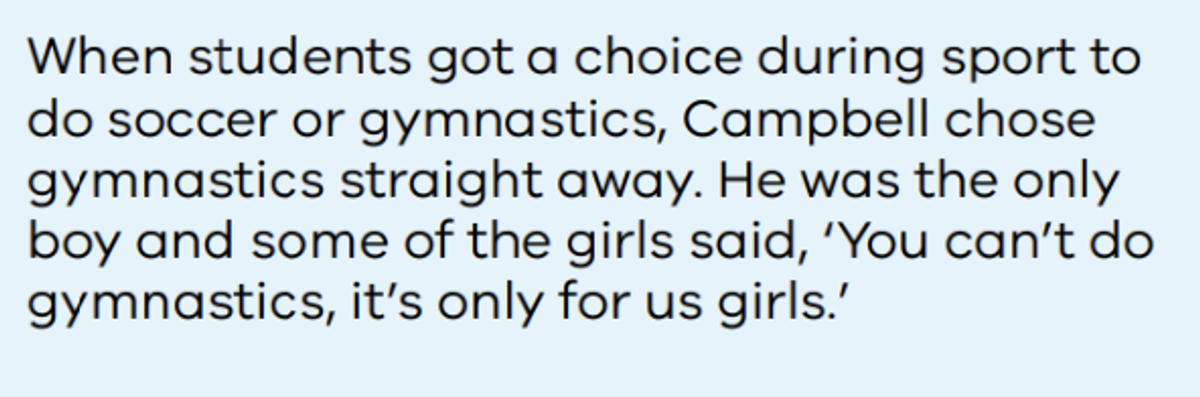
Year 5 and 6: Students build a definition of interpersonal violence that includes physical, verbal, psychological, sexual, financial and image-based abuse. They explored the possible effects that violence can have for targets.
Something you can do at home: Asking open-ended questions to continue the conversation
What a respectful friendship look like to you?
What could you do if you saw someone being humiliated?
Who are the trusted adults you could talk to if something made you feel unsafe?
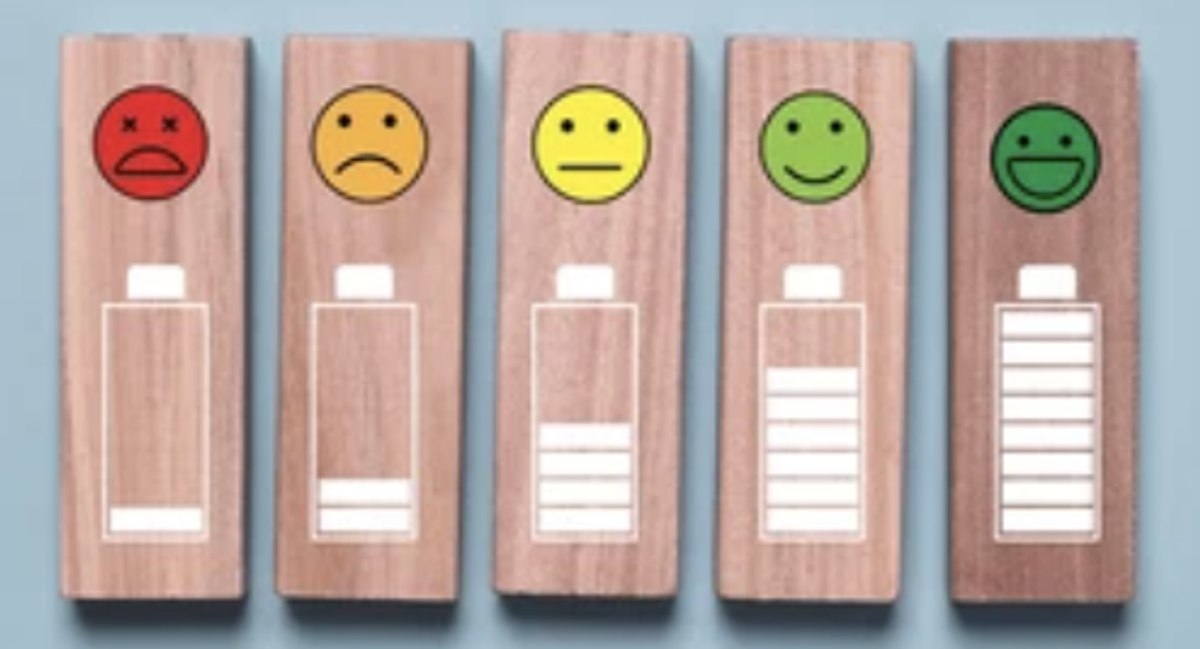
During Week 8, students from Year 2 to Year 6 undertook the Social Emotional Wellbeing (SEW) Survey, exploring aspects of students' social and emotional wellbeing across 3 domains
The results of the survey have been released. Over the first two weeks of Term 4, staff will dissect the data in order to:
Please find below some of the data.
I am a happy person: 95% of students agreed
I feel lonely: 11% of students agreed
I like being at school: 70% of students agreed
I have lots of energy for everything I do at school: 75% of students agreed
I know how to make friends: 85% of students agreed
I am good at solving conflicts without fighting: 77% of students agreed
I am sometimes very mean to other people: 20% of students agreed
I get along pretty well with members of my family: 86% of students
My feelings are easily hurt: 35% of students
The data presents a generally positive picture for the Year 2 to Year 6 students at St John's. Overall, the data indicates a positive foundation for student wellbeing, with opportunities to further strengthen emotional resilience, positive peer relationships, school connectedness and inclusive behaviour.
The strongest result is that 95% of students reported feeling happy, suggesting that students at St John's have a positive sense of wellbeing. They demonstrated strong social skills, with 85% reporting that they know how to make friends, 86% reporting that they get along well with family members, and 77% indicating that they can resolve conflicts without fighting.
In terms of engagement with school, 70% of students reported that they like being at school, while 75% reported having lots of energy for the activities they do at school. These results are encouraging; however, they also suggest an opportunity to strengthen students’ sense of belonging, engagement and motivation at school.
There are some areas that warrant further attention. While only 11% of students reported feeling lonely, this indicates that some students may benefit from additional support to develop meaningful peer connections and a stronger sense of inclusion. Additionally, 20% of students reported sometimes being mean to others, highlighting the importance of continuing to develop empathy, respectful relationships and positive conflict-resolution skills. The finding that 35% of students reported that their feelings are easily hurt also suggests that supporting emotional regulation, resilience and coping strategies should remain a priority.
If you have any questions, please do not hesitate to contact me.


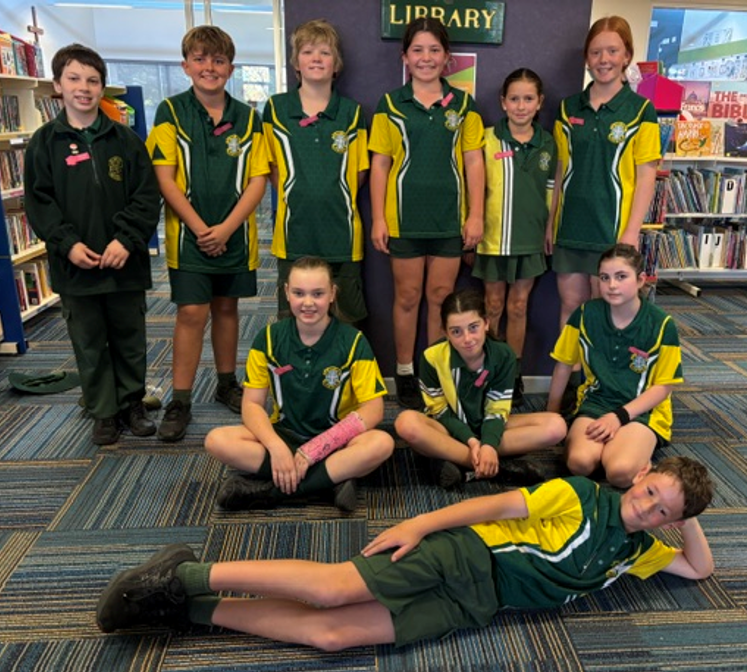
During Week 3 our Stand Up Project Leaders will be delivering lessons to the students in Year and 2 Anderson.
If there are any topics in the Mental Health and Wellbeing space that you would like additional information about, please reach out.
Fiona Robinson
frobinson@sjeuroa.catholic.edu.au
Click to access past resources