3/4 Mainstream





 Thornbury Primary School
Integrated
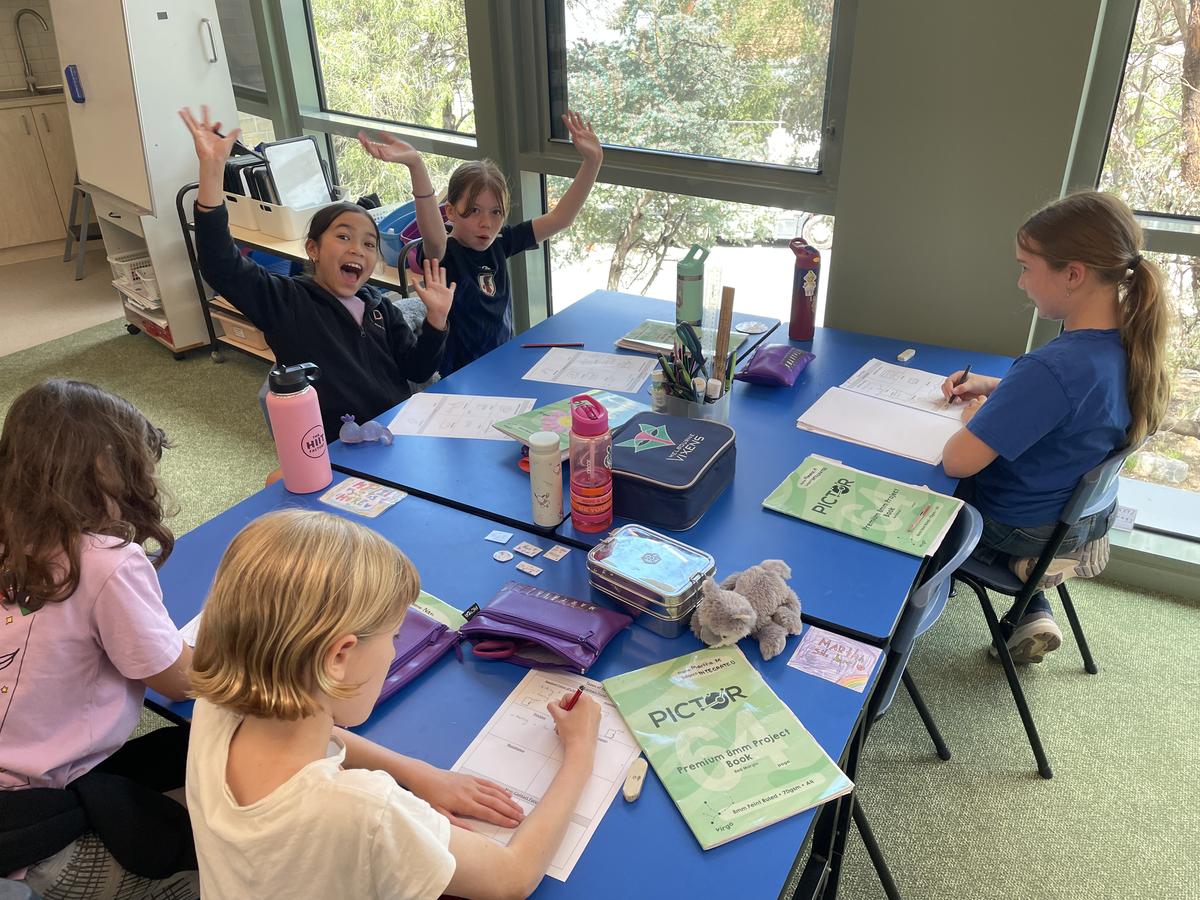
For our integrated unit we have been looking at different forces and their effect on the movement of objects.
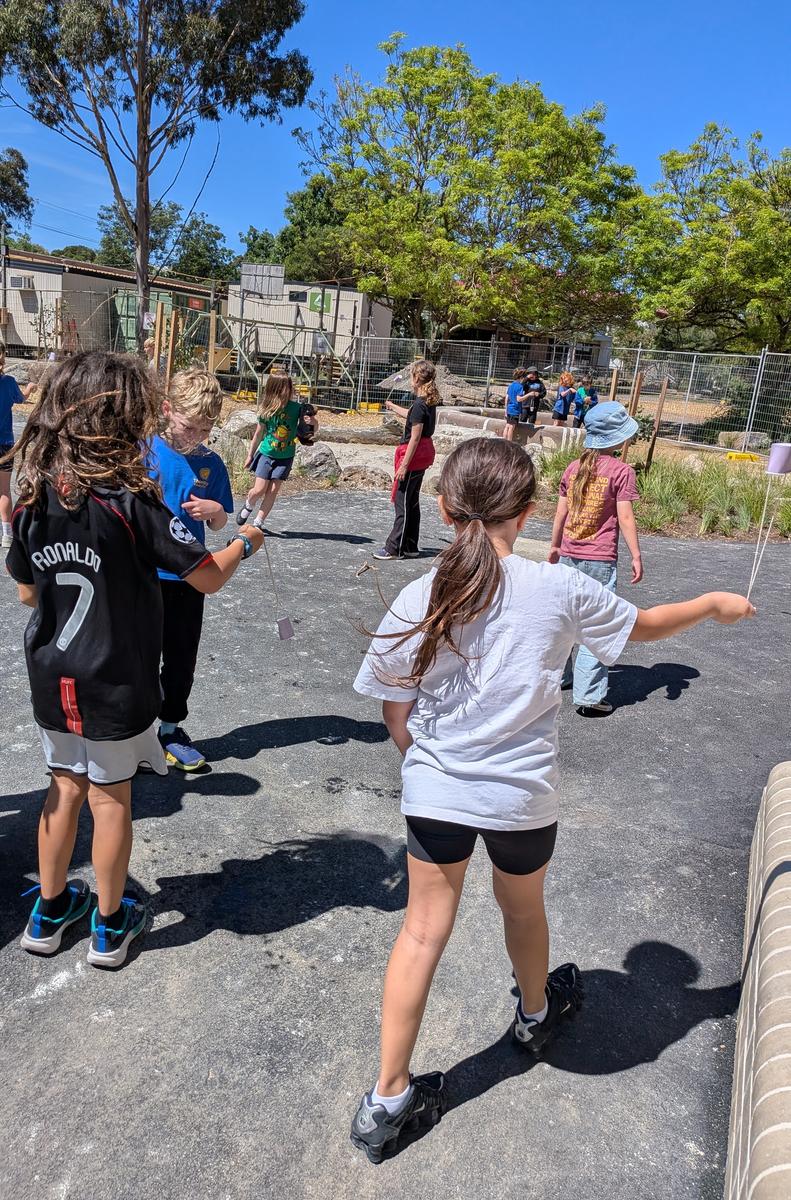
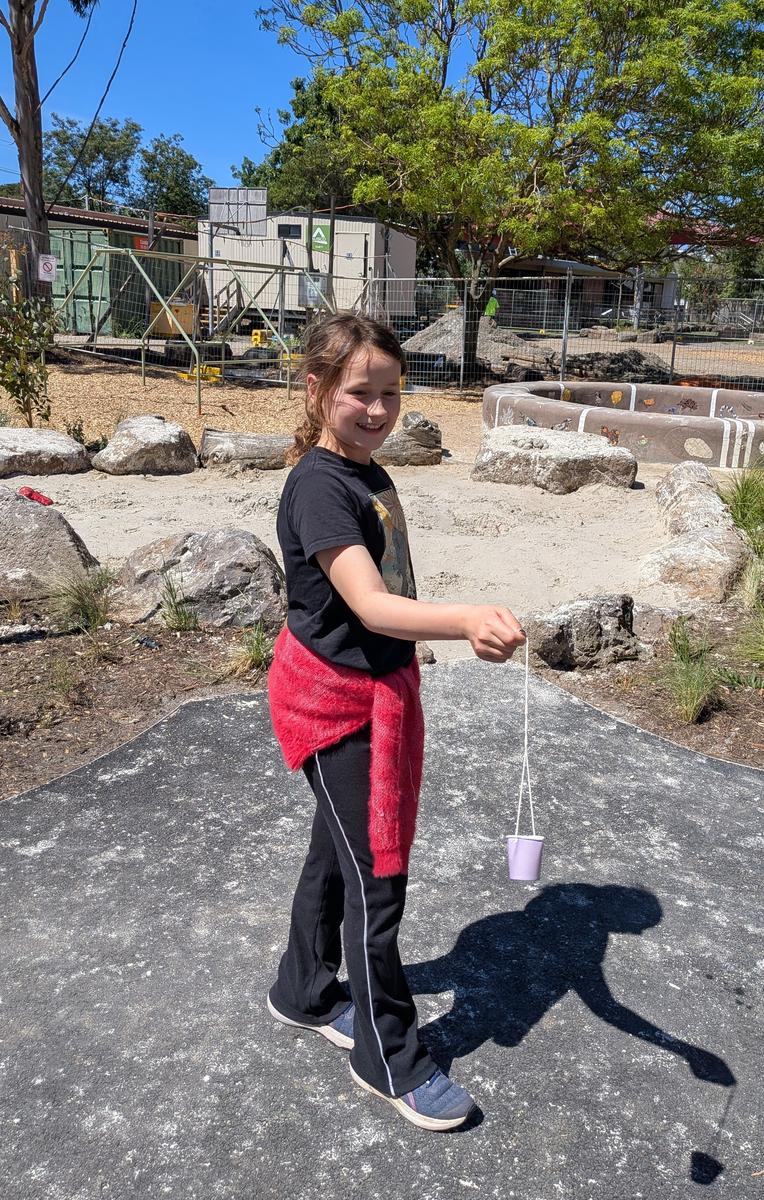
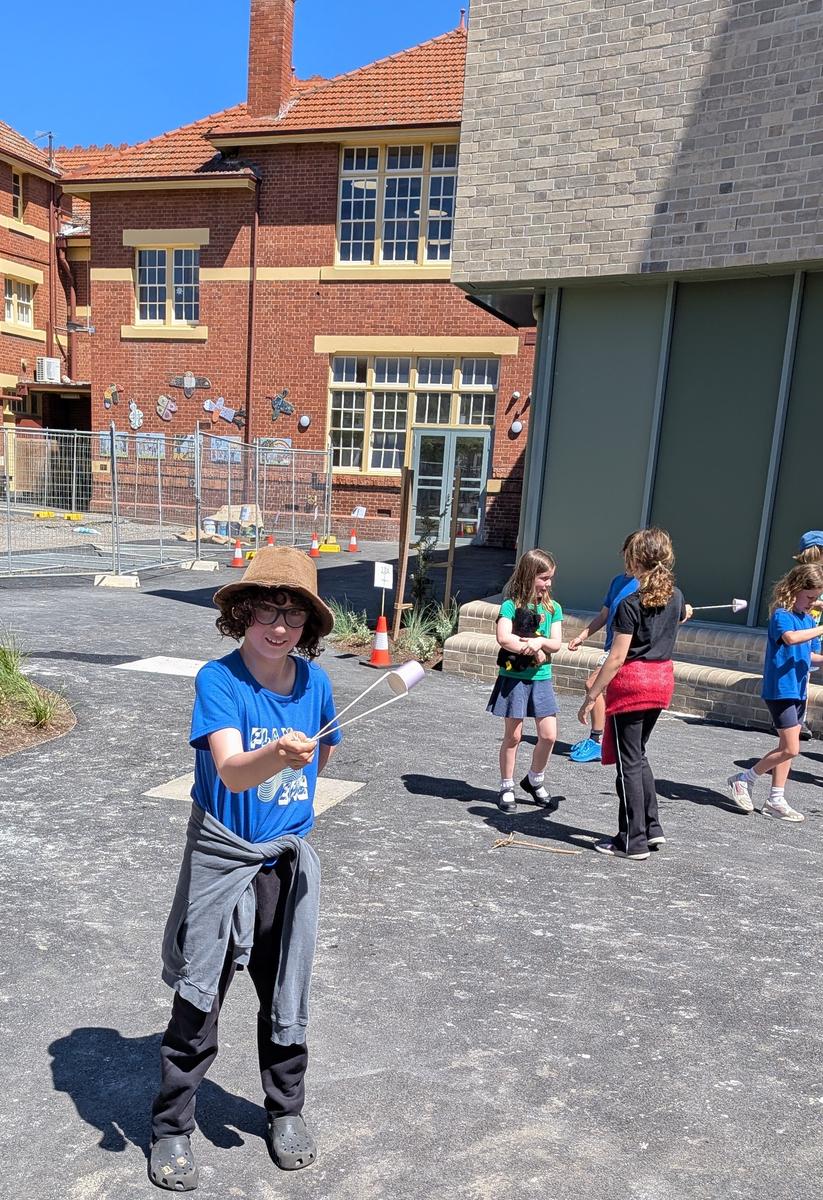
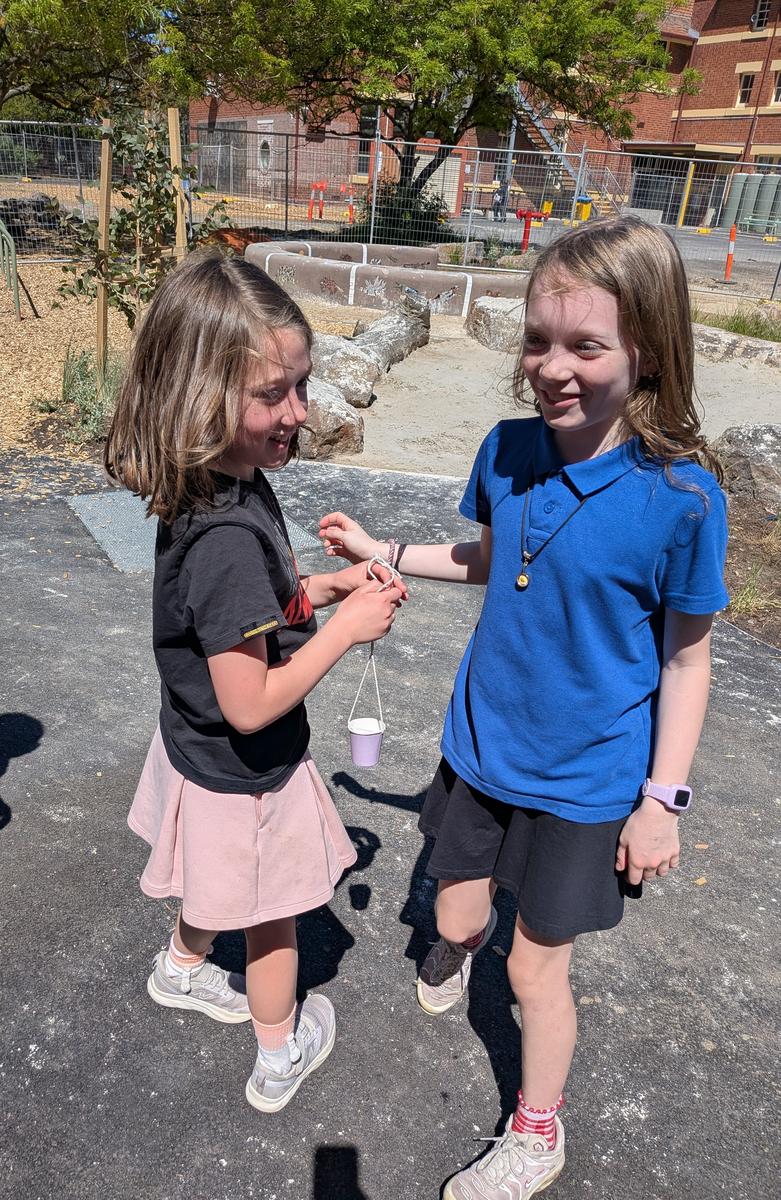
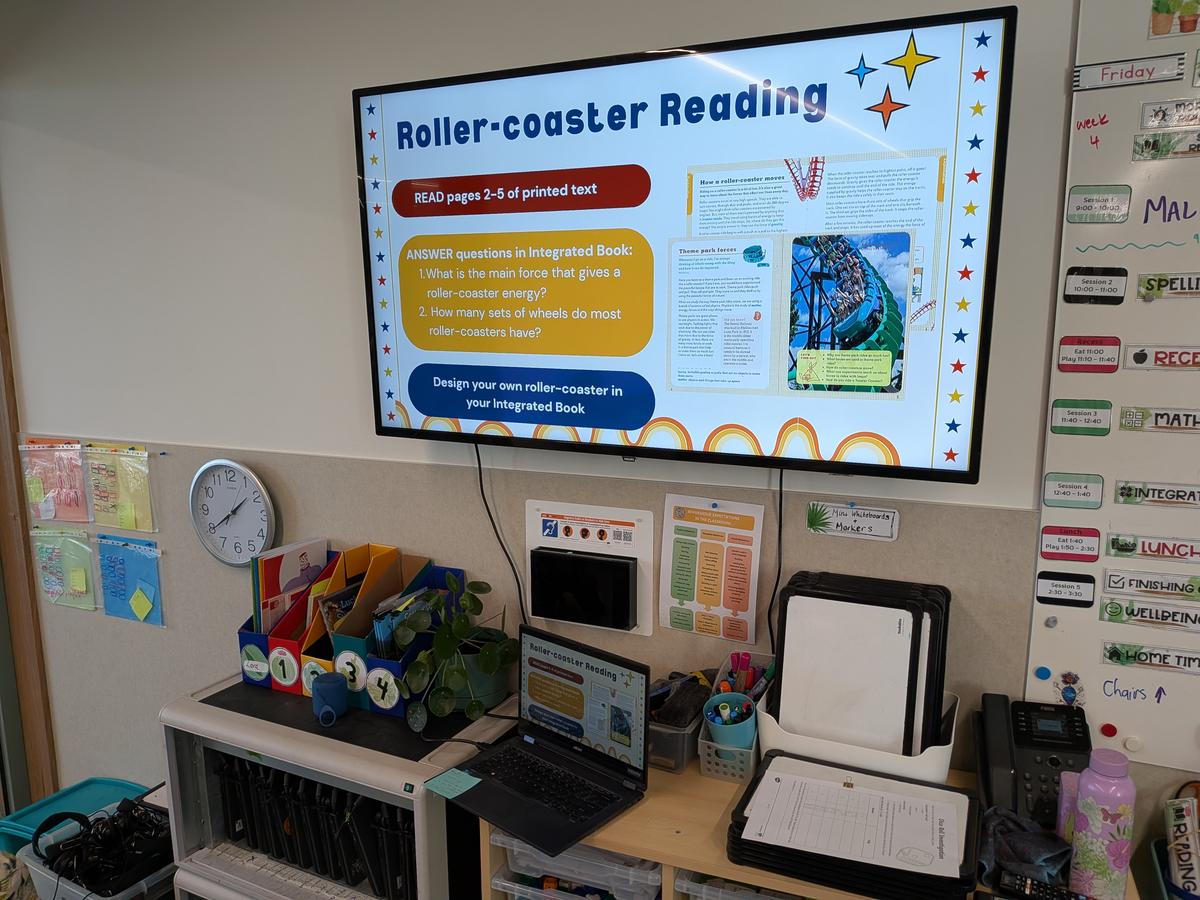
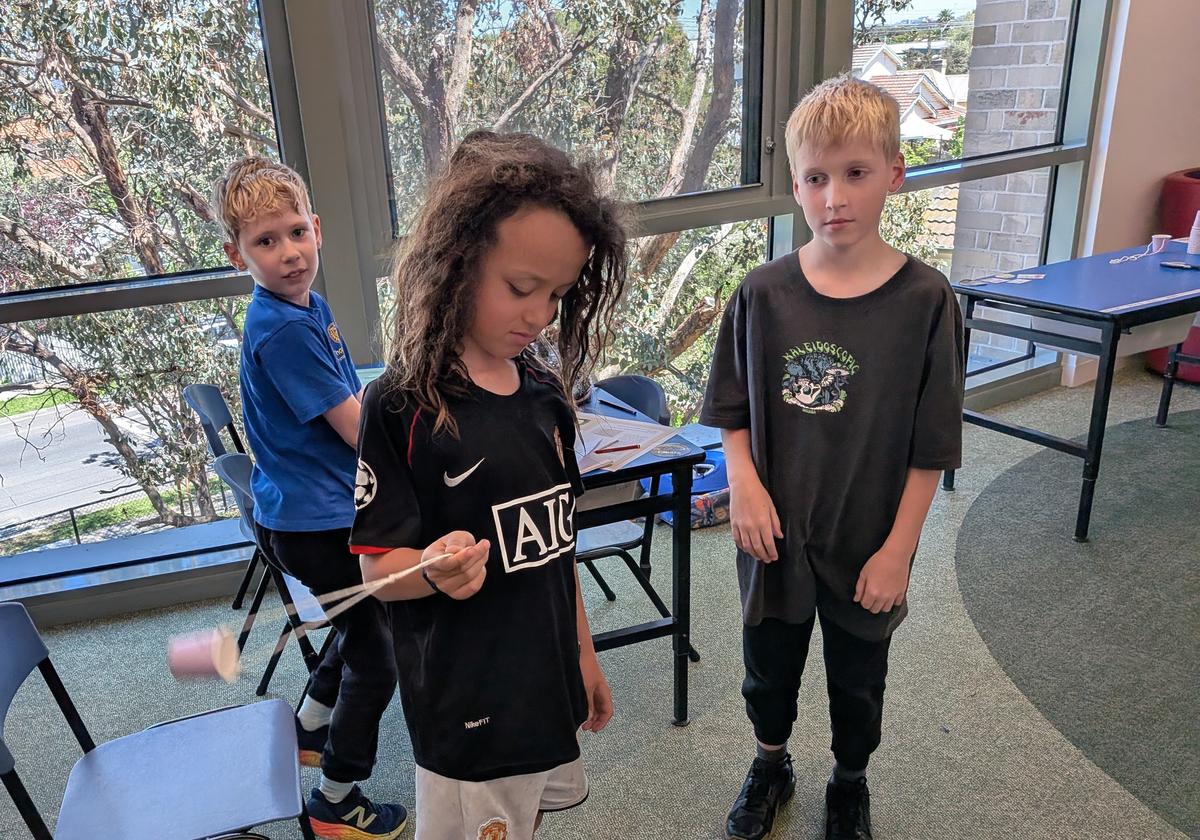
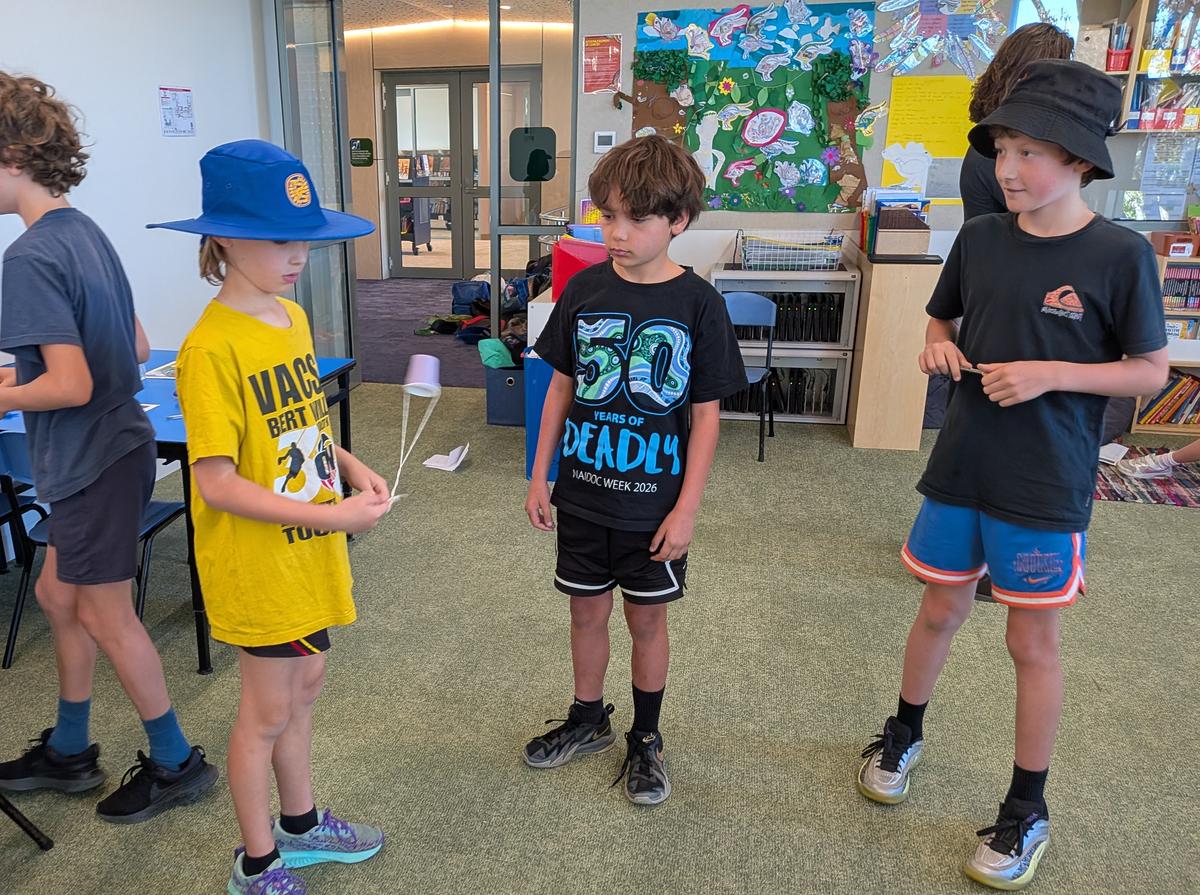
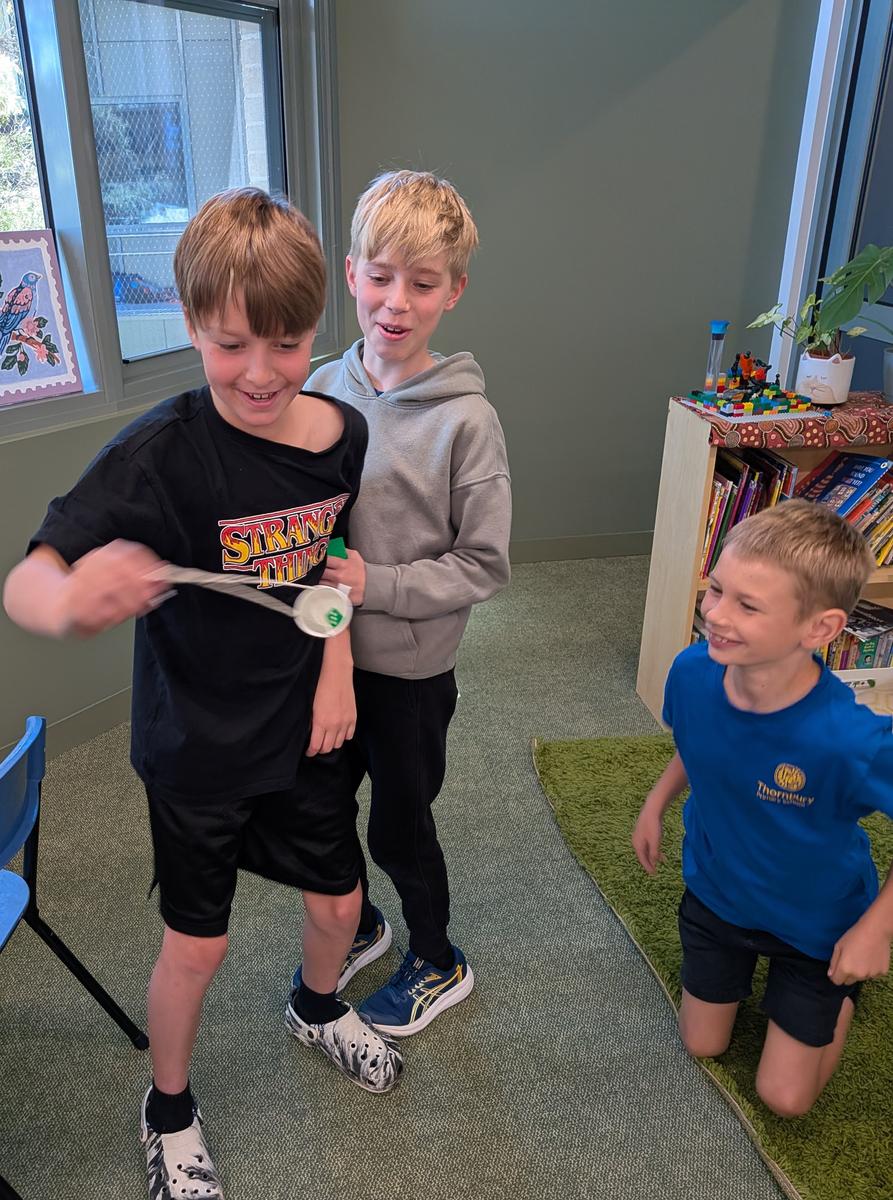
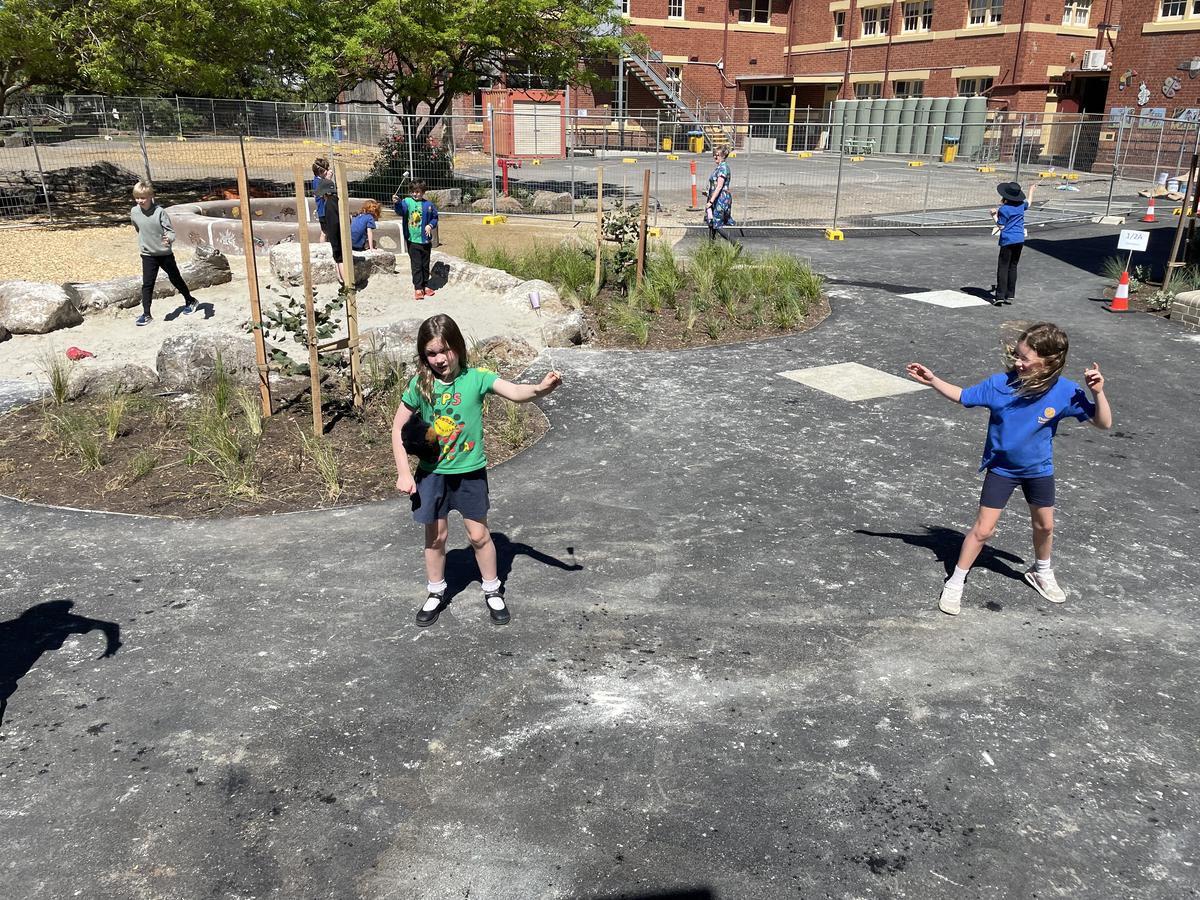
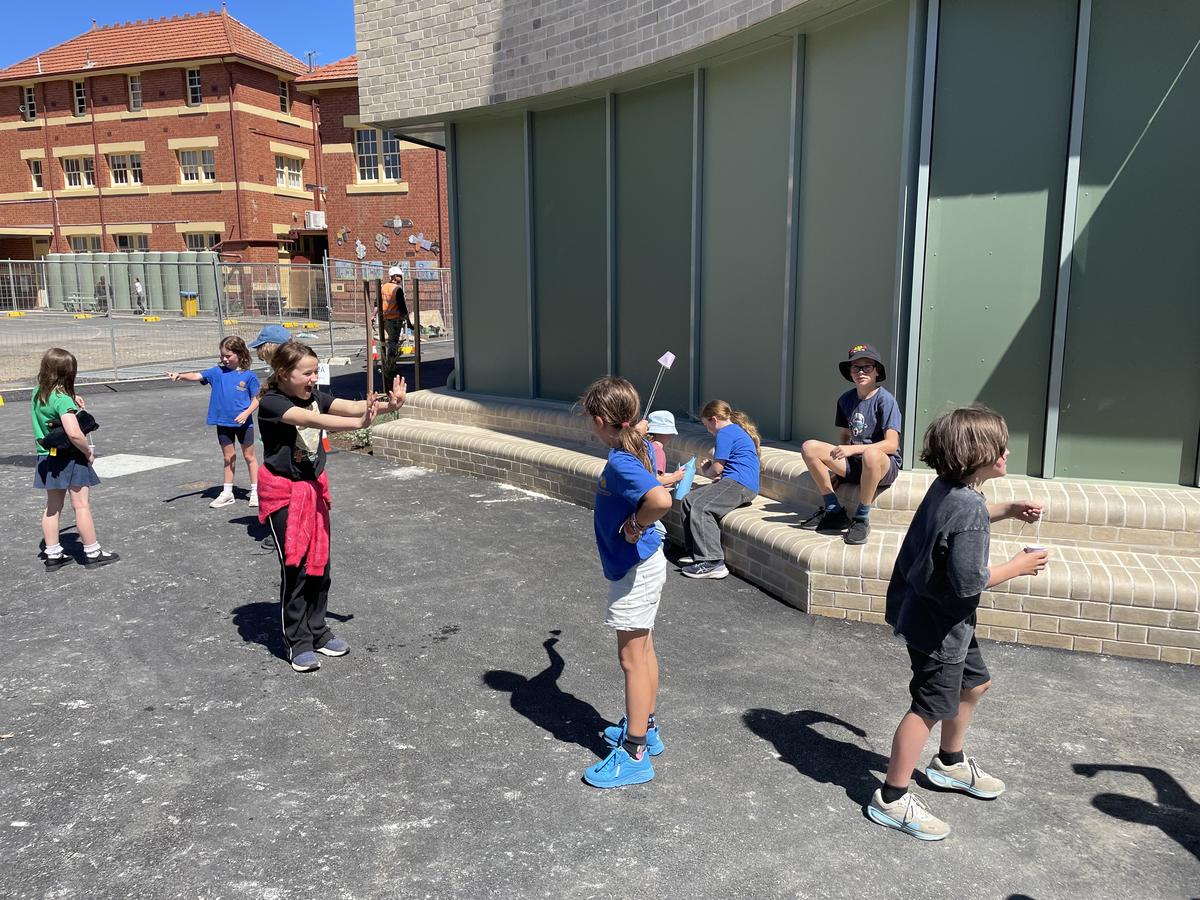
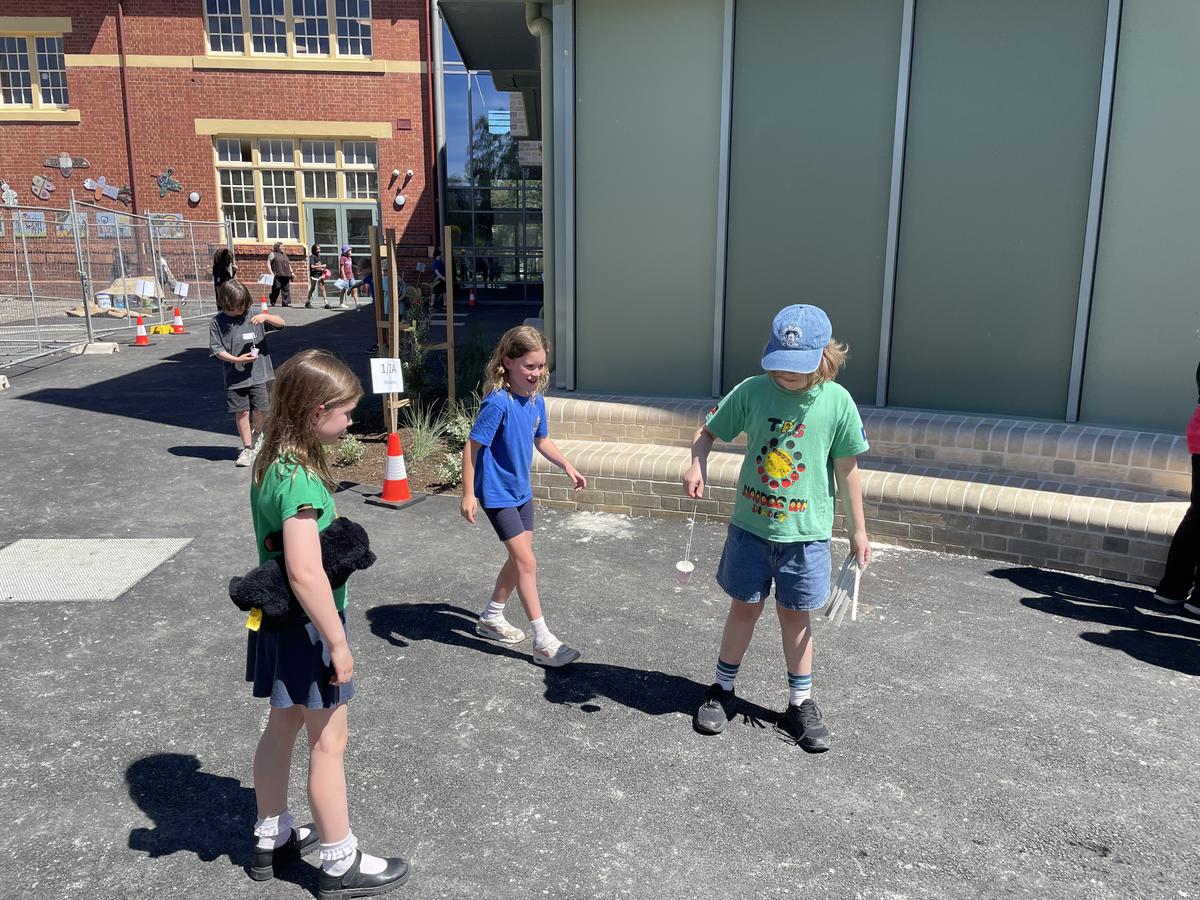
In week 4, we explored theme park roller-coasters by watching videos and reading texts to learn about how they work using push, pull and gravity. Students then worked in groups in the “Roller-Loop Inertia Challenge”, where they used a cup and string to explore circular motion by swinging a cup of water, discovering how centripetal force and inertia overcome gravity to keep the water inside the cup without spilling a drop!
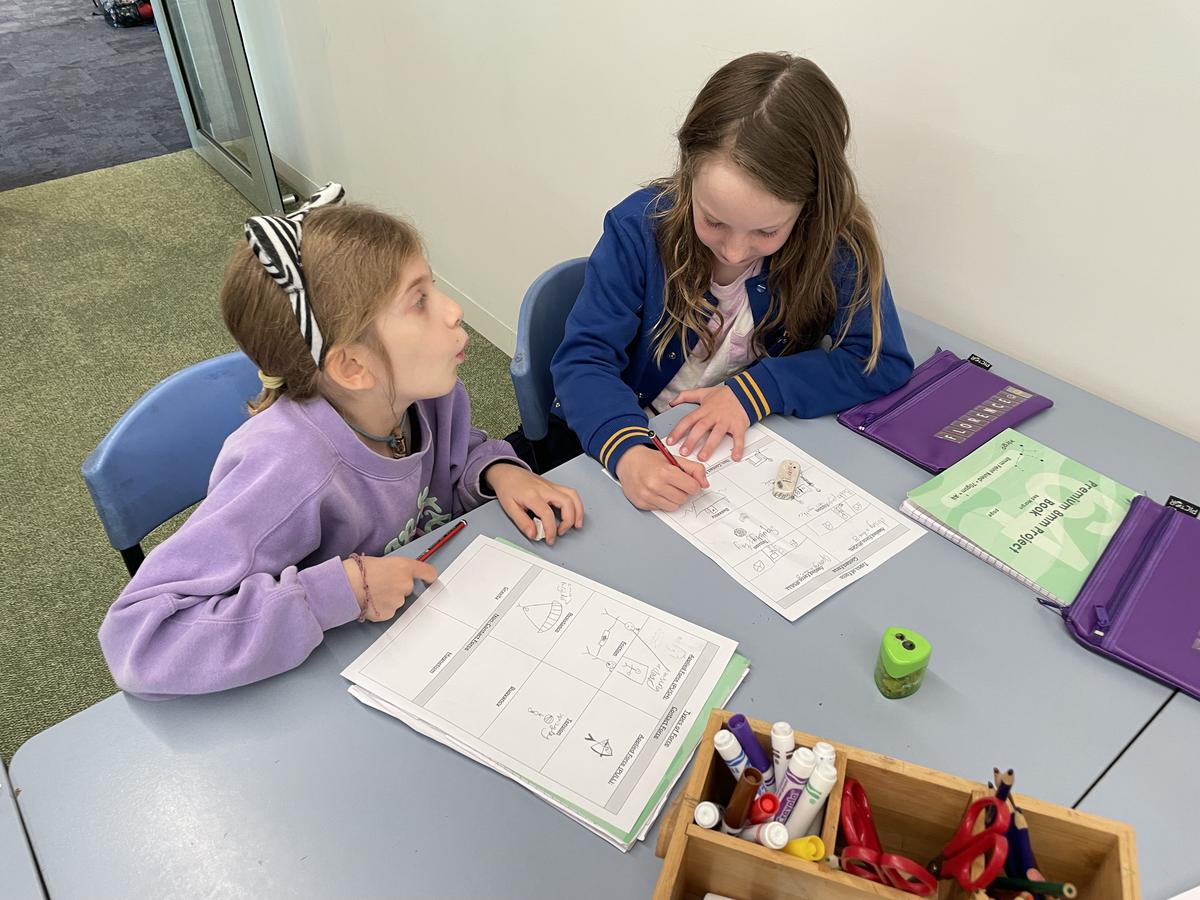
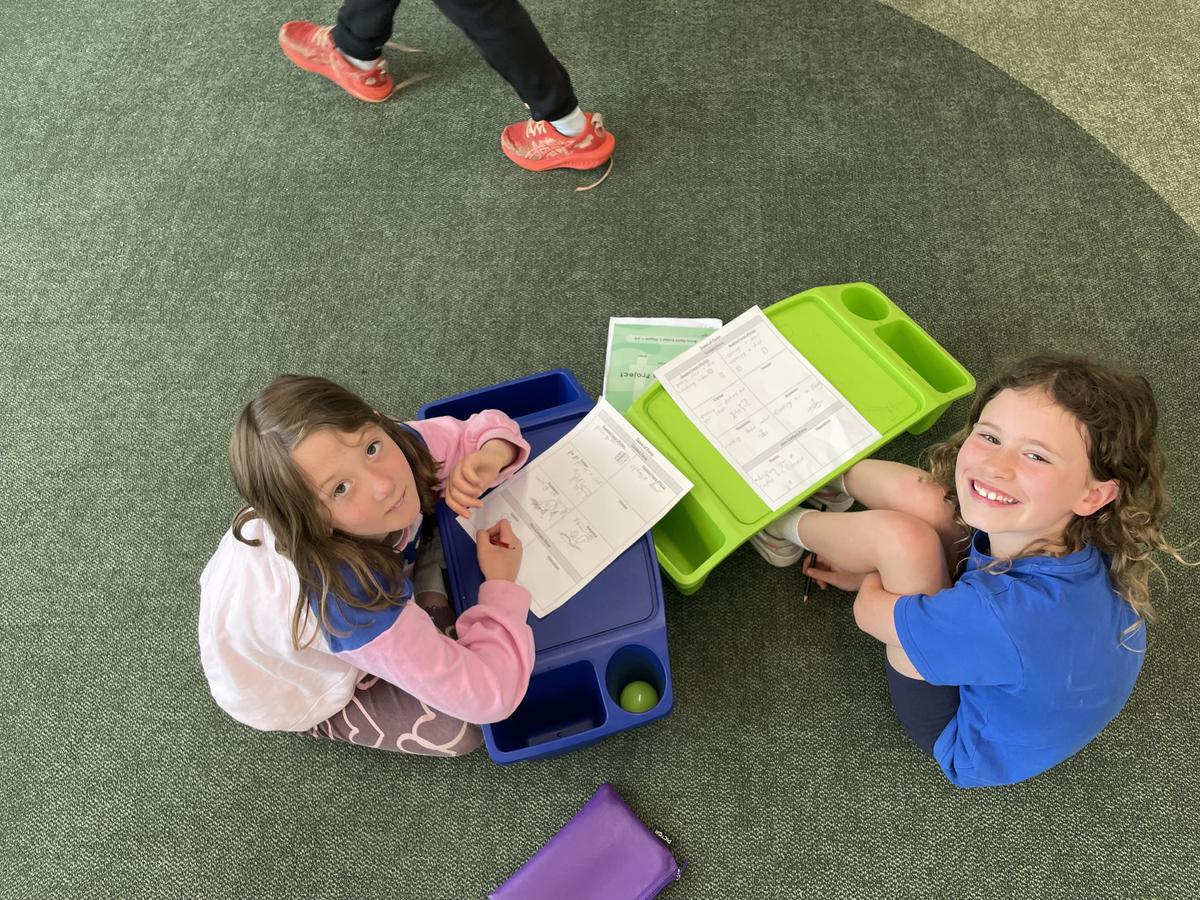
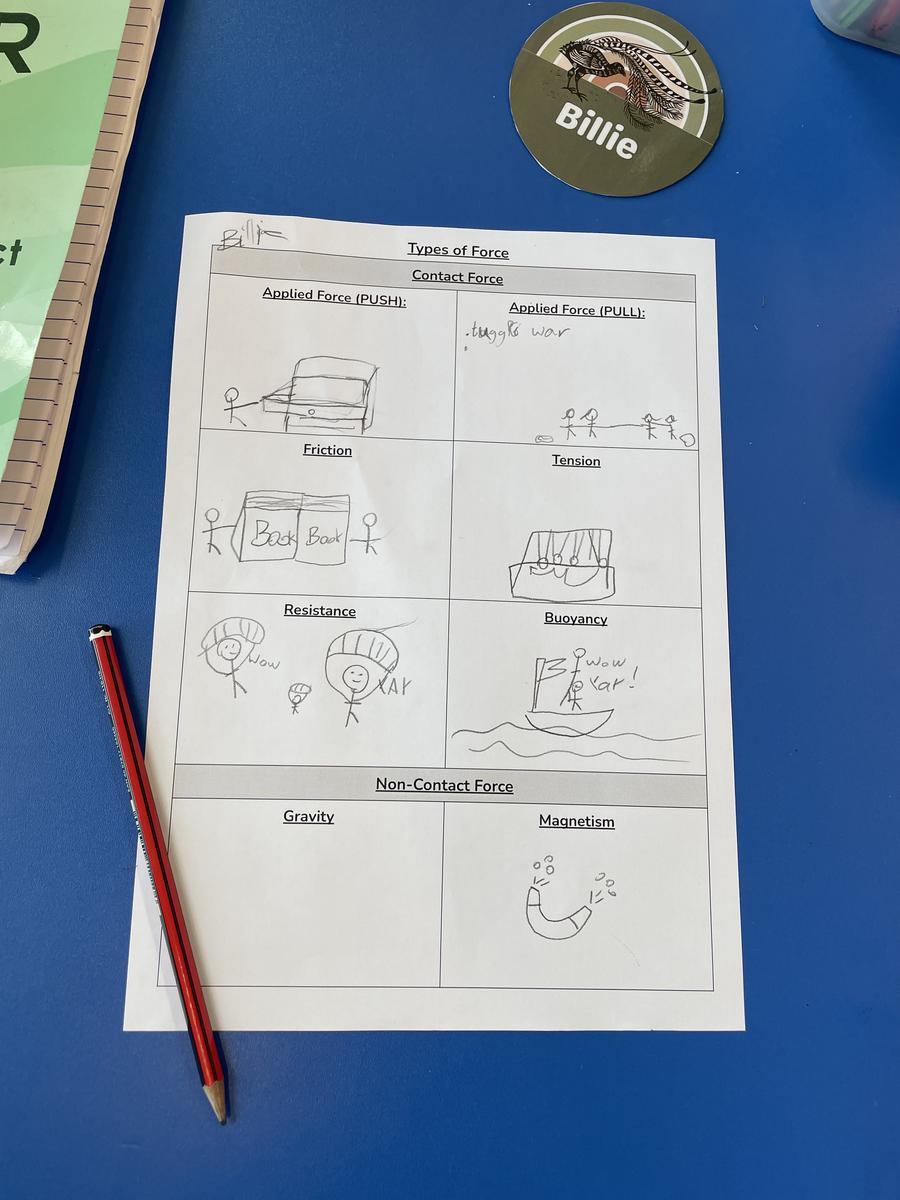
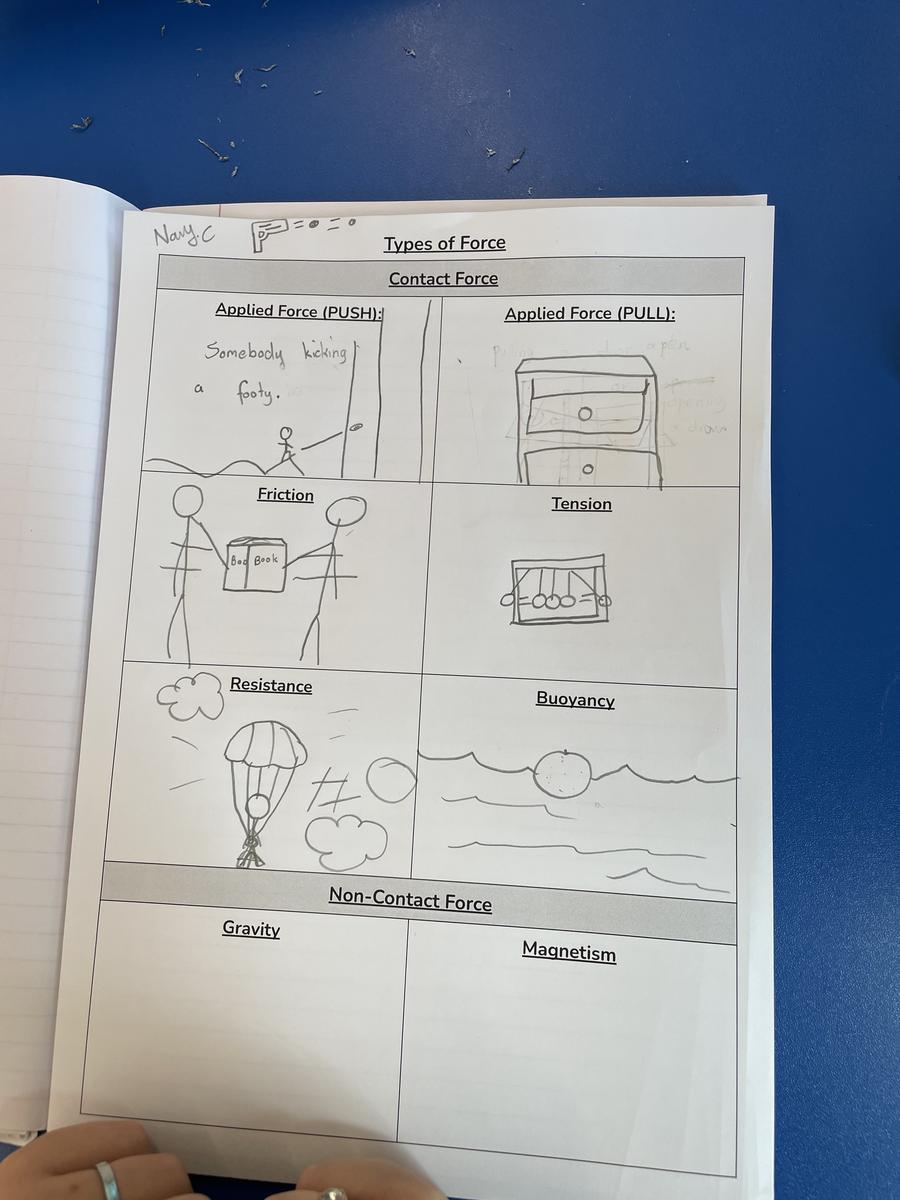
Last week we delved deeper into forces, and studied contact forces including applied for (push/pull), friction, tension, resistance & buoyancy and non-contact forces such as magnetism & gravity, and discussed examples of these.
We then moved on to look at Rube Goldberg and Rube Goldberg Machines. Rube Goldberg was an engineer and cartoonist that drew complex and funny chain reaction machines. A Rube Goldberg Machine is a machine or series of chain reactions designed to perform a simple task in a complex way. We viewed some of his cartoon designs before watching some videos of Rube Goldberg Machines. When watching these we discussed the different forces that were being used and how they contributed to the machine performing its function.
Our next step is to design and build our own Rube Goldberg Machines. Students will follow the design process to create their own chain reactions to perform a simple task. We are encouraging students to bring in any objects and materials they may find useful for these machines over the next few weeks.
Maths
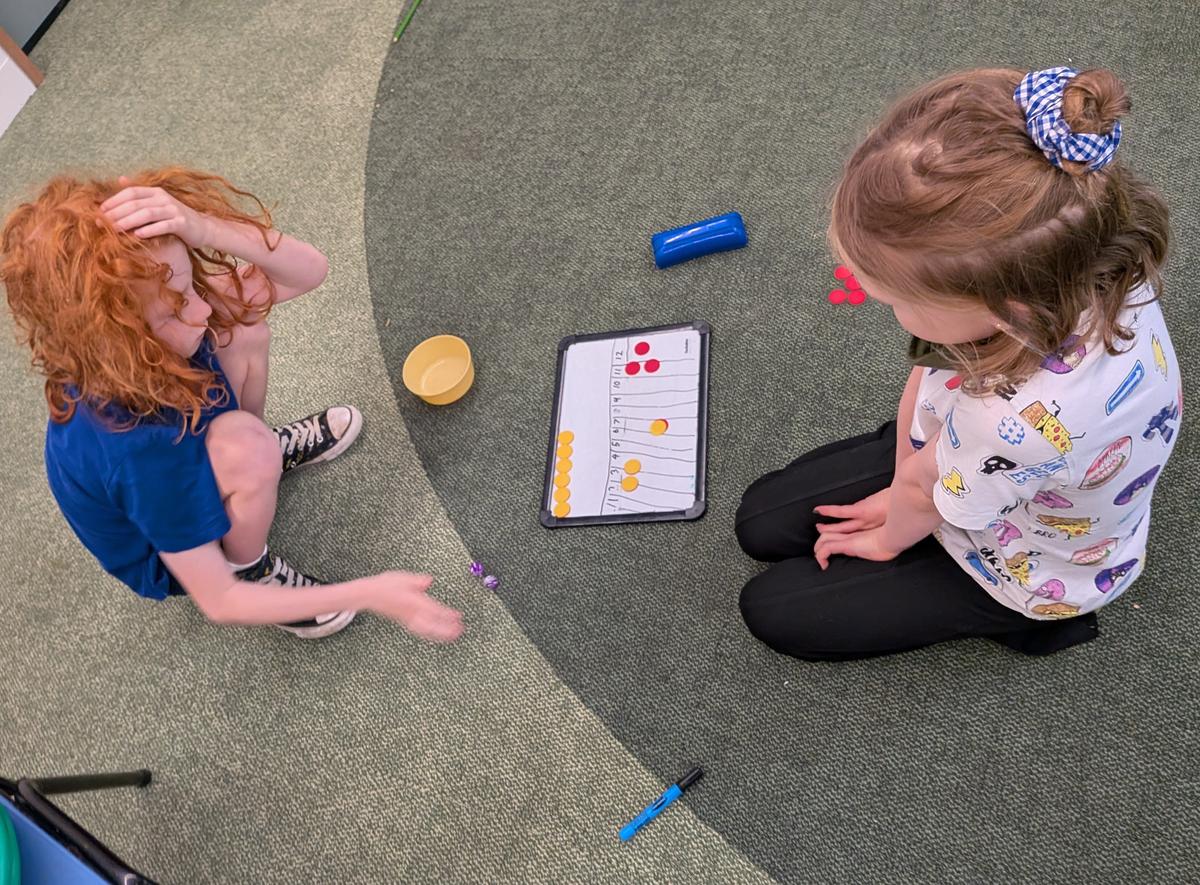
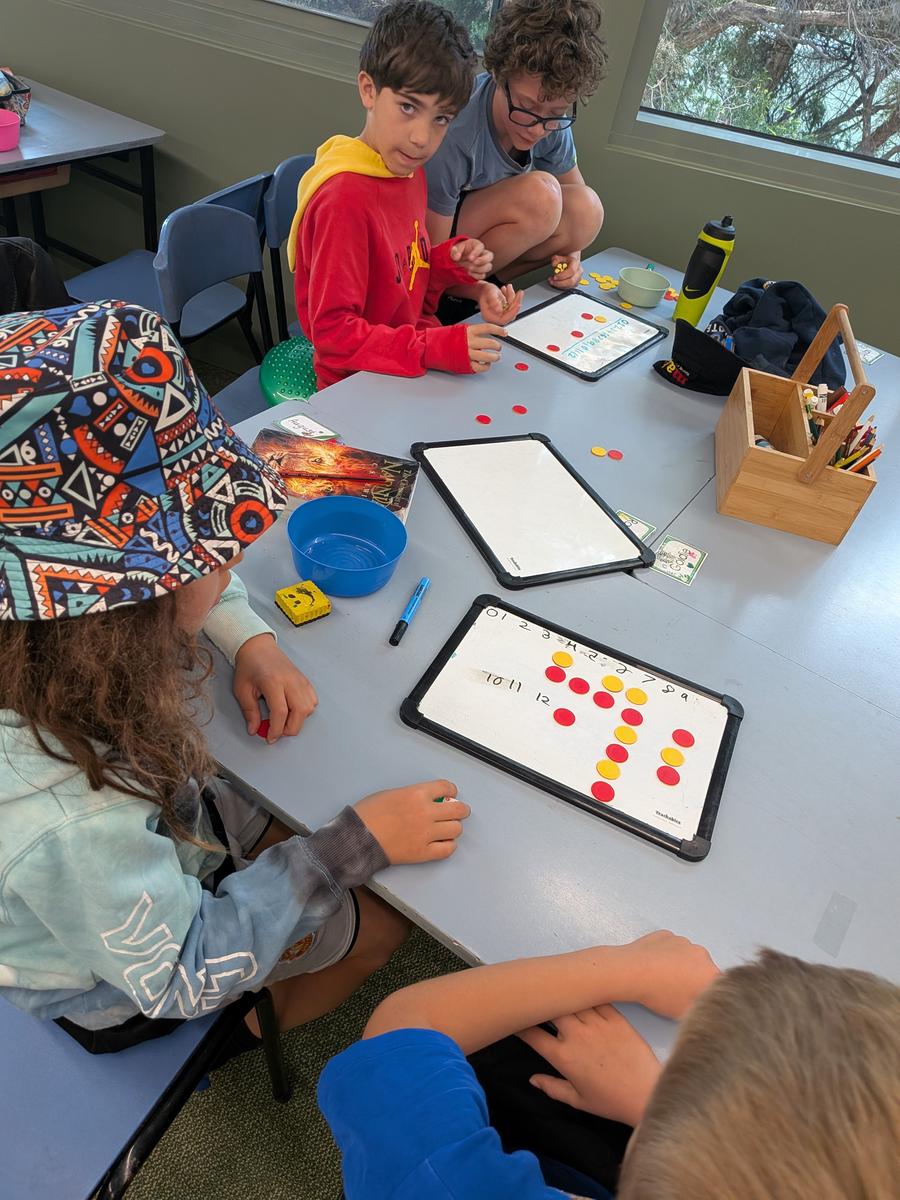
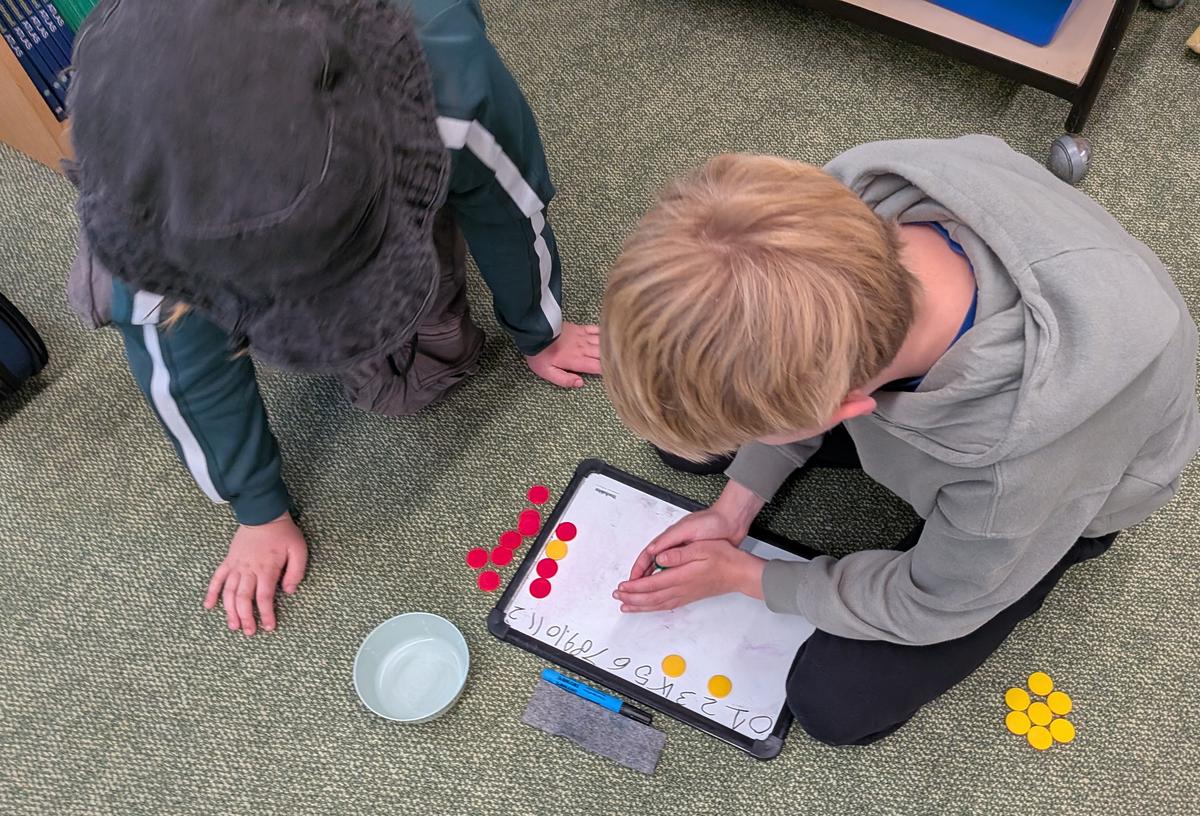
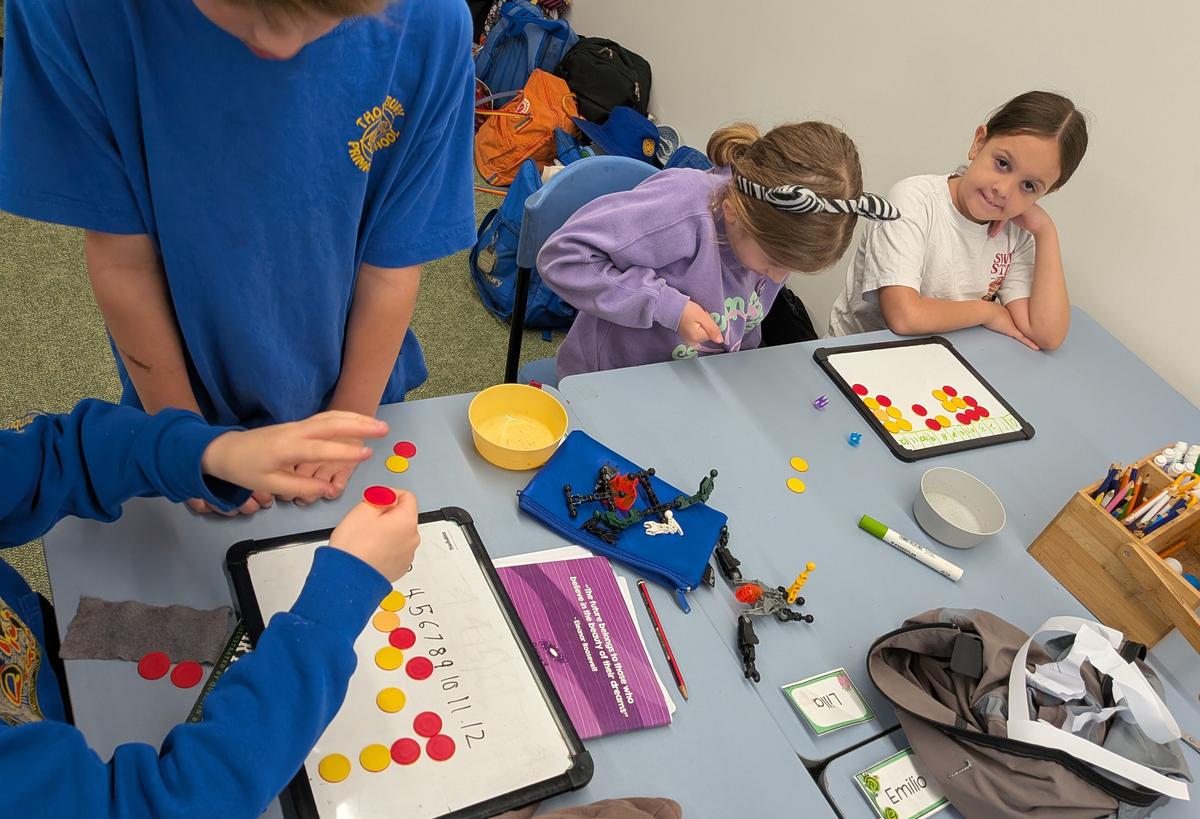
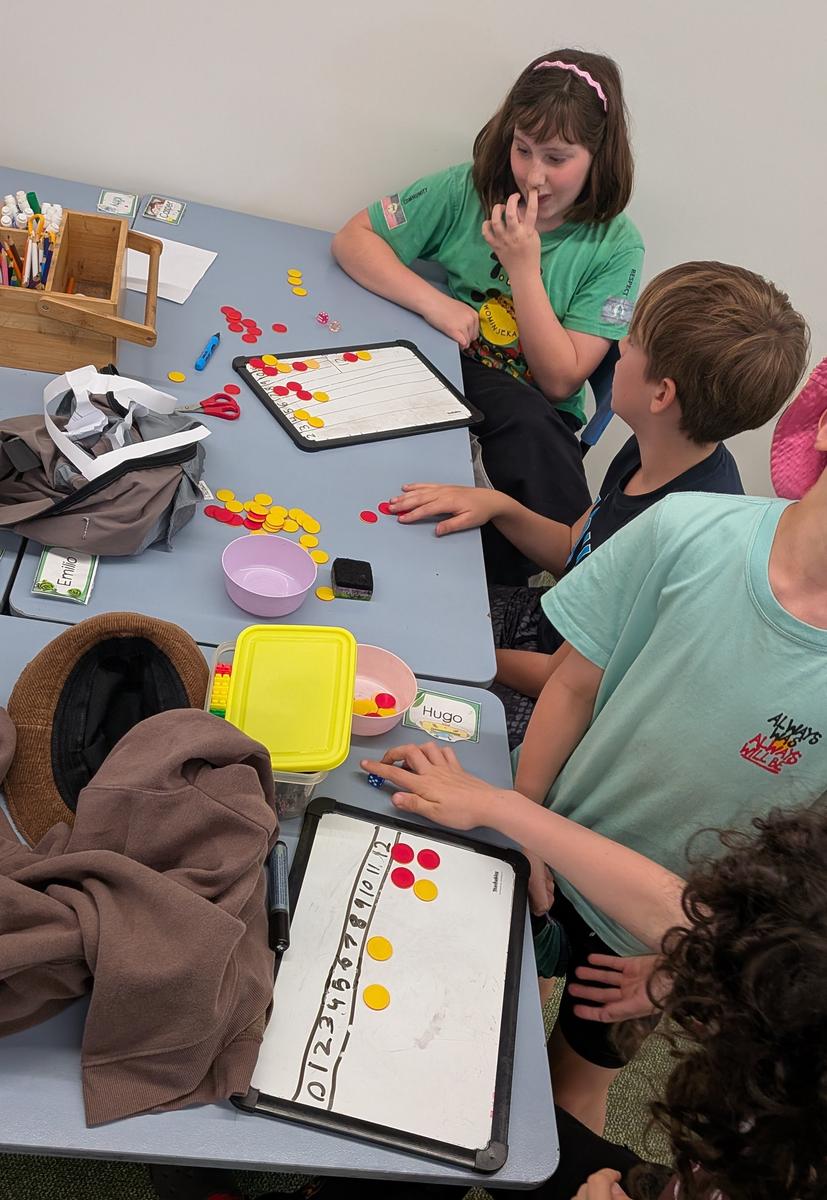
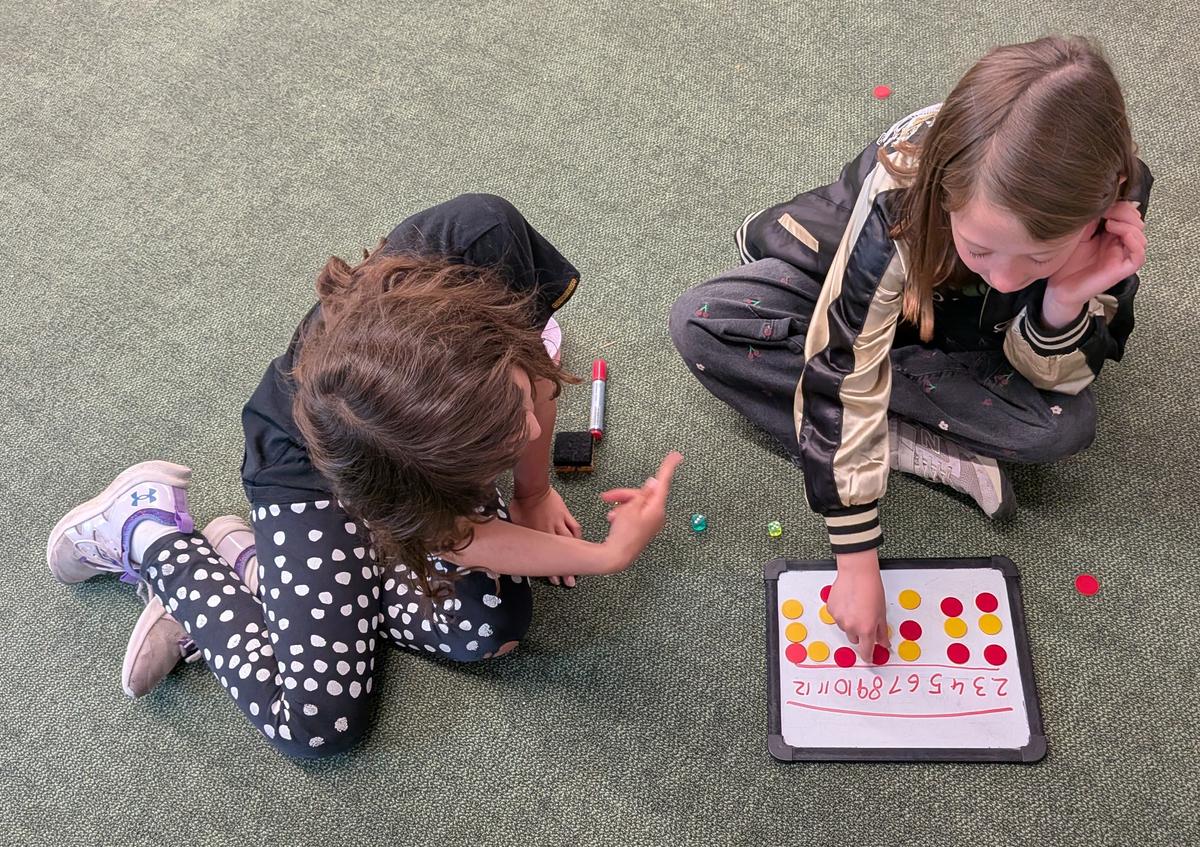
We have been studying chance and probability. Describing the probability of specific events happening on a probability scale from impossible to certain. We also conducted chance experiments using coins, dice and spinners, made predictions, recording results and explaining the expected probability versus the results.
We looked at using percentage and a scale of 0 - 1 to quantify these probabilities using numbers.
We looked at using the probability formula;
Probability of an event happening = Number of ways it can happen
Total number of outcomes
and used this to analyse outcomes of our chance experiments.
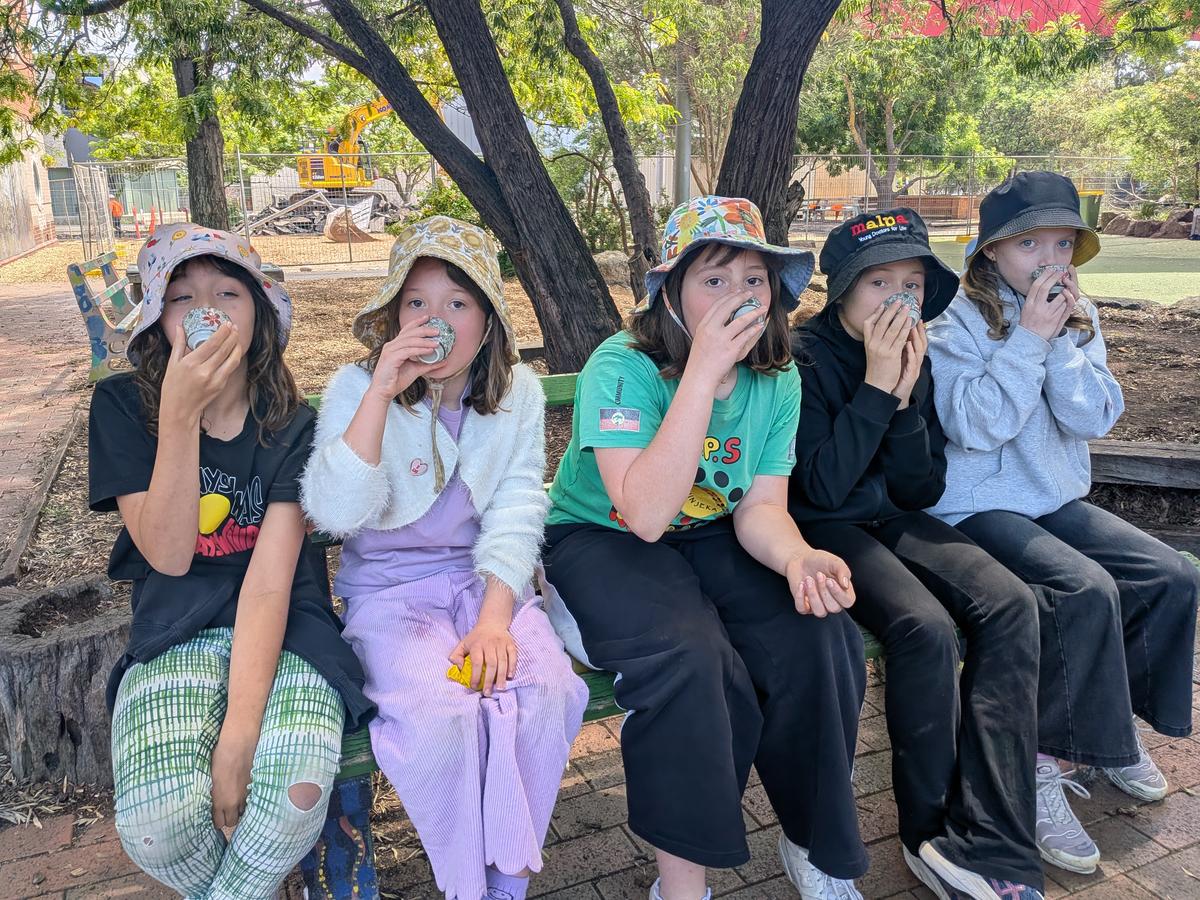
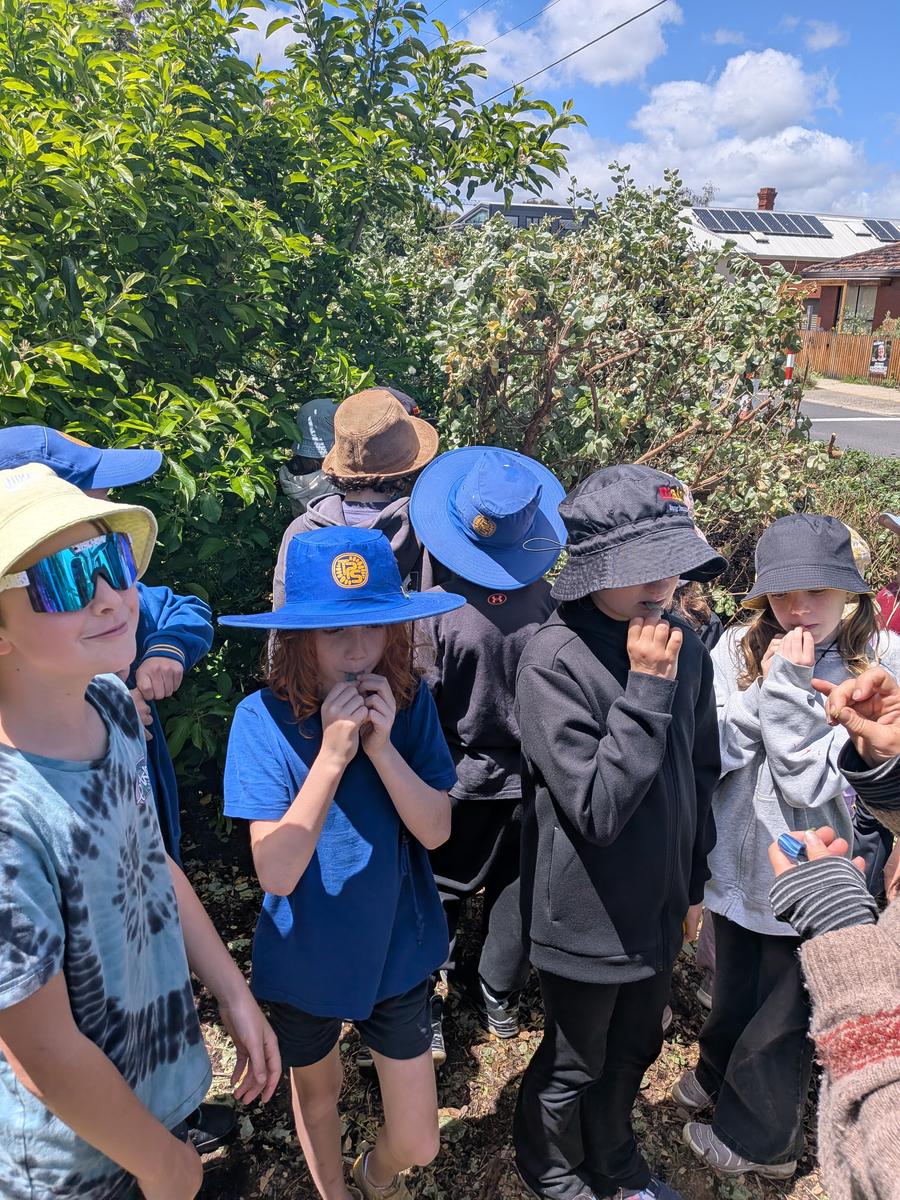
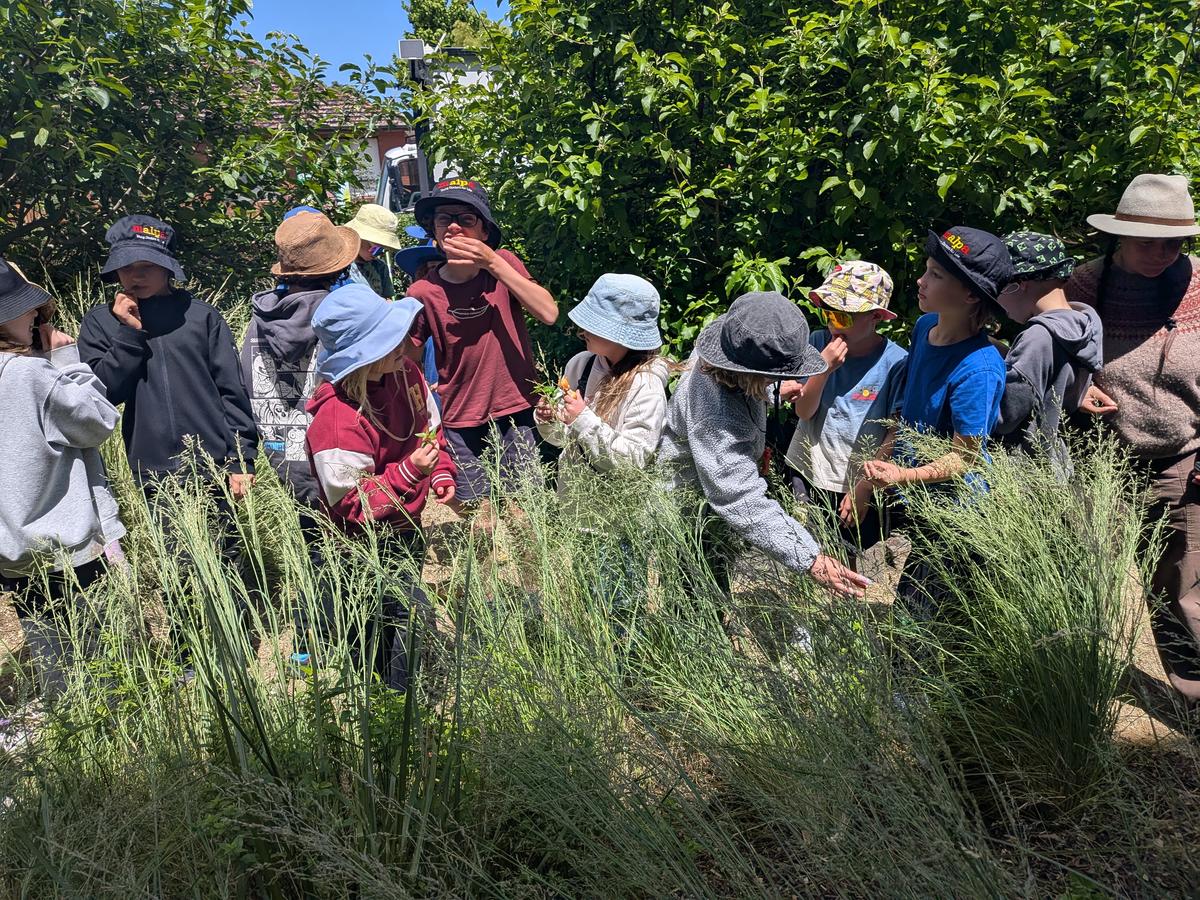
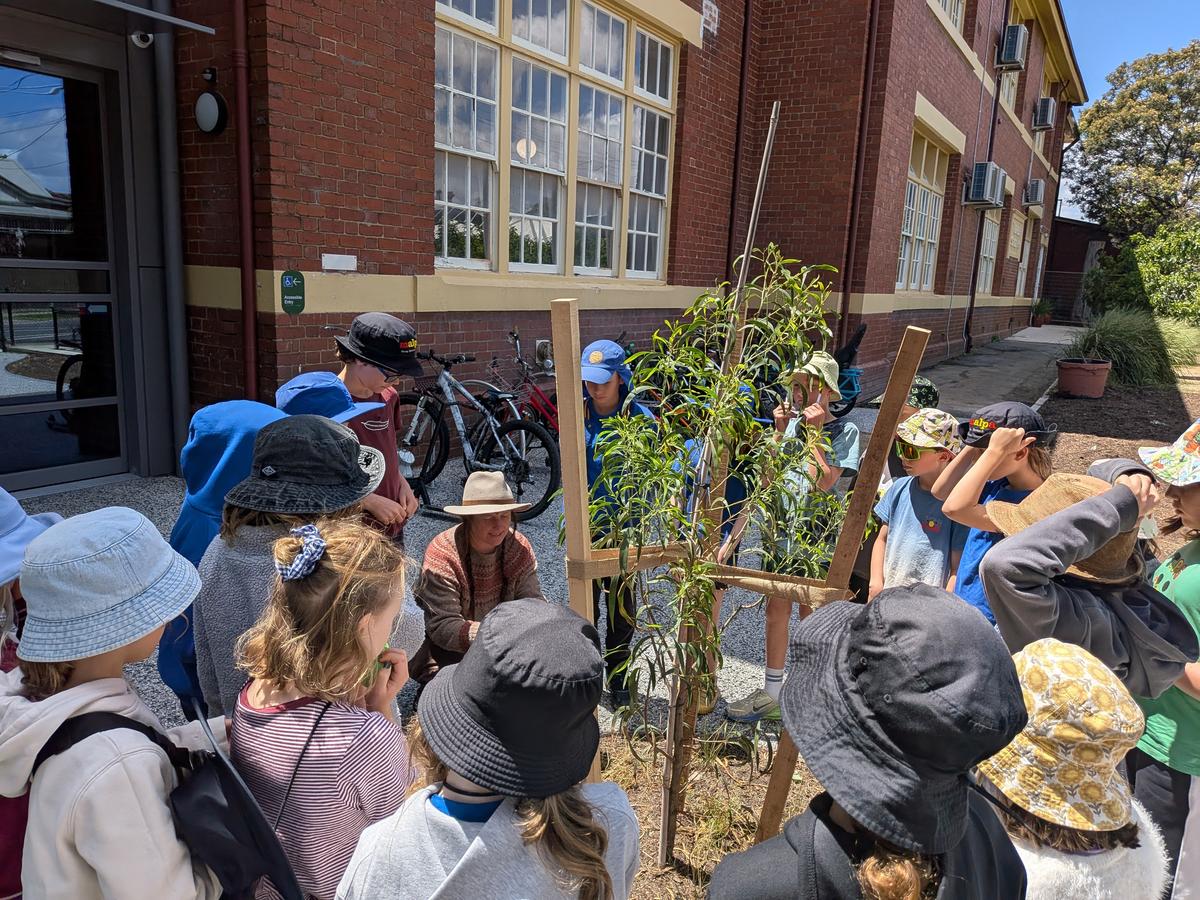
Gardening
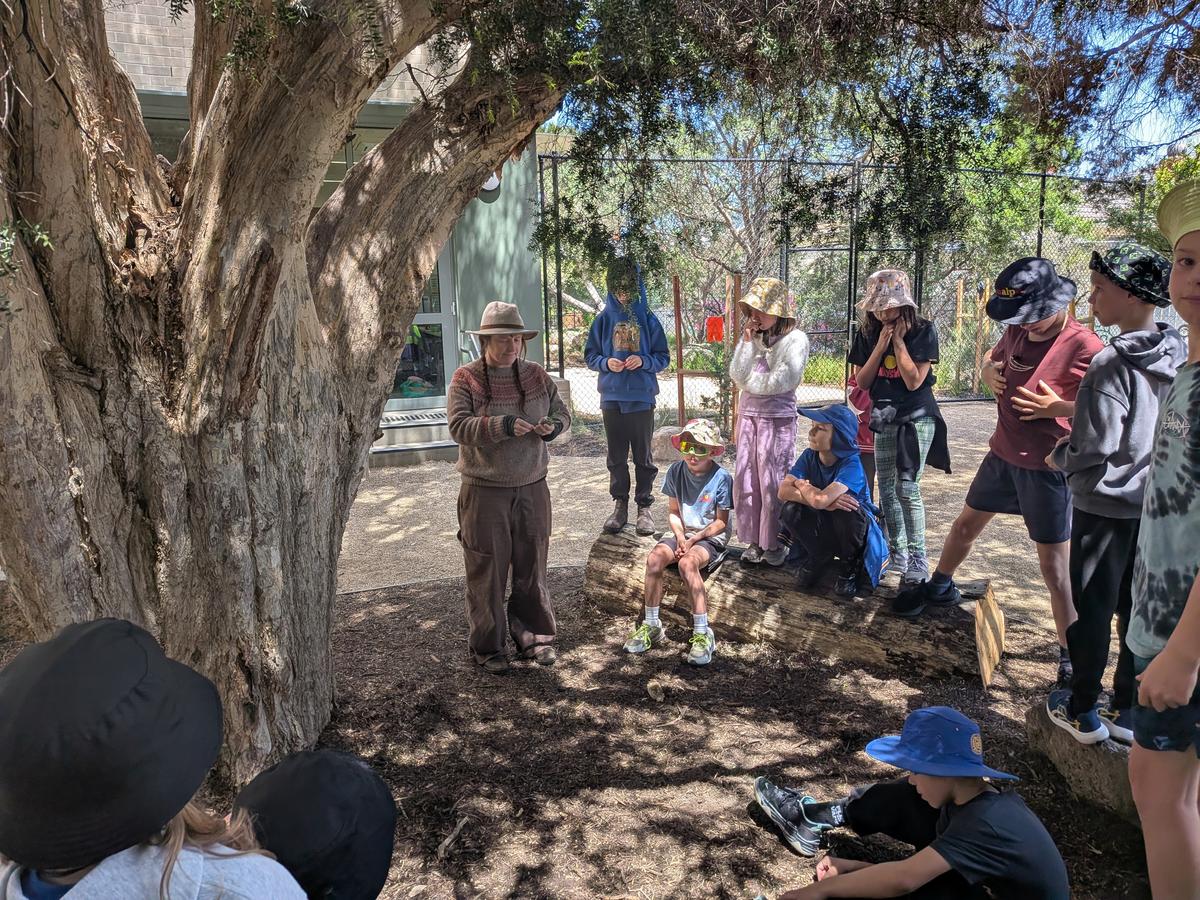
In Gardening we took a walk through some of the new gardening spaces while revisiting some of our older spaces that had previously been inaccessible due to the build. We identified different plants and talked about their nutritional and medicinal purposes. We tried tea brewed from a local plant and helped with some general grounds maintenance.
3/4B Gorrawa
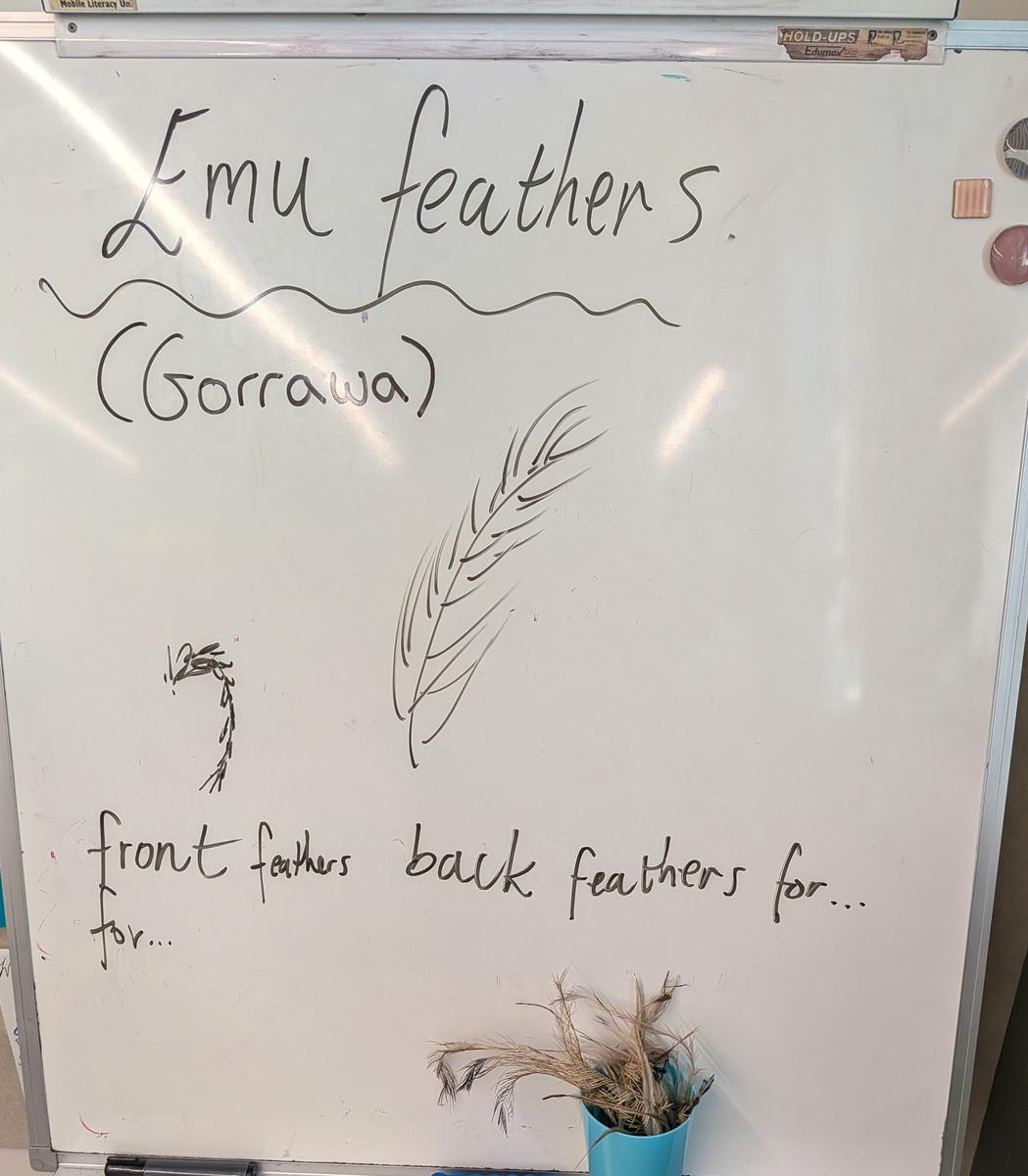
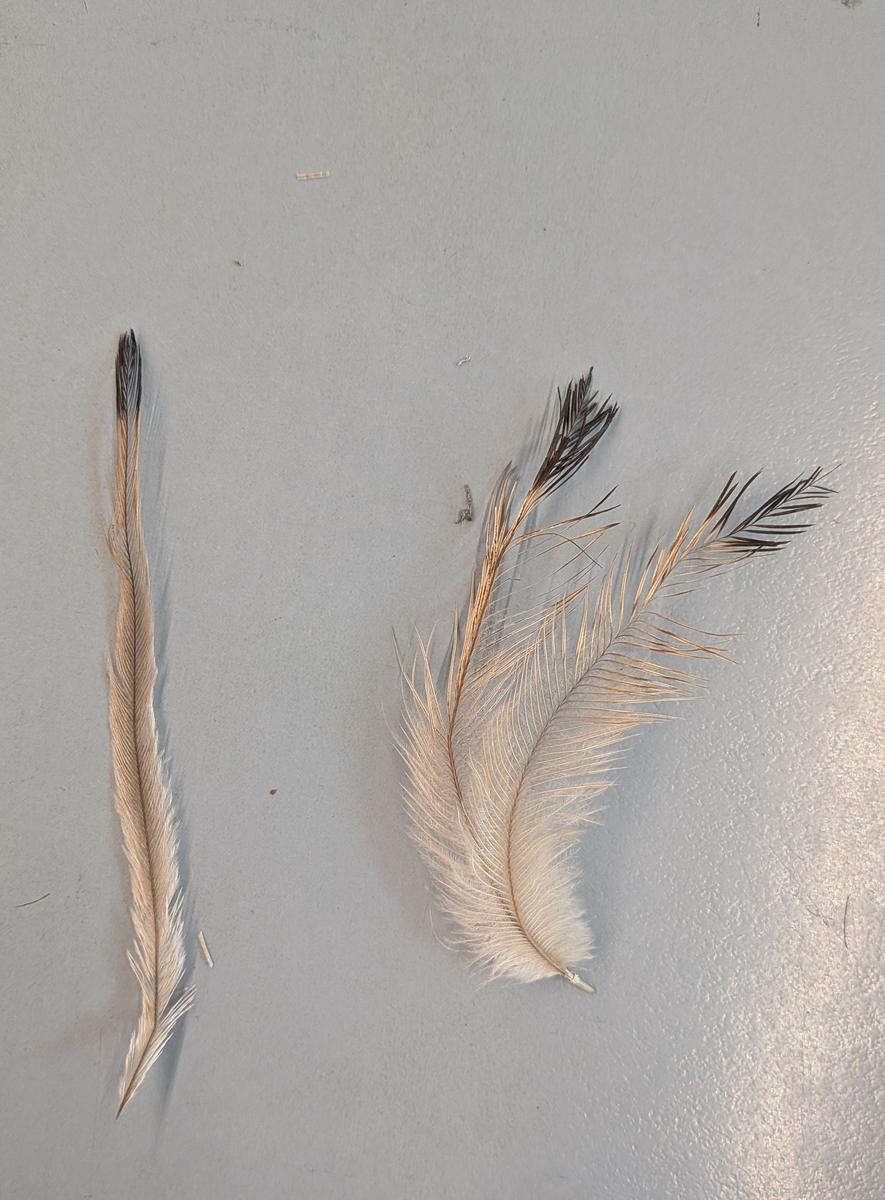
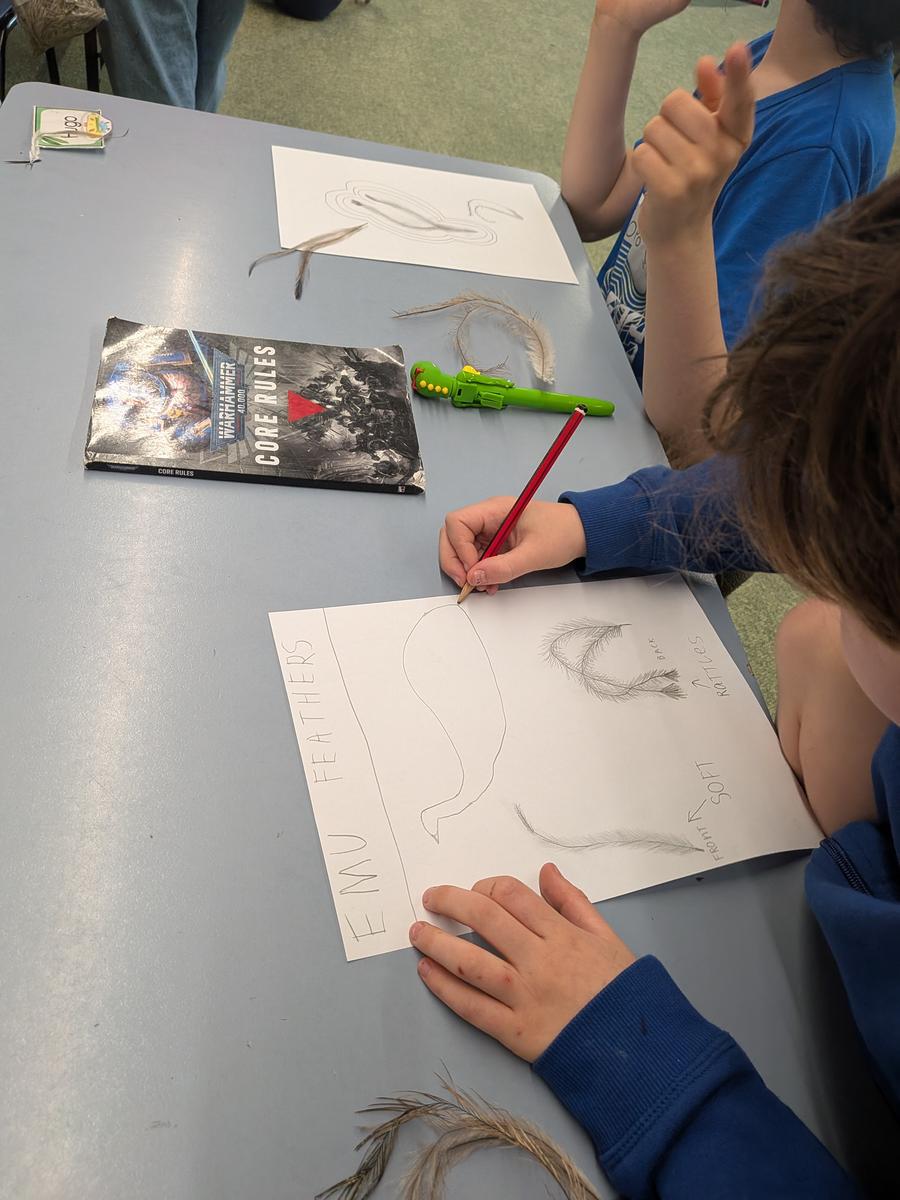
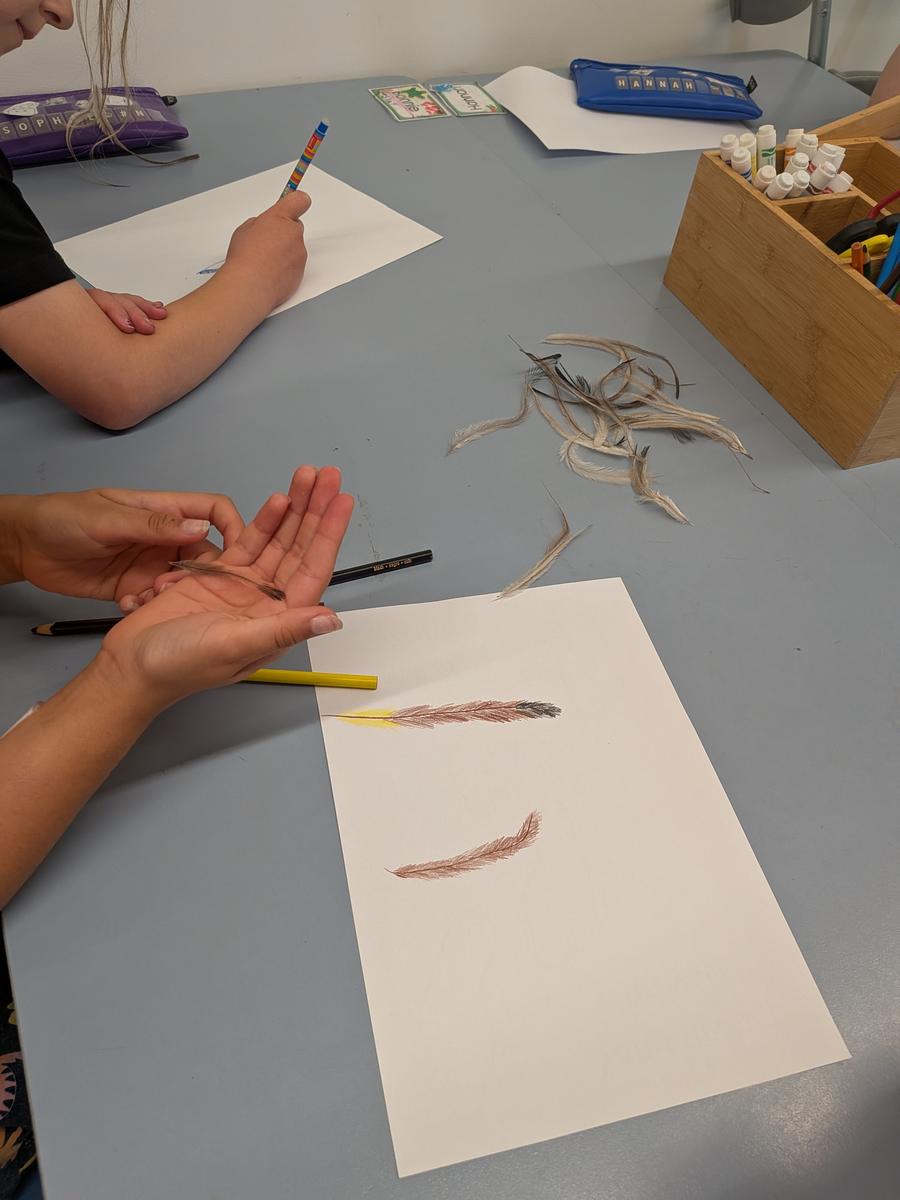
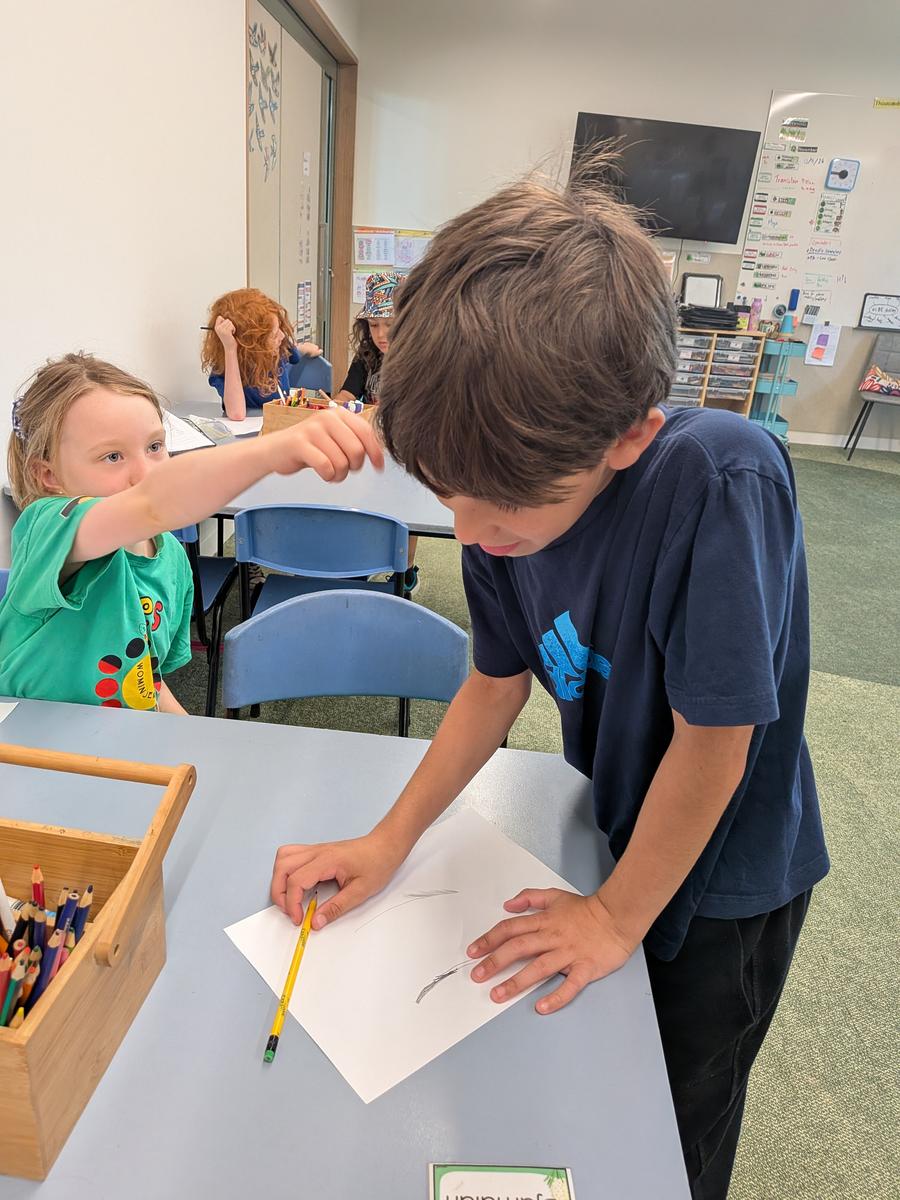
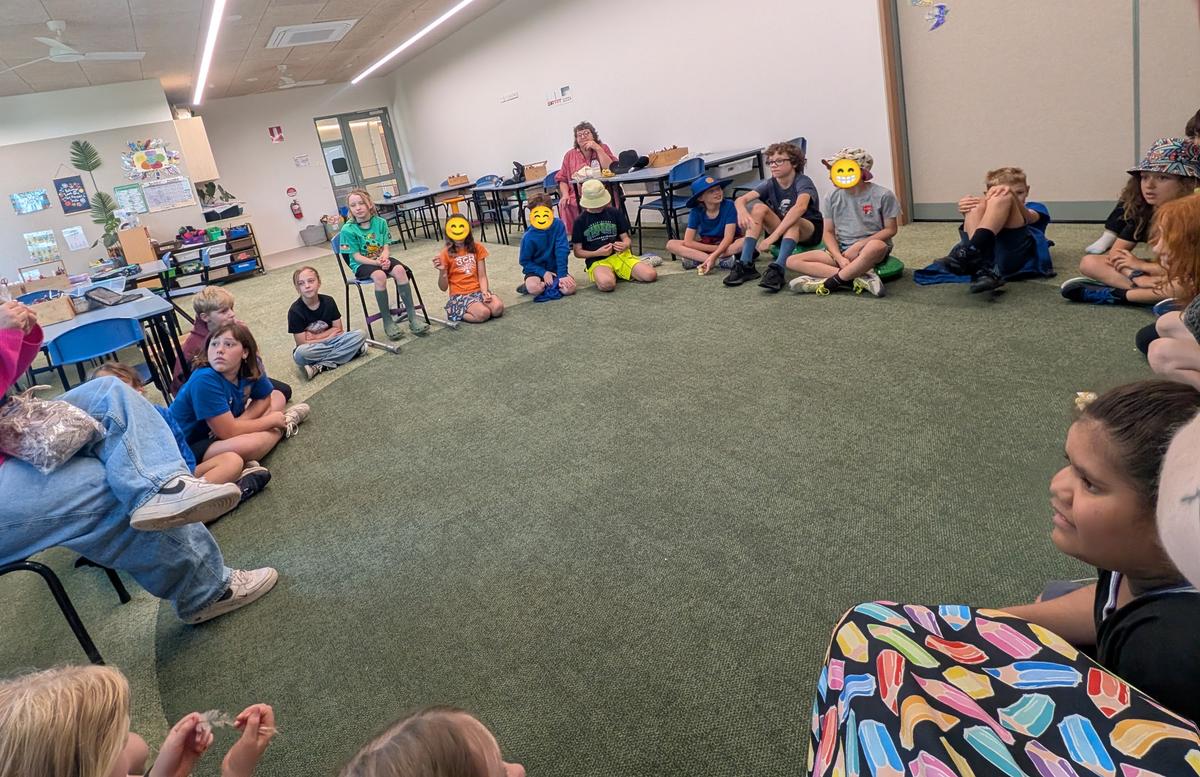
We were lucky enough to have Mya (a student teacher we had back in Term 1) come back to TPS to visit us with something special to share. Mya spoke to the class about emus and emu feathers - Gorrawa - bringing along a big bag of them she had gotten from her mother on Country. Mya taught us about the two different types of Gorrawa, front feathers being soft and smaller, and the back feathers being long and more sturdy. Both types of feathers have their own role, the front feathers are for warmth, while the bigger back feathers are to shake and warn off predators with their unique rattle sound. Gorrawa can be used in many ways, including dancing and artwork. We were so lucky to be gifted a collection from Mya to share with Aunty Terri and the school.
Thanks for the visit Mya, we loved seeing you again!